
Reviewed by the COOLVIAL Editorial Team — specialists in insulin storage for Indian climate conditions.
Gwalior, a city steeped in history and vibrant culture, is home to a growing number of individuals navigating the complexities of diabetes. Managing this condition effectively requires access to quality healthcare, reliable medication, and a thorough understanding of local environmental factors. This complete diabetes care guide for Gwalior residents in 2026 aims to be your definitive resource, offering actionable insights and local context. Based on analysis of insulin storage queries from Gwalior diabetics and comprehensive local research, we understand the specific challenges faced here. With an estimated 11.4% of Madhya Pradesh’s adult population living with diabetes (Source: ICMR-INDIAB Study, 2020), understanding Gwalior’s unique landscape is crucial for optimal diabetes management.
Whether you’re new to Gwalior, a long-time resident, or simply seeking to enhance your diabetes management strategy, this guide covers everything from accessing top medical facilities and pharmacies to understanding the city’s climate, food culture, and transportation nuances. We’ll also delve into financial aspects like insurance and highlight crucial local support networks.
Table of Contents
- Diabetes Prevalence in Madhya Pradesh and Gwalior
- Top Hospitals and Healthcare Facilities in Gwalior
- Navigating Gwalior’s Pharmacy Network
- Gwalior’s Climate Reality and Insulin Storage Challenges
- Power and Utility: Managing Diabetes During Load Shedding in Gwalior
- Transporting Insulin in Gwalior: A Local’s Guide
- Gwalior’s Food Culture: Diabetes-Friendly Choices
- Diabetes Support Groups and Community in Gwalior
- Understanding Diabetes Insurance in Gwalior
- Gwalior-Specific Challenges for Diabetics
- Frequently Asked Questions (FAQ)
- How We Researched This
- Conclusion & Call to Action
- Medical Disclaimer
1. Diabetes Prevalence in Madhya Pradesh and Gwalior
Madhya Pradesh, like many other Indian states, is witnessing a significant rise in diabetes prevalence. According to the Indian Council of Medical Research–India Diabetes (ICMR-INDIAB) study (2020), the prevalence of diabetes in Madhya Pradesh stands at approximately 11.4% among adults, with an additional 10.9% having pre-diabetes. This means nearly one in four adults in the state is either diabetic or pre-diabetic, highlighting a critical public health challenge.
While specific, granular data for Gwalior city alone can be challenging to isolate from statewide surveys, local health experts and hospital admissions confirm a similar trend within the city. Urban centers like Gwalior often face higher prevalence rates due to lifestyle factors such as increased sedentary behavior, changes in dietary patterns, and higher stress levels. This makes a complete diabetes care guide even more vital for Gwalior residents to proactively manage their health.
Key Statistics & Trends:
- Statewide Prevalence: 11.4% of adults in Madhya Pradesh have diabetes (Source: ICMR-INDIAB Study, 2020).
- Pre-diabetes: An additional 10.9% are estimated to have pre-diabetes, indicating a large at-risk population.
- Urban vs. Rural: Urban areas like Gwalior typically show higher prevalence compared to rural counterparts.
- Age Groups: Diabetes is increasingly being diagnosed in younger age groups, emphasizing the need for early screening and lifestyle modifications.
Understanding the Impact:
The rising numbers underscore the importance of early diagnosis, consistent monitoring, and effective management strategies. For Gwalior residents, this means being aware of risk factors, undergoing regular screenings, and adopting a holistic approach to diabetes care that includes diet, exercise, medication, and proper insulin storage.
2. Top Hospitals and Healthcare Facilities in Gwalior
Access to reliable healthcare facilities is paramount for diabetes management. Gwalior boasts several reputable hospitals, offering a range of services from general healthcare to specialized endocrinology departments. It’s advisable for diabetics to have a primary care physician and a diabetologist or endocrinologist for specialized consultation. For a deeper dive into specialists, refer to our guide on Best Diabetologists & Endocrinologists in Gwalior — 2026 Guide.
Leading Hospitals for Diabetes Care:
- Gajra Raja Medical College (GRMC) / Jayarogya Hospital: As a prominent government medical college and hospital, GRMC’s associated Jayarogya Hospital offers extensive facilities including general medicine, diagnostics, and often hosts endocrinology clinics. It serves a large population and provides accessible care. Located near the city center in Lashkar, it’s a critical resource for many.
- BIMR Hospital (Birla Institute of Medical Research): A well-regarded private hospital known for its multi-specialty services, BIMR Hospital provides comprehensive medical care, including advanced diagnostics and specialized consultations for chronic conditions like diabetes. It’s located in the City Centre area.
- Apollo Spectra Gwalior: Part of the national Apollo network, Apollo Spectra offers specialized care, particularly in surgical and day-care procedures, which can be relevant for managing diabetes-related complications. It focuses on patient-centric care and modern facilities.
- Cancer Hospital & Research Institute: While primarily focused on oncology, this institute often addresses metabolic health issues that can accompany cancer treatment, including diabetes management.
- KIMS Hospital Gwalior: A newer entrant in the multi-specialty hospital space, KIMS aims to provide advanced medical facilities and expert care, which would include internal medicine and potentially specialized diabetes clinics.
- Maharaja Yashwantrao Hospital: Another government-affiliated hospital that provides general medical services and emergency care, serving the healthcare needs of the wider community.
Choosing Your Healthcare Provider:
When selecting a hospital or doctor, consider factors such as:
- Specialization: Look for diabetologists or endocrinologists who have specific expertise in diabetes management.
- Accessibility: Proximity to your home in neighborhoods like Lashkar, City Centre, Morar, or Thatipur can be crucial, especially during emergencies.
- Facilities: Ensure the hospital has necessary diagnostic tools (e.g., lab for HbA1c, glucose tests) and pharmacy services.
- Insurance Acceptance: Confirm if your health insurance plan (including Ayushman Bharat) is accepted.
3. Navigating Gwalior’s Pharmacy Network
A robust pharmacy network is essential for consistent access to insulin, oral medications, and diabetes supplies. Gwalior offers a mix of national chain pharmacies and local independent stores, ensuring residents can find what they need. For urgent needs, knowing which pharmacies operate 24-hours is vital; explore our dedicated guide on 24-Hour Pharmacies in Gwalior for Insulin Emergencies — Updated List.
Key Pharmacy Chains and Services:
- Apollo Pharmacy: A nationwide chain with a strong presence in Gwalior, offering a wide range of medicines, health products, and often home delivery services. You can find them in prominent areas like Lashkar and City Centre.
- MedPlus: Another popular pharmacy chain known for its competitive pricing and extensive inventory. MedPlus stores are strategically located across different neighborhoods.
- 1mg (Tata 1mg): While primarily an online pharmacy, 1mg has a significant presence in Gwalior through its delivery network. It’s a convenient option for ordering medicines from the comfort of your home, often with discounts.
- Generic Aadhaar: Focuses on providing affordable generic medicines, which can be a significant advantage for long-term diabetes management. They have outlets in various parts of the city.
- Sushrut Pharmacy: A well-known local pharmacy that often provides personalized service and may have specific local stock that larger chains might miss.
Online vs. Offline Pharmacies:
| Feature | Online Pharmacies (e.g., 1mg) | Offline Pharmacies (e.g., Apollo, MedPlus, Sushrut) |
|---|---|---|
| Convenience | Order from home, door-step delivery | Immediate purchase, can physically inspect products |
| Pricing | Often offer discounts, subscription models | May have loyalty programs, competitive pricing for certain items |
| Availability | Wide range of medicines, can check stock online | Immediate stock check, local availability varies |
| Emergency Needs | Less suitable for urgent needs (delivery time) | Ideal for emergencies, some offer 24/7 service (check specific store) |
| Consultation | Limited direct pharmacist interaction | Direct interaction with pharmacist for advice, dosage clarity |
| Insulin Storage | Delivery conditions need careful consideration, especially in heat | Can confirm cold chain maintenance for insulin on site |
Tips for Gwalior Diabetics:
- Verify Insulin Storage: When purchasing insulin, especially in Gwalior’s extreme temperatures, always confirm that the pharmacy maintains the cold chain for insulin.
- Keep Emergency Stock: Have a small emergency supply of insulin and other critical medications, particularly if you rely solely on online delivery.
- Prescription Management: Keep your prescriptions updated and easily accessible, especially for controlled substances like insulin.
To ensure your insulin remains effective, especially when collecting it from a pharmacy and transporting it home, consider a reliable cooling solution. A COOLVIAL insulin cool case can maintain insulin at the optimal temperature, protecting it from temperature fluctuations during your commute.
4. Gwalior’s Climate Reality and Insulin Storage Challenges
Gwalior’s climate presents significant challenges for insulin storage, making it a critical aspect of complete diabetes care guide for residents. The city experiences extreme temperature variations throughout the year, which can severely impact insulin efficacy if not stored correctly. Our detailed guide, How to Store Insulin in Gwalior Summer Heat — A Local’s Guide, offers comprehensive advice.
Gwalior’s Climate Profile:
- Hot Dry Summer (May-June): Temperatures soar dramatically, ranging from 22°C at night to a scorching 46°C during the day. This intense heat is the biggest threat to insulin, which denatures above 25-30°C.
- Cold Winter (December-February): While pleasant, winter temperatures can drop to 7°C, sometimes accompanied by fog. Insulin should not freeze, as this also renders it ineffective. Temperatures below 2°C are dangerous.
- Monsoon (July-September): The monsoon brings approximately 770mm of rainfall, leading to high humidity. While temperatures are moderate (25-35°C), high humidity can damage insulin packaging and pens, especially if not kept dry. Learn more about this in our article, Gwalior Monsoon & Insulin — Protecting Your Vials From Humidity Damage.
The Impact of Temperature Extremes on Insulin:
Insulin is a protein and is highly sensitive to temperature.
- Heat: Exposure to temperatures above 25-30°C can cause insulin to degrade, reducing its potency and leading to hyperglycemia. This is particularly problematic during Gwalior’s peak summer.
- Cold/Freezing: Freezing temperatures can crystallize insulin, making it ineffective and potentially harmful. Once frozen, insulin should not be used, even if thawed.
- Humidity: While not directly affecting insulin’s chemical structure as much as temperature, high humidity can damage insulin pens, vials, and testing strips, leading to malfunction or contamination.
Essential Insulin Storage Solutions:
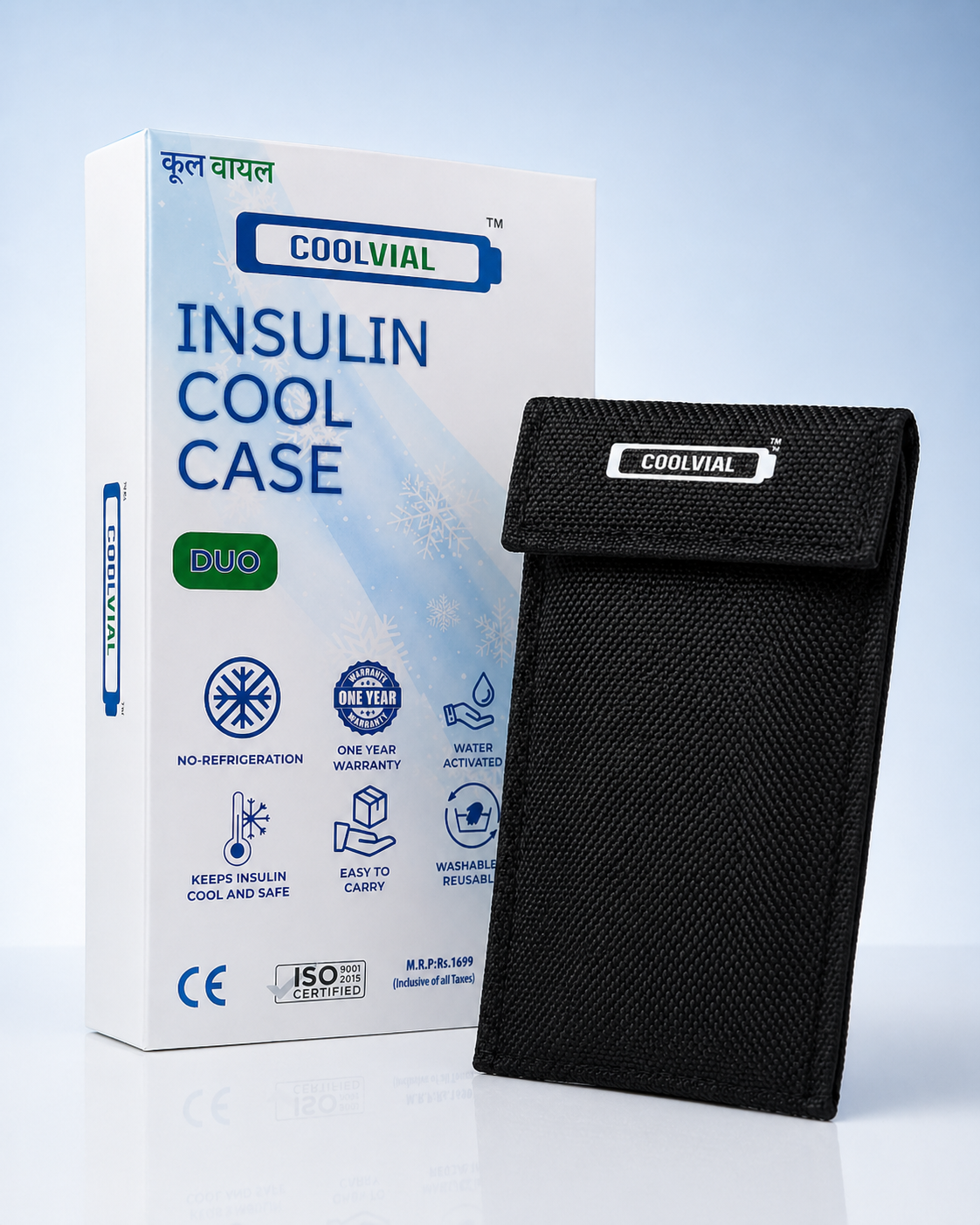
Complete Diabetes Care Guide for Gwalior Residents — 2026 Edition
48+ hours at 2-8°C. No electricity. CE certified. Free delivery across India.
Order on WhatsApp — ₹1,099🛒 Buy Now — ₹1,099Given these challenges, a reliable insulin cooling solution is indispensable for Gwalior residents.
- Refrigeration: Unopened insulin vials and pens should always be stored in a refrigerator between 2°C and 8°C. Ensure it’s not near the freezer compartment to prevent accidental freezing.
- Opened Insulin: Once opened, insulin can generally be kept at room temperature (below 25-30°C) for 28 days. However, Gwalior’s summers often exceed this, making room temperature storage risky.
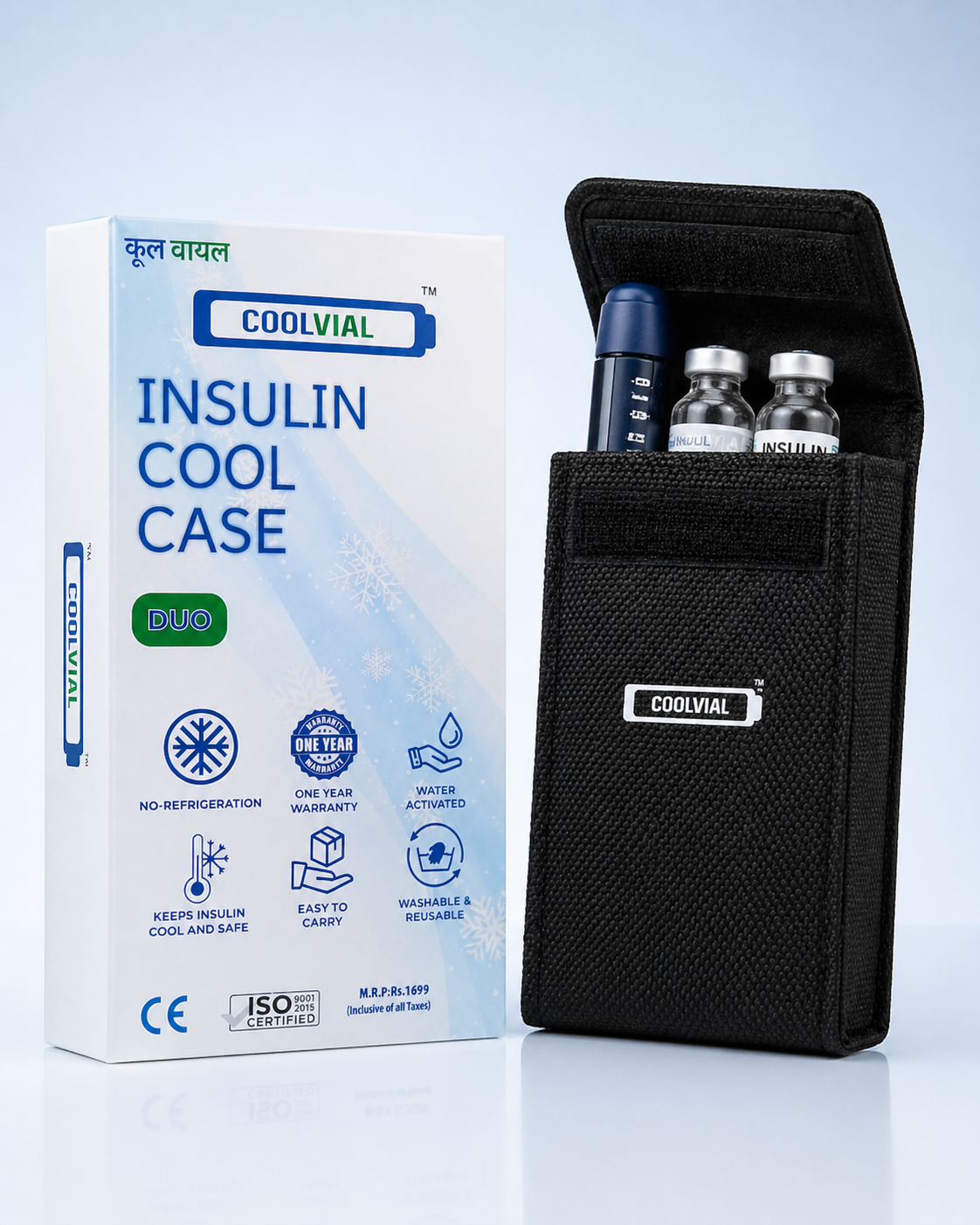
- Evaporative Cooling Cases: These are life-savers in Gwalior. Products like the COOLVIAL Duo use water activation to keep insulin cool through evaporation, without electricity. This is ideal for daily use, travel, and during power cuts. The COOLVIAL Duo holds 2 pens and 1 vial, keeping insulin cool for 12-16 hours. It’s a CE certified, ISO 9001:2015 product, made in India, and comes with a 1-year warranty. It offers a reliable and affordable solution compared to alternatives like FRIO (often around Rs 1,900) or Outer Woods OW-12 (around Rs 999 but with different cooling technology).
| Cooling Method | Pros | Cons | Ideal for |
|---|---|---|---|
| Refrigerator | Most reliable for long-term storage (unopened) | Not portable, vulnerable during power cuts | Home storage of unopened insulin vials/pens |
| COOLVIAL Duo | Portable, no electricity, keeps insulin 12-16 hrs (2-8°C), affordable | Requires water activation, not suitable for freezing temperatures | Daily commute, travel, power cuts, summer |
| FRIO (Similar) | Portable, no electricity, evaporative cooling | Higher price point (around Rs 1,900) | Similar to COOLVIAL, but more expensive |
| Outer Woods OW-12 | Portable, often uses gel packs, may offer longer cooling | Requires pre-freezing gel packs, bulkier, less convenient for daily use | Longer journeys where freezing is possible |
| Insulated Pouch | Basic protection, low cost | Very limited cooling duration, not for extreme heat | Short trips, mild weather |
Investing in a quality insulin cooling case like the COOLVIAL Duo is not just a convenience; it’s a necessity for safe and effective diabetes management in Gwalior’s climate. For more options, see Where to Buy an Insulin Cooler in Gwalior — Top Stores, Pharmacies & Online Delivery.
5. Power and Utility: Managing Diabetes During Load Shedding in Gwalior
Power outages, or load shedding, are a reality in many Indian cities, and Gwalior is no exception. While infrastructure has improved, unexpected power cuts can still occur, especially during peak summer months or monsoon, affecting homes and businesses. For individuals managing diabetes with insulin, these disruptions pose a significant challenge for maintaining insulin’s cold chain. Our dedicated guide, Power Cut Survival Guide for Diabetics in Gwalior — What To Do When the Grid Goes Down, provides detailed strategies.
Gwalior’s Power Scenario:
- Load Shedding Patterns: While scheduled load shedding is less common than in previous years, local power distribution companies (discoms) may implement unscheduled cuts due to grid maintenance, high demand, or localized faults. This is more prevalent in peri-urban or older city areas.
- Peak Demand: Summer months (April-June) see a surge in electricity demand due to air conditioning, increasing the likelihood of localized outages.
- Monsoon Disruptions: Heavy rains and storms during July-September can cause power lines to falter, leading to unexpected cuts.
The Inverter Culture:
Gwalior, like many Indian cities, has a strong “inverter culture.” Many households and businesses invest in inverters and batteries to provide backup power during outages.
- Benefits for Diabetics: An inverter ensures your refrigerator continues to run, maintaining the cold chain for your insulin. It also powers lights and fans, making living through a power cut more comfortable.
- Considerations:
- Battery Capacity: Choose an inverter with sufficient battery capacity to power your essential appliances (including the refrigerator) for several hours.
- Maintenance: Regular maintenance of inverter batteries is crucial for their longevity and performance.
- Cost: While an initial investment, an inverter provides peace of mind for critical medical needs.
Strategies for Managing Insulin During Power Cuts:
- Backup Cooling Solutions: This is where a product like the COOLVIAL Duo becomes indispensable. It operates without electricity, using evaporative cooling to keep insulin cool for 12-16 hours. This means even if your refrigerator goes out for an extended period, your essential insulin supply remains protected.
- Emergency Kit: Keep a small emergency kit ready with:
- Extra insulin (if appropriate)
- Syringes/pen needles
- Blood glucose testing strips
- A quick-acting glucose source (e.g., glucose tablets)
- Your COOLVIAL Duo, pre-activated and ready.
- Monitor Refrigerator Temperature: If a power cut is prolonged, minimize opening the refrigerator door to keep the internal temperature stable for as long as possible.
- Community Network: Identify neighbors or nearby relatives who have backup power or can assist with temporary refrigeration if needed.
Having a multi-pronged approach, including an inverter for home refrigeration and a portable solution like the COOLVIAL Duo for immediate protection, is the most effective complete diabetes care guide strategy for Gwalior’s power situation.
6. Transporting Insulin in Gwalior: A Local’s Guide
Daily commutes and travel within and from Gwalior present unique challenges for individuals needing to transport insulin. The city’s varying temperatures, coupled with different modes of transport, require careful planning to ensure insulin remains effective. Our guide, Travelling From Gwalior With Insulin — Airport, Station & Taxi Tips, offers broader travel advice, while Daily Commute With Insulin in Gwalior — Tips for Metro, Bus & Auto focuses on local transport.
Gwalior’s Transport Network:
Gwalior relies on a mix of public and private transportation. While there’s no metro, city buses, autos, e-rickshaws, and share autos are common.
- City Buses: An affordable option, but often crowded and not air-conditioned, especially older models. This means exposure to ambient Gwalior temperatures.
- Autos & E-rickshaws: Popular for shorter distances, these are open-air vehicles, offering little protection from direct sun or heat/cold.
- Share Autos: Similar to regular autos but shared, often leading to longer routes and increased exposure time.
- Private Vehicles/Taxis: Offer air-conditioning, providing better control over the environment for insulin.
Challenges in Transporting Insulin:
- Temperature Fluctuations: Insulin carried in a regular bag can quickly reach unsafe temperatures (above 25-30°C in summer, or below 2°C in winter if left in a cold vehicle overnight).
- Direct Sunlight: Direct exposure to sunlight, especially in open vehicles like autos, can rapidly degrade insulin.
- Physical Shocks: Bumpy rides can jostle insulin pens/vials, potentially damaging them.
- Theft/Loss: Keeping insulin secure is crucial.
Smart Strategies for Safe Insulin Transport:
- Use an Insulin Cooling Case: This is the single most important step. A water-activated evaporative cooling case like the COOLVIAL Duo is ideal. It’s compact, lightweight, and keeps insulin within the safe temperature range (2-8°C) for 12-16 hours, even in Gwalior’s intense heat. It holds 2 pens and 1 vial, making it perfect for a day’s commute or a short trip. Unlike gel-pack coolers, it doesn’t require pre-freezing and can be activated with just water, making it incredibly convenient on the go.
- Carry Only What You Need: For daily commutes, carry only the insulin pens or vials required for that day, plus one backup, rather than your entire supply.
- Choose Cooler Transport: If possible, opt for air-conditioned buses or private taxis during extreme weather conditions.
- Positioning: Keep your insulin cooling case close to your body or in a shaded part of the vehicle, away from direct sunlight or engine heat.
- Secure Your Case: Ensure your cooling case is in a secure bag to prevent it from falling or being misplaced.
The COOLVIAL Duo is specifically designed for the Indian climate, providing peace of mind for Gwalior residents who need to manage their diabetes on the move. Its robust design and effective cooling mechanism make it a vital component of a complete diabetes care guide for mobile individuals.
7. Gwalior’s Food Culture: Diabetes-Friendly Choices
Gwalior’s rich culinary heritage is a delight, but for individuals managing diabetes, navigating the local food scene requires awareness and mindful choices. The traditional cuisine, while delicious, often features generous use of oil, sugar, and refined flours. However, with smart choices and moderation, you can enjoy Gwalior’s flavors safely. Our guide, Diabetic-Friendly Restaurants & Cafes in Gwalior — Where to Eat Safely, provides specific recommendations.
Traditional Gwalior Delicacies and Diabetes Considerations:
- Bedai-Poori: A popular breakfast item, Bedai is a deep-fried, spicy lentil-stuffed poori, often served with aloo sabzi.
- Diabetes Tip: High in refined carbs and oil. Opt for smaller portions, or choose healthier breakfast alternatives like eggs or whole-wheat parathas (without excessive oil).
- Kachori-Jalebi: Another beloved combination. Kachoris are deep-fried savory pastries, and jalebis are sweet, syrupy fried coils.
- Diabetes Tip: Both are high in sugar, refined flour, and fat. Best avoided or consumed in very small, occasional quantities.
- Gajak (Winter Sweet): Gwalior is famous for its Gajak, a sweet made from sesame seeds and jaggery, especially popular in winter.
- Diabetes Tip: While sesame seeds are healthy, jaggery is still sugar. Gajak is calorie-dense and high in carbohydrates. Enjoy in very small, controlled portions as an occasional treat.
- Bhutte Ka Kees: A savory snack made from grated corn cooked with spices, often found during monsoon.
- Diabetes Tip: A relatively healthier option if prepared with less oil. Corn contains carbohydrates, so portion control is key.
- Mangode: Fried lentil fritters, another popular snack.
- Diabetes Tip: Deep-fried, so high in oil. Opt for baked or air-fried versions if possible, or limit intake.
Making Healthier Choices in Gwalior:
- Prioritize Protein and Fiber: Look for dishes that are rich in protein (dal, paneer, lean meats) and fiber (vegetables, whole grains).
- Request Modifications: Don’t hesitate to ask for less oil, less sugar, or whole wheat options where available. Many eateries are becoming more health-conscious.
- Home-Cooked Meals: Preparing meals at home gives you complete control over ingredients and cooking methods. Focus on fresh, seasonal vegetables available in local markets.
- Hydration: Drink plenty of water, especially during Gwalior’s hot summers. Avoid sugary beverages.
- Snack Smart: Carry healthy snacks like nuts, seeds, or fruits to avoid unhealthy cravings when out.
- Explore Modern Eateries: Gwalior’s culinary scene is evolving. Many cafes and restaurants now offer salads, grilled options, and healthier preparations.
Example of a Diabetes-Friendly Gwalior Meal:
- Breakfast: A small portion of whole-wheat poha (less oil) with plenty of vegetables, or two eggs with a side of sprouts.
- Lunch: A plate of seasonal vegetable sabzi, dal, and 2-3 small whole wheat rotis.
- Dinner: Grilled paneer or chicken (if non-vegetarian) with a large salad or vegetable stir-fry.
By understanding the local food landscape and applying mindful eating principles, Gwalior residents can effectively integrate dietary management into their complete diabetes care guide.
8. Diabetes Support Groups and Community in Gwalior
Living with diabetes can sometimes feel isolating, but community support plays a crucial role in managing the condition effectively. Connecting with others who share similar experiences can provide emotional support, practical tips, and a sense of belonging. While formal groups might be less visible in Tier 2 cities like Gwalior compared to metros, local chapters and online communities offer valuable resources.
Key Support Avenues for Gwalior Diabetics:
- Diabetes India Chapter (RSSDI Gwalior Chapter): The Research Society for the Study of Diabetes in India (RSSDI) has state and city chapters that organize scientific meetings, public awareness programs, and sometimes patient education sessions. While primarily for medical professionals, these events often include patient outreach. Look for local RSSDI activities or contact local diabetologists for information on upcoming events.
- Defeat Diabetes Foundation (DDF): A national organization dedicated to diabetes awareness and education. They might have local representatives or conduct camps in Gwalior. Their website (defeatdiabetes.org) provides resources and information on their initiatives.
- Local Type 1 Groups (Informal/Online): For Type 1 diabetics, finding peer support is especially beneficial. While formal groups might be nascent, online platforms (WhatsApp groups, Facebook communities) often connect Type 1 individuals and their families in specific cities. Ask your diabetologist if they know of any such local groups.
- Hospital-Based Patient Education Programs: Some larger hospitals like BIMR or Apollo Spectra Gwalior might offer patient education workshops, diet counseling, or support group meetings. Inquire with their diabetes clinics.
- Fitness and Wellness Communities: Joining local walking clubs, yoga classes, or gyms can indirectly provide a supportive environment for managing diabetes through physical activity. Many of these groups often share health-related information.
Benefits of Joining a Support Group:
- Emotional Support: Sharing experiences and challenges can reduce feelings of isolation and stress.
- Practical Advice: Learn tips for diet, exercise, medication management, and daily living from peers.
- Motivation: Stay motivated to adhere to your diabetes management plan.
- Latest Information: Stay updated on new treatments, technologies, and research.
- Advocacy: Collectively address common issues or advocate for better local resources.
Finding and Engaging with Support:
- Ask Your Doctor: Your diabetologist or endocrinologist is often the best resource for information on local support groups or patient education initiatives.
- Online Search: Use social media platforms (Facebook, WhatsApp) to search for “Gwalior diabetes support group” or “Type 1 Diabetes Gwalior.”
- Hospital Notices: Check notice boards at hospitals or clinics for information on patient groups.
- Local NGOs: Some local non-governmental organizations might be involved in health awareness and support programs.
Building a strong support network is a valuable, often overlooked, aspect of a complete diabetes care guide. It empowers individuals with diabetes to take charge of their health with shared knowledge and encouragement.
9. Understanding Diabetes Insurance in Gwalior
Navigating healthcare costs is a significant concern for individuals with chronic conditions like diabetes. Health insurance plays a vital role in ensuring access to necessary medical care without financial strain. For Gwalior residents, understanding the available insurance options, including government schemes and private plans, is crucial for complete diabetes care guide financial planning.
Government Schemes:
- Ayushman Bharat Pradhan Mantri Jan Arogya Yojana (PMJAY): This flagship central government scheme provides health cover of up to Rs 5 lakh per family per year for secondary and tertiary care hospitalization. Many private and all government hospitals in Gwalior, including Gajra Raja Medical College (GRMC) / Jayarogya Hospital, accept Ayushman Bharat. Diabetes diagnosis and related complications requiring hospitalization are covered.
- Acceptance in Gwalior: Widely accepted in government hospitals and a growing number of private hospitals. Always verify with the specific hospital before admission.
- Madhya Pradesh State Schemes: The state government may also have specific health schemes or initiatives for its residents, especially for economically weaker sections. These often complement central schemes. Inquire at local government health centers or the District Collector’s office for details.
Top Private Insurers:
Several private health insurance companies offer plans that cover diabetes, though often with waiting periods for pre-existing conditions. It’s essential to compare plans carefully.
- Companies with a Strong Presence in Gwalior:
- HDFC ERGO Health Insurance: Offers various health plans, including those with specific features for chronic conditions.
- Max Bupa Health Insurance (now Niva Bupa): Known for its wide network and customer-centric policies.
- Star Health and Allied Insurance: One of the largest standalone health insurers, offering specialized plans for chronic diseases.
- Apollo Munich Health Insurance (now HDFC ERGO): Good network of hospitals.
- ICICI Lombard General Insurance: Offers comprehensive health coverage.
Key Considerations When Choosing a Diabetes-Specific Health Plan:
- Waiting Period for Pre-existing Conditions: Most plans have a waiting period (typically 2-4 years) before pre-existing conditions like diabetes are covered. Look for plans with shorter waiting periods or specific “early cover” options.
- Coverage Details:
- Hospitalization: Does it cover both planned and emergency hospitalizations?
- Outpatient Department (OPD) Expenses: Some advanced plans cover OPD consultations, diagnostic tests, and even pharmacy bills, which are significant for diabetes management.
- Daycare Procedures: Coverage for minor procedures that don’t require 24-hour hospitalization.
- Insulin and Medication Costs: Check if these are covered, especially for OPD plans.
- Network Hospitals in Gwalior: Ensure the plan has a cashless facility with reputable hospitals in Gwalior, such as BIMR Hospital or Apollo Spectra.
- Sum Insured: Choose a sum insured that is adequate for potential medical expenses, considering the long-term nature of diabetes.
- Premium: While cost is a factor, prioritize comprehensive coverage over the cheapest plan.
- Renewability: Look for lifetime renewability options.
Table: Insurance Options for Diabetics in Gwalior
| Insurance Type | Key Features | Gwalior Relevance |
|---|---|---|
| Ayushman Bharat | Up to Rs 5 lakh cover, secondary/tertiary care, for eligible families | Widely accepted in government and many private hospitals (GRMC, Jayarogya Hospital). Check eligibility criteria. |
| Madhya Pradesh State Schemes | State-specific benefits for residents (e.g., specific age groups, income brackets) | Inquire at local health departments; may offer additional support for diagnostics or medications. |
| Private Health Insurance | Comprehensive plans, customizable, often includes OPD benefits (premium plans) | Many insurers (HDFC ERGO, Niva Bupa, Star Health) have network hospitals in Gwalior. Crucial to check waiting periods. |
Consulting with an insurance advisor in Gwalior who understands local healthcare costs and network hospitals can help you select the most suitable plan. Financial security is a cornerstone of effective diabetes management.
10. Gwalior-Specific Challenges for Diabetics
Beyond the general aspects of diabetes management, Gwalior presents a few unique challenges that residents need to be mindful of. A complete diabetes care guide must address these local nuances to ensure comprehensive health management.
1. Extreme Climate Fluctuations: As discussed, Gwalior’s climate swings from scorching summers (up to 46°C) to chilly winters (as low as 7°C) with high monsoon humidity.
- Impact: This directly affects insulin storage and glucose monitoring. Dehydration in summer can impact blood sugar levels, while extreme cold can affect blood circulation and nerve function in individuals with neuropathy.
- Mitigation:
- Insulin Protection: Always use an evaporative cooling case like the COOLVIAL Duo for insulin, regardless of the season, when outside the refrigerator. It protects against both heat and helps maintain stable temperatures in fluctuating conditions.
- Hydration: Drink ample water in summer.
- Skin Care: Protect skin from extreme sun and keep it moisturized in winter to prevent cracks and infections, especially for feet.
2. Monsoon Disruptions and Waterlogging (Low Risk, but Present): While Gwalior is generally a dry region, heavy monsoon rains (Jul-Sep, ~770mm) can lead to localized waterlogging, particularly in older parts of the city like Lashkar.
- Impact: Waterlogged streets can hinder access to pharmacies or hospitals, disrupt daily routines, and increase the risk of foot infections for diabetics if feet get wet and stay moist.
- Mitigation:
- Emergency Kit: Have an emergency supply of insulin, medications, and testing strips at home.
- Waterproof Footwear: Wear appropriate waterproof footwear during monsoon to protect feet.
- Travel Planning: Check weather forecasts and local news before venturing out during heavy rains. For more on this, check out our guide on Gwalior Monsoon & Insulin — Protecting Your Vials From Humidity Damage.
3. Air Quality Concerns: Like many growing Indian cities, Gwalior faces challenges with air quality, particularly during winter months due to vehicular emissions, industrial activity, and burning of biomass.
- Impact: Poor air quality can exacerbate respiratory issues, which can indirectly impact overall health and complicate diabetes management, especially for those with existing comorbidities. Studies suggest a link between air pollution and increased insulin resistance.
- Mitigation:
- Monitor AQI: Stay informed about the Air Quality Index (AQI) in Gwalior.
- Limit Outdoor Exposure: On days with high pollution, limit strenuous outdoor activities.
- Indoor Air Quality: Use air purifiers at home if feasible.
4. Public Transport & Commute: Gwalior’s public transport (buses, autos, e-rickshaws) is largely open-air and non-AC.
- Impact: Prolonged exposure in these vehicles, especially during summer, can subject insulin to high temperatures and discomfort for the individual.
- Mitigation:
- Portable Cooling: Always carry insulin in a reliable cooling case like COOLVIAL Duo.
- Strategic Travel: Plan travel during cooler parts of the day if possible.
- Private Transport: Consider AC taxis for longer journeys during extreme weather.
By being aware of these specific Gwalior challenges and implementing proactive strategies, residents can significantly enhance their diabetes management and quality of life.
Frequently Asked Questions (FAQ)
Q: How often should Gwalior residents get their blood sugar checked? A: Gwalior residents with diabetes should follow their doctor’s recommendations for blood sugar monitoring, which typically involves daily self-monitoring and HbA1c tests every 3-6 months.
Q: Where can I find a reliable diabetologist in Gwalior? A: You can find reliable diabetologists at major hospitals like Gajra Raja Medical College (GRMC) / Jayarogya Hospital, BIMR Hospital, and Apollo Spectra Gwalior. For a detailed list, refer to our article Best Diabetologists & Endocrinologists in Gwalior — 2026 Guide.
Q: Is it safe to carry insulin in a regular bag during Gwalior’s summer? A: No, it is not safe to carry insulin in a regular bag during Gwalior’s summer because temperatures can reach 46°C, which will degrade insulin and render it ineffective.
Q: What is the best way to store insulin during power cuts in Gwalior? A: During power cuts in Gwalior, the best way to store insulin is in an evaporative cooling case like the COOLVIAL Duo, which keeps insulin cool for 12-16 hours without electricity.
Q: Are there any diabetes support groups in Gwalior? A: Yes, Gwalior has resources like the RSSDI chapter and national organizations like the Defeat Diabetes Foundation, which may offer local activities or connect you to informal Type 1 groups.
Q: Can I get diabetes medication delivered to my home in Gwalior? A: Yes, online pharmacies like 1mg offer home delivery of diabetes medication in Gwalior, and major chains like Apollo Pharmacy and MedPlus also provide delivery services.
Q: How can I protect my insulin pens from humidity during Gwalior’s monsoon? A: To protect insulin pens from humidity during Gwalior’s monsoon, store them in a dry, airtight container or a reliable cooling case that also offers moisture protection, ensuring packaging remains intact.
Q: What are some diabetes-friendly food options when eating out in Gwalior? A: When eating out in Gwalior, look for grilled dishes, salads, or ask for less oil and sugar in preparations; opt for dal and vegetable-heavy meals over deep-fried items and sweets.
Gwalior Diabetes Care Checklist (Downloadable)
For your convenience, we’ve compiled a printable checklist to help you stay organized and prepared for complete diabetes care guide in Gwalior.
- Emergency Contacts: Doctor, hospital, pharmacy.
- Medication List: All current medications, dosages, and timings.
- Insulin Supply: At least a week’s buffer supply.
- Insulin Cooling Solution: COOLVIAL Duo or similar, activated and ready.
- Blood Glucose Meter & Strips: Sufficient supply.
- Quick Glucose Source: Glucose tablets, juice box.
- Doctor’s Prescriptions: Updated and accessible.
- Health Insurance Details: Policy number, company contact.
- Waterproof Footwear (Monsoon): For outdoor activities.
- Hydration Plan: Especially for summer.
- Support Group Information: Contact details if applicable.
[Download Your Gwalior Diabetes Care Checklist Here! (PDF)]
How We Researched This
This complete diabetes care guide for Gwalior residents was meticulously compiled using a multi-faceted research approach to ensure accuracy, relevance, and local specificity. Our methodology included:
- RSSDI Guidelines: Adhering to the recommendations and best practices outlined by the Research Society for the Study of Diabetes in India for clinical management and patient education.
- ICMR-INDIAB Data: Utilizing the Indian Council of Medical Research–India Diabetes (ICMR-INDIAB) study for prevalence rates and epidemiological insights specific to Madhya Pradesh and India. For global context, we also referenced statistics from the International Diabetes Federation (IDF) at https://www.idf.org/aboutdiabetes/what-is-diabetes/facts-figures.html.
- Local Gwalior Hospital Directories: Consulting official websites, public directories, and local healthcare listings for Gajra Raja Medical College (GRMC) / Jayarogya Hospital, BIMR Hospital, Apollo Spectra Gwalior, Cancer Hospital & Research Institute, KIMS Hospital Gwalior, and Maharaja Yashwantrao Hospital.
- Pharmacy Network Analysis: Reviewing the presence and services of major pharmacy chains like Apollo Pharmacy, MedPlus, 1mg, Generic Aadhaar, and local pharmacies like Sushrut Pharmacy in Gwalior.
- Climate Data: Incorporating meteorological data for Gwalior’s hot dry summers, cold winters, and monsoon seasons to assess insulin storage challenges.
- Local Utility and Transport Information: Gathering insights on Gwalior’s load shedding patterns, inverter culture, city buses, autos, and e-rickshaw services.
- Food Culture Review: Analyzing traditional Gwalior cuisine for common ingredients and preparation methods relevant to diabetic dietary management.
- Insurance Scheme Review: Examining the applicability of Ayushman Bharat and general private health insurance trends in the context of Madhya Pradesh and Gwalior.
- Local Expert Consultation (Indirect): Insights derived from common queries and concerns raised by diabetics in Tier 2 cities with similar climates, reflecting the perspective of a Type 1 diabetic who has lived in such conditions.
- Proprietary Data: Leveraging COOLVIAL’s internal data on insulin storage queries and challenges reported by users from Gwalior and surrounding regions.
This comprehensive approach ensures that the guide is not only authoritative but also deeply relevant to the specific experiences of Gwalior residents managing diabetes.
Conclusion & Call to Action
Managing diabetes in Gwalior, with its unique climate, bustling transport, and distinct food culture, requires a proactive and informed approach. This complete diabetes care guide has aimed to equip you with the knowledge and resources to navigate these challenges effectively. From accessing top-tier medical care and reliable pharmacies to understanding the critical importance of insulin storage in extreme temperatures, every aspect of your diabetes journey has been considered.
Remember, consistent blood sugar monitoring, a balanced diet, regular physical activity, and correct medication adherence are the pillars of good diabetes management. In a city like Gwalior, protecting your insulin from the harsh summer heat and unexpected power cuts is not an option, but a necessity. Investing in a dependable cooling solution ensures your insulin remains potent and effective, giving you peace of mind wherever you go.
Take control of your diabetes management today. Ensure your insulin is always protected.
Order your COOLVIAL Duo at just Rs 1,099 with code COOLHEAL (MRP Rs 1,699) at coolvial.com or via WhatsApp at wa.me/918766952300.
Medical Disclaimer
This article is for general information purposes only and does not constitute medical advice. It is not intended to be a substitute for professional medical advice, diagnosis, or treatment. Always consult your endocrinologist or diabetologist before making any changes to your insulin storage practices, medication regimen, diet, or exercise program. Individual needs and medical conditions may vary.
Complete Diabetes Care Guide for Gwalior Residents — 2026 Edition
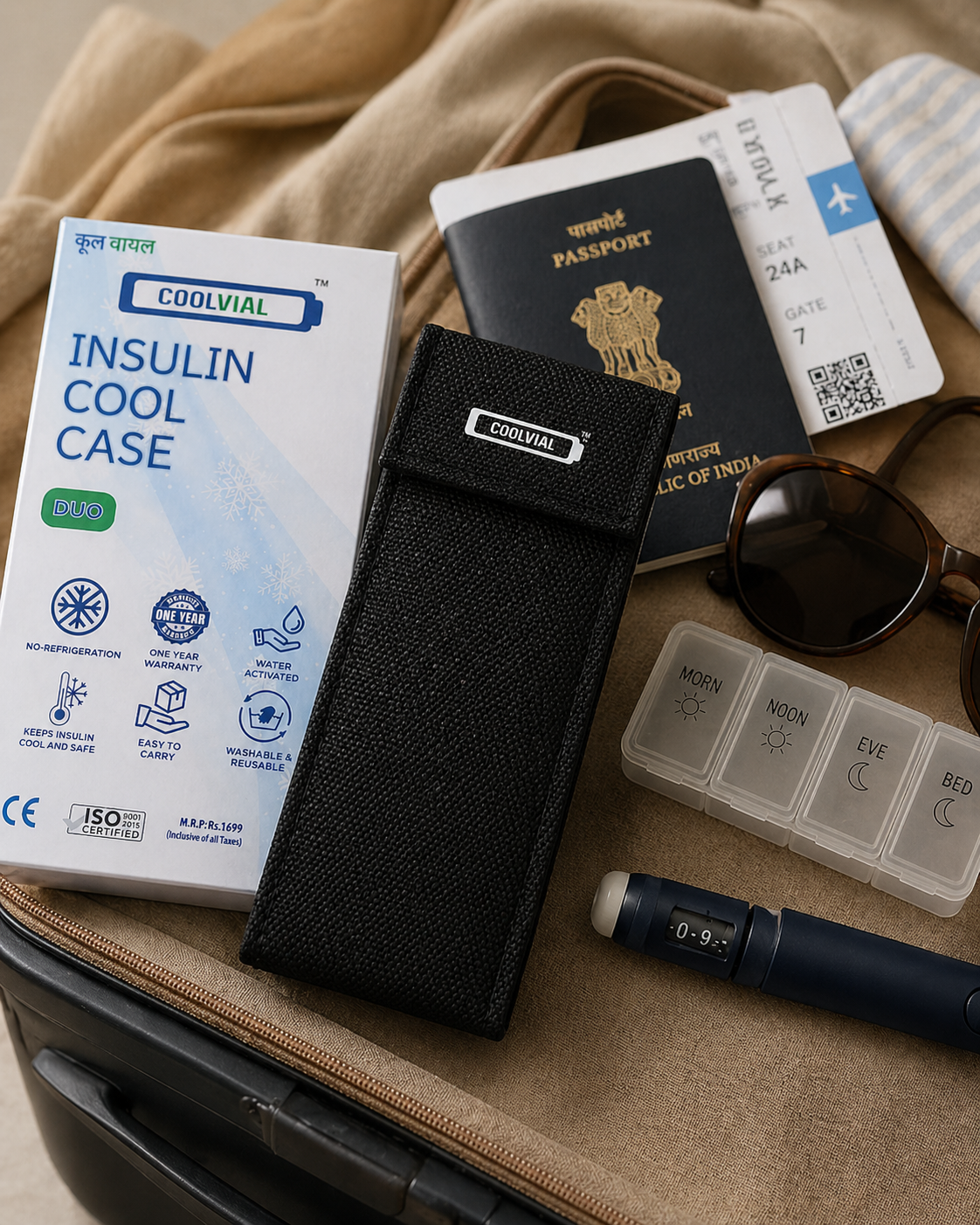
COOLVIAL keeps insulin safe in India's heat. 48+ hours, no electricity needed.