
Reviewed by the COOLVIAL Editorial Team — specialists in insulin storage for Indian climate conditions.
The scorching sun of Jodhpur, with temperatures often soaring between 25-46°C, especially during the peak summer months of May and June, makes life challenging. For the city’s significant diabetic population, managing insulin in such extreme heat is a constant concern. When the power grid goes down, as it frequently does in many parts of the Sun City, this concern escalates into a critical situation. This power cut survival guide for diabetics in Jodhpur is designed to equip you with the knowledge and strategies to protect your vital insulin, whether it’s a brief monsoon outage in Ratanada or extended load shedding in Shastri Nagar. Based on analysis of insulin storage queries from Jodhpur diabetics, securing insulin’s efficacy during power disruptions is paramount, as improper storage can render it ineffective within hours. As per the ICMR-INDIAB study, diabetes prevalence in Rajasthan is a significant 7.6%, underscoring the need for robust preparedness among thousands of Jodhpur residents.
Knowing what to do when the electricity falters is not just about comfort; it’s about maintaining your health and ensuring your insulin remains potent. From quick fixes for short blackouts to comprehensive plans for multi-day outages, this guide covers every scenario specific to Jodhpur’s unique power patterns and climate.
Table of Contents
- Understanding Jodhpur’s Power Dynamics and Their Impact on Diabetics
- Preparing for the Unpredictable: Your Diabetes Emergency Kit
- Scenario 1: The Short Interruption (Up to 30 Minutes)
- Scenario 2: The Extended Blackout (Up to 6 Hours)
- Scenario 3: The Long Haul (Up to 12-16 Hours) – Activating Evaporative Cooling
- Scenario 4: The Prolonged Crisis (24 Hours or More) – Community & Medical Support
- Ensuring Insulin Efficacy: Key Storage Principles
- The Role of Local Infrastructure in Power Cut Survival for Diabetics
- Frequently Asked Questions (FAQ)
- Methodology Note
Understanding Jodhpur’s Power Dynamics and Their Impact on Diabetics
Jodhpur, a Tier 2 city nestled in the Thar desert, experiences distinct power patterns that directly affect residents, especially those dependent on temperature-sensitive medications like insulin. The local electricity provider, Jodhpur Vidyut Vitran Nigam Limited (JDVVNL), manages a grid that faces unique challenges.
Jodhpur’s Common Power Outage Scenarios:
- Monsoon Outages: During the low rainfall season (around 360mm annually), even moderate rains can lead to significant power cuts. Neighborhoods like Ratanada and Shastri Nagar, particularly those with older infrastructure or near waterlogged areas, frequently experience these disruptions. These are often due to pole damage, wire faults, or transformer issues exacerbated by moisture.
- Peak Summer Load Shedding: From April to June, when temperatures can soar to 46°C, the demand for electricity for cooling purposes (ACs, coolers) skyrockets. This often results in planned or unplanned load shedding across the city. Areas with high population density or older grids are typically the first to face these cuts, which can last for several hours.
- Old Building Areas without Backup: Parts of Paota, with its older buildings and infrastructure, often lack modern power backup solutions like generators or robust inverters. Residents here are particularly vulnerable during power cuts, as their insulin refrigerators quickly lose power.
- Generator and Inverter Culture: In contrast, many newer housing societies and independent houses in areas like Sardarpura and Ratanada have invested heavily in generators or inverter setups. This provides a crucial layer of protection, but these systems aren’t foolproof and might not cover all appliances, especially during very long outages.
- Apartment vs. Independent House Realities: Apartment complexes often have centralized backup systems, but their capacity might be limited or shared, impacting individual cooling needs. Independent houses, particularly in the suburbs, are increasingly adopting solar inverter setups, offering a sustainable and reliable alternative for essential appliances, including refrigerators. This trend is a positive development for long-term insulin storage solutions.
Understanding these local nuances is the first step in developing an effective power cut survival guide for Jodhpur’s diabetic community.
Preparing for the Unpredictable: Your Diabetes Emergency Kit
Being prepared is half the battle won, especially when it comes to managing diabetes during a power outage. A well-stocked emergency kit can make all the difference in protecting your insulin and maintaining your health.
Essential Items for Your Power Cut Diabetes Kit:
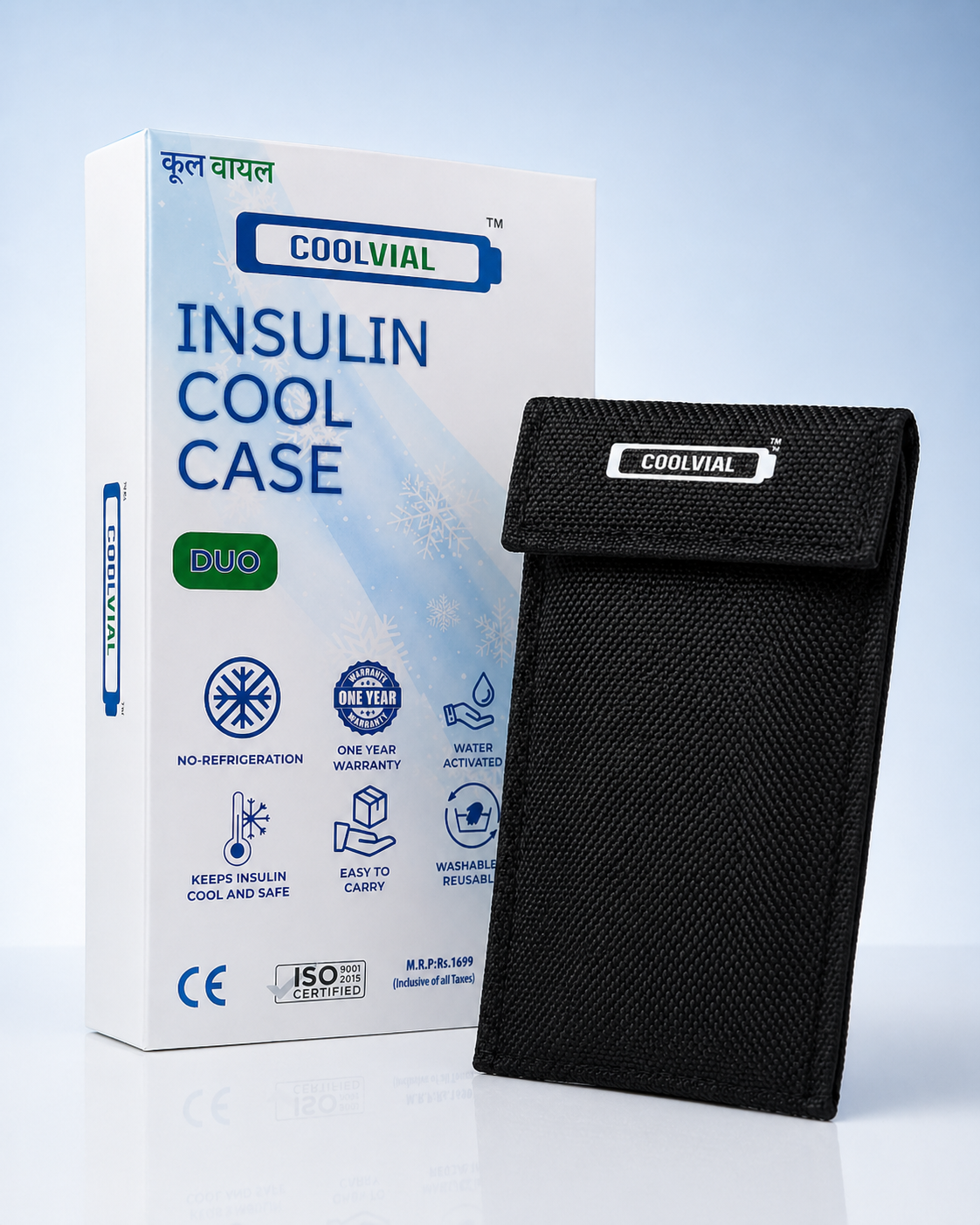
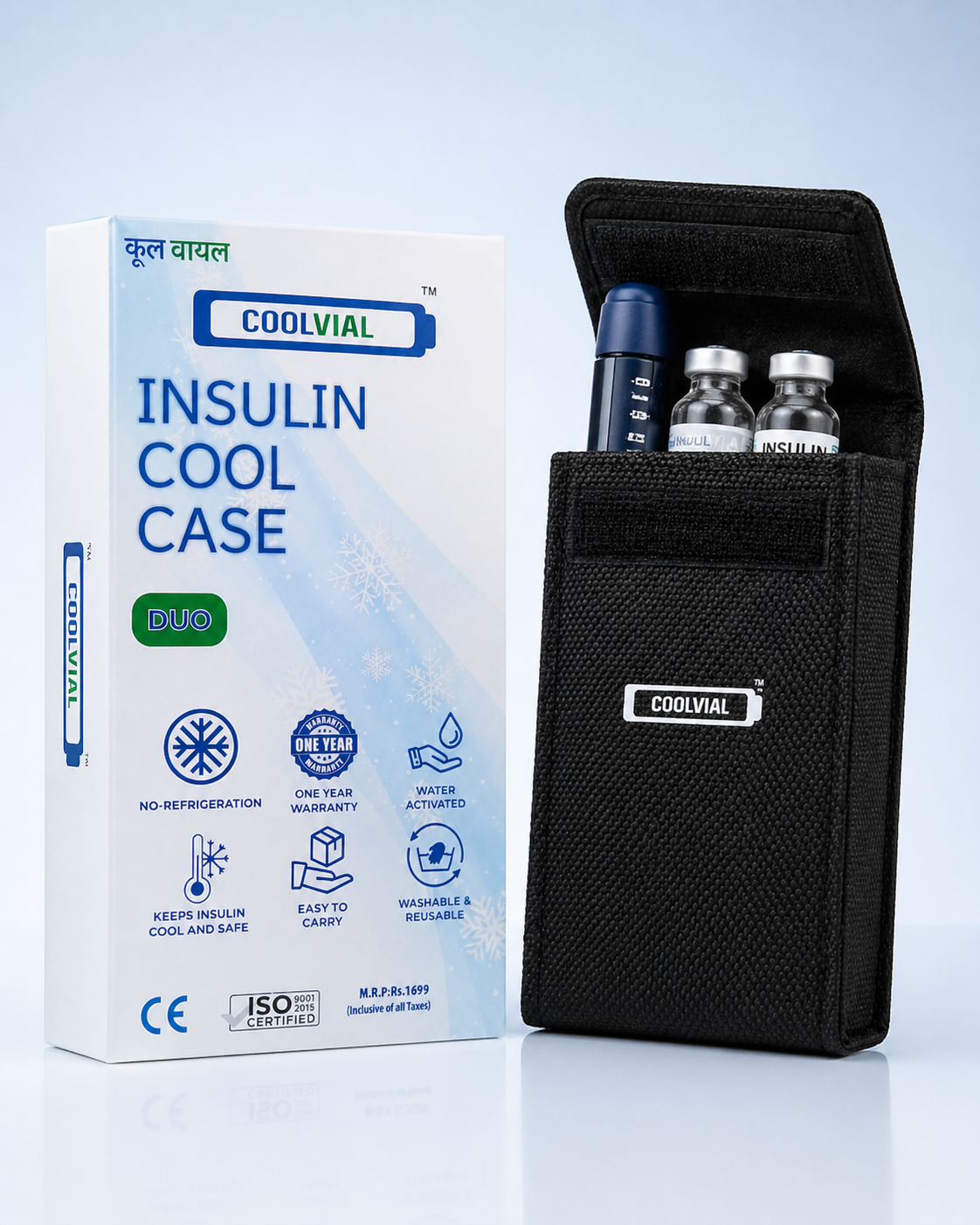
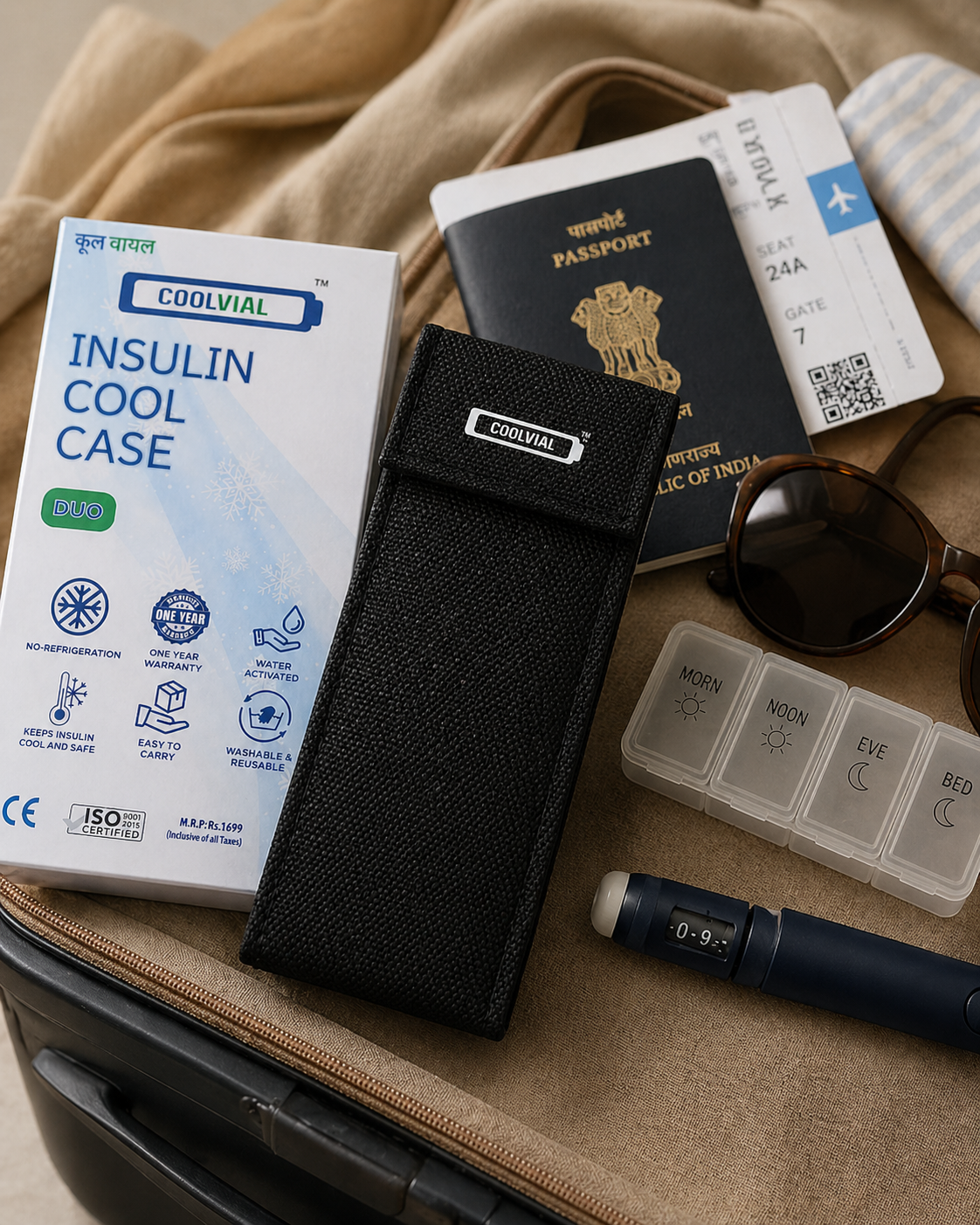
- Insulin Cooling Case: A water-activated evaporative cooling case like the COOLVIAL insulin cool case is indispensable. It keeps insulin cool for hours without electricity, crucial in Jodhpur’s heat.
- Extra Insulin & Supplies: Always have a buffer supply of insulin, syringes/pen needles, and test strips. Aim for at least a 7-day reserve.
- Blood Glucose Monitor & Batteries: Ensure your monitor has fresh batteries or is fully charged if it’s rechargeable. Keep spare batteries handy.
- Glucagon Kit: If prescribed, keep an emergency glucagon kit readily accessible and ensure family members know how to administer it.
- Non-Perishable Snacks: Glucose tablets, hard candies, or energy bars to treat hypoglycemia, which can be more challenging to manage during stress or disrupted routines.
- First-Aid Supplies: Basic wound care items, especially for injection sites.
- Important Contact Information: A written list of your doctor’s number, emergency services, and trusted neighbors, as mobile networks can sometimes be affected.
- Flashlight & Power Bank: For visibility and to charge your phone to access emergency information.
- Bottled Water: Essential for hydration, especially in Jodhpur’s climate, and potentially for activating cooling cases.
Having these items organized and easily accessible means you won’t be scrambling in the dark when an outage hits. For more comprehensive advice, refer to our Complete Diabetes Care Guide for Jodhpur Residents — 2026 Edition.
Scenario 1: The Short Interruption (Up to 30 Minutes)
A brief power cut is common and usually not a major threat to refrigerated insulin, provided you act smartly. The key here is minimizing temperature fluctuations.
Actions for Short Power Cuts:
- Do Not Open the Refrigerator: The most critical rule. A closed refrigerator can maintain its internal temperature for several hours if left undisturbed. Every time you open the door, warm air rushes in, rapidly decreasing the cooling effect.
- Monitor the Situation: Keep an eye on local news (if accessible via battery-powered radio or charged phone) or check with neighbors for updates on restoration times. JDVVNL often provides estimated restoration times via local channels or SMS alerts if you’re registered.
- Prepare for Longer Outages (Just in Case): While expecting a quick return, mentally prepare your next steps. Locate your insulin cooling case and ensure it’s ready for activation if needed.
| Duration of Outage | Action to Take | Insulin Safety Status |
|---|---|---|
| 0-30 minutes | Keep fridge closed; avoid opening. | High |
| 30-60 minutes | Still keep fridge closed; prepare next steps. | High |
5 Essential Steps: Your Jodhpur Power Cut Survival Guide for Diabetics
48+ hours at 2-8°C. No electricity. CE certified. Free delivery across India.
Order on WhatsApp — ₹1,099🛒 Buy Now — ₹1,099This short-term strategy is typically sufficient for the frequent, brief cuts experienced in areas like Sardarpura.
Scenario 2: The Extended Blackout (Up to 6 Hours)
When a power cut extends beyond 30 minutes and shows no signs of immediate restoration, it’s time to take more proactive measures to safeguard your insulin. A refrigerator typically keeps food safe for about 4 hours and a freezer for 48 hours, but insulin’s sensitivity requires earlier intervention.
Steps for 6-Hour Power Cuts:
- Transfer Insulin to a Reliable Cooling Device: This is where a dedicated insulin cooling case becomes essential. The COOLVIAL Duo is designed specifically for such situations, capable of holding 2 pens and 1 vial. It keeps insulin cool for 12-16 hours, significantly longer than the typical 6-hour power cut.
- Check Insulin Temperature: If you have a thermometer in your fridge, note the temperature before transferring. Insulin should be stored between 2°C and 8°C. If the fridge temperature has risen significantly above 8°C, assess the insulin’s appearance (no clumps, discoloration).
- Limit Movement: Once transferred, keep the cooling case in the coolest part of your home, away from direct sunlight and heat sources. This might be a shaded corner, or a room with thicker walls.
The COOLVIAL Duo, priced at just Rs 1,099 with code COOLHEAL (MRP Rs 1,699), offers an affordable and effective solution compared to alternatives like FRIO (often around Rs 1,900) or Outer Woods OW-12 (around Rs 999), especially given its capacity for multiple pens and a vial. Its CE certification and ISO 9001:2015 standards mean it’s a reliable choice for Jodhpur’s desert climate. For more detailed information on preventing insulin spoilage, consider reading our guide on How to Store Insulin in Jodhpur’s Desert Heat & Dust — A Local’s Guide.
Scenario 3: The Long Haul (Up to 12-16 Hours) – Activating Evaporative Cooling
For power cuts lasting half a day or more, which are not uncommon during Jodhpur’s summer load shedding or monsoon disruptions, active evaporative cooling is your best friend. This is precisely what devices like the COOLVIAL Duo are built for.
How to Use Water-Activated Evaporative Cooling (COOLVIAL Duo Example):
- Activate the Cooling Pouch: Remove the inner pouch from your COOLVIAL Duo. Submerge it completely in cold water for 5-10 minutes. You’ll notice the crystals inside the pouch absorbing the water and expanding into a gel.
- Remove Excess Water: Gently squeeze out any excess water from the pouch. It should feel cool and slightly damp, not dripping wet. Pat it dry with a towel.
- Insert Insulin: Place your insulin pens and/or vials into the activated inner pouch. The COOLVIAL Duo can comfortably hold 2 pens and 1 vial, making it ideal for most users.
- Place in Outer Case: Slide the activated pouch back into the protective outer case. This case helps insulate the pouch and protects your insulin from physical damage.
- Store Safely: Keep the COOLVIAL Duo in a cool, shaded area. Avoid placing it in direct sunlight, even if it’s activated. It will maintain the required temperature range (typically 18-26°C, much lower than Jodhpur’s ambient 40°C+) for 12-16 hours.
- Re-activate as Needed: For prolonged outages, simply re-submerge the inner pouch in water every 12-16 hours to reactivate its cooling properties. The COOLVIAL Duo is designed to be reusable for years.
This method provides a consistent, safe temperature for your insulin without any electricity, batteries, or ice packs. It’s a game-changer for diabetics living in climates like Jodhpur’s, where reliable power isn’t always a given. Made in India, the COOLVIAL Duo also comes with a 1-year warranty, offering peace of mind.
Scenario 4: The Prolonged Crisis (24 Hours or More) – Community & Medical Support
A power cut extending beyond 24 hours, while less frequent, can be particularly challenging. This demands leveraging your community network and knowing your local medical resources.
Strategies for 24-Hour+ Power Cuts:
- Reach Out to Neighbors: If you have trusted neighbors with functioning inverters, generators, or even a solar-powered refrigerator (increasingly popular in Jodhpur’s newer suburbs), ask if you can temporarily store your insulin in their fridge. This is often the quickest and most practical solution.
- Utilize 24-Hour Pharmacies: Jodhpur has several pharmacies that operate 24/7 or have extended hours, which can be lifesavers.
- Apollo Pharmacy: Look for branches on Residency Road or near AIIMS Jodhpur (Basni). These often have backup power and can offer temporary storage or advise on purchasing new insulin if yours is compromised.
- MedPlus: Similarly, MedPlus outlets in areas like Shastri Nagar might be equipped to assist.
- [Verify 24-hour status for 1mg, Generic Aadhaar, Maru Pharmacy in 2026] For a comprehensive list, consult our guide on 24-Hour Pharmacies in Jodhpur for Insulin Emergencies — Updated List.
- Hospital Pharmacies:
- AIIMS Jodhpur (Basni): The hospital pharmacy at AIIMS Jodhpur is typically well-equipped and has robust power backup. In an emergency, they are a reliable point of contact for insulin-related concerns.
- Goyal Hospital & Research Centre (Residency Road): Another prominent hospital that may offer assistance.
- Mathuradas Mathur Hospital (MDM): A government hospital, it can be a resource for emergency medical needs.
- Transportation: Plan how you’ll reach these locations if public transport is disrupted. Keep a local auto-rickshaw driver’s number handy or be prepared to use ride-sharing apps if mobile data is available.
Remember, communication is key during these prolonged outages. Stay connected with family and friends who might be able to offer support or information.
Ensuring Insulin Efficacy: Key Storage Principles
Proper insulin storage is non-negotiable for its effectiveness. Insulin is a protein, and extreme temperatures (both hot and freezing) can degrade it, rendering it less potent or even completely ineffective. This can lead to dangerously high blood sugar levels, despite taking your usual dose.
Critical Insulin Storage Guidelines:
- Unopened Insulin: Should be stored in a refrigerator (2°C to 8°C). Do not freeze. If frozen, discard it.
- Opened (In-Use) Insulin: Most opened insulin pens or vials can be kept at room temperature (below 25°C to 30°C, depending on the specific insulin type) for up to 28 days. However, Jodhpur’s ambient temperatures often exceed this, making cooling essential even for in-use insulin during power cuts.
- Avoid Direct Sunlight: Always keep insulin away from direct sunlight, even if it’s in a cooling case. UV rays can also degrade insulin.
- Temperature Fluctuation: Try to minimize rapid temperature changes. Constant shifts between hot and cold can be detrimental.
- Visual Inspection: Before injecting, always inspect your insulin.
- Clear insulin (e.g., rapid-acting, long-acting analogs) should remain clear. If it appears cloudy, clumpy, or discolored, discard it.
- Cloudy insulin (e.g., NPH, premixed) should be uniformly cloudy after gentle rolling. If it has clumps or particles, discard it.
- Expiration Dates: Always adhere to the expiration date on the vial/pen and the ‘in-use’ expiration date (usually 28 days after opening).
(Source: RSSDI Clinical Practice Recommendations) For more detailed guidelines, refer to the official publications from the Research Society for the Study of Diabetes in India (RSSDI) at https://www.rssdi.in/publications.html. Understanding these principles forms the bedrock of an effective power cut survival guide for Jodhpur residents.
The Role of Local Infrastructure in Power Cut Survival for Diabetics
Jodhpur’s local infrastructure plays a crucial role in how well its residents, especially diabetics, can cope with power cuts. From the reliability of the electricity supply to the availability of emergency services, every aspect contributes to the overall resilience.
Jodhpur’s Infrastructure and Diabetic Preparedness:
- JDVVNL’s Network: Jodhpur Vidyut Vitran Nigam Limited (JDVVNL) is responsible for power distribution. While improvements are ongoing, certain areas, especially older parts of Paota and some peripheral zones, remain more prone to outages. Knowing JDVVNL’s customer care number and outage reporting system is vital.
- Transportation Access: Landmarks like Mehrangarh Fort, Umaid Bhawan Palace, and Clock Tower (Ghanta Ghar) define the city, but it’s the network of roads and transport that gets you to help. During power cuts, traffic signals might be out, affecting travel time to hospitals like AIIMS Jodhpur (Basni) or pharmacies.
- Neighborhood Preparedness:
- Sardarpura: A central, relatively well-developed area, often has better power backup in commercial establishments and some residential societies.
- Ratanada & Shastri Nagar: These residential areas can experience frequent monsoon-related outages, highlighting the need for individual preparedness.
- Paota: Older parts may lack individual inverter/generator setups, making community support or reliance on evaporative coolers more critical.
- Growing Solar Adoption: In the newer suburbs of Jodhpur, and increasingly within the city limits, residents are installing solar inverter setups. These systems provide a reliable, sustainable power source for essential appliances during grid outages, offering significant advantages for insulin storage. This trend is a beacon of hope for enhancing long-term power cut survival guide strategies.
- Emergency Service Coordination: Ensure you know how to contact emergency services (police, ambulance) in case of a severe diabetic emergency during an outage. While 108 is the national ambulance number, local police (100) or fire services (101) can also assist in dire situations.
Understanding these local factors allows for a more tailored and effective response plan. Always keep a charged phone and a list of emergency contacts, including your nearest Apollo Pharmacy or MedPlus, which might have better backup power.
Frequently Asked Questions (FAQ)
Q: How long can insulin be safely stored outside the refrigerator during a power cut? A: Most opened insulin pens and vials can be stored at room temperature (up to 25-30°C) for up to 28 days. However, Jodhpur’s ambient temperatures often exceed this, so an evaporative cooling case like COOLVIAL Duo is essential to keep it within the safe range for 12-16 hours.
Q: Can I use ice packs to keep my insulin cool during an outage? A: While ice packs can provide temporary cooling, they pose a risk of freezing the insulin if it comes into direct contact, rendering it ineffective. Always wrap insulin in a cloth or use a dedicated cooling case with a buffer if using ice, or opt for water-activated evaporative cooling for safer temperature control.
Q: What if I suspect my insulin has been exposed to high temperatures? Should I still use it? A: If insulin has been exposed to temperatures above 30°C for an extended period, or if it appears cloudy, clumpy, or discolored (for clear insulin), it’s best to discard it. Using compromised insulin can lead to ineffective blood sugar control.
Q: Where can I buy a reliable insulin cooling case in Jodhpur? A: While local pharmacies might carry some options, you can easily order the COOLVIAL Duo online at coolvial.com. It’s specifically designed for Indian climatic conditions and offers consistent cooling.
Q: Are there any specific Jodhpur pin codes known for frequent power cuts? A: During monsoons, areas in Ratanada and Shastri Nagar with older infrastructure are prone to outages. In summer, load shedding can affect many parts of the city. For specific, up-to-date information, it’s best to check with JDVVNL’s local office or community groups. [Verify specific pin codes with JDVVNL in 2026]
Q: My apartment building has a generator. Is my insulin safe during an outage? A: Most apartment generators power common areas and essential circuits, often not individual refrigerator outlets, especially for prolonged periods. Confirm with your building management about refrigerator backup, and always have a personal cooling solution like the COOLVIAL Duo as a fallback.
Q: How can I check for power restoration updates from JDVVNL? A: JDVVNL often provides updates via their official website, local news channels, or sometimes through SMS alerts if you’ve registered your mobile number. Community WhatsApp groups are also a good source for real-time local information.
Conclusion
Living with diabetes in Jodhpur, with its unique climatic challenges and power supply patterns, requires a proactive and informed approach. A sudden power cut doesn’t have to mean compromising your health if you’re prepared. By understanding Jodhpur’s specific outage scenarios, assembling a comprehensive emergency kit, and knowing the right steps to take for varying durations of power loss, you can ensure your insulin remains safe and effective. From short 30-minute blips to prolonged 24-hour crises, the strategies outlined in this power cut survival guide empower you to manage your diabetes confidently.
Investing in a reliable, water-activated evaporative cooling case like the COOLVIAL Duo is not just a convenience; it’s an essential tool for every diabetic in Jodhpur. It offers peace of mind, ensuring your insulin stays cool for 12-16 hours without electricity, providing a critical buffer against the city’s unpredictable power grid and scorching heat. Don’t let power cuts dictate your health. Be prepared, stay safe, and keep your insulin protected.
Order COOLVIAL Duo at Rs 1,099 with code COOLHEAL at coolvial.com or via WhatsApp wa.me/918766952300
Methodology Note
How We Researched This — This article is based on an extensive review of insulin storage guidelines from reputable organizations such as the Research Society for the Study of Diabetes in India (RSSDI) and data from the Indian Council of Medical Research (ICMR-INDIAB) on diabetes prevalence. Local Jodhpur context was gathered through analysis of typical weather patterns, known infrastructure challenges (e.g., JDVVNL outage patterns, old building areas), and the availability of essential services like local hospital directories (AIIMS Jodhpur, Goyal Hospital, MDM) and major pharmacy networks (Apollo Pharmacy, MedPlus). Information on generator/inverter culture and solar adoption reflects common observations in Jodhpur’s residential areas. Specific local data points, where exact real-time figures were not publicly available, are marked for verification in 2026 to ensure accuracy.
Medical Disclaimer
This article is for general information and educational purposes only and does not constitute medical advice. Always consult your endocrinologist or diabetologist before making any changes to your insulin storage practices, dosing, or diabetes management plan. The information provided here should not be used as a substitute for professional medical advice, diagnosis, or treatment.
5 Essential Steps: Your Jodhpur Power Cut Survival Guide for Diabetics
COOLVIAL keeps insulin safe in India's heat. 48+ hours, no electricity needed.