Reviewed by the COOLVIAL Editorial Team — specialists in insulin storage for Indian climate conditions.
Ludhiana, the industrial heartland of Punjab, is known for its bustling markets, vibrant culture, and unfortunately, its unpredictable power supply. From the scorching summers where temperatures soar between 23-44°C to the heavy monsoon rains from July to September, residents of areas like Sarabha Nagar, Bhai Randhir Singh Nagar (BRS Nagar), and even parts of Model Town frequently experience power outages. For the estimated 1 in 10 adults in Punjab living with diabetes (Source: ICMR-INDIAB Study), these power cuts pose a critical challenge: keeping insulin at the right temperature. Insulin, a life-saving medication, is highly sensitive to temperature fluctuations; it must be stored between 2-8°C in a refrigerator until opened, and then between 2-25°C for up to 28 days. Any deviation can compromise its efficacy, potentially leading to serious health complications.
This comprehensive power cut survival guide for Ludhiana diabetics is designed to equip you with the knowledge and tools to protect your insulin when the grid goes down, whether for a brief half-hour or an extended blackout. Based on analysis of insulin storage queries from Ludhiana diabetics, we’ll walk you through 7 critical steps, offering practical advice tailored to Ludhiana’s unique climate and infrastructure.
Table of Contents
- Understanding Ludhiana’s Power Landscape: Why Preparedness Matters
- Immediate Steps: Your Action Plan for Short Power Cuts (Up to 6 Hours)
- Sustaining Insulin Safety During Extended Outages (6-24 Hours)
- Navigating Prolonged Blackouts: 24+ Hours and Beyond
- The Role of Backup Power: Inverters, Generators, and Solar Solutions in Ludhiana
- Proactive Planning: Building Your Essential Power Cut Survival Kit
- Beyond the Home: Managing Insulin During Travel and Outings in Ludhiana
- Frequently Asked Questions (FAQ)
- Conclusion: Stay Cool, Stay Safe
- Methodology Note
- Medical Disclaimer
1. Understanding Ludhiana’s Power Landscape: Why Preparedness Matters
Ludhiana’s electricity supply, primarily managed by the Punjab State Power Corporation Limited (PSPCL), is prone to disruptions, especially during extreme weather conditions. The city experiences distinct power patterns that every diabetic resident should be aware of.
- Peak Summer Load Shedding (April-June): As temperatures climb, so does the demand for air conditioning, leading to increased pressure on the grid. This often results in scheduled and unscheduled load shedding across the city. Areas with older infrastructure or high population density, such as parts of Civil Lines and Model Town, can be particularly affected.
- Monsoon Outages (July-September): The heavy monsoon rains, averaging around 800mm annually, bring their own set of challenges. Waterlogging, strong winds, and lightning strikes frequently cause cable faults and transformer damage, leading to prolonged power cuts. Neighborhoods like Sarabha Nagar and Bhai Randhir Singh Nagar (BRS Nagar), known for their tree cover and sometimes older electrical lines, often bear the brunt of these monsoon-induced outages.
- Old Building Challenges: Many older residential areas, particularly in parts of Model Town or around the bustling markets near Ghumar Mandi, may lack robust electrical infrastructure or modern backup power systems. Residents in these areas need to be extra vigilant and prepared for outages without immediate generator or inverter support.
Understanding these patterns is the first step in creating an effective power cut survival guide for your insulin.
Table: Typical Power Cut Scenarios in Ludhiana
| Scenario | Typical Duration | Common Causes | Impact on Insulin Storage |
|---|---|---|---|
| Short, Frequent Cuts | 15-30 minutes | Localized faults, grid fluctuations | Minimal, if fridge kept closed. |
| Moderate Outages | 1-6 hours | Load shedding, minor line repairs, monsoon | Fridge temperature rises; requires immediate action. |
| Extended Blackouts | 6-24 hours | Major equipment failure, severe weather | Fridge contents warm up significantly; active cooling needed. |
| Prolonged Disruptions | 24+ hours | Widespread grid collapse, natural disaster | Critical for insulin integrity; external solutions essential. |
2. Immediate Steps: Your Action Plan for Short Power Cuts (Up to 6 Hours)
When the lights go out in Ludhiana, panic is often the first reaction, especially for diabetics. But a calm, systematic approach is key to preserving your insulin. This power cut survival guide starts with immediate actions for shorter outages.
- 30-Minute Cut (Open Fridge Sparingly): For brief power interruptions, the best course of action is often inaction. A well-insulated refrigerator can maintain its internal temperature for several hours if kept closed. Avoid opening the fridge door unless absolutely necessary. Every time you open it, cold air escapes, and warm air enters, accelerating the temperature rise.
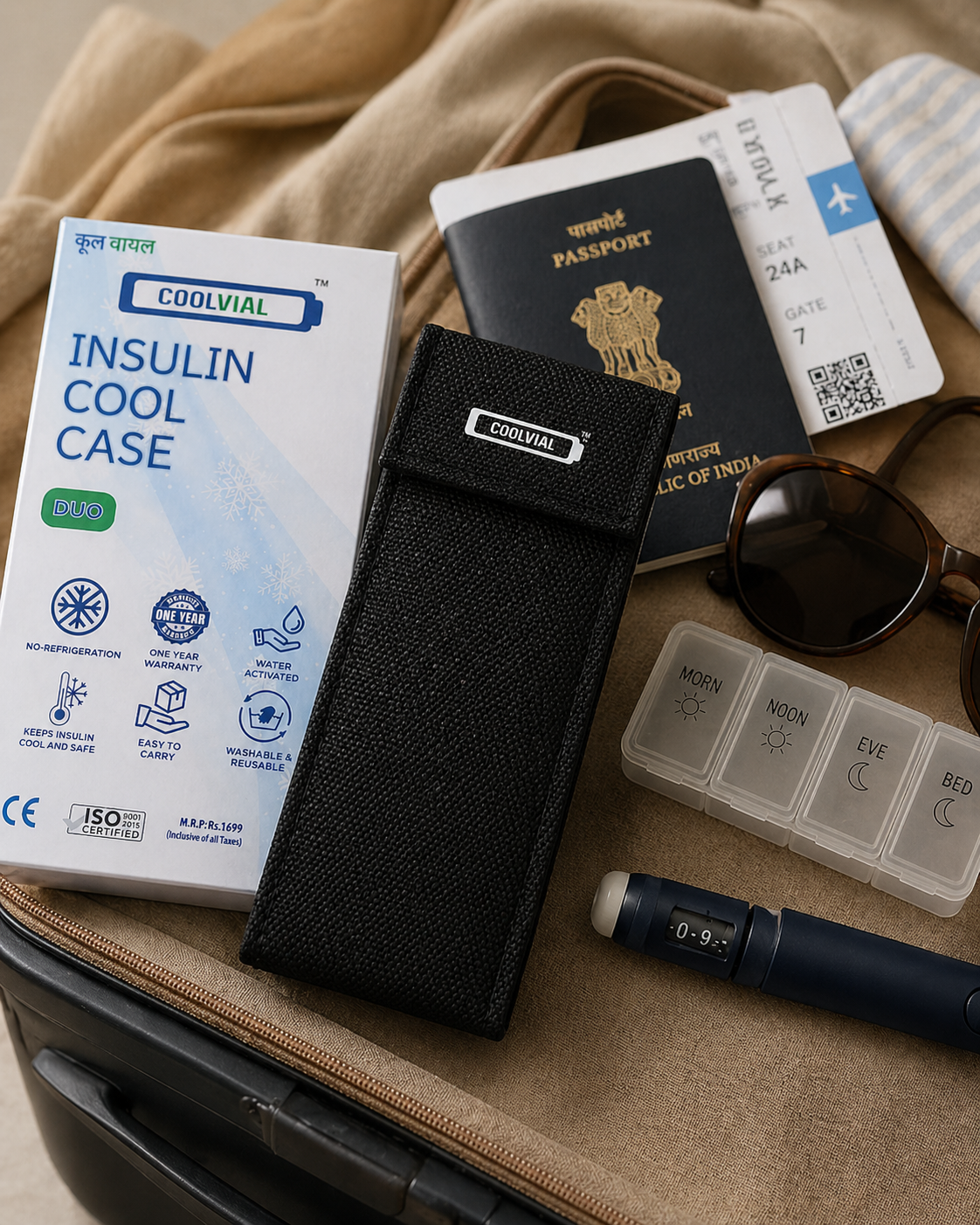
- 6-Hour Cut (Move Pens to Cooler): If the power cut extends beyond 1-2 hours and you anticipate it lasting longer, it’s time to move your insulin. Transfer your insulin pens and vials from the refrigerator to a reliable insulin cooling case. This is where products like the COOLVIAL Duo become indispensable. They are designed to keep insulin cool within the safe temperature range (2-25°C) without electricity, making them perfect for Ludhiana’s unpredictable power scenario.
Quick Checklist for Short Outages:
- Check Discom Updates: Immediately check the PSPCL official website or app for outage information and estimated restoration times. Many neighborhoods also have WhatsApp groups where residents share updates.
- Minimize Fridge Opening: Keep your refrigerator and freezer doors closed. A full freezer stays cold longer than an empty one.
- Prepare Your Cooling Case: If you foresee a longer cut, activate your evaporative cooling case. For the COOLVIAL Duo, this simply involves soaking it in water for a few minutes.
- Charge Devices: Ensure your phone and power bank are fully charged. A charged phone helps you stay informed and communicate in emergencies.
- Use a Thermometer: Keep a refrigerator thermometer. If the temperature inside your fridge rises above 8°C, your insulin needs immediate attention.
3. Sustaining Insulin Safety During Extended Outages (6-24 Hours)
Extended power cuts, common during Ludhiana’s peak summer and monsoon seasons, demand more than just keeping the fridge closed. This is where an active cooling solution becomes a lifesaver, forming a critical part of your power cut survival guide.
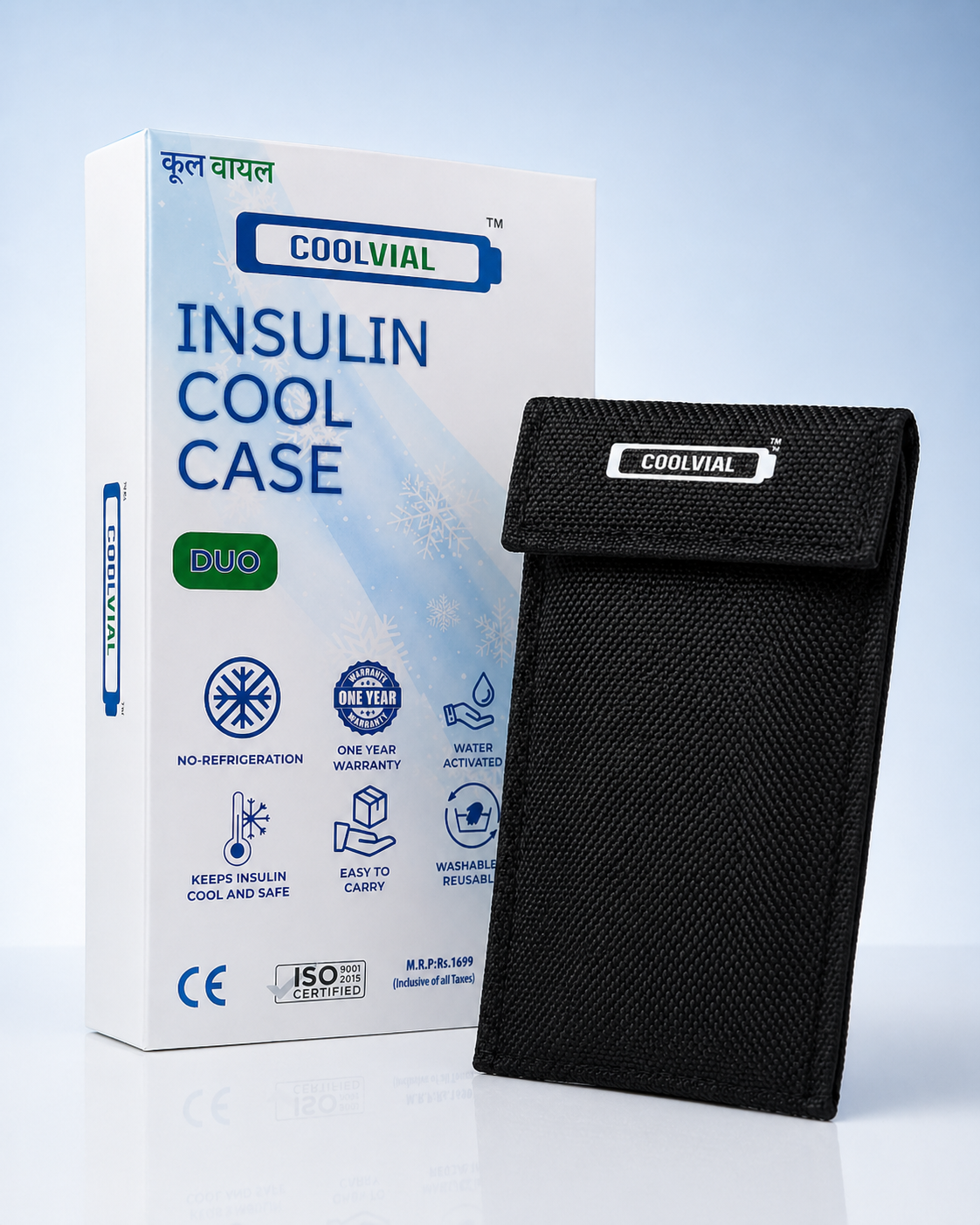
For outages lasting 6-24 hours, evaporative cooling cases are your best bet. The COOLVIAL Duo is specifically designed for such situations, holding 2 insulin pens and 1 vial, and maintaining insulin at a safe temperature (12-16 hours) even when ambient temperatures are high. The mechanism is simple yet highly effective:
The 7 Critical Steps: Power Cut Survival Guide for Diabetics in Ludhiana — What To Do When the Grid Goes Down
- Activate: Soak the inner pouch of the COOLVIAL Duo in water for a few minutes. The crystals inside absorb the water and expand, forming a gel.
- Evaporate: As water slowly evaporates from the surface of the pouch, it draws heat away from the insulin stored inside, keeping it cool. This process is continuous as long as there is moisture.
- Store: Place your insulin pens and vials inside the activated pouch, then into the outer casing.
Compared to other market options, the COOLVIAL Duo offers excellent value and performance. For instance, brands like FRIO often retail for around Rs 1,900, while the Outer Woods OW-12 might be priced around Rs 999. The COOLVIAL Duo, at Rs 1,099 (with code COOLHEAL), strikes an optimal balance, providing robust cooling for 12-16 hours, CE certification, ISO 9001:2015 standards, and a 1-year warranty, all while being Made in India. It’s a smart investment for any diabetic in Ludhiana.
Benefits of Evaporative Cooling for Insulin:
- No Electricity Required: Operates purely on the principle of evaporation, making it ideal for power cuts.
- Portable: Compact and lightweight, perfect for carrying insulin when you’re on the go, whether to Punjab Agricultural University (PAU) for a walk or Pavilion Mall for shopping.
- Reusable: Can be reactivated simply by soaking in water again, providing long-term reliability.
- Maintains Safe Temperatures: Designed to keep insulin within the recommended 2-25°C range, protecting its potency.
- Cost-Effective: A one-time investment for years of worry-free insulin storage during outages.
Don’t let a power cut compromise your health. Invest in a reliable solution like the COOLVIAL insulin cool case today.
4. Navigating Prolonged Blackouts: 24+ Hours and Beyond
A power outage lasting more than 24 hours is a serious concern for insulin-dependent individuals. In such scenarios, even advanced cooling cases might require re-activation or supplementary measures. This section of the power cut survival guide details your options when you face such a challenge in Ludhiana.
- Neighbours’ Fridges: Reach out to trusted neighbours who might have an inverter or generator backup. Many housing societies in Ludhiana, especially in newer developments in BRS Nagar or near SPS Hospitals, have community generators or individual inverter setups. Politely explain your situation; most people are understanding and willing to help.
- Nearest 24-Hour Pharmacy: Ludhiana is equipped with several 24-hour pharmacies that can store insulin for you in an emergency. Apollo Pharmacy and MedPlus are reliable options with multiple outlets across the city. They have temperature-controlled storage and can often provide a safe haven for your insulin. Call ahead to confirm their services and capacity. For a comprehensive list, refer to our guide on 24-Hour Pharmacies in Ludhiana for Insulin Emergencies — Updated List.
- Hospital Pharmacies: Major hospitals in Ludhiana, such as DMC&H (Dayanand Medical College), CMC Ludhiana (Christian Medical College), and SPS Hospitals (Sherpur Bypass), have 24/7 pharmacies that can assist in critical situations. They have robust power backups and proper cold chain management for medications. Contact their emergency department or pharmacy directly.
Emergency Contact List for Prolonged Outages:
- PSPCL Customer Care: 1912 (for outage reporting and updates)
- Your Doctor/Endocrinologist: Keep their number handy for advice on insulin stability.
- Apollo Pharmacy: Check their app for the nearest 24-hour branch or call their helpline [Verify in 2026].
- MedPlus: Similarly, use their app for nearby stores or call customer service [Verify in 2026].
- DMC&H Pharmacy: Contact number for general inquiries [Verify in 2026].
- CMC Ludhiana Pharmacy: Contact number for general inquiries [Verify in 2026].
- SPS Hospitals Pharmacy: Contact number for general inquiries [Verify in 2026].
Remember, proactive communication and knowing your local resources are vital for your power cut survival guide.
5. The Role of Backup Power: Inverters, Generators, and Solar Solutions in Ludhiana
Ludhiana’s “generator and inverter culture” is deeply ingrained, reflecting the city’s experience with power fluctuations. Understanding these backup power solutions is crucial for any effective power cut survival guide.
- Generator and Inverter Culture:
- Housing Societies: Many modern housing societies, especially in areas like BRS Nagar and near Pavilion Mall, come equipped with central generators that kick in automatically during power cuts, providing power to essential services and often to individual apartments for a few hours.
- Independent Houses: Owners of independent houses in areas like Civil Lines or Sarabha Nagar frequently invest in personal inverters or generators. Inverters provide silent, seamless backup for lights, fans, and refrigerators, while generators offer more robust power for longer durations, albeit with noise and fuel requirements.
- Apartment vs. Independent House Realities:
- Apartment Dwellers: Often rely on society-managed power backup or small inverters for critical appliances. It’s essential to understand your society’s backup policy and what appliances are covered.
- Independent House Owners: Have more control over their backup solutions, allowing for tailored systems to meet their specific needs, including keeping a dedicated fridge running.
- Solar Inverter Setups: A growing trend in Ludhiana, particularly in the city’s suburbs and newer developments, is the adoption of solar inverter systems. These setups not only provide backup power but also help reduce electricity bills and contribute to environmental sustainability. They are an excellent long-term investment, offering energy independence and enhanced power cut survival capability.
Table: Power Backup Options for Ludhiana Homes
| Option | Pros | Cons | Best Suited For |
|---|---|---|---|
| Inverter | Silent, automatic switchover, low maintenance | Limited capacity, battery dependent | Apartments, small independent houses, essential loads |
| Generator | High capacity, runs for long durations | Noisy, fuel required, maintenance | Large independent houses, commercial establishments, societies |
| Solar Inverter | Eco-friendly, reduced electricity bills, backup | High initial cost, dependent on sunlight | Independent houses, long-term energy independence |
Before making a significant investment, evaluate your needs, budget, and the typical duration of power cuts in your specific Ludhiana neighborhood.
6. Proactive Planning: Building Your Essential Power Cut Survival Kit
The best defense against power cut-induced insulin damage is proactive preparation. A well-stocked power cut survival kit is an invaluable asset for every diabetic in Ludhiana.
The 7 Critical Steps: Power Cut Survival Guide for Diabetics in Ludhiana — What To Do When the Grid Goes Down
48+ hours at 2-8°C. No electricity. CE certified. Free delivery across India.
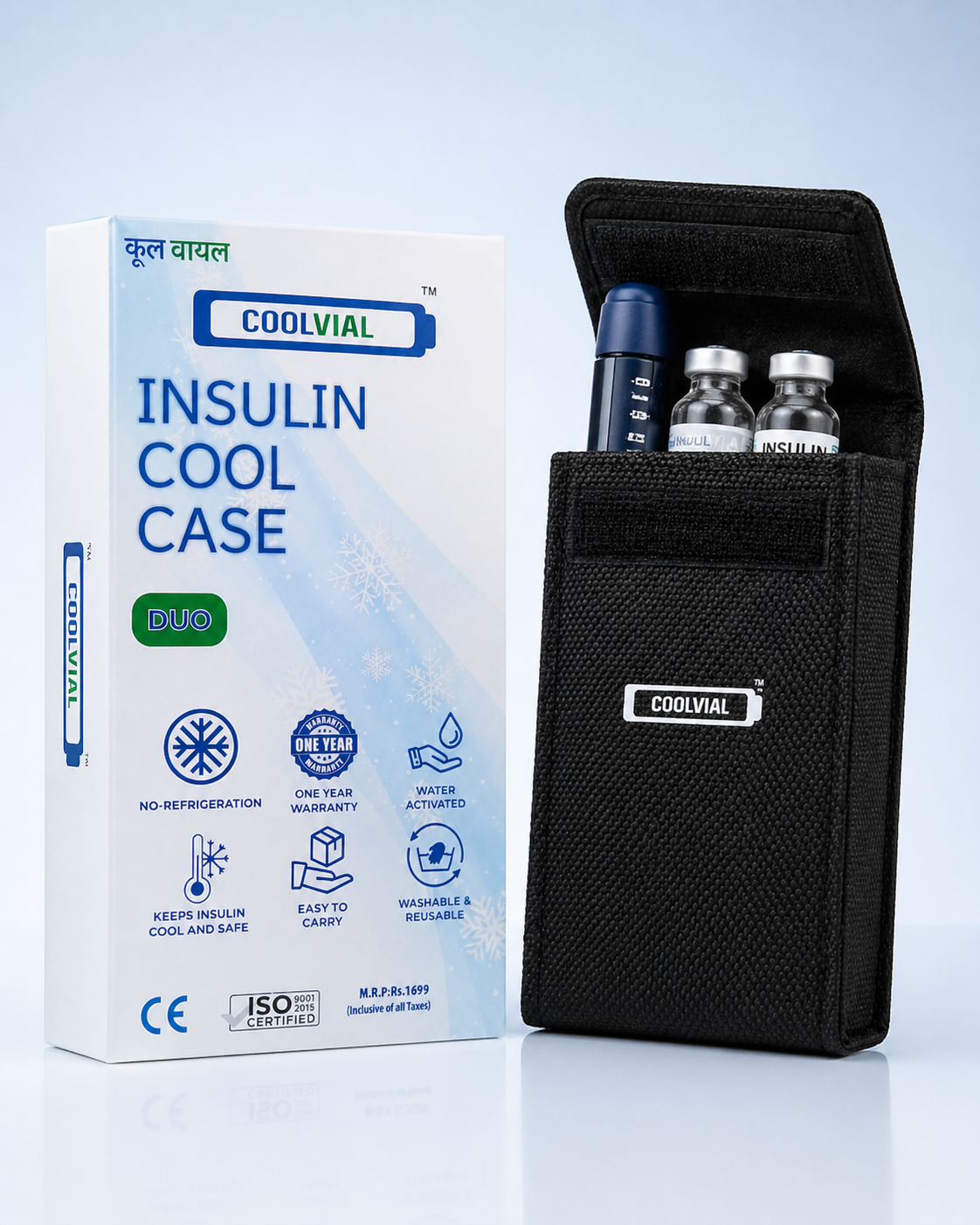
Order on WhatsApp — ₹1,099🛒 Buy Now — ₹1,099- Insulin Cooling Case: This is non-negotiable. A reliable evaporative cooling case like the COOLVIAL Duo is your primary line of defense. Ensure it’s always ready for activation.
- Refrigerator Thermometer: A simple, inexpensive device that can save your insulin. Place it prominently in your fridge and check it regularly. If the temperature goes above 8°C, take action.
- Power Bank & Charged Phone: Essential for communication, checking outage updates, and accessing online resources during blackouts.
- Torch/Headlamp: For safe navigation in the dark. Avoid using candles, especially around flammable materials.
- Emergency Contact List: A physical copy of important numbers (doctor, pharmacy, PSPCL, neighbours) in case your phone battery dies.
- Spare Insulin & Supplies: Always maintain a small emergency reserve of insulin and other diabetes supplies (syringes, needles, test strips) that can last for a few days. Store these securely in your cooling case.
- Water: Keep bottled water handy. Not only for hydration but also for activating your COOLVIAL Duo if tap water is unavailable or contaminated during an extended outage.
For more detailed advice on managing insulin in Ludhiana’s climate, explore our guide on How to Store Insulin in Ludhiana Summer Heat — A Local’s Guide.
Must-Haves for Your Insulin Emergency Kit:
- COOLVIAL Duo (or similar evaporative cooler)
- Fridge thermometer
- Fully charged power bank and phone
- Torch or headlamp with extra batteries
- Physical list of emergency contacts
- At least 3-day supply of insulin and testing strips
- Bottled water for cooling case activation
- Glucose tablets or juice for hypoglycemia
- A small, insulated bag for temporary transfers
Regularly check your kit to ensure all items are present, charged, and within their expiry dates.
7. Beyond the Home: Managing Insulin During Travel and Outings in Ludhiana
A power cut survival guide isn’t just about what happens at home; it’s also about preparedness when you’re out and about in Ludhiana. Whether you’re visiting the Lodhi Fort, enjoying Hardy’s World, or on a day trip to the Tiger Safari, managing your insulin’s temperature is paramount.
- Always Carry Your Cooling Case: If you’re going to be away from home for more than a couple of hours, especially in Ludhiana’s summer heat (23-44°C), carry your insulin in a portable cooling case like the COOLVIAL Duo. Its compact design allows it to fit easily into a bag, ensuring your insulin stays cool and effective.
- Plan Your Route: If you’re traveling, identify potential stops where you might access refrigeration if needed, though this is less critical with an evaporative cooler.
- Stay Hydrated: This is crucial for general diabetes management, especially in hot weather.
- Inform Companions: Ensure travel companions or family members are aware of your diabetes and know how to help in an emergency, including how to handle your insulin.
For a broader perspective on managing your diabetes in Ludhiana, including lifestyle tips and local resources, check out our Complete Diabetes Care Guide for Ludhiana Residents — 2026 Edition. Being prepared for power cuts is just one facet of comprehensive diabetes care.
Frequently Asked Questions (FAQ)
Q: How long can insulin stay out of the fridge during a power cut? A: Unopened insulin vials or pens can typically be stored at room temperature (below 25°C) for up to 28 days once removed from the refrigerator. However, if the ambient temperature exceeds 25°C, as it often does in Ludhiana, a cooling solution like COOLVIAL is necessary to maintain its efficacy.
Q: Can I use ice packs to keep insulin cool during a power cut? A: While ice packs can provide temporary cooling, direct contact with ice can freeze insulin, rendering it ineffective. If using ice packs, ensure they are wrapped in cloth to prevent direct contact and monitor the temperature with a thermometer to keep it above 2°C.
Q: What is the ideal temperature range for insulin storage in Ludhiana? A: Unopened insulin should be refrigerated at 2-8°C. Once opened, it can be stored at room temperature (2-25°C) for up to 28 days. Given Ludhiana’s hot climate, an evaporative cooling case like COOLVIAL is crucial to maintain this range for opened insulin.
Q: Where can I get emergency insulin in Ludhiana during a prolonged power cut? A: In an emergency during a prolonged power cut, you can try 24-hour pharmacies like Apollo Pharmacy or MedPlus, or the pharmacies at major hospitals such as DMC&H (Dayanand Medical College), CMC Ludhiana, or SPS Hospitals. It’s advisable to call ahead.
Q: Are solar inverters a good solution for diabetics in Ludhiana? A: Yes, solar inverter setups are an excellent long-term solution for diabetics in Ludhiana. They provide reliable backup power for refrigerators and other essential appliances, reducing reliance on the grid and offering peace of mind during frequent power cuts.
Q: How often should I reactivate my COOLVIAL Duo during a long power cut? A: The COOLVIAL Duo keeps insulin cool for 12-16 hours per activation. For extended power cuts, you should reactivate it by re-soaking the inner pouch in water every 12-16 hours to ensure continuous cooling and optimal insulin protection.
Q: What if my insulin gets too hot during a power cut? A: If your insulin has been exposed to temperatures above 25°C for an extended period, or if it appears cloudy, discolored, or has particles, it may have lost its potency. Do not use it. Consult your endocrinologist or diabetologist immediately for advice and a new supply.
Conclusion: Stay Cool, Stay Safe
Living with diabetes in Ludhiana, with its unique climatic challenges and power supply patterns, requires a heightened level of preparedness. From the bustling streets of Civil Lines to the quieter lanes of Bhai Randhir Singh Nagar, every diabetic must have a robust power cut survival guide. By understanding local power dynamics, implementing immediate and extended action plans, utilizing reliable cooling solutions like the COOLVIAL Duo, and leveraging community and medical resources, you can ensure your life-saving insulin remains potent and effective.
Don’t let power cuts dictate your health. Take control with smart planning and the right tools.
Order COOLVIAL Duo at Rs 1,099 with code COOLHEAL at coolvial.com or via WhatsApp wa.me/918766952300
Methodology Note
How We Researched This — This article is based on a comprehensive review of RSSDI (Research Society for the Study of Diabetes in India) guidelines for insulin storage, ICMR-INDIAB (Indian Council of Medical Research - India Diabetes) data on diabetes prevalence, local Ludhiana hospital directories, and information on pharmacy networks like Apollo Pharmacy. Local climate data from IMD (India Meteorological Department) and insights into PSPCL (Punjab State Power Corporation Limited) power patterns were also integrated to provide a highly localized and relevant power cut survival guide for Ludhiana residents.
Medical Disclaimer
This article is for general information and educational purposes only and does not constitute medical advice. Always consult your endocrinologist or diabetologist before changing insulin storage or dosing practices, or if you have any concerns about your diabetes management during a power cut.