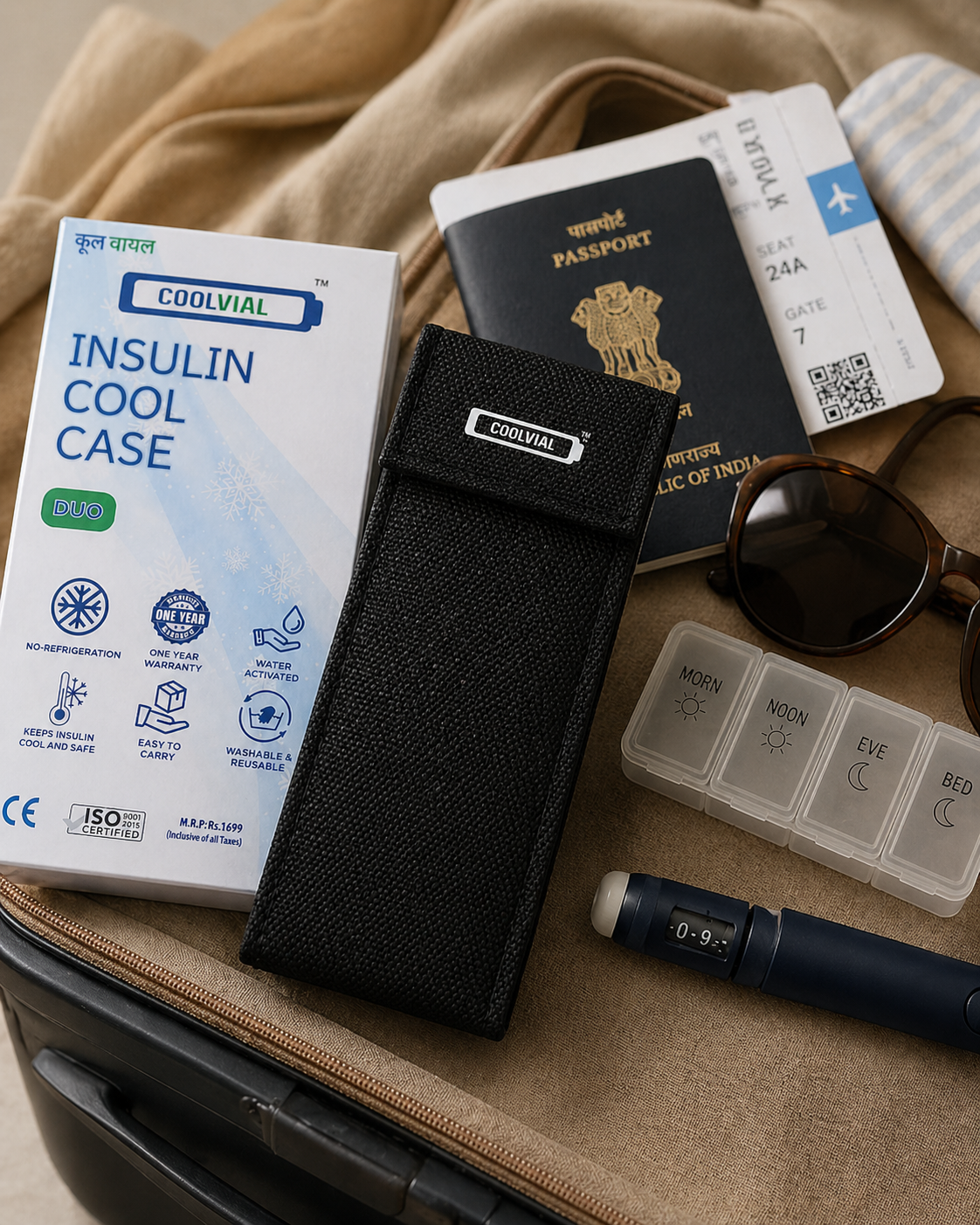
Reviewed by the COOLVIAL Editorial Team — specialists in insulin storage for Indian climate conditions.
Thiruvananthapuram, with its lush greenery, serene beaches like Kovalam, and iconic landmarks such as the Padmanabhaswamy Temple, is a city that thrives amidst a tropical coastal climate. While the beauty is undeniable, the city also experiences its fair share of power interruptions, especially during the dual monsoon seasons (South-West monsoon from June-September and North-East monsoon from October-December) and peak summer months (April-June). For the estimated 1 in 5 adults in Kerala living with diabetes (Source: ICMR-INDIAB Study, 2017), ensuring insulin remains viable during these power cuts is not just a convenience, but a critical health imperative. This power cut survival guide offers a comprehensive, Thiruvananthapuram-specific approach to safeguard your insulin. Based on analysis of insulin storage queries from Thiruvananthapuram diabetics, we’ve identified 5 essential steps to keep your insulin safe and effective when the grid goes down.
Insulin, a life-saving medication, is highly sensitive to temperature fluctuations. It must be stored between 2-8°C in a refrigerator until its first use, and then typically at room temperature (below 25°C or 30°C, depending on the specific insulin type) for up to 28 days. Deviating from these guidelines can lead to reduced efficacy, potentially impacting blood sugar control. Understanding how to manage these critical storage conditions during an unexpected power outage is paramount for every diabetic resident of Thiruvananthapuram.
Table of Contents
- Understanding Thiruvananthapuram’s Power Landscape: The KSEB Reality
- The Critical Role of Insulin Storage: Why Every Degree Matters
- Insulin Power Cut Survival Scenarios: A Step-by-Step Guide
- Essential Preparations: Your Power Cut Readiness Checklist
- Navigating Prolonged Outages: Local Resources & Community Support
- Modern Solutions: Solar Inverters & Smart Home Prep in Thiruvananthapuram
- Safeguarding Your Insulin: The COOLVIAL Duo Advantage
- Frequently Asked Questions (FAQ)
- Conclusion
Understanding Thiruvananthapuram’s Power Landscape: The KSEB Reality
Living in Thiruvananthapuram means navigating a unique power supply dynamic managed by the Kerala State Electricity Board (KSEB). While KSEB strives for reliability, local factors significantly influence outage patterns.
Thiruvananthapuram-Specific Outage Patterns
- Monsoon Mayhem: During the South-West and North-East monsoons, heavy rainfall and strong winds are common. Areas with older infrastructure, or those surrounded by dense foliage, are particularly susceptible.
- Kowdiar/Vellayambalam: Despite being upmarket areas, these neighborhoods often experience outages due to tree fall on power lines, especially during heavy rains.
- Pattom: Similar to Kowdiar, Pattom, with its mix of residential and commercial establishments, can face frequent, short to medium-duration power cuts during the monsoon.
- Peak Summer Load Shedding (April-June): As temperatures soar, the demand for air conditioning and refrigeration increases significantly. KSEB sometimes implements load shedding – planned power cuts – to manage the grid, particularly during late afternoons and evenings. These are often pre-announced but can sometimes be unexpected.
- Old-Building Areas without Backup: While modern IT hubs like Technopark in Kazhakoottam often have robust backup systems, older sections or surrounding residential areas may still rely solely on KSEB supply. Residents in these parts might find themselves completely without power for extended periods.
- Generator and Inverter Culture: Thiruvananthapuram’s housing societies and many independent houses have embraced generator or inverter backup systems.
- Apartment Complexes: Most newer apartment buildings in central areas like Statue/Palayam or upmarket areas like Kowdiar offer generator backup for common areas and often for a limited number of points within apartments.
- Independent Houses: Many independent homeowners have invested in inverters, providing relief for basic appliances during shorter cuts. However, these systems might not be designed to run refrigerators for extended durations.
- Outage-Prone Pin Codes: While KSEB doesn’t publicly list specific outage-prone pin codes, anecdotal evidence suggests areas with older electrical grids, high tree density, or those at the periphery of the city’s power distribution network may experience more frequent and longer outages. [Verify in 2026]
It’s crucial to understand that even a brief power cut can affect your insulin if not managed correctly. The tropical climate, with average temperatures ranging from 22-32°C and very high humidity year-round, means your refrigerator won’t stay cold for long once power is lost.
The Critical Role of Insulin Storage: Why Every Degree Matters
Insulin is a protein, and like many proteins, its structure and function are highly sensitive to temperature. Exposing insulin to temperatures outside its recommended range can lead to its degradation, making it less effective in controlling blood sugar.
Standard Insulin Storage Guidelines
The general guidelines for insulin storage are clear and consistent globally, including those endorsed by the Research Society for the Study of Diabetes in India (RSSDI).
- Unopened Insulin:
- Must be stored in a refrigerator between 2-8°C (36-46°F).
- Never freeze insulin. Freezing destroys its potency.
- Check the expiry date printed on the packaging.
- Opened (In-Use) Insulin:
- Can be stored at room temperature, typically below 25°C or 30°C (77-86°F), for up to 28 days (refer to your specific insulin’s leaflet, as this can vary).
- Once opened, it should not be refrigerated again unless specifically instructed by your doctor or the manufacturer.
- It should be protected from direct sunlight and extreme heat.
The Impact of Thiruvananthapuram’s Tropical Humidity and Heat
Thiruvananthapuram’s climate presents a significant challenge for insulin storage.
- High Ambient Temperatures: With daily averages often exceeding 30°C, leaving insulin unprotected can quickly render it ineffective. Even indoors, without air conditioning or a fan, temperatures can rise rapidly during a power cut.
- Extreme Humidity: High humidity, typically above 75% year-round, can contribute to heat transfer and make evaporative cooling less efficient if not managed correctly. It also means that items can warm up faster once removed from a cold environment.
- Rapid Refrigerator Warm-Up: When the power goes out in a tropical climate, your refrigerator’s internal temperature will rise much faster than in a cooler, drier environment. This is due to the higher ambient temperature and the constant battle against heat ingress.
For a detailed guide on managing insulin in this climate, you can refer to our article on How to Store Insulin in Thiruvananthapuram’s Tropical Humidity — A Local’s Guide.
Insulin Power Cut Survival Scenarios: A Step-by-Step Guide
Preparation is key. Here’s a practical, scenario-based power cut survival guide for diabetics in Thiruvananthapuram.
Scenario 1: The 30-Minute Hiccup (Short-Duration Power Cut)
This is the most common type of outage, often due to minor grid fluctuations or local KSEB maintenance.
- What to do:
- Do not open the refrigerator door. Each time you open it, warm air rushes in, significantly raising the internal temperature.
- If you absolutely must access something, do it quickly and close the door immediately.
- Your refrigerator should maintain a safe temperature (below 8°C) for at least 2-4 hours if the door remains closed (Source: USDA Food Safety Guidelines, applicable to refrigeration principles).
- Keep calm and monitor the situation. Most short cuts resolve quickly.
Scenario 2: The 6-Hour Interruption (Medium-Duration Power Cut)
The Ultimate 5-Step Power Cut Survival Guide for Diabetics in Thiruvananthapuram
More concerning, these cuts can happen during heavy monsoon rains or peak summer load shedding.
- What to do:
- Assess the situation: Check with KSEB’s customer care (dial 1912) or their app for estimated restoration times.
- Move insulin to a pre-prepared cooling solution. This is where a reliable insulin cool case becomes invaluable.
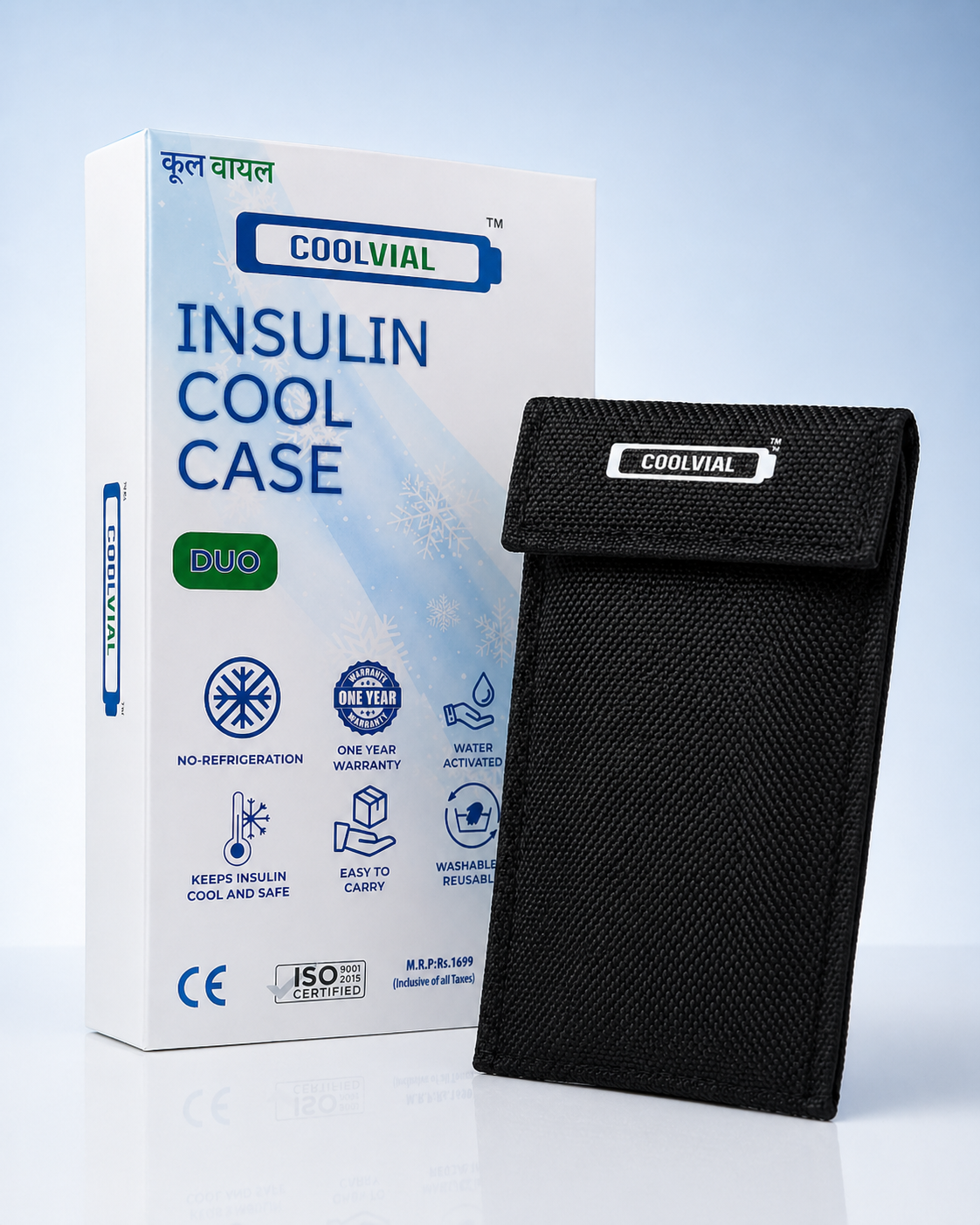
- Use an evaporative cooling case: Activate your COOLVIAL Duo. Simply immerse it in water for a few minutes, wipe dry, and place your insulin pens/vials inside. It will keep insulin cool for 12-16 hours, leveraging the tropical humidity to its advantage.
- Alternative (temporary): If you don’t have a dedicated cooler, you can use a well-insulated thermos flask with ice packs, ensuring the insulin does not directly touch the ice. Wrap insulin pens in a cloth to prevent freezing. This is a temporary measure, as ice packs melt quickly in Thiruvananthapuram’s heat.
Scenario 3: The 12-Hour Challenge (Extended Power Cut)
This duration often signifies a more serious issue, such as a major fault or widespread load shedding.
- What to do:
- Maintain your evaporative cooling cycle. If using a COOLVIAL Duo, re-immerse it in water every 12-16 hours as directed to reactivate the cooling process.
- Monitor insulin temperature (if possible). Small, portable thermometers can be useful. Aim to keep insulin below 30°C for in-use pens and below 8°C for unopened vials (if still in the fridge and it has remained cold enough).
- Conserve power (if you have an inverter). Prioritize medical devices and cooling solutions over other appliances. Ensure your inverter is specifically rated to handle sensitive electronics like medical refrigerators if you plan to power them.
- Consider moving to a friend or neighbor’s house if they have a generator-backed refrigerator and the outage is widespread. Communicate your needs clearly.
Scenario 4: The 24-Hour+ Emergency (Prolonged Power Cut)
These are rare but can occur during severe weather events or major grid failures. This is when community and emergency resources become crucial.
- What to do:
- Activate your emergency network. Reach out to family, friends, or neighbors who might have robust generator backup or a solar inverter setup. A well-maintained refrigerator can keep food cold for about 4 hours, and a full freezer for about 48 hours, if the door remains closed. However, for insulin, this isn’t a long-term solution.
- Identify nearest 24-hour pharmacies. Apollo Pharmacy and Karunya Community Pharmacy (a government initiative) are known for their accessibility in Thiruvananthapuram. They often have backup power to maintain their cold chain for medications. You might be able to store your insulin there temporarily, or procure new insulin if yours has been compromised. Check our list of 24-Hour Pharmacies in Thiruvananthapuram for Insulin Emergencies — Updated List.
- Hospital Pharmacies: KIMS Trivandrum (Anayara) and Sree Chitra Tirunal Institute (SCTIMST) have well-equipped hospital pharmacies that maintain strict cold chain protocols. In an extreme emergency, they might be able to assist with temporary storage or advice.
- Consider a brief visit to a mall or a large hotel that has consistent power and air conditioning, just to keep your insulin (in its cooling case) in a stable, cooler environment for a few hours.
- Travel Considerations: If travel becomes necessary, remember that the Directorate General of Civil Aviation (DGCA) permits carrying insulin and related supplies in cabin baggage. (Source: DGCA Medical Requirements). Always carry a doctor’s prescription.
Essential Preparations: Your Power Cut Readiness Checklist
Being prepared is the best defense against the challenges of power cuts.
Your Diabetic Emergency Kit
Assemble a dedicated kit well in advance.
- Insulin and Supplies:
- Extra insulin pens/vials (enough for 2-3 days).
- Sufficient needles/syringes.
- Alcohol swabs.
- Blood glucose meter, test strips, and lancets.
- Extra batteries for your meter.
- Cooling Solutions:
- A reliable evaporative cooling case like the COOLVIAL Duo.
- Gel ice packs (not directly touching insulin).
- An insulated bag or thermos.
- Emergency Medications:
- Glucagon emergency kit (if prescribed).
- Oral diabetes medications.
- Any other essential daily medicines.
- Food & Water:
- Non-perishable snacks to manage hypoglycemia (glucose tablets, fruit juice boxes).
- Bottled water.
- Documentation:
- Doctor’s prescription for insulin.
- Emergency contact list.
- Your endocrinologist’s contact information.
- Other Essentials:
- Flashlight with extra batteries or a power bank.
- A fully charged mobile phone.
Backup Cooling Solutions: Beyond the Refrigerator
- Evaporative Cooling Cases: These are ideal for Thiruvananthapuram’s humid climate. Products like the COOLVIAL Duo use evaporation to keep insulin cool (12-16 hours at 22-32°C) without electricity. They are compact, reusable, and don’t require refrigeration.
- Insulated Bags with Gel Packs: While less effective than evaporative coolers in high humidity, these can offer temporary relief. Ensure insulin is wrapped to prevent direct contact with the cold pack, which could freeze it.
- Portable Mini-Refrigerators: Some operate on car chargers or power banks, but these are generally expensive and have limited capacity and battery life.
Communication and Community Plan
- Inform your neighbors and building management: Let them know you rely on refrigerated medication. They might be able to offer assistance or keep you informed about power restoration.
- Establish an emergency contact person: Someone who knows your medical needs and can assist if you’re unable to.
- Keep KSEB contact information handy: 1912 for customer care, and monitor their official social media channels for updates.
For a broader understanding of diabetes management in the city, see our Complete Diabetes Care Guide for Thiruvananthapuram Residents — 2026 Edition.
Navigating Prolonged Outages: Local Resources & Community Support
When power cuts extend beyond a few hours, relying on local resources and community goodwill becomes essential.
Utilizing Your Local Network
- Neighbors with Backup: In neighborhoods like Kowdiar or Pattom, many independent houses and even some older apartments have invested in powerful inverters or generators. Don’t hesitate to politely ask if you can temporarily store your insulin in their fridge if it’s running on backup.
- Housing Society Support: If you live in a large apartment complex, especially in areas like Technopark or Vellayambalam, inquire with your Residents’ Association about any communal emergency cold storage options or if any residents have reliable, long-duration backup.
Emergency Pharmacy and Hospital Resources
Thiruvananthapuram has several pharmacies and hospitals with robust cold chain infrastructure.
The Ultimate 5-Step Power Cut Survival Guide for Diabetics in Thiruvananthapuram
48+ hours at 2-8°C. No electricity. CE certified. Free delivery across India.
Order on WhatsApp — ₹1,099🛒 Buy Now — ₹1,099- 24-Hour Pharmacies:
- Apollo Pharmacy: With multiple branches across the city, Apollo Pharmacies often have reliable backup power to maintain their cold chain.
- Karunya Community Pharmacy (Govt): These government-run pharmacies, strategically located, are also equipped to handle essential medications. They are a good option for checking for insulin availability or seeking advice during a crisis.
- MedPlus & 1mg: While primarily online, their physical stores might also offer some assistance. Always call ahead.
- Hospital Pharmacies:
- KIMS Trivandrum (Anayara): A major multi-specialty hospital with a well-stocked pharmacy that operates 24/7. Their cold storage facilities are top-tier.
- Sree Chitra Tirunal Institute for Medical Sciences & Technology (SCTIMST): Known for specialized care, its pharmacy also maintains strict cold chain management.
- SUT Hospital (Pattom): Another reputable hospital with pharmacy services that can be a resource during emergencies.
When approaching these facilities, always carry your prescription and clearly explain your situation. While they might not offer long-term storage, they can provide immediate solutions or guidance.
Modern Solutions: Solar Inverters & Smart Home Prep in Thiruvananthapuram
With KSEB encouraging renewable energy, solar power is gaining traction, especially in the suburbs and independent houses of Thiruvananthapuram.
The Rise of Solar Inverter Setups
- Growing Popularity: Areas like Kazhakoottam and other developing suburbs are seeing a significant increase in solar panel installations combined with inverter battery banks. This provides a sustainable and often uninterrupted power supply.
- Benefits for Diabetics:
- Consistent Refrigeration: A well-sized solar inverter system can power essential appliances, including refrigerators, for extended periods, even during prolonged KSEB outages.
- Reduced Reliance on Grid: Less worry about load shedding or monsoon-related power failures.
- Environmental Benefits: A greener solution, aligning with Kerala’s focus on sustainability.
Smart Home Preparations
- Temperature Monitoring: Smart home devices can include temperature sensors for your refrigerator, alerting you via your phone if the temperature rises above a safe threshold, even when you’re not home.
- Power Bank Integration: Ensure you have high-capacity power banks to charge phones, and potentially even small USB-powered fans for personal comfort during hot, dark nights.
Investing in these solutions, while initially costly, offers significant peace of mind and long-term reliability for insulin storage in Thiruvananthapuram’s challenging climate.
Safeguarding Your Insulin: The COOLVIAL Duo Advantage
When planning your power cut survival guide, a reliable cooling solution is non-negotiable. The COOLVIAL Duo is specifically designed for the Indian climate, offering peace of mind during power outages and travels.
Why COOLVIAL Duo is an Essential for Thiruvananthapuram Diabetics
The COOLVIAL Duo is a water-activated evaporative insulin cooling case, perfect for Thiruvananthapuram’s tropical conditions.
- Extended Cooling: It keeps insulin cool for 12-16 hours at ambient temperatures between 22-32°C without electricity. This is crucial for managing unexpected power cuts, whether short or prolonged.
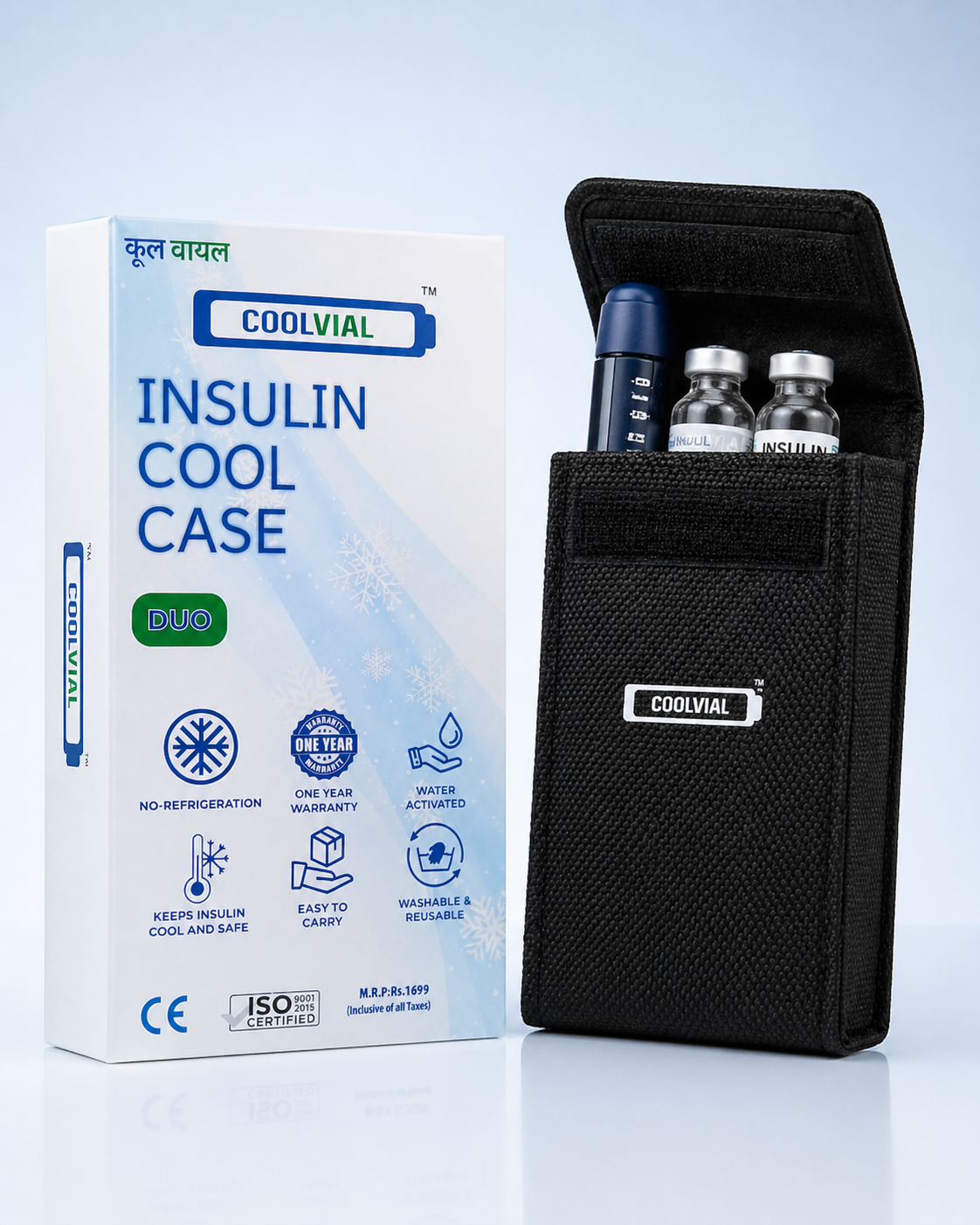
- Capacity: Designed to hold 2 insulin pens and 1 insulin vial, it provides ample space for your daily and backup insulin needs.
- How it Works: Simply immerse the inner pouch in water for a few minutes, wipe it dry, and place your insulin inside. The evaporation process naturally cools the contents, leveraging the very humidity that makes other cooling methods challenging.
- Reliability & Quality:
- CE Certified: Meets European safety, health, and environmental protection requirements.
- ISO 9001:2015 Certified: Ensures quality management systems.
- 1-Year Warranty: Provides confidence in your purchase.
- Made in India: Built for local conditions and readily available.
- Cost-Effective: At Rs 1,099 with code COOLHEAL (MRP Rs 1,699), it offers an affordable and sustainable solution compared to other options. For instance, brands like FRIO often retail around Rs 1,900, while basic insulated pouches like Outer Woods OW-12 might be around Rs 999 but offer less consistent temperature regulation in high heat. The COOLVIAL Duo strikes a balance between performance, quality, and price.
Having a COOLVIAL insulin cool case is an investment in your health and peace of mind. It ensures that your insulin remains effective, regardless of KSEB’s schedule or the whims of the Thiruvananthapuram weather. For more general insulin storage tips, visit our insulin storage tips page.
Frequently Asked Questions (FAQ)
Q: How long can insulin stay at room temperature in Thiruvananthapuram’s climate? A: Most in-use insulin pens can be stored at room temperature, typically below 25°C or 30°C, for up to 28 days. However, in Thiruvananthapuram’s often higher ambient temperatures, using an evaporative cooling case like COOLVIAL Duo is recommended to ensure it stays within the optimal range.
Q: What should I do if my refrigerator loses power for more than 4 hours? A: If your refrigerator loses power for more than 4 hours, it’s best to transfer your insulin to an alternative cooling solution like an activated COOLVIAL Duo, which can maintain safe temperatures for 12-16 hours. Avoid opening the refrigerator door to preserve its coolness.
Q: Can I use regular ice packs to keep insulin cool during a power cut? A: While regular ice packs can provide temporary cooling, insulin should never come into direct contact with ice, as freezing will destroy its potency. Always wrap insulin pens or vials in a cloth and ensure a barrier between them and the ice pack. An evaporative cooler is a safer, more consistent option.
Q: Where can I get emergency insulin storage assistance in Thiruvananthapuram? A: For emergency insulin storage assistance in Thiruvananthapuram, you can contact 24-hour pharmacies like Apollo Pharmacy or Karunya Community Pharmacy (govt), or hospital pharmacies at KIMS Trivandrum (Anayara) or Sree Chitra Tirunal Institute (SCTIMST), which often have robust cold chain facilities.
Q: Are solar inverters a good investment for diabetics in Thiruvananthapuram? A: Yes, solar inverter setups are an excellent investment for diabetics in Thiruvananthapuram. They provide a reliable, uninterrupted power supply for essential appliances like refrigerators, ensuring consistent insulin storage even during prolonged grid outages, and offer environmental benefits.
Q: How often do I need to reactivate my COOLVIAL Duo during an extended power cut? A: The COOLVIAL Duo keeps insulin cool for 12-16 hours. For extended power cuts, you should reactivate it by immersing the inner pouch in water for a few minutes and wiping it dry every 12-16 hours to maintain its cooling efficacy.
Conclusion
Navigating power cuts as a diabetic in Thiruvananthapuram requires a proactive approach, a deep understanding of local conditions, and reliable tools. From the monsoon-induced outages in Kowdiar and Pattom to the summer load shedding affecting Technopark residents, being prepared for any duration of power loss is paramount. By understanding KSEB’s patterns, having a robust emergency kit, and leveraging local resources like 24-hour pharmacies or community support, you can ensure your insulin remains safe and effective.
The tropical climate of Thiruvananthapuram demands a cooling solution that can perform under pressure. The COOLVIAL Duo, with its 12-16 hour cooling capacity without electricity, CE certification, and ISO 9001:2015 quality, offers an essential layer of protection for your life-saving medication. Don’t let power cuts compromise your health. Equip yourself with the knowledge and tools to stay safe and in control.
Order COOLVIAL Duo at Rs 1,099 with code COOLHEAL — coolvial.com or WhatsApp wa.me/918766952300.
Medical Disclaimer
This article is for general information. Always consult your endocrinologist or diabetologist before changing insulin storage or dosing practices.