
Reviewed by the COOLVIAL Editorial Team — specialists in insulin storage for Indian climate conditions.
Pune, the ‘Oxford of the East,’ transforms into a lush green haven during the monsoon, with its pleasant climate ranging from 12°C to 38°C year-round. However, this beautiful transformation, marked by the Southwest monsoon from June to September bringing around 700mm of rainfall, also presents unique challenges for individuals managing diabetes. For those relying on insulin, the Pune monsoon insulin storage becomes a critical concern. Protecting insulin from temperature fluctuations, unexpected humidity spikes, and the logistical disruptions of the rainy season is paramount to maintaining its efficacy and ensuring consistent diabetes management. Based on analysis of insulin storage queries from Pune diabetics, we’ve identified key areas of concern. Did you know that improper insulin storage can reduce its effectiveness by up to 30%, potentially leading to unpredictable blood sugar levels?
This article delves into 7 smart strategies tailored for Pune residents to safeguard their insulin during the rainy season. From understanding local climate nuances to practical storage solutions, we aim to equip you with the knowledge needed for worry-free diabetes care.
Table of Contents
- Pune’s Moderate Monsoon: Beyond the Rain, Understanding the Disruption
- Navigating Traffic Chaos and Pharmacy Access in West and South Pune
- Weekend Washouts: Travel Risks and Insulin Safety Beyond the City Limits
- The Silent Threat: Surprise Humidity Spikes and Insulin Integrity
- Waterlogging Woes: Preparedness in Central Pune’s Hotspots
- Strategic Stocking Up: A Monsoon Essential for Pune Diabetics
- The False Security of Mild Weather: Why Vigilance is Key
- Expert Guidance from Ruby Hall Clinic and Local Civic Advisories
- Smart Storage Solutions for Pune’s Monsoon
- Frequently Asked Questions (FAQ)
- Methodology Note
- Conclusion
Pune’s Moderate Monsoon: Beyond the Rain, Understanding the Disruption
Pune’s monsoon is often described as moderate, a welcome respite from the pre-monsoon heat. Unlike coastal cities that experience extreme humidity and torrential downpours leading to widespread flooding, Pune’s climate during June to September is generally pleasant. The average temperature hovers around 22-26°C, with intermittent showers. However, this moderation can sometimes lead to a false sense of security regarding insulin storage. The real challenge in Pune isn’t just the sheer volume of rain, but the cascading disruptions it causes.
Consider these aspects of Pune’s monsoon impact:
- Intermittent Heavy Spells: While the overall rainfall might be moderate, Pune experiences sudden, intense downpours that can last for several hours. These unexpected deluges can quickly impact daily routines.
- Localized Flooding: Certain areas, despite Pune not being a coastal city, are prone to waterlogging during heavy rain, creating accessibility issues.
- Humidity Fluctuations: Even with moderate temperatures, humidity levels can spike dramatically after rainfall, creating an environment detrimental to insulin.
- Increased Travel Time: Roads become congested, public transport is delayed, and personal travel takes significantly longer, affecting access to essential services like pharmacies.
These factors combine to create a scenario where proactive insulin management becomes crucial. Relying on the generally mild weather without preparing for these specific disruptions can put your insulin at risk.
Navigating Traffic Chaos and Pharmacy Access in West and South Pune
One of the most immediate and frustrating impacts of the Pune monsoon is the traffic congestion, particularly in rapidly developing areas. Neighborhoods in West Pune like Aundh, Baner, and Wakad, known for their IT hubs and residential complexes, experience significant traffic snarls during and after heavy rains. Similarly, South Pune areas such as Kothrud and Sinhagad Road, with their dense populations and arterial roads, become bottlenecks.
This traffic chaos directly affects access to essential healthcare supplies, including insulin. Imagine needing a refill and facing:
- Extended Commute Times: A trip to your local pharmacy like Apollo Pharmacy, Wellness Forever, or MedPlus that normally takes 15 minutes could stretch to an hour or more. This delay can be critical if you’re running low on insulin or other diabetes essentials.
- Public Transport Disruptions: Buses often run late or face diversions due to waterlogged roads, making it difficult for those relying on public transport to reach pharmacies.
- Limited Delivery Services: While many pharmacies offer home delivery, heavy rain can delay or even halt these services, leaving you without immediate access.
- Increased Exposure Risks: Navigating crowded and waterlogged areas in adverse weather can also increase the risk of infections or accidents, especially for individuals with diabetes who need to be extra cautious about foot care.
Practical Steps for Pharmacy Access During Monsoon:
- Advance Stocking: Always keep at least a week’s extra supply of insulin and testing strips. This buffer is invaluable during unexpected disruptions.
- Multiple Pharmacy Options: Identify 2-3 pharmacies (e.g., Apollo Pharmacy on FC Road, Wellness Forever in Aundh, MedPlus in Kothrud) within different accessible routes from your home or workplace.
- Online Orders with Buffer Time: If ordering online, place orders well in advance, accounting for potential monsoon-related delays.
- Emergency Contact: Have a trusted friend or family member who can assist with pharmacy runs if you are unable to travel.
By anticipating these challenges, Pune residents can ensure their access to critical diabetes medications remains uninterrupted, even when the city’s roads are snarled. For more comprehensive guidance on managing diabetes during challenging times, you might find our article, Power Cut Survival Guide for Diabetics in Pune — What To Do When the Grid Goes Down, particularly helpful.
Weekend Washouts: Travel Risks and Insulin Safety Beyond the City Limits
Pune residents cherish their weekends, often escaping the city’s hustle for nearby getaways like Lonavala, Mahabaleshwar, or the Sahyadri foothills. However, the monsoon season, while enhancing the beauty of these destinations, also brings the risk of “weekend washouts.” Unexpected heavy rainfall can lead to:
- Road Closures and Landslides: Routes to popular hill stations can become dangerous or even impassable due due to landslides or heavy water flow, stranding travelers.
- Limited Amenities: Remote areas might have unreliable electricity, limited access to pharmacies, and fewer options for safe insulin storage, especially if you’re delayed.
- Increased Humidity in Humid Climates: While Pune’s monsoon is moderate, surrounding areas or even a sudden shift in weather can bring higher humidity levels, impacting insulin stability.
For diabetics planning monsoon weekend trips, careful preparation is non-negotiable. Your insulin’s stability is directly tied to its storage conditions, which can be compromised during travel.
Key Travel Preparation Tips for Diabetics During Monsoon:
- Pack Smart:
- Carry all essential medications, including insulin, in a dedicated, waterproof bag.
- Always pack more insulin than you anticipate needing, factoring in potential travel delays.
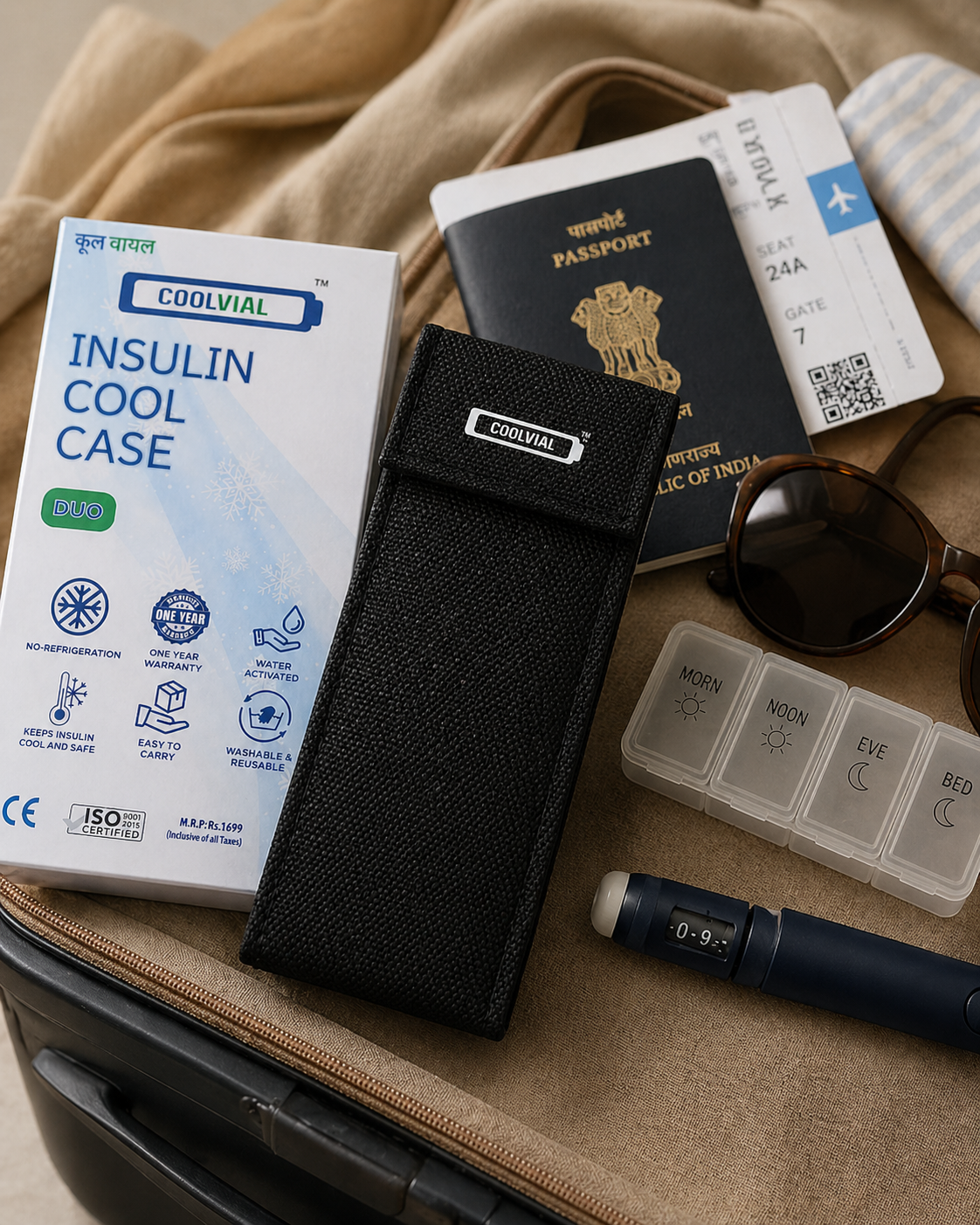
- Include a compact, reliable insulin cooling solution like the COOLVIAL insulin cool case.
- Check Weather and Road Conditions: Before departing, monitor weather forecasts for your destination and check local news for road advisories. Pune-specific civic body advisories often provide crucial updates during peak monsoon weeks.
- Inform Travel Companions: Ensure at least one travel companion knows about your diabetes, where your insulin is stored, and how to administer it in an emergency.
- Emergency Kit: In addition to insulin, pack glucose tablets, a glucometer with extra strips, and a copy of your prescription.
Even for a short trip to Koregaon Park or a shopping excursion at Phoenix MarketCity Viman Nagar, where you might be out for several hours, consider how your insulin will be stored. A sudden downpour could extend your outing, subjecting your insulin to undesirable temperatures or humidity.
The Silent Threat: Surprise Humidity Spikes and Insulin Integrity
While Pune’s monsoon is milder than that of coastal cities like Mumbai, it’s not immune to humidity. The average relative humidity during Pune’s monsoon can range from 70% to 90%, with sudden spikes after heavy rain. This fluctuating humidity, often accompanied by moderate temperatures, poses a silent but significant threat to insulin integrity, especially for insulin pens and vials that are not properly sealed or protected.
Insulin is a delicate protein. Exposure to extreme temperatures (hot or cold) or high humidity can degrade its structure, reducing its effectiveness. The consequences of using compromised insulin can be severe:
- Unpredictable Blood Sugar Levels: Degraded insulin may not lower blood sugar as expected, leading to hyperglycemia.
- Increased Dosing: You might unknowingly increase your insulin dose to compensate for its reduced efficacy, which could lead to hypoglycemia once effective insulin is used again.
- Risk of Complications: Consistent poor blood sugar control can exacerbate long-term diabetes complications.
Pune Monsoon & Insulin — 7 Smart Storage Strategies for the Rainy Season
Insulin at 2-8°C for 48+ hours. Trusted by 10,000+ Indian diabetics.
How Humidity Affects Insulin Pens and Vials:
- Condensation: High humidity can lead to condensation inside pen caps or around vials, potentially introducing moisture where it shouldn’t be.
- Label Degradation: Labels on pens and vials can peel or become unreadable, making it difficult to identify the insulin type or expiry date.
- Compromised Seals: While less common for modern pens, prolonged exposure to high humidity can theoretically affect the integrity of rubber stoppers on vials or seals on pens over time, though this is rare with short-term exposure. The primary concern is direct heat and light.
Protecting Against Humidity:
- Original Packaging: Store unopened insulin vials and pens in their original cartons in the refrigerator (2-8°C). This provides an extra layer of protection against light and minor humidity changes.
- Airtight Containers: Once opened and in use, if not refrigerated, insulin pens should be kept at room temperature (below 25-30°C) as recommended by the manufacturer. During monsoon, consider placing your pen in a clean, airtight container within your immediate storage area to provide a micro-environment with less humidity.
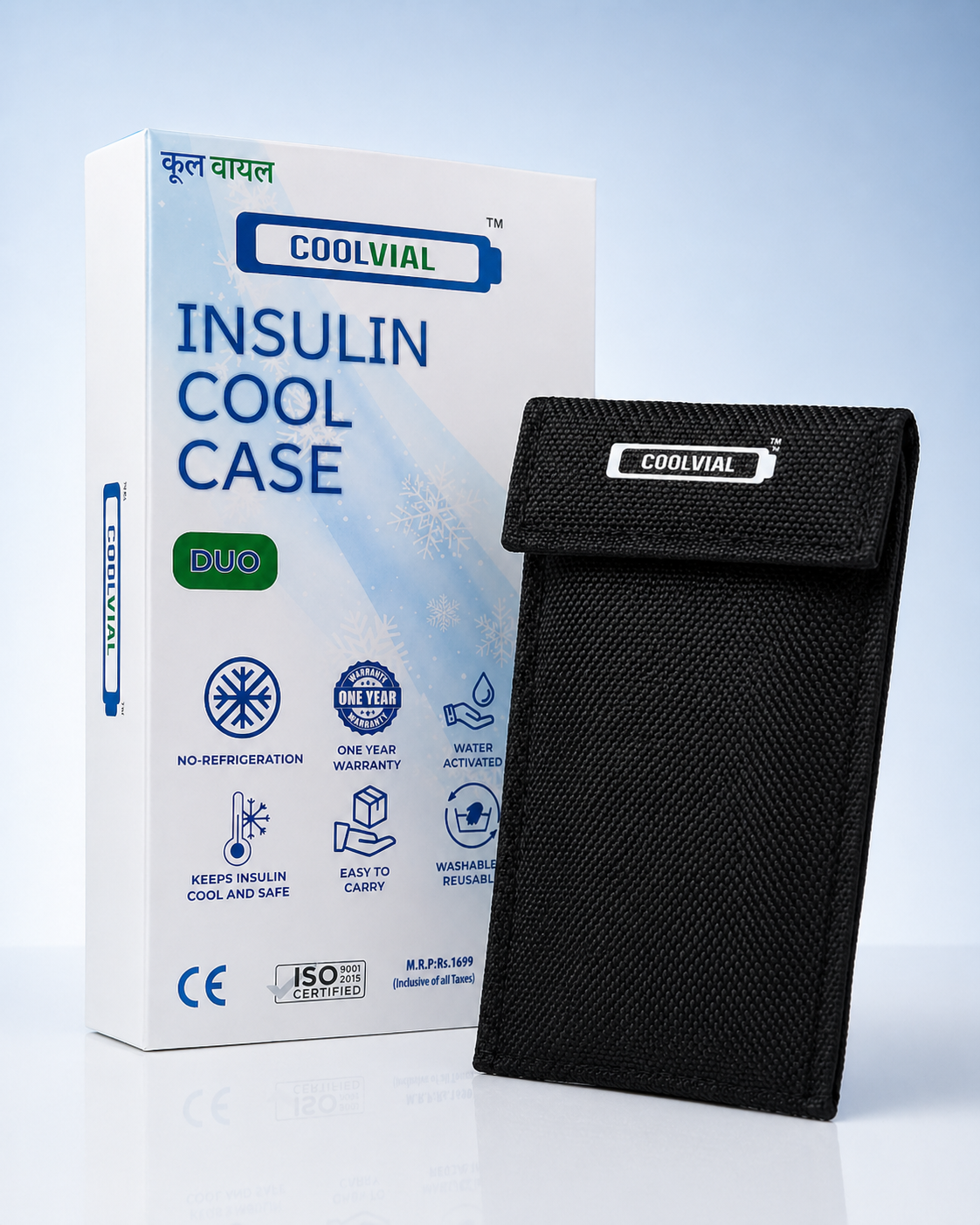
- Evaporative Cooling Cases: For insulin that needs to be carried or kept at room temperature, especially when ambient temperatures exceed 25°C or humidity is high, an evaporative cooling case is essential. Products like the COOLVIAL Duo are specifically designed to keep insulin cool and protected, even in fluctuating humidity.
Understanding the subtle yet significant impact of humidity is crucial for effective pune monsoon insulin management. Proactive steps, no matter how small, contribute significantly to maintaining insulin efficacy. You can find more detailed advice on year-round storage in our article, How to Store Insulin in Pune’s Mild Year-Round Climate — A Local’s Guide.
Waterlogging Woes: Preparedness in Central Pune’s Hotspots
While Pune’s monsoon is not notorious for city-wide flooding, certain areas, particularly in Central Pune, are known to experience waterlogging during intense downpours. These include parts of Camp (like MG Road), Koregaon Park, and areas around FC Road. This isn’t just an inconvenience; it can pose a direct threat to the safe transport and storage of insulin.
Imagine you’re out near Shaniwar Wada or Aga Khan Palace, and a sudden cloudburst leads to ankle-deep water in minutes. If your insulin is in an unprotected bag, it could be exposed to moisture, potentially damaging the packaging or even the insulin itself if seals are compromised.
Known Waterlogging Spots and Their Implications:
- Camp/MG Road: Commercial hub, often sees slow-moving traffic and pooling water, making pedestrian movement difficult.
- Koregaon Park: Trendy residential and commercial area, some inner roads can get waterlogged, affecting access to cafes or clinics.
- FC Road (Fergusson College Road): Popular student hangout, can experience significant pooling, especially near low-lying sections.
Mitigating Risks in Waterlogged Areas:
- Waterproof Bags: Always carry your insulin in a small, completely waterproof pouch or a dry bag, even if it’s inside a larger bag. This is your first line of defense against accidental water exposure.
- Elevated Storage at Home: If your home is in a low-lying area or prone to dampness, store your insulin (both refrigerated and in-use) on higher shelves or in waterproof containers, away from potential floor-level water ingress.
- Stay Informed: Pay attention to local weather alerts and civic body advisories during peak monsoon weeks. The Pune Municipal Corporation (PMC) often issues warnings about heavy rainfall and potential waterlogging [Verify in 2026].
- Minimise Unnecessary Travel: During forecasted heavy spells, especially to known waterlogging areas, try to postpone non-essential trips to avoid getting caught in adverse conditions.
By being aware of these local hotspots and taking preventative measures, Pune residents can minimize the risk of their insulin being compromised by waterlogging.
Strategic Stocking Up: A Monsoon Essential for Pune Diabetics
The unpredictable nature of the monsoon, with its potential for travel disruptions, pharmacy access issues, and unexpected delays, makes strategic stocking up an absolute essential for Pune diabetics. This isn’t about hoarding; it’s about responsible preparedness, ensuring you have a buffer against unforeseen circumstances.
The Indian Council of Medical Research (ICMR) and the Research Society for the Study of Diabetes in India (RSSDI) consistently emphasize the importance of consistent medication access for effective diabetes management. According to the ICMR-INDIAB study, India faces a significant burden of diabetes, with urban areas like Pune having a notable prevalence (Source: https://icmr.gov.in/guidelines_diabetes.html). Interruptions in insulin supply can severely impact blood sugar control, leading to health complications.
What to Stock Up On and How:
- Insulin: Aim for at least a 1-2 week extra supply of all your insulin types (rapid-acting, long-acting, premixed). Check expiry dates carefully when purchasing.
- Storage Tip: Store unopened insulin in the refrigerator (2-8°C). Once opened, most insulins can be kept at room temperature (below 25-30°C) for a specific period (e.g., 28 days), but always check your insulin’s specific instructions.
- Syringes/Pen Needles: Stock an ample supply. These are often overlooked but are just as critical as the insulin itself.
- Blood Glucose Test Strips: Ensure you have enough strips for consistent monitoring, especially during periods of stress or disrupted routine.
- Lancets and Lancing Device: Don’t forget these small but vital components of blood glucose monitoring.
- Alcohol Swabs: For sterile injection sites.
- Glucose Tablets/Gel: Essential for treating hypoglycemia, which can occur if blood sugar levels drop too low.
- Prescription Copies: Keep digital and physical copies of your prescriptions. This is vital if you need to visit an emergency clinic or a new pharmacy.
- Emergency Contact Information: Have a list of your doctor’s number, nearest hospital (e.g., Ruby Hall Clinic, Deenanath Mangeshkar Hospital, Jehangir Hospital), and emergency contacts readily available.
When to Stock Up:
- Pre-Monsoon: Ideally, do a comprehensive check and stock up in late May or early June, before the monsoon fully sets in.
- Before Forecasted Heavy Spells: If weather forecasts predict particularly heavy rainfall for several days, make a quick run to your local pharmacy (e.g., Noble Plus, Pristine) to top up any low supplies.
This proactive approach minimizes stress and ensures continuity of care, even when the Pune monsoon throws its curveballs.
The False Security of Mild Weather: Why Vigilance is Key
Pune’s climate is often lauded for its moderation. A moderate summer, a cool winter, and a generally pleasant monsoon. This mildness, however, can breed a false sense of security, particularly concerning insulin storage. Unlike Mumbai’s intense humidity or Delhi’s scorching summers, Pune rarely experiences extreme conditions for prolonged periods. Yet, it’s precisely this ‘mild’ nature that can lead to complacency.
The danger lies not in sustained extreme conditions, but in the intermittent, localized, and often unpredictable fluctuations that the monsoon brings:
- Sudden Temperature Spikes: While overall temperatures might be moderate, a break in the clouds can quickly elevate ambient temperatures, especially indoors without air conditioning. Insulin exposed to temperatures above 25-30°C for extended periods can lose potency.
- Hidden Humidity: Even if the air feels mild, relative humidity can be high, as discussed earlier, posing a threat to insulin integrity and packaging.
- Interrupted Refrigeration: Power cuts, though generally less frequent than in some other regions, can still occur during heavy rains. A refrigerator without power quickly loses its cool, potentially compromising large batches of insulin.
- Impact on Travel: The mild weather might lull you into thinking a short trip to FC Road or a visit to family in Hadapsar won’t impact your insulin, but traffic delays or unexpected detours can expose it to suboptimal conditions for longer than intended.
Why Continuous Vigilance is Necessary:
Pune Monsoon & Insulin — 7 Smart Storage Strategies for the Rainy Season
- Insulin’s Sensitivity: Insulin is highly sensitive to heat and light. Even subtle changes in storage conditions can impact its molecular structure and effectiveness.
- Personal Health Impact: Compromised insulin means unstable blood sugar, which directly affects your health, energy levels, and long-term diabetes management.
- Cost of Replacement: Insulin is an expensive medication. Replacing degraded insulin due to negligence is an unnecessary financial burden.
Even in Pune’s relatively pleasant climate, treating insulin storage with the utmost care, as if you were in a more extreme environment, is the safest approach. This means always using appropriate storage methods, monitoring conditions, and having backup plans.
Expert Guidance from Ruby Hall Clinic and Local Civic Advisories
For Pune residents, local healthcare institutions and civic bodies are invaluable sources of information, especially during challenging seasons like the monsoon. Hospitals like Ruby Hall Clinic (Sassoon Road), Deenanath Mangeshkar Hospital (Erandwane), and Jehangir Hospital (Sassoon Road) are primary care providers and often issue public health advisories.
Ruby Hall Clinic (Sassoon Road) Guidance: While specific insulin storage advisories vary, general guidance from endocrinology departments at hospitals like Ruby Hall Clinic emphasizes:
- Maintaining Cold Chain: Strict adherence to the cold chain for unopened insulin (2-8°C).
- Room Temperature Limits: Keeping in-use insulin below 25-30°C.
- Protection from Direct Sunlight and Heat: Never leaving insulin in a car, near windows, or exposed to direct heat sources.
- Emergency Preparedness: Having an emergency supply and a plan for power outages or travel disruptions.
[Verify in 2026]: For current, specific advisories regarding insulin storage during Pune’s monsoon, it is always recommended to consult the endocrinology department at Ruby Hall Clinic (Sassoon Road) or your diabetologist.
Pune-Specific Civic-Body Advisories: During peak monsoon weeks, the Pune Municipal Corporation (PMC) and the India Meteorological Department (IMD) for Pune district issue advisories regarding:
- Heavy Rainfall Warnings: Forecasts of intense showers, crucial for planning pharmacy runs or travel.
- Waterlogging Hotspots: Information on areas to avoid due to potential flooding.
- Health and Safety: General public health notices related to monsoon illnesses.
How to Utilize Local Information:
- Follow Reputable Sources: Tune into local news, official PMC social media channels, and IMD Pune updates.
- Consult Your Doctor: Discuss your monsoon insulin storage plan with your endocrinologist or diabetologist at your regular check-ups. They can provide personalized advice based on your specific insulin regimen and health profile.
- Local Pharmacy Advice: Your local pharmacists at Apollo Pharmacy, Wellness Forever, or MedPlus can also offer practical tips on medication storage and availability during monsoon.
Integrating these local insights into your diabetes management plan provides an added layer of safety and preparedness.
Smart Storage Solutions for Pune’s Monsoon
Given the unique challenges of the Pune monsoon insulin storage – from humidity and traffic to weekend travel risks – relying solely on refrigeration or basic pen cases is often insufficient. This is where smart, portable cooling solutions become indispensable.
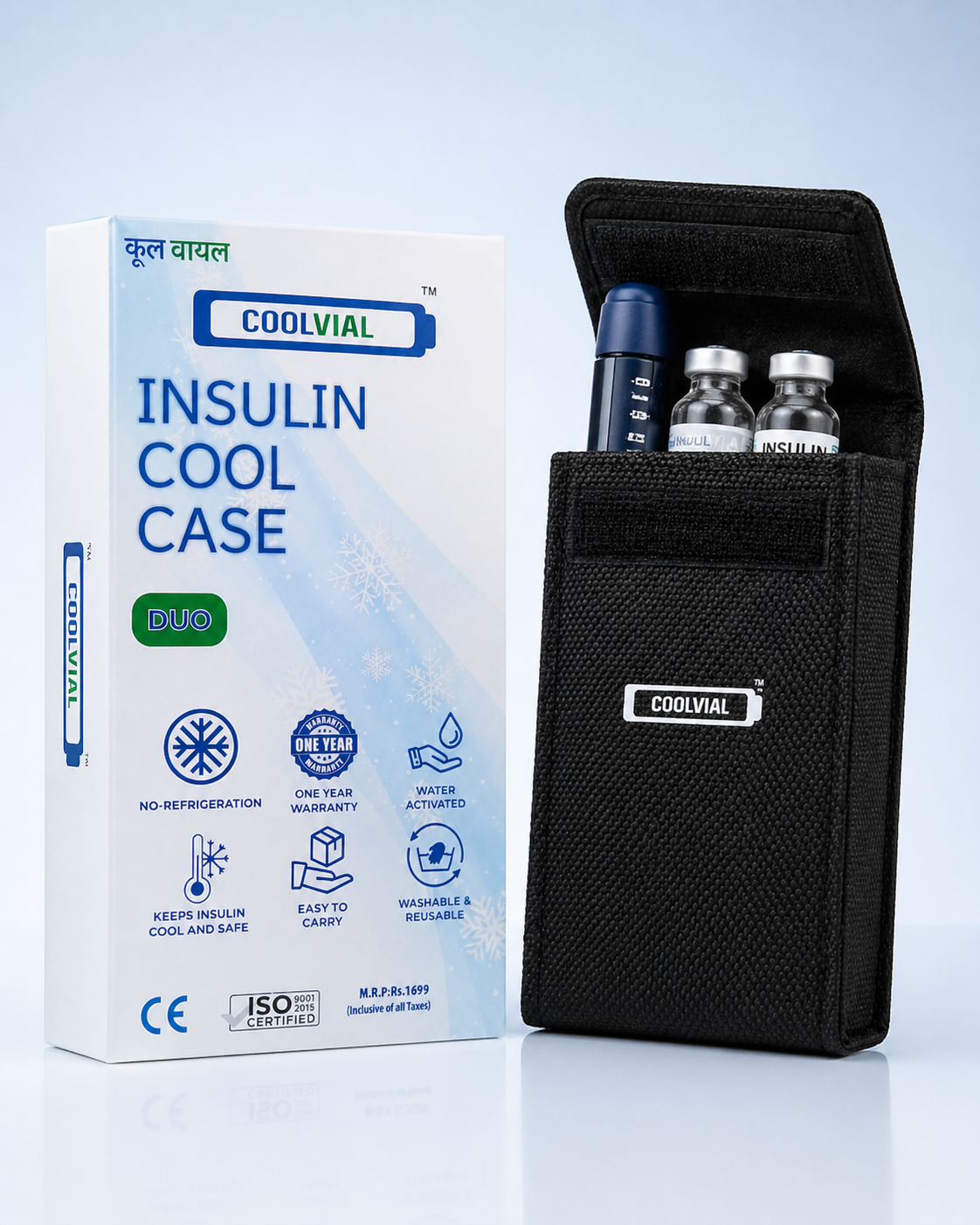
Consider the COOLVIAL Duo, a water-activated evaporative insulin cooling case designed specifically for the Indian climate. It offers a practical, electricity-free solution to keep your insulin safe.
How COOLVIAL Duo Addresses Monsoon Challenges:
- No Electricity Needed: This is crucial during power cuts or when traveling to areas with unreliable electricity (e.g., a farmhouse near Lonavala). Simply activate it with water.
- Optimal Temperature Maintenance: Keeps insulin cool between 12-16 hours, ensuring it stays within the safe temperature range (below 25-30°C) even when ambient temperatures are higher or fluctuating.
- Protection from Humidity: The evaporative cooling process naturally draws heat and moisture away from the insulin, protecting it from humidity spikes.
- Capacity: The COOLVIAL Duo holds 2 pens + 1 vial, offering ample space for your daily and backup insulin needs.
- Durability and Portability: Compact and robust, it’s easy to carry in your bag for daily commutes, weekend trips, or extended outings.
- Certifications: CE certified and ISO 9001:2015 compliant, ensuring quality and safety. Plus, it’s Made in India, designed with local conditions in mind.
Comparing COOLVIAL Duo with Other Options:
| Feature | COOLVIAL Duo | FRIO Cooling Wallet (e.g., Duo Pen Case) | Outer Woods OW-12 (Insulated Pouch) |
|---|---|---|---|
| Cooling Method | Water-activated evaporative cooling | Water-activated evaporative cooling | Gel pack / Ice pack (requires freezer) |
| Cooling Duration | 12-16 hours | Up to 45 hours (varies by model) | 8-12 hours (with frozen pack) |
| Capacity | 2 pens + 1 vial | 2 standard pens | 2 pens + space for vial/meds |
| Electricity Req. | No | No | No (but gel pack needs freezing) |
| Price (approx.) | Rs 1,099 (with COOLHEAL code) | Rs 1,900+ | Rs 999 |
| Certifications | CE certified, ISO 9001:2015 | N/A (ISO 13485 manufacturing) | N/A |
| Made In | India | UK | India |
| Monsoon Suitability | Excellent for temperature & humidity control | Excellent for temperature control | Good, but cooling duration depends on ice pack |
The COOLVIAL Duo offers a compelling balance of performance, capacity, and affordability, making it an ideal choice for Pune diabetics navigating the monsoon. It provides peace of mind, knowing your insulin is protected from the elements, ensuring it remains effective when you need it most.
For detailed information on insulin storage tips and how evaporative cooling works, visit our website.
Frequently Asked Questions (FAQ)
Q: Can I store my insulin pens in the refrigerator after opening them during Pune monsoon? A: Most insulin pens, once opened, are designed to be kept at room temperature (below 25-30°C) for a specific duration (usually 28 days). Refrigerating an in-use pen can cause condensation and make injections uncomfortable due to cold insulin.
Q: How can I protect my insulin from humidity if I don’t have an evaporative cooling case? A: If you don’t have an evaporative cooling case, keep your insulin pens in their original packaging or a clean, airtight container in the coolest, driest part of your home, away from direct sunlight and heat sources. Avoid storing them in bathrooms or kitchens.
Q: Is it safe to travel to Lonavala during monsoon with my insulin? A: Yes, it is safe to travel to Lonavala with insulin during the monsoon, provided you take precautions. Use a reliable insulin cooling case like COOLVIAL Duo, pack extra supplies, and check weather and road conditions before you leave.
Q: What is the ideal temperature range for insulin storage in Pune’s climate? A: Unopened insulin should be refrigerated at 2-8°C. Once opened, most insulin can be stored at room temperature, ideally below 25-30°C, for its specified in-use period.
Q: Where can I get emergency insulin refills in Pune during heavy rain? A: During heavy rain, try calling larger pharmacies like Apollo Pharmacy or Wellness Forever outlets in your area, as they might have extended hours or limited delivery services. Always keep an emergency supply at home. Hospitals like Deenanath Mangeshkar Hospital also have in-house pharmacies.
Q: How do I know if my insulin has gone bad due to heat or humidity? A: Inspect your insulin visually. It should be clear and colorless (except for cloudy insulins like NPH). If it appears cloudy, discolored, or has particles, or if you notice changes in its effectiveness, discard it and use fresh insulin.
Methodology Note
How We Researched This — This article is based on a comprehensive review of RSSDI guidelines, ICMR-INDIAB data on diabetes prevalence and management, local Pune hospital directories for key medical facilities, and an understanding of the pharmacy network including Apollo Pharmacy, Wellness Forever, MedPlus, Noble Plus, and Pristine for local context on medication access. Climatic data for Pune was referenced from meteorological sources.
Conclusion
Navigating the Pune monsoon with diabetes requires a blend of local awareness and proactive planning. While the city’s moderate climate is generally pleasant, the rainy season introduces specific challenges – from traffic snarls in Baner and Kothrud to unexpected humidity surges and waterlogging in Camp. By understanding these nuances and implementing smart strategies, Pune residents can ensure their insulin remains safe and effective, guaranteeing consistent diabetes management.
Remember to stock up on supplies, be aware of local advisories, and most importantly, invest in reliable insulin storage solutions. The COOLVIAL Duo provides an ideal, electricity-free answer to keeping your insulin cool and protected, giving you peace of mind throughout the monsoon and beyond. Don’t let the weather dictate your health. Take control and enjoy Pune’s beautiful monsoon season without worry.
Order COOLVIAL Duo at Rs 1,099 with code COOLHEAL at coolvial.com or via WhatsApp wa.me/918766952300 today!
Medical Disclaimer: This article is for general information purposes only and does not constitute medical advice. Always consult your endocrinologist or diabetologist before changing insulin storage or dosing practices.
Pune Monsoon & Insulin — 7 Smart Storage Strategies for the Rainy Season
48+ hours at 2-8°C. No electricity. CE certified. Free delivery across India.
Order on WhatsApp — ₹1,099🛒 Buy Now — ₹1,099