
Reviewed by the COOLVIAL Editorial Team — specialists in insulin storage for Indian climate conditions.
The vibrant city of Raipur, nestled in the heart of Chhattisgarh, transforms dramatically during its annual monsoon season. From July to September, the region receives approximately 1300mm of rainfall, bringing relief from the scorching 14-43°C summer heat but ushering in a new set of challenges, especially for those managing diabetes. Protecting your insulin from the pervasive humidity is a critical step to ensure its efficacy and your well-being. This comprehensive guide, based on analysis of insulin storage queries from Raipur diabetics, outlines 7 critical steps to safeguard your vital medication.
Humidity, the unseen enemy, can significantly degrade insulin quality, compromise its packaging, and even foster mould growth in homes, particularly in areas like Shankar Nagar, Pandri, and Civil Lines/Devendra Nagar. During the Raipur monsoon, ensuring proper insulin storage isn’t just a recommendation—it’s a necessity. We’ll delve into practical, local solutions, from sourcing silica gel to navigating potential flood situations and transport disruptions that could affect pharmacy access.
Table of Contents
- Raipur’s Monsoon Climate and Its Unique Challenges for Insulin Storage
- The Silent Threat: Humidity Damage to Insulin Pens and Packaging
- Mould Risk in Raipur Homes: A Monsoon Concern for Diabetics
- Flood Preparedness for Diabetics in Raipur: Navigating Waterlogging Hotspots
- Transport Disruptions & Pharmacy Access During Raipur’s Monsoon
- Humid-Fridge-Air Contamination Risks for Insulin
- Practical Solutions for Monsoon Insulin Storage in Raipur
- Essential Monsoon-Prep Checklist for Diabetics in Raipur
- Frequently Asked Questions (FAQ)
- Conclusion: Stay Cool, Stay Safe This Monsoon
Raipur’s Monsoon Climate and Its Unique Challenges for Insulin Storage
Raipur’s climate is characterized by three distinct seasons: a hot summer (March-June) with temperatures soaring from 14°C to 43°C, a monsoon season (July-September) bringing heavy rainfall averaging around 1300mm, and a mild winter (October-February). While the monsoon provides much-needed respite from the intense summer heat, it ushers in a period of high humidity that poses significant risks to temperature-sensitive medications like insulin. The air becomes saturated with moisture, creating an environment ripe for degradation and contamination.
The challenge for diabetics in Raipur is multifaceted:
- High Ambient Humidity: The sheer volume of moisture in the air can penetrate packaging, affecting insulin quality.
- Fluctuating Temperatures: While cooler than summer, monsoon temperatures can still fluctuate, especially indoors without consistent air conditioning.
- Power Outages: Heavy rains often lead to power cuts, impacting refrigeration and potentially exposing insulin to unfavorable conditions.
- Waterlogging: Low-lying areas in Raipur, including parts of Shankar Nagar, Pandri, and Civil Lines/Devendra Nagar, are prone to waterlogging, threatening homes and stored medications.
To effectively manage insulin during this period, understanding these local climatic nuances is paramount.
The Silent Threat: Humidity Damage to Insulin Pens and Packaging
Insulin is a delicate protein, and its stability is highly dependent on specific storage conditions. While temperature is a well-known factor, humidity often gets overlooked, especially in regions like Raipur during the monsoon. High humidity can inflict damage in several ways:
- Compromised Insulin Efficacy: Moisture can accelerate the breakdown of insulin molecules, reducing its potency. This means that even if the insulin appears normal, it might not be as effective in controlling blood sugar, leading to unpredictable glucose levels.
- Damage to Pen Devices: Modern insulin pens contain electronic components and precise mechanical parts. Humidity can cause corrosion, short-circuiting, or mechanical failure, rendering the pen unusable. This is a common issue that many Raipur diabetics face, especially with pens not designed for such extreme moisture.
- Degradation of Packaging: Cardboard boxes, instruction leaflets, and even the plastic casings of insulin vials can absorb moisture. This leads to:
- Softening and Warping: Cardboard packaging becomes soggy and loses its structural integrity, making it difficult to store or identify.
- Ink Smudging: Important information like expiry dates and dosage instructions on packaging can become illegible.
- Adhesive Failure: Labels on vials and pens can peel off, leading to confusion.
It’s crucial to remember that once insulin is exposed to damaging humidity levels, its integrity cannot be fully restored. Prevention is always better than cure when it comes to preserving this life-saving medication.
Mould Risk in Raipur Homes: A Monsoon Concern for Diabetics
The high humidity levels of the Raipur monsoon create an ideal breeding ground for mould, particularly in homes located in more susceptible areas. Mould spores thrive in damp, warm environments, and they can proliferate rapidly on various surfaces, including walls, furniture, and even within storage areas where insulin is kept.
Specific concerns for diabetics in Raipur include:
- Ground-Floor Homes and Apartments: Residents in ground-floor apartments or independent homes, especially in low-lying areas of Shankar Nagar, Pandri, or Civil Lines/Devendra Nagar, are at a higher risk due to increased ground moisture and reduced air circulation.
- Contamination of Storage Areas: Mould can grow inside cupboards, drawers, or even refrigerator seals if humidity is high and ventilation is poor. This can lead to:
- Direct Contamination Risk: Though rare, mould spores could potentially contaminate insulin vials or pens if they are not properly sealed.
- Damage to Other Supplies: Mould can ruin other diabetes supplies like test strips, lancets, and even glucometers, leading to additional costs and inconvenience.
- Health Implications: Beyond insulin, mould exposure can trigger respiratory issues, allergies, and infections, particularly in individuals with compromised immune systems—a concern for some diabetics.
To mitigate mould risk, it’s advisable to regularly clean and dehumidify storage spaces, ensure good ventilation, and store insulin in airtight, moisture-proof containers.
Flood Preparedness for Diabetics in Raipur: Navigating Waterlogging Hotspots
The heavy rainfall during the Raipur monsoon can lead to significant waterlogging and, in some low-lying areas, moderate flooding. This poses an immediate and severe threat to insulin supplies, which must be protected from direct water exposure. A proactive approach to flood preparedness is essential for every diabetic in Raipur.
Key Waterlogging Hotspots in Raipur:
- Shankar Nagar (Central): Known for its central location, some older parts and connecting lanes can experience significant water accumulation.
- Pandri: This commercial hub can see disrupted movement and waterlogging in market areas and residential alleys.
- Civil Lines/Devendra Nagar: While generally well-developed, certain low-lying pockets, especially near construction sites or drains, can become waterlogged.
- Telibandha Lake & Marine Drive Raipur areas: While scenic, surrounding roads can experience congestion and waterlogging during heavy downpours.
What to do if your home or building floods:
- Elevate Insulin and Supplies: Immediately move all insulin, pens, vials, glucometer, test strips, and other essential medical supplies to the highest possible point in your home – shelves, top of cupboards, or a higher floor if available.
- Waterproof Your Emergency Kit: Store your 7-day emergency insulin supply (as recommended in our Complete Diabetes Care Guide for Raipur Residents — 2026 Edition) in a waterproof bag or container. This bag should be easily accessible for quick evacuation.
- Keep Contact Information Handy: Have emergency contacts for your doctor, local pharmacies (like AIIMS Raipur emergency pharmacy, Ramkrishna Care Hospitals, Balaji Hospital), and family members stored in a waterproof pouch.
- Know Evacuation Routes: Be aware of safe routes to higher ground or designated shelters, especially if you live in a low-lying area.
- Assess Insulin Damage Post-Flood: If insulin has been exposed to floodwaters, assume it is compromised and do not use it, even if it appears sealed. Floodwater is often contaminated and can affect the sterility and efficacy of medication.
Being prepared can make all the difference in a monsoon emergency.
Transport Disruptions & Pharmacy Access During Raipur’s Monsoon
The heavy monsoon rains in Raipur inevitably lead to significant transport disruptions, making it challenging to reach pharmacies or receive essential medication deliveries. Waterlogging, road closures, and reduced visibility can severely impact logistics, affecting everyone from personal commuters to large-scale delivery services.
Impact on Pharmacy Access:
- Physical Pharmacies: Reaching major pharmacies like Apollo Pharmacy near Shankar Nagar, MedPlus outlets, or Trust Pharmacy can become difficult due to waterlogged roads and traffic jams. Public transport may be irregular, and private vehicles might struggle through inundated streets.
- Online Pharmacy Deliveries: Services from 1mg and Generic Aadhaar, which rely on efficient road networks, are particularly susceptible to delays or even cancellations during heavy monsoon periods. Delivery personnel may find it impossible to navigate through flooded areas or face significant delays. This can be critical for urgent insulin refills.
Strategies for Ensuring Access:
- Stock Up Proactively: Maintain a buffer stock of insulin (at least 7-10 days’ supply) before the peak monsoon season. This is a crucial recommendation for all diabetics in Raipur.
- Identify Multiple Pharmacy Options: Know the locations and contact numbers of several pharmacies, including those in different neighborhoods or with potentially better access routes. AIIMS Raipur, Ramkrishna Care Hospitals (Pachpedi Naka), and Balaji Hospital often have 24/7 pharmacies for emergencies.
- Verify Delivery Zones: If you rely on online pharmacies, confirm their operational status and delivery zones during heavy rains. Have a backup plan if your usual service is interrupted.
- Communicate with Your Doctor: Discuss your monsoon preparedness plan with your endocrinologist. They might be able to provide an emergency prescription or advise on alternative sources if your stock is destroyed or inaccessible.
For more insights on managing essential supplies during unforeseen events, refer to our Power Cut Survival Guide for Diabetics in Raipur — What To Do When the Grid Goes Down.
Humid-Fridge-Air Contamination Risks for Insulin
While refrigeration is essential for storing unopened insulin, the high ambient humidity during Raipur’s monsoon can ironically turn your refrigerator into a potential risk factor. When warm, humid air from the room enters the refrigerator every time the door is opened, it condenses rapidly on cooler surfaces. This leads to several issues:
- Condensation on Insulin Vials and Pens: Droplets of water can form directly on your insulin pens and vials. While the insulin itself is sealed, this constant moisture can damage external packaging, labels, and even the pen mechanism over time.
- Mould Growth Inside the Refrigerator: The build-up of condensation can promote mould growth on refrigerator seals, shelves, and even within the vegetable crisper. This mould can release spores that could potentially contaminate anything stored inside, including your insulin.
- Temperature Fluctuations: Frequent opening of the fridge in a hot, humid environment can lead to more significant temperature fluctuations inside, potentially exposing insulin to temperatures outside its optimal range (2-8°C for unopened vials).
Mitigating the Risk:
- Use Airtight Containers: Always store your insulin (even in the fridge) in an airtight, waterproof container. This acts as a barrier against condensation and mould spores. Glass or high-quality plastic containers with secure lids are ideal.
- Avoid Door Storage: The refrigerator door is the warmest part of the fridge and experiences the most temperature fluctuations. Store insulin towards the back of a middle shelf, away from direct cooling vents.
- Regular Cleaning: Clean your refrigerator regularly, paying special attention to door seals and any areas where condensation tends to collect.
- Minimize Opening: Try to open the refrigerator door only when necessary and close it quickly to reduce the influx of humid air.
For travel or situations where a refrigerator isn’t an option, a reliable insulin cooling case becomes indispensable.
Practical Solutions for Monsoon Insulin Storage in Raipur
Navigating the Raipur monsoon requires a proactive approach to insulin storage. Here are practical solutions to protect your medication from humidity, water damage, and temperature fluctuations.
1. The Power of Desiccants: Silica Gel
Silica gel packets are highly effective at absorbing moisture from enclosed spaces. They are readily available and an inexpensive solution.
- Where to Source in Raipur:
- Local General Stores: Many stationery shops or general stores in areas like Shankar Nagar or Pandri carry silica gel packets, often sold with electronics or leather goods.
- Online Retailers: Platforms like Amazon India or Flipkart offer bulk packs of reusable silica gel.
- Hardware Stores: Some hardware shops might stock larger dehumidifying packets.
- How to Use: Place a few packets inside your airtight insulin storage container. Replace them when they change colour (if they are indicating type) or feel saturated. Many silica gel packets can be recharged by heating them in a microwave or oven.
2. Airtight Containers: Your First Line of Defense
Investing in good quality airtight containers is non-negotiable for monsoon storage.
- Brands Available Locally:
- Tupperware: Widely available in Raipur stores and through direct sellers, offering durable, airtight plastic containers.
- Borosil: Glass containers with airtight lids, available at major supermarkets and kitchenware stores across Raipur.
- Cello: Another popular Indian brand with a range of airtight plastic containers, found in most departmental stores.
- Usage Tips:
- Ensure the container is completely dry before placing insulin inside.
- Store insulin vials/pens in their original packaging within the airtight container for added protection.
- Choose containers that are appropriately sized to minimize empty air space.
3. Evaporative Cooling Cases: The COOLVIAL Duo Advantage
For maintaining optimal temperatures for insulin without electricity, especially during travel, power cuts, or when out and about in Raipur’s humid weather, evaporative cooling cases are a game-changer.
7 Critical Steps: Protecting Your Insulin from Raipur Monsoon Humidity Damage
COOLVIAL keeps insulin safe in India's heat. 48+ hours, no electricity needed.
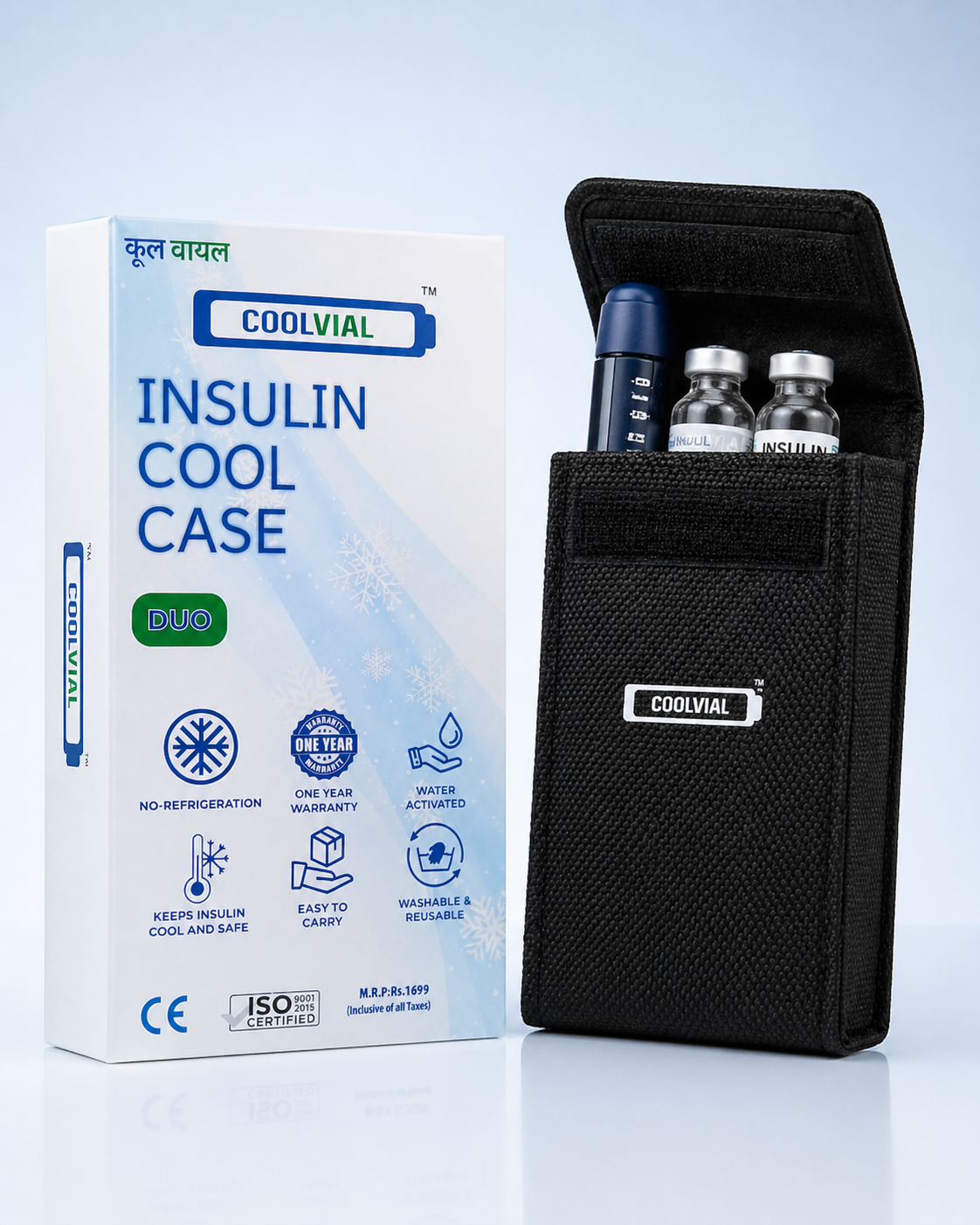
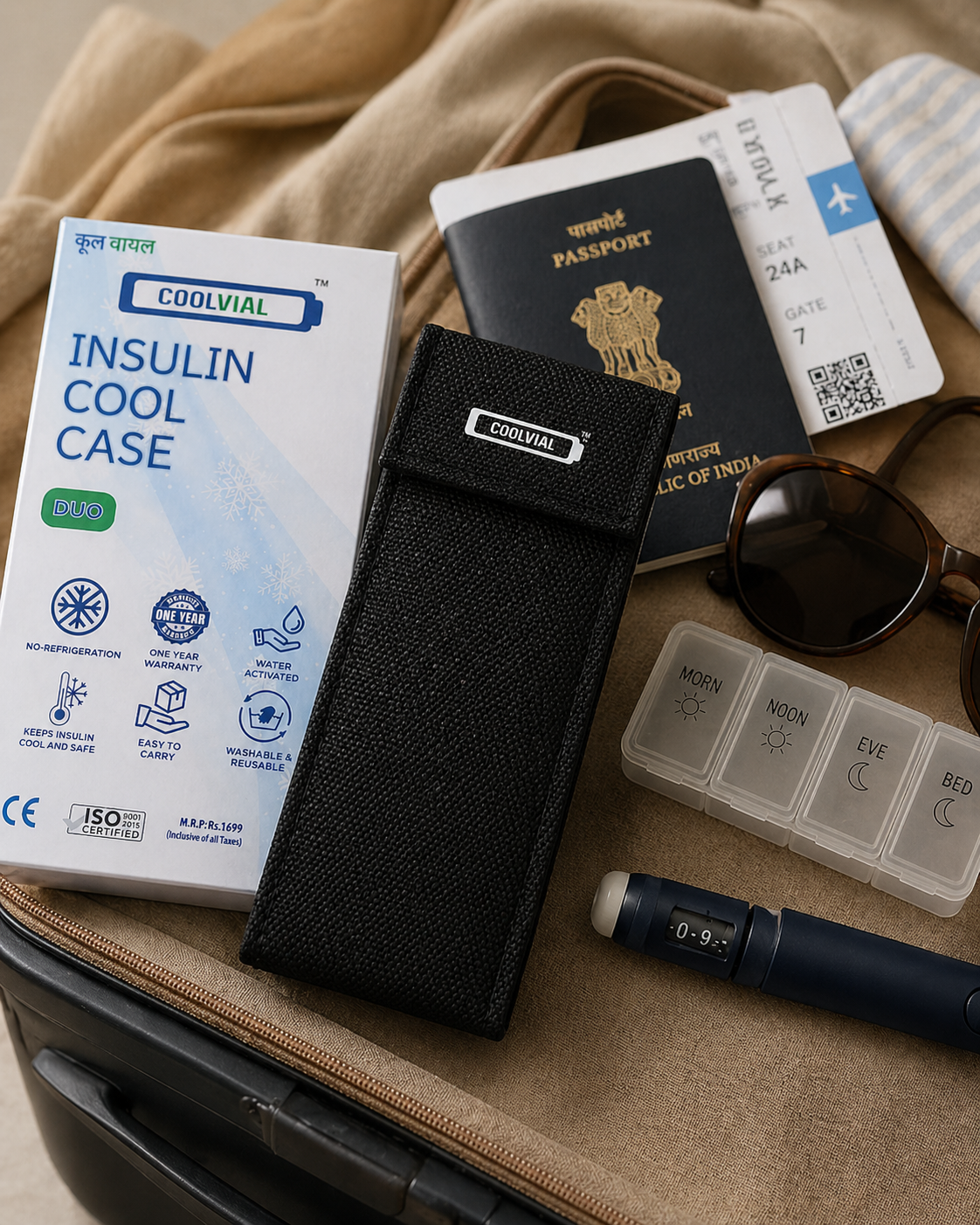
The COOLVIAL Duo is specifically designed for Indian climate conditions, offering a reliable solution for up to 12-16 hours of cooling. It holds 2 insulin pens and 1 vial, making it ideal for daily use. Unlike traditional ice packs that can freeze insulin or become bulky, COOLVIAL Duo works by simply activating it with water. Its CE certification and ISO 9001:2015 standards assure quality, and it comes with a 1-year warranty. Proudly Made in India, it’s available at an accessible price point of Rs 1,099 with code COOLHEAL (MRP Rs 1,699).
Comparison with alternatives:
- COOLVIAL Duo (Rs 1,099 with code COOLHEAL): Holds 2 pens + 1 vial, 12-16 hours cooling, water-activated, no electricity, CE certified, ISO 9001:2015, 1-year warranty, Made in India.
- FRIO Cooling Wallets (approx. Rs 1,900+): Similar evaporative cooling technology, good cooling duration, but often at a higher price point.
- Outer Woods OW-12 (approx. Rs 999): May offer cooling for shorter durations (e.g., 6-8 hours) or have different capacities, often requiring ice packs.
COOLVIAL Duo strikes an excellent balance of capacity, cooling duration, certifications, and affordability, making it a superior choice for Raipur’s challenging monsoon. Learn more about optimal insulin storage by visiting our insulin storage tips page.
4. Sourcing Replacement Insulin in an Emergency
If your insulin stock is compromised or destroyed, knowing where to get replacements quickly is vital.
- Emergency Pharmacies:
- AIIMS Raipur (near Durg-Raipur Highway): Has a 24/7 emergency pharmacy. It’s a critical resource during any crisis.
- Ramkrishna Care Hospitals (Pachpedi Naka): Another major hospital with round-the-clock pharmacy services.
- Balaji Hospital (near Shastri Market): Offers emergency pharmacy services.
- Doctor’s Prescription: Always have an up-to-date prescription from your diabetologist ready. In an emergency, your doctor can provide a new prescription, which is essential for obtaining insulin.
For further guidance on managing insulin in extreme temperatures, consider reading How to Store Insulin in Raipur Summer Heat — A Local’s Guide.
Essential Monsoon-Prep Checklist for Diabetics in Raipur
Being prepared can significantly reduce stress and ensure your safety during the Raipur monsoon. Here’s a comprehensive checklist:
- Insulin Stockpile: Ensure you have at least 7-10 days’ extra supply of insulin and other essential diabetes medications before the monsoon intensifies.
- Emergency Contact List: Keep a waterproof copy of your doctor’s contact, emergency services, family, and nearby pharmacy numbers (e.g., Apollo Pharmacy, MedPlus, AIIMS Raipur).
- Waterproof Storage:
- Store all insulin (opened and unopened) in robust, airtight, waterproof containers, ideally with silica gel packets.
- Have a small, portable waterproof kit for daily use or quick evacuation.
- Cooling Solutions: Invest in a reliable, non-electric insulin cooling case like the COOLVIAL Duo for travel or power outages.
- Elevated Storage: Identify high shelves or secure locations in your home to move insulin and other valuables in case of waterlogging or flooding.
- Glucometer & Test Strips: Check expiry dates and ensure you have sufficient test strips. Store your glucometer in a dry, protected place.
- Power Backup: Consider a power bank for charging phones and possibly a small inverter for essential medical devices if power cuts are frequent.
- First Aid Kit: Include antiseptic wipes, bandages, and any specific foot care items to prevent monsoon-related infections.
- Footwear: Have sturdy, waterproof footwear to protect your feet from contaminated water when venturing out.
- Food & Water: Stock up on non-perishable food items and potable water for at least 2-3 days in case of prolonged disruptions.
- Medication List: Carry a list of all your medications, dosages, and medical conditions.
- Travel Documents: Keep identification and important medical documents in a waterproof pouch.
- Local Alerts: Stay informed about local weather forecasts and flood warnings issued by the Raipur Municipal Corporation or local news channels.
- Communication Plan: Discuss a communication plan with family members in case phone networks are disrupted.
By diligently following this checklist, you can face the Raipur monsoon with greater confidence and ensure your diabetes management remains on track.
Frequently Asked Questions (FAQ)
Q: How does high humidity affect insulin’s effectiveness? A: High humidity can accelerate the degradation of insulin molecules, reducing its potency and making it less effective in controlling blood sugar levels, even if it visually appears normal.
Q: Can mould grow on insulin vials or pens themselves? A: While insulin vials and pens are generally sealed, mould can grow on their external surfaces or packaging if exposed to high humidity. This can compromise sterility or damage the pen mechanism.
Q: What should I do if my home in Shankar Nagar floods and my insulin gets wet? A: If your insulin has been exposed to floodwaters, assume it is contaminated and compromised. Do not use it. Immediately contact your doctor and an emergency pharmacy like AIIMS Raipur for replacement.
Q: Are online pharmacy deliveries reliable during the Raipur monsoon? A: Online pharmacy deliveries, especially from services like 1mg and Generic Aadhaar, can experience significant delays or cancellations during heavy monsoon rains and waterlogging in Raipur. It’s advisable to have a physical pharmacy backup plan.
Q: How often should I replace silica gel packets in my insulin storage container? A: Replace silica gel packets when they show signs of saturation (e.g., colour change if indicating type) or every few weeks during the peak monsoon season in Raipur, as they absorb moisture over time.
Q: Can I store my insulin in the refrigerator door during the monsoon? A: It is generally not recommended to store insulin in the refrigerator door. This area experiences the most temperature fluctuations and is more susceptible to condensation from humid air, which can compromise insulin stability.
Q: What are the key features of the COOLVIAL Duo for monsoon use? A: The COOLVIAL Duo is a water-activated evaporative cooling case that keeps insulin cool for 12-16 hours without electricity. It holds 2 pens and 1 vial, is CE certified, ISO 9001:2015 compliant, Made in India, and ideal for Raipur’s humid climate and potential power outages.
Q: Where can I find replacement insulin in an emergency in Raipur? A: In an emergency, you can typically find replacement insulin at 24/7 hospital pharmacies such as AIIMS Raipur, Ramkrishna Care Hospitals (Pachpedi Naka), and Balaji Hospital, provided you have a valid prescription.
Conclusion: Stay Cool, Stay Safe This Monsoon
The Raipur monsoon, with its heavy rainfall and pervasive humidity, presents unique challenges for diabetics striving to maintain optimal insulin storage conditions. From the silent threat of humidity degrading your medication and packaging, to the very real risks of mould growth and flood damage in neighborhoods like Shankar Nagar and Pandri, vigilance is key. By adopting proactive measures such as using airtight containers, incorporating silica gel, and investing in reliable non-electric cooling solutions like the COOLVIAL Duo, you can significantly mitigate these risks.
Remember to prepare for potential transport disruptions affecting pharmacy access and understand the nuances of humid-fridge-air contamination. Your health and the efficacy of your insulin depend on careful planning and execution. Stay informed, stay prepared, and ensure your insulin remains safe and effective throughout the wet season.
Empower yourself with smart storage. Order your COOLVIAL Duo today at Rs 1,099 with code COOLHEAL at coolvial.com or via WhatsApp wa.me/918766952300. It’s a small investment for peace of mind this monsoon.
Methodology Note
How We Researched This — This article is based on a comprehensive review of RSSDI (Research Society for the Study of Diabetes in India) guidelines for insulin storage, ICMR-INDIAB (Indian Council of Medical Research – India Diabetes) study data on diabetes prevalence and care in India, local Raipur hospital directories for emergency services, and the operational networks of major pharmacy chains like Apollo Pharmacy. Climate data for Raipur was sourced from historical meteorological records [Verify in 2026]. Specific local insights on waterlogging and access were gathered from public advisories and local community reports [Verify in 2026].
Medical Disclaimer
This article is for general information and educational purposes only and should not be considered medical advice. Always consult your endocrinologist or diabetologist before making any changes to your insulin storage, dosing practices, or diabetes management plan.
7 Critical Steps: Protecting Your Insulin from Raipur Monsoon Humidity Damage
Insulin at 2-8°C for 48+ hours. Trusted by 10,000+ Indian diabetics.