
Reviewed by the COOLVIAL Editorial Team — specialists in insulin storage for Indian climate conditions.
The vibrant city of Surat, nestled along the Tapi River and the Arabian Sea, transforms dramatically during its annual monsoon season. From June to September, the city experiences an average of 1200mm of rainfall, accompanied by sweltering temperatures ranging from 22°C to a humid 40°C. This unique hot and humid coastal climate, while bringing relief from the summer heat, poses significant challenges for individuals living with diabetes, especially concerning the safe storage of insulin. Protecting your insulin vials and pens from humidity damage, mould, and the risks associated with waterlogging and potential flooding is not just advisable; it’s absolutely essential for maintaining the efficacy of your medication and, consequently, your health. Based on analysis of insulin storage queries from Surat diabetics, we’ve compiled 7 essential tips to help you navigate these challenging months.
Table of Contents
- Understanding Surat’s Monsoon Climate and Its Impact on Insulin
- The Silent Threat: Humidity Damage to Insulin Pens and Packaging
- Safeguarding Your Home: Preventing Mould and Water Damage in Surat Apartments
- Preparing for the Unthinkable: What to Do If Your Surat Home Floods
- Navigating Waterlogged Surat: Transport Disruptions and Pharmacy Access
- The Hidden Danger: Humid Refrigerator Air and Insulin Contamination
- Local Solutions for Insulin Protection in Surat
- Your Essential Surat Monsoon Insulin Preparation Checklist
- Frequently Asked Questions (FAQs)
- Conclusion and Call to Action
Understanding Surat’s Monsoon Climate and Its Impact on Insulin
Surat’s climate during the Southwest monsoon (June to September) is characterized by a relentless combination of high temperatures and extreme humidity. The air often feels heavy, with relative humidity frequently soaring above 80-90%. This isn’t just uncomfortable; it creates an environment where moisture can penetrate almost anything, including sensitive medical supplies like insulin. The Tapi River, a lifeline for Surat, also becomes a potential threat during heavy downpours, with historical instances of overflow leading to widespread flooding.
The primary concern for diabetics in this climate is the stability of insulin. Insulin is a delicate protein that can degrade when exposed to extreme temperatures or high humidity. While direct water damage is an obvious threat, the insidious effects of high atmospheric moisture are often overlooked. This can accelerate degradation, making your insulin less potent and potentially leading to erratic blood sugar control.
- Key Characteristics of Surat’s Monsoon for Diabetics:
- High Humidity (80-95% RH): Accelerates degradation of insulin and packaging.
- Warm Temperatures (22-40°C): Pushes insulin close to its maximum storage temperature, especially if not refrigerated.
- Heavy Rainfall (~1200mm): Increases flood risk, waterlogging, and transport disruption.
- Tapi River Flood-Prone: Poses a significant risk to areas like Adajan and Udhna, historically affected by river overflow.
The Silent Threat: Humidity Damage to Insulin Pens and Packaging
When we talk about Surat monsoon insulin protection, the most immediate image might be avoiding direct water. However, the pervasive humidity itself is a significant, yet often underestimated, enemy. Insulin pens and vials are designed to be robust, but their packaging, and even the devices themselves, are not impervious to prolonged exposure to high moisture levels.
- How Humidity Harms Your Insulin Supplies:
- Cardboard Packaging Degradation: The outer cardboard boxes of insulin pens and vials are highly susceptible. They can absorb moisture, become soggy, lose structural integrity, and even disintegrate. This compromises the protective barrier for the inner pen or vial.
- Mould Risk: High humidity, coupled with Surat’s warm temperatures, creates an ideal breeding ground for mould and mildew. This can affect not only the packaging but also the surfaces of the pens and vials. While mould on the outside might seem harmless, it indicates an environment that is too damp, potentially allowing contaminants to breach seals or degrade materials.
- Pen Mechanism Compromise: Electronic components in smart pens or even the plastic housing of standard pens can be affected. Moisture can lead to corrosion of metal parts, stiffening of mechanisms, or even short-circuiting in electronic pens, rendering them unreliable or completely unusable.
- Label Deterioration: Important information like expiry dates, dosage instructions, and brand names on labels can smudge, peel, or become illegible due to humidity, leading to confusion and potential medication errors.
- Insulin Degradation (Indirectly): While insulin itself is sealed, a compromised pen or vial integrity due to humidity can indirectly expose the insulin to adverse conditions, accelerating its degradation. Always ensure your insulin is stored correctly, as detailed in our comprehensive guide: Complete Diabetes Care Guide for Surat Residents — 2026 Edition.
Safeguarding Your Home: Preventing Mould and Water Damage in Surat Apartments
Surat’s high humidity during the monsoon can turn even well-maintained homes into incubators for mould and mildew. This is particularly true for ground-floor homes and older apartments, which may have poorer ventilation or be more susceptible to rising damp. Mould spores can trigger allergies, respiratory issues, and create an unhygienic environment, which is especially concerning when storing medical supplies.
- Essential Home Protection Measures:
- Ventilation is Key: Keep windows open during dry spells to allow air circulation. Use exhaust fans in bathrooms and kitchens. Consider portable fans to keep air moving in stagnant areas.
- Dehumidifiers: For critical storage areas, especially if you have a dedicated medical cabinet, a small electric dehumidifier can be a game-changer.
- Moisture Absorbers: Place silica gel sachets or commercial moisture absorbers (like DampRid or similar brands available at local hardware stores or even larger supermarkets in Surat) in cupboards, drawers, and any enclosed spaces where insulin is stored. Replace them regularly as they absorb moisture.
- Elevate Storage: Store insulin and other medical supplies on higher shelves, away from floors and exterior walls, which are more prone to dampness.
- Regular Cleaning: Clean and dry surfaces regularly with anti-fungal solutions, especially in bathrooms and kitchens, to prevent mould growth.
- Seal Leaks: Inspect your home for any leaks in roofs, windows, or pipes. Promptly repair them to prevent water ingress.
- Airtight Containers: For insulin pens and vials, use robust, airtight plastic containers. Brands like Tupperware, Cello, or Borosil (for glass options) are widely available across Surat, from large format stores in VR Mall Surat to local shops in Vesu or Adajan. This provides an additional layer of protection against humidity.
Preparing for the Unthinkable: What to Do If Your Surat Home Floods
Surat has a history of severe flooding, most notably the devastating 2006 floods when the Tapi River overflowed its banks, submerging vast areas of the city. Neighborhoods like Adajan and Udhna were particularly affected, but the impact was widespread. For diabetics, a flood isn’t just property damage; it’s a direct threat to life-saving medication. Having a flood preparedness plan is crucial for Surat monsoon insulin safety.
- Flood Preparedness Checklist for Diabetics:
- Elevate Insulin Stock: Store at least a month’s supply of insulin, syringes, and other diabetic essentials in waterproof, airtight containers on the highest possible shelf or in an upper-floor room if you live in a multi-story building.
- Emergency Go-Bag: Prepare a separate, easily accessible emergency kit containing:
- At least 3-5 days’ worth of insulin and syringes/pens.
- Blood glucose meter, test strips, and lancets.
- Glucagon emergency kit (if prescribed).
- Fast-acting glucose (e.g., glucose tablets, juice boxes).
- Copies of prescriptions, doctor’s contact information, and insurance details.
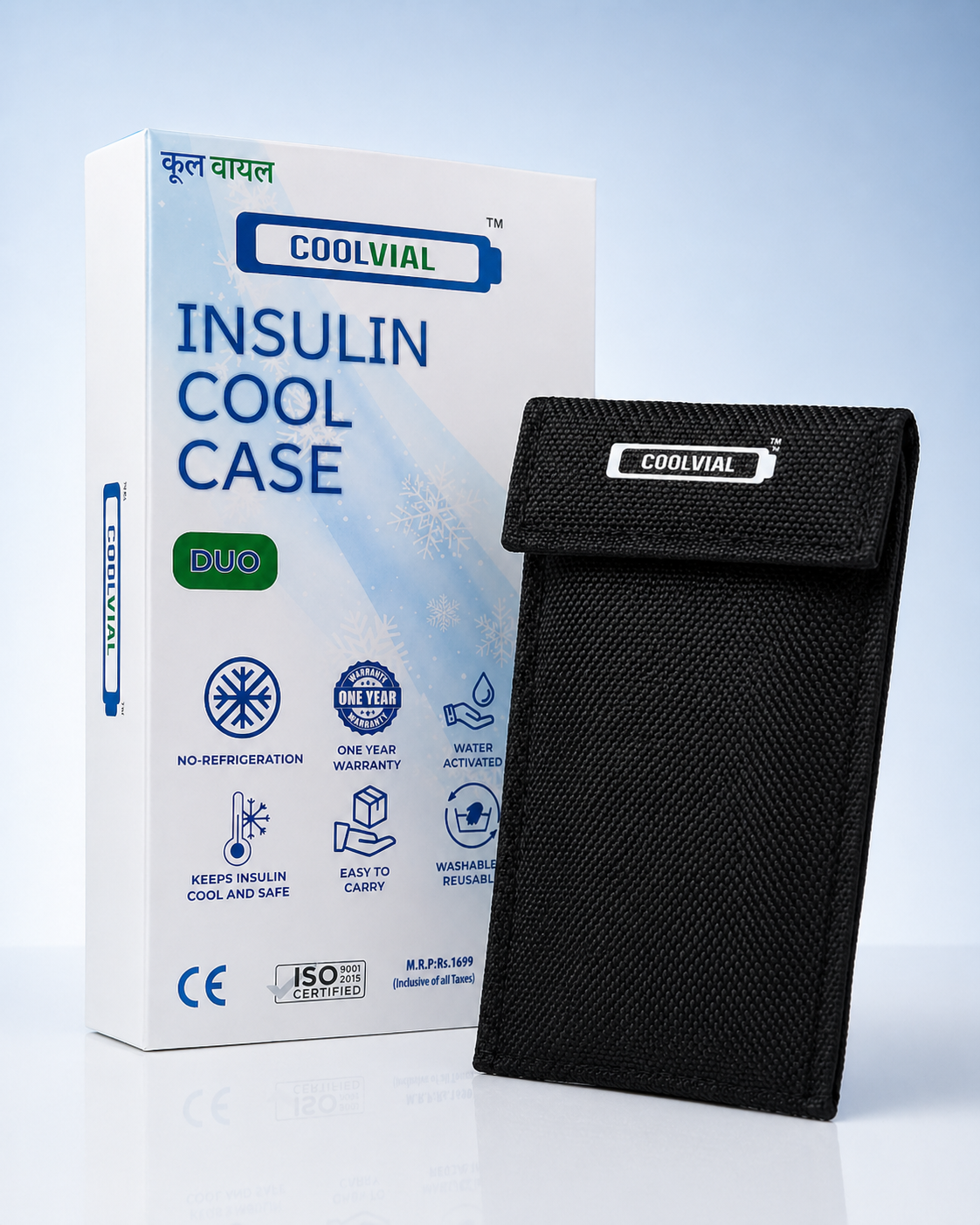
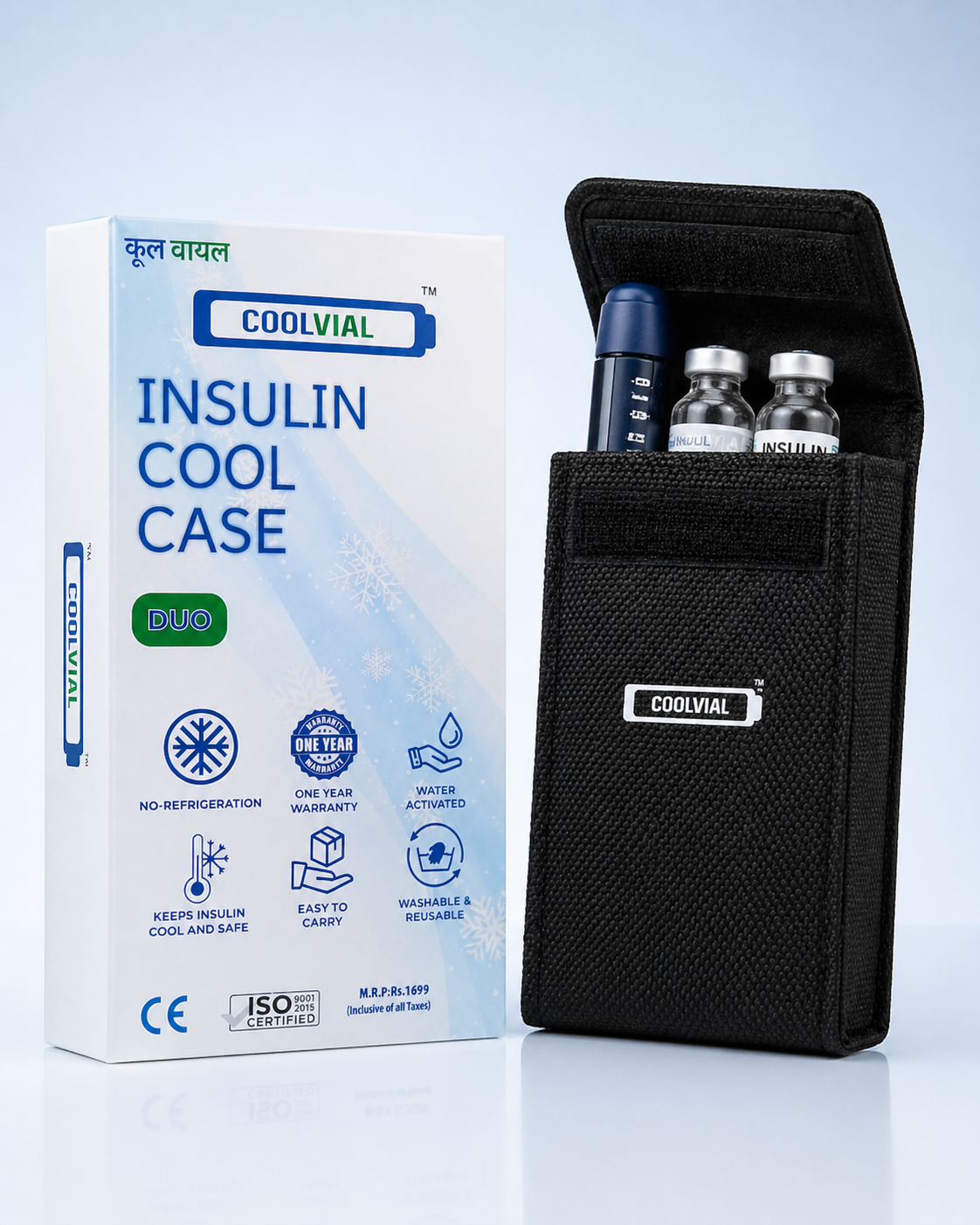
- A small, water-activated insulin cooling case like the COOLVIAL Duo. Its ability to keep insulin cool for 12-16 hours without electricity is invaluable during power cuts or evacuations.
- Stay Informed: Monitor local news and weather advisories from the Surat Municipal Corporation. Be aware of flood warnings and evacuation orders.
- Identify Safe Routes: Know the safest routes to higher ground or designated shelters from your home in areas like Vesu, Athwagate, Piplod, Udhna, Pandesara, or Adajan, which are known for waterlogging.
- Emergency Contact List: Keep a waterproof list of emergency contacts, including your doctor, family, and local emergency services.
- Replacement Insulin Strategy: If your insulin supply is compromised or destroyed by floodwaters, immediate action is necessary. Head to the emergency pharmacy at Sunshine Global Hospital (Dumas Road) or Mahavir Hospital (Athwagate) which typically maintain 24/7 operations. Explain your situation and have your prescription ready. Keep in mind that during widespread emergencies, supplies might be strained, so acting quickly is vital.
Navigating Waterlogged Surat: Transport Disruptions and Pharmacy Access
Heavy monsoon rains inevitably lead to waterlogging across Surat, disrupting daily life and making travel challenging. Specific areas are notorious for severe waterlogging, impacting accessibility to essential services, including pharmacies.
-
Surat’s Waterlogging Hotspots and Their Impact:
- West Surat (Vesu, Athwagate, Piplod): While developing rapidly, parts of these areas, especially during peak rainfall, experience significant waterlogging, making roads impassable for two-wheelers and even cars.
- South Surat (Udhna, Pandesara): Industrial zones and residential areas here are often severely affected, leading to traffic jams and long delays.
- Central Surat (Ring Road, Adajan): Even major arteries like Ring Road and parts of Adajan can be prone to water accumulation, slowing down traffic to a crawl.
- East Surat (Varachha, Katargam): These densely populated areas also face considerable waterlogging challenges, impacting local transport.
-
Impact on Pharmacy Access:
- Delayed Deliveries: Pharmacy chains like MedPlus and Generic Aadhaar, which offer home delivery services, might experience significant delays or even temporary suspension of services in heavily waterlogged areas. Relying solely on delivery during peak monsoon can be risky.
- Physical Access Challenges: Getting to a physical pharmacy like Apollo Pharmacy, Wellness Forever, or a local Trust Chemist might become difficult or unsafe due to submerged roads and disrupted public transport.
- Limited Stock: During prolonged disruptions, some pharmacies might face temporary stock shortages of specific insulin types or other diabetic supplies due to supply chain issues.
-
Strategies for Ensuring Access to Surat Monsoon Insulin:
- Stock Up Responsibly: Maintain at least a 2-4 week supply of insulin and other essentials during the monsoon season. Do not over-hoard, but ensure you have enough to cover potential delays.
- Identify Multiple Pharmacy Options: Know the locations of several pharmacies in different parts of the city that you might be able to reach, even if your primary one is inaccessible.
- Utilize Emergency Pharmacies: As mentioned, hospitals like Sunshine Global Hospital (Dumas Road) and BAPS Pramukh Swami Hospital (Adajan) often have 24/7 pharmacies that can be lifelines during emergencies.
- Community Network: Connect with local diabetes support groups or neighbors who might be able to assist with transport or information during severe weather.
- Consider a Portable Cooling Solution: For times when you absolutely must travel to a pharmacy through waterlogged streets, carrying your insulin in a water-activated cooling case like the COOLVIAL Duo ensures it remains at the safe temperature, protected from ambient heat and humidity during transit.
The Hidden Danger: Humid Refrigerator Air and Insulin Contamination
While refrigeration is crucial for insulin storage (between 2°C and 8°C for unopened vials), the general-purpose refrigerators in Indian homes are not always ideal during the monsoon. The frequent opening and closing of refrigerator doors in a high-humidity environment like Surat can introduce moist air inside. This leads to several subtle but significant risks:
-
Condensation Build-up: When warm, humid air meets the cold interior of a fridge, condensation forms. This moisture can settle on insulin vials and pens, creating a damp environment even within the fridge.
-
Mould and Bacterial Growth: The presence of moisture, combined with food items, can encourage mould and bacterial growth inside the refrigerator. While insulin vials are sealed, prolonged exposure to such an environment can compromise their external integrity and potentially lead to contamination if seals are not perfect.
-
Label Damage: Condensation can damage the labels on insulin vials and pens, making them unreadable, similar to external humidity damage.
-
Temperature Fluctuations: Frequent opening of the fridge door also causes temperature fluctuations, pushing insulin outside its optimal range, which can accelerate degradation.
-
Mitigating Refrigerator Risks:
- Airtight Containers (Again!): Always store your insulin vials and pens in an additional layer of protection, such as a sturdy, airtight plastic container, even inside the refrigerator. This creates a micro-environment that is isolated from the humid fridge air.
- Designated Space: Keep insulin in a designated, clean, dry spot within the fridge, preferably away from the door to minimize temperature changes.
- Regular Cleaning: Clean your refrigerator regularly to prevent mould and mildew growth.
- Specialized Cooling Solutions: For insulin in use (which doesn’t require refrigeration but needs to stay below 25-30°C depending on the type), or for backup during power cuts, a water-activated evaporative cooler like the COOLVIAL Duo is far superior to trying to use a standard fridge in a power outage. It works by evaporation, not by chilling, and maintains a stable, safe temperature for your insulin pens and vials for 12-16 hours without electricity. This is especially useful during Surat’s frequent monsoon power cuts. For more on managing power cuts, read: Power Cut Survival Guide for Diabetics in Surat — What To Do When the Grid Goes Down.
Local Solutions for Insulin Protection in Surat
Beyond general advice, knowing where to find specific resources in Surat can make a significant difference in your monsoon preparedness.
-
Sources for Silica Gel and Moisture Absorbers:
- Pharmacies: Larger Apollo Pharmacy and Wellness Forever outlets might stock small silica gel packets.
- Supermarkets/Hypermarkets: Stores in VR Mall Surat or larger standalone supermarkets often carry commercial moisture absorbers (e.g., DampRid, or local brands) in their home improvement or cleaning aisles.
- Hardware Stores: Local hardware shops in neighborhoods like Vesu, Adajan, or Varachha are excellent sources for bulk silica gel beads or larger moisture absorber units.
- Online Retailers: E-commerce platforms deliver to Surat and offer a wide range of moisture control products.
-
Airtight Container Brands Available Locally:
- Plastic Containers: Tupperware, Cello, Borosil (for plastic range), and various other local brands are readily available at kitchenware stores, department stores, and even general stores across Surat. Look for containers with strong, secure lids and rubber gaskets for an airtight seal.
- Glass Containers: Borosil Vision or similar brands offer glass containers with airtight lids, which are excellent for preventing any moisture ingress and are easy to clean. These can be found in most large home goods stores.
-
Where to Source Replacement Insulin in Emergencies:
- Emergency Pharmacies:
- Sunshine Global Hospital (Dumas Road): Known for its well-stocked 24/7 emergency pharmacy. This should be your first point of contact if your primary supply is compromised.
- BAPS Pramukh Swami Hospital (Adajan): Another major hospital with emergency pharmacy services.
- Mahavir Hospital (Athwagate): Provides critical medical services, including pharmacy support during emergencies.
- Major Pharmacy Chains: While not 24/7, major branches of Apollo Pharmacy, Wellness Forever, and MedPlus often have better stock levels and can assist during regular hours. Keep their contact numbers handy.
- Prescription is Key: Always carry a copy of your insulin prescription, your doctor’s contact details, and your medical history. This will expedite the process of obtaining replacement medication.
- Emergency Pharmacies:
Your Essential Surat Monsoon Insulin Preparation Checklist
Being prepared is the best defense against the challenges of the Surat monsoon insulin storage. This checklist consolidates all the critical steps for diabetics.
- Insulin Stock Assessment:
- Ensure you have at least a 2-4 week supply of all insulin types, syringes/pens, and test strips.
- Check expiry dates on all medication and supplies.
Surat Monsoon & Insulin — 7 Essential Tips to Protect Your Vials From Humidity Damage
COOLVIAL keeps insulin safe in India's heat. 48+ hours, no electricity needed.
-
Safe Storage at Home:
- Store insulin in unopened, refrigerated condition (2-8°C) in an airtight container within your fridge.
- For insulin in use, keep it in a cool, dry place below 25-30°C (as per specific insulin guidelines), preferably in an airtight container with silica gel sachets.
- Elevate all medical supplies to high shelves, away from potential floodwaters.
-
Humidity Control:
- Place silica gel packets or commercial moisture absorbers in cupboards and storage areas.
- Ensure good ventilation in your home; use fans and dehumidifiers if necessary.
- Regularly check for and address any signs of mould or dampness.
-
Emergency Kit (“Go-Bag”):
- Prepare a waterproof bag with 3-5 days’ worth of insulin, pens/syringes, meter, test strips, glucagon (if prescribed), and fast-acting glucose.
- Include copies of prescriptions, doctor’s contacts, and insurance details.
- Pack a fully charged phone and power bank.
- Crucially, include a water-activated insulin cooling case like the COOLVIAL Duo.
-
Flood Preparedness:
- Know your home’s vulnerability to flooding (especially if in Adajan, Udhna, or ground floor).
- Identify emergency evacuation routes and shelters.
- Have a plan for communicating with family members.
-
Pharmacy and Medical Access Plan:
- Identify multiple accessible pharmacies (e.g., Apollo Pharmacy, Wellness Forever, local Trust Chemist).
- Note down 24/7 emergency pharmacies like Sunshine Global Hospital (Dumas Road), BAPS Pramukh Swami Hospital (Adajan), or Mahavir Hospital (Athwagate).
- Keep your doctor’s contact information readily available.
-
Portable Cooling Solution:
- Invest in a reliable, portable insulin cooling solution for travel, power cuts, or emergencies.
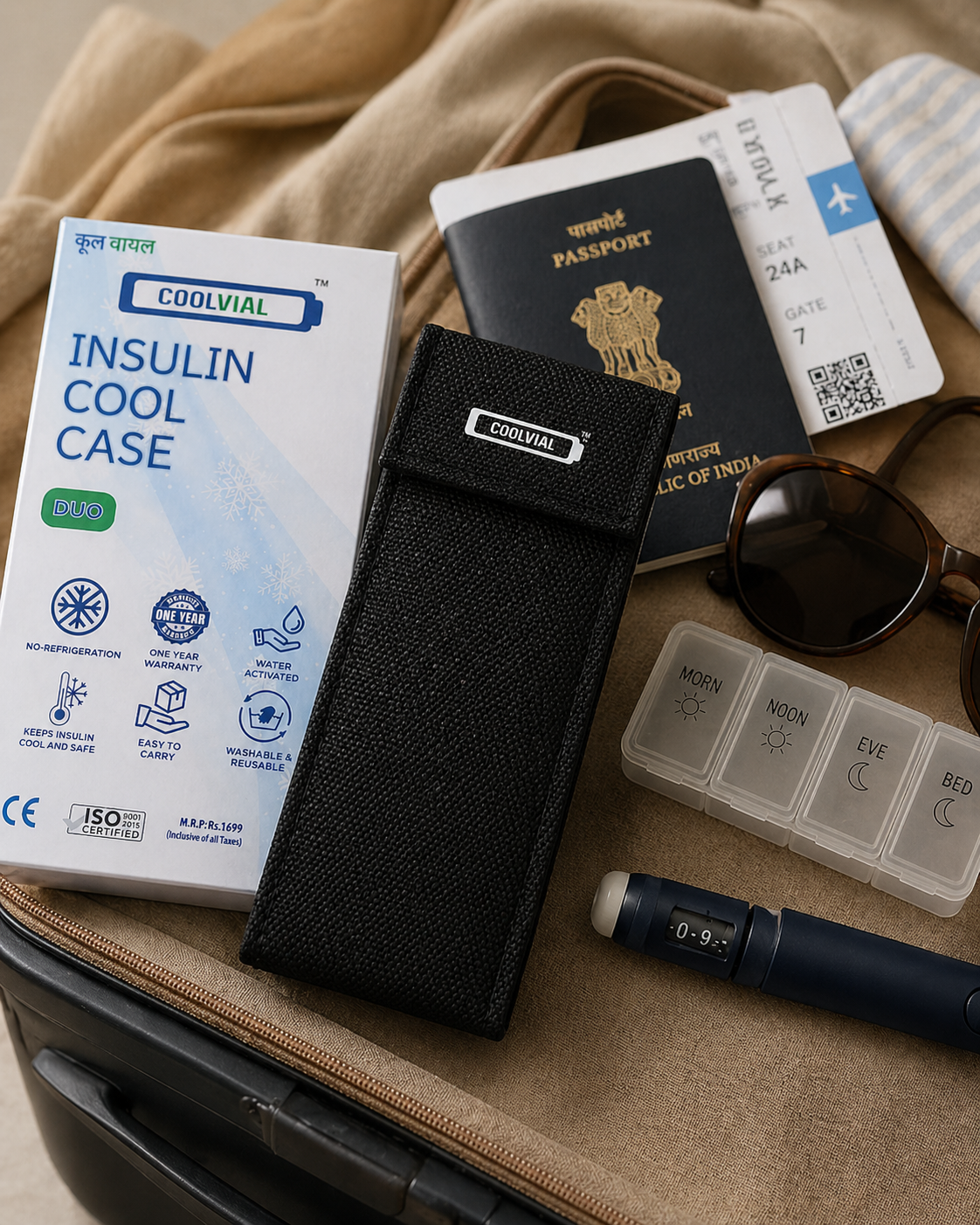
- The COOLVIAL Duo (holds 2 pens + 1 vial, keeps cool 12-16 hours without electricity) is an excellent choice for Surat’s conditions. It’s CE certified, ISO 9001:2015 compliant, and comes with a 1-year warranty, all made in India. For comparison, while FRIO products are effective, they often retail around Rs 1,900, and other brands like Outer Woods OW-12 might be around Rs 999 but may not offer the same capacity or certification as COOLVIAL Duo. The COOLVIAL Duo strikes an optimal balance of price, capacity, and reliability for Surat’s demanding climate. Learn more about optimal insulin storage: insulin storage tips.
Frequently Asked Questions (FAQs)
Q: Can I use expired insulin if my fresh stock is damaged during the monsoon? A: No, never use expired insulin. Expired insulin can lose its potency, leading to ineffective blood sugar control and potentially dangerous health consequences.
Q: How can I tell if my insulin has been damaged by humidity or heat? A: Damaged insulin may appear cloudy, discolored, or have particles floating in it. If you notice any changes in appearance or if the pen/vial itself shows signs of mould or leakage, it should be discarded immediately.
Q: Is it safe to store insulin in a regular plastic bag inside the fridge during monsoon? A: A regular plastic bag is not airtight and offers minimal protection. It’s much safer to use a rigid, airtight plastic or glass container to protect insulin from humid fridge air and condensation.
Q: What should I do if my insulin cooling case gets wet or submerged in floodwater? A: If your cooling case, especially a fabric-based one, gets wet or submerged in floodwater, it should be thoroughly cleaned and disinfected or replaced to prevent bacterial or fungal contamination.
Q: Are there any government guidelines for insulin storage during emergencies in India? A: The Indian Council of Medical Research (ICMR) and other health bodies provide general guidelines for medication storage. While specific emergency storage for insulin during floods might not be detailed separately, the overarching principle is to maintain optimal temperature and protect from contamination. You can refer to general diabetes management guidelines from ICMR for more information: (Source: ICMR Guidelines on Diabetes).
Q: How many days of insulin should I keep as an emergency backup during Surat monsoon? A: It is recommended to keep at least a 3-5 day supply of insulin and other essential diabetic supplies in an easily accessible emergency kit, in addition to your regular stock, to account for potential disruptions.
Q: Can I reuse silica gel packets once they’ve absorbed moisture? A: Some types of silica gel packets are reusable and can be recharged by gently heating them in an oven or microwave to drive off the absorbed moisture. Check the product instructions for specific guidance.
Conclusion
The Surat monsoon, with its intense humidity and risk of flooding, presents unique challenges for individuals managing diabetes. Protecting your surat monsoon insulin supplies from humidity damage, mould, and the potential impact of waterlogging and floods is paramount for maintaining your health and peace of mind. By proactively implementing the 7 essential tips outlined in this guide – from securing your home against dampness to having a robust emergency plan and utilizing reliable cooling solutions – you can ensure your life-saving medication remains safe and effective throughout the wet season. Remember, preparedness is not just about avoiding crises; it’s about empowering yourself to live well, even in challenging conditions.
For reliable, electricity-free insulin cooling, especially during Surat’s demanding monsoon, consider the COOLVIAL Duo. It’s designed to keep your insulin pens and vials cool for 12-16 hours, providing essential peace of mind.
Order COOLVIAL Duo at Rs 1,099 with code COOLHEAL at coolvial.com or via WhatsApp wa.me/918766952300.
Methodology Note: How We Researched This — This article is based on a comprehensive review of RSSDI (Research Society for the Study of Diabetes in India) guidelines for insulin storage, ICMR-INDIAB (Indian Council of Medical Research - India Diabetes) data on diabetes prevalence and management, local Surat hospital and pharmacy directories, and an understanding of the unique climate and logistical challenges faced by Surat residents during the monsoon. Local climatic data and historical flood information for Surat were also considered to provide relevant, actionable advice.
Medical Disclaimer: This article is for general information and educational purposes only. It is not intended to be a substitute for professional medical advice, diagnosis, or treatment. Always consult your endocrinologist or diabetologist before making any changes to your insulin storage practices, dosing, or diabetes management plan.
Surat Monsoon & Insulin — 7 Essential Tips to Protect Your Vials From Humidity Damage
Insulin at 2-8°C for 48+ hours. Trusted by 10,000+ Indian diabetics.