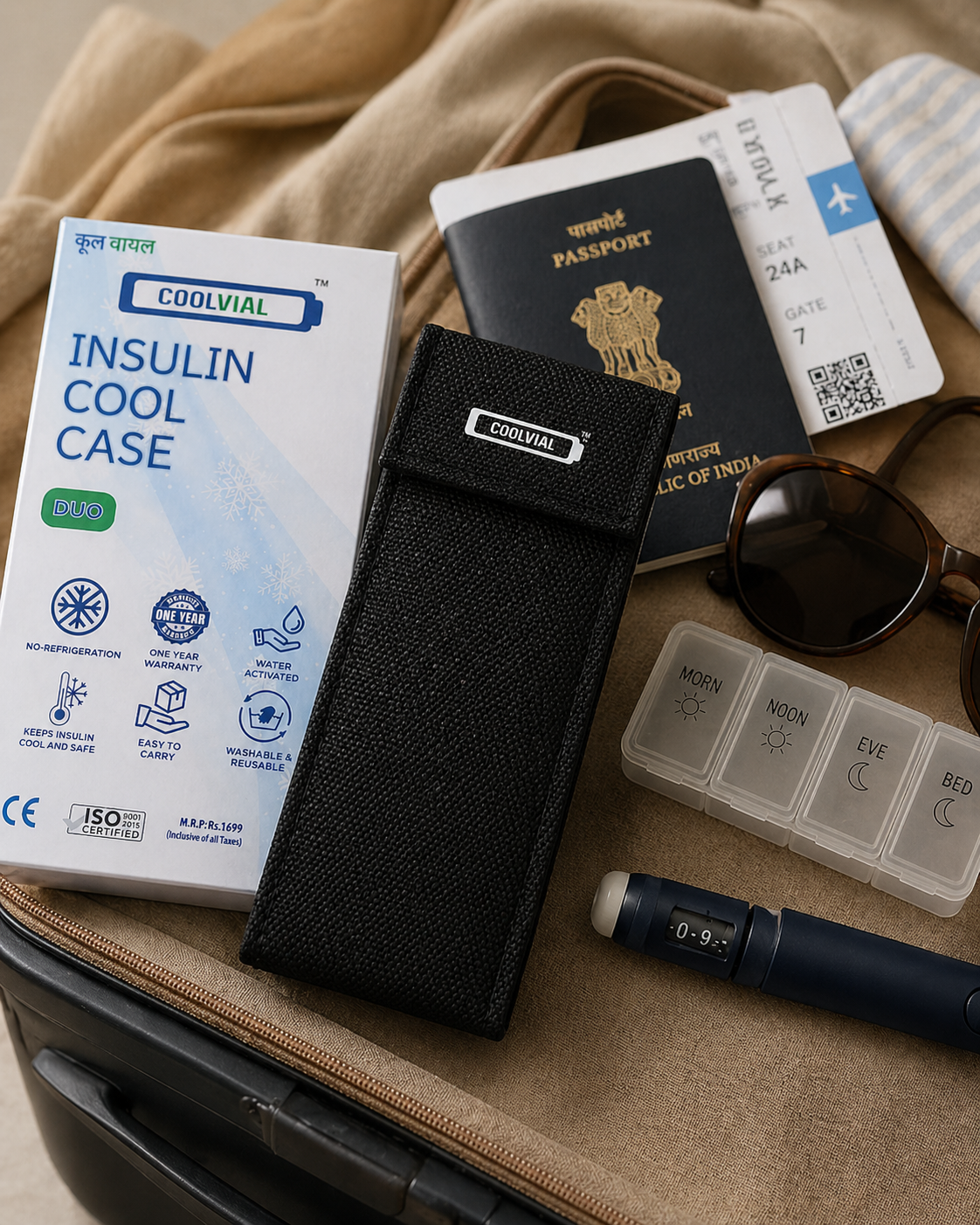
Reviewed by the COOLVIAL Editorial Team — specialists in insulin storage for Indian climate conditions.
Bhopal, the serene “City of Lakes,” with its beautiful Upper Lake (Bada Talab) and historical landmarks like Taj-ul-Masajid, offers a tranquil lifestyle. However, its moderate climate, often swinging between 11°C and 40°C, and humid monsoons (July-September, ~1200mm rainfall), presents unique challenges for insulin users. For residents of Arera Colony, MP Nagar, or Old Bhopal, maintaining insulin’s efficacy is crucial, especially when travelling from Bhopal with insulin. Based on analysis of insulin storage queries from Bhopal diabetics, proper planning can prevent temperature-related spoilage. This article provides 9 essential, practical tips to ensure your insulin remains safe and effective, whether you’re flying from Raja Bhoj International Airport (BHO), boarding a train from Bhopal Junction (BPL), or embarking on a road trip to Sanchi. According to the ICMR-INDIAB study (2023), India has over 101 million people living with diabetes, underscoring the widespread need for reliable insulin management solutions (Source: RSSDI Publications).
Table of Contents
- Understanding Insulin Storage Basics for Bhopal’s Climate
- Flying from Raja Bhoj International Airport (BHO) with Insulin
- Carry-On vs. Checked Luggage: The Golden Rule
- Navigating Security Screening at BHO
- Pre-Paid Taxi Queue Alert
- Train Travel from Bhopal Junction (BPL) & Rani Kamlapati (RKMP)
- Myth-Busting: Pantry Car Fridges and TTEs
- Choosing Your Cooling Solution for Rail Journeys
- Road Trips out of Bhopal: Sanchi, Bhimbetka, and Bhojpur
- Managing Taxi AC Reliability and Hot Cars
- Dhawa Pit-Stops and Insulin Access
- Rapido Bike-Taxi Exposure
- Daily Commute and Local Travel within Bhopal
- International Travel from Raja Bhoj International (BHO)
- Customs and Documentation
- Time-Zone Dosing Adjustments
- Choosing the Right Insulin Cooling Case
- FAQs About Travelling with Insulin from Bhopal
- Conclusion: Your Partner in Diabetes Management
1. Understanding Insulin Storage Basics for Bhopal’s Climate
Insulin is a life-saving medication, but it’s highly sensitive to temperature extremes. Unopened insulin vials and pens should be stored in a refrigerator, typically between 2°C and 8°C. Once opened, most insulin types can be kept at room temperature (up to 25-30°C, check your specific insulin’s leaflet) for a period, usually 28 days. However, Bhopal’s climate, with temperatures frequently soaring above 30°C, especially during peak summer (April-June) and even in milder months, makes “room temperature” storage a gamble. Even in neighborhoods like New Market or MP Nagar, indoor temperatures can exceed safe limits. High temperatures can degrade insulin, reducing its potency and effectiveness, leading to dangerously high blood sugar levels.
Here’s why temperature control is paramount:
- Degradation Risk: Exposure to heat can cause insulin molecules to break down, rendering them less effective.
- Potency Loss: Studies show that insulin can lose significant potency when exposed to temperatures above 30°C for even short periods.
- Safety Hazard: Using degraded insulin can lead to hyperglycemia, which, if unmanaged, can result in serious health complications.
- Bhopal’s Specifics: With average summer highs often reaching 38-40°C, and even winter days hitting 25°C, relying on ambient “room temperature” is risky for opened insulin.
This is where a reliable cooling solution becomes indispensable for any travel originating from Bhopal.
2. Flying from Raja Bhoj International Airport (BHO) with Insulin
Raja Bhoj International Airport (BHO) connects Bhopal to major cities across India and offers increasing international connectivity. Navigating airport security with insulin requires preparation to ensure a smooth journey. Remember, the key is proactive communication and proper documentation.
Carry-On vs. Checked Luggage: The Golden Rule
Always, without exception, carry your insulin pens, vials, syringes, and any cooling cases in your hand luggage. This is a non-negotiable rule for several critical reasons:
- Temperature Fluctuations: Checked baggage holds are not temperature-controlled. They can experience extreme cold at high altitudes, potentially freezing your insulin, or extreme heat on the tarmac. Both scenarios can destroy insulin.
- Loss or Delay: Luggage can be lost, delayed, or misrouted. Imagine being in a new city without your life-saving medication.
- Accessibility: You need immediate access to your insulin during your flight for timely dosing.
What to pack in your hand luggage:
- All insulin (pens, vials, cartridges)
- Syringes, pen needles, lancets
- Blood glucose meter, test strips
- Alcohol swabs
- Your insulin cooling case (like the COOLVIAL Duo)
- Glucagon emergency kit
- Doctor’s prescription and a letter detailing your medical condition and the need for insulin.
Navigating Security Screening at BHO
The security screening process at BHO, managed by the CISF (Central Industrial Security Force), is generally efficient but can involve questions about medical supplies. Being prepared will make the process smoother.
Tips for BHO Security:
- Doctor’s Letter: Always carry a doctor’s letter or prescription. This letter should clearly state your diagnosis (diabetes), list the medications you use (insulin type, strength), and confirm the necessity of carrying syringes, needles, and insulin cooling cases. A letter from a diabetologist at AIIMS Bhopal (Saket Nagar) or Bansal Hospital (Shahpura) will carry significant weight.
- Separate Bag: Keep all your diabetes supplies in a clear, separate pouch within your hand luggage. This allows for easy inspection without rummaging through your main bag.
- Gel-Pack Questions: If you’re using a cooling case with gel packs, be prepared for questions. CISF officers might ask to inspect the gel packs. Explain that they are medical necessities for keeping insulin cool. Evaporative coolers like the COOLVIAL Duo use water-activated crystals, which are typically less scrutinised than gel packs, making them a hassle-free option.
- Declare: Proactively declare your medical supplies to the security officer before your bag goes through the X-ray machine. “Sir/Ma’am, I have medical supplies, including insulin and needles, in my bag.”
- Liquid Rules: While general liquid rules apply, essential medications are exempt. Ensure your insulin is clearly labeled.
Pre-Paid Taxi Queue Alert
Upon arrival at Raja Bhoj International (BHO), the pre-paid taxi queues, especially during peak hours or after late-night flights, can hit 45 minutes or more. This waiting period, often in the open air, can expose your insulin to the elements if not properly stored.
- Never put insulin in checked luggage thinking you’ll retrieve it quickly. The wait at the baggage carousel combined with the taxi queue can easily exceed an hour, exposing your insulin to uncontrolled temperatures.
- Keep your insulin in your personal cooling case until you are safely in an air-conditioned vehicle or indoors. A reliable case like the COOLVIAL Duo, which keeps insulin cool for 12-16 hours, is invaluable here.
3. Train Travel from Bhopal Junction (BPL) & Rani Kamlapati (RKMP)
9 Essential Tips for Safe Travelling From Bhopal With Insulin
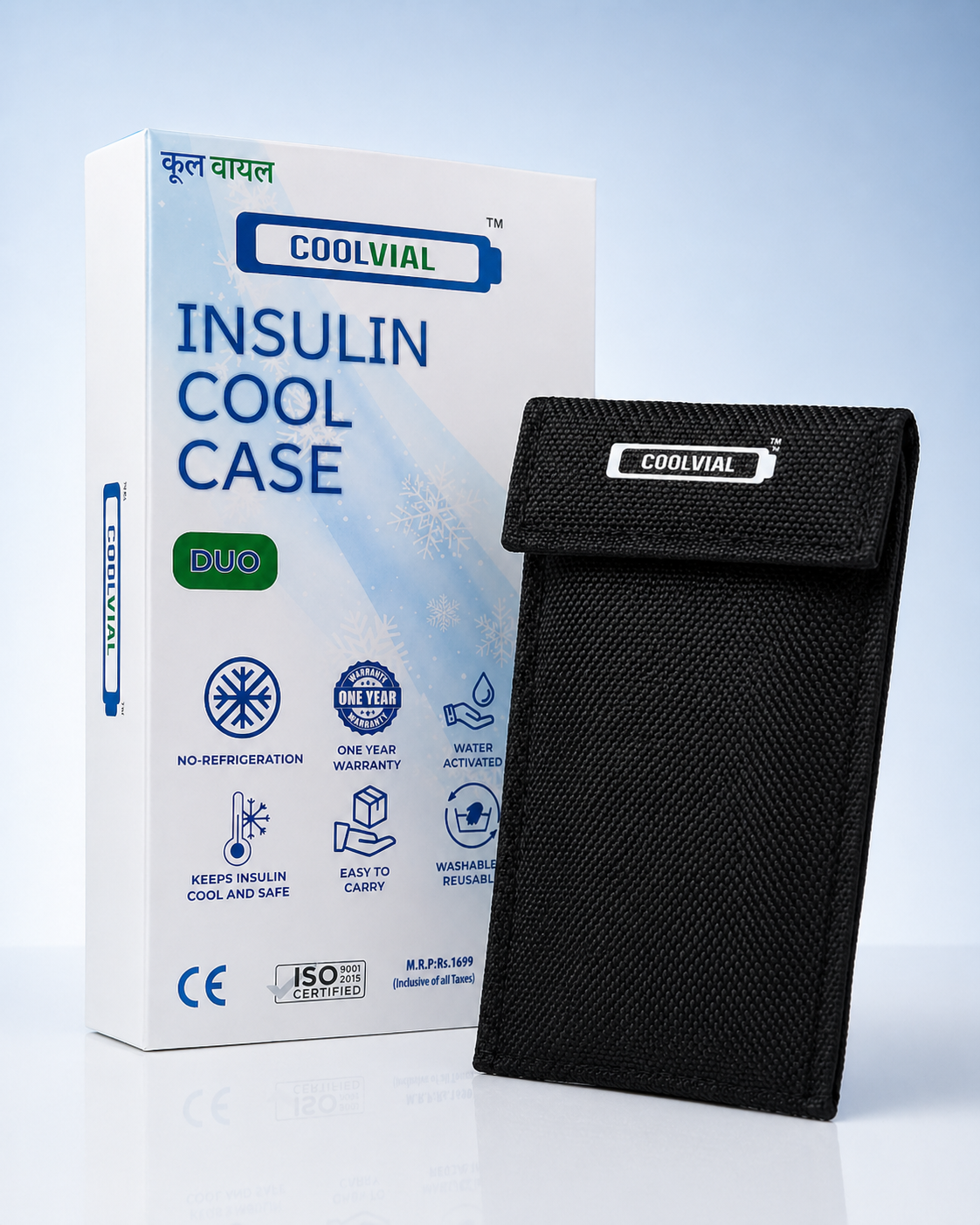
COOLVIAL keeps insulin safe in India's heat. 48+ hours, no electricity needed.
Bhopal Junction (BPL) and the modern Rani Kamlapati (RKMP), formerly Habibganj, are major railway hubs. Train travel offers a different set of challenges and conveniences for insulin users. While generally less restrictive than air travel, it demands vigilance regarding insulin storage.
Myth-Busting: Pantry Car Fridges and TTEs
Many travellers believe they can rely on train services for insulin storage. Let’s debunk some common myths:
- Myth 1: Pantry Car Fridges are Reliable.
- Reality: Pantry car refrigerators are primarily for food and beverages. Their temperatures are often inconsistent, not maintained for pharmaceutical standards, and subject to frequent opening, leading to fluctuations.
- Risk: Entrusting your insulin to a pantry car fridge is a high-risk gamble that could result in frozen or overheated, degraded insulin.
- Myth 2: You can hand your insulin pens to the TTE (Travelling Ticket Examiner) for storage.
- Reality: TTEs are not equipped or responsible for storing passenger medications. They lack secure, temperature-controlled facilities.
- Risk: This is a major liability risk for both you and the railway staff. Your insulin could be lost, damaged, or mishandled, and you would have no recourse.
Always be self-sufficient. Your insulin is your responsibility.
Choosing Your Cooling Solution for Rail Journeys
For train travel, especially long-distance journeys across Madhya Pradesh or to other states, a personal, portable cooling solution is essential.
Considerations for train travel:
- Duration: Indian train journeys can be lengthy. Your cooling case needs to sustain temperature for the entire duration.
- Power Access: While some newer trains have charging points, relying on them for a medical fridge is not advisable.
- Space: You need a compact solution that fits comfortably in your berth or luggage rack.
Recommended Solution: An evaporative cooling case like the COOLVIAL Duo is ideal. It requires no electricity or ice packs, only water. Simply activate it by soaking in water for a few minutes, and it keeps your insulin cool for 12-16 hours, even in ambient temperatures up to 30°C. This makes it perfect for trips from BPL or RKMP, whether you’re heading to Delhi, Mumbai, or Hyderabad. Compared to traditional ice packs which have limited cooling duration and create condensation, or bulky battery-operated coolers, the COOLVIAL Duo offers convenience and reliability. Its capacity for 2 pens and 1 vial is often sufficient for most travel needs.
4. Road Trips out of Bhopal: Sanchi, Bhimbetka, and Bhojpur
Bhopal is a great starting point for exploring nearby historical and natural wonders like the Sanchi Stupas (approx. 46 km), the ancient rock shelters of Bhimbetka (approx. 45 km), or the colossal Shiva temple at Bhojpur (approx. 28 km). While these are relatively short drives, the Indian summer sun and unpredictable vehicle conditions can pose risks to insulin.
Managing Taxi AC Reliability and Hot Cars
Road trips involve unique challenges for insulin storage:
- Taxi AC Reliability: App-based cabs (Ola/Uber) or local taxis in Bhopal can sometimes have unreliable ACs. Drivers might refuse to switch on the AC to save fuel, especially for shorter distances within areas like Old Bhopal or even in New Market.
- Parking in a Hot Car: Never leave your insulin in a parked car, even for a few minutes. The interior of a car can quickly become an oven, reaching temperatures well over 50°C (122°F) in Bhopal’s sun, even on a mildly warm day. This is more than enough to degrade insulin completely.
Practical Steps:
- Carry-on Always: Take your insulin cooling case with you every time you exit the vehicle, even for a quick photo stop at Van Vihar or DB City Mall.
- Pre-Cooling: If you anticipate a long drive or unreliable AC, pre-cool your COOLVIAL Duo thoroughly.
- Driver Communication: Politely but firmly request the AC to be on. If using an app-cab, you can mention your medical need.
Dhaba Pit-Stops and Insulin Access
Road trips in India often involve pit-stops at dhabas for refreshments and meals. These roadside eateries rarely have appropriate refrigeration for medication.
- Avoid Dhaba Fridges: Do not ask dhaba staff to store your insulin in their refrigerators. These fridges are typically packed with drinks and food, operate at inconsistent temperatures, and are not secure.
- Personal Cooler: Your personal cooling case is your only reliable option. The COOLVIAL Duo allows you to keep your insulin with you at all times, even during a chai break, ensuring it remains at a safe temperature.
Rapido Bike-Taxi Exposure
For shorter distances within Bhopal, Rapido bike-taxis are popular. However, using them with insulin requires extra caution due to direct exposure to ambient temperatures and sunlight.
- Direct Heat: On a bike, your insulin will be directly exposed to the sun and the Bhopal heat.
- Secure Storage: Ensure your cooling case is securely stored in a backpack or bag that protects it from direct sunlight and potential bumps. A robust case like the COOLVIAL Duo offers protection against minor impacts while maintaining temperature.
5. Daily Commute and Local Travel within Bhopal
9 Essential Tips for Safe Travelling From Bhopal With Insulin
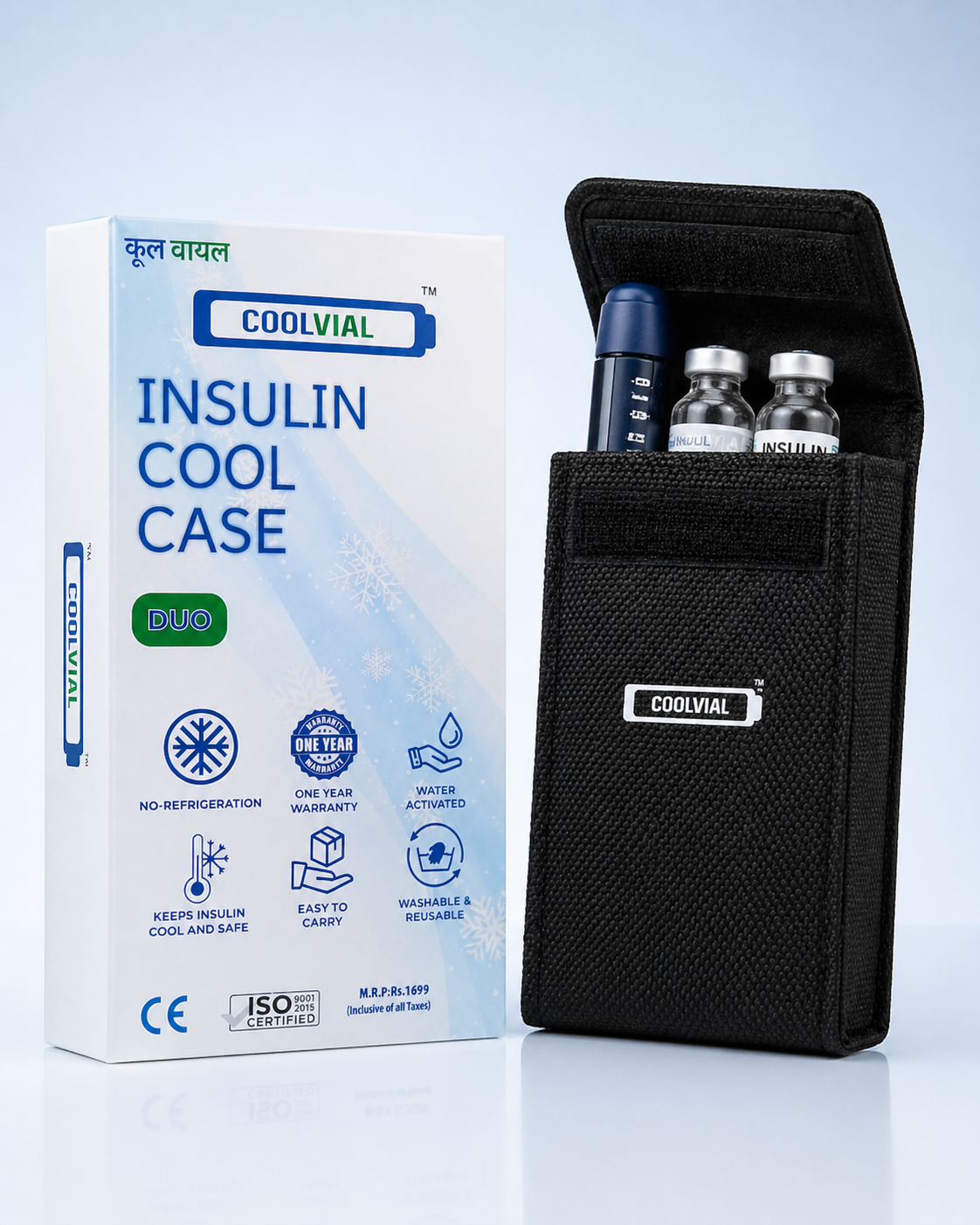
Insulin at 2-8°C for 48+ hours. Trusted by 10,000+ Indian diabetics.
While this article focuses on longer trips, the principles of safe insulin storage apply equally to daily commutes within Bhopal. Whether you’re heading to AIIMS Bhopal (Saket Nagar) for an appointment, shopping at DB City Mall, or picking up medication from Apollo Pharmacy or MedPlus, your insulin needs protection. Bhopal’s local transport, including buses and auto-rickshaws, can be warm and crowded. For more detailed advice on this, refer to our comprehensive guide: Daily Commute With Insulin in Bhopal — Tips for Metro, Bus & Auto.
6. International Travel from Raja Bhoj International (BHO)
As Raja Bhoj International (BHO) expands its international connectivity, Bhopal residents might consider direct international flights. International travel adds layers of complexity, from customs regulations to time-zone adjustments.
Customs and Documentation
When travelling internationally with insulin:
- Comprehensive Doctor’s Letter: Your doctor’s letter should be even more detailed, translated into English (if not already), and possibly include generic names of medications. It should clearly state that the insulin, syringes, and cooling devices are medically necessary.
- Original Packaging: Keep insulin in its original pharmacy-labeled packaging.
- Customs Declaration: Be prepared to declare your medical supplies at customs in your destination country. Research the specific regulations for carrying medication into your destination country beforehand. Some countries have stricter rules on needles and syringes.
- Security Differences: Airport security procedures can vary significantly between countries. Always be prepared to explain your medical needs.
Time-Zone Dosing Adjustments
Crossing multiple time zones can disrupt your usual insulin dosing schedule. This requires careful planning with your diabetologist.
- Consult Your Doctor: Before your trip, discuss a detailed plan with your endocrinologist or diabetologist. They can advise on how to adjust your basal and bolus insulin doses based on your destination’s time zone and the duration of your flight.
- Gradual Adjustment: Often, a gradual adjustment over a few days before and after travel is recommended.
- Frequent Monitoring: Monitor your blood glucose levels more frequently than usual during and after travel to catch any fluctuations.
- Extra Supplies: Always carry extra insulin, needles, and test strips, enough for at least a few extra days, in case of travel delays or lost luggage.
7. Choosing the Right Insulin Cooling Case
The choice of your insulin cooling case is critical for safe travels. While various options exist, an evaporative cooler stands out for its practicality, especially in the Indian climate.
Comparison of Cooling Solutions:
- Ice Packs/Gel Packs:
- Pros: Inexpensive, widely available.
- Cons: Limited cooling duration (2-6 hours), prone to condensation which can damage insulin labels, heavy, require freezer access, can over-cool/freeze insulin if placed directly.
- Battery-Operated Mini Fridges:
- Pros: Consistent cooling, temperature control.
- Cons: Expensive, bulky, heavy, require power source (electricity/power bank), battery life limitations, can be noisy.
- Evaporative Cooling Cases (e.g., COOLVIAL Duo):
- Pros:
- No Electricity Needed: Activated by simply soaking in water.
- Extended Cooling: Keeps insulin cool for 12-16 hours per activation, even in ambient temperatures up to 30°C.
- Lightweight & Compact: Easy to carry in hand luggage or a backpack.
- No Condensation: Prevents damage to insulin pens/vials.
- CE Certified & ISO 9001:2015: Ensures quality and safety.
- Affordable: Offers excellent value for money.
- Made in India: Supports local manufacturing.
- Cons: Requires access to water for activation, may need re-activation on very long journeys (though typically once a day is sufficient).
- Pros:
The COOLVIAL Duo is specifically designed for the Indian climate, offering a reliable and cost-effective solution for anyone travelling from Bhopal with insulin. It holds 2 pens and 1 vial, making it versatile for various insulin regimens. At just Rs 1,099 with code COOLHEAL (MRP Rs 1,699), it offers significant savings compared to alternatives like FRIO (which typically costs around Rs 1,900 for similar capacity) while providing comparable performance. For those looking for slightly more budget-friendly options, brands like Outer Woods OW-12 might be available around Rs 999, but it’s important to compare features, certifications, and cooling duration to ensure optimal protection for your insulin. We believe the COOLVIAL Duo strikes the perfect balance of price, performance, and peace of mind. For more in-depth insulin storage tips, visit our mission page.
8. FAQs About Travelling with Insulin from Bhopal
Q: Can I carry insulin in my checked luggage when flying from Raja Bhoj International Airport (BHO)? A: No, you should never carry insulin in checked luggage when flying from BHO or any other airport, as the cargo hold’s extreme temperatures can damage or freeze your insulin, rendering it ineffective.
Q: Is a doctor’s letter required for carrying insulin on a train from Bhopal Junction (BPL)? A: While not always strictly enforced for domestic train travel, carrying a doctor’s letter is highly recommended for train journeys from BPL or RKMP to avoid any potential questions or issues regarding your medical supplies.
Q: How can I keep my insulin cool during a road trip from Bhopal to Sanchi? A: For road trips from Bhopal, use a reliable evaporative cooling case like the COOLVIAL Duo, and always take your insulin with you when leaving the car, as vehicle interiors can get extremely hot.
Q: Can I ask the TTE (Travelling Ticket Examiner) to store my insulin in the pantry car fridge on a train? A: It is strongly advised against asking the TTE to store your insulin in the pantry car fridge, as these fridges are unreliable, not secure, and not maintained for pharmaceutical storage standards.
Q: What should I do if my Ola/Uber driver in Bhopal refuses to turn on the AC during a ride with insulin? A: Politely but firmly explain your medical need for a cool environment for your medication, and if the issue persists, consider reporting it to the app service or opting for alternative transport with reliable AC.
Q: How does the COOLVIAL Duo keep insulin cool without electricity? A: The COOLVIAL Duo uses evaporative cooling technology, where you soak the inner pouch in water for a few minutes, and the evaporation process then keeps your insulin cool for 12-16 hours without needing electricity or ice packs.
Q: What is the ideal temperature range for storing insulin while travelling? A: Insulin should ideally be kept between 2°C and 8°C (refrigerated) if unopened, and at a controlled room temperature, typically below 25-30°C (check your specific insulin’s leaflet), once opened.
9. Conclusion: Your Partner in Diabetes Management
Navigating travel with diabetes requires foresight and reliable tools, especially when travelling from Bhopal with insulin, given its varied climate. From the bustling Raja Bhoj International Airport to the railway platforms of Bhopal Junction and the scenic routes to Sanchi, your insulin’s safety is paramount. By understanding airport security protocols, debunking train travel myths, and preparing for road trip challenges, you can ensure your medication remains effective.
Always carry your insulin in hand luggage, have a doctor’s letter ready, and invest in a dependable cooling solution. The COOLVIAL Duo, with its water-activated evaporative cooling technology, CE certification, and ISO 9001:2015 standards, offers a practical, affordable, and made-in-India solution to keep your insulin safe for 12-16 hours without electricity. It’s designed to bring you peace of mind, allowing you to focus on your journey rather than worrying about your insulin. For a holistic view on diabetes management in the city, check out our Complete Diabetes Care Guide for Bhopal Residents — 2026 Edition.
Order your COOLVIAL Duo today at just Rs 1,099 with code COOLHEAL (MRP Rs 1,699) at coolvial.com or via WhatsApp at wa.me/918766952300. Travel smart, travel cool, with COOLVIAL.
How We Researched This: This article is based on a comprehensive review of RSSDI guidelines, ICMR-INDIAB data on diabetes prevalence in India, local Bhopal hospital directories (AIIMS Bhopal, Bansal Hospital, Chirayu Medical College), insights from major pharmacy networks like Apollo Pharmacy and MedPlus, and an understanding of local travel conditions and infrastructure in Bhopal. Specific local observations, such as taxi wait times at Raja Bhoj International Airport, are derived from common travel experiences within the city.
Medical Disclaimer: This article is for general information purposes only and does not constitute medical advice. Always consult your endocrinologist or diabetologist before changing insulin storage or dosing practices, especially when planning travel.