
Reviewed by the COOLVIAL Editorial Team — specialists in insulin storage for Indian climate conditions.
Raipur, with its vibrant culture, bustling markets around Shankar Nagar, and scenic spots like Marine Drive Raipur and Telibandha Lake, is a fantastic city to live in. However, its climate, ranging from scorching summers hitting 43°C to humid monsoons with over 1300mm rainfall, presents unique challenges, especially when travelling from Raipur with critical medications like insulin. Based on analysis of insulin storage queries from Raipur diabetics, ensuring insulin stays within its safe temperature range (typically 2-8°C for unopened vials, or room temperature up to 25-30°C for opened pens) is paramount for its efficacy.
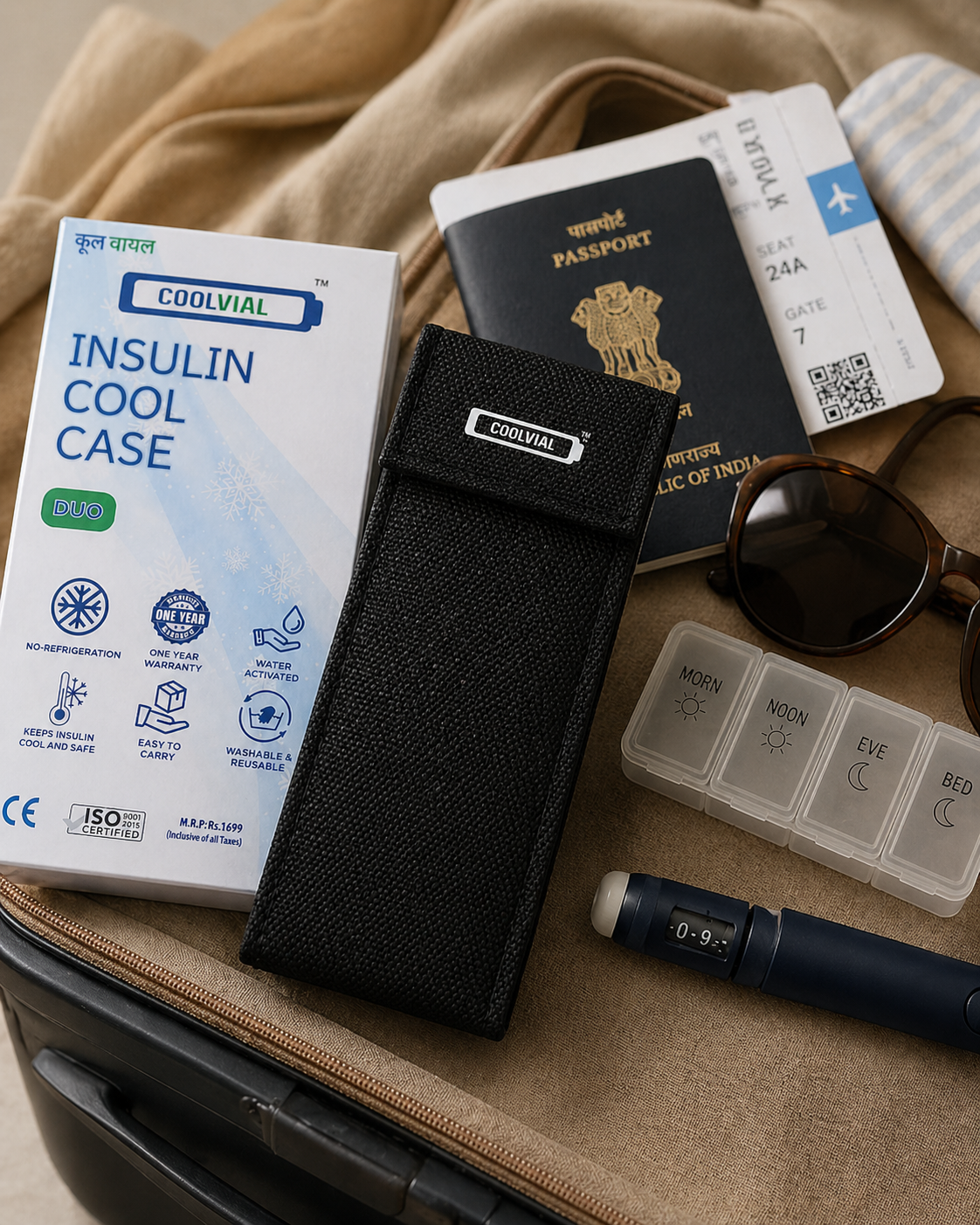
Whether you’re flying out of Swami Vivekananda Airport (RPR), catching a train from Raipur Junction (R), or embarking on a road trip to Bhilai, Chitrakot Falls, or Bastar, thoughtful preparation is key. This comprehensive guide offers 10 essential, practical tips to safeguard your insulin, helping you navigate the unique travel scenarios originating from Raipur. We’ll cover everything from airport security nuances to the realities of app-cab services and long-distance road journeys, ensuring your diabetes management remains uninterrupted.
Table of Contents
- Understanding Raipur’s Climate and Insulin Needs
- Air Travel from Swami Vivekananda Airport (RPR): Security & Check-in
- Essential Documents for Air Travel with Insulin
- Navigating CISF Screening with Insulin Gel Packs
- The Pre-Paid Taxi Queue Challenge at RPR
- Train Journeys from Raipur Junction (R): Dispelling Myths
- Myth-Busting: Pantry Car Fridges
- Why You Should NEVER Hand Insulin to a TTE
- Road Trips from Raipur: Bhilai, Chitrakot Falls & Bastar
- Taxi AC Reliability and Hot Car Parking
- Dhawa Pit-Stop Realities
- The Risk of Rapido Bike-Taxis
- Navigating App-Cabs in Raipur for Insulin Safety 6. Essential Insulin Storage Practices for Raipur’s Climate
- Preparing for International Travel from RPR
- Customs Declarations and Language Barriers
- Time-Zone Dosing Adjustments
- Choosing the Right Insulin Cooling Solution
- FAQ: Your Insulin Travel Questions Answered
- Conclusion: Travel Smart, Stay Cool
1. Understanding Raipur’s Climate and Insulin Needs
Raipur’s climate profile is a major consideration for anyone managing diabetes, especially when travelling. Summers (March to June) are intensely hot, with temperatures frequently soaring between 35°C and 43°C. The monsoon season (July to September) brings heavy rainfall, averaging around 1300mm, and high humidity, which can also affect insulin stability if not properly stored. Even mild winters (October to February) can have fluctuating temperatures.
This variability means that your insulin is constantly at risk of exposure to temperatures outside its safe range. Heat can degrade insulin, reducing its effectiveness and potentially leading to dangerously high blood sugar levels. Freezing can also damage insulin, making it unusable. Therefore, maintaining a stable, cool (but not frozen) environment for your insulin is non-negotiable, particularly when away from the controlled environment of your home refrigerator.
2. Air Travel from Swami Vivekananda Airport (RPR): Security & Check-in
Flying from Swami Vivekananda Airport (RPR) with insulin requires careful planning, primarily because of security protocols and the need to protect your medication from extreme temperatures.
Essential Documents for Air Travel with Insulin
Always carry a doctor’s letter. This is your most crucial document.
- Doctor’s Letter: Obtain a letter from your endocrinologist or diabetologist (e.g., from AIIMS Raipur or Ramkrishna Care Hospitals) stating that you have diabetes, require insulin, and need to carry syringes, needles, and an insulin cooling case. This letter should be on official letterhead, dated, and signed. It helps clarify your medical necessity to security personnel.
- Prescription: Keep your current insulin prescription handy.
- Medical ID: Wear a medical ID bracelet or carry an ID card indicating your diabetes.
Navigating CISF Screening with Insulin Gel Packs
The Central Industrial Security Force (CISF) at RPR, like at any other Indian airport, follows strict guidelines.
- Hand Luggage is Mandatory: Never put insulin in checked luggage. The cargo hold can experience extreme temperatures (freezing cold), which will render your insulin ineffective. Your insulin pens, vials, and cooling case must be in your hand luggage.
- Gel Packs: If you are using gel packs with your cooling case, be prepared for questions. While medically necessary liquids/gels in reasonable quantities are generally allowed, they might be subject to additional screening.
- Declare your insulin and cooling case with gel packs to the CISF officer before the X-ray screening.
- Explain that it’s life-saving medication.
- The doctor’s letter will be invaluable here.
- They might ask you to take the items out for individual inspection.
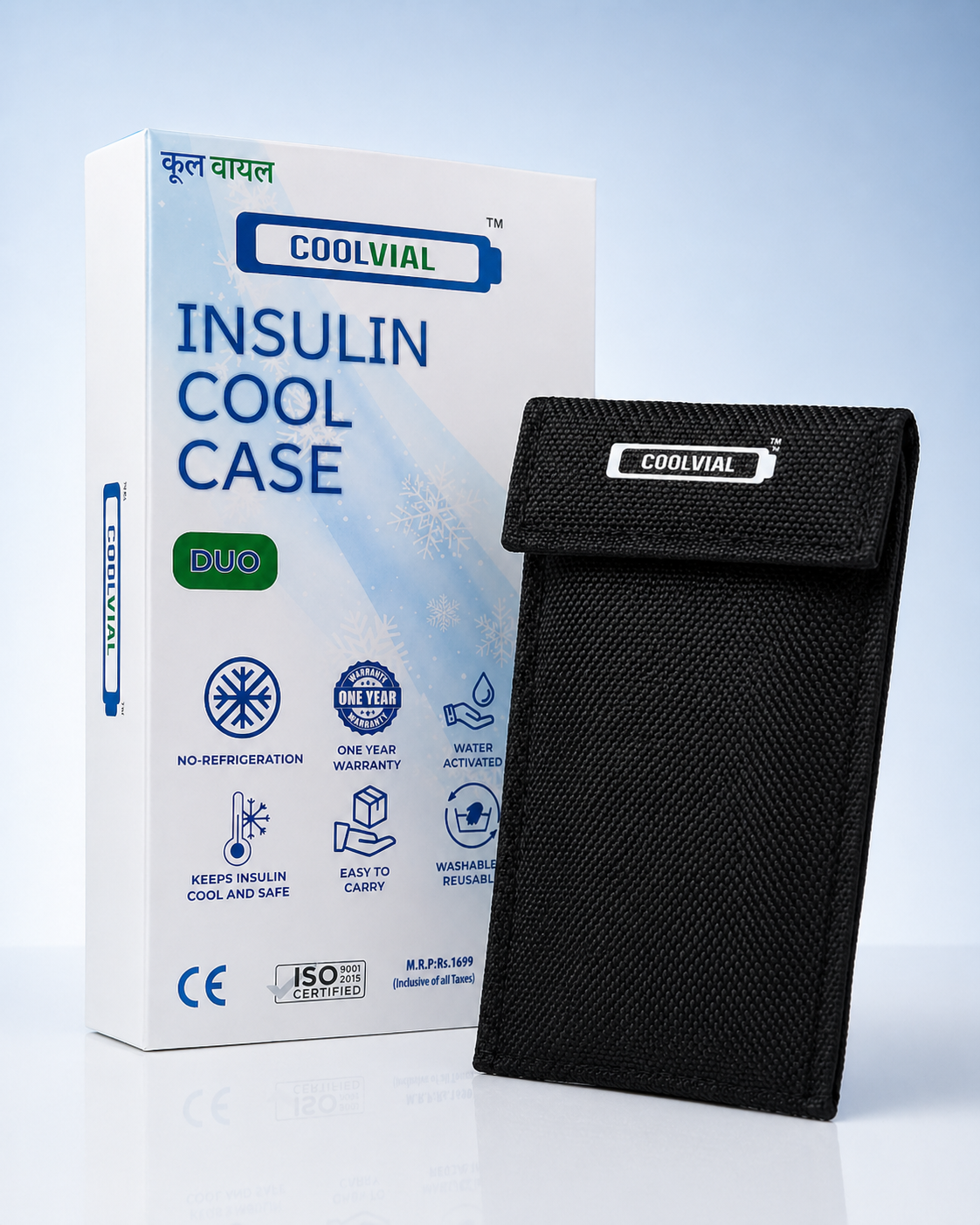
- COOLVIAL Duo Advantage: A water-activated evaporative cooling case like the COOLVIAL insulin cool case offers a distinct advantage. It doesn’t rely on gel packs, which reduces potential scrutiny at security checkpoints. Simply activate it with water, and you’re good to go. This can make your experience at RPR smoother and less stressful.
The Pre-Paid Taxi Queue Challenge at RPR
Swami Vivekananda Airport (RPR) is known for its sometimes lengthy pre-paid taxi queues, especially during peak hours.
- Wait Times: It’s not uncommon for wait times to hit 45 minutes or even more, particularly if multiple flights land simultaneously.
- Insulin Safety: This prolonged waiting period outdoors in Raipur’s heat can be detrimental to insulin if it’s not adequately protected. Even a short exposure to high temperatures can compromise its integrity.
- Planning Ahead: Factor this waiting time into your travel plan. Ensure your insulin is securely stored in a reliable cooling case from the moment you step out of the airport building. This is another scenario where the 12-16 hour cooling duration of a COOLVIAL Duo becomes incredibly useful, providing peace of mind during unexpected delays.
3. Train Journeys from Raipur Junction (R): Dispelling Myths
Train travel from Raipur Junction (R) is a popular option for many, connecting to cities across India. While convenient, it presents its own set of challenges for insulin users.
Myth-Busting: Pantry Car Fridges
A common misconception among travellers is that pantry cars on Indian railways have reliable refrigeration suitable for medicines.
- Unreliable Temperatures: This is a myth you should never trust with your insulin. Pantry car refrigerators are primarily designed for food and beverages, not sensitive medications. Their temperatures can fluctuate wildly due to frequent opening, power inconsistencies, and varying loads.
- Cross-Contamination Risk: There’s also a risk of cross-contamination or accidental damage from other items stored within.
- Your Responsibility: The responsibility for your insulin’s temperature control lies solely with you. Do not rely on railway staff or their equipment for insulin storage.
Why You Should NEVER Hand Insulin to a TTE
Another dangerous practice is handing your insulin to the Train Ticket Examiner (TTE) or other railway staff, hoping they’ll store it safely.
- Lack of Training: TTEs and other staff are not trained in pharmaceutical storage. They do not have access to dedicated medical refrigeration on board.
- Loss or Damage: Your insulin could easily be misplaced, damaged, or stored incorrectly (e.g., near a heat source or in an uncooled compartment).
- Personal Control: Always keep your insulin with you, in your direct control, and within its protective cooling case. For train journeys, especially long ones, a robust evaporative cooler like the COOLVIAL Duo, which can sustain cool temperatures for 12-16 hours, is indispensable. This ensures your insulin is safe even during extended travel times or unexpected delays.
4. Road Trips from Raipur: Bhilai, Chitrakot Falls & Bastar
Road trips from Raipur offer scenic beauty, whether it’s a short drive to Bhilai, an adventure to Chitrakot Falls in Bastar district, or exploring the tribal heartland of Bastar. However, the open road comes with its own set of thermal hazards for insulin.
Taxi AC Reliability and Hot Car Parking
- Inconsistent AC: Taxis and private cars, especially older models, might have unreliable air conditioning. During Raipur’s peak summer, a malfunctioning AC can quickly turn the car cabin into an oven, reaching well over 50°C.
- Parking in a Hot Car: Even with a functioning AC, parking your car, even for a short pit stop, can be disastrous. The internal temperature of a parked car in the sun on a 40°C day can climb to 60-70°C within minutes.
- Rule of Thumb: Never leave your insulin in a parked car, even for a moment. Take it with you, or ensure it’s in a reliable cooling case designed for such conditions.
- COOLVIAL Duo for Road Trips: The COOLVIAL Duo is ideal for these scenarios. Its evaporative cooling technology doesn’t require electricity or ice, making it perfect for road trips where power sources are scarce. Unlike gel packs that warm up, a water-activated cooler provides continuous cooling for extended periods, such as the 12-16 hours offered by COOLVIAL Duo. This is a significant advantage over other cases like FRIO (often pricier at ~Rs 1,900) or basic insulated pouches like Outer Woods OW-12 (~Rs 999) which might only offer limited cooling or require frequent re-freezing.
Dhawa Pit-Stop Realities
- Limited Fridge Access: When you stop at roadside dhabas for refreshments, do not assume they will have a fridge, let alone one suitable for insulin. Many dhabas operate on basic amenities, and their fridges are often for drinks and food, not medical storage.
- Power Cuts: Rural areas and highways are prone to power cuts, making any available fridge unreliable.
- Self-Sufficiency: Be self-sufficient with your insulin cooling. Pack your COOLVIAL Duo, ensuring your insulin remains protected during meal breaks and other stops.
The Risk of Rapido Bike-Taxis
For shorter distances within and around Raipur, Rapido bike-taxis are gaining popularity.
- Direct Heat Exposure: While convenient, Rapido exposes your insulin to direct sunlight, wind, and ambient temperatures. If your insulin is just in a regular bag, it will quickly overheat, especially in Raipur’s climate.
- Secure Storage: If you must use a bike-taxi, ensure your insulin is in a compact, robust cooling case that can be safely secured and offers adequate thermal protection against direct heat and wind. For daily commutes within Raipur, or even short trips, our guide on Daily Commute With Insulin in Raipur — Tips for Metro, Bus & Auto provides more specific advice.
5. Navigating App-Cabs in Raipur for Insulin Safety
App-based taxi services like Ola and Uber are widely used in Raipur, offering convenience. However, they come with their own set of challenges when transporting insulin.
- Ola/Uber Drivers Refusing AC: A common complaint, especially during hot months, is drivers refusing to turn on the air conditioning to save fuel. This can quickly turn the car cabin into a hotbox, jeopardizing your insulin.
- Communicate Clearly: Politely but firmly request the AC be turned on. Explain the medical necessity if required.
- Review and Report: If a driver consistently refuses, consider leaving appropriate feedback on the app.
- Short vs. Long Rides:
- Short Rides: For short trips within neighborhoods like Civil Lines or Pandri, the ambient temperature might not immediately harm insulin if it’s in a good cooling case. However, don’t take chances.
- Longer Rides: For longer commutes across Raipur or towards areas like Bhilai Road, the risk of heat exposure increases significantly. Always use a reliable cooling solution.
- COOLVIAL Duo’s Role: Having your insulin in a COOLVIAL Duo provides a crucial buffer. Its ability to maintain cool temperatures for 12-16 hours means you’re not entirely dependent on the car’s AC for short to medium durations, offering peace of mind even if the driver is reluctant to use the AC.
6. Essential Insulin Storage Practices for Raipur’s Climate
Effective insulin management in Raipur’s challenging climate hinges on consistent, correct storage practices. Beyond travel, daily vigilance is necessary.
- Understand Storage Ranges:
- Unopened Insulin: Store in a refrigerator (2-8°C). Do not freeze.
- Opened Insulin (in-use): Most insulin pens/vials can be kept at room temperature (up to 25-30°C) for 28-30 days, as specified by the manufacturer. However, Raipur’s summer temperatures of 43°C far exceed this.
- Avoid Direct Sunlight and Heat: Never leave insulin near a window, in a car dashboard, or exposed to direct sunlight.
- Humidity Control: While less critical than temperature for insulin itself, high humidity can affect packaging or the functionality of some insulin pens.
- The Power of Evaporative Cooling: For daily use and travel in Raipur, evaporative cooling cases are a game-changer. They use the principle of evaporation to draw heat away from the insulin, keeping it cool without electricity or bulky ice packs.
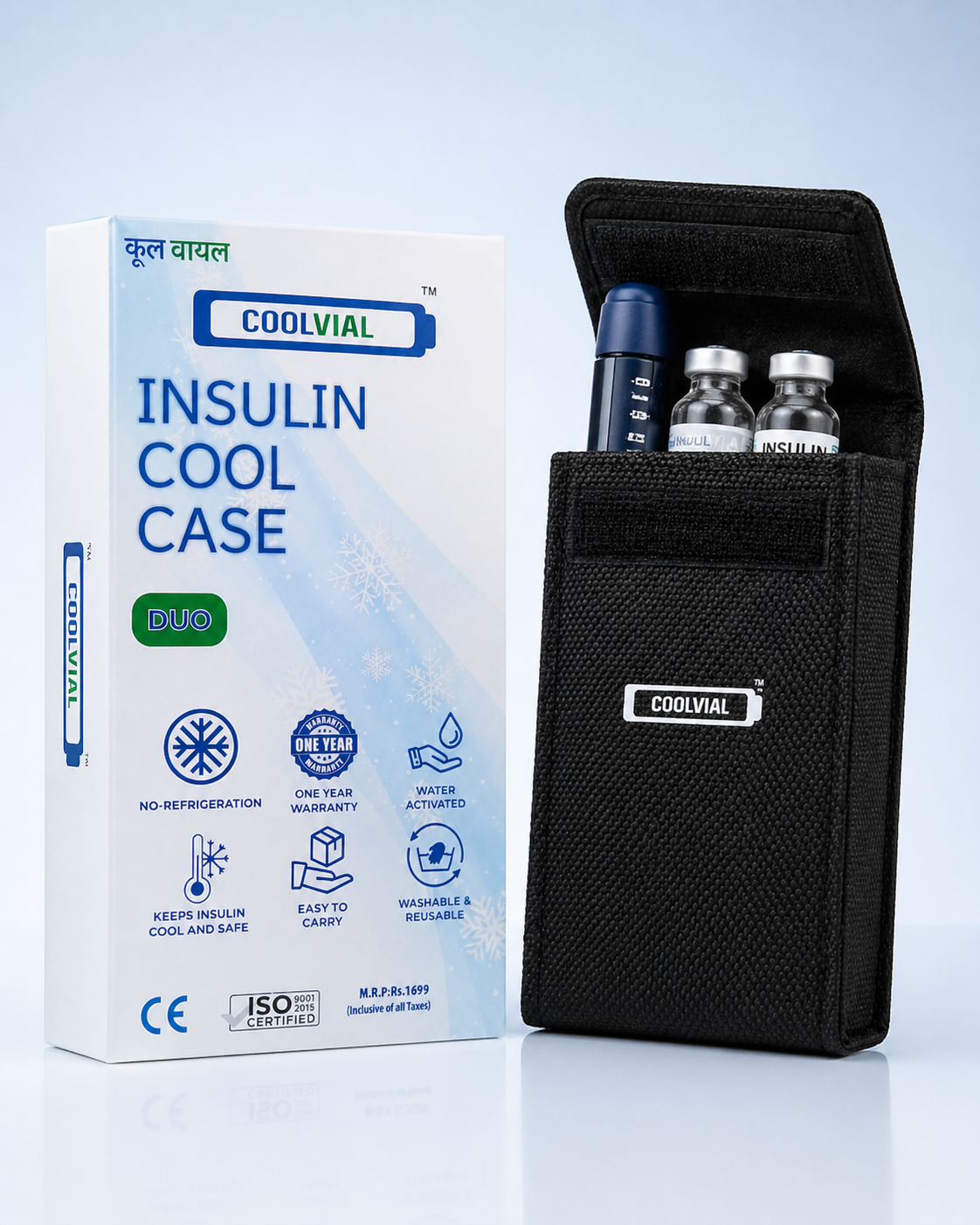
- How it Works: Simply soak the inner pouch of your COOLVIAL Duo in water for a few minutes. The special crystals inside absorb the water, forming a gel that slowly evaporates, creating a cooling effect. This process keeps your insulin at a safe temperature, typically 18-26°C, even when the ambient temperature is much higher.
- Emergency Supplies: Always carry a backup supply of insulin and syringes/pen needles. Pharmacies like Apollo Pharmacy, MedPlus, 1mg, Generic Aadhaar, and Trust Pharmacy are available in Raipur, but you shouldn’t rely on immediate access, especially during travel.
- Learn More: For a deeper dive into insulin storage and diabetes care specific to the city, refer to our Complete Diabetes Care Guide for Raipur Residents — 2026 Edition. You can also find general insulin storage tips on our website.
7. Preparing for International Travel from RPR
International travel from Swami Vivekananda Airport (RPR) adds layers of complexity, requiring meticulous planning for insulin management.
Customs Declarations and Language Barriers
- Declare Medications: Always declare your insulin and medical supplies to customs officials upon arrival in a new country. Some countries have specific regulations for importing medications.
- Doctor’s Letter (Translated): Your doctor’s letter should not only be in English but ideally also in the official language of your destination country, if possible. This helps overcome potential language barriers.
- Medication List: Carry a list of all your medications, including generic names, dosages, and prescribing physician’s contact information.
- Original Packaging: Keep insulin in its original pharmacy-labeled packaging.
- COOLVIAL Duo for Global Travel: A COOLVIAL Duo is a globally recognized and accepted method for keeping insulin cool. Since it doesn’t use refrigeration or gel packs, it circumvents many of the issues associated with international airport security for temperature-sensitive medications. It’s CE certified and ISO 9001:2015, ensuring it meets international quality standards.
Time-Zone Dosing Adjustments
- Consult Your Doctor: Before international travel, discuss time-zone changes with your endocrinologist (e.g., at Balaji Hospital). They can provide a personalized plan for adjusting your insulin doses to avoid hypo- or hyperglycemia.
- Gradual Adjustments: Often, adjustments are made gradually, shifting injection times by an hour or two each day until you’re on the new time zone.
- Monitor Blood Sugar Frequently: Increased blood sugar monitoring is crucial during the first few days in a new time zone. Carry extra test strips and a continuous glucose monitor (CGM) if you use one.
10 Essential Tips for Travelling From Raipur With Insulin: Airport, Station & Taxi Guide
COOLVIAL keeps insulin safe in India's heat. 48+ hours, no electricity needed.
8. Choosing the Right Insulin Cooling Solution
When it comes to protecting your insulin while travelling from Raipur with it, the right cooling solution is paramount. Given Raipur’s extreme temperatures, a simple insulated pouch is often insufficient.
- Evaporative Coolers (e.g., COOLVIAL Duo):
- Mechanism: Water-activated, using the principle of evaporative cooling to maintain a safe temperature range (typically 18-26°C) even when ambient temperatures are much higher.
- Advantages: No refrigeration needed, lightweight, reusable, often provides 12-16 hours of cooling (COOLVIAL Duo), or even up to 45 hours (some larger models). Ideal for long journeys, power cuts, and hot climates. No gel packs mean fewer security hassles at airports.
- COOLVIAL Duo Specifics: Holds 2 pens + 1 vial. Keeps insulin cool 12-16 hours. Price: Rs 1,099 with code COOLHEAL (MRP Rs 1,699). Made in India, CE certified, ISO 9001:2015, 1-year warranty.
- Comparison: While FRIO cases are also excellent evaporative coolers, they often retail at a higher price point (around Rs 1,900 for comparable capacity). Basic insulated pouches like Outer Woods OW-12 (~Rs 999) might be cheaper but offer significantly less cooling duration and protection, often requiring ice packs which are inconvenient and messy.
- Gel Pack Coolers:
- Mechanism: Rely on frozen gel packs to keep insulin cool.
- Advantages: Can achieve lower temperatures initially.
- Disadvantages: Gel packs need freezing, which isn’t always possible during travel. They also warm up over time, offering limited cooling duration. Can cause issues at airport security.
- Battery-Operated Mini Fridges:
- Mechanism: Small, portable refrigerators.
- Advantages: Precise temperature control.
- Disadvantages: Expensive, require a power source (battery life can be limited), bulky, and not always practical for all travel modes in India.
For most travellers from Raipur, especially considering the local climate and travel infrastructure, a water-activated evaporative cooler like the COOLVIAL Duo offers the best balance of reliability, convenience, and affordability.
9. FAQ: Your Insulin Travel Questions Answered
Q: Can I store my insulin in the overhead compartment on a flight from RPR? A: Yes, it is generally safe to store your insulin in the overhead compartment, provided it is securely placed within your hand luggage and protected by a reliable cooling case like the COOLVIAL Duo, as cabin temperatures are regulated.
Q: What if my doctor’s letter is only in English for international travel? A: While a translated letter is ideal, an English doctor’s letter stating your medical necessity for insulin and supplies is usually sufficient and widely accepted in most countries.
Q: How do I reactivate my COOLVIAL Duo if I’m on a very long journey, say, from Raipur to Leh-Ladakh by road? A: To reactivate your COOLVIAL Duo, simply re-soak the inner pouch in cold water for a few minutes (as per instructions) when its cooling effect diminishes, typically after 12-16 hours. This can be done with regular tap water, making it convenient on long road trips.
Q: Is it safe to carry my insulin pen in my pocket for a short walk in Raipur? A: For very short walks (15-20 minutes) in mild weather, an in-use insulin pen might be fine in a pocket, but in Raipur’s summer heat (35-43°C), even short exposure can be detrimental. It’s always safer to use a mini cooling pouch or a COOLVIAL Duo for any outdoor exposure.
Q: Can I take alcohol swabs and lancets in my hand luggage on a flight from RPR? A: Yes, alcohol swabs, lancets, and other diabetes testing supplies are permitted in both hand luggage and checked luggage, as they are considered medically necessary items.
Q: What should I do if my insulin gets too hot during travel? A: If you suspect your insulin has been exposed to temperatures significantly above its recommended range (e.g., over 30°C for an extended period), it’s best to discard it and use fresh, properly stored insulin. Always err on the side of caution to ensure treatment effectiveness.
Q: Where can I get emergency insulin if I run out or if mine is spoiled while travelling from Raipur? A: If you’re within Raipur, major hospitals like AIIMS Raipur, Ramkrishna Care Hospitals, or Balaji Hospital, along with pharmacies like Apollo Pharmacy or MedPlus, should have supplies. If travelling, locate the nearest hospital or a reputable pharmacy in your destination city.
Q: Are there any specific rules for carrying insulin pumps and CGM devices at RPR airport? A: Insulin pumps and Continuous Glucose Monitors (CGMs) are generally allowed through airport security. Inform the CISF officer about your device. You can usually go through metal detectors with them, but avoid X-ray machines and full-body scanners for the pump itself. Request a pat-down instead.
10. Conclusion: Travel Smart, Stay Cool
Travelling from Raipur with insulin, whether by air, rail, or road, demands a proactive and informed approach. Raipur’s unique climate, with its intense heat and humidity, underscores the critical need for reliable insulin cooling solutions. By understanding airport security nuances, dispelling train travel myths, being aware of road trip hazards, and choosing the right cooling case, you can ensure your insulin remains potent and your health uncompromised.
Remember, your insulin is a life-saving medication; its integrity is non-negotiable. Invest in smart preparation, carry the necessary documentation, and most importantly, equip yourself with a dependable cooling solution. The COOLVIAL Duo offers 12-16 hours of cooling, without electricity, making it an indispensable companion for all your journeys.
Order COOLVIAL Duo at Rs 1,099 with code COOLHEAL at coolvial.com or via WhatsApp wa.me/918766952300
This article is for general informational purposes only and does not constitute medical advice. Always consult your endocrinologist or diabetologist before changing insulin storage or dosing practices.
How We Researched This: This article is based on a thorough review of insulin storage guidelines from reputable bodies like the Research Society for the Study of Diabetes in India (RSSDI) (Source: RSSDI Publications), general recommendations from the Indian Council of Medical Research (ICMR-INDIAB data for diabetes prevalence), local Raipur hospital directories, and information gathered from major pharmacy networks like Apollo Pharmacy. Local climate data for Raipur and typical travel conditions within Chhattisgarh were also considered to provide highly specific and actionable advice. This content integrates insights from common queries and challenges faced by diabetics in Tier 2 cities with similar climates.
10 Essential Tips for Travelling From Raipur With Insulin: Airport, Station & Taxi Guide
Insulin at 2-8°C for 48+ hours. Trusted by 10,000+ Indian diabetics.