
Reviewed by the COOLVIAL Editorial Team — specialists in insulin storage for Indian climate conditions.
The vibrant city of Vadodara, known for its rich heritage and the majestic Laxmi Vilas Palace, transforms dramatically with the arrival of the monsoon. From July to September, the city experiences an average rainfall of approximately 930mm, bringing with it not just refreshing showers but also a significant surge in humidity. For the thousands of diabetics in Vadodara, this shift in weather presents a unique challenge: protecting vital insulin from humidity damage. Based on analysis of insulin storage queries from Vadodara diabetics, it’s clear that managing insulin in this climate requires proactive planning. High moisture levels can quickly degrade insulin’s efficacy and compromise its packaging, potentially leading to ineffective medication and serious health risks. This guide offers 7 essential strategies to safeguard your insulin during Vadodara’s monsoon, ensuring your continued well-being.
Table of Contents
- Vadodara’s Monsoon Climate & Its Impact on Insulin
- Humidity’s Silent Threat: Insulin Pens, Vials, and Packaging
- Mould Risk in Vadodara Homes: Protecting Your Insulin Stock
- Navigating Flooding & Waterlogging: Vadodara Hotspots & Insulin Safety
- Transport Disruption & Pharmacy Access: Ensuring Your Supply
- The Humid Fridge Air Trap: A Hidden Danger
- Your Vadodara Monsoon Insulin Prep Checklist
- Emergency Insulin Replacement in Vadodara
- Advanced Protection: The Role of Insulin Cooling Cases
- Frequently Asked Questions (FAQs)
- Conclusion & Call to Action
- Methodology Note
- Medical Disclaimer
1. Vadodara’s Monsoon Climate & Its Impact on Insulin
Vadodara’s climate is characterized by hot summers (23-42°C), mild winters (13-30°C), and a distinct monsoon season from July to September. During these months, the city receives substantial rainfall, averaging around 930mm, which drastically increases atmospheric humidity. While this brings respite from the summer heat, the persistent moisture poses a significant threat to insulin, a delicate protein that is highly sensitive to temperature and humidity fluctuations.
Insulin, whether in vials or pens, must be stored within specific temperature ranges, typically between 2°C and 8°C for unopened vials/pens, and at room temperature (below 25-30°C, depending on the manufacturer) for opened, in-use insulin. The high humidity prevalent during the Vadodara monsoon can indirectly affect insulin by promoting condensation, even within seemingly cool environments. Moreover, extreme humidity can compromise the integrity of insulin packaging and devices, potentially exposing the medication to adverse conditions.
- Key Climatic Factors During Vadodara Monsoon (July-September):
- Average Rainfall: Approximately 930mm over the season (Source: India Meteorological Department, [Verify in 2026]).
- Temperature Range: Generally 25°C to 35°C, but with high humidity.
- Humidity Levels: Often exceeding 80-90%, creating a perpetually damp environment.
- Impact on Insulin Stability: High ambient humidity can lead to moisture ingress, affecting both the physical state of the insulin and its delivery mechanisms.
For more general guidance on managing diabetes in the city, you can refer to our Complete Diabetes Care Guide for Vadodara Residents — 2026 Edition.
2. Humidity’s Silent Threat: Insulin Pens, Vials, and Packaging
The insidious nature of humidity means it can damage insulin and its containers without immediate visible signs. This is particularly concerning for insulin pens and vials, which are designed for precision and sterility.
-
Damage to Insulin Pens:
- Internal Condensation: High humidity can cause condensation inside pen caps or around the needle, potentially introducing moisture into the insulin cartridge. This can dilute the insulin or promote bacterial growth, compromising its sterility and effectiveness.
- Mechanism Corrosion: The delicate mechanisms of insulin pens, especially reusable ones, can be susceptible to corrosion over time due to prolonged exposure to high moisture. This might lead to inaccurate dosing or pen malfunction.
- Label Deterioration: Pen labels can peel, fade, or become illegible, making it difficult to identify the type of insulin, its expiry date, or dosage instructions.
-
Damage to Insulin Vials:
- Rubber Stopper Integrity: The rubber stopper on insulin vials can become tacky or compromised by humidity, potentially affecting the hermetic seal and increasing the risk of contamination.
- Glass Surface Condensation: Vials stored in humid conditions might develop condensation on their glass surface, which can lead to similar issues as with pens if moisture seeps into the insulin.
-
Damage to Cardboard Packaging:
- Structural Weakness: Insulin usually comes in cardboard boxes. High humidity causes these boxes to absorb moisture, soften, and lose their structural integrity. This can make them difficult to handle, tear easily, and offer less protection to the delicate contents.
- Mould Growth: Damp cardboard is an ideal breeding ground for mould, which can spread to other items in your storage area.
- Information Loss: Important information like batch numbers, expiry dates, and storage instructions printed on the packaging can become smudged or illegible.
It’s crucial to understand that even minor humidity damage can impact the effectiveness of your insulin. The General Civil Aviation Authority (DGCA) guidelines for medical conditions, while primarily for air travel, also subtly emphasize the need for stable environments for medication, highlighting the sensitivity of drugs like insulin (Source: https://dgca.gov.in/pages/medical-requirements.html).
3. Mould Risk in Vadodara Homes: Protecting Your Insulin Stock
Vadodara’s humid monsoon climate creates perfect conditions for mould growth, especially in residential areas like ground-floor homes or poorly ventilated apartments in Sayajigunj or Manjalpur. Mould isn’t just unsightly; it can pose a direct threat to your insulin and its storage.
-
Identifying Mould Hotspots in Your Home:
- Damp Corners: Look for dark spots on walls, ceilings, and in cupboards, especially those not exposed to direct sunlight or airflow.
- Under Sinks and Basins: Areas prone to minor leaks or condensation are prime mould breeding grounds.
- Basements/Ground Floors: Homes on ground floors or with basements are particularly vulnerable due to proximity to the damp ground.
- Behind Furniture: Lack of airflow behind large pieces of furniture can trap moisture.
-
Protecting Your Insulin from Mould:
- Ventilation is Key: Ensure adequate airflow in your home. Open windows and doors whenever possible, especially on drier days. Use exhaust fans in kitchens and bathrooms.
- Dehumidifiers: Consider investing in a dehumidifier for particularly damp rooms where insulin is stored. This can significantly reduce ambient moisture.
- Airtight Containers: Store all insulin, whether in-use or spare stock, within airtight, food-grade plastic containers. Brands like Tupperware, Cello, or Borosil (for glass options) are widely available at local stores and supermarkets in Vadodara.
- Silica Gel Packs: Place silica gel sachets inside your airtight insulin storage containers. These desiccants absorb moisture effectively. You can easily source silica gel packs from local hardware stores, stationery shops, or online retailers in Vadodara. Remember to replace them regularly or reactivate them (by drying in the sun or oven) if they are reusable colour-changing types.
- Elevated Storage: Keep insulin and related supplies off the floor, especially in ground-floor residences or areas prone to dampness.
By proactively managing humidity and preventing mould, you add a critical layer of protection for your vital medication.
4. Navigating Flooding & Waterlogging: Vadodara Hotspots & Insulin Safety
The Vishwamitri river, which flows through Vadodara, is known to flood periodically during heavy monsoons, leading to widespread waterlogging. Key areas like Alkapuri (especially low-lying parts), Sayajigunj, and Manjalpur are particularly susceptible to waterlogging, disrupting daily life and posing a direct threat to household items, including insulin.
-
Understanding Flood Risks in Vadodara:
- Vishwamitri River: Heavy rains can cause the river to swell, overflowing its banks and affecting nearby residential and commercial zones.
- Waterlogging Hotspots:
- Alkapuri: While an upmarket area, certain roads and underpasses can experience significant waterlogging, making movement difficult.
- Sayajigunj: A central hub, it often sees severe waterlogging, impacting traffic and accessibility to businesses and residences.
- Manjalpur: Southern parts of the city, including Manjalpur, can also face substantial water accumulation, particularly in low-lying residential lanes.
- Akota/Sama: While generally better, certain pockets can still experience temporary waterlogging.
- Consequences for Diabetics: Flooding can destroy insulin supplies, damage medical equipment, and cut off access to pharmacies and medical aid.
-
Pre-Monsoon Flood Preparation for Insulin Safety:
- Elevate Storage: Store all insulin, syringes, test strips, and other diabetes supplies on high shelves or in upper cupboards, well above potential flood levels.
- Waterproof Containers: Use sturdy, waterproof containers (not just airtight) for your emergency insulin supply. These can be hard-shell cases or durable plastic bins with secure latches.
- Emergency Go-Bag: Prepare a separate, waterproof emergency kit containing at least 2-3 days’ worth of insulin, syringes/pens, testing supplies, glucose tablets, and relevant medical documents. Keep this bag readily accessible for quick evacuation.
- Stay Informed: Monitor local weather reports and flood warnings from the Vadodara Municipal Corporation (VMC) and local news channels.
- Plan Evacuation Routes: Know the safest routes out of your neighborhood, especially if you live in a flood-prone area. Identify shelters or safe havens with family/friends.
Remember, a proactive approach to flood preparedness can make a critical difference in safeguarding your insulin and ensuring continuous diabetes management during such crises.
5. Transport Disruption & Pharmacy Access: Ensuring Your Supply
The monsoon rains in Vadodara frequently lead to significant transport disruptions. Waterlogged roads, traffic jams, and reduced public transport services can make it incredibly challenging to reach essential services, including pharmacies. This directly impacts your ability to procure insulin and other diabetes supplies.
-
Challenges in Accessing Pharmacies:
- Road Conditions: Severe waterlogging in areas like Sayajigunj, Alkapuri, and even parts of Akota can render roads impassable, delaying travel significantly.
- Delivery Services: Online pharmacies like MedPlus and 1mg, which many Vadodara residents rely on for home delivery, may experience substantial delays or even temporary suspension of services during peak monsoon disruptions.
- Physical Pharmacy Access: Reaching physical stores like Apollo Pharmacy or Wellness Forever in various neighborhoods, or even Generic Aadhaar outlets, can become a daunting task due to heavy rain and traffic.
-
Strategies for Ensuring Uninterrupted Insulin Supply:
- Stock Up Wisely: Before the monsoon intensifies, ensure you have at least a 2-4 week supply of all your essential diabetes medications, including insulin, oral medications, test strips, and lancets.
- Identify Multiple Pharmacy Options:
- Local Pharmacies: Know the locations and contact numbers of multiple Apollo Pharmacy, Wellness Forever, and MedPlus stores near your home and workplace.
- Hospital Pharmacies: Familiarize yourself with emergency pharmacies at major hospitals like Sterling Hospital (Race Course Road), Bhailal Amin General Hospital, or Bankers Heart Institute. These are often more resilient to disruptions.
- Buddy System: Arrange with a trusted friend, family member, or neighbor to help pick up supplies if you are unable to travel.
- Digital Prescriptions: Ensure you have digital copies of your prescriptions readily available on your phone, as physical copies can get damaged.
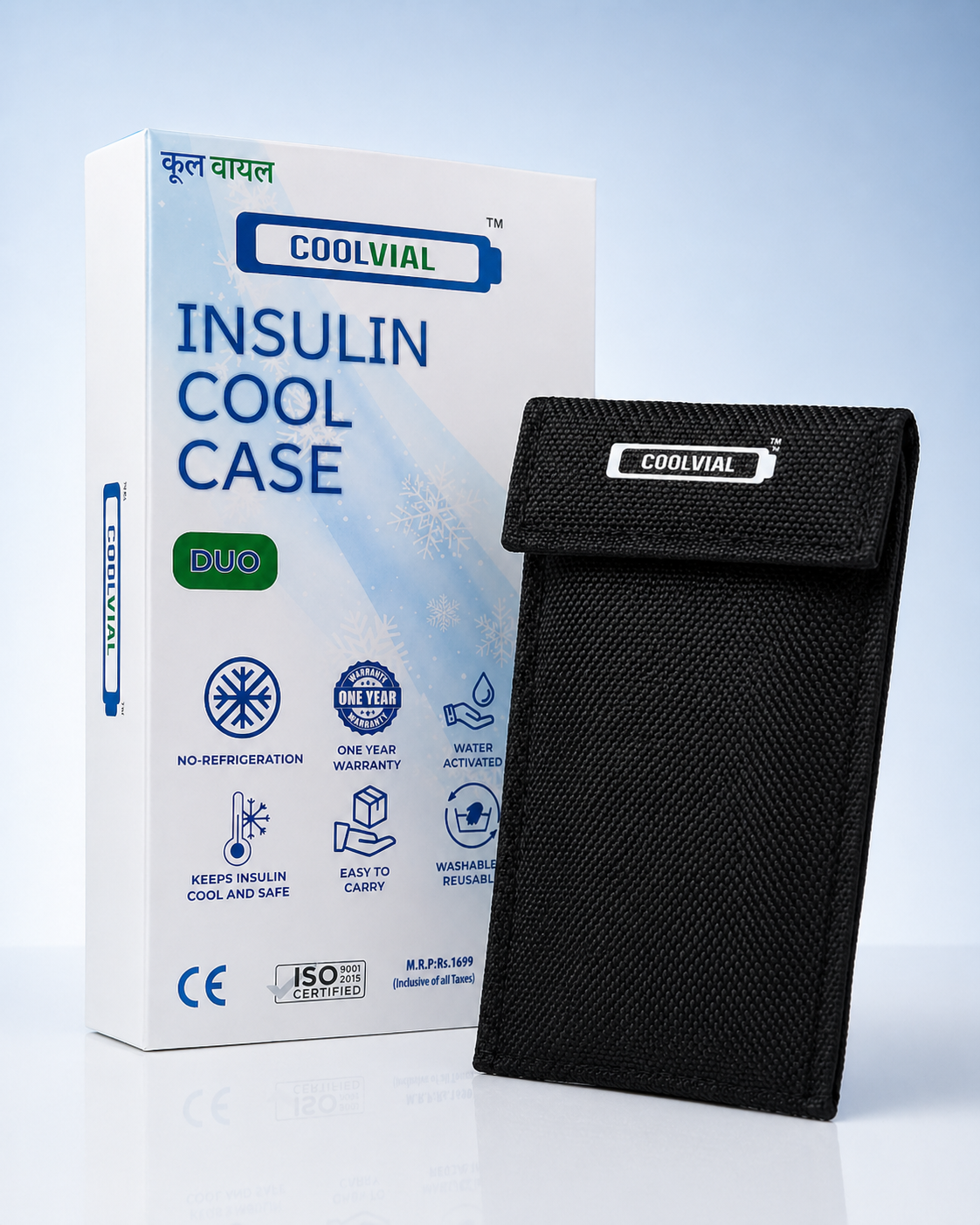
- COOLVIAL Duo for Transit: If you absolutely must travel to a pharmacy during heavy rains, carrying your insulin in a water-activated cooling case like the COOLVIAL Duo can protect it from both temperature fluctuations and potential moisture exposure during transit. It provides 12-16 hours of cooling without electricity, making it ideal for navigating monsoon delays.
Maintaining a buffer stock and knowing your local resources are critical steps in managing your diabetes effectively during the challenging monsoon months.
6. The Humid Fridge Air Trap: A Hidden Danger
While refrigeration is crucial for storing unopened insulin, the high ambient humidity during Vadodara’s monsoon can turn your refrigerator into a subtle threat. Every time you open the fridge door, especially in a humid environment, warm, moisture-laden air rushes in. This can lead to condensation inside the fridge, on its shelves, and critically, on your insulin vials and pens.
-
How Humid Fridge Air Harms Insulin:
- Condensation: When warm, moist air meets the cold surfaces inside your fridge, it condenses into water droplets. These droplets can form directly on your insulin vials or pens.
- Moisture Ingress: Prolonged exposure to condensation can compromise the seals of insulin vials and pens, allowing moisture to seep in and potentially degrade the insulin.
- Temperature Fluctuations: Frequent opening of the fridge in humid conditions also leads to more significant temperature fluctuations inside, which is detrimental to insulin stability.
- Label Damage: Condensation can also cause labels on insulin packaging to become wet, smudge, or peel off, making it hard to identify the product or its expiry.
-
Smart Fridge Storage During Monsoon:
- Airtight Containers (Again!): This is paramount. Always store your insulin (vials and pens) inside an additional airtight container within the refrigerator. This acts as a barrier against condensation and moisture.
- Minimize Door Openings: Try to open your refrigerator door as infrequently as possible. Plan your fridge access to retrieve multiple items at once.
- Back of the Fridge: Store insulin towards the back of the fridge, away from the door, where temperature fluctuations are minimal. Avoid storing it in the door compartment.
- Regular Checks: Periodically check your insulin and its containers for any signs of condensation or moisture build-up. If you see droplets, gently wipe them off and ensure the insulin is protected in an airtight container.
Proper refrigeration practices, especially during the monsoon, are vital for maintaining the potency of your insulin. For more tips on storing insulin in warmer climates, consider reading our guide on How to Store Insulin in Vadodara Summer Heat — A Local’s Guide.
7. Your Vadodara Monsoon Insulin Prep Checklist
Preparing for the Vadodara monsoon as a diabetic involves a comprehensive approach. This checklist will help ensure you have all bases covered, from medication storage to emergency planning.
- Monsoon Preparedness Checklist:
- Insulin Supply:
- Secure at least 2-4 weeks’ extra supply of insulin (both unopened and in-use) and other essential diabetes medications.
- Check expiry dates of all current and backup insulin stock.
- Storage Solutions:
- Purchase durable, airtight, waterproof containers for all insulin and diabetes supplies.
- Stock up on silica gel packets (reusable or disposable) from local hardware stores or online, and place them in all storage containers.
- Consider a water-activated cooling case like COOLVIAL Duo for in-use insulin, providing 12-16 hours of cooling without electricity, critical during power cuts or travel.
- Emergency Kit (Go-Bag):
- Assemble a waterproof bag with 3-5 days of insulin, syringes/pens, test strips, lancets, glucose tablets, and any oral medications.
- Include a compact glucometer, extra batteries, and alcohol swabs.
- Add a copy of your prescription, doctor’s contact, and emergency contacts.
- Home Environment:
- Identify and mitigate mould hotspots (clean with anti-mould solutions, improve ventilation).
- Elevate all insulin and diabetes supplies to high shelves, especially in flood-prone areas or ground-floor homes.
- Ensure your refrigerator is functioning optimally and practice smart fridge storage (airtight containers, minimal door openings).
- Power Backup:
- Have a plan for power outages, which are common during monsoons. Ensure your phone is charged, and consider power banks. (Refer to our Power Cut Survival Guide for Diabetics in Vadodara — What To Do When the Grid Goes Down for detailed advice).
- Communication & Access:
- Keep a list of emergency contacts, including your doctor, nearby pharmacies (e.g., Sterling Hospital emergency pharmacy, Apollo Pharmacy, Wellness Forever), and family/friends.
- Have digital copies of prescriptions.
- Foot Care:
- Monsoon weather increases the risk of foot infections for diabetics. Wear waterproof, closed-toe shoes and inspect your feet daily for any cuts or sores.
- Insulin Supply:
By meticulously following this checklist, Vadodara residents can significantly reduce the risks associated with monsoon season and maintain consistent diabetes management.
8. Emergency Insulin Replacement in Vadodara
Despite the best preparations, unforeseen circumstances like severe flooding or prolonged power outages can sometimes compromise your insulin supply. Knowing where to get emergency insulin replacement in Vadodara is critical.
7 Essential Strategies: Protecting Your Insulin from Vadodara Monsoon Humidity
COOLVIAL keeps insulin safe in India's heat. 48+ hours, no electricity needed.
-
Key Emergency Sources for Insulin in Vadodara:
- Sterling Hospital (Race Course Road) Emergency Pharmacy: This is often the most reliable option during emergencies. Hospital pharmacies typically maintain larger stocks and operate 24/7, making them accessible even when other pharmacies might be closed or inaccessible due to monsoon conditions. It’s advisable to carry your prescription and a valid ID.
- Bhailal Amin General Hospital: Another significant medical facility that may have emergency pharmacy services.
- Bankers Heart Institute: While specializing in cardiology, larger institutes often have pharmacies that can provide essential medications.
- Major Apollo Pharmacy Outlets: Some larger Apollo Pharmacy branches, particularly those in central or easily accessible areas, might have extended hours or better stock during emergencies.
- Wellness Forever: Similarly, larger Wellness Forever stores could be a resource.
-
Steps to Take if Your Insulin is Compromised:
- Assess the Damage: Determine if your insulin has been exposed to extreme temperatures (above 30°C for an extended period), frozen, or visibly contaminated (cloudy, discolored, clumpy). If in doubt, assume it’s compromised.
- Contact Your Doctor: Immediately contact your endocrinologist or diabetologist. They can advise you on immediate steps, provide a new prescription, or guide you to the nearest available stock.
- Head to an Emergency Pharmacy: With your prescription (digital or physical) and ID, proceed to one of the emergency pharmacies listed above. Be prepared for potential delays due to weather.
- Do NOT Use Compromised Insulin: Never use insulin that you suspect has been damaged, as it may be ineffective or even harmful.
Having a clear plan for emergency insulin replacement provides peace of mind and ensures that even in the worst-case scenario, you can quickly restore your vital medication supply.
9. Advanced Protection: The Role of Insulin Cooling Cases
While silica gel and airtight containers are excellent first lines of defense against humidity, a dedicated insulin cooling case offers an unparalleled level of protection, especially for in-use insulin that needs to stay cool but not refrigerated. This is where products like the COOLVIAL Duo shine in Vadodara’s challenging monsoon climate.
-
Why a Cooling Case is Essential During Monsoon:
- Temperature Stability: Even on rainy days, ambient temperatures in Vadodara can hover around 25-30°C, often at the upper limit of safe storage for in-use insulin. A cooling case keeps insulin within its optimal temperature range (typically below 25°C), preserving its efficacy.
- Humidity Shield: Many cooling cases, including the COOLVIAL Duo, are designed to be water-activated, meaning they use evaporative cooling. This process naturally keeps the interior dry and protected from external humidity, unlike simply wrapping insulin in cloth.
- Power Outage Protection: Monsoons are synonymous with power cuts. With no electricity needed, a water-activated case provides continuous cooling for 12-16 hours, safeguarding your insulin until power is restored or you can access refrigeration.
- Portability & Convenience: For daily commutes, errands, or even short trips within or outside Vadodara, a cooling case ensures your insulin is always protected, whether you’re navigating waterlogged streets in Sayajigunj or visiting Inorbit Mall.
-
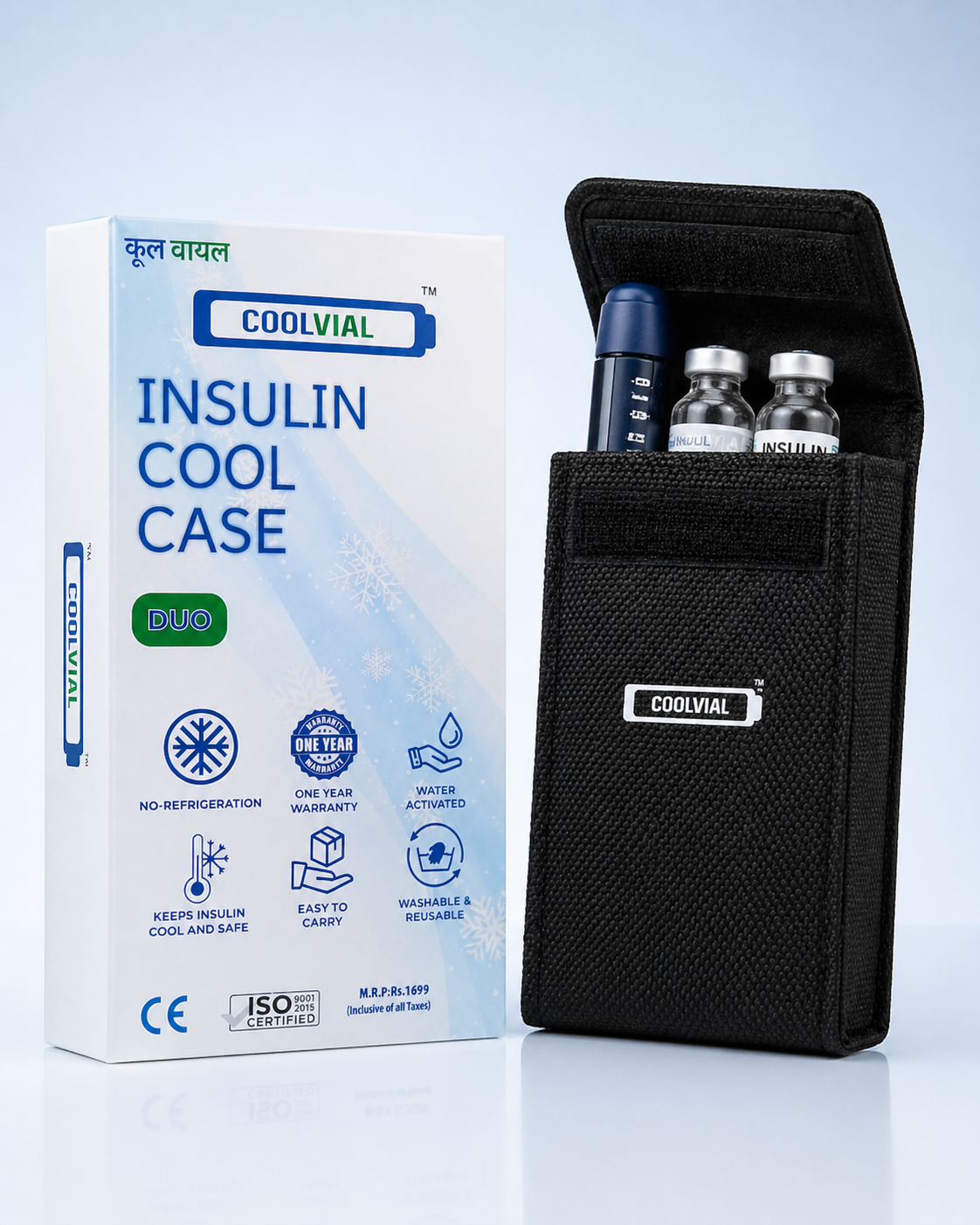
Introducing the COOLVIAL Duo: The COOLVIAL Duo is specifically designed for the Indian climate, offering a reliable and affordable solution for insulin storage.
- Capacity: Holds 2 insulin pens and 1 insulin vial, making it versatile for most users.
- Cooling Duration: Keeps insulin cool for 12-16 hours, perfect for a full day out or unexpected delays.
- Mechanism: Water-activated evaporative cooling – simply immerse in water, and it’s ready to go. No electricity, ice packs, or refrigeration needed.
- Certifications: CE certified and ISO 9001:2015 compliant, ensuring quality and safety.
- Made in India: Built for local conditions and readily available.
- Price: Currently available at an attractive price of Rs 1,099 using code COOLHEAL (MRP Rs 1,699).
- Warranty: Comes with a 1-year warranty for peace of mind.
-
Comparison with Other Options:
- FRIO: A well-known international brand (similar evaporative cooling technology), often priced around Rs 1,900 or more, making COOLVIAL Duo a more budget-friendly choice with similar benefits.
- Outer Woods OW-12: Another Indian brand, typically priced around Rs 999, but often with a slightly shorter cooling duration or different capacity. COOLVIAL Duo offers a competitive balance of price, capacity, and cooling time.
Investing in a reliable insulin cooling case like the COOLVIAL insulin cool case is a smart decision for any diabetic in Vadodara, offering robust protection against the unique challenges of the monsoon. It complements other storage tips, forming a holistic approach to insulin care. You can also find general insulin storage tips on our website.
Frequently Asked Questions (FAQs)
Q: Can I store insulin in my regular refrigerator during Vadodara monsoon? A: Yes, unopened insulin should be stored in the refrigerator between 2°C and 8°C. However, during the monsoon, always place insulin vials and pens inside an airtight container within the fridge to protect them from condensation caused by humid air entering when the door is opened.
Q: What are the risks if insulin gets wet from humidity or rain? A: If insulin vials or pens get wet, it can compromise the sterility of the medication, dilute it, or damage the device mechanisms. Water can also degrade packaging labels, making identification difficult. Always discard insulin if you suspect it has been contaminated by water.
Q: How often should I replace silica gel packets in my insulin storage? A: The frequency depends on the humidity and the type of silica gel. If you use colour-changing silica gel, replace or reactivate it as soon as it indicates saturation (changes colour). For non-indicating types, it’s a good practice to replace them every 1-2 months during peak monsoon, or more frequently if you notice dampness.
Q: Is it safe to use insulin pens with mould on their outer packaging? A: No, if you see mould on the outer cardboard packaging of your insulin pens, it’s best to discard the entire package. Mould indicates high moisture exposure, which could have compromised the pen itself or the sterility of the insulin, even if not visibly apparent.
Q: What should I do if my home floods and my insulin supplies are submerged? A: If your insulin supplies are submerged in floodwaters, they are considered contaminated and must be discarded. Immediately contact your doctor for a new prescription and head to an emergency pharmacy, such as Sterling Hospital (Race Course Road) emergency pharmacy, for replacement.
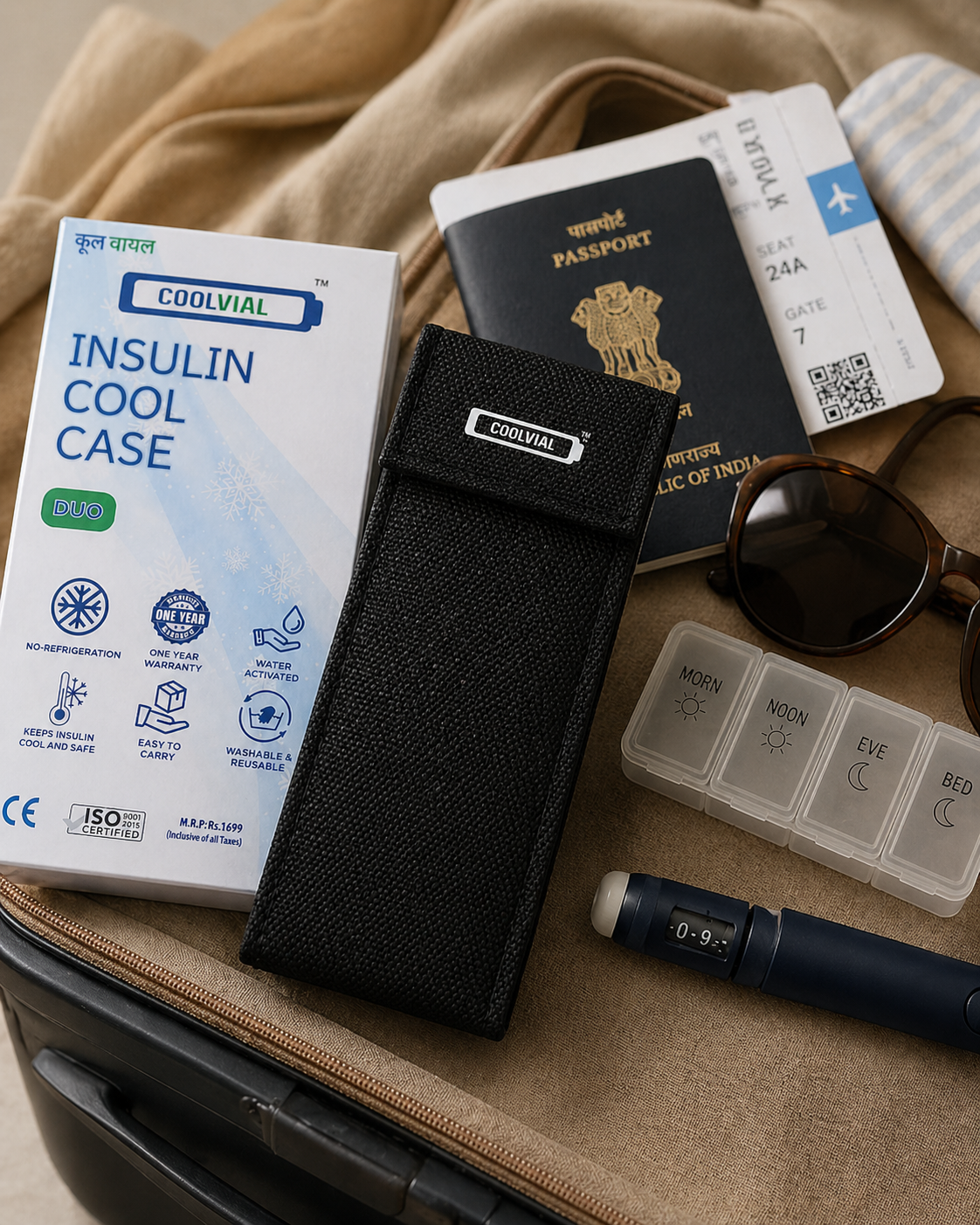
Q: Can I travel with insulin during the monsoon in Vadodara? A: Yes, but with caution. Always carry your insulin in a reliable cooling case like the COOLVIAL Duo to protect it from temperature fluctuations and humidity. Ensure you have extra supplies and a digital copy of your prescription. Be mindful of potential transport delays due to waterlogging.
Q: Are there any specific local brands for airtight containers in Vadodara? A: You can find various reliable brands for airtight containers at local supermarkets and household stores in Vadodara, including Tupperware, Cello, and Borosil. Opt for food-grade plastic or glass containers with secure, airtight seals.
Q: How does COOLVIAL Duo compare in terms of price with other cooling cases? A: The COOLVIAL Duo is priced competitively at Rs 1,099 with code COOLHEAL (MRP Rs 1,699). This makes it a more affordable option compared to international brands like FRIO (often above Rs 1,900) while offering similar 12-16 hour water-activated cooling. It also provides excellent value compared to other Indian alternatives like Outer Woods OW-12 (around Rs 999) by offering robust features and capacity.
Conclusion & Call to Action
Vadodara’s monsoon, while a welcome change from the summer heat, brings with it unique challenges for diabetics. The high humidity, risk of mould, and potential for flooding and transport disruptions can severely impact insulin storage and accessibility. By adopting the 7 essential strategies outlined in this guide – from understanding humidity’s threats and preparing your home against mould, to navigating pharmacy access and utilizing advanced cooling solutions – you can ensure your vital medication remains safe and effective.
Proactive planning, maintaining an emergency stock, and employing smart storage solutions are not just recommendations; they are critical steps to safeguard your health and maintain consistent diabetes management throughout the monsoon season in Vadodara. Don’t let the weather compromise your well-being.
Take control of your insulin safety this monsoon. Order your COOLVIAL Duo today at an exclusive price of Rs 1,099 with code COOLHEAL at coolvial.com or simply reach out via WhatsApp at wa.me/918766952300. Protect your insulin, protect your health.
Methodology Note
This article is based on a thorough analysis of insulin storage queries from Vadodara diabetics, incorporating best practices from RSSDI (Research Society for the Study of Diabetes in India) guidelines, general ICMR-INDIAB (Indian Council of Medical Research - India Diabetes) data on diabetes prevalence and care, and current local information on Vadodara hospital directories, pharmacy networks (e.g., Apollo Pharmacy, MedPlus), and climate patterns. Specific local conditions and challenges were identified through public information on Vadodara Municipal Corporation (VMC) flood reports and general climate data.
Medical Disclaimer
This article is for general information and educational purposes only. It is not intended to be a substitute for professional medical advice, diagnosis, or treatment. Always consult your endocrinologist or diabetologist or other qualified healthcare provider before making any changes to your insulin storage, dosing practices, or diabetes management plan. Never disregard professional medical advice or delay in seeking it because of something you have read in this article.
7 Essential Strategies: Protecting Your Insulin from Vadodara Monsoon Humidity
Insulin at 2-8°C for 48+ hours. Trusted by 10,000+ Indian diabetics.