
Reviewed by the COOLVIAL Editorial Team — specialists in insulin storage for Indian climate conditions.
For newly diagnosed Indian diabetics, correctly storing insulin is paramount to managing blood sugar effectively. Insulin is a temperature-sensitive medication, and improper storage can quickly render it ineffective, leading to dangerous fluctuations in blood glucose levels. The 10 critical insulin storage mistakes newly diagnosed Indian diabetics make often revolve around exposure to extreme temperatures, incorrect refrigeration, or ignoring expiry guidelines. Unopened insulin vials and pens must be stored in a refrigerator between 2°C and 8°C. Once opened, most insulin types can be kept at room temperature (below 25°C) for up to 28 days, though some may vary, and insulin spoils above 30°C. Learning these essential practices from the start can prevent serious health complications.
This comprehensive guide will walk you through the most common insulin storage mistakes and provide practical, India-specific solutions to ensure your insulin remains potent and safe. You’ll learn the precise temperature requirements, understand the impact of India’s diverse climate, and discover smart ways to protect your medication, ensuring optimal diabetes management.
Table of Contents
- Why Correct Insulin Storage Matters in India: The Potency Protection Imperative
- Understanding Insulin: Core Storage Concepts for Optimal Efficacy
- Avoiding 10 Critical Insulin Storage Mistakes Newly Diagnosed Indian Diabetics Make
- Navigating India’s Diverse Climate: Insulin Storage Challenges and Solutions
- COOLVIAL: Your Trusted Partner for Insulin Storage in India
- Essential Insulin Storage FAQs for Indian Diabetics
- Conclusion: Empowering Your Diabetes Management Journey
Why Correct Insulin Storage Matters in India: The Potency Protection Imperative
India has a significant and growing diabetic population, with over 101 million people living with diabetes in 2023, according to the International Diabetes Federation (IDF). For many of these individuals, insulin therapy is a lifeline. However, insulin is a delicate protein that can lose its effectiveness if not stored correctly, directly impacting blood sugar control. In India’s varied climatic conditions, proper insulin storage is not just a recommendation; it’s a critical aspect of effective diabetes management.
The primary concern is insulin degradation due to temperature fluctuations. When insulin is exposed to temperatures outside its recommended range (typically 2-8°C for unopened, and up to 25-30°C for opened vials/pens, depending on the manufacturer), its molecular structure can change. This alteration reduces its ability to lower blood glucose, potentially leading to hyperglycemia despite regular injections. A study highlighted the challenges, noting that “temperature excursion is a major issue with insulin storage.” (Source: NCBI PMC6082533).
Improper insulin storage can result in several serious consequences:
- Loss of Efficacy: The most immediate impact is that the insulin simply stops working as intended. Patients might inject their prescribed dose but see no reduction in blood sugar, leading to frustration and poor glycemic control.
- Increased Risk of Complications: Persistent high blood sugar, a result of ineffective insulin, increases the risk of both acute complications like diabetic ketoacidosis and long-term issues such as neuropathy, retinopathy, and nephropathy.
- Financial Burden: Insulin is an expensive medication for many Indian families. Wasting insulin due to improper storage adds an unnecessary financial strain, forcing patients to purchase replacements sooner than expected.
- Psychological Stress: Dealing with a chronic condition like diabetes is already challenging. The added stress of worrying about insulin’s integrity, especially during travel or power cuts common in many parts of India, can significantly affect a patient’s mental well-being.
Understanding these risks underscores why avoiding common insulin storage mistakes is essential for newly diagnosed Indian diabetics. It empowers them to take proactive steps, ensuring their medication remains effective and their health stays on track.
Understanding Insulin: Core Storage Concepts for Optimal Efficacy
Insulin, a vital hormone for blood glucose regulation, is a protein. Like many proteins, its structure is sensitive to environmental factors, especially temperature. Maintaining the correct storage conditions is crucial to preserve its potency and ensure it works effectively to manage diabetes. Deviating from these guidelines can render your insulin useless, leading to uncontrolled blood sugar levels.
Temperature Ranges: The Golden Rule of Insulin Storage
10 Critical Insulin Storage Mistakes Newly Diagnosed Indian Diabetics Make
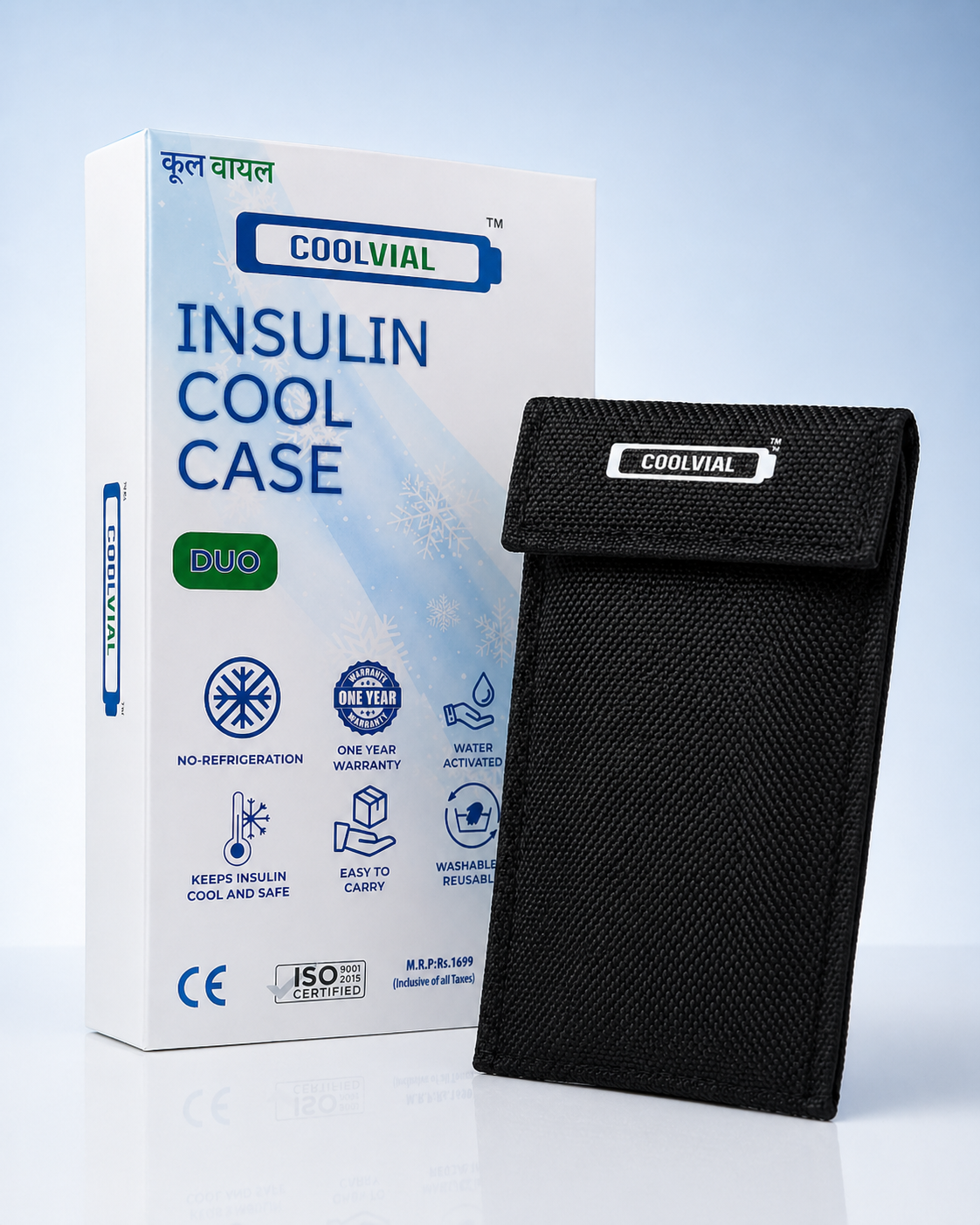
Don't let Indian heat spoil your insulin. COOLVIAL protects it for 48+ hours — at home, travelling, or during power cuts.
The most critical factor in insulin storage is temperature. There are distinct guidelines for unopened and opened insulin:
- Unopened Insulin: All unopened insulin vials, cartridges, and pens should be stored in a refrigerator. The ideal temperature range is 2°C to 8°C (36°F to 46°F). This is the standard for long-term storage, often until the expiry date printed on the packaging. Never store unopened insulin in the freezer; freezing destroys insulin.
- Opened Insulin (In-Use): Once an insulin vial or pen is opened, it can typically be stored at room temperature. The recommended range is 15°C to 25°C (59°F to 77°F), though some manufacturers allow up to 30°C. Crucially, opened insulin has a limited shelf life, usually 28 days (4 weeks), regardless of whether it’s kept in the fridge or at room temperature. Always check the specific manufacturer’s instructions, as this can vary (some pens last up to 42 days).
Shelf Life: Beyond the Expiry Date
The expiry date on an unopened insulin package applies only if it has been stored correctly in the refrigerator. Once opened or removed from refrigeration for continuous use, a new clock starts ticking.
- Unopened, Refrigerated: Valid until the expiry date on the box.
- Opened/In-Use (Room Temperature): Generally valid for 28 days (or as per manufacturer’s guidelines, e.g., 6 weeks for some pens). Mark the date of opening on the vial or pen to avoid confusion.
- Insulin Pens: Many pre-filled insulin pens follow similar 28-day (or specific manufacturer’s) guidelines once in use. Do not refrigerate pens that are currently in use, as cold insulin can be painful to inject and the rapid temperature changes can damage the pen mechanism.
Visual Checks: Spotting Spoiled Insulin
Before every injection, it’s vital to visually inspect your insulin. Changes in appearance can indicate that the insulin has degraded and is no longer effective.
- Clear Insulin (e.g., rapid-acting, long-acting): Should be clear and colourless, like water. If it appears cloudy, discoloured, or has particles floating in it, it should be discarded.
- Cloudy Insulin (e.g., NPH, mixed insulin): Should be uniformly cloudy or milky. If you see clumps, particles, or a frosted appearance, or if it doesn’t mix properly after gentle rolling, discard it.
- Texture Changes: If insulin feels gritty, stringy, or unusually thick, it’s a sign of degradation.
| Insulin Type | Unopened Storage (Fridge) | Opened/In-Use Storage (Room Temp) | Shelf Life (Opened) | Visual Appearance (Normal) |
|---|---|---|---|---|
| Clear Insulin | 2-8°C until expiry | 15-25°C (up to 30°C) | 28 days | Clear, colourless, no particles |
| Cloudy Insulin | 2-8°C until expiry | 15-25°C (up to 30°C) | 28 days | Uniformly cloudy/milky |
Always remember that once insulin has been frozen, or has been exposed to temperatures above 30°C for an extended period, it must be discarded, even if it looks normal. The chemical integrity might be compromised without visible signs.
Avoiding 10 Critical Insulin Storage Mistakes Newly Diagnosed Indian Diabetics Make
Understanding the basics is the first step; avoiding common pitfalls is the next. Newly diagnosed individuals in India often face unique challenges due to climate, infrastructure, and lack of awareness. Here are 10 critical insulin storage mistakes to avoid:
10 Critical Insulin Storage Mistakes Newly Diagnosed Indian Diabetics Make
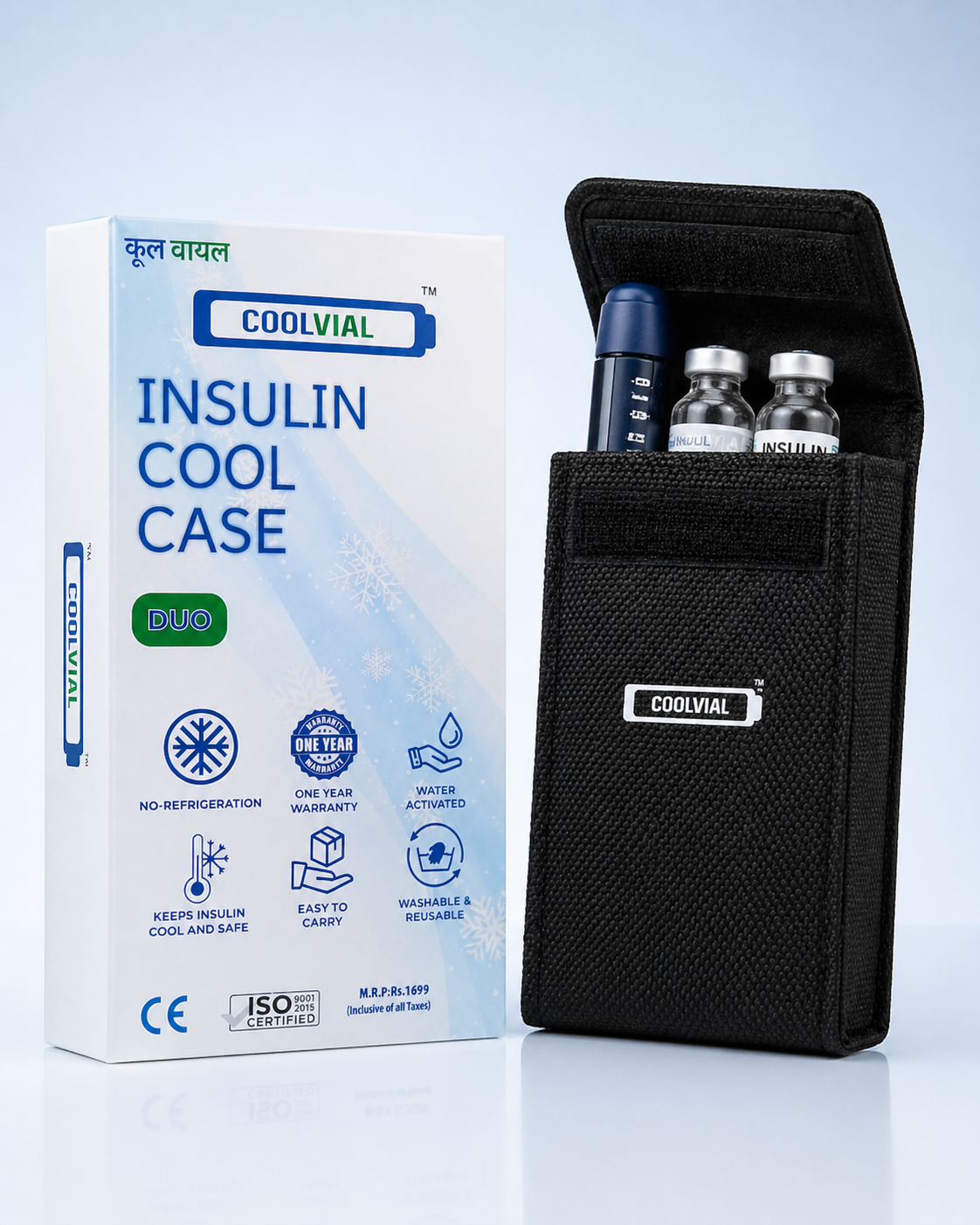
Keep your insulin safe in India's extreme heat. COOLVIAL works for 48+ hours without electricity.
-
Mistake 1: Storing Unopened Insulin at Room Temperature for Too Long
- The Error: Believing all insulin can be kept out of the fridge, or forgetting to refrigerate new stock. Unopened insulin is meant for long-term storage in the cold.
- The Fix: Always store unopened insulin vials and pens in the refrigerator at 2-8°C. Buy only what you need for a few months, and ensure your pharmacy also stores it correctly.
-
Mistake 2: Freezing Insulin
- The Error: Attempting to “over-chill” insulin, or placing it too close to the freezer compartment in a conventional fridge. Freezing destroys insulin’s protein structure.
- The Fix: Never freeze insulin. Keep it away from the back wall of the refrigerator, especially in older models, where temperatures can drop below freezing. If insulin freezes, even partially, discard it.
-
Mistake 3: Exposing In-Use Insulin to High Heat
- The Error: Leaving opened insulin in a hot car, near a sunny window, or carrying it in a bag exposed to direct sun during peak Indian summers (temperatures can exceed 45°C in cities like Delhi or Jaipur).
- The Fix: Opened insulin, while okay at room temperature, must be kept below 25-30°C. Use an insulated carrier or a specialized COOLVIAL insulin cool case when travelling or outdoors in hot weather.
-
Mistake 4: Disregarding the 28-Day Rule for Opened Insulin
- The Error: Continuing to use an opened vial or pen for longer than 28 days (or manufacturer-specified duration), assuming it’s still good if stored correctly.
- The Fix: Mark the date of opening on the insulin packaging. Discard any opened insulin after 28 days, even if there’s still medication left and it looks fine. Its potency degrades over time.
-
Mistake 5: Not Checking Insulin Visually Before Use
- The Error: Injecting insulin without first inspecting it for changes in colour, clarity, or presence of particles.
- The Fix: Always perform a quick visual check. Clear insulin should be clear; cloudy insulin should be uniformly cloudy. If anything looks unusual, discard it immediately.
-
Mistake 6: Storing Insulin in Direct Sunlight or Bright Light
- The Error: Leaving insulin on a windowsill, in a transparent bag, or any place where it’s exposed to direct sunlight or strong artificial light.
- The Fix: Store insulin in its original carton or a dark, opaque container to protect it from light, which can also degrade its potency.
-
Mistake 7: Storing Insulin in the Bathroom
- The Error: Keeping insulin in the bathroom medicine cabinet, a common practice for other medications, due to fluctuating humidity and temperature.
- The Fix: Bathrooms experience significant temperature and humidity changes, which are detrimental to insulin. Choose a cool, dry place away from heat and moisture for in-use insulin.
-
Mistake 8: Carrying Insulin in Your Pocket
- The Error: Using body heat to warm insulin or carrying it in a tight pocket where body temperature can raise its temperature significantly.
- The Fix: While a brief period in a pocket might be okay, prolonged contact with body heat can warm insulin above safe levels. Use a dedicated carry case.
-
Mistake 9: Not Planning for Travel or Power Cuts
- The Error: Forgetting to consider how to maintain insulin’s temperature during long bus journeys, train travel, or during India’s frequent power outages, especially in rural areas or during summers.
- The Fix: Always have a plan. For travel, use a reliable insulin cool case. During power cuts, ensure your fridge door is kept closed, or transfer insulin to a pre-cooled insulated container with ice packs (ensuring no direct contact with ice).
-
Mistake 10: Relying Solely on “Feel” for Temperature
- The Error: Assuming a place feels cool enough for insulin without verifying the actual temperature.
- The Fix: Consider using a small thermometer in your fridge or cool case if you’re unsure about temperature consistency, especially in older appliances. Precise temperature control is vital.
By actively avoiding these common insulin storage mistakes, newly diagnosed Indian diabetics can significantly improve their diabetes management and ensure their insulin remains effective when they need it most.
Navigating India’s Diverse Climate: Insulin Storage Challenges and Solutions
India’s vast geography presents a unique set of challenges for insulin storage, from the scorching heat of the northern plains to the high humidity of coastal regions and the chilling winters of the Himalayas. Understanding these regional variations is key to effective diabetes management.
Summer Heatwaves: A Major Threat
Regions like Rajasthan, Uttar Pradesh, Madhya Pradesh, and the Delhi NCR often experience extreme heatwaves, with summer temperatures routinely soaring above
"Finally a cooler that works in Indian summers. Insulin stayed perfect during a 3-day power cut." — Ramesh, Chennai
10 Critical Insulin Storage Mistakes Newly Diagnosed Indian Diabetics Make
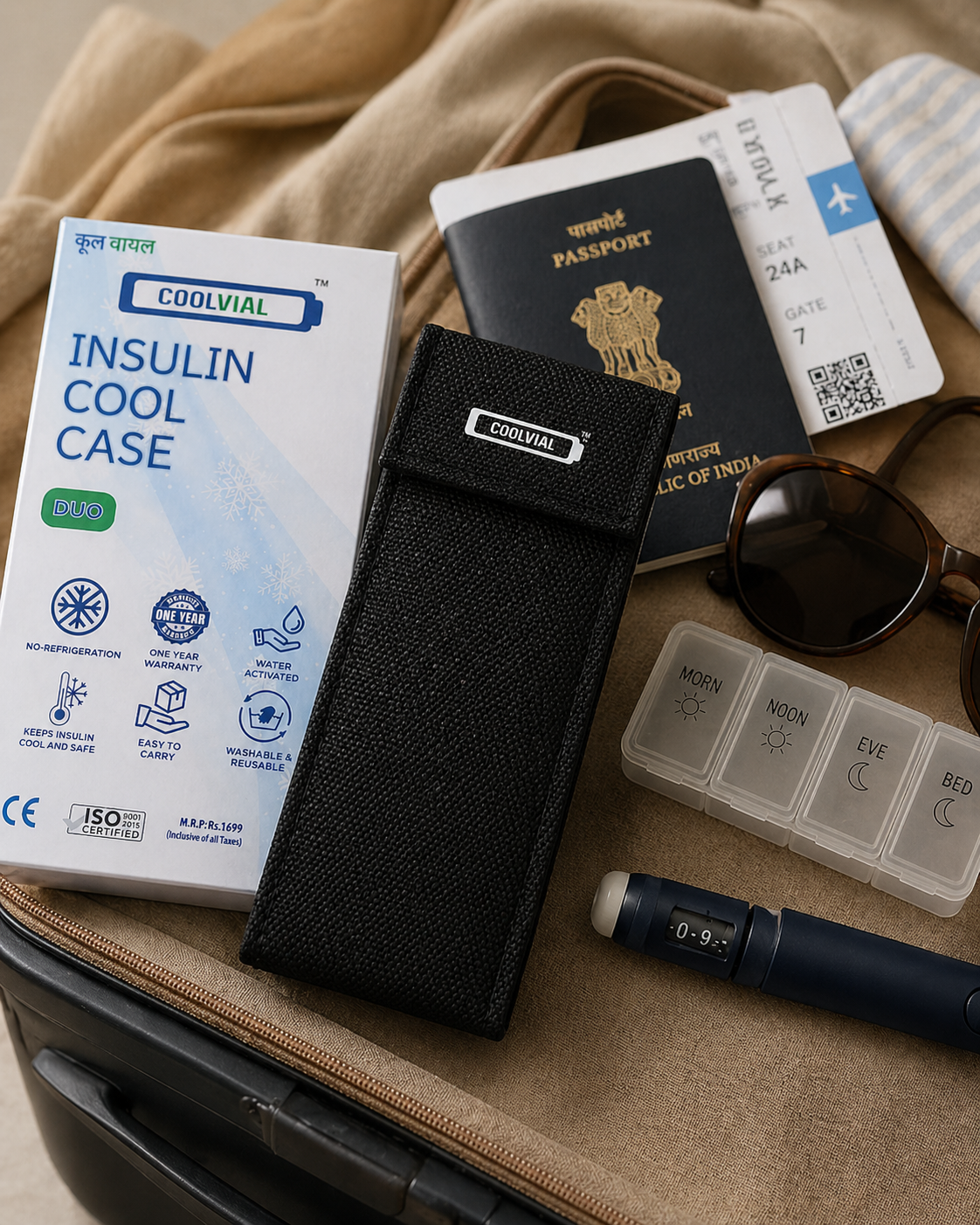
CE Certified · Free Delivery · 1-Year Warranty · Made for India
📲 Buy on WhatsApp — ₹1,099🛒 Buy Now — ₹1,099