Reviewed by the COOLVIAL Editorial Team — specialists in insulin storage for Indian climate conditions.
Apidra insulin, like all insulins, is a temperature-sensitive medication that requires precise storage to maintain its efficacy. In India, where temperatures can soar above 45°C in many regions during summer, ensuring proper Apidra storage in Indian conditions, heat, travel, and power cuts is a critical challenge for millions of diabetics. Unopened Apidra must be kept refrigerated at 2-8°C, while opened vials or pens can typically be stored at room temperature (below 25°C) for up to 28 days. However, exceeding these temperatures can quickly degrade the insulin, rendering it ineffective and potentially leading to dangerous fluctuations in blood sugar levels. This guide provides 7 essential tips and practical solutions to navigate these unique Indian challenges, ensuring your Apidra remains potent and safe, whether at home or on the go.
The fluctuating climate, frequent power outages, and extensive travel involved in daily life or during festivals across India demand proactive strategies for insulin management. With India being home to over 101 million people living with diabetes in 2023 (Source: IDF Diabetes Atlas 10th Edition), understanding and implementing correct insulin storage protocols is not just a recommendation, but a necessity for effective diabetes management. This comprehensive article will delve into the science of Apidra storage, highlight India-specific challenges, and offer actionable advice, including the role of innovative solutions like the COOLVIAL insulin cool case.
Table of Contents
- Why Apidra Storage Matters in India: The Unique Challenges
- Core Concepts of Insulin Storage: How Apidra Works and Its Temperature Needs
- Practical Tips for Apidra Storage in Indian Conditions: Heat, Travel, and Power Cuts
- India-Specific Context: Climate, Infrastructure, and Lifestyle Impacts on Apidra Storage
- COOLVIAL as a Smart Solution for Apidra Storage in Indian Conditions
- Frequently Asked Questions About Apidra Storage
- Ensuring Continuous Care: Apidra Storage in Everyday Life
Why Apidra Storage Matters in India: The Unique Challenges
India’s diverse geography presents a spectrum of climatic conditions, from the scorching deserts of Rajasthan to the humid coasts of Kerala and the chilly mountains of Himachal Pradesh. However, a common thread across much of the country is intense heat, especially during the summer months from April to June. Cities like Delhi, Nagpur, and Ahmedabad frequently experience temperatures exceeding 40°C, often reaching 45°C or more. Such extreme heat poses a direct threat to the stability of insulin, including Apidra. Insulin exposed to temperatures above its recommended range quickly loses its potency, which can lead to dangerously high blood sugar levels for individuals relying on it.
Beyond ambient heat, the reliability of power supply is another significant factor. While urban centers often have more stable electricity, many tier-2 and tier-3 cities, and especially rural areas, grapple with frequent and prolonged power cuts. A 2022 survey indicated that approximately 78% of Indian households face daily power cuts, particularly during peak summer demand. This directly impacts the ability to maintain refrigerated conditions for unopened Apidra vials, which are crucial for long-term storage. A refrigerator without power can quickly become a warm box, compromising the entire insulin supply.
Travel is an integral part of Indian life, whether for work, family, or festivals. Long-distance train journeys, bus travel, and even daily commutes in crowded environments expose insulin to varying temperatures and physical jostling. During a typical 12-hour train journey from Mumbai to Goa, for instance, temperatures inside non-AC compartments can easily exceed 35°C, making conventional storage methods inadequate. Patients often face the dilemma of how to ensure safe Apidra storage in Indian conditions, heat, travel, and power cuts while on the move, without access to consistent refrigeration.
Furthermore, cultural practices and social gatherings, such as weddings or religious festivals like Diwali and Holi, often involve outdoor activities and extended periods away from home. These situations increase the risk of insulin exposure to heat, direct sunlight, and physical damage. The lack of awareness about proper insulin storage among the general public and even some healthcare providers further complicates the issue. Many individuals with diabetes may not fully understand the critical temperature ranges or the irreversible damage caused by improper storage. This highlights the urgent need for clear, practical guidelines tailored to the Indian context, empowering diabetics to manage their Apidra effectively and safely.
Common Challenges for Insulin Storage in India:
| Challenge Category | Specific Issues | Impact on Insulin |
|---|---|---|
| Environmental | High ambient temperatures (e.g., Delhi summers > 45°C) | Rapid degradation, loss of potency, increased risk of hyperglycemia. |
| Infrastructure | Frequent and prolonged power cuts (up to 78% households affected) | Refrigerators fail, compromising unopened insulin stock. |
| Travel | Long journeys (trains, buses), crowded environments, lack of refrigeration on-the-go | Exposure to fluctuating temperatures, physical damage, reduced shelf life. |
| Awareness | Limited knowledge on precise storage requirements and consequences of errors | Suboptimal storage practices, leading to ineffective medication and health risks. |
Core Concepts of Insulin Storage: How Apidra Works and Its Temperature Needs
Understanding the fundamental principles of insulin storage is paramount for anyone using Apidra. Apidra (insulin glulisine) is a rapid-acting insulin analog, designed to lower blood sugar quickly after meals. Its efficacy is directly tied to its molecular structure, which can be easily compromised by extreme temperatures. When insulin is exposed to heat or freezing, its protein structure can denature, leading to a loss of potency. This means that even if the insulin appears normal, it might not work as intended, putting your health at risk.
There are two primary storage conditions for Apidra, depending on whether the vial or pen is unopened or has been opened and is in use:
Unopened Apidra Storage
Unopened Apidra vials or SoloStar pens must be stored in a refrigerator at a temperature between 2°C and 8°C (36°F and 46°F). This is the optimal range to preserve its full shelf life, typically until the expiry date printed on the packaging. Storing Apidra below 2°C can lead to freezing, which damages the insulin structure irreversibly. Similarly, temperatures above 8°C will shorten its shelf life significantly, even if it hasn’t been opened. It is crucial to avoid storing Apidra in the freezer compartment or too close to the freezer element in a conventional refrigerator, as this can lead to accidental freezing.
Opened Apidra Storage (In-Use)
Once an Apidra vial or SoloStar pen is opened (i.e., the stopper has been punctured or the pen cap removed for first use), the storage requirements change. It no longer needs refrigeration but must be kept at room temperature, ideally below 25°C (77°F). Apidra, once opened, is stable for 28 days (4 weeks) when stored under these conditions. It’s essential to note that the 28-day period begins from the first use, regardless of whether it’s kept in the fridge or at room temperature. After 28 days, any remaining insulin should be discarded, even if it appears clear and has not reached its expiry date.
7 Essential Tips for Apidra Storage in Indian Conditions: Heat, Travel & Power Cuts
Keep your insulin safe in India's extreme heat. COOLVIAL works for 48+ hours without electricity.
Understanding Temperature Excursions
Temperature excursions are a major concern, particularly in India. If Apidra is exposed to temperatures above 25°C for extended periods, even if it’s within the 28-day in-use window, its potency can diminish. Exposure to temperatures above 30°C can cause significant degradation, rendering the insulin completely ineffective within hours. Signs of degraded insulin include cloudiness, discoloration, or the presence of particles, but often, the insulin may look normal even after losing potency. Therefore, strict adherence to temperature guidelines is non-negotiable for safe Apidra storage in Indian conditions, heat, travel, and power cuts. Always check the manufacturer’s specific instructions, which are usually found in the package insert, as slight variations can exist between different insulin brands and formulations.
Practical Tips for Apidra Storage in Indian Conditions: Heat, Travel, and Power Cuts
Navigating the unique challenges of India’s climate requires a proactive approach to Apidra storage. Here are practical, actionable tips to ensure your insulin remains effective and safe, even amidst heatwaves, extensive travel, and unexpected power outages.
-
Invest in a Reliable Insulin Cool Case:
- For daily use and short trips, a quality insulin cool case is indispensable. Look for cases designed to maintain temperatures between 2-8°C or below 25°C for extended periods without electricity.
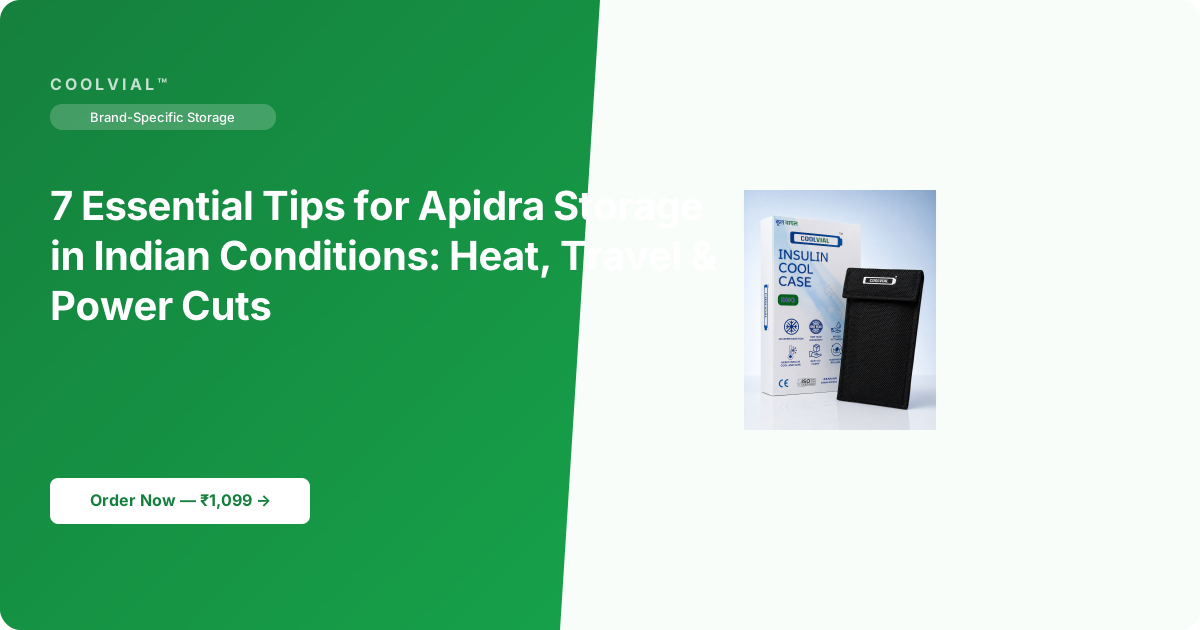
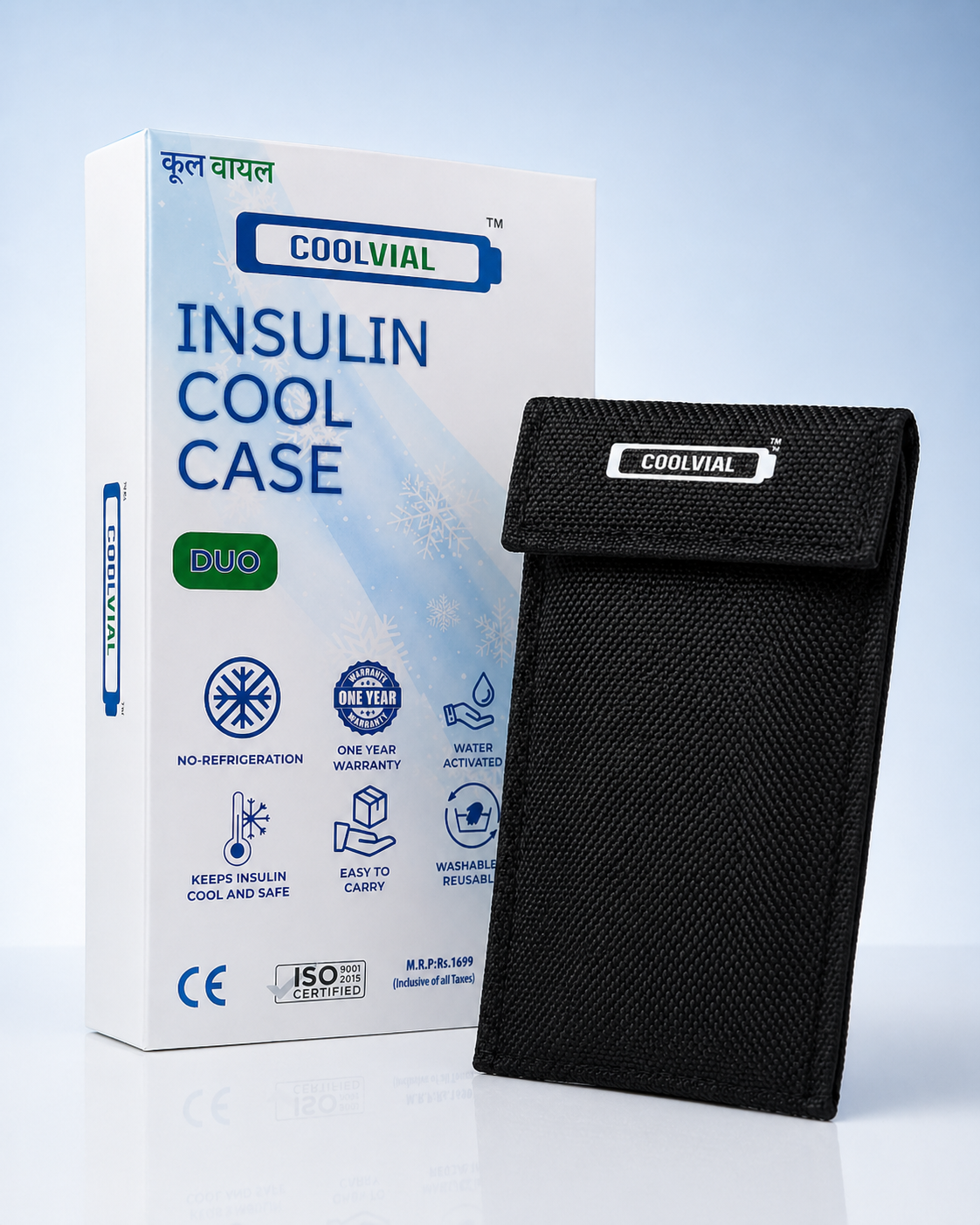
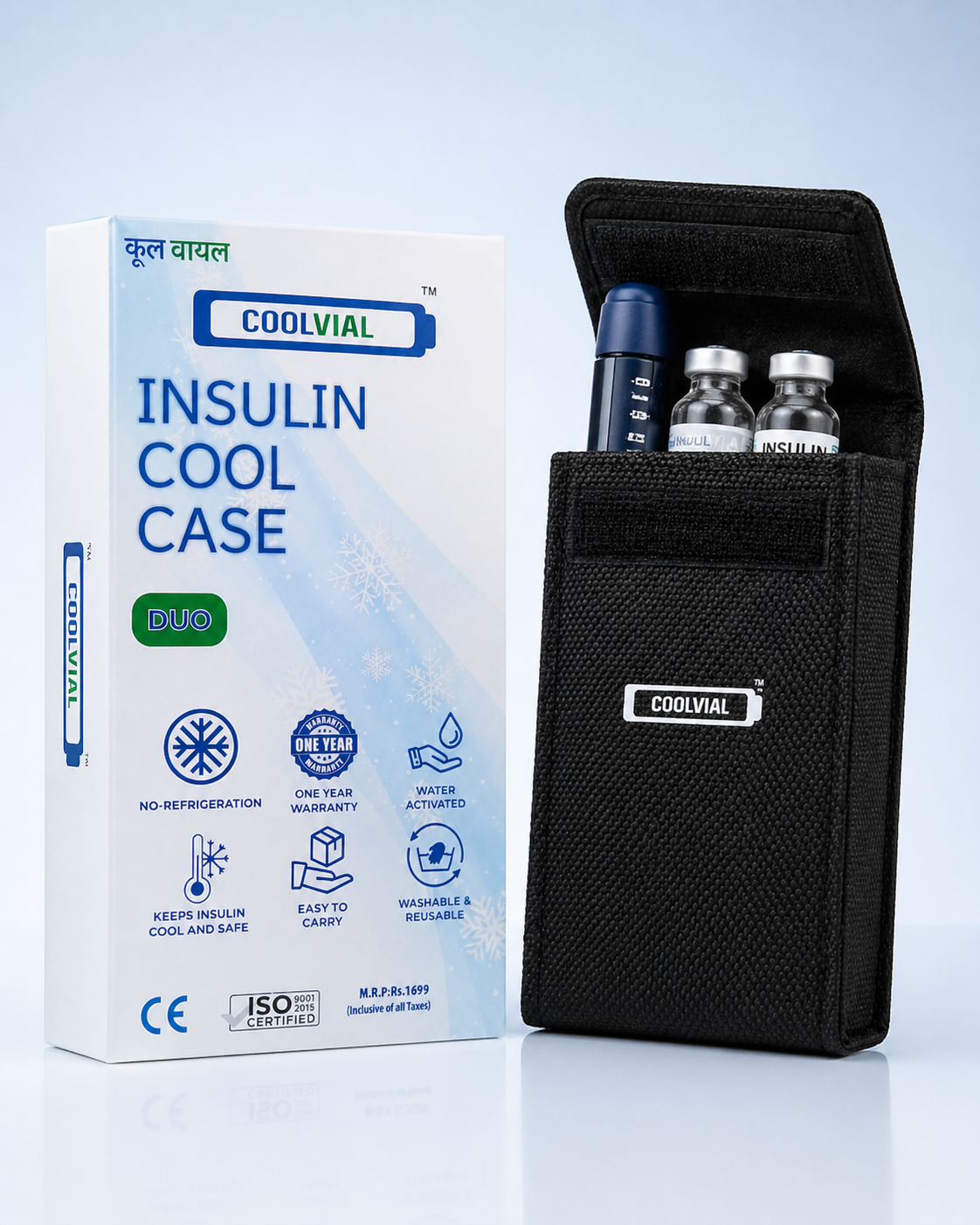
- Products like the COOLVIAL insulin cool case are specifically engineered for Indian conditions, providing a stable, cool environment for your Apidra pens or vials. They are ideal for managing Apidra storage in Indian conditions, heat, travel, and power cuts.
-
Strategic Home Storage during Power Cuts:
- Backup Power: Consider investing in a small inverter or a power bank for critical medical devices and a mini-fridge if power cuts are frequent and prolonged in your area (e.g., rural Maharashtra or Uttar Pradesh).
- Insulated Containers: If a power cut occurs, transfer unopened Apidra from the refrigerator to a well-insulated cooler with ice packs. Ensure the ice packs do not directly touch the insulin to prevent freezing. Use a thermometer to monitor the internal temperature.
- Limited Opening: During power cuts, avoid opening your refrigerator or freezer frequently to retain the cold air inside for as long as possible.
-
Smart Travel Planning:
- Pre-Cooling: Always pre-cool your insulin cool case before placing Apidra inside.
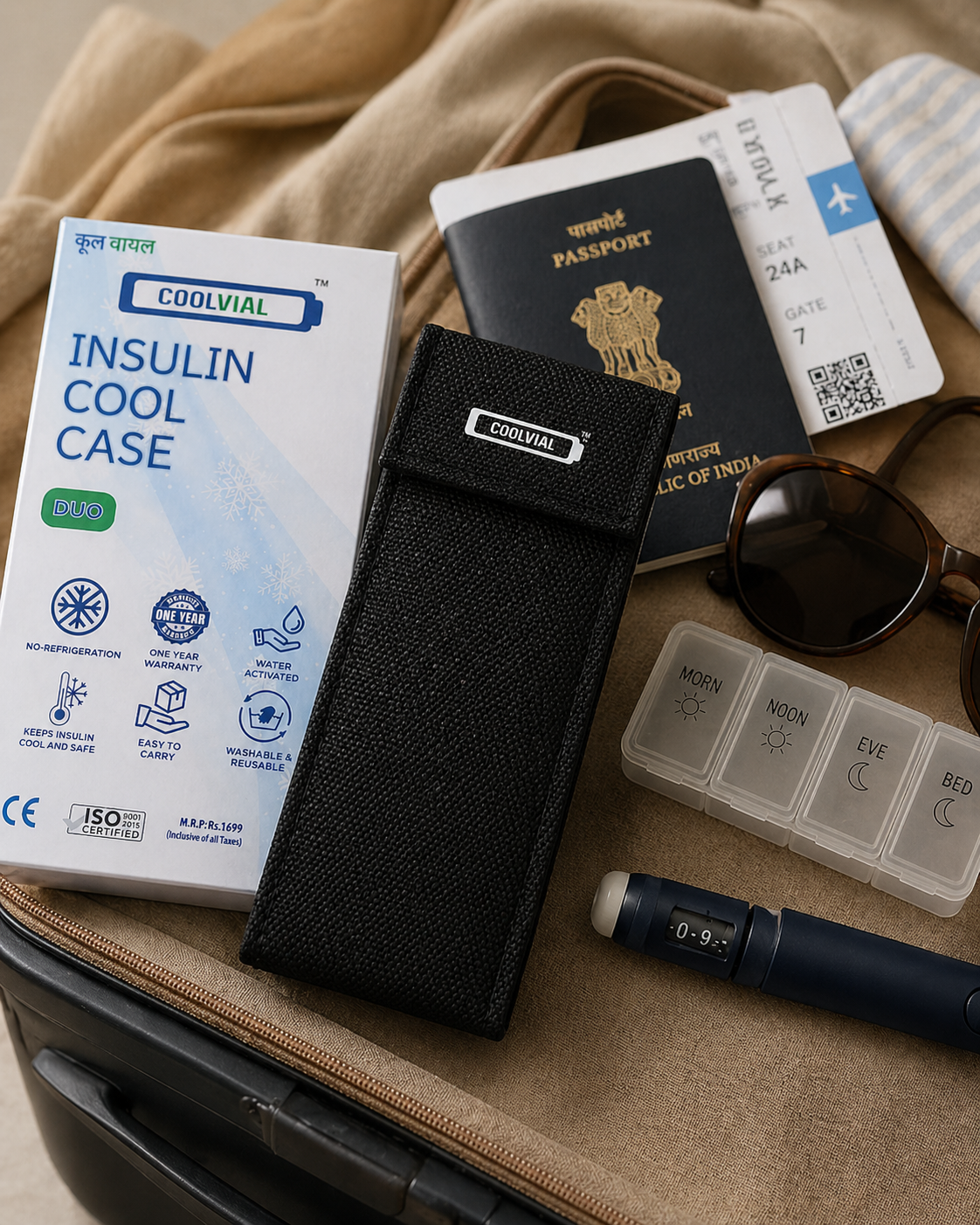
- Carry-On Luggage: When flying, always carry your insulin in your carry-on bag. Checked luggage can be exposed to extreme temperatures that can freeze or overheat insulin.
- Avoid Direct Sunlight: Whether traveling by car, train, or bus, never leave your insulin in direct sunlight or in a hot vehicle compartment. Store it in a cool case kept under your seat or in a shaded area.
- Buffer Supply: Carry a slightly larger supply of Apidra than you anticipate needing for your trip, in case of delays or unexpected storage issues.
-
Temperature Monitoring is Key:
- Refrigerator Thermometer: Keep a thermometer in your home refrigerator to ensure it consistently maintains 2-8°C.
- Portable Thermometer: Use a small, portable thermometer with your cool case, especially during travel, to verify that your Apidra is within safe temperature limits.
-
Understand Your Insulin’s Lifespan:
- Opened vs. Unopened: Remember, unopened Apidra requires refrigeration until its expiry date. Once opened, it’s good for 28 days at room temperature (below 25°C).
- Label and Track: Label your Apidra pens/vials with the date they were opened to keep track of the 28-day window. This is critical for maintaining effectiveness.
-
Emergency Preparedness Kit:
- Beyond your cool case, have a small kit ready with extra needles, alcohol swabs, blood glucose strips, and a fast-acting glucose source. This ensures you’re prepared for any diabetes-related emergency, especially when away from home.
-
Educate Yourself and Others:
- Share these Apidra storage in Indian conditions, heat, travel, and power cuts tips with family members, friends, or travel companions who might assist you in an emergency. Knowledge empowers everyone to support your diabetes management effectively.
By integrating these practical tips into your routine, you can significantly reduce the risks associated with improper insulin storage in challenging Indian environments.
India-Specific Context: Climate, Infrastructure, and Lifestyle Impacts on Apidra Storage
India’s unique socio-economic and geographical landscape profoundly impacts how individuals manage their insulin. The sheer scale of the population, combined with diverse regional characteristics, necessitates a tailored approach to insulin storage.
Regional Climate Variations and Their Impact
- Northern Plains (e.g., Delhi, Uttar Pradesh, Punjab): Summers are characterized by intense heat (often exceeding 45°C) and dry conditions. Winters can be surprisingly cold, with temperatures dipping to 0-5°C, posing a risk of freezing if insulin is left unprotected. The high summer temperatures make proper Apidra storage in Indian conditions exceptionally challenging, demanding robust cooling solutions.
- Coastal Regions (e.g., Mumbai, Chennai, Kolkata): High humidity accompanies warm temperatures throughout much of the year. While not as intensely hot as the plains, sustained temperatures above 30°C and high humidity can also accelerate insulin degradation. Humidity can also affect the integrity of insulin packaging and devices.
- Central India (e.g., Madhya Pradesh, Telangana): Experiences a continental climate with hot summers and moderate winters. Power cuts are a more pronounced issue here, making reliance on refrigerators for unopened Apidra storage risky.
- Hilly Regions (e.g., Himachal Pradesh, Uttarakhand): Generally cooler, but sudden drops in temperature can still pose a freezing risk. Travel to remote areas might mean limited access to reliable electricity for refrigeration.
Infrastructure Challenges
- Electricity Supply: As mentioned, power outages are a reality across India. This directly affects the 2-8°C requirement for unopened Apidra. A refrigerator that is off for several hours can quickly warm up, making its contents unsafe for insulin storage.
- Road and Rail Networks: India’s extensive road and rail network facilitates widespread travel, but these modes often lack temperature-controlled environments suitable for insulin. Buses, non-AC train coaches, and even cars parked in the sun can reach extreme temperatures.
- Healthcare Access: While expanding, access to pharmacies and cold chain facilities might be limited in remote villages. This means individuals often need to carry larger insulin stocks, increasing the need for personal storage solutions.
Lifestyle and Cultural Factors
7 Essential Tips for Apidra Storage in Indian Conditions: Heat, Travel & Power Cuts
Keep your insulin safe in India's extreme heat. COOLVIAL works for 48+ hours without electricity.
- Festivals and Family Gatherings: India is a land of festivals, often involving travel to ancestral homes, outdoor celebrations, and extended stays away from regular routines. During festivals like Diwali, Eid, or Onam, people might travel long distances, stay in homes without adequate refrigeration, or spend hours outdoors. This underscores the need for portable and reliable Apidra storage in Indian conditions, heat, travel, and power cuts.
- Dietary Habits: While not directly related to storage, the varied and often carbohydrate-rich Indian diet means consistent insulin efficacy is even more critical for effective blood sugar management. Compromised insulin could lead to poor glycemic control, especially around meal times.
- Awareness and Education: There’s a continuous need for public health campaigns to raise awareness about diabetes management, including the crucial aspect of insulin storage. Many individuals, especially in rural areas, may not receive comprehensive education on this topic.
Considering these multifaceted factors, personal insulin cooling solutions become not just a convenience but a necessity for millions of Indians living with diabetes. Relying solely on conventional refrigeration is often impractical or insufficient given the environmental and infrastructural realities.
Regional Temperature Considerations for Apidra Storage:
| Indian Region | Typical Summer Temperatures | Typical Winter Temperatures | Key Storage Concern |
|---|---|---|---|
| Northern Plains | 40°C - 48°C | 0°C - 10°C | Extreme heat (degradation), potential freezing in winter |
| Coastal Areas | 30°C - 38°C (humid) | 20°C - 28°C | Sustained warmth, humidity (degradation) |
| Central India | 38°C - 45°C | 10°C - 20°C | High heat (degradation), significant power cuts |
| Hilly Regions | 20°C - 30°C | -5°C - 15°C | Potential freezing, remote access challenges |
COOLVIAL as a Smart Solution for Apidra Storage in Indian Conditions
Given the intricate challenges of maintaining optimal insulin temperatures in India, a reliable and portable cooling solution is not merely an accessory but an essential tool for diabetes management. This is where COOLVIAL insulin cool cases offer a smart, practical answer to the complexities of Apidra storage in Indian conditions, heat, travel, and power cuts.
COOLVIAL cases are specifically designed with the Indian climate in mind. They utilize advanced insulation technology and cooling elements to maintain a safe temperature range for your Apidra, whether it’s unopened (requiring 2-8°C) or in-use (requiring below 25°C). Their robust construction means they can withstand the rigors of daily use and travel, providing peace of mind for diabetics across the country.
Key Benefits of COOLVIAL for Apidra Users:
- Extended Cooling Duration: COOLVIAL cases are engineered to keep insulin cool for many hours, often exceeding 24-36 hours, making them ideal for long journeys by train, bus, or car, and for periods of prolonged power outages. This ensures that your Apidra remains potent and effective, even when you’re far from a refrigerator.
- Protection from Extreme Temperatures: The multi-layered insulation effectively shields Apidra from external heat spikes, common during Indian summers. It also protects against accidental freezing in cooler climates or if placed too close to ice packs without proper buffering.
- Portability and Convenience: Lightweight and compact, COOLVIAL cases are easy to carry in a handbag, backpack, or even on a two-wheeler. This portability is crucial for individuals who need to administer Apidra multiple times a day or who travel frequently for work or social commitments.
- Cost-Effective and Durable: Priced at ₹1,099, the COOLVIAL cool case is an affordable, one-time investment that safeguards your valuable insulin supply. Its durable design ensures it can be used for years, offering long-term protection against insulin degradation.
- Simple to Use: Most COOLVIAL models operate without electricity, relying on pre-frozen gel packs or water-activated cooling mechanisms. This simplicity makes them highly reliable, especially in areas with unstable power grids.
Imagine a diabetic living in Chennai, needing to travel to a family wedding in Madurai during the peak of summer. Without a reliable cool case, their Apidra would be at severe risk of degradation during the journey and subsequent outdoor activities. A COOLVIAL case provides the necessary protection, allowing them to participate in life’s events without compromising their health. Similarly, for someone in Bengaluru experiencing a sudden power cut, knowing their emergency Apidra supply is safely stored in a COOLVIAL case brings immense relief.
Choosing COOLVIAL means choosing a solution tailored to the realities of India – a solution that understands the urgency of proper Apidra storage in Indian conditions, heat, travel, and power cuts. It’s an investment in consistent blood sugar management and overall well-being. To explore the range of solutions and find the perfect fit for your needs, consider checking out the COOLVIAL insulin cool case designed for optimal performance.
Frequently Asked Questions About Apidra Storage
Proper storage of Apidra is a common concern for many individuals with diabetes, especially in a country like India. Here are answers to some frequently asked questions to help clarify best practices.
Q: What happens if Apidra gets too hot? A: If Apidra insulin gets too hot (typically above 25-30°C for an extended period), its protein structure can break down, causing it to lose potency. This means the insulin will not work effectively to lower blood sugar, potentially leading to hyperglycemia and serious health complications. The damage is irreversible, even if the insulin looks normal.
Q: Can I use Apidra if it has been frozen? A: No, you should never use Apidra (or any insulin) that has been frozen. Freezing damages the insulin’s molecular structure, making it ineffective. Even if it thaws and looks normal, its potency will be compromised. Always discard any insulin that has been frozen, as using it can lead to dangerously high blood sugar levels.
Q: How long can Apidra be kept out of the refrigerator once opened? A: Once an Apidra vial or SoloStar pen is opened (first used), it can be stored at room temperature, ideally below 25°C (77°F), for up to 28 days. After 28 days, any remaining insulin must be discarded, even if there is still insulin left and the expiry date has not passed. This 28-day period applies regardless of whether it’s refrigerated or kept at room temperature after opening.
Q: How can I ensure safe Apidra storage during long train travel in India? A: For safe Apidra storage in Indian conditions during long train travel, it is essential to use a reliable insulin cool case specifically designed to maintain the required temperature range. Products like COOLVIAL cases can keep Apidra cool for extended periods without electricity. Always carry your insulin in your hand luggage, avoid direct sunlight, and consider using a portable thermometer to monitor the internal temperature of your cool case. When you need to buy COOLVIAL at ₹1,099, it’s easy to do via WhatsApp for your travel needs.
Q: Is it safe to store Apidra in a regular ice box with ice? A: While a regular ice box with ice can keep things cold, direct contact with ice can freeze insulin. To safely use an ice box, place your Apidra in a protective container or wrap it well, and then place it among gel packs or ice that are separated from the insulin by a cloth or other insulating material. Regularly check the temperature with a thermometer to ensure it stays between 2-8°C and does not freeze.
Ensuring Continuous Care: Apidra Storage in Everyday Life
Managing diabetes in India requires a vigilant and informed approach, particularly concerning medication storage. Apidra, as a rapid-acting insulin, plays a crucial role in post-meal blood sugar control, and its efficacy is directly dependent on proper handling and storage. The overarching goal is to maintain the insulin’s integrity from the moment you purchase it until the last dose is administered within its safe usage window. This means being consistently mindful of the environmental factors that can compromise it.
The daily realities of Indian life – the bustling markets of Delhi, the humid offices in Mumbai, the long commutes in Bengaluru, or the serene but often remote villages – all present unique scenarios where insulin can be at risk. It’s not just about grand journeys or major power cuts; it’s about the cumulative effect of small temperature excursions over time that can gradually reduce Apidra’s potency. Therefore, incorporating smart storage habits into your everyday routine is key.
Remember to always consult your healthcare provider for personalized advice on your diabetes management plan and insulin storage. They can offer specific guidance based on your individual needs and the local conditions you face. While this article provides comprehensive information on Apidra storage in Indian conditions, heat, travel, and power cuts, it should complement, not replace, medical advice.
COOLVIAL is committed to empowering individuals with diabetes to live full and active lives without the constant worry of insulin degradation. Our solutions are designed to address the very real challenges faced by Indian diabetics, offering a bridge between medical necessity and practical feasibility. By choosing reliable storage methods and tools, you are taking a significant step towards better health outcomes and greater independence in managing your diabetes. For more comprehensive insulin storage tips and solutions, explore our resources.
Take control of your Apidra storage today. Ensure your insulin stays effective and potent, no matter where life takes you in India. Order your COOLVIAL insulin cool case directly via WhatsApp at wa.me/918766952300 for just ₹1,099.
7 Essential Tips for Apidra Storage in Indian Conditions: Heat, Travel & Power Cuts
Don't let Indian heat spoil your insulin. COOLVIAL protects it for 48+ hours — at home, travelling, or during power cuts.