Reviewed by the COOLVIAL Editorial Team — specialists in insulin storage for Indian climate conditions.
Traveling by train in India, especially on long-distance routes like the Rajdhani and Vande Bharat Express, can be an enriching experience. However, for individuals managing diabetes, ensuring the safe storage and transport of insulin is a critical concern. Insulin is a temperature-sensitive medication that must be kept within a specific range, typically 2-8°C for unopened vials and pens, and generally below 25-30°C once opened, to maintain its efficacy. Failure to do so can render the insulin ineffective, leading to dangerously high blood sugar levels. This guide provides 7 essential tips for safely carrying insulin on Rajdhani and Vande Bharat in India, ensuring your medication remains potent throughout your journey. You will learn about appropriate cooling solutions, essential travel preparations, and India-specific considerations to protect your insulin from temperature fluctuations.
Table of Contents
- Why Insulin Storage Matters Critically in India’s Climate
- Understanding Insulin Temperature Requirements and Storage Solutions
- 7 Practical Tips for Carrying Insulin on Rajdhani and Vande Bharat in India
- Navigating India’s Diverse Climates: Regional Considerations for Insulin Storage
- COOLVIAL: Your Reliable Partner for Carrying Insulin on Rajdhani and Vande Bharat
- Essential Travel Checklist and Frequently Asked Questions
- Conclusion: Travel Confidently with Your Insulin
Why Insulin Storage Matters Critically in India’s Climate
India’s diverse geography presents unique challenges for insulin users, making proper storage not just a recommendation but a necessity. From the scorching summers of Rajasthan and Uttar Pradesh, where temperatures can soar above 45°C, to the humid coastal regions of Kerala and Mumbai, the ambient environment rarely aligns with insulin’s optimal storage conditions. According to the International Diabetes Federation (IDF), India had 101 million diabetics in 2023, highlighting the vast number of individuals who rely on insulin daily. This large population frequently travels across the country for work, family, or leisure, often utilizing India’s extensive railway network, including the prestigious Rajdhani and Vande Bharat trains.
The primary concern is insulin degradation due to heat. Insulin, a protein, can lose its potency when exposed to temperatures above 30°C for extended periods. This degradation is irreversible and can lead to ineffective blood sugar management, potentially causing hyperglycemia and other serious complications. Moreover, frequent power cuts, particularly prevalent in many parts of India during the summer months, can disrupt refrigeration, making reliable portable cooling solutions indispensable even before boarding a train. A study by the Council of Medical Research (ICMR) emphasizes the importance of maintaining the cold chain for insulin to ensure its therapeutic efficacy (Source: ICMR Guidelines for Diabetes).
Long-duration journeys on trains like the Rajdhani Express, which can span over 24 hours connecting major metros like Delhi, Mumbai, Kolkata, and Chennai, mean prolonged exposure to varying cabin temperatures. While Vande Bharat trains offer more modern amenities, including better air conditioning, fluctuations can still occur, especially during stops or in case of technical issues. The sheer volume of passengers and luggage can also impact air circulation. Therefore, understanding how to effectively protect your insulin when carrying insulin on Rajdhani and Vande Bharat in India is paramount for safe and stress-free travel. Without adequate protection, you risk compromising your health and the effectiveness of your diabetes management plan.
Understanding Insulin Temperature Requirements and Storage Solutions
Insulin’s effectiveness is directly tied to its storage temperature. Knowing these critical ranges is the first step in ensuring safe travel with your medication.
Insulin Storage Temperature Ranges
- Unopened Insulin: Vials and pens that have not been opened should ideally be stored in a refrigerator at a temperature between 2°C and 8°C (36°F and 46°F). This is the standard cold chain requirement.
- Opened Insulin: Once an insulin vial or pen is opened and in use, it can typically be stored at room temperature, usually between 15°C and 25°C (59°F and 77°F), for up to 28 days (or sometimes up to 42 days, depending on the manufacturer and type of insulin). However, it should never exceed 30°C.
- Freezing: Insulin should never be frozen. Freezing can damage the insulin molecule, rendering it ineffective. If insulin freezes, it must be discarded.
- High Temperatures: Exposure to temperatures above 30°C significantly accelerates insulin degradation. In India’s climate, this threshold is easily surpassed. Even short exposures to extreme heat can compromise the insulin’s potency.
Types of Insulin and Their Handling
Different forms of insulin require slightly different handling, though the temperature rules remain consistent.
- Vials: These are glass bottles from which insulin is drawn using a syringe. They are robust but require careful handling to avoid breakage. Once opened, they have a limited shelf life at room temperature.
- Pens (Pre-filled and Reusable): Insulin pens are convenient and widely used. Pre-filled pens are disposable after their contents are used. Reusable pens use replaceable cartridges. Both types are generally easier to carry but still susceptible to temperature extremes. Some pens might have specific temperature guidelines, so always check the leaflet.
- Pumps: Insulin pumps continuously deliver insulin. The insulin reservoir in the pump is exposed to body temperature, but spare reservoirs and insulin vials must be stored appropriately.
Cooling Solutions for Travel
Selecting the right cooling solution is crucial for carrying insulin on Rajdhani and Vande Bharat in India.
- Insulated Travel Bags/Coolers: These are designed to maintain specific temperatures for several hours. They typically use ice packs or gel packs. Ensure the ice packs do not directly touch the insulin, as this can cause freezing. Wrap insulin in a cloth or bubble wrap if using ice packs.
- Phase Change Material (PCM) Coolers: These use special gels that freeze at a specific temperature (e.g., 2°C or 5°C) and then slowly release cold as they melt, maintaining a stable temperature range for longer periods without the risk of freezing. They are excellent for preventing direct contact freezing.
- Evaporative Coolers: These rely on water evaporation to cool the contents. They are suitable for warmer, drier climates but less effective in high humidity, which is common in many parts of India, especially during monsoon.
- Thermos Flasks: While not specifically designed for insulin, a good quality thermos can provide temporary insulation. However, temperature control is less precise, and they are not recommended for long journeys.
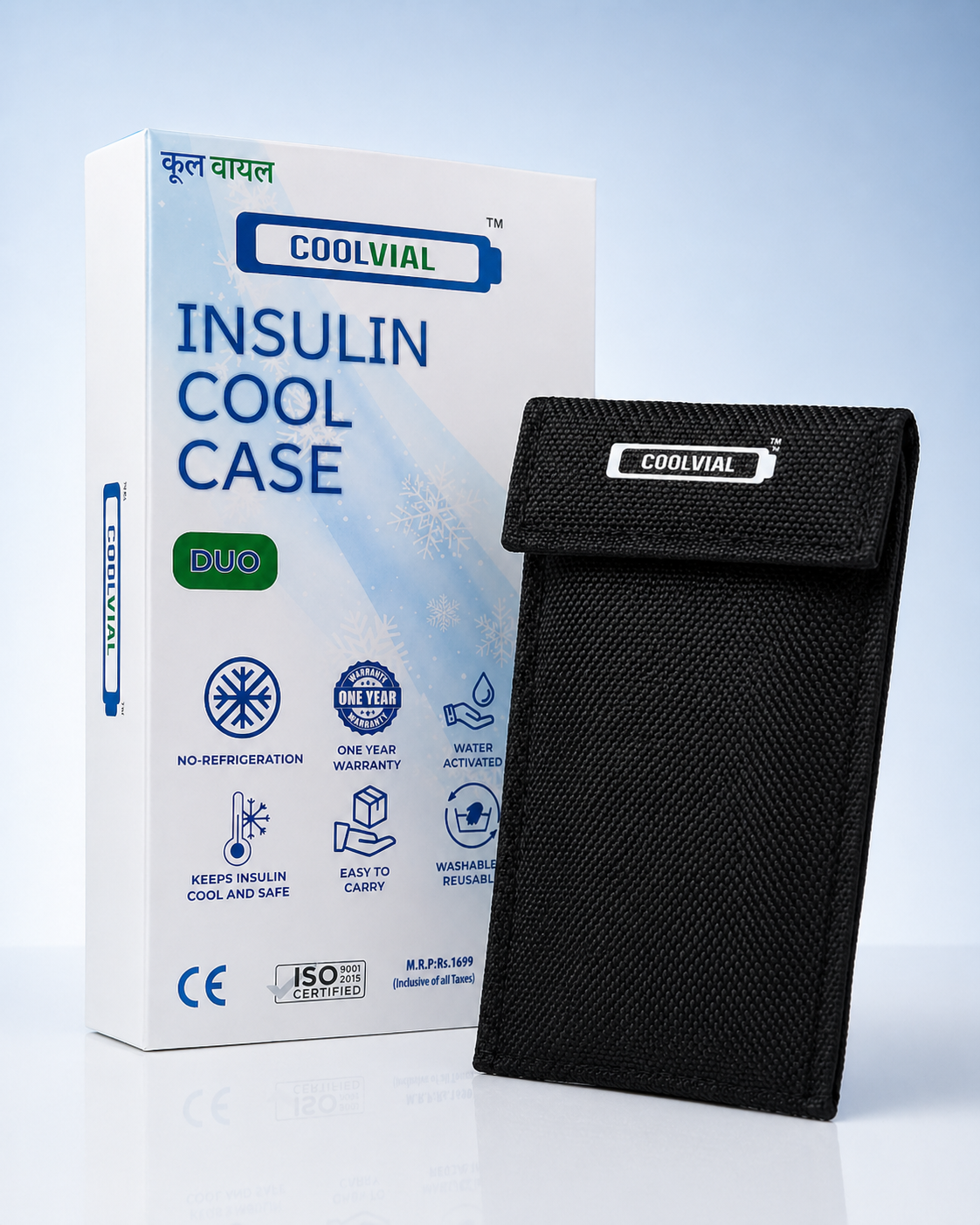
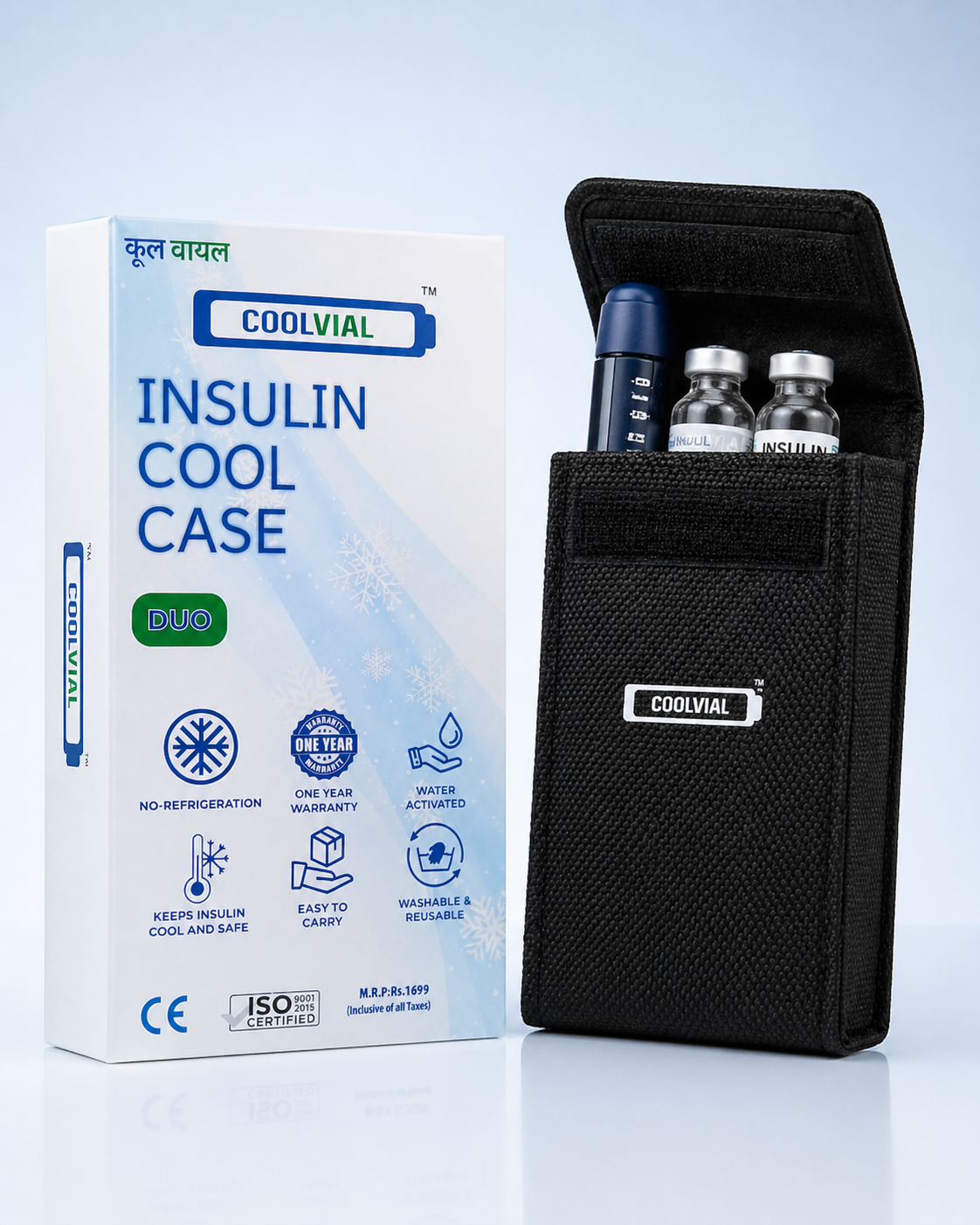
When planning to carry insulin on Rajdhani and Vande Bharat, assess your journey duration, ambient temperature, and the specific needs of your insulin type. A reliable cool case, like the COOLVIAL insulin cool case, which uses advanced cooling technology, can be a game-changer for ensuring your medication stays safe and effective during your travels across India. Always ensure your chosen solution can maintain the 2-8°C range for unopened insulin and below 30°C for in-use insulin, even in challenging Indian conditions.
"Finally a cooler that works in Indian summers. Insulin stayed perfect during a 3-day power cut." — Ramesh, Chennai
7 Essential Tips for Carrying Insulin on Rajdhani and Vande Bharat in India
CE Certified · Free Delivery · 1-Year Warranty · Made for India
📲 Buy on WhatsApp — ₹1,099🛒 Buy Now — ₹1,0997 Practical Tips for Carrying Insulin on Rajdhani and Vande Bharat in India
Ensuring your insulin remains safe and effective while traveling by train across India requires meticulous planning and adherence to best practices. Here are 7 practical tips to guide you when carrying insulin on Rajdhani and Vande Bharat in India:
-
Consult Your Doctor Before Travel:
- Always discuss your travel plans with your diabetologist well in advance. They can provide a doctor’s letter (medical certificate) explaining your need to carry insulin, syringes, and other supplies. This letter is crucial for security checks at railway stations and can be helpful in emergencies.
- Ask for a prescription for extra insulin and supplies, just in case of delays or unforeseen circumstances.
- Confirm your current insulin storage guidelines, especially for opened versus unopened vials/pens.
-
Pack Sufficient Supplies (and a Little Extra):
- Carry at least 1.5 to 2 times the amount of insulin, syringes/pens, lancets, test strips, and glucose tablets you anticipate needing for your journey, plus a few extra days’ worth for your destination.
- Divide your supplies: keep some in your main carry-on and a smaller emergency stash in a separate bag. This protects against loss or damage to one bag.
- Remember to pack alcohol swabs, a sharps container for used needles, and a blood glucose meter with extra batteries.
-
Choose the Right Insulin Cool Case:
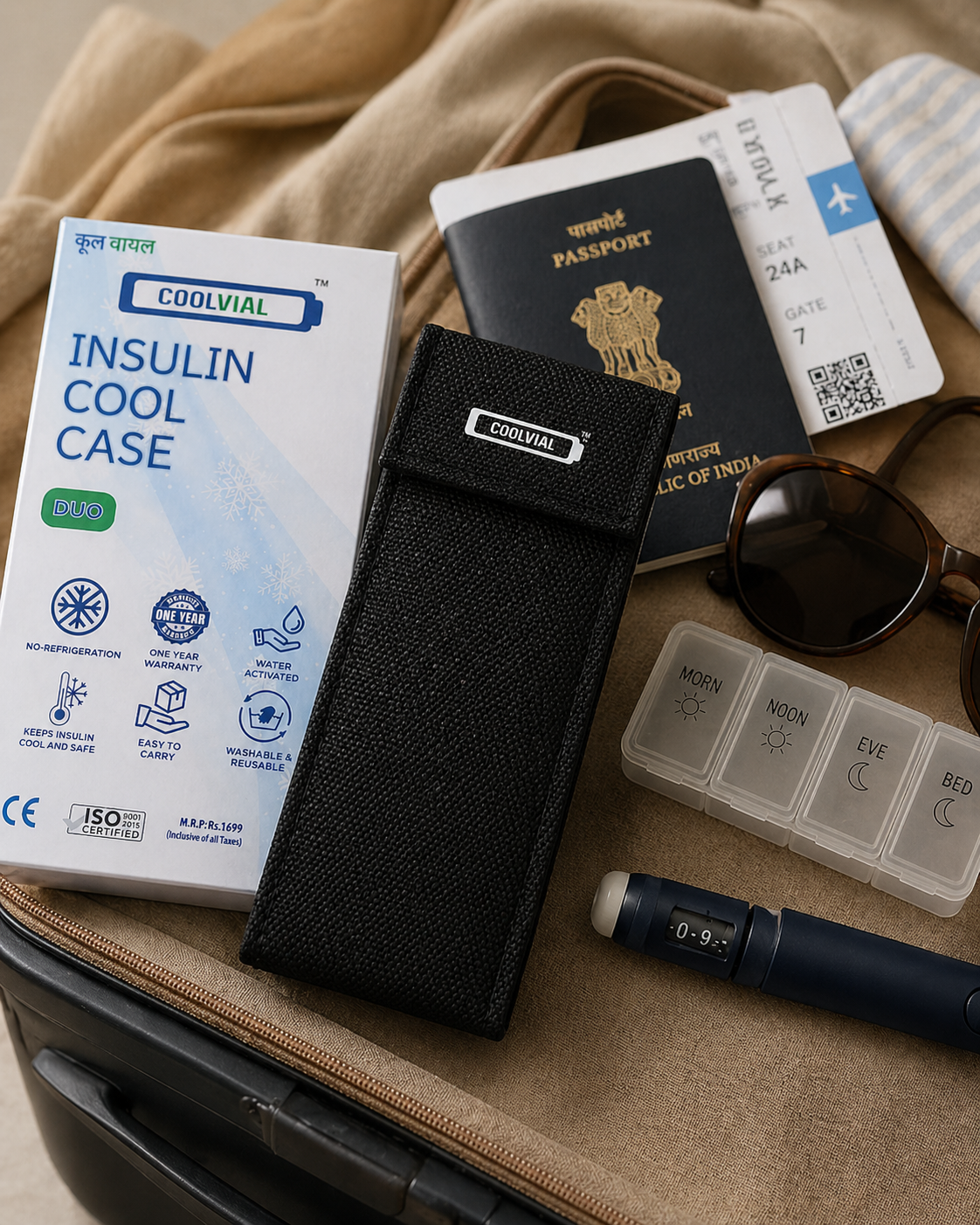
- Invest in a high-quality, insulated cool case specifically designed for insulin. Options like the COOLVIAL insulin cool case are engineered to maintain safe temperatures for extended periods, crucial for long train journeys.
- Ensure the case uses ice packs or gel packs that do not directly freeze the insulin. Phase Change Material (PCM) packs are often preferred for their stable temperature release.
- Test your cool case at home before your trip to understand how long it maintains the desired temperature range in conditions similar to your travel environment.
-
Monitor Insulin Temperature Continuously:
- Carry a small, travel-friendly thermometer that can be placed inside your cool case. This allows you to periodically check the temperature and ensure it stays within the safe range (2-8°C for unopened, below 30°C for opened).
- Be extra vigilant during long stops or if the train’s air conditioning seems to fluctuate. If the temperature rises, consider refreshing your cooling elements if possible.
-
Keep Insulin Accessible, Not in Luggage Hold:
- Never check your insulin in luggage that goes into the train’s luggage compartment. These areas can experience extreme temperature fluctuations and are not monitored.
- Keep your insulin cool case with you at all times, preferably in your seat or overhead compartment, where you can easily access and monitor it.
-
Stay Hydrated and Manage Your Diet:
- Train travel can disrupt routines. Drink plenty of water to stay hydrated, especially in India’s climate.
- Plan your meals. While Rajdhani and Vande Bharat trains offer catering, it’s wise to carry some healthy snacks to manage blood sugar levels between meals or in case of delays.
- Adjust your insulin dosage as advised by your doctor if your meal times or activity levels change during travel.
-
Be Aware of Security and Customs (If Applicable):
- While domestic train travel within India usually doesn’t involve strict customs, be prepared for security checks. Your doctor’s letter will be invaluable.
- Inform security personnel that you are carrying essential medication. They are generally understanding once informed.
By following these practical tips, you can confidently embark on your journey, knowing you have taken comprehensive steps for carrying insulin on Rajdhani and Vande Bharat in India safely and effectively.
Navigating India’s Diverse Climates: Regional Considerations for Insulin Storage
India’s vast geographical expanse means that a single approach to insulin storage won’t suffice. The climate varies dramatically across states and seasons, presenting unique challenges for individuals carrying insulin on Rajdhani and Vande Bharat in India. Understanding these regional nuances is crucial for effective diabetes management while traveling.
Understanding India’s Climatic Zones
- North Indian Plains (Delhi, Uttar Pradesh, Punjab, Bihar): Experience extreme summers with temperatures often exceeding 40-45°C. Winters can be cold, but heat is the primary concern for insulin. Humidity can vary.
- Western Deserts (Rajasthan, Gujarat): Characterized by very hot and dry summers, with daytime temperatures routinely above 45°C. Nights can be cooler. Dry heat requires different cooling strategies than humid heat.
- Coastal Regions (Mumbai, Chennai, Kolkata, Kerala): High humidity year-round, especially during the monsoon season. While temperatures might not always hit extreme peaks like the deserts, the persistent humidity makes evaporative coolers less effective and can accelerate heat transfer to poorly insulated containers.
- Deccan Plateau (Karnataka, Telangana, Maharashtra interiors): Generally moderate climate but can experience hot summers. Power cuts are a common issue, impacting refrigeration at home and at destinations.
- Himalayan Regions (Himachal Pradesh, Uttarakhand): Colder temperatures, where the risk might shift from overheating to accidental freezing if not careful, though this is less common inside train cabins.
Impact of Climate on Insulin Storage
- Extreme Heat: The biggest threat. A study highlighted that ambient temperatures in Delhi can reach 45°C, making any unprotected insulin vial quickly reach dangerous levels. Even inside an air-conditioned train compartment, an insulin cool case is essential as the train’s AC might not always be perfectly regulated or could fail.
- High Humidity: Reduces the efficiency of evaporative cooling methods. It also makes items feel warmer and can contribute to condensation inside storage, though this is less of a direct threat to insulin’s integrity if it’s properly sealed.
- Monsoon Season: While it brings relief from heat, humidity is at its peak. Power outages are more frequent due to storms, making backup cooling solutions vital for your destination.
- Power Cuts: India faces significant power infrastructure challenges. Many regions, especially rural areas, experience daily power cuts, particularly during summer. This means your hotel or guesthouse fridge might not be reliable, reinforcing the need for personal, self-sufficient cooling solutions.
Regional Travel Tips
- Summer Travel (March-June): Prioritize robust cooling solutions. For journeys from Delhi to Mumbai or Kolkata to Chennai, where the train passes through multiple hot zones, a well-insulated cool case with long-lasting gel packs or PCM packs is non-negotiable.
- Monsoon Travel (July-September): While temperatures might drop slightly, humidity increases. Ensure your cool case is sealed well to prevent moisture ingress. Be prepared for potential train delays due to heavy rains.
- Winter Travel (October-February): Generally easier for insulin storage. However, still use an insulated case to protect against accidental freezing in unheated compartments or if left near a window, though this is less likely on Rajdhani/Vande Bharat.
"Finally a cooler that works in Indian summers. Insulin stayed perfect during a 3-day power cut." — Ramesh, Chennai
7 Essential Tips for Carrying Insulin on Rajdhani and Vande Bharat in India
CE Certified · Free Delivery · 1-Year Warranty · Made for India
📲 Buy on WhatsApp — ₹1,099🛒 Buy Now — ₹1,099| Climate Zone | Typical Summer Temp Range | Primary Risk | Recommended Cooling Strategy |
|---|---|---|---|
| North Indian Plains | 40-45°C+ | Heat degradation | High-performance PCM or gel pack cool case |
| Western Deserts | 45°C+ | Extreme dry heat | Robust insulation, PCM packs (evaporative less effective in train) |
| Coastal Regions | 30-35°C (high humidity) | Humidity, heat | Well-sealed, insulated case with gel/PCM packs |
| Deccan Plateau | 35-40°C | Heat, power cuts | Reliable cool case, consider backup cooling for destination |
| Himalayan Regions | 15-25°C (day) | Accidental freezing | Insulated case (less cooling needed, more protection from cold) |
By understanding these regional differences and planning accordingly, you can confidently navigate India’s diverse climates while carrying insulin on Rajdhani and Vande Bharat in India, ensuring your medication remains effective regardless of your destination.
COOLVIAL: Your Reliable Partner for Carrying Insulin on Rajdhani and Vande Bharat
When the stakes are as high as maintaining the efficacy of a life-saving medication like insulin, choosing the right travel companion is paramount. For individuals frequently carrying insulin on Rajdhani and Vande Bharat in India, COOLVIAL offers a practical and dependable solution. Our insulin cool cases are specifically designed with the Indian climate and travel conditions in mind, providing peace of mind to diabetics across the country.
The biggest challenge in India is the relentless heat. Our cool cases are engineered to withstand these extreme conditions, maintaining the crucial 2-8°C temperature range for unopened insulin for extended durations, and keeping opened insulin well below the critical 30°C threshold. We understand that a typical journey on a Rajdhani Express can last upwards of 24 hours, traversing various climatic zones from the sweltering plains to the humid coastal belts. Our robust insulation and advanced gel pack technology ensure your insulin remains protected throughout such long hauls.
What sets COOLVIAL apart is our commitment to reliability and ease of use. Our cool cases are:
- Durable: Built to withstand the rigors of travel, from bustling railway stations to varying cabin environments.
- Compact and Portable: Designed to fit easily into your carry-on luggage, ensuring your insulin is always within reach and never left in an unmonitored baggage hold.
- Efficient: Our cooling elements are formulated to provide consistent cooling without the risk of freezing your insulin, a common concern with generic ice packs.
- Affordable: We believe that safe insulin storage should be accessible to everyone. Our cool cases are priced competitively at just ₹1,099.
Imagine traveling from Delhi to Bengaluru on the Rajdhani, or experiencing the speed of the Vande Bharat from Gandhinagar to Mumbai. With a COOLVIAL cool case, you won’t have to constantly worry about your insulin’s temperature. You can focus on enjoying your journey, knowing your medication is safe. We’ve heard countless stories from users in Chennai, Kolkata, and beyond, who rely on COOLVIAL for their daily commutes and longer travels.
Beyond just the product, COOLVIAL is a brand that understands the unique needs of Indian diabetics. We know about the summer heatwaves, the occasional power cuts, and the importance of having a reliable solution when you’re away from home. Our mission is to empower you to live a full and active life, without the constant anxiety of insulin spoilage. If you’re looking for a trusted solution for carrying insulin on Rajdhani and Vande Bharat in India, consider the COOLVIAL insulin cool case. It’s more than just a product; it’s a commitment to your health and well-being.
Essential Travel Checklist and Frequently Asked Questions
Preparing for your train journey with insulin can be made simpler with a comprehensive checklist and answers to common queries. This section helps ensure you’ve covered all bases for carrying insulin on Rajdhani and Vande Bharat in India.
Insulin Travel Checklist
- Insulin Cool Case: A reliable insulated case (like COOLVIAL) with appropriate cooling elements (gel packs/PCM).
- Insulin Supplies:
- Sufficient insulin vials/pens (1.5x expected need).
- Extra syringes/pen needles.
- Lancets and blood glucose test strips.
- Blood glucose meter with extra batteries.
- Alcohol swabs.
- Sharps container for used needles.
- Medications:
- All other prescribed medications.
- Emergency glucagon kit (if prescribed).
- Glucose tablets or fast-acting sugar for hypoglycemia.
- Documentation:
- Doctor’s letter/medical certificate explaining your diabetes and need for insulin/supplies.
- Prescriptions for all medications.
- Copies of insurance information.
- Emergency contact information.
- Monitoring Tools:
- Small travel thermometer for your cool case.
- Personal Items:
- Hand sanitizer.
- Water bottle.
- Healthy snacks.
Frequently Asked Questions
Q: What happens if my insulin gets too hot on the train? A: If insulin gets too hot (above 30°C), it can lose its potency and become ineffective. This degradation is irreversible. Using compromised insulin can lead to dangerously high blood sugar levels. It is crucial to discard any insulin suspected of having been exposed to extreme heat and replace it with fresh, properly stored insulin.
Q: Can I keep my insulin in the train’s mini-fridge or AC compartment? A: While Rajdhani and Vande Bharat trains have air conditioning, the temperature in the cabin might fluctuate and is not always consistently within the optimal 2-8°C range required for unopened insulin. Mini-fridges in trains are rare and often unreliable for maintaining precise medical temperatures. It is always safest to use your own dedicated insulin cool case to ensure consistent temperature control.
Q: Is it safe to carry insulin through security checks at Indian railway stations? A: Yes, it is generally safe and permissible to carry insulin and diabetes supplies through security checks at Indian railway stations. It is advisable to have a doctor’s letter explaining your medical condition and the necessity of carrying these items. Informing security personnel about your medication beforehand can also facilitate a smoother process.
Q: How long can insulin be kept at room temperature (e.g., 25°C) once opened? A: Once an insulin vial or pen is opened, it can typically be kept at room temperature (usually between 15°C and 25°C, but always below 30°C) for up to 28 days. Some specific insulin types may allow for storage up to 42 days; always check the manufacturer’s leaflet for precise instructions for your particular insulin. Beyond this period, even if not expired, the insulin should be discarded.
Q: What should I do if my train journey is unexpectedly delayed for many hours? A: In case of unexpected delays, monitor the temperature inside your insulin cool case even more frequently. If your cooling elements are nearing their limit, try to ask train staff if there’s any possibility of procuring ice or access to a refrigerator at upcoming major stations. Having extra supplies packed, as recommended, will also provide a buffer. Prioritize keeping your cool case out of direct sunlight and in the coolest part of your compartment.
Conclusion: Travel Confidently with Your Insulin
Traveling across India by train, whether on the swift Vande Bharat or the classic Rajdhani, offers unparalleled experiences. For individuals managing diabetes, ensuring the safe and effective transport of insulin is a fundamental aspect of enjoying these journeys. The challenges posed by India’s diverse climate, from scorching summers to monsoon humidity, emphasize the critical need for proactive planning and reliable storage solutions. By understanding insulin’s temperature requirements, packing wisely, and utilizing dedicated cool cases, you can confidently navigate the vast railway network.
Remember that maintaining insulin’s potency (ideally 2-8°C for unopened, below 30°C for opened) is non-negotiable for effective diabetes management. Taking the time to prepare thoroughly, including carrying a doctor’s note and choosing the right cooling solution, will mitigate risks and allow you to focus on your travel. For a dependable partner in carrying insulin on Rajdhani and Vande Bharat in India, consider the COOLVIAL insulin cool case. Designed for Indian conditions, it provides the peace of mind you need.
Embark on your next adventure without worry. Order your COOLVIAL insulin cool case today via WhatsApp at wa.me/918766952300 for just ₹1,099 and ensure your insulin stays safe, effective, and ready for use, wherever your travels take you.
7 Essential Tips for Carrying Insulin on Rajdhani and Vande Bharat in India
Keep your insulin safe in India's extreme heat. COOLVIAL works for 48+ hours without electricity.