Reviewed by the COOLVIAL Editorial Team — specialists in insulin storage for Indian climate conditions.
For individuals managing diabetes, navigating domestic flight rules for insulin in India, whether with IndiGo, Air India, or Vistara, is straightforward when you know the guidelines. Yes, you can absolutely carry insulin on domestic flights, and it is always recommended to keep it in your carry-on luggage to maintain its critical temperature range of 2-8°C. Insulin starts to degrade significantly above 30°C, a temperature often exceeded in India’s climate, making proper storage during transit crucial for its efficacy. This comprehensive guide will equip you with the knowledge to travel confidently across India, ensuring your life-saving medication remains safe and effective throughout your journey. You’ll learn about airline policies, essential packing tips, and how to manage your insulin amidst India’s unique travel conditions.
Table of Contents
- Why Managing Insulin Temperature Matters Critically in India
- Understanding Insulin Storage and Airline Regulations for Domestic Flights
- Practical Tips for Carrying Insulin on Domestic Flight Rules for Insulin in India
- India-Specific Travel Challenges and Insulin Care
- COOLVIAL: Your Essential Partner for Domestic Flight Rules for Insulin in India
- Frequently Asked Questions About Insulin Travel in India
- Conclusion: Travel Smart, Stay Safe
Why Managing Insulin Temperature Matters Critically in India
India is home to a significant population living with diabetes, with figures from the International Diabetes Federation (IDF) indicating that approximately 101 million people in India had diabetes in 2023 (Source: IDF Diabetes Atlas 10th Edition). This staggering number underscores the importance of proper diabetes management, which includes the safe storage and transport of insulin. Unlike many medications, insulin is a delicate protein that is highly sensitive to temperature fluctuations. Its efficacy can be severely compromised if it gets too hot or too cold, rendering it ineffective and potentially dangerous for the user.
In India, the challenge of maintaining insulin’s integrity is amplified by the country’s diverse and often extreme climate. Summer temperatures in cities like Delhi, Jaipur, and Nagpur can regularly soar above 40°C, sometimes even exceeding 45°C, making it incredibly difficult to keep insulin within its safe temperature range. Even moderate temperatures in coastal cities like Mumbai or Chennai, coupled with high humidity, can accelerate insulin degradation. This climatic reality makes understanding and adhering to domestic flight rules for insulin in India not just a matter of convenience, but a critical health imperative.
The consequences of using degraded insulin can be severe, leading to uncontrolled blood sugar levels, increased risk of hyperglycaemia, and potentially diabetic ketoacidosis (DKA). For frequent flyers, or those undertaking occasional trips for business, family visits, or festivals across states like Uttar Pradesh, Maharashtra, or Karnataka, ensuring their insulin remains potent throughout the journey is paramount. Relying on an insulin cool case is not merely a recommendation; it’s a necessity in a country where ambient temperatures can quickly turn insulin ineffective.
Furthermore, the logistical aspects of Indian travel, including potential flight delays, long transit times, and varying airport conditions, add layers of complexity. While airlines like IndiGo, Air India, and Vistara have clear policies, the responsibility ultimately rests with the passenger to ensure their medication is protected. This section highlights why meticulous planning and robust solutions for insulin storage are non-negotiable for anyone traveling with insulin across India’s vibrant, yet climatically challenging, landscapes.
Understanding Insulin Storage and Airline Regulations for Domestic Flights
Safe insulin storage is fundamental to its effectiveness. Unopened insulin vials or pens should ideally be stored in a refrigerator at temperatures between 2°C and 8°C. Once opened, or if stored at room temperature (which should not exceed 25°C), most insulin types are stable for approximately 28 days. However, this room temperature range is often exceeded in many parts of India, even indoors, making travel particularly challenging. Insulin exposed to temperatures above 30°C or below 0°C can lose its potency rapidly, sometimes within hours, becoming cloudy, discoloured, or grainy.
When it comes to domestic flight rules for insulin in India, airlines universally permit insulin and related diabetic supplies in both carry-on and checked baggage. However, due to the temperature variability in cargo holds (which can be unheated and reach freezing temperatures, or become extremely hot), it is strongly advised to carry all insulin and essential supplies in your carry-on baggage. This allows you to control its immediate environment and keep it accessible.
General Airline Policies for Medical Supplies
All major Indian airlines, including IndiGo, Air India, and Vistara, adhere to Directorate General of Civil Aviation (DGCA) guidelines regarding medical supplies. These guidelines are designed to ensure passenger safety and convenience for those with medical needs.
5 Essential Domestic Flight Rules for Insulin in India (IndiGo, Air India, Vistara)
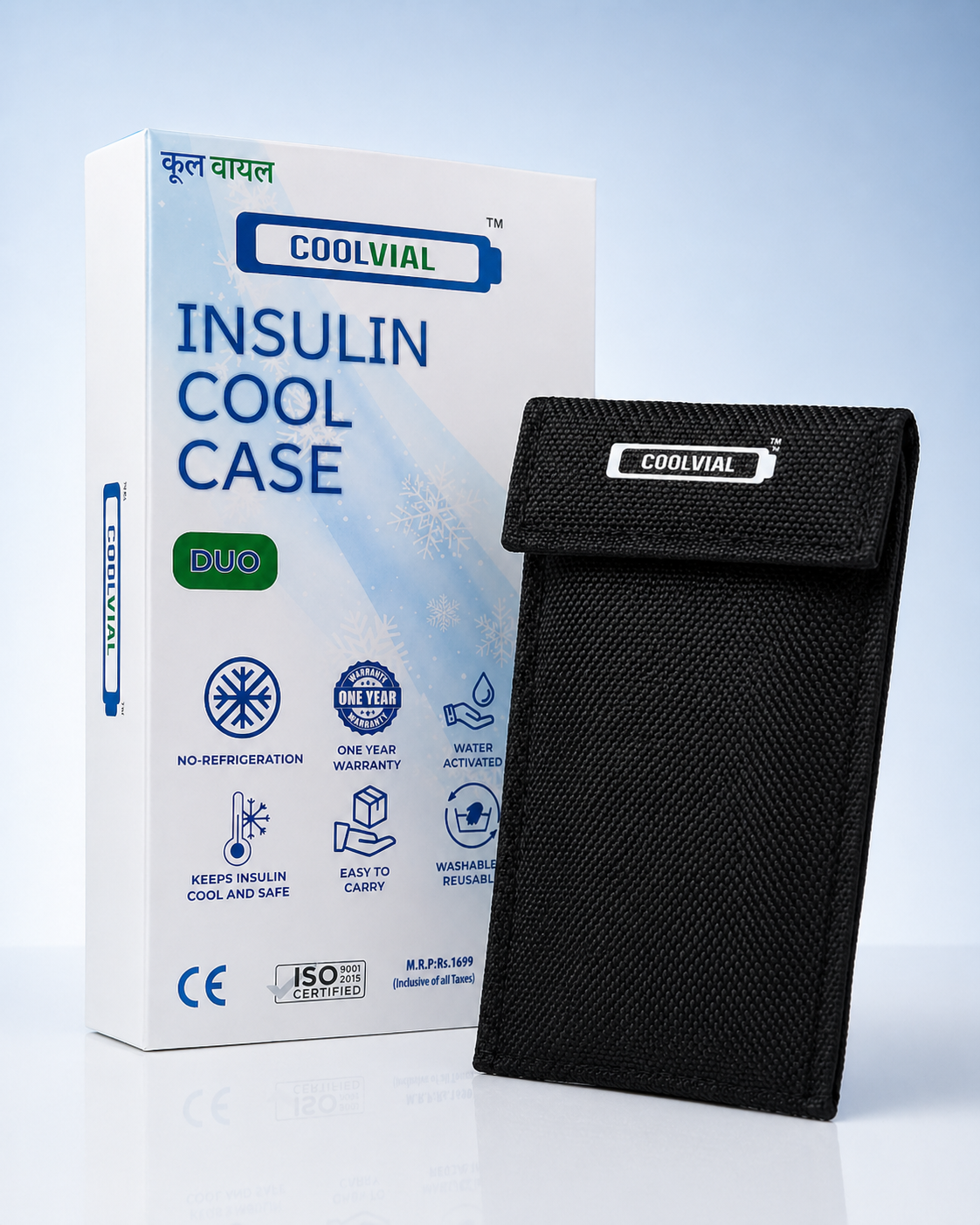
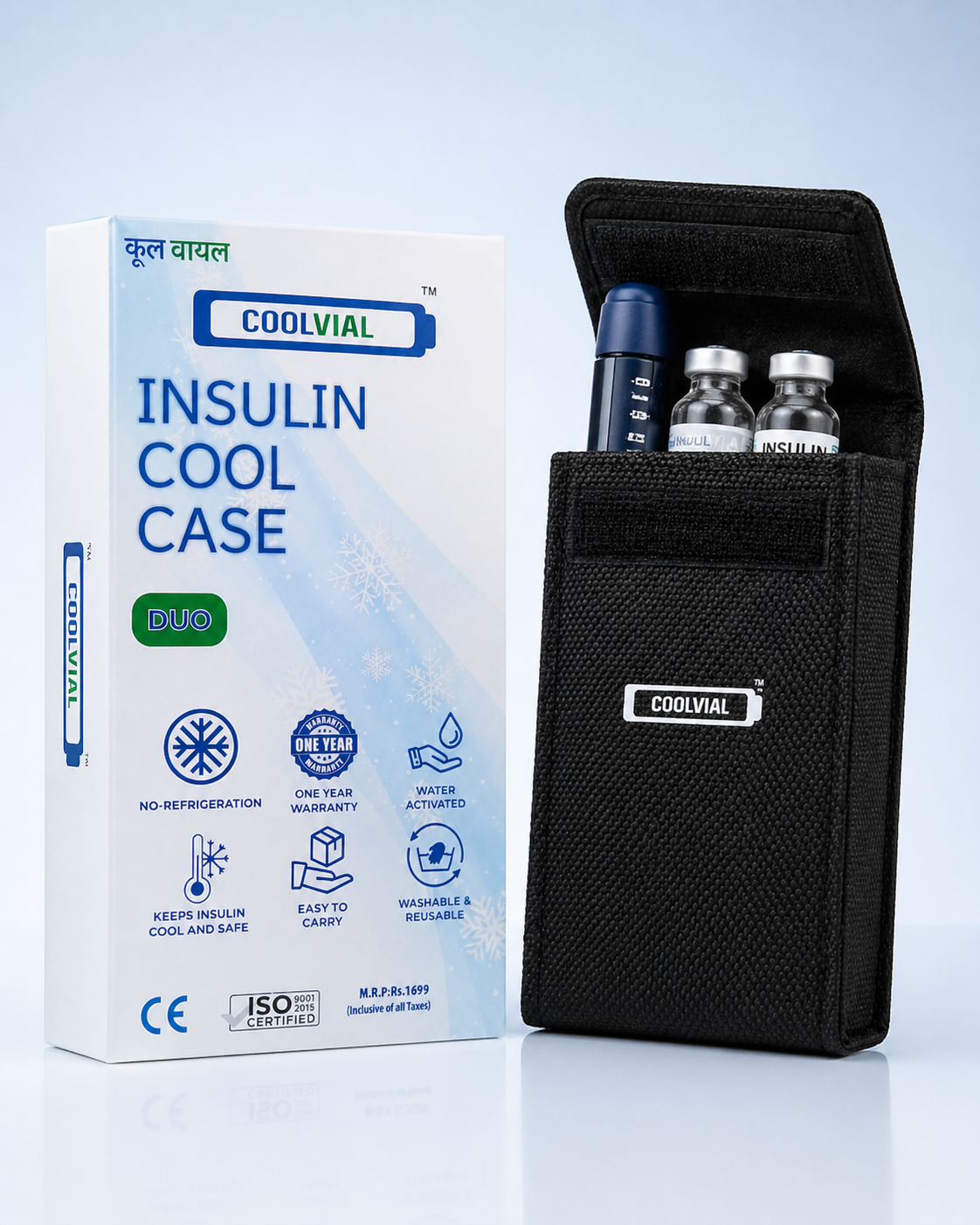
COOLVIAL keeps insulin at 2-8°C for 48+ hours. No electricity needed. Trusted by 10,000+ diabetics.
5 Essential Domestic Flight Rules for Insulin in India (IndiGo, Air India, Vistara)
- Insulin and Syringes: Permitted in carry-on baggage. Needles and syringes for personal medical use are generally allowed if accompanied by the medication they are intended to administer.
- Cooling Devices: Ice packs, gel packs, or other cooling solutions are permitted to keep insulin cool, provided they are medically necessary. If using gel packs, ensure they are completely frozen at the time of screening to avoid liquid restrictions.
- Doctor’s Note: While not always explicitly demanded, carrying a doctor’s prescription or a letter stating your medical condition and the necessity of carrying insulin and syringes is highly recommended. This can expedite security checks and prevent misunderstandings.
Specific Airline Nuances (IndiGo, Air India, Vistara)
While the core domestic flight rules for insulin in India remain consistent across airlines, here’s a quick look at how major carriers generally approach it:
- IndiGo: Known for its no-frills approach, IndiGo typically has standard medical exemptions. Passengers are advised to declare medical items at security. Their policy supports carrying necessary medication and related equipment in hand luggage.
- Air India: As the national carrier, Air India is generally accommodating of medical needs. They also advise carrying a doctor’s certificate. Their staff are usually well-versed in handling passengers with special requirements.
- Vistara: A full-service airline, Vistara also permits medical supplies. They encourage passengers with specific medical needs to inform them in advance, though for insulin, it’s generally a straightforward process at security.
Insulin Temperature Safe Ranges & Storage Options
| Storage Condition | Temperature Range | Recommended For | Considerations |
|---|---|---|---|
| Refrigerator | 2°C - 8°C | Unopened insulin vials/pens | Ideal long-term storage, check fridge temperature regularly. |
| Room Temperature | 15°C - 25°C | Opened insulin vials/pens, up to 28 days stability | Risk of spoilage in Indian climate, monitor ambient temperature. |
| Insulin Cool Case | 2°C - 25°C (variable) | Travel, daily use in hot climates | Provides controlled cooling, protects from extreme heat & cold. |
| Above 30°C | Degradation Risk | Avoid at all costs | Insulin loses potency rapidly, can become ineffective. |
| Below 0°C | Freezing Risk | Avoid at all costs | Freezing destroys insulin structure, renders it unusable. |
Always ensure your insulin is never exposed to direct sunlight, extreme heat, or freezing conditions. Understanding these nuances helps ensure that your domestic flight rules for insulin in India journey is smooth and your health is not compromised.
Practical Tips for Carrying Insulin on Domestic Flight Rules for Insulin in India
Traveling with insulin requires careful planning, especially when navigating domestic flight rules for insulin in India. Following these practical tips will help ensure your medication remains safe and effective throughout your journey, whether you’re flying with IndiGo, Air India, or Vistara.
Before You Fly: Preparation is Key
- Consult Your Doctor: Before any travel, discuss your itinerary with your doctor. Get a signed letter or prescription (in English) that states you have diabetes, list all your medications (insulin type, dosage), and confirm the necessity of carrying syringes, needles, lancets, and a blood glucose monitor. This document is invaluable for security checks.
- Pack Smartly:
- Carry-On is Crucial: Always pack all your insulin, syringes, and testing supplies in your carry-on bag. Never put insulin in checked luggage due to unpredictable temperature fluctuations in cargo holds.
- Overpack Slightly: Carry more insulin and supplies than you anticipate needing. Unexpected delays, lost luggage, or extended stays are always possibilities. A good rule of thumb is to pack enough for an extra 3-5 days.
- Original Packaging: Keep insulin in its original packaging with pharmacy labels. This helps identify the medication if questions arise during security screening.
- Insulin Storage Solution: Invest in a reliable insulin cool case. This is paramount for maintaining the correct temperature. Traditional ice packs might not last long enough for extended travel, especially with potential delays. Look for cases that don’t require refrigeration or electricity, ideal for India’s varied infrastructure.
At the Airport: Navigating Security
- Declare Your Medication: When you reach the security checkpoint, proactively inform the security personnel that you are carrying insulin and medical supplies. Present your doctor’s letter if requested.
- Separate Your Supplies: Have your insulin and cooling device easily accessible, preferably in a clear, sealed bag, to facilitate inspection by security staff. This reduces rummaging through your bag and speeds up the process.
- Understanding Liquid Rules: While the general rule for liquids in carry-on is 100ml, medically necessary liquids like insulin are exempt from this restriction. Cooling gels or ice packs used for insulin are also exempt, provided they are clearly for medical use. If gel packs are used, ensure they are completely frozen at the time of screening to avoid being mistaken for liquid.
- Security Screening: Be prepared for your insulin and supplies to be visually inspected or subjected to additional screening measures. Remain calm and cooperative.
During the Flight: Onboard Care
"Finally a cooler that works in Indian summers. Insulin stayed perfect during a 3-day power cut." — Ramesh, Chennai
5 Essential Domestic Flight Rules for Insulin in India (IndiGo, Air India, Vistara)
CE Certified · Free Delivery · 1-Year Warranty
📲 Buy on WhatsApp — ₹1,0995 Essential Domestic Flight Rules for Insulin in India (IndiGo, Air India, Vistara)
48+ hours at 2-8°C. No electricity. CE certified. Free delivery across India.
Order on WhatsApp — ₹1,099🛒 Buy Now — ₹1,099- Keep Insulin Accessible: Store your insulin cool case in an easily reachable spot, either in the seat pocket or overhead compartment. Avoid placing it in direct sunlight from the window.
- Avoid Extreme Temperatures: While the cabin temperature is regulated, avoid placing your insulin directly under air vents or near heating elements.
- Stay Hydrated: Traveling can be dehydrating. Drink plenty of water to manage your blood sugar levels effectively.
- Monitor Blood Sugar: Continue to monitor your blood sugar regularly, especially if crossing time zones, as your meal and injection schedule might be affected.
By diligently following these practical guidelines for domestic flight rules for insulin in India, you can ensure a stress-free journey and maintain optimal diabetes management from take-off to landing.
India-Specific Travel Challenges and Insulin Care
Traveling across India presents a unique set of challenges for individuals managing diabetes, extending beyond the standard domestic flight rules for insulin in India. The country’s vast geography, diverse climate, and infrastructure variations demand extra vigilance and preparation to ensure insulin remains effective.
Extreme Climates and Temperature Management
India experiences a wide spectrum of climatic conditions. While the northern plains endure scorching summers where temperatures can exceed 45°C in cities like Jodhpur, Agra, or Varanasi, the southern states like Kerala and Tamil Nadu experience high humidity year-round. Even during winter, some regions can have surprisingly warm days. These extreme and fluctuating temperatures pose a significant threat to insulin, which, as noted, degrades rapidly above 30°C.
- Summer Travel: During peak summer months (April to June), traveling through states like Rajasthan, Gujarat, or Punjab requires constant attention to insulin temperature. A short delay on a tarmac or a broken-down air conditioning system in a transit lounge can quickly expose insulin to damaging heat.
- Monsoon Humidity: The monsoon season (June to September) brings high humidity, which, while not directly impacting insulin temperature as much as dry heat, can still contribute to discomfort and make it harder to maintain a cool environment for your supplies.
- Cold Snaps: While less common for insulin degradation, some northern regions experience cold snaps where temperatures can drop below freezing, posing a risk of insulin freezing if left in an uninsulated bag or near a window.
Infrastructure and Logistical Hurdles
Indian travel often involves more than just flights. Connecting journeys by train or bus, especially during festivals like Diwali or Holi, can mean crowded conditions and unpredictable delays.
- Power Cuts: Many parts of India, particularly smaller towns and rural areas, experience frequent power cuts, especially during summer. This makes relying on hotel refrigerators for insulin storage risky. Even in major cities, unexpected outages can occur.
- Transit Delays: Domestic flights in India, like anywhere else, can face delays due to weather (fog in Delhi winters, heavy monsoon rains), air traffic, or technical issues. These delays can extend your travel time significantly, requiring a cooling solution that lasts.
- Accessibility: While major airports are modern, getting to and from them, or navigating smaller regional airports, might involve waiting in non-air-conditioned areas or using public transport that isn’t temperature-controlled.
Festivals and Peak Travel Seasons
Traveling during India’s numerous festivals means increased crowds, longer queues, and higher chances of delays. This adds another layer of complexity to managing insulin. Whether you’re visiting family for Eid, attending a wedding in Hyderabad, or exploring the vibrant Durga Puja celebrations in Kolkata, the added stress and unpredictable schedules necessitate robust insulin storage.
Considering these India-specific challenges, relying solely on airline policies for domestic flight rules for insulin in India is insufficient. A proactive approach to personal insulin care, backed by a reliable cooling solution, becomes indispensable for any diabetic traveler in the country. This preparedness ensures that your health management remains uninterrupted, allowing you to fully experience India’s rich culture and vibrant life.
COOLVIAL: Your Essential Partner for Domestic Flight Rules for Insulin in India
When adhering to domestic flight rules for insulin in India, merely knowing the regulations isn’t enough; you need a reliable solution to protect your life-saving medication. This is where the COOLVIAL insulin cool case becomes an indispensable travel companion. Designed with the unique challenges of the Indian climate and travel conditions in mind, COOLVIAL offers peace of mind and consistent insulin efficacy.
The primary concern for any diabetic traveler is maintaining insulin within its optimal temperature range, typically 2°C to 8°C for unopened vials and up to 25°C for opened ones. Traditional methods like ice packs often fall short. They melt quickly in India’s sweltering heat, risking insulin spoilage, or can freeze insulin if not managed carefully, which is equally damaging. The COOLVIAL insulin cool case addresses these issues directly.
Why COOLVIAL is the Smart Choice for Indian Travelers:
- Temperature Stability: COOLVIAL cases are engineered to keep insulin within the safe temperature zone for extended periods, even when ambient temperatures soar to over 30°C or 40°C. This is crucial for navigating airport transfers, flight delays, or ground travel in cities like Bengaluru, Chennai, or Ahmedabad, where heat can be relentless.
- No Refrigeration Needed: A significant advantage of COOLVIAL is that many models do not require electricity or refrigeration for their cooling mechanism. This is a game-changer in India, where power cuts are common, and access to a reliable refrigerator might be limited, especially in smaller towns or during travel via bus or train. You won’t have to worry about finding a fridge at the airport or in a transit hotel.
- Durable and Portable: Designed for travel, COOLVIAL cases are compact, lightweight, and robust. They can easily fit into your carry-on luggage, complying with domestic flight rules for insulin in India across all airlines like IndiGo, Air India, and Vistara. Their durable construction protects insulin vials and pens from physical damage during transit.
- Ease of Use: Simply activate the cooling mechanism (often by soaking in water for a few minutes) and your insulin is protected for hours, sometimes days. This simplicity is vital when you’re on the go and need quick, reliable storage.
- **Cost-Effective
5 Essential Domestic Flight Rules for Insulin in India (IndiGo, Air India, Vistara)
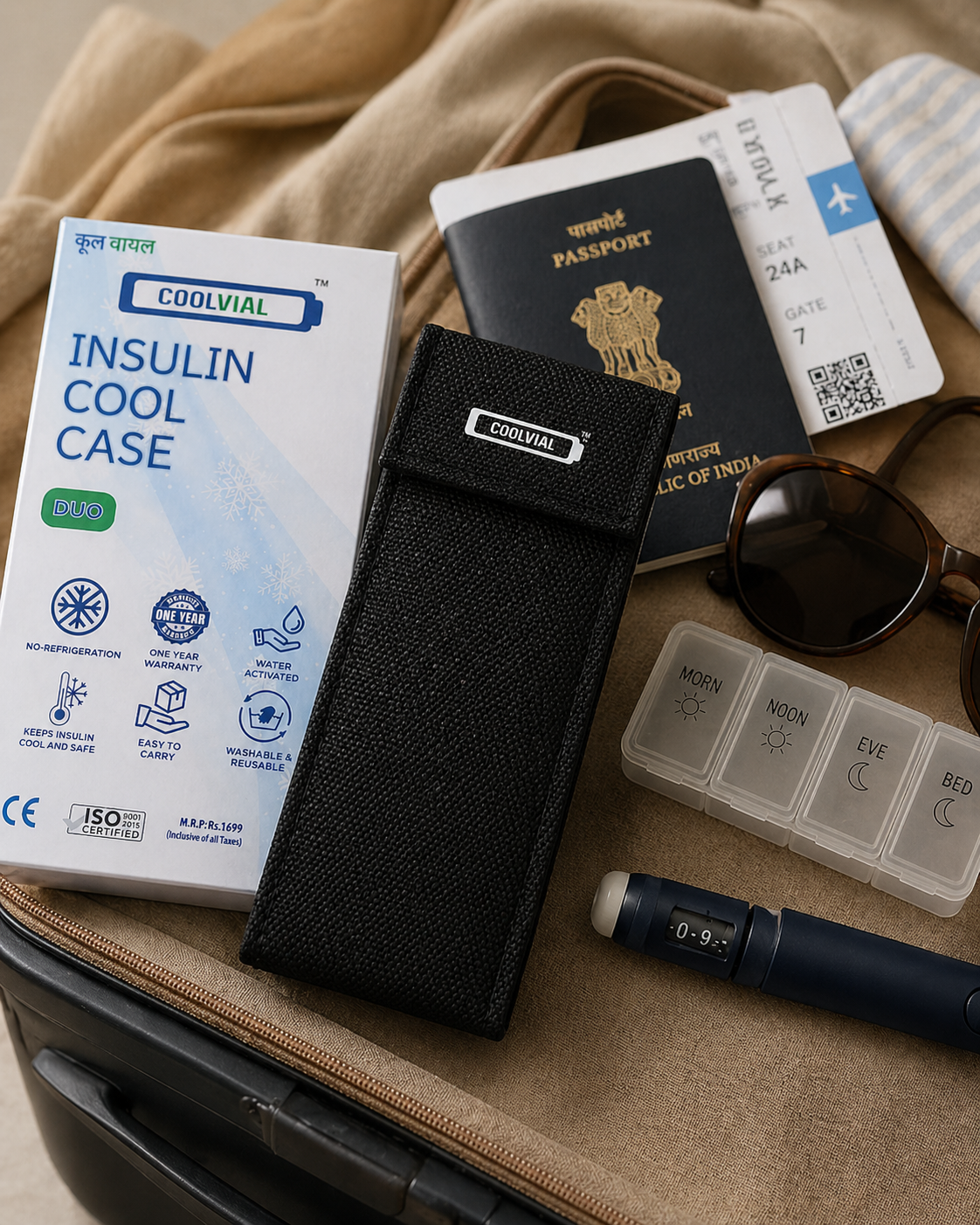
Don't let Indian heat spoil your insulin. COOLVIAL protects it for 48+ hours.