
Reviewed by the COOLVIAL Editorial Team — specialists in insulin storage for Indian climate conditions.
Guwahati, the gateway to Northeast India, experiences some of the country’s most intense and prolonged monsoon seasons. With an average annual rainfall ranging from 1700mm to a staggering 3500mm and sustained humidity often hovering between 90-95% for weeks, keeping insulin safe and effective during the guwahati heavy monsoon is a critical challenge for residents managing diabetes. This isn’t just about avoiding a little dampness; it’s about protecting your vital medication from extreme moisture, waterlogging, and potential flooding that can compromise its efficacy within days. Based on analysis of insulin storage queries from Guwahati diabetics, we’ve compiled 7 essential tips to navigate this unique climate.
The dual impact of the Southwest (June-September) and Northeast (October-December) monsoons means Guwahati battles wet conditions for a significant portion of the year. This article provides practical strategies for storing insulin correctly, preparing for inevitable power cuts, and ensuring continuous access to care even when transport systems like those serving Apollo Pharmacy and Frank Ross are disrupted.
Table of Contents
- Understanding Guwahati’s Unique Monsoon Challenges
- The Critical Role of Airtight Storage and Desiccants
- Protecting Insulin in Your Refrigerator: Combatting Condensation
- Emergency Preparedness: Power Cuts and Flood Planning
- Choosing the Right Insulin Cooling Case for Guwahati’s Monsoon
- Navigating Pharmacy Access During Heavy Rainfall and Flooding
- Roof Leaks and Flood Risk: Strategic Insulin Storage at Home
- Frequently Asked Questions (FAQ)
- Conclusion
- Medical Disclaimer
- Methodology Note
1. Understanding Guwahati’s Unique Monsoon Challenges
Guwahati’s climate is characterized by a hot, humid tropical environment, with temperatures generally ranging from 10°C to 35°C. However, the monsoon season brings an altogether different set of challenges that can significantly impact insulin storage. The city, nestled by the mighty Brahmaputra River, faces not only direct heavy rainfall but also risks from backwater flow and river overflow, leading to widespread waterlogging in key areas like Paltan Bazaar (the central hub) and Beltola.
Insulin, a delicate protein, is highly sensitive to temperature fluctuations and moisture. Exposure to temperatures outside its recommended range (typically 2°C to 8°C for unopened vials/pens, and room temperature up to 25°C/30°C for opened ones, depending on the brand) can degrade its potency. In Guwahati’s monsoon, the primary threats are:
- Extreme Humidity: Consistent 90-95% humidity levels mean moisture is omnipresent, penetrating packaging and even leading to mould growth on insulin boxes if not properly protected.
- Waterlogging and Flooding: Areas like Paltan Bazaar, Ganeshguri, and Beltola are prone to severe waterlogging, making travel difficult and increasing the risk of water entering homes and businesses.
- Roof Leaks and Seepage: Older buildings, common in many neighborhoods, are vulnerable to roof leaks and wall seepage, which can directly expose stored insulin to water.
Key Monsoon Risks for Insulin:
- Mould and Contamination: High humidity encourages fungal growth, potentially contaminating insulin packaging.
- Temperature Excursions: Power cuts (common during storms) can cause refrigerators to fail, leading to insulin spoilage.
- Physical Damage: Water damage from floods or leaks can render insulin unusable.
2. The Critical Role of Airtight Storage and Desiccants
Given Guwahati’s relentless humidity, simply keeping insulin in its original box is insufficient. Moisture will find its way in, and within days, you might observe the tell-tale signs of dampness or even mould on the paper packaging. Airtight storage combined with desiccants like silica gel is not just an option, it’s a non-negotiable safeguard.
Here’s why and how to implement it:
-
Why Airtight Containers?
- They create a physical barrier against humid air, preventing moisture ingress.
- They protect against accidental splashes or minor leaks.
- They keep insulin packaging intact and free from mould.
-
The Power of Silica Gel:
- Silica gel sachets absorb moisture from the air within the container, maintaining a dry micro-environment.
- Look for indicating silica gel (which changes colour when saturated) so you know when to replace or reactivate it (by drying in the sun or a low oven).
- Place several sachets inside your airtight container alongside your insulin pens or vials.
Practical Steps for Airtight Storage:
- Select Quality Containers: Use food-grade, airtight plastic containers with robust seals (e.g., clip-lock containers). Ensure they are large enough to hold your insulin supply comfortably without crushing the pens/vials.
- Add Desiccants: Purchase silica gel packets from local pharmacies like Apollo Pharmacy or MedPlus, or online via 1mg. Place 2-3 small packets (5-10g each) per container.
- Regular Checks: Inspect your insulin and containers weekly. Replace silica gel when it changes colour (if indicating type) or every 2-4 weeks during peak monsoon.
- Consider Vacuum-Sealed Bags: For long-term storage or extra protection, vacuum-sealed bags can offer an additional layer of defence against moisture.
For a more comprehensive understanding of local storage challenges, refer to our guide: How to Store Insulin in Guwahati’s Tropical Humidity — A Local’s Guide.
3. Protecting Insulin in Your Refrigerator: Combatting Condensation
While unopened insulin must be refrigerated, even your fridge can become a source of moisture during Guwahati’s monsoon. Frequent power cuts and high ambient humidity can lead to condensation inside the refrigerator, creating a humid-fridge-air environment that can compromise insulin packaging.
-
Understanding Fridge Condensation: When warm, humid air from your kitchen enters the fridge (e.g., when the door is opened frequently, or after a power cut), it cools rapidly and releases its moisture, forming condensation. This moisture can then accumulate on shelves, walls, and even on your insulin.
-
The Risk of Humid-Fridge-Air Contamination:
- Packaging Degradation: Cardboard boxes and paper labels can become damp, peel, or grow mould.
- Compromised Sterility: While insulin vials/pens are sealed, external moisture and mould can contaminate the injection site if not cleaned properly, posing a risk of infection.
- Reduced Potency: Though less direct, persistent dampness can indirectly affect the physical integrity of the pen/vial over time.
Strategies for Fridge Protection:
- Airtight Containers (Again): Store all unopened insulin pens and vials in airtight containers before placing them in the refrigerator. Add silica gel packets inside these fridge containers too.
- Avoid Door Storage: The refrigerator door is the warmest and most temperature-variable part of the fridge. Store insulin on a middle shelf, away from the back wall (to prevent freezing) and the door.
- Minimize Door Opening: Try to open the fridge door less frequently and close it quickly to reduce the influx of humid air.
- Regular Defrosting: If your fridge is not frost-free, regular defrosting helps remove excess ice and moisture buildup.
- Temperature Monitoring: Use a small fridge thermometer to ensure the temperature stays consistently between 2°C and 8°C.
4. Emergency Preparedness: Power Cuts and Flood Planning
The guwahati heavy monsoon often brings with it severe thunderstorms, leading to frequent and prolonged power outages. This is a major concern for insulin users, as refrigeration is essential for unopened supplies. Beyond power cuts, the risk of waterlogging and outright flooding, reminiscent of the devastating 2018 Kerala floods, necessitates robust emergency planning.
-
Power Cut Survival Guide:
- Backup Power: Consider a small inverter or power bank if you rely heavily on refrigeration for other medical needs. For insulin, the primary concern is maintaining temperature during transport or short-term outages.
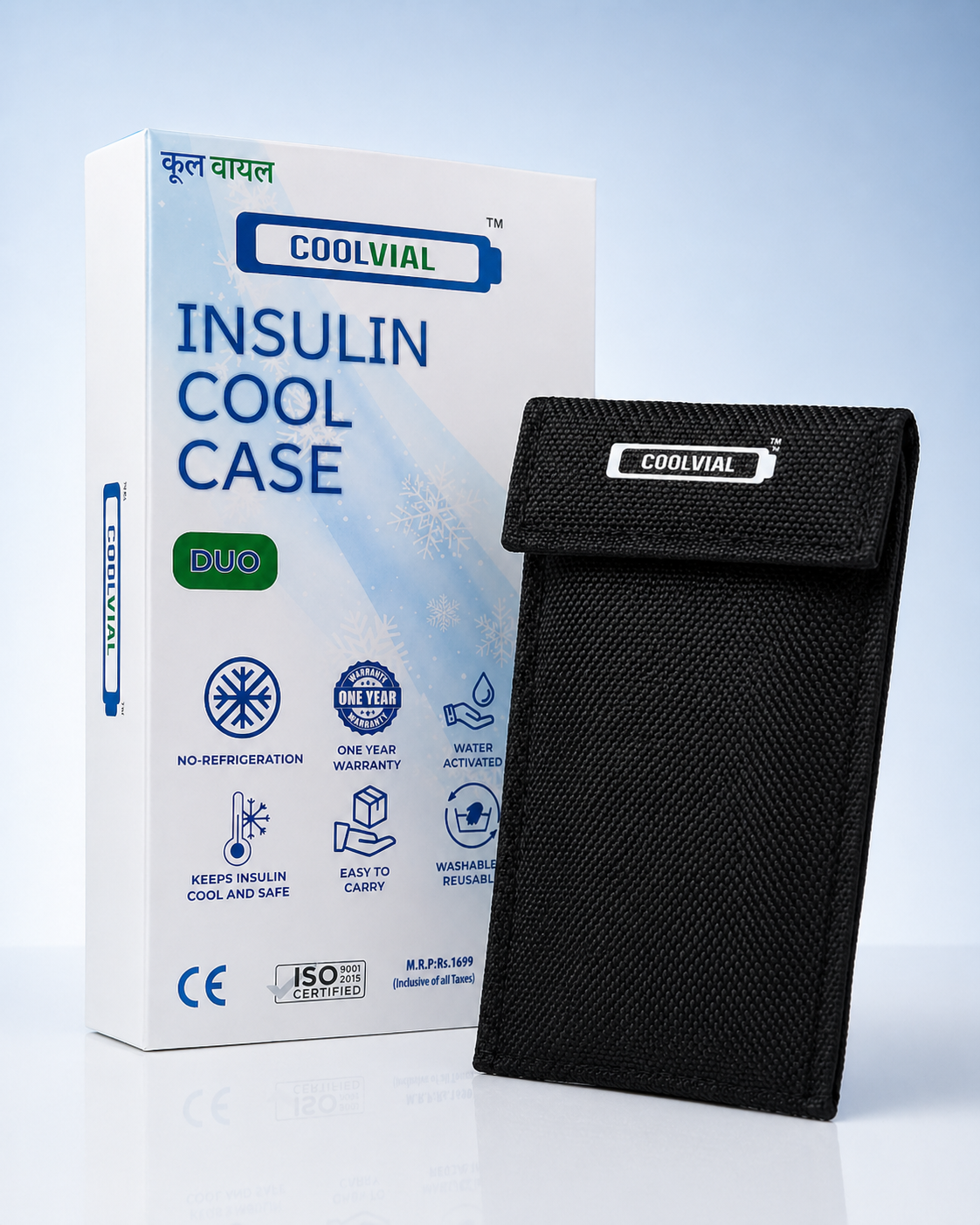
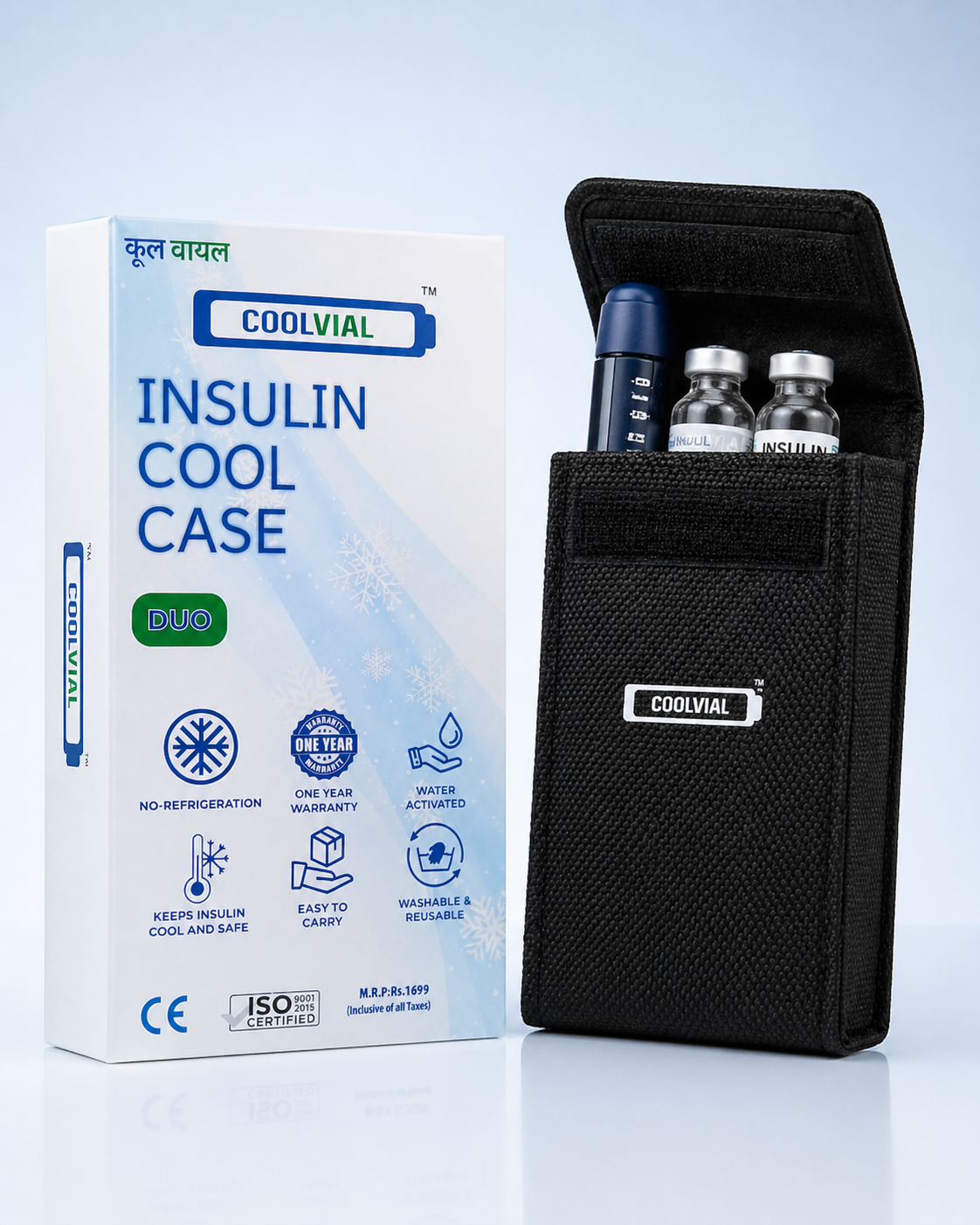
- Insulated Cooling Cases: A good quality evaporative cooling case is indispensable. The COOLVIAL insulin cool case, for instance, can keep insulin cool for 12-16 hours without electricity, making it ideal for managing power cuts or short-term evacuations.
- Know Your Insulin’s Limits: Understand how long your specific insulin can remain at room temperature once opened. Most are stable for 28 days at up to 25°C or 30°C, but always check the manufacturer’s leaflet.
-
Worst-Case Flood Planning (Referencing 2018 Kerala Floods):
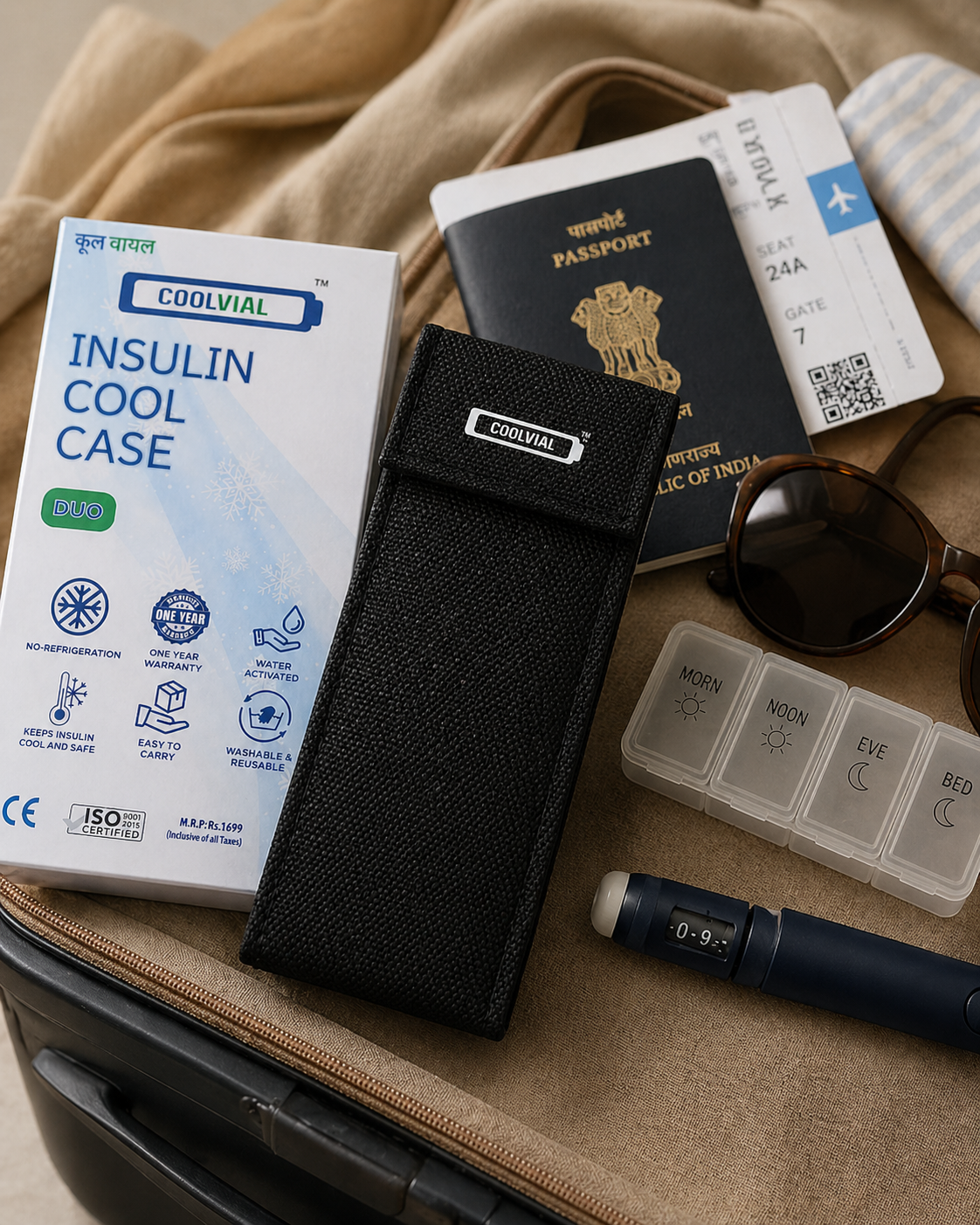
- Emergency Kit: Prepare a “go-bag” with at least a 3-5 day supply of insulin, syringes/pen needles, alcohol swabs, blood glucose monitor, test strips, and a power bank for your meter. Include your COOLVIAL Duo.
- Medical Records: Keep copies of your prescriptions, doctor’s contact information (e.g., Apollo Hospitals Guwahati (Lokhra) or Gauhati Medical College Hospital (GMCH)), and a list of your medications in a waterproof bag.
- Designated Safe Zone: Identify a higher ground location or a neighbour’s first floor where you can temporarily store your insulin if your ground-floor residence in areas like Paltan Bazaar or Beltola is at risk of flooding.
- Communication Plan: Ensure family members know where your emergency insulin kit is located and how to contact local emergency services or your healthcare provider.
For more detailed guidance on power outages, read our comprehensive article: Power Cut Survival Guide for Diabetics in Guwahati — What To Do When the Grid Goes Down.
5. Choosing the Right Insulin Cooling Case for Guwahati’s Monsoon
For any diabetic in Guwahati, an evaporative cooling case is a game-changer, especially during the monsoon. It provides a reliable, electricity-free method to keep insulin cool within the safe temperature range (18-26°C), crucial for both daily commutes and emergency situations.
When selecting an insulin cooling case, consider the following:
- Duration of Cooling: How long does it maintain the cool temperature? The COOLVIAL Duo keeps insulin cool for 12-16 hours.
- Capacity: Does it hold enough pens/vials for your needs? The COOLVIAL Duo holds 2 pens + 1 vial.
- Ease of Use: Is it easy to activate with just water? Evaporative coolers are simple and effective.
- Durability and Certification: Look for cases that are CE certified and ISO 9001:2015 compliant, ensuring quality and reliability. COOLVIAL Duo meets these standards.
- Price and Value: Compare options like COOLVIAL Duo (Rs 1,099 with code COOLHEAL, MRP Rs 1,699), FRIO (often around Rs 1,900), and Outer Woods OW-12 (around Rs 999). While FRIO is popular, COOLVIAL Duo offers a competitive price point and robust features, being Made in India for Indian conditions. Outer Woods OW-12 is cheaper but might have different cooling durations or capacity.
- Water-Activated Technology: This is key for monsoon conditions as it doesn’t rely on refrigeration or ice packs, which can leak and damage insulin.
Why COOLVIAL Duo is ideal for Guwahati:
- Reliable Cooling: 12-16 hours of cooling is sufficient for most daily activities, travel, and short power cuts.
- Ample Capacity: Holds 2 pens + 1 vial, suitable for many users’ daily needs.
- Water-Activated: No electricity needed, just water – perfect for humid, rainy conditions where power is unreliable.
- Robust Construction: Designed to withstand daily use.
- Affordable: At Rs 1,099 with code COOLHEAL, it’s a cost-effective solution compared to some international brands, while providing certified quality.
- Made in India: Built with local climate challenges in mind.
Using a COOLVIAL Duo ensures your insulin is protected from ambient heat and kept within its safe temperature range, even when you’re caught in a sudden downpour near the Brahmaputra Riverfront or stuck in traffic near Ganeshguri.
6. Navigating Pharmacy Access During Heavy Rainfall and Flooding
During the guwahati heavy monsoon, getting to a pharmacy or receiving home delivery can become extremely challenging. Waterlogging in areas like Paltan Bazaar can bring vehicular movement to a standstill, and even major roads around Six Mile/Khanapara can be affected. This directly impacts access to essential insulin supplies from pharmacies like Apollo Pharmacy, MedPlus, Frank Ross, or online services like 1mg and Generic Aadhaar.
Guwahati Heavy Monsoon — 7 Essential Tips for Keeping Insulin Dry Through Heavy Annual Rainfall
COOLVIAL keeps insulin safe in India's heat. 48+ hours, no electricity needed.
-
Anticipate and Stock Up:
- Minimum 2-Week Supply: Always aim to have at least a two-week supply of insulin and other diabetes essentials (test strips, lancets, alcohol swabs) on hand, especially as the monsoon season approaches (May-June).
- Monitor Weather Forecasts: Stay updated on weather advisories from local authorities. If heavy rainfall or flooding is predicted, make a trip to your nearest pharmacy or place an online order in advance.
- Explore Multiple Pharmacies: Have contacts for several pharmacies, including larger chains like Apollo Pharmacy (Lokhra) and smaller local ones, to increase your chances of finding an open store or a delivery service that can reach you.
-
Understanding Delivery Challenges:
- During severe weather, delivery riders from platforms like 1mg or even local pharmacy delivery services (e.g., Frank Ross) might face significant delays or be unable to operate due to submerged roads.
- Confirm your delivery window and have a backup plan.
-
Emergency Pharmacy Contacts:
- Keep a list of 24/7 pharmacies or hospital pharmacies (e.g., at Apollo Hospitals Guwahati (Lokhra) or Gauhati Medical College Hospital (GMCH)) that might be accessible in extreme emergencies.
- [Verify in 2026] for current 24/7 pharmacy listings.
-
Community Support:
- Connect with local diabetes support groups or neighbors who might be able to assist with fetching supplies if you are unable to leave your home.
7. Roof Leaks and Flood Risk: Strategic Insulin Storage at Home
Guwahati’s older buildings are particularly susceptible to roof leaks and wall seepage during the heavy monsoon. For those living on the ground floor in flood-prone areas like parts of Paltan Bazaar or near the Brahmaputra, the risk of water entering the home is significant. Strategic placement of your insulin within your residence is crucial.
-
Ground Floor vs. First Floor Storage:
- Ground Floor: If you live on the ground floor, especially in low-lying areas, prioritize storing all essential diabetes supplies, including your emergency insulin kit and COOLVIAL Duo, on a higher shelf, in a closet, or even on the first floor if available. Never store insulin on the floor or in low cabinets.
- First Floor: If your home has multiple levels, the first floor is generally a safer bet for storing backup insulin supplies, medical records, and the emergency kit.
- Waterproof Containers: Even on higher shelves, keep insulin and related items in robust, waterproof containers (not just airtight, but truly waterproof) to protect against unexpected leaks or rising floodwaters.
-
Roof Leak Preparation:
- Regular Inspections: Before the monsoon, inspect your roof and ceiling for any cracks or weak points. Address repairs promptly.
- Identify Safe Zones: Inside your home, identify areas least prone to leaks. Often, central rooms or interior closets on higher shelves are safer than areas directly under windows or outer walls.
- Elevate Storage: Use sturdy shelves or cabinets that are well above floor level. Avoid storing insulin in basements or garages, which are often the first to flood or become damp.
-
Evacuation Scenarios:
- In the event of a flood warning or mandatory evacuation, your pre-packed emergency kit with insulin, monitor, and a fully charged COOLVIAL Duo will be invaluable. Ensure it’s easily accessible and can be grabbed quickly.
- Know your evacuation routes and designated shelters, and communicate this plan with your family.
Frequently Asked Questions (FAQ)
Q: How do I know if my insulin has been damaged by heat or moisture during the Guwahati heavy monsoon? A: If your insulin appears cloudy, discolored, or has particles floating in it (unless it’s NPH insulin, which is normally cloudy), it may be damaged. Similarly, if the packaging shows signs of mould or severe dampness, or if it was exposed to temperatures outside the recommended range for a prolonged period, it’s best to discard it and use a fresh supply to ensure efficacy.
Q: Can I use a regular insulated lunch bag to store insulin during a power cut in Guwahati? A: Regular insulated lunch bags typically do not maintain the precise cool temperatures required for insulin for extended periods, especially in Guwahati’s tropical heat. They might keep it cool for an hour or two with ice packs, but ice packs can leak and damage insulin. An evaporative cooling case like COOLVIAL Duo is specifically designed to keep insulin within the safe temperature range (18-26°C) for 12-16 hours without electricity or ice, making it a much safer and more reliable option.
Q: What should I do if my house floods and my insulin supplies are submerged? A: If your insulin supplies have been submerged in floodwaters, they should be immediately discarded. Floodwater can contain numerous contaminants, and even if the packaging appears intact, the sterility and efficacy of the insulin cannot be guaranteed. Prioritize your safety and health, and contact your doctor at Apollo Hospitals Guwahati (Lokhra) or Gauhati Medical College Hospital (GMCH) for new prescriptions and guidance on obtaining replacement supplies.
Q: How often should I replace the silica gel in my airtight insulin storage container during the monsoon? A: During the Guwahati heavy monsoon, with humidity often exceeding 90%, it’s advisable to check and replace or reactivate your silica gel packets weekly, or even more frequently if they are the indicating type and have changed color. Always ensure the internal environment of your airtight container remains dry.
Q: Is it safe to use insulin that has been exposed to extreme humidity but not direct water? A: While extreme humidity without direct water exposure is less immediately damaging than submersion, prolonged high humidity can still compromise insulin packaging, leading to mould growth and potential degradation over time. It’s crucial to store insulin in airtight containers with desiccants. If the packaging is visibly compromised or you have doubts about the insulin’s integrity, consult your doctor and consider replacing the supply.
Q: Where can I find emergency insulin supplies if local pharmacies like Frank Ross are inaccessible due to flooding? A: In severe flood situations, major hospitals like Apollo Hospitals Guwahati (Lokhra) and Gauhati Medical College Hospital (GMCH) usually have emergency pharmacy services. You may also check with larger, multi-specialty hospitals or government relief camps which often have medical provisions. Always carry your prescription and doctor’s contact details.
Q: What is the ideal temperature range for storing insulin in Guwahati’s climate? A: Unopened insulin should be stored in a refrigerator between 2°C and 8°C. Once opened, most insulin vials and pens can be stored at room temperature (up to 25°C or 30°C, depending on the brand – always check the leaflet) for up to 28 days. During Guwahati’s monsoon, when ambient temperatures can exceed 30°C and humidity is very high, using an evaporative cooling case like COOLVIAL Duo helps maintain the insulin within a safe 18-26°C range, protecting its potency.
Conclusion
The guwahati heavy monsoon presents a unique set of challenges for individuals managing diabetes, from extreme humidity and waterlogging in areas like Paltan Bazaar to the risk of widespread flooding. Protecting your insulin from moisture and temperature fluctuations is paramount to maintaining its efficacy and your health. By implementing these 7 essential tips – from using airtight containers with silica gel and safeguarding your refrigerator, to proactive flood planning and selecting a reliable evaporative cooling case – you can navigate the wet season with greater confidence.
Remember, preparedness is your best defence. Always have an emergency supply, know your local resources, and invest in tools designed for challenging climates. The COOLVIAL Duo, Made in India, offers a practical and certified solution to keep your insulin safe and cool without electricity, providing peace of mind during Guwahati’s most intense weather.
Order your COOLVIAL Duo today at Rs 1,099 with code COOLHEAL at coolvial.com or via WhatsApp wa.me/918766952300 and stay prepared for Guwahati’s heavy monsoon.
Medical Disclaimer
This article is for general information purposes only and does not constitute medical advice. Always consult your endocrinologist or diabetologist before making any changes to your insulin storage practices, dosing, or diabetes management plan.
Methodology Note
How We Researched This — This article is based on a comprehensive review of insulin storage guidelines from leading medical bodies such as the Research Society for the Study of Diabetes in India (RSSDI) (Source: RSSDI Publications) and data from the Indian Council of Medical Research (ICMR-INDIAB) study on diabetes prevalence. We also consulted local Guwahati hospital directories (including Apollo Hospitals Guwahati (Lokhra), Gauhati Medical College Hospital, Hayat Hospital), pharmacy networks (Apollo Pharmacy, MedPlus, Frank Ross), and general climate data for Assam to provide context-specific recommendations. Local insights into weather patterns, infrastructure vulnerabilities, and common challenges faced by diabetics in Guwahati during the monsoon were incorporated. [Verify in 2026] for updated local statistics and contacts.
Guwahati Heavy Monsoon — 7 Essential Tips for Keeping Insulin Dry Through Heavy Annual Rainfall
Insulin at 2-8°C for 48+ hours. Trusted by 10,000+ Indian diabetics.