
Reviewed by the COOLVIAL Editorial Team — specialists in insulin storage for Indian climate conditions.
Guwahati, the gateway to Northeast India, is renowned for its lush greenery, the mighty Brahmaputra River, and a climate that’s distinctly tropical. While the moderate heat, typically ranging from 10°C to 35°C, might seem manageable, it’s the relentless humidity, often hovering between 75-95% year-round, that poses a unique challenge for those needing to store insulin. For Guwahati residents, knowing how to store insulin correctly isn’t just a recommendation; it’s an essential part of managing diabetes effectively. This local’s guide provides 7 essential tips to protect your vital medication from the twin threats of dampness and heat, ensuring its efficacy. Based on analysis of insulin storage queries from Guwahati diabetics, we understand the nuances of this specific climate.
Table of Contents
- Guwahati’s Unique Climate: The Real Enemy is Constant Dampness
- The Hidden Danger: Mould Risk on Insulin Packaging
- Why Your Fridge Condensation is Worse in Guwahati
- AC vs. Non-AC Homes: Storage Realities in Paltan Bazaar and Beltola
- Navigating Travel: Insulin Storage for Backwater and Houseboat Tourists
- Coastal Salt Air and Its Impact on Insulin Pens
- The Triple Threat Solution: Silica Gel, Airtight Containers, and Evaporative Coolers
- Frequently Asked Questions (FAQ)
- Conclusion and Call to Action
1. Guwahati’s Unique Climate: The Real Enemy is Constant Dampness
Unlike many inland Indian cities where humidity peaks only during the monsoon, Guwahati experiences persistently high humidity levels throughout the year. While temperatures might not always soar to extreme highs like in Rajasthan or Delhi, the constant dampness, especially intensified during the very heavy monsoon season from May to September (averaging ~1700mm rainfall), creates a pervasive challenge. This isn’t just about discomfort; it directly impacts how to store insulin. Insulin is a delicate protein, and while heat is a well-known degradant, prolonged exposure to high humidity can also compromise its stability and potency, even leading to physical changes in the solution or device.
Key Challenges of Guwahati’s Climate for Insulin Storage:
- Year-round High Humidity: Average relative humidity rarely drops below 75%, making mould growth and condensation pervasive.
- Moderate but Consistent Heat: Temperatures between 10-35°C, while not extreme, are still above the ideal refrigerated storage (2-8°C) for unopened vials/pens and below room temperature limits (up to 30°C) for in-use insulin.
- Heavy Monsoon Rainfall: The sheer volume of rain can lead to water ingress in homes and increased airborne moisture, particularly in areas near the Brahmaputra Riverfront or during flood events.
- Lack of Dry Air: Unlike arid climates where evaporative cooling works purely on temperature, in humid climates, the challenge is also to keep things dry.
To effectively store insulin, one must consider both temperature control and, crucially, moisture control. Generic advice often overlooks this critical humidity factor, making it less effective for places like Guwahati.
2. The Hidden Danger: Mould Risk on Insulin Packaging
Imagine buying a fresh pack of insulin pens or vials from Apollo Pharmacy or MedPlus in Ganeshguri. Within a few weeks, especially during the monsoon, you might notice something unsettling: faint spots of mould on the cardboard packaging. This isn’t just an aesthetic issue; it’s a stark indicator of the high moisture content in the air, directly affecting how to store insulin. While the insulin itself is sealed within the pen or vial, the external packaging provides a breeding ground for mould spores that thrive in 75-95% humidity.
Why Mould on Packaging is a Concern:
- Compromised Sterility (Indirectly): While the insulin product itself is sterile, mouldy outer packaging can transfer spores to your hands, which could then inadvertently come into contact with the injection site, increasing infection risk.
- Damage to Labels: Mould and dampness can degrade paper labels, making it difficult to read expiry dates, insulin type, and dosage information – a critical safety concern.
- Psychological Impact: Seeing mould on your medication can erode trust in its quality and safety, leading to anxiety.
- Increased Degradation Risk: Persistent dampness can, over time, affect the integrity of device components, especially plastic or rubber seals, potentially allowing moisture to ingress.
Practical Steps to Mitigate Mould Risk:
- Inspect Immediately: Upon purchase, check the packaging for any signs of dampness or mould. Do not accept damaged boxes.
- Remove Outer Packaging: Once home, consider carefully removing the cardboard outer box and storing the pens/vials directly in a clean, dry, airtight container.
- Use Desiccants: Place small silica gel packets (easily available at Frank Ross or 1mg) inside your storage containers to absorb excess moisture. Replace them regularly, especially if they change colour (indicating saturation).
- Keep Away from Walls: Avoid storing insulin boxes directly against external walls, especially in non-AC apartments in areas like Paltan Bazaar, as these can be cooler and more prone to condensation.
3. Why Your Fridge Condensation is Worse in Guwahati
Many people are advised to store unopened insulin in the refrigerator (2-8°C). While this is standard practice, Guwahati’s extreme humidity complicates matters. When you open your refrigerator door, the warm, moisture-laden air from your kitchen rushes in and immediately cools. This causes the water vapour to condense, forming droplets on internal surfaces, including your insulin pens and vials. In a drier climate like Delhi, this condensation might evaporate quickly. In Guwahati, however, the high ambient humidity means the air inside your fridge struggles to dry out, leading to persistent moisture and even frost build-up if seals are faulty.
The Perils of Fridge Condensation for Insulin:
- Water Damage to Pens: Modern insulin pens contain electronic components and intricate mechanisms. Repeated exposure to condensation can lead to corrosion of metal parts and malfunction, particularly for pens not designed to be waterproof.
- Label Degradation: Just like with external mould, condensation can make labels peel, smudge, or become illegible, hindering safe usage.
- Increased Mould Risk (Inside Fridge): While less common inside the fridge itself, persistent condensation can still foster mould growth on packaging or even on the pen exterior if left unchecked.
- Temperature Fluctuations: Frequent opening of the fridge in a hot, humid environment can lead to wider temperature swings, which are detrimental to insulin stability.
Smart Fridge Storage for Guwahati:
7 Essential Tips for Storing Insulin in Guwahati's Tropical Humidity — A Local's Guide
Insulin at 2-8°C for 48+ hours. Trusted by 10,000+ Indian diabetics.
- Airtight Containers are Non-Negotiable: Always place your insulin pens and vials in a sealed, airtight plastic container before putting them in the fridge. This creates a micro-environment that protects them from direct condensation.
- Add Desiccants: Even inside an airtight container in the fridge, a small silica gel packet can absorb any residual moisture, offering an extra layer of protection.
- Avoid Door Storage: The fridge door is the warmest and most temperature-variable part of the refrigerator. Store insulin on a central shelf, away from direct contact with the cooling plate.
- Regular Inspection: Periodically check your fridge’s seals and defrost it if excessive frost builds up. For detailed guidance, consult endocrinology departments at Apollo Hospitals Guwahati (Lokhra) or Gauhati Medical College Hospital (GMCH).
4. AC vs. Non-AC Homes: Storage Realities in Paltan Bazaar and Beltola
The reality of living in Guwahati, whether in the bustling central hub of Paltan Bazaar or the residential expanse of Beltola, often involves varying levels of access to air conditioning. This directly influences how to store insulin.
AC Apartments (e.g., modern flats in Six Mile/Khanapara): In an air-conditioned environment, the air is not only cooled but also dehumidified. This significantly reduces moisture-related risks.
- Advantages: Stable temperatures (typically 22-26°C), reduced humidity, minimal mould risk.
- Considerations:
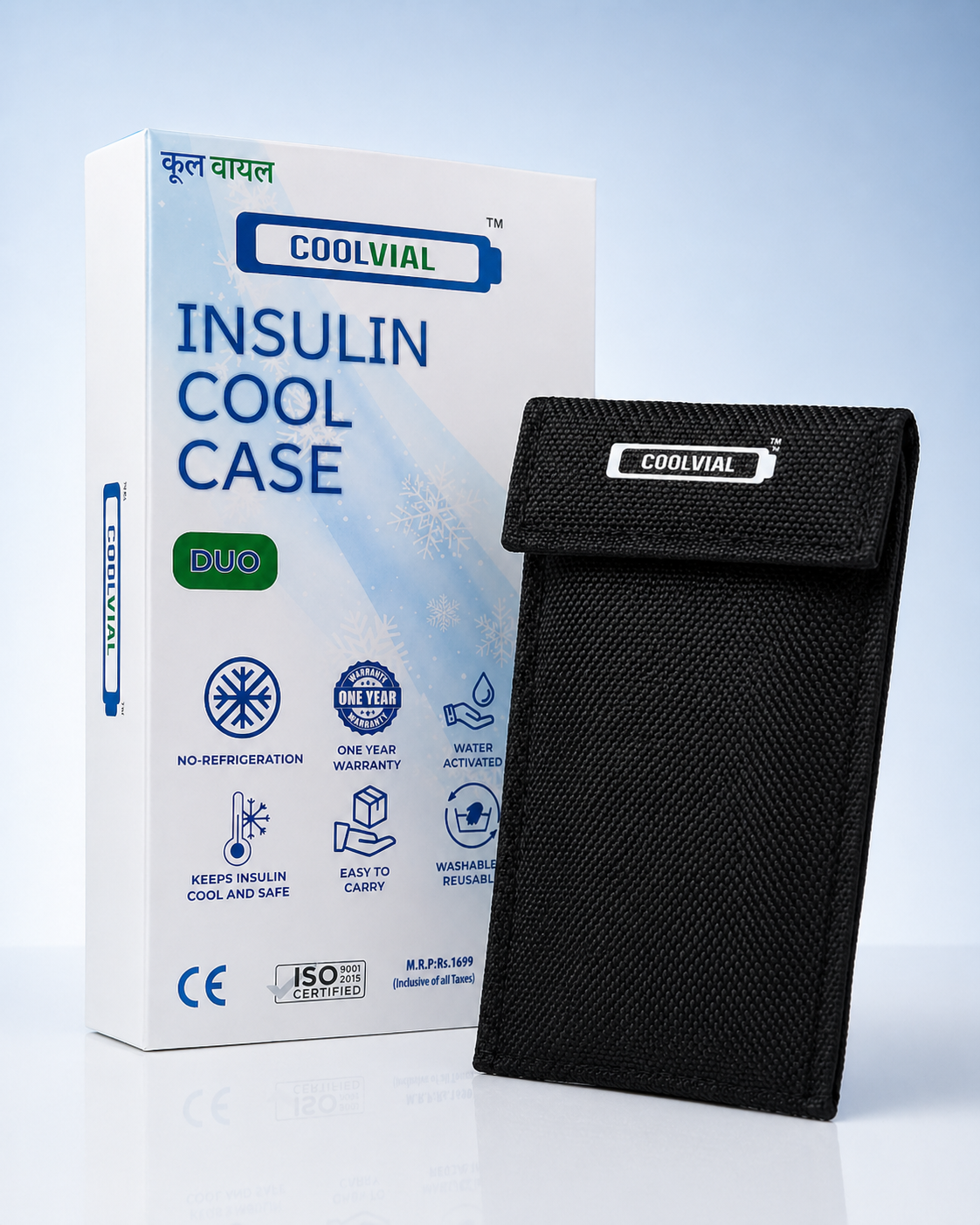
- Power Cuts: Guwahati experiences occasional power outages, especially during storms. Ensure your AC-dependent storage strategy accounts for this. An evaporative cooling case like COOLVIAL Duo can provide vital backup during these times.
- Temperature Consistency: Avoid placing insulin directly under an AC vent where temperatures can fluctuate rapidly.
Non-AC Apartments (common in older areas like Paltan Bazaar, parts of Beltola): Here, the challenge is greater. Ambient temperatures can consistently hover near or above the recommended “in-use” insulin storage limit (typically up to 30°C), and humidity remains high.
- Advantages: None, in terms of ideal insulin storage, but this is the reality for many.
- Considerations:
- Ventilation: Maximize cross-ventilation. Keep windows open when possible to prevent stagnant, humid air, but close them during heavy rain.
- Location, Location, Location: Identify the coolest, driest spot in your home. This might be an interior cupboard, away from direct sunlight, heat-emitting appliances, and external walls.
- Evaporative Cooling is Critical: For active insulin pens and vials, an evaporative cooling case becomes indispensable. It can maintain insulin at safe temperatures (typically 18-26°C) even when ambient temperatures are up to 35°C, providing a crucial buffer in non-AC environments.
Local Insight: Many residents in older Guwahati neighborhoods use ceiling fans and open windows to circulate air. While this helps with comfort, it doesn’t significantly lower humidity. Therefore, supplementary storage solutions like desiccants and cooling cases are paramount for those without consistent AC access.
5. Navigating Travel: Insulin Storage for Backwater and Houseboat Tourists
Guwahati is a gateway to exploring the beautiful, often remote, corners of Assam, including serene backwaters and unique houseboat experiences on the Brahmaputra. While these journeys offer incredible memories, they present magnified challenges for how to store insulin. The combination of prolonged exposure to ambient heat, extremely high humidity, and the potential for jostling or water splashes demands a robust storage plan.
Specific Challenges for Tourists:
- Limited Refrigeration: Houseboats or remote guest houses often have unreliable or no refrigeration.
- Constant Exposure to Elements: Open-air travel, small boats, or even just being outdoors for extended periods exposes insulin to direct sunlight, high temperatures, and extreme humidity.
- Water Exposure Risk: Accidental splashes or even heavy rain can damage insulin pens and packaging.
- Remote Access to Pharmacies: Away from city centers like Six Mile or areas with Apollo Pharmacy, replacing damaged insulin is difficult or impossible.
Travel-Smart Insulin Storage:
- Water-Activated Cooling Cases: The COOLVIAL Duo is specifically designed for such conditions. Activated by water, it keeps insulin cool (12-16 hours) without electricity, making it perfect for off-grid travel. Its robust design protects against physical damage.
- Double Bagging: Place your insulin pens/vials (inside their cooling case) into a sturdy, waterproof dry bag or several zip-lock bags. This offers an extra layer of protection against splashes, rain, and river water.
- Desiccant Packs: Even within a cooling case, place a small desiccant packet to absorb any moisture that might accumulate.
- Strategic Placement: Keep your insulin bag in the coolest, shadiest part of the boat or vehicle. Avoid direct sunlight or storage near engine compartments.
- Carry Extra Supplies: Always carry more insulin and supplies than you anticipate needing. Power outages, travel delays, or unexpected damage can occur.
- Consult Your Doctor: Before any extended travel, discuss your itinerary with your diabetologist at GMCH or Hayat Hospital to get personalized advice on insulin storage and emergency plans.
Remember, the goal is to create a consistently cool and dry micro-environment for your insulin, regardless of external conditions.
6. Coastal Salt Air and Its Impact on Insulin Pens
While Guwahati itself is not a coastal city, its proximity to the Bay of Bengal’s weather patterns and the fact that many residents travel to coastal areas (e.g., Odisha, West Bengal, or even further south) means considering the impact of salt air is relevant. The high humidity in Guwahati shares some characteristics with coastal air, particularly in its moisture content, but coastal environments add corrosive salt particles.
How Salt Air (and High Humidity) Affects Insulin Pens:
- Metal Component Corrosion: Many insulin pens, especially reusable ones, have metal components (e.g., needle attachments, dose counters, internal mechanisms). Salt particles, carried by humid air, are highly corrosive and can degrade these metal parts, leading to rust, jamming, or inaccurate dosing.
- Plastic Degradation: While less susceptible than metal, prolonged exposure to high humidity and temperature fluctuations can make certain plastics brittle over time, affecting the pen’s structural integrity.
- Rubber Seal Deterioration: Seals are critical for maintaining the sterility and functionality of pens and vials. Humidity and corrosive elements can cause rubber seals to crack or lose elasticity, potentially compromising the insulin inside.
- Electronic Malfunctions: Smart pens with digital displays or Bluetooth capabilities are particularly vulnerable to moisture and corrosion, which can short-circuit electronics or lead to display errors.
Protecting Your Pens from the Elements:
- Airtight Protection: Always store pens in an airtight container when not in immediate use, especially if you live near the Brahmaputra Riverfront where humidity can be exceptionally high, or if you’re traveling to a coastal area.
- Regular Cleaning: Gently wipe down the exterior of your insulin pens with a clean, dry cloth daily to remove any accumulated moisture or residue.
- Evaporative Coolers with Desiccant: An evaporative cooling case like the COOLVIAL Duo offers a protective shell, and adding a small silica gel packet inside can help combat internal moisture buildup, safeguarding the pen’s delicate components.
- Inspect Regularly: Pay close attention to the functionality of your pen. If you notice any sticking, difficulty in dialing a dose, or visible corrosion, discontinue use and consult your doctor.
7. The Triple Threat Solution: Silica Gel, Airtight Containers, and Evaporative Coolers
7 Essential Tips for Storing Insulin in Guwahati's Tropical Humidity — A Local's Guide
Given Guwahati’s unique climate, a multi-pronged approach is the most effective way to store insulin. Combining three simple yet powerful tools creates a robust defense against heat and, more importantly, pervasive humidity. This integrated strategy is crucial for locals and visitors alike.
1. Silica Gel Packets: These tiny packets are powerful desiccants, meaning they absorb moisture from the air.
- Why in Guwahati: Essential for combating the 75-95% year-round humidity. They keep the micro-environment around your insulin dry, preventing mould on packaging and condensation on pens.
- Usage: Place a few small packets inside any container where you store insulin (fridge container, travel case, daily use pouch). Replace them when they change colour (if they are indicating silica gel) or every few weeks, especially during monsoon.
2. Airtight Containers: These create a physical barrier against external moisture and airborne contaminants.
- Why in Guwahati: Prevents humid air from reaching your insulin, crucial for fridge storage (to combat condensation) and general room temperature storage (to prevent mould and dampness).
- Usage: Use food-grade plastic containers with tight-fitting lids for both refrigerated and room-temperature insulin. Ensure they are clean and dry before use.
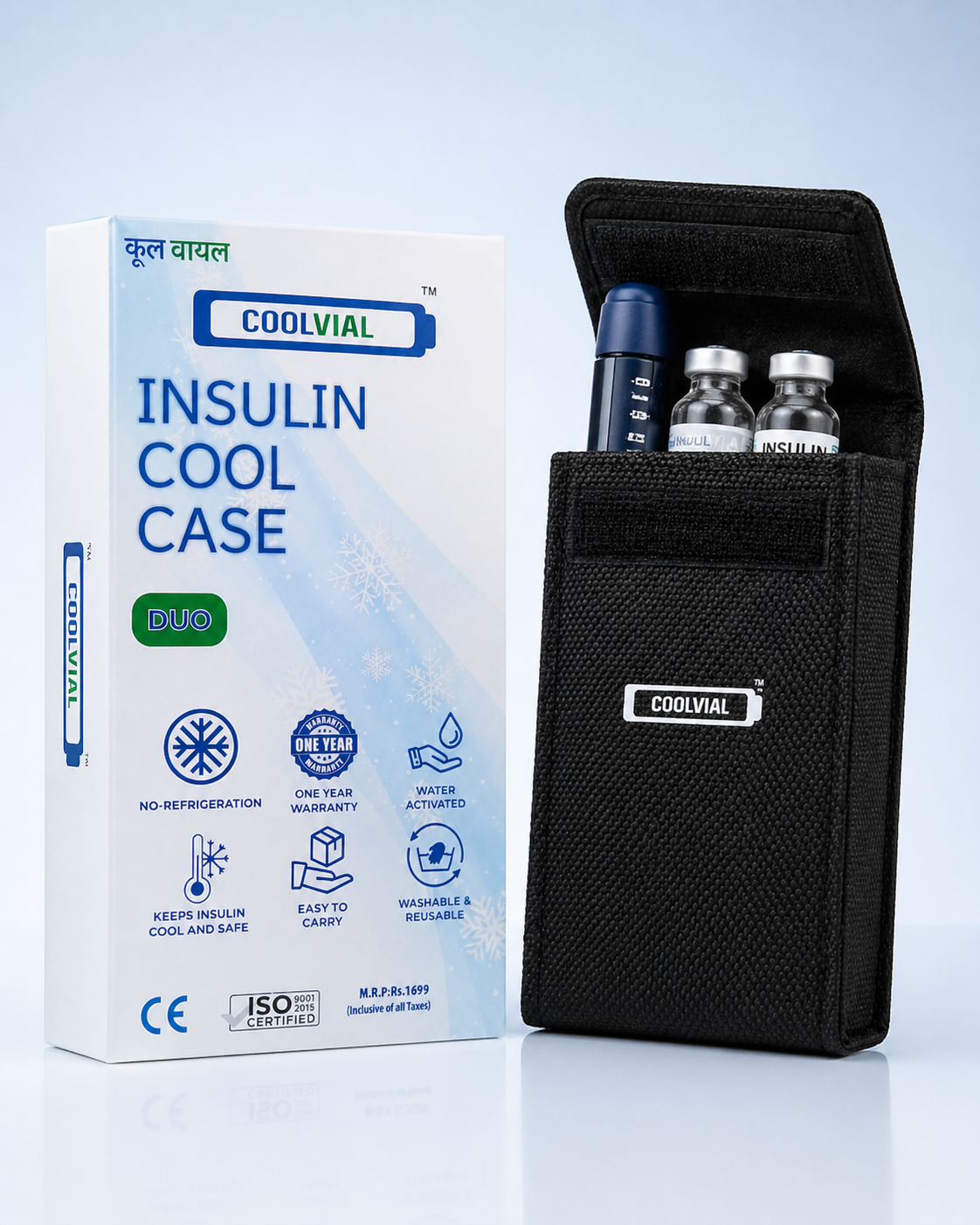
3. Evaporative Cooling Cases (e.g., COOLVIAL Duo): These cases use the principle of evaporative cooling to maintain insulin at a safe temperature range (18-26°C) for extended periods without electricity.
- Why in Guwahati:
- Humidity Management: While primarily for cooling, the evaporation process also creates a slightly drier microclimate within the case.
- Temperature Stability: Essential for in-use insulin pens/vials that shouldn’t be refrigerated and for backup during power cuts or travel. It keeps insulin stable even if ambient temperatures reach 35°C.
- Protection: Offers a robust, cushioned casing, protecting pens from physical damage, which is vital during travel on bumpy roads or boats.
- Comparing Options:
- COOLVIAL Duo (Rs 1,099 with code COOLHEAL): Holds 2 pens + 1 vial. Keeps cool for 12-16 hours. CE certified, ISO 9001:2015, 1-year warranty. Made in India. This offers excellent value and specific Indian climate suitability.
- FRIO (around Rs 1,900): Another popular evaporative cooler, often imported, offering similar cooling principles.
- Outer Woods OW-12 (around Rs 999): A budget-friendly option, but may offer less durability or cooling duration compared to COOLVIAL.
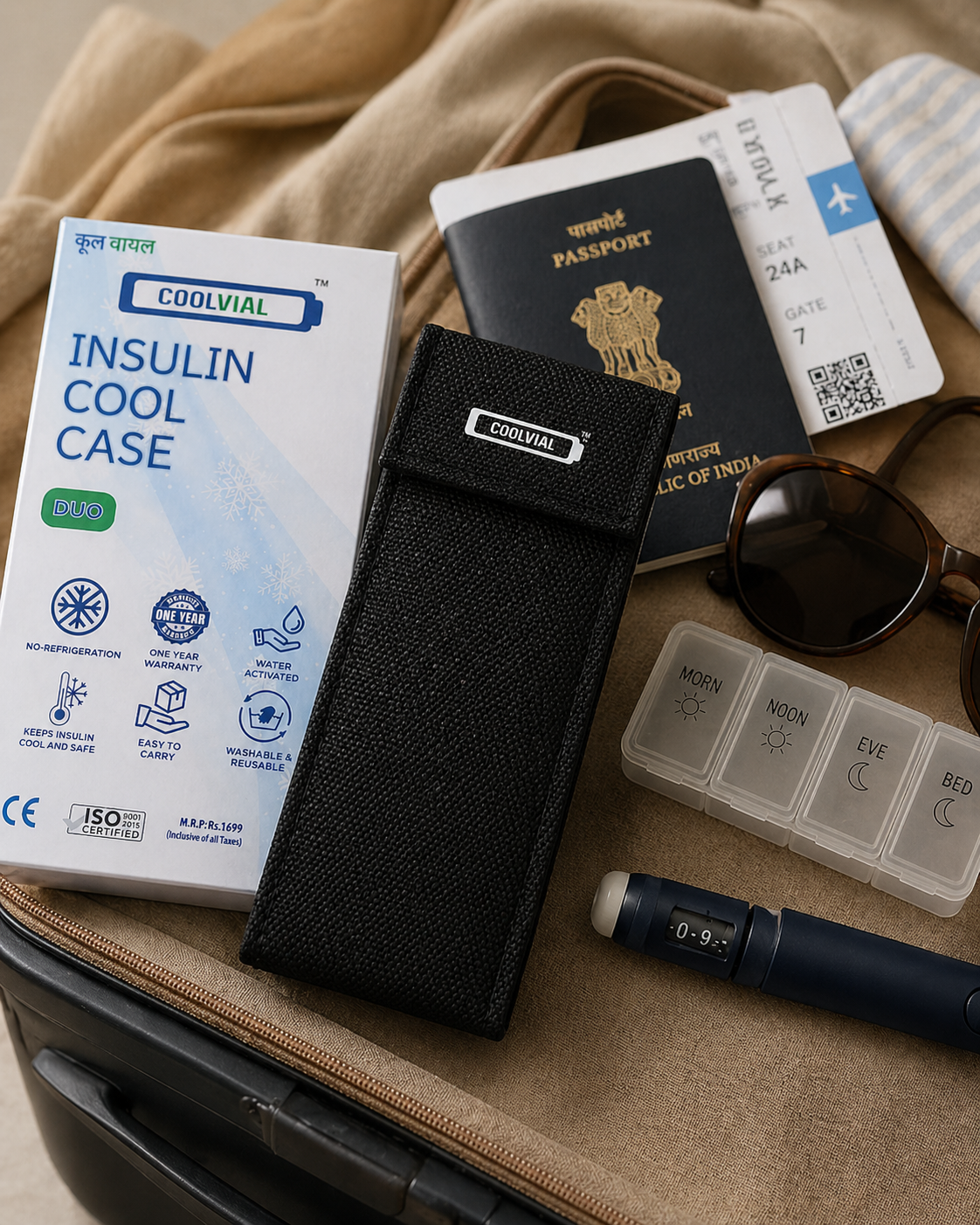
For those living in Guwahati, investing in a quality evaporative cooling case like the COOLVIAL insulin cool case is highly recommended. It offers peace of mind and ensures your insulin remains potent, whether you’re navigating the busy streets of Paltan Bazaar, exploring the Assam State Zoo, or visiting the serene Umananda Island. For more general advice, you can refer to our insulin storage tips.
Summary of the Triple Threat Strategy:
| Component | Primary Benefit | Guwahati-Specific Advantage |
|---|---|---|
| Silica Gel | Moisture absorption | Directly combats 75-95% year-round humidity, preventing mould and condensation. |
| Airtight Box | Physical barrier, prevents moisture ingress | Seals out humid air, crucial for fridge storage and general protection. |
| Evaporative Case | Temperature regulation (18-26°C), physical protection | Maintains safe temperatures for active insulin in non-AC settings and during travel; protects from dampness. |
This comprehensive strategy, combined with regular monitoring and guidance from healthcare providers at hospitals like Apollo Hospitals Guwahati, will significantly enhance your ability to store insulin safely and effectively in Guwahati’s challenging climate. For a broader understanding of diabetes management in the region, consider reading our Complete Diabetes Care Guide for Guwahati Residents — 2026 Edition. Also, specifically for monsoon challenges, see our article on Guwahati Heavy Monsoon — Keeping Insulin Dry Through Heavy Annual Rainfall.
Frequently Asked Questions (FAQ)
Q: Can I store my insulin in a regular plastic box in the fridge in Guwahati? A: Yes, but it must be an airtight plastic box. This creates a barrier against the high humidity and condensation inside your refrigerator, which is particularly severe in Guwahati’s climate, protecting your pens and vials from moisture damage.
Q: How often should I replace silica gel packets for insulin storage in Guwahati? A: In Guwahati’s high humidity, it’s advisable to replace or reactivate (if reusable) silica gel packets every 2-4 weeks, or immediately if they indicate saturation (e.g., changing color from blue to pink).
Q: Is it safe to carry insulin in my bag during a boat ride on the Brahmaputra River? A: It is safe if adequately protected. Always use a water-activated evaporative cooling case like COOLVIAL Duo, which provides both cooling and physical protection, and then place it inside a waterproof dry bag to prevent water damage from splashes or rain.
Q: What is the ideal room temperature for insulin storage in Guwahati, considering the humidity? A: Unopened insulin should be refrigerated (2-8°C). Once opened, most insulin can be stored at room temperature, typically below 30°C, for up to 28 days. In Guwahati, aim for the coolest, driest spot, ideally using an evaporative cooler to maintain temperatures within the 18-26°C range.
Q: Does Guwahati’s high humidity affect the shelf life of unopened insulin vials? A: While unopened vials are sealed, prolonged exposure to high ambient humidity and moderate heat can potentially stress the rubber stoppers and glass seals, which might subtly impact long-term stability. Always store unopened insulin in the fridge in an airtight container to minimize this risk.
Q: What should I do if my insulin pen gets damp or wet in Guwahati? A: If your insulin pen gets damp, immediately wipe it dry with a clean cloth. If it appears wet or shows signs of water ingress, do not use it, as its accuracy and sterility might be compromised. Dispose of it safely and use a new pen, consulting your doctor if unsure.
Q: Are there any specific local guidelines for insulin storage in Guwahati? A: While general guidelines apply, local endocrinologists at institutions like Gauhati Medical College Hospital (GMCH) often emphasize strict adherence to temperature and moisture control due to Guwahati’s climate. Always consult your healthcare provider for personalized advice on how to store insulin.
Q: Can I leave my insulin in the car in Guwahati, even for a short time? A: No, absolutely not. Car interiors can rapidly reach extreme temperatures (well above 35°C) even on moderately warm days, especially with high humidity. This can quickly degrade insulin. Always carry your insulin with you in a suitable cooling case.
Conclusion and Call to Action
Managing diabetes in Guwahati’s unique tropical, humid climate demands a proactive and informed approach to insulin storage. The pervasive dampness, coupled with moderate heat, presents challenges that go beyond simple temperature control. From protecting your insulin packaging from mould to safeguarding your pens from fridge condensation and the effects of salt air, every detail matters. By adopting a comprehensive strategy involving silica gel, airtight containers, and reliable evaporative cooling cases, you can ensure your insulin remains potent and effective, empowering you to live a full and active life in the beautiful city of Guwahati.
Don’t let Guwahati’s climate compromise your health. Take control of your insulin storage today.
Order your COOLVIAL Duo at just Rs 1,099 with code COOLHEAL at coolvial.com or via WhatsApp wa.me/918766952300.
Medical Disclaimer: This article is for general information. Always consult your endocrinologist or diabetologist before changing insulin storage or dosing practices.
How We Researched This: Our insights are compiled from a thorough review of RSSDI (Research Society for the Study of Diabetes in India) guidelines, ICMR-INDIAB data on diabetes prevalence and management in India, local Guwahati hospital directories (including Apollo Hospitals Guwahati and GMCH), and an understanding of the operational network of local pharmacies like Apollo Pharmacy. We also considered climate data specifics for Guwahati, Assam. (Source: RSSDI Publications)
7 Essential Tips for Storing Insulin in Guwahati's Tropical Humidity — A Local's Guide
48+ hours at 2-8°C. No electricity. CE certified. Free delivery across India.
Order on WhatsApp — ₹1,099🛒 Buy Now — ₹1,099