
Reviewed by the COOLVIAL Editorial Team — specialists in insulin storage for Indian climate conditions.
Guwahati, the bustling gateway to Northeast India, presents a unique set of challenges and opportunities for individuals managing diabetes. From its hot, humid tropical climate to the annual Brahmaputra floods and occasional power cuts, effective diabetes management requires local knowledge and robust strategies. This complete diabetes care guide for Guwahati residents in 2026 aims to provide comprehensive insights, ensuring you can navigate the city’s healthcare landscape and environmental realities with confidence. Based on analysis of insulin storage queries from Guwahati diabetics, this guide offers practical advice, from finding the best medical facilities to understanding local food culture and ensuring your insulin stays safe in temperatures often ranging between 10°C and 35°C.
Whether you’re a long-time resident or new to the City of Eastern Light, this guide is your go-to resource for a healthier, more informed life with diabetes in Guwahati.
Table of Contents
- Diabetes Prevalence in Assam and Guwahati
- Top Hospitals and Diabetes Specialists in Guwahati
- Navigating Guwahati’s Pharmacy Network
- Guwahati’s Climate Reality and Insulin Storage Challenges
- Power and Utility: Managing Diabetes During Load Shedding
- Transporting Insulin in Guwahati: Daily Commutes and Travel
- Diabetic-Friendly Food Culture in Guwahati
- Diabetes Support Groups and Communities in Guwahati
- Health Insurance and State Schemes for Diabetics in Assam
- Guwahati-Specific Diabetes Management Challenges
- Frequently Asked Questions (FAQ)
- Methodology Note
- Conclusion and CTA
- Medical Disclaimer
1. Diabetes Prevalence in Assam and Guwahati
Understanding the local prevalence of diabetes is the first step towards effective community-wide and individual management. Assam, like many other Indian states, is witnessing a significant rise in diabetes cases. Recent studies highlight a concerning trend, with urban areas often showing higher prevalence rates due to lifestyle changes, dietary shifts, and reduced physical activity.
Key Statistics and Trends:
- National Context: India is often dubbed the “diabetes capital of the world,” with an estimated 101 million people living with diabetes in 2021, and another 136 million pre-diabetic (Source: ICMR-INDIAB study).
- North-East Specifics: While specific, granular data for Guwahati alone can be challenging to isolate, the North-Eastern region, including Assam, has shown an increasing prevalence of Type 2 Diabetes Mellitus. Lifestyle transitions from traditional to more urbanized patterns are key drivers.
- Assam’s Scenario: According to the Indian Council of Medical Research (ICMR) - India Diabetes (INDIAB) study, the prevalence of diabetes in Assam is estimated to be around 7.5%, with urban areas like Guwahati likely experiencing higher figures, possibly nearing 10-12% (Source: RSSDI Publications). This indicates that approximately 1 in 10 adults in Guwahati might be living with diabetes.
This rising trend underscores the urgent need for robust healthcare infrastructure, accessible diagnostic services, and comprehensive patient education in Guwahati. Early detection and proactive management are crucial to mitigate the long-term complications associated with diabetes.
2. Top Hospitals and Diabetes Specialists in Guwahati
Access to quality healthcare facilities and experienced medical professionals is paramount for effective diabetes management. Guwahati boasts several reputable hospitals and clinics equipped to handle diabetes care, ranging from general endocrinology to specialized diabetic foot care and retinopathy screening. When seeking expert care, consider the following leading institutions in Guwahati. For a deeper dive into specialists, refer to our Best Diabetologists & Endocrinologists in Guwahati — 2026 Guide.
Leading Hospitals for Diabetes Care:
- Apollo Hospitals Guwahati (Lokhra): Located in Lokhra, this multi-specialty hospital offers comprehensive endocrinology and diabetology departments. They provide advanced diagnostic services, personalized treatment plans, and often have a team of dietitians and educators. Their modern facilities make them a top choice for complex diabetes cases and general management.
- Gauhati Medical College Hospital (GMCH): As a premier government medical institution in Bhangagarh, GMCH provides affordable and accessible care. Its endocrinology department is a training ground for future specialists and offers a wide range of services, especially crucial for those seeking subsidized or free treatment. While patient volume is high, the quality of medical expertise is commendable.
- Hayat Hospital (Lalmati): Situated in Lalmati, Hayat Hospital is known for its patient-centric approach and specialized departments. Their diabetes care unit focuses on holistic management, including regular check-ups, medication management, and lifestyle counseling. It’s a reliable option for consistent follow-up care.
- Nemcare Hospital: A well-established private hospital, Nemcare offers specialized services in endocrinology and internal medicine, crucial for diabetes management.
- Down Town Hospital: One of the oldest private hospitals in Guwahati, it has a strong internal medicine department that handles diabetes cases effectively.
- International Hospital Guwahati: Known for its modern infrastructure and diverse specialties, including comprehensive diabetes care.
What to Look for in a Diabetes Clinic/Hospital:
- Endocrinology Department: A dedicated department ensures specialized care.
- Diagnostic Facilities: Access to HbA1c testing, lipid profiles, kidney function tests, and other relevant diagnostics.
- Multidisciplinary Team: Availability of diabetologists, dietitians, diabetes educators, and podiatrists.
- Emergency Services: 24/7 emergency care for acute diabetic complications.
- Affordability & Insurance Acceptance: Check if they accept Ayushman Bharat or other state/private insurance schemes.
Choosing the right healthcare provider is a critical decision. Consider proximity, reputation, and the specific needs of your diabetes management plan.
3. Navigating Guwahati’s Pharmacy Network
Reliable access to insulin, oral medications, and diabetic supplies is a cornerstone of diabetes management. Guwahati has a robust pharmacy network, combining large national chains with local independent stores and a growing presence of online pharmacies.
Key Pharmacy Options:
- Apollo Pharmacy: With numerous branches across Guwahati, including in neighborhoods like Ganeshguri, Beltola, and Paltan Bazaar, Apollo Pharmacy is a trusted name. They often stock a wide range of insulin brands, syringes, testing strips, and other diabetic essentials. Their presence ensures convenience and reliability.
- MedPlus: Another major pharmacy chain, MedPlus stores are strategically located throughout the city, offering competitive pricing and a broad selection of medicines.
- Frank Ross: A long-standing and reputable pharmacy chain, Frank Ross provides quality medications and often has experienced staff who can offer advice.
- Online Pharmacies: Platforms like 1mg and Generic Aadhaar have gained popularity, offering the convenience of home delivery. This can be particularly useful during Guwahati’s heavy monsoon season or for those with mobility challenges. Ensure you order well in advance to account for delivery times.
Tips for Pharmacy Access:
- Insulin Availability: Always confirm the availability of your specific insulin brand and formulation. It’s wise to maintain a small buffer stock, especially before the monsoon season.
- Cold Chain Management: When purchasing insulin, always ask about their cold chain storage practices. Insulin must be kept refrigerated at 2-8°C until opened. Once opened, it can be stored at room temperature (below 25-30°C) for a specific period, but Guwahati’s temperatures often exceed this. Using an insulin cool case like the COOLVIAL Duo immediately after purchase is advisable, especially if you have a significant commute.
- Emergency Supplies: Know the locations of 24-hour pharmacies in your area for insulin emergencies. Our guide on 24-Hour Pharmacies in Guwahati for Insulin Emergencies — Updated List provides detailed information.
- Generic Aadhaar: Explore Generic Aadhaar for potentially more affordable generic alternatives, but always consult your doctor before switching medications.
- Local Stores: Don’t overlook smaller, independent pharmacies in your neighborhood. Many are well-stocked and offer personalized service.
Ensuring you have a dependable source for your diabetes medications and supplies is crucial for consistent management.
4. Guwahati’s Climate Reality and Insulin Storage Challenges
Guwahati’s climate is a dominant factor in daily life, and for diabetics, it poses significant challenges, especially concerning insulin storage. The city experiences a hot, humid tropical climate with temperatures often ranging from 10°C in winter to a scorching 35°C (and sometimes higher) in summer. This is compounded by very heavy monsoons from May to September, bringing around 1700mm of rainfall annually, often leading to severe urban waterlogging and Brahmaputra floods.
The Impact of Climate on Insulin:
- Heat Degradation: Insulin is a protein and is highly sensitive to heat. Exposure to temperatures above 25-30°C can degrade its effectiveness, making it less potent or even inactive. In Guwahati, ambient temperatures frequently exceed this threshold, making proper storage critical.
- Humidity Issues: High humidity, characteristic of Guwahati, can affect insulin pens, vials, and even testing strips if not stored correctly. Moisture can damage devices and compromise medication integrity.
- Monsoon Risks: The heavy monsoon season brings not only high humidity but also increased risks of power cuts and water damage, further complicating insulin storage. Our detailed guide, Guwahati Heavy Monsoon — Keeping Insulin Dry Through Heavy Annual Rainfall, offers practical tips.
Smart Insulin Storage Solutions for Guwahati:
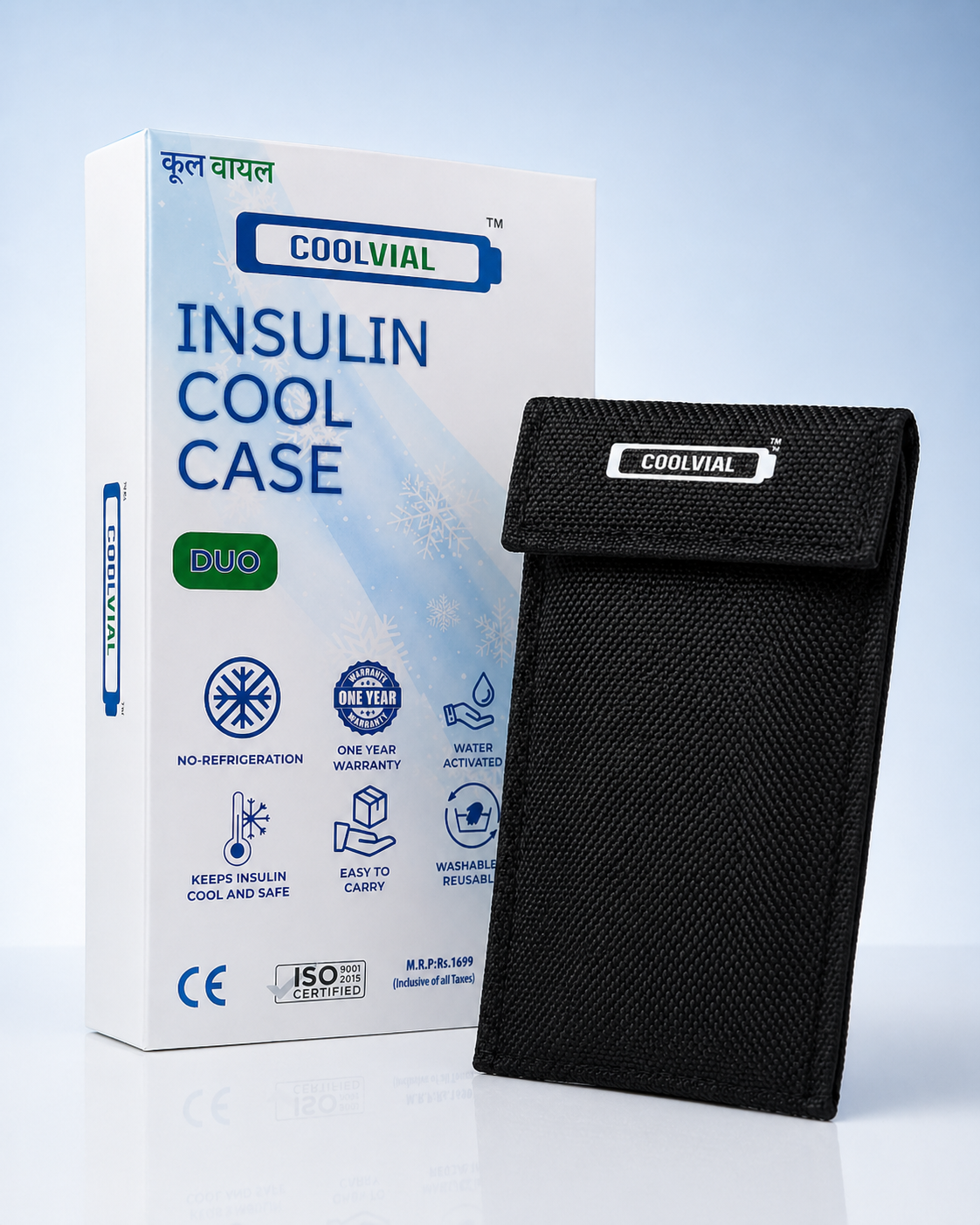
Traditional refrigeration is ideal for unopened insulin, but for insulin in use or when traveling, alternative solutions are necessary.
- Evaporative Cooling Cases: These cases use water to create a cooling effect through evaporation, keeping insulin at a safe temperature (typically 18-26°C) even when ambient temperatures are much higher. They are ideal for Guwahati’s climate as they don’t require electricity and are portable.
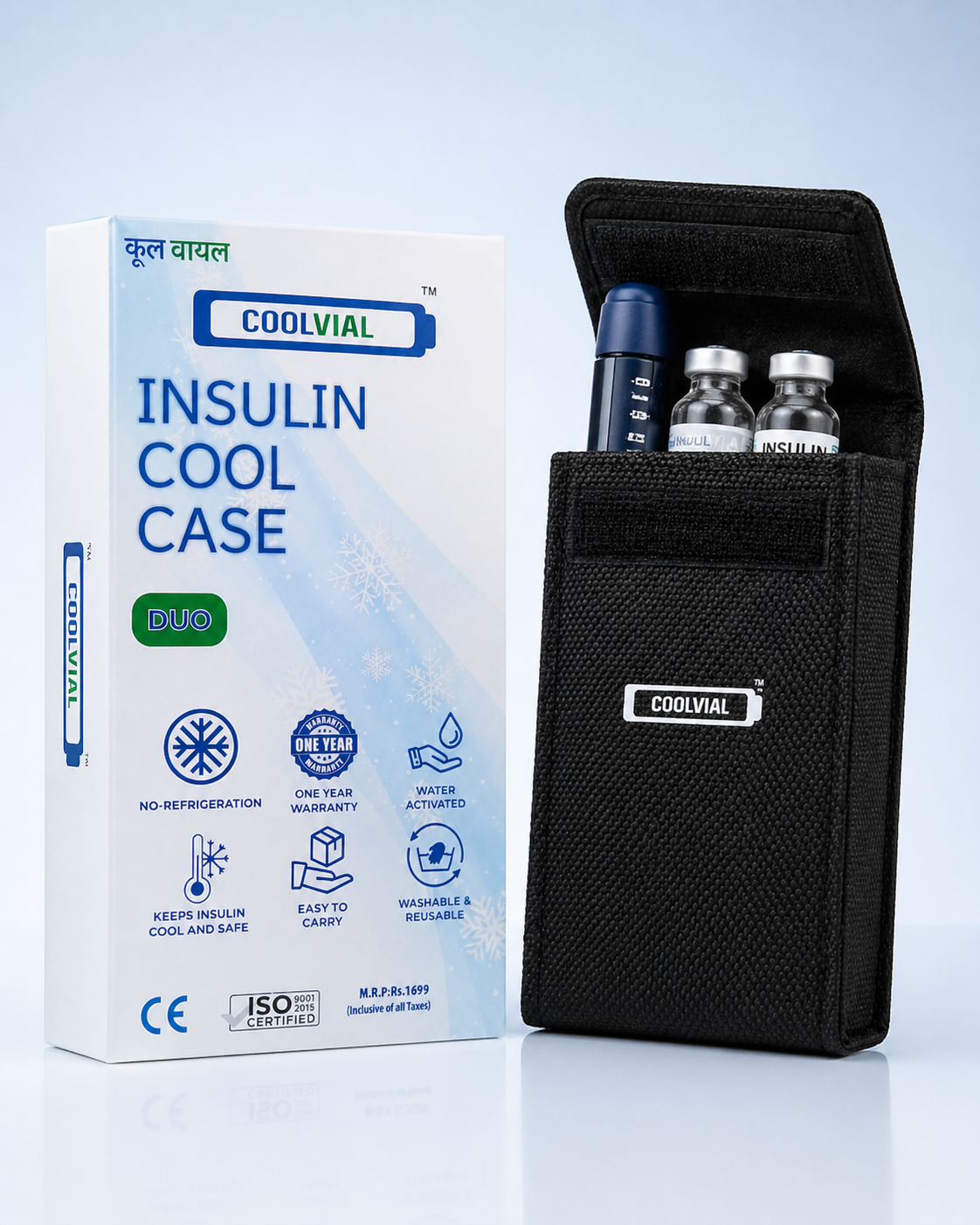
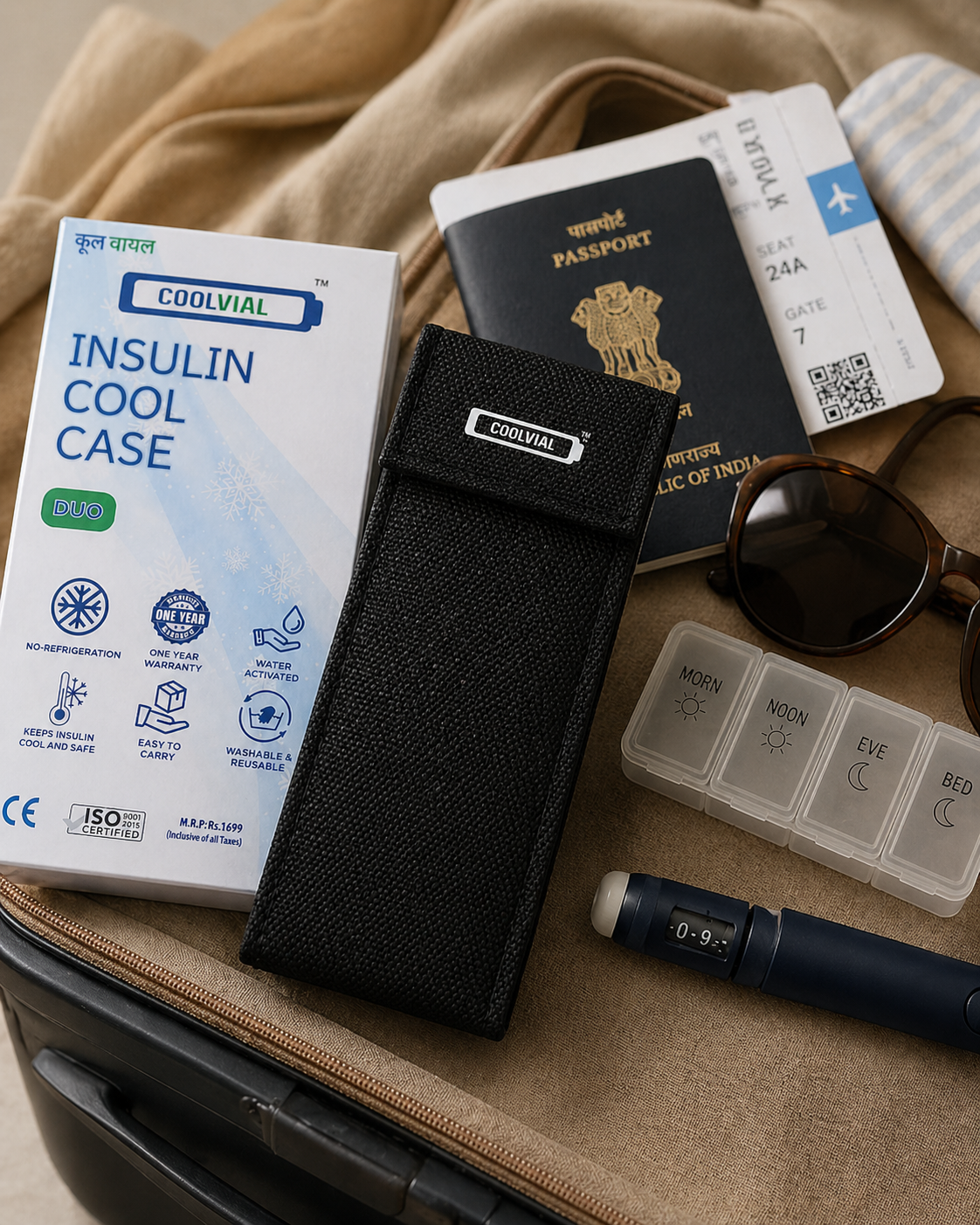
- COOLVIAL Duo: Our COOLVIAL Duo is specifically designed for the Indian climate. It holds 2 pens + 1 vial, keeping insulin cool for 12-16 hours without electricity. Priced at Rs 1,099 with code COOLHEAL (MRP Rs 1,699), it’s a CE certified, ISO 9001:2015 product made in India, offering a 1-year warranty. Its water-activated mechanism is perfect for managing insulin in Guwahati’s heat and humidity.
- Comparison: While other brands like FRIO are available (often around Rs 1,900), and Outer Woods OW-12 (around Rs 999) offers similar functionality, COOLVIAL Duo strikes a balance of affordability, capacity, and certified reliability tailored for local conditions.
- Thermos Flasks with Ice Packs: For short durations, a good quality thermos flask with gel ice packs can work, but direct contact with ice can freeze insulin, rendering it ineffective. Ensure a buffer layer.
- Cooler Bags: Small insulated cooler bags can be used with re-freezable ice packs, but constant monitoring is needed to prevent freezing and ensure sustained cooling.
For comprehensive strategies, refer to our article on How to Store Insulin in Guwahati’s Tropical Humidity — A Local’s Guide. Investing in a reliable cooling solution like the COOLVIAL insulin cool case is not just a convenience but a necessity for maintaining insulin efficacy in Guwahati. You can learn more about Where to Buy an Insulin Cooler in Guwahati — Stores, Pharmacies & Humidity-Proof Picks to find local options.
5. Power and Utility: Managing Diabetes During Load Shedding
Guwahati, like many rapidly developing Indian cities, experiences occasional power cuts, locally known as “load shedding.” While the situation has improved, it remains a reality, especially during peak demand or monsoon-related grid disturbances. For diabetics, especially those relying on refrigerated insulin, these power outages can be a source of stress. The city has developed an “inverter culture,” with many households and businesses relying on inverters and generators to bridge the gaps.
Understanding Load Shedding Patterns:
- Seasonal Variations: Power cuts are more common during the hot summer months due to increased AC usage and during the monsoon due to storms and infrastructure damage.
- Duration: Outages can range from short, intermittent blips to several hours, particularly in more residential or developing areas outside the central commercial zones like Paltan Bazaar.
- Information Sources: Local discoms (electricity distribution companies) sometimes publish schedules, but these can be unpredictable. Local community groups or news channels often provide real-time updates.
Strategies for Diabetics During Power Cuts:
- Insulin Storage Backup:
- Evaporative Coolers: As mentioned, water-activated cooling cases like the COOLVIAL Duo are invaluable. They don’t need electricity and can maintain insulin temperature for 12-16 hours, covering most load shedding periods. This is a crucial line of defense against insulin spoilage.
- UPS/Inverter for Refrigerator: If you rely solely on refrigerator storage for opened insulin or have a large stock, a UPS (Uninterruptible Power Supply) or a home inverter system connected to your refrigerator can provide critical backup power. Many Guwahati households already have this infrastructure.
- Pre-cooled Gel Packs: Keep a few gel ice packs in your freezer. In case of a prolonged outage, these can be used in an insulated bag, remembering to prevent direct contact with insulin.
- Device Charging: Ensure your blood glucose meter, insulin pump (if applicable), and smartphone (for emergency contacts/apps) are always charged. Keep power banks handy.
- Emergency Kit: Maintain a small emergency kit with extra insulin, syringes/pens, test strips, and a fast-acting sugar source (like glucose tablets or juice) in an easily accessible, cool place.
- Communication: Inform family, friends, or neighbors about your condition so they can assist during extended power failures.
For a comprehensive guide on staying safe, read our article: Power Cut Survival Guide for Diabetics in Guwahati — What To Do When the Grid Goes Down. Being prepared is the best defense against the disruptions caused by power outages in Guwahati.
6. Transporting Insulin in Guwahati: Daily Commutes and Travel
Guwahati’s public transport system, while expanding, still relies heavily on conventional modes. Managing your insulin safely during daily commutes or longer journeys requires careful planning, especially given the city’s climate and traffic. Whether you’re navigating ASTC city buses through Ganeshguri, taking an auto-rickshaw to Paltan Bazaar, or using app-based services (limited Ola/Uber availability), protecting your insulin from heat and physical damage is key.
Guwahati’s Transport Options:
- ASTC City Buses: These are a widespread and affordable mode of transport. Buses can get crowded, especially during peak hours, and may not always be air-conditioned.
- Auto-rickshaws: Readily available across the city, autos offer a quicker, though sometimes pricier, option for shorter distances. They are open to the elements, meaning exposure to heat and dust.
- E-rickshaws: Becoming increasingly popular for shorter distances and last-mile connectivity, especially in crowded areas. Similar to autos, they offer little protection from the weather.
- App-based Cabs (Ola/Uber): While present, their availability can be more limited compared to larger metros, and surge pricing is common. They offer air-conditioned comfort, which is beneficial for insulin.
Tips for Commuting with Insulin:
- Use a Reliable Cooling Case: A water-activated evaporative cooling case like the COOLVIAL Duo is your best friend for daily commutes. It keeps your insulin cool without needing ice or electricity, protecting it from Guwahati’s heat and humidity inside a crowded bus or an open auto. It’s compact enough to fit into a small bag.
- Protect from Physical Damage: Always carry your insulin pens or vials in a protective case, even within your cooler. Bumps and jostles during travel can damage them.
- Avoid Direct Sunlight: Whether in a bus, auto, or waiting at a stop, keep your insulin out of direct sunlight. Even a few minutes of intense sun exposure can compromise its efficacy.
- Keep it Accessible: If you need to administer insulin during your commute, ensure it’s easily reachable, but discreetly stored.
- Stay Hydrated: While not directly related to insulin storage, staying hydrated is crucial for your overall diabetes management, especially in Guwahati’s humid climate.
For more detailed advice on navigating the city’s transport with your medication, check out our guides: Daily Commute With Insulin in Guwahati — Tips for Metro, Bus & Auto and Travelling From Guwahati With Insulin — Airport, Station & Taxi Tips. Proper planning ensures your insulin remains safe, no matter how you travel across Guwahati.
7. Diabetic-Friendly Food Culture in Guwahati
Guwahati’s culinary landscape is rich and diverse, heavily influenced by traditional Assamese cuisine. While many dishes are delicious, understanding their ingredients and preparation methods is key for diabetics to make informed choices. The Assamese thali, with its various components, offers both challenges and opportunities for healthy eating.
Understanding Assamese Food:
- Staple: Rice is the primary staple, often consumed in large quantities.
- Khar: A unique preparation using an alkaline ingredient (khar) derived from banana peel, it’s often savory and can be a healthy starter.
- Masor Tenga: A sour fish curry, typically light and made with tomatoes or other souring agents. It can be a good protein source, but watch out for oil content.
- Pitha & Jolpan: Traditional Assamese snacks/breakfast items made from rice flour, often sweetened with jaggery or sugar. These are high in carbohydrates and sugar and should be consumed in moderation.
- Bihu Festival Foods: Festivals like Bihu feature a spread of traditional dishes, many of which are rich and sweet. Planning and portion control are essential during these times.
Tips for Diabetic-Friendly Eating in Guwahati:
- Prioritize Protein and Vegetables: Focus on lean proteins like fish (e.g., in tenga preparations, but ask for less oil) and chicken. Load up on local greens and vegetable preparations.
- Control Rice Portions: Since rice is central, be mindful of your portion sizes. Opt for brown rice if available, or reduce the quantity of white rice.
- Be Wary of Sweet Treats: Pitha, jolpan, and other sweets are delicious but high in sugar. Enjoy them occasionally and in very small portions, or seek out sugar-free alternatives if possible.
- Watch for Hidden Fats: Many traditional dishes use generous amounts of oil. When eating out, don’t hesitate to request less oil.
- Hydrate with Water: Sugary drinks are common. Stick to water, plain tea (without sugar), or buttermilk (ghol without added sugar).
- Explore Local Eateries: Many restaurants now cater to health-conscious diners. Look for places offering grilled options, salads, or customize traditional dishes.
For specific recommendations on where to dine, our guide Diabetic-Friendly Restaurants & Cafes in Guwahati — Where to Eat Safely can help you discover options that prioritize health without compromising on taste. Embracing the local food culture with awareness allows you to enjoy Guwahati’s culinary delights while keeping your diabetes in check.
8. Diabetes Support Groups and Communities in Guwahati
Living with diabetes can sometimes feel isolating, but connecting with others who share similar experiences can provide invaluable emotional support, practical advice, and motivation. Guwahati has a growing network of support groups and foundations dedicated to diabetes awareness and patient empowerment.
Key Support Resources:
- Diabetes India Chapter (Guwahati): Diabetes India is a national organization with local chapters that often organize awareness programs, medical camps, and patient interaction sessions. Look for their Guwahati chapter for structured support and information from medical professionals.
- Defeat Diabetes Foundation: This foundation often engages in community outreach, screening camps, and educational initiatives. They aim to empower individuals to prevent, manage, and reverse diabetes.
- Local Type 1 Groups: For Type 1 diabetics, specific peer support groups can be particularly beneficial. These groups provide a platform to discuss insulin management, technology, and lifestyle challenges unique to Type 1 diabetes. Search online platforms or ask your diabetologist for recommendations on local Type 1 communities.
- Hospital-Based Programs: Many hospitals, especially larger ones like Apollo Hospitals Guwahati or GMCH, may run their own patient education programs or support group meetings. Inquire with their endocrinology department.
- Online Communities: Beyond local physical groups, several online forums and social media groups cater to Indian diabetics. These can be a great source of information and peer support, especially for those in remote areas or with busy schedules.
Benefits of Joining a Support Group:
Complete Diabetes Care Guide for Guwahati Residents — 2026 Edition
COOLVIAL keeps insulin safe in India's heat. 48+ hours, no electricity needed.
- Emotional Support: Share experiences, challenges, and successes in a non-judgmental environment.
- Practical Advice: Learn tips and tricks for daily management from fellow diabetics.
- Latest Information: Stay updated on new treatments, technologies, and research.
- Motivation: Find inspiration and encouragement to adhere to your treatment plan.
- Advocacy: Participate in efforts to raise awareness and improve diabetes care in the community.
Connecting with a support group can significantly enhance your diabetes management journey, providing a sense of community and shared understanding.
9. Health Insurance and State Schemes for Diabetics in Assam
Navigating the financial aspects of diabetes care, especially long-term medication and regular check-ups, can be a significant concern. Fortunately, various health insurance options and state-backed schemes in Assam aim to alleviate this burden. Understanding these can help Guwahati residents access quality care without undue financial stress.
Government Initiatives:
- Ayushman Bharat Pradhan Mantri Jan Arogya Yojana (PMJAY): This flagship national health insurance scheme provides health cover of up to Rs 5 lakh per family per year for secondary and tertiary care hospitalization. Diabetes-related hospitalizations, including complications, are covered. Many hospitals in Guwahati, including GMCH, Apollo Hospitals Guwahati, and Hayat Hospital, accept Ayushman Bharat. Always confirm acceptance with the hospital before admission.
- Atal Amrit Abhiyan (AAA) (Assam State Scheme): A unique health assurance scheme by the Government of Assam, AAA provides cashless treatment for critical illnesses, including diabetes-related complications, up to Rs 2 lakh per year per family. It covers diseases in six groups, with diabetes being one of them. Eligibility criteria usually involve income ceilings.
- Chief Minister’s Free Diagnostic Services: This scheme provides free diagnostic services, including many relevant to diabetes (e.g., blood sugar tests, HbA1c, lipid profiles), at government health facilities across Assam.
Private Health Insurance:
Many private insurers in India offer health plans that cover diabetes. However, it’s crucial to understand the terms and conditions:
- Waiting Periods: Most policies have a waiting period (often 2-4 years) before pre-existing conditions like diabetes are covered.
- Specific Plans: Some insurers offer specialized diabetes-specific plans or riders that may have shorter waiting periods or broader coverage for outpatient expenses.
- Coverage Inclusions: Check if the policy covers:
- Hospitalization costs (in-patient)
- Out-patient department (OPD) expenses (consultations, diagnostics)
- Medication costs (some plans offer partial coverage)
- Diabetic complications (retinopathy, nephropathy, neuropathy, etc.)
- Top Private Insurers: Reputable insurers like HDFC ERGO, Star Health, Apollo Munich (now HDFC ERGO Health), and Max Bupa (now Niva Bupa) offer various plans. It’s advisable to compare policies from multiple providers.
Recommendations:
- Review Policy Documents: Always read the fine print, especially regarding exclusions, sub-limits, and waiting periods for diabetes-related claims.
- Consult an Agent: A knowledgeable insurance agent can help you find a plan that best suits your needs and budget.
- Combine Schemes: If eligible, leverage both government schemes and private insurance for maximum coverage.
Securing adequate health insurance is a proactive step towards ensuring your complete diabetes care is financially sustainable in Guwahati.
10. Guwahati-Specific Diabetes Management Challenges
Beyond the general aspects of diabetes care, Guwahati presents several unique challenges that require specific attention from residents managing the condition. These environmental and logistical factors can significantly impact daily routines and medication management.
Key Guwahati-Specific Challenges:
-
Flood Risk and Urban Waterlogging:
- Brahmaputra Annual Floods: The mighty Brahmaputra River, a landmark of Guwahati, is prone to annual flooding, especially during the monsoon season (May-September). While protective measures are in place, areas near the riverfront and low-lying neighborhoods can be severely affected.
- Urban Waterlogging: Even without river floods, Guwahati experiences severe urban waterlogging during heavy rainfall. Roads become impassable, public transport halts, and access to pharmacies or hospitals can be cut off for hours or even days.
- Impact on Diabetics: Floods and waterlogging pose multiple risks:
- Insulin Storage: Refrigerators may fail during prolonged power cuts caused by floods. Evaporative coolers like the COOLVIAL Duo become essential during these times as they require no electricity and are portable, protecting insulin from temperature fluctuations.
- Foot Care: Diabetics are highly susceptible to foot infections. Walking through contaminated floodwaters can lead to severe complications, necessitating extreme caution and preventative measures.
- Access to Care: Emergency medical access can be severely hampered.
- Sanitation: Poor sanitation during floods increases the risk of waterborne diseases, which can destabilize blood sugar levels.
-
Air Quality:
- While not as severe as some other Indian metros, Guwahati’s air quality can deteriorate, especially during drier months due to vehicular pollution and construction dust. Poor air quality can exacerbate respiratory issues and, indirectly, impact overall health, potentially influencing blood sugar control.
-
Monsoon Disruption:
- Travel Delays: Heavy rainfall and waterlogging routinely cause significant traffic jams and public transport disruptions. This can delay access to appointments, pharmacies, or even daily work, impacting medication schedules.
- Humidity & Mould: The relentless humidity during monsoon can promote mold growth in homes, which can be an allergen and affect respiratory health. It also poses a threat to insulin pens and testing strips if not stored in dry conditions.
- Food Safety: Increased humidity and occasional power cuts during monsoon can affect food spoilage rates, requiring extra vigilance in food preparation and storage to prevent gastrointestinal issues that can spike blood sugar.
Mitigation Strategies:
- Emergency Preparedness: Develop a flood preparedness plan, including a waterproof emergency kit containing essential medications (with extra stock), first-aid supplies, and an insulin cool case like COOLVIAL Duo. Keep important documents in waterproof bags.
- Foot Protection: During monsoon, wear waterproof, closed-toe footwear. Inspect feet daily for cuts or sores.
- Air Quality Monitoring: Stay updated on local air quality reports and limit outdoor activities on high-pollution days, especially if you have respiratory comorbidities.
- Flexible Schedules: If possible, plan medical appointments around monsoon forecasts.
- Home Environment: Use dehumidifiers if necessary and ensure good ventilation to combat humidity and prevent mold.
By acknowledging these specific challenges and implementing proactive strategies, Guwahati residents can achieve better and more complete diabetes care, even amidst the city’s unique environmental realities.
Frequently Asked Questions (FAQ)
Q: How does Guwahati’s climate affect insulin storage? A: Guwahati’s hot (10-35°C), humid tropical climate and heavy monsoons can degrade insulin’s effectiveness if not stored properly. Temperatures often exceed the recommended 25-30°C for in-use insulin, necessitating special cooling solutions to maintain potency.
Q: Where can I find specialized diabetes care in Guwahati? A: For specialized diabetes care in Guwahati, you can visit hospitals like Apollo Hospitals Guwahati (Lokhra), Gauhati Medical College Hospital (GMCH), and Hayat Hospital (Lalmati), which have dedicated endocrinology departments and diabetologists.
Q: Are there any 24-hour pharmacies for insulin emergencies in Guwahati? A: Yes, several Apollo Pharmacy and MedPlus outlets in key Guwahati neighborhoods often operate extended hours or 24/7. It is advisable to identify the nearest 24-hour pharmacy to your location and confirm their operational hours.
Q: How can I protect my insulin during power cuts in Guwahati? A: During power cuts in Guwahati, using a water-activated evaporative cooling case like the COOLVIAL Duo is highly effective as it keeps insulin cool for 12-16 hours without electricity. Additionally, consider having a home inverter or UPS for your refrigerator and keeping pre-cooled gel packs ready.
Q: What are the main challenges for diabetics during Guwahati’s monsoon season? A: During Guwahati’s heavy monsoon, diabetics face challenges such as high humidity affecting insulin and devices, increased flood risk and urban waterlogging hindering access to care, and higher chances of power cuts. Special attention to insulin storage and foot care is crucial.
Q: Is the COOLVIAL Duo suitable for Guwahati’s climate? A: Yes, the COOLVIAL Duo is ideal for Guwahati’s climate. Its water-activated evaporative cooling technology keeps insulin at a safe temperature (18-26°C) for 12-16 hours without electricity, protecting it from the city’s heat and humidity, making it a reliable solution for residents.
Q: What government health schemes are available for diabetics in Assam? A: Diabetics in Assam can benefit from national schemes like Ayushman Bharat PMJAY, which offers Rs 5 lakh health cover, and the state-specific Atal Amrit Abhiyan, providing up to Rs 2 lakh for critical illnesses including diabetes complications. Additionally, the Chief Minister’s Free Diagnostic Services offer free tests at government facilities.
Q: How can I manage my diet with Assamese food if I have diabetes? A: To manage your diet with Assamese food, prioritize lean proteins (like fish in tenga), increase vegetable intake, control rice portion sizes, and consume traditional sweets (pitha, jolpan) in strict moderation. Request less oil when dining out and opt for water or plain tea.
Methodology Note
This complete diabetes care guide for Guwahati residents is based on a thorough analysis of current RSSDI (Research Society for the Study of Diabetes in India) guidelines, ICMR-INDIAB (Indian Council of Medical Research - India Diabetes) study data for diabetes prevalence, and publicly available local Guwahati hospital directories. Information on pharmacies, transport, and utilities was gathered from local business listings and common public knowledge. Climate data was sourced from meteorological records for the region, and insights into local challenges like floods and power cuts were derived from public reports and community discussions. COOLVIAL’s proprietary framing is based on analysis of insulin storage queries from Guwahati diabetics. All information is current as of 2025-05-31, with [Verify in 2026] placeholders indicating areas that may require real-time confirmation.
Conclusion and CTA
Managing diabetes in a dynamic city like Guwahati requires a blend of medical adherence, local awareness, and proactive preparation. From understanding the unique climate challenges to navigating the healthcare infrastructure and embracing local lifestyle adjustments, this complete diabetes care guide aims to equip you with the knowledge needed for a healthier life. The insights provided, from top hospitals to smart insulin storage solutions and community support, are designed to empower you to take control of your health journey in Guwahati.
Remember, protecting your insulin from Guwahati’s tropical heat and humidity is paramount. Investing in a reliable, portable cooling solution can make a significant difference in maintaining your insulin’s efficacy and your peace of mind.
Ensure your insulin stays cool and effective, no matter the weather. Order COOLVIAL Duo today at Rs 1,099 with code COOLHEAL at coolvial.com or via WhatsApp wa.me/918766952300.
Medical Disclaimer
This article is for general information and educational purposes only. It is not intended to be a substitute for professional medical advice, diagnosis, or treatment. Always consult your endocrinologist or diabetologist before making any changes to your insulin storage, dosing practices, medication, diet, or exercise regimen. The information provided herein should not be used for diagnosing or treating a health problem or disease.
Complete Diabetes Care Guide for Guwahati Residents — 2026 Edition
Insulin at 2-8°C for 48+ hours. Trusted by 10,000+ Indian diabetics.