Reviewed by the COOLVIAL Editorial Team — specialists in insulin storage for Indian climate conditions.
Guwahati, the gateway to Northeast India, is renowned for its lush landscapes, the mighty Brahmaputra River, and a vibrant culture. However, living in a hot, humid tropical climate with temperatures often soaring between 10°C and 35°C, especially during the very heavy monsoon season from May to September, comes with its own set of challenges – particularly frequent power cuts. For diabetics, who rely on temperature-sensitive insulin, a sudden grid failure can turn into a serious health concern. This comprehensive power cut survival guide for Guwahati residents is designed to equip you with the knowledge and tools to keep your insulin safe and effective, no matter how long the lights stay off. Based on analysis of insulin storage queries from Guwahati diabetics, we understand the unique local challenges. With India having over 77 million people living with diabetes, as per the International Diabetes Federation (Source: idf.org), ensuring proper insulin storage is a national imperative, especially in regions prone to infrastructure disruptions.
This guide will walk you through essential strategies, from managing short outages to navigating prolonged blackouts, tailored specifically for Guwahati’s unique power patterns and climate.
Table of Contents
- Guwahati’s Unique Power Landscape: Understanding Local Outages
- Insulin Storage Fundamentals: The Golden Rules
- Scenario 1: The Short, Sharp Power Cut (Up to 30 Minutes)
- Scenario 2: The Extended Outage (Up to 6 Hours)
- Scenario 3: The Day-Long Challenge (Up to 12 Hours)
- Scenario 4: The Prolonged Blackout (24 Hours+)
- Beyond the Immediate Crisis: Long-Term Preparedness for Diabetics
- Frequently Asked Questions (FAQ)
- Conclusion: Stay Prepared, Stay Safe
Guwahati’s Unique Power Landscape: Understanding Local Outages
Guwahati’s electricity supply, primarily managed by the Assam Power Distribution Company Limited (APDCL), is known for its susceptibility to weather conditions and seasonal demand spikes. Residents are accustomed to a distinct pattern of power disruptions that necessitate a robust power cut survival guide.
- Monsoon Mayhem (May-September): The very heavy monsoon season, bringing an average of ~1700mm of rainfall, is notorious for widespread and often prolonged outages. Areas like Ganeshguri (pin code 781006) and Six Mile/Khanapara (pin code 781022), often experience disruptions due to heavy rainfall, strong winds, and occasional flooding from the Brahmaputra River, leading to downed lines and transformer failures. These outages can last for several hours, sometimes even a full day.
- Peak Summer Load Shedding (April-June): As temperatures soar, so does the demand for air conditioning, leading to peak summer load shedding. While often scheduled, these cuts can be unpredictable and impact neighbourhoods across the city, including central areas like Paltan Bazaar (pin code 781001) and residential hubs like Beltola (pin code 781028). The high humidity during these months makes effective insulin cooling even more critical.
- Old Building Realities: In older parts of Beltola or certain pockets of Ganeshguri, many buildings lack modern backup power solutions like generators or inverters. This leaves residents completely reliant on the grid, making even short power cuts a significant challenge for insulin storage.
- Generator and Inverter Culture: Guwahati housing societies and many independent houses, particularly in newer developments around Six Mile/Khanapara, have embraced generator and inverter culture. While this provides a buffer for common areas and some appliances, individual apartment units might still face limitations, especially for dedicated fridge power. For those living in apartments without society-wide backup for individual units, a personal insulin cooling solution is indispensable.
- Solar Inverter Popularity: In the burgeoning suburbs of Guwahati, there’s a growing trend towards solar inverter setups. These systems offer a sustainable and reliable backup, particularly for critical appliances like refrigerators, providing peace of mind during extended grid failures. [Verify in 2026]
Insulin Storage Fundamentals: The Golden Rules
Before delving into specific scenarios, it’s crucial to reiterate the fundamental principles of insulin storage. Proper storage ensures the medication’s efficacy and safety, which is paramount for diabetes management.
- Unopened Insulin:
- Ideal Temperature: Unopened insulin vials or pens should be stored in a refrigerator at temperatures between 2°C and 8°C.
- Shelf Life: This ensures the longest possible shelf life, typically until the expiry date printed on the packaging.
- Avoid Freezing: Freezing insulin can damage its protein structure, rendering it ineffective. If insulin freezes, it must be discarded.
- Opened (In-Use) Insulin:
- Room Temperature: Once opened, insulin can generally be stored at room temperature (typically below 25°C to 30°C, depending on the specific brand) for 28 days to 42 days.
- Guwahati’s Challenge: However, Guwahati’s tropical climate, with ambient temperatures frequently exceeding 30°C for much of the year, often makes “room temperature” storage unsuitable.
- Recommendation: For in-use insulin, it’s often safer to store it in a cool place, ideally within the 2-8°C range if possible, or using a reliable cooling case if refrigeration isn’t consistently available. For more detailed guidance, refer to our comprehensive article: How to Store Insulin in Guwahati’s Tropical Humidity — A Local’s Guide.
Table: Insulin Storage Guidelines
| Insulin State | Storage Temperature Range | Typical Duration | Notes |
|---|---|---|---|
| Unopened | 2°C to 8°C (Refrigerator) | Until Expiry Date | Never freeze. |
| Opened/In-use | Below 25°C to 30°C (Room Temp) | 28 to 42 Days | Guwahati’s ambient temps often exceed this; cooling advised. |
Scenario 1: The Short, Sharp Power Cut (Up to 30 Minutes)
5 Essential Steps: Power Cut Survival Guide for Diabetics in Guwahati — What To Do When the Grid Goes Down
A brief power outage is a common occurrence in Guwahati. While inconvenient, it typically poses minimal risk to your refrigerated insulin, provided you follow one simple rule.
- Keep the Refrigerator Door Closed:
- Thermal Inertia: A well-stocked refrigerator acts as its own insulated cooler. The cold air inside, especially when surrounded by other cold items, retains its temperature for a considerable time.
- Minimal Heat Transfer: Each time the door is opened, warm ambient air rushes in, rapidly raising the internal temperature.
- Action Plan: Resist the urge to check if the power is back on by opening the fridge. Simply leave the door sealed shut.
Even in Guwahati’s sweltering heat, a modern refrigerator can maintain safe temperatures (below 8°C) for several hours if left undisturbed. For a 30-minute cut, your insulin is generally safe inside.
Scenario 2: The Extended Outage (Up to 6 Hours)
When the power cut stretches beyond an hour and approaches the 6-hour mark, passive measures might not be enough, especially if the fridge door was opened. This is when you need to be proactive.
- Prepare a Cooler with Ice Packs:
- Pre-cool: If you anticipate longer cuts, keep a small, insulated cooler ready. Pre-cool it by placing ice packs or frozen gel packs inside a few hours before use.
- Safe Transfer: Once the power cut extends, transfer your insulin pens and vials into this pre-cooled container.
- Avoid Direct Contact: Crucially, ensure the insulin does not directly touch the ice packs. Wrap them in a cloth or use a small container to create a barrier. Direct contact can freeze the insulin, rendering it useless.
- Monitoring: Use a small fridge thermometer inside the cooler to monitor the temperature, ensuring it stays between 2°C and 8°C.
- Leverage Housing Society Backup:
- Generators/Inverters: Many housing societies in areas like Six Mile/Khanapara and Ganeshguri have central generators or inverters that kick in for common areas and sometimes provide limited power to individual flats.
- Check Availability: Inquire with your society management about the duration and capacity of their backup power. Some might power refrigerators for a few hours.
- Consider a Portable Solution:
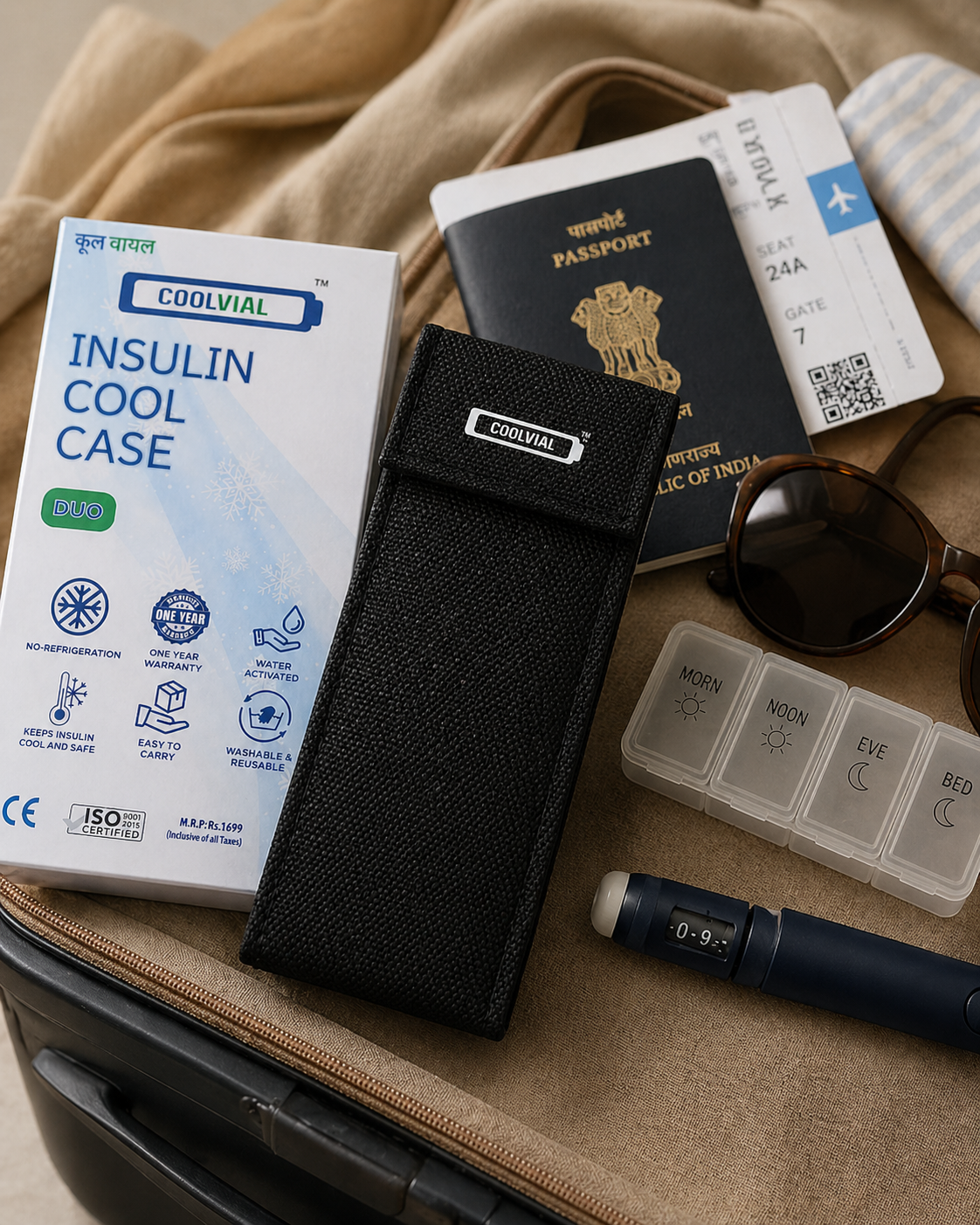
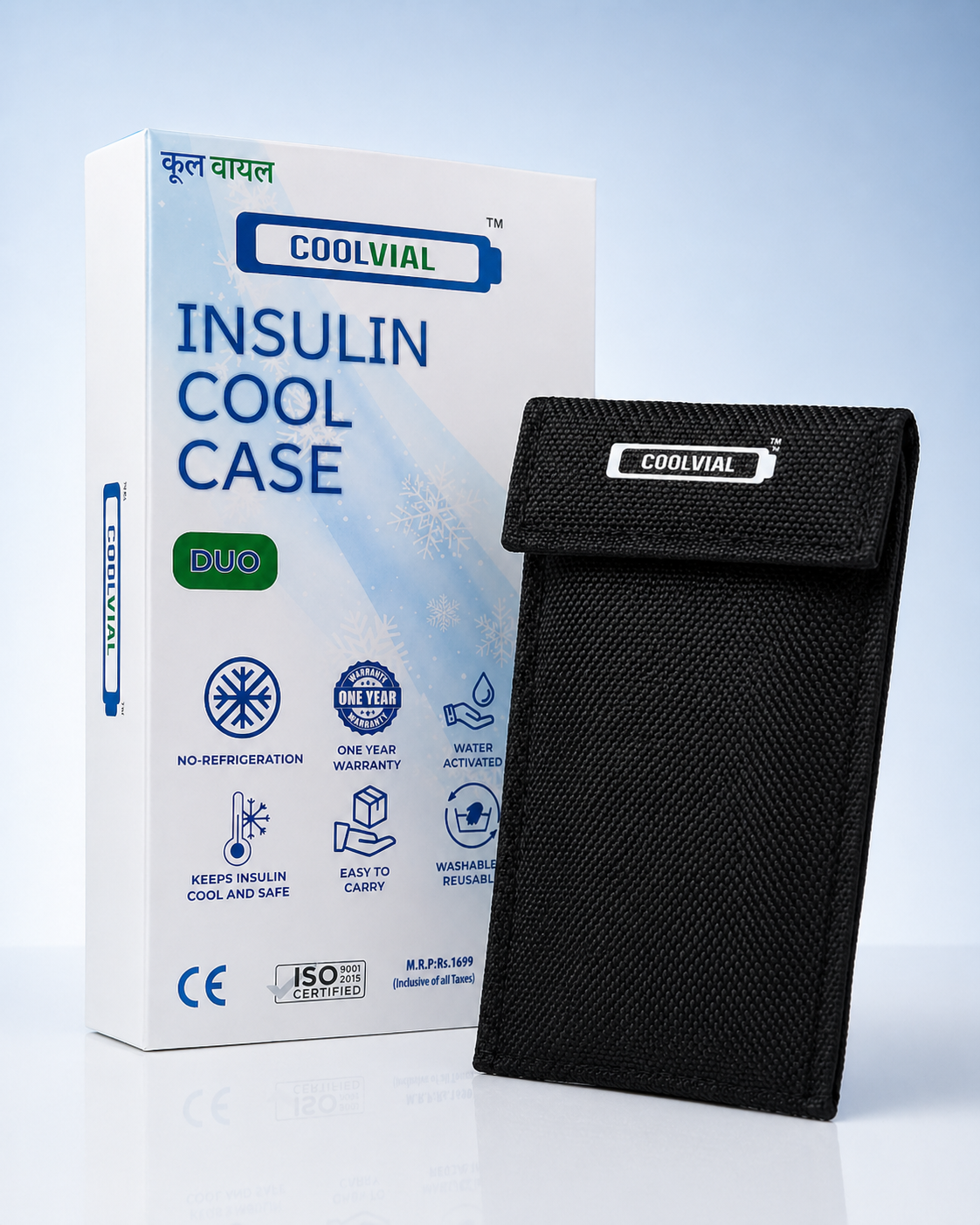
- For outages up to 6 hours, having a reliable portable cooling solution is ideal. This is where products like the COOLVIAL Duo shine. It’s designed to keep insulin cool for 12-16 hours without electricity, far exceeding the 6-hour mark. This provides a crucial buffer, especially given Guwahati’s unpredictable power situation.
- Comparison: While a basic ice pack cooler works, it requires constant attention and replacement of ice. Evaporative cooling cases offer a more stable and convenient solution for this duration.
Scenario 3: The Day-Long Challenge (Up to 12 Hours)
A power cut lasting half a day or more demands a dedicated, active cooling strategy. This is where water-activated evaporative cooling cases become indispensable, providing a reliable power cut survival guide for your insulin.
- Embrace Evaporative Cooling:
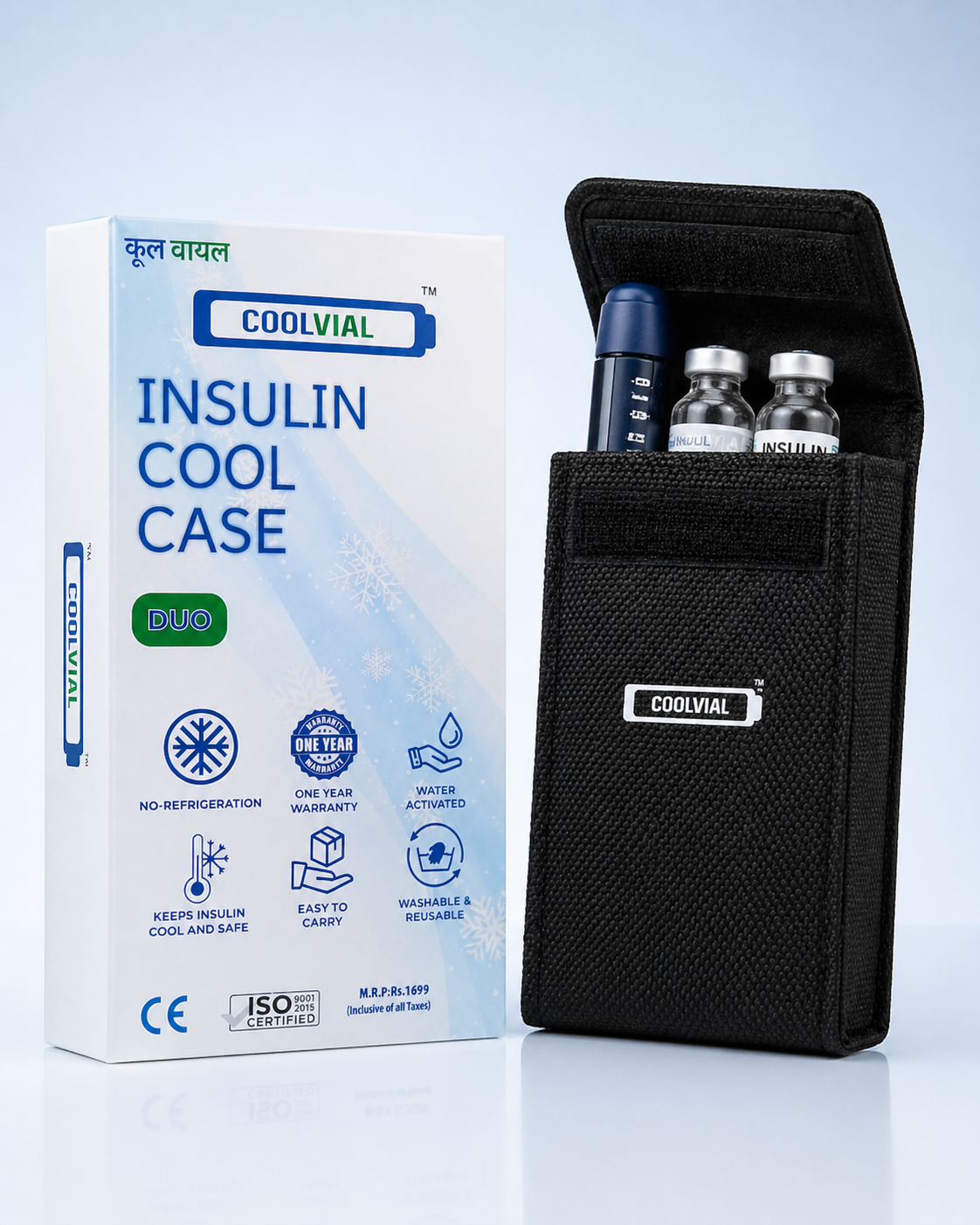
- How it Works: Evaporative cooling cases, like the COOLVIAL Duo, use a simple yet highly effective principle. You activate them by submerging the inner pouch in cold water for a few minutes. The crystals inside absorb the water, forming a gel that slowly evaporates. This evaporation process draws heat away from the insulin, maintaining a stable, cool temperature (typically 18-26°C, or up to 10°C below ambient temperature).
- Ideal for Tropical Climates: This method is particularly effective in hot, humid tropical climates like Guwahati, where ambient temperatures can make traditional room temperature storage unsafe.
- COOLVIAL Duo Advantage: The COOLVIAL Duo is specifically engineered for Indian conditions. It holds 2 insulin pens and 1 insulin vial, keeping them cool for 12-16 hours per activation cycle. This means you can easily manage a typical day-long power cut without worrying about insulin spoilage. Its CE certification and ISO 9001:2015 guarantee quality.
- Cost-Effective and Reliable: At Rs 1,099 with code COOLHEAL (MRP Rs 1,699), the COOLVIAL Duo offers an affordable, reusable, and electricity-free solution. It’s a significantly more economical choice compared to some international brands like FRIO (often retailing around Rs 1,900 for similar capacity) and provides superior cooling duration and capacity compared to simpler, less robust pouches like Outer Woods OW-12 (typically around Rs 999 but with varying performance).
- Reactivation: If the power cut extends further, simply re-soak the inner pouch to restart the cooling cycle. This makes it a sustainable solution for multi-day outages too.
- Strategic Placement:
- Place your activated cooling case in the coolest part of your home, away from direct sunlight and heat-generating appliances.
- Consider areas with good air circulation, like near a window if there’s a breeze, or in a well-ventilated cupboard.
This level of preparedness is crucial for maintaining your health and peace of mind during Guwahati’s challenging power scenarios. Don’t compromise on your insulin’s safety. Invest in a reliable solution like the COOLVIAL insulin cool case today.
Scenario 4: The Prolonged Blackout (24 Hours+)
A power cut extending beyond 24 hours is a serious situation, especially in Guwahati’s heat. This requires community support and potentially a visit to a medical facility or well-equipped pharmacy.
- Leverage Neighbours and Community Networks:
- Backup Power: Reach out to neighbours or friends in your area (e.g., Ganeshguri, Beltola, Six Mile/Khanapara) who might have robust inverter setups or generators capable of powering a refrigerator for longer durations.
- Community Groups: Many local WhatsApp groups or resident associations can facilitate sharing resources during emergencies.
- Temporary Storage: Ask if they can temporarily store your insulin in their fridge. Ensure your insulin is clearly labelled.
- Accessing 24-Hour Pharmacies:
- Emergency Supply: If your existing insulin is compromised or you anticipate it will be, locate the nearest 24-hour pharmacy. These pharmacies typically have backup power and proper refrigeration for medications.
- Guwahati Options:
- Apollo Pharmacy: Known for its extensive network, Apollo Pharmacy outlets are often equipped with generators. Many operate 24/7 or have extended hours. Check for specific 24-hour branches in prominent locations like near Apollo Hospitals Guwahati (Lokhra) or in major commercial hubs.
- MedPlus: Another reliable chain with good infrastructure and often longer operating hours.
- Emergency Purchases: You might need to purchase a fresh supply of insulin if yours has been exposed to unsafe temperatures for too long. Always carry your prescription. For a detailed list, refer to: 24-Hour Pharmacies in Guwahati for Insulin Emergencies — Updated List.
- Hospital Pharmacies:
- Reliable Refrigeration: Hospitals like Apollo Hospitals Guwahati (Lokhra), Gauhati Medical College Hospital (GMCH), and Hayat Hospital (Lalmati) have robust backup power systems to ensure critical medical supplies, including insulin, are always properly refrigerated.
- Consultation: In extreme cases, if you are unsure about the viability of your insulin or need immediate assistance, consulting the hospital’s pharmacy or emergency department is advisable. They can guide you on safe storage or provide a fresh supply.
- Maintaining Communication:
- APDCL Updates: Keep an eye on local news channels, APDCL (Assam Power Distribution Company Limited) social media, or local administration announcements for estimated power restoration times.
- Charge Devices: Ensure your phone and other communication devices are charged using power banks or car chargers if available.
This scenario underscores the importance of a multi-pronged power cut survival guide that extends beyond your immediate household, leveraging community and professional medical resources.
5 Essential Steps: Power Cut Survival Guide for Diabetics in Guwahati — What To Do When the Grid Goes Down
48+ hours at 2-8°C. No electricity. CE certified. Free delivery across India.
Order on WhatsApp — ₹1,099🛒 Buy Now — ₹1,099Beyond the Immediate Crisis: Long-Term Preparedness for Diabetics
While dealing with an ongoing power cut is critical, a truly effective power cut survival guide includes long-term planning and preparedness. This proactive approach can significantly reduce stress and health risks for diabetics in Guwahati.
- Build an Emergency Kit:
- Insulin Supply: Always have a slight oversupply of insulin (e.g., an extra pen or vial) that can last you a few days.
- Cooling Solutions: Keep your COOLVIAL Duo or similar evaporative cooling case clean, dry, and ready for immediate use. Consider having a backup.
- Blood Glucose Monitor & Strips: Ensure you have enough strips and fully charged spare batteries or a power bank for your glucometer.
- Oral Medications: Keep at least a week’s supply of any other oral diabetes medications.
- Emergency Contact List: A printed list of your doctor, family, and emergency services.
- Snacks: Non-perishable snacks to manage hypoglycemia.
- Explore Backup Power Solutions:
- Inverters/UPS: For independent houses or apartments where it’s feasible, investing in a home inverter or UPS (Uninterruptible Power Supply) can power your refrigerator and other essential appliances for several hours. This is common in many Guwahati homes.
- Solar Inverters: As mentioned, solar inverter setups are gaining traction in Guwahati suburbs. These systems offer a sustainable and often more reliable power source, especially during prolonged blackouts, by converting solar energy into usable electricity. They can be a significant investment but provide long-term peace of mind.
- Portable Power Stations: Battery-powered portable power stations can be charged when power is available and used to run small appliances, including mini-fridges or to recharge cooling cases if they require it.
- Foster Community Support:
- Neighbourhood Watch: Get to know your neighbours, especially those with backup power. A strong community network can be invaluable during crises.
- Local Groups: Join local resident welfare associations or online groups for real-time information and mutual assistance during outages.
- Regular Consultations and Education:
- Discuss with Doctor: Regularly discuss your emergency preparedness plan with your endocrinologist or diabetologist at institutions like Apollo Hospitals Guwahati or GMCH.
- Stay Informed: Keep abreast of recommended insulin storage practices, especially in tropical climates. You can find more general tips here: Insulin Storage Tips.
- For a broader perspective on managing your condition in the city, check out our Complete Diabetes Care Guide for Guwahati Residents — 2026 Edition.
By adopting these long-term strategies, you can transform the challenge of power cuts into a manageable aspect of living with diabetes in Guwahati.
Frequently Asked Questions (FAQ)
Q: How long can insulin be out of the fridge during a power cut in Guwahati? A: Unopened insulin should ideally be kept refrigerated between 2-8°C. Once opened, most insulins can be stored at room temperature (below 25°C to 30°C) for 28-42 days, but Guwahati’s average ambient temperatures often exceed this, making a cooling case like COOLVIAL Duo essential for safety.
Q: Can I use a regular thermos flask to keep insulin cool? A: A regular thermos flask can offer some insulation but is not designed for precise temperature control. It’s better to use an insulated cooler with ice packs (ensuring no direct contact with insulin) or, ideally, a purpose-built evaporative cooling case like COOLVIAL Duo, which maintains a stable temperature range.
Q: What if my insulin freezes during a power cut? A: If insulin freezes, even partially, its protein structure can be damaged, rendering it ineffective. It must be discarded immediately, even if it thaws later. Always ensure insulin does not come into direct contact with ice packs.
Q: How do I know if my insulin has gone bad due to heat exposure? A: Insulin exposed to excessive heat might change colour, become cloudy (if it’s normally clear), or develop particles or clumps. However, these changes are not always visible. If you suspect your insulin has been compromised due to prolonged exposure to temperatures above 30°C, it’s safer to discard it and use a fresh supply.
Q: Where can I get emergency insulin in Guwahati during a prolonged power cut? A: For emergency insulin during a prolonged power cut, you can visit 24-hour pharmacies like some Apollo Pharmacy or MedPlus outlets, which typically have backup power. Hospital pharmacies at Apollo Hospitals Guwahati (Lokhra) or Gauhati Medical College Hospital (GMCH) are also reliable sources with proper storage.
Q: How often should I reactivate my COOLVIAL Duo during a long power cut? A: The COOLVIAL Duo keeps insulin cool for 12-16 hours per activation cycle. For prolonged power cuts, you should reactivate it by re-soaking the inner pouch in cold water every 12-16 hours to ensure continuous cooling.
Q: Is it safe to store insulin in a car during a power cut if my home is too hot? A: No, storing insulin in a car, especially in Guwahati’s tropical climate, is generally not safe. Car interiors can heat up rapidly, far exceeding safe storage temperatures for insulin. Use a dedicated insulin cooling case instead.
Conclusion: Stay Prepared, Stay Safe
Living with diabetes in Guwahati requires an extra layer of preparedness, especially when it comes to managing insulin during power cuts. From the monsoon-induced outages in Ganeshguri and Six Mile/Khanapara to summer load shedding across Beltola, understanding the local power landscape is the first step towards a robust power cut survival guide. By implementing the strategies outlined – from quick responses for short outages to leveraging community resources and advanced cooling solutions for prolonged blackouts – you can safeguard your vital medication.
Investing in a reliable, electricity-free insulin cooling solution like the COOLVIAL Duo is not just a convenience; it’s an essential health safeguard. Made in India, CE certified, and ISO 9001:2015 compliant, it’s designed to give you peace of mind in Guwahati’s challenging climate. Don’t let power cuts compromise your health.
Order your COOLVIAL Duo today at Rs 1,099 with code COOLHEAL — visit coolvial.com or connect via WhatsApp at wa.me/918766952300.
Methodology Note: How We Researched This — This article is based on a thorough review of RSSDI guidelines for diabetes management, ICMR-INDIAB data on diabetes prevalence, local Guwahati hospital directories, and an understanding of the Apollo Pharmacy network. Information on local power patterns is derived from common resident experiences and publicly available data regarding Assam Power Distribution Company Limited (APDCL) operations.