
Reviewed by the COOLVIAL Editorial Team — specialists in insulin storage for Indian climate conditions.
Travelling with diabetes in India, especially by air, requires careful planning to ensure your insulin remains effective and your journey is stress-free. To carry insulin on a flight in India in 2026, the most critical step is to always pack it in your carry-on luggage, never in checked baggage. Insulin must be stored within its recommended temperature range, typically 2-8°C (refrigerated) or 15-25°C (room temperature) once opened, as it can spoil rapidly above 30°C. You will also need essential documentation, including a doctor’s letter, to present to airport security. These are the fundamental guidelines and smart tips for how to carry insulin on a flight in India safely and effectively.
Embarking on a journey, whether for business, family visits, or leisure, is an exciting prospect. However, for the millions of Indians managing diabetes, travel introduces an additional layer of planning: safeguarding essential medications like insulin. India, with its vast geography, diverse climates, and bustling airports, presents unique challenges for diabetic travellers. Understanding the specific regulations and best practices for how to carry insulin on a flight in India is not just about compliance, but about ensuring your health and well-being throughout your trip. This comprehensive guide will equip you with the knowledge and practical strategies needed to navigate air travel in India with confidence, covering everything from documentation to temperature control, keeping you prepared for 2026 and beyond.
Table of Contents
- Navigating Air Travel with Insulin in India: Why It Matters
- Understanding Insulin Storage & Flight Regulations: Core Concepts for Indian Travellers
- How to Carry Insulin on a Flight in India: Practical Steps for a Smooth Journey
- India-Specific Challenges and Solutions for Insulin Travellers
- Ensuring Insulin Safety with COOLVIAL: A Smart Solution for Indian Skies
- Essential Checklist & Frequently Asked Questions for Insulin Travel in India
- Conclusion
Navigating Air Travel with Insulin in India: Why It Matters
For individuals living with diabetes in India, air travel isn’t merely about reaching a destination; it’s about meticulously planning to protect a life-sustaining medication. The unique environmental and logistical conditions within India amplify the importance of understanding how to carry insulin on a flight effectively. India is home to a significant diabetic population, with the International Diabetes Federation (IDF) reporting that India had 101 million diabetics in 2023. This large demographic means that a substantial number of travellers require precise guidance for managing their condition on the go.
The primary concern for insulin users is temperature control. Insulin is a sensitive protein that loses its efficacy when exposed to extreme temperatures, particularly heat. India’s tropical and subtropical climate means that temperatures can soar, especially during summer months. Cities like Delhi, Ahmedabad, and Chennai frequently experience summer temperatures exceeding 45°C, while even cooler regions can see significant fluctuations. Such high temperatures can quickly degrade insulin, rendering it useless, often within hours if left unprotected.
Beyond the ambient heat, the journey itself poses risks. Airport terminals, security queues, and even cabin temperatures can fluctuate. Delays are common, whether due to weather, technical issues, or the sheer volume of air traffic in major hubs like Mumbai or Bangalore. These delays can extend exposure times, making reliable temperature control solutions absolutely crucial. Checked baggage, often exposed to unpressurised and uncontrolled temperature environments in cargo holds, is never a safe place for insulin. The risk of freezing at high altitudes or overheating on the tarmac is too great.
Moreover, awareness among airport staff and security personnel regarding medical necessities like insulin can vary. While regulations generally permit insulin, specific guidelines for liquids and sharps require clear communication and preparation from the traveller. Proper documentation not only facilitates smoother passage through security but also serves as proof of medical necessity in case of any queries or emergencies. This proactive approach ensures that your journey remains focused on your destination, not on the anxiety of insulin management.
Understanding Insulin Storage & Flight Regulations: Core Concepts for Indian Travellers
Successfully managing insulin during air travel in India hinges on a clear understanding of both proper storage practices and the specific aviation regulations. These core concepts are universal but require particular attention within the Indian context, where temperature extremes and varied travel experiences are common. Knowing these rules empowers you to travel confidently, ensuring your medication remains potent and accessible.
Insulin Temperature Ranges: The Golden Rules
Insulin’s efficacy is directly tied to its storage temperature. Deviations from recommended ranges can lead to rapid degradation, making it ineffective in controlling blood sugar.
- Unopened Insulin: Should be stored in a refrigerator, typically between 2°C and 8°C. This is the ideal range to maintain its potency until its expiry date.
- Opened (In-Use) Insulin: Most insulins, once opened or removed from refrigeration, can be stored at room temperature (below 25°C or 30°C, depending on the specific brand) for a period, usually 28 days to 6 weeks. Always check the manufacturer’s leaflet for precise instructions.
- Critical Threshold: Insulin begins to degrade significantly when exposed to temperatures above 30°C. Freezing also damages insulin, as it breaks down the protein structure.
- Travel Goal: The primary goal during travel is to keep unopened insulin as close to 2-8°C as possible, and in-use insulin below 25°C, ensuring it never freezes or overheats.
Airline Regulations and DGCA Guidelines
Indian aviation authorities, primarily the Directorate General of Civil Aviation (DGCA), align with international standards regarding medical supplies. The key takeaway is: Insulin and related supplies (needles, syringes, pens, blood glucose meters) are permitted in your carry-on baggage.
- Carry-On Only: Insulin should never be placed in checked baggage. Cargo holds are not temperature-controlled and can experience extreme fluctuations that will damage insulin.
- Liquid Exemptions: While there are restrictions on liquids in carry-on baggage (typically 100ml per container), medical liquids like insulin are exempt from these rules. You can carry more than 100ml of insulin.
- Sharps Disposal: Used needles and syringes should be disposed of safely in a hard-sided, puncture-proof container (often called a sharps container). While you might not carry a large sharps container for a short trip, a small, secure container is advisable for used needles.
Diabetes UK also provides similar advice for international travel, emphasizing the importance of carry-on luggage for insulin.
How to Carry Insulin on a Flight in India: 2026 Essential Rules & Smart Tips
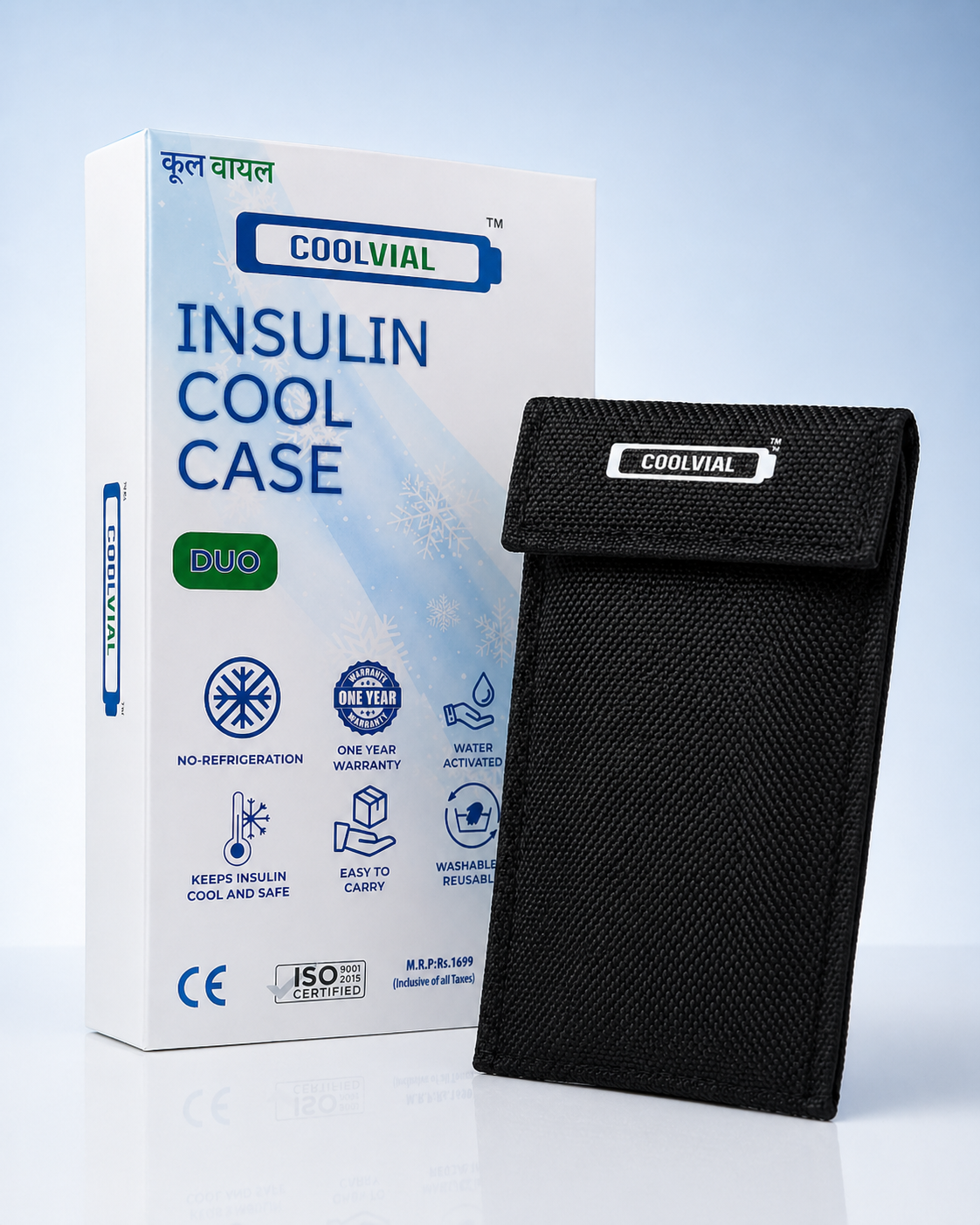
Keep your insulin safe in India's extreme heat. COOLVIAL works for 48+ hours without electricity.
Essential Documentation Needed
Having the right paperwork can make your passage through airport security seamless and prevent unnecessary delays.
- Doctor’s Letter: This is the most crucial document. It should be on your doctor’s letterhead, clearly stating:
- Your name and date of birth.
- Your diagnosis (diabetes).
- The names of all medications you are carrying (insulin, oral medications).
- The specific medical devices you need (syringes, needles, insulin pens, lancets, blood glucose meter, test strips).
- A brief explanation of why these items are medically necessary.
- The doctor’s signature and contact information.
- It’s advisable to have this letter dated recently (within 6 months) and carry both a physical copy and a digital copy on your phone.
- Prescriptions: Carry copies of your insulin prescriptions.
- Original Packaging: Keeping insulin in its original pharmacy-labelled packaging can help identify it to security personnel.
- Medical ID: Wear a medical alert bracelet or carry a card indicating you have diabetes. This is vital in case of an emergency.
Here’s a quick reference table for insulin storage:
| Insulin State | Recommended Temperature Range | Duration | Travel Implications |
|---|---|---|---|
| Unopened Vial/Pen | 2°C - 8°C (Refrigerated) | Until expiry date | Requires cooling solution (e.g., cool case) for travel. Avoid freezing. |
| Opened Vial/Pen | Below 25°C - 30°C (Room Temp) | 28 days to 6 weeks (check manufacturer) | Manage heat exposure, especially in Indian climate. Keep away from direct sunlight. |
| Critical Limit | Above 30°C (Degradation) | Rapid loss of potency | Avoid at all costs. Leads to ineffective medication. |
| Critical Limit | Below 0°C (Freezing) | Protein structure damage, loss of potency | Avoid at all costs. Do not let insulin directly touch ice packs. |
By mastering these core concepts, you lay a strong foundation for stress-free travel with insulin across India’s skies.
How to Carry Insulin on a Flight in India: Practical Steps for a Smooth Journey
Once you understand the fundamental rules, implementing practical strategies for how to carry insulin on a flight in India becomes straightforward. This section provides actionable steps to prepare for your journey, navigate airport security, and manage your medication while in the air, ensuring continuous blood sugar control.
1. Pre-Flight Preparation: Planning is Key
- Consult Your Doctor: Before any travel, especially international, discuss your itinerary with your doctor. They can advise on potential adjustments to your insulin regimen due to time zone changes, diet changes, or increased activity. Get your doctor’s letter well in advance.
- Pack Extra Supplies: Always carry at least double the amount of insulin, syringes/pens, needles, and test strips you anticipate needing. Delays can occur, and having spares provides peace of mind. Pack these extras in a separate bag or section of your carry-on.
- Organise Documentation: Keep your doctor’s letter, prescriptions, and any medical ID easily accessible. Consider making photocopies and storing them separately from the originals. A digital copy on your phone or cloud storage is also a good backup.
- Choose the Right Cool Case: For temperature-sensitive insulin, a reliable insulin cool case is essential. Look for cases that can maintain the required temperature range for extended periods. A COOLVIAL insulin cool case is designed specifically to handle varying Indian temperatures, ensuring your insulin stays safe even during long transit times or unexpected delays.
2. Packing Your Insulin: Carry-On is Non-Negotiable
- Always Carry-On: As reiterated, insulin and all related supplies must be in your carry-on luggage. Checked baggage is too risky due to temperature fluctuations and potential loss.
- Dedicated Medical Bag/Pouch: Use a separate, clearly labelled bag or pouch within your carry-on for all medical supplies. This makes it easy to present at security and keeps everything organised.
- Temperature Control:
- Cool Case: Place your insulin vials or pens inside your chosen cool case. Ensure the cooling elements (gel packs, phase change material) are properly prepared according to the manufacturer’s instructions. Do not let insulin directly touch frozen gel packs to prevent freezing.
- Buffer Material: Wrap insulin vials in a cloth or bubble wrap if using ice packs to create a buffer.
- Avoid Extreme Heat/Cold: Keep your cool case out of direct sunlight and away from direct heat sources.
3. Navigating Airport Security: Be Prepared and Confident
- Declare Your Medication: When approaching the security checkpoint, proactively inform the security officer that you are carrying medical supplies, including insulin, needles, and a cooling device. Present your doctor’s letter.
- Separate Inspection: Remove your medical bag/pouch from your main carry-on and place it in a separate bin for X-ray screening. This often allows for a quicker and less intrusive inspection.
- Liquid Rules: Remind officers that insulin is a medical liquid and exempt from the 100ml rule. They may visually inspect the insulin or cooling packs. Some airports might ask to open the cool case for inspection.
- Needles and Syringes: These are permitted when accompanied by insulin. Ensure they are either in their original packaging or clearly associated with your insulin.
4. During the Flight: Maintaining Routine and Safety
- Keep Insulin Accessible: Store your medical bag under the seat in front of you, not in the overhead bin, for easy access during the flight.
- Monitor Temperature: While cabin temperatures are generally controlled, they can vary. Keep an eye on your cool case, especially on longer flights.
- Stay Hydrated and Mobile: Drink plenty of water and move around the cabin when permitted to prevent blood sugar fluctuations and deep vein thrombosis.
- Time Zone Adjustments: For flights across time zones, consult your doctor beforehand on how to adjust your insulin doses. Carry a watch set to your destination time to help with planning.
- Meal Times: Inform the cabin crew if you need specific meal timings to align with your insulin schedule. Carry some non-perishable snacks in case of meal delays or unsuitable options.
By following these practical steps, you can ensure that carrying insulin on a flight in India becomes a routine, manageable part of your travel experience, allowing you to focus on enjoying your trip.
"Finally a cooler that works in Indian summers. Insulin stayed perfect during a 3-day power cut." — Ramesh, Chennai
How to Carry Insulin on a Flight in India: 2026 Essential Rules & Smart Tips
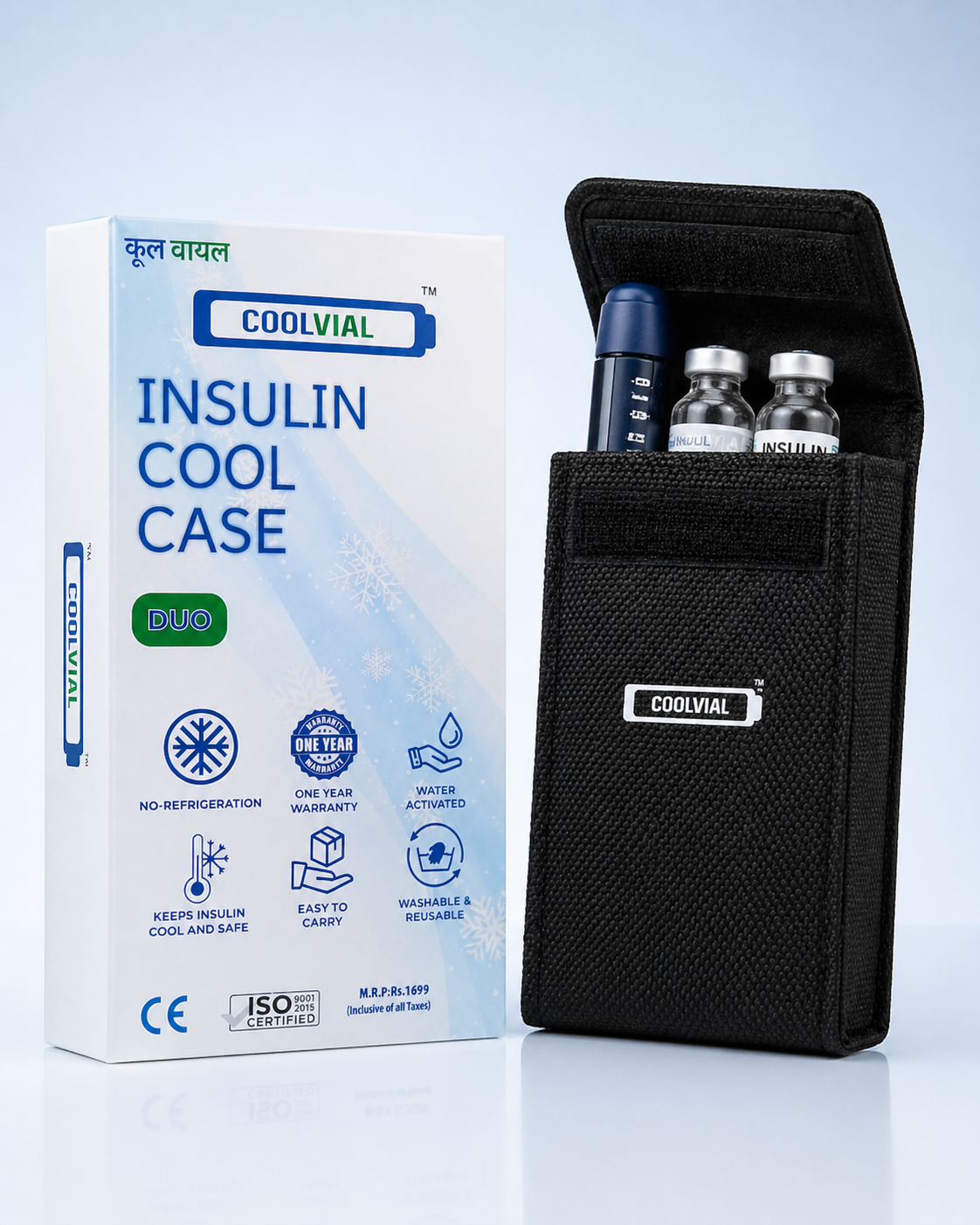
CE Certified · Free Delivery · 1-Year Warranty
📲 Buy on WhatsApp — ₹1,099India-Specific Challenges and Solutions for Insulin Travellers
India’s unique characteristics, from its diverse climate to its infrastructure, present specific challenges that insulin-dependent travellers must factor into their plans. Understanding these nuances is crucial for developing robust strategies to protect your medication and maintain your health throughout your journey.
The Impact of India’s Climate Extremes
India experiences a wide range of climatic conditions, which can significantly impact insulin storage.
- Scorching Summers: Regions like Rajasthan (e.g., Jaipur, Jodhpur), Uttar Pradesh (e.g., Lucknow), and Madhya Pradesh (e.g., Bhopal) routinely see temperatures exceeding 40°C in summer. Even coastal cities like Chennai and Kolkata, while not as hot, experience high humidity that can make heat feel more intense. Insulin can degrade very quickly in such conditions if not properly insulated.
- Monsoon Humidity: The monsoon season brings high humidity across much of the country, from Kerala to the Northeast. While not always extremely hot, sustained high temperatures combined with humidity can still pose a risk to insulin stability, particularly if storage solutions aren’t airtight or robust.
- Winter Chill: In northern regions like Kashmir, Himachal Pradesh, and parts of Punjab, winter temperatures can drop below freezing. While less common for insulin to freeze in carry-on, exposure to extreme cold during transit to and from airports or while waiting for connecting flights could be a concern if not insulated correctly.
Solution: A high-quality, insulated cool case capable of maintaining a stable temperature regardless of external conditions is paramount. This is where products like the COOLVIAL insulin cool case prove invaluable, designed to offer reliable thermal protection across India’s diverse climate zones.
Power Outages and Infrastructure Reliability
While India’s infrastructure is rapidly developing, power cuts (load shedding) can still be a reality, especially in smaller towns, rural areas, or during peak summer demand in larger cities.
- Impact on Refrigeration: If your accommodation faces frequent power outages, relying solely on a mini-fridge for insulin storage might be risky, as prolonged outages can compromise the internal temperature.
- Travel Connectivity: Delays in public transport (buses, trains) or unexpected stops during road travel can extend the time your insulin is outside a controlled environment.
Solution: Always carry enough insulin for your immediate needs in your portable cool case, even when staying at a hotel. Consider staying in accommodations known for reliable power backup. For longer trips, researching electricity stability in your destination areas is a smart move. According to IndiaSpend, “78% of Indian households face daily power cuts in summer,” highlighting the widespread nature of this challenge.
Navigating Local Transport and Public Spaces
- Crowded Environments: Indian airports, railway stations, and bus terminals can be extremely crowded. Navigating these with medical supplies requires vigilance to prevent accidental damage or loss.
- Heat in Vehicles: Buses, auto-rickshaws, and even some taxis might not have air conditioning, or it might be insufficient to counter the external heat. Leaving your cool case in the trunk of a car, which can heat up significantly, is a definite no.
Solution: Keep your insulin cool case with you at all times, close to your body, and away from direct sunlight, even within vehicles. Opt for air-conditioned transport when possible. During festivals like Diwali or Holi, travel can be even more chaotic, so plan extra buffer time and vigilance.
Cultural Context and Communication
While India has a robust medical system, awareness about diabetes management can vary, particularly in remote areas.
- Language Barrier: In some regions, there might be a language barrier with local staff or emergency services. Having your doctor’s letter translated into a local language (Hindi, Bengali, Marathi, etc.) if travelling extensively outside major metros can be beneficial, though English is widely understood in airports.
- Food and Diet: Indian cuisine is incredibly diverse, but it can sometimes be rich in carbohydrates and fats. Planning your meals and understanding portion sizes is vital for blood sugar control.
By anticipating these India-specific challenges and proactively implementing solutions, you can ensure a safer and more enjoyable travel experience while managing your diabetes effectively.
Ensuring Insulin Safety with COOLVIAL: A Smart Solution for Indian Skies
When considering how to carry insulin on a flight in India, selecting the right temperature control solution is perhaps the most critical decision. The unique demands of Indian travel – from scorching temperatures to potential power disruptions and long transit times – necessitate a robust and reliable product. This is where the COOLVIAL insulin cool case offers a smart, purpose-built solution.
Traditional methods like simple ice packs or insulated lunch bags often fall short in India’s challenging climate. Ice packs melt quickly, leading to condensation that can damage insulin labels or even the medication itself if it gets wet. They also run the risk of freezing insulin if placed directly against it. Flasks or makeshift solutions lack the consistent temperature regulation required for sensitive medications.
The COOLVIAL insulin cool case is engineered with advanced phase change material technology, specifically designed to maintain insulin within the safe temperature range of 2-8°C or 15-25°C (depending on the specific COOLVIAL model and purpose) for extended periods, typically 24-48 hours, without the need for electricity. This makes it an ideal companion for air travel, where access to refrigeration is limited, and delays are a constant possibility.
How COOLVIAL Addresses Indian Travel Needs:
- Consistent Temperature Control: Unlike ice, COOLVIAL’s phase change material absorbs heat at a specific temperature point, ensuring your insulin stays cool but never freezes. This is crucial for preventing damage to the insulin molecule.
- Durability and Portability: Designed for daily use and travel, COOL
How to Carry Insulin on a Flight in India: 2026 Essential Rules & Smart Tips
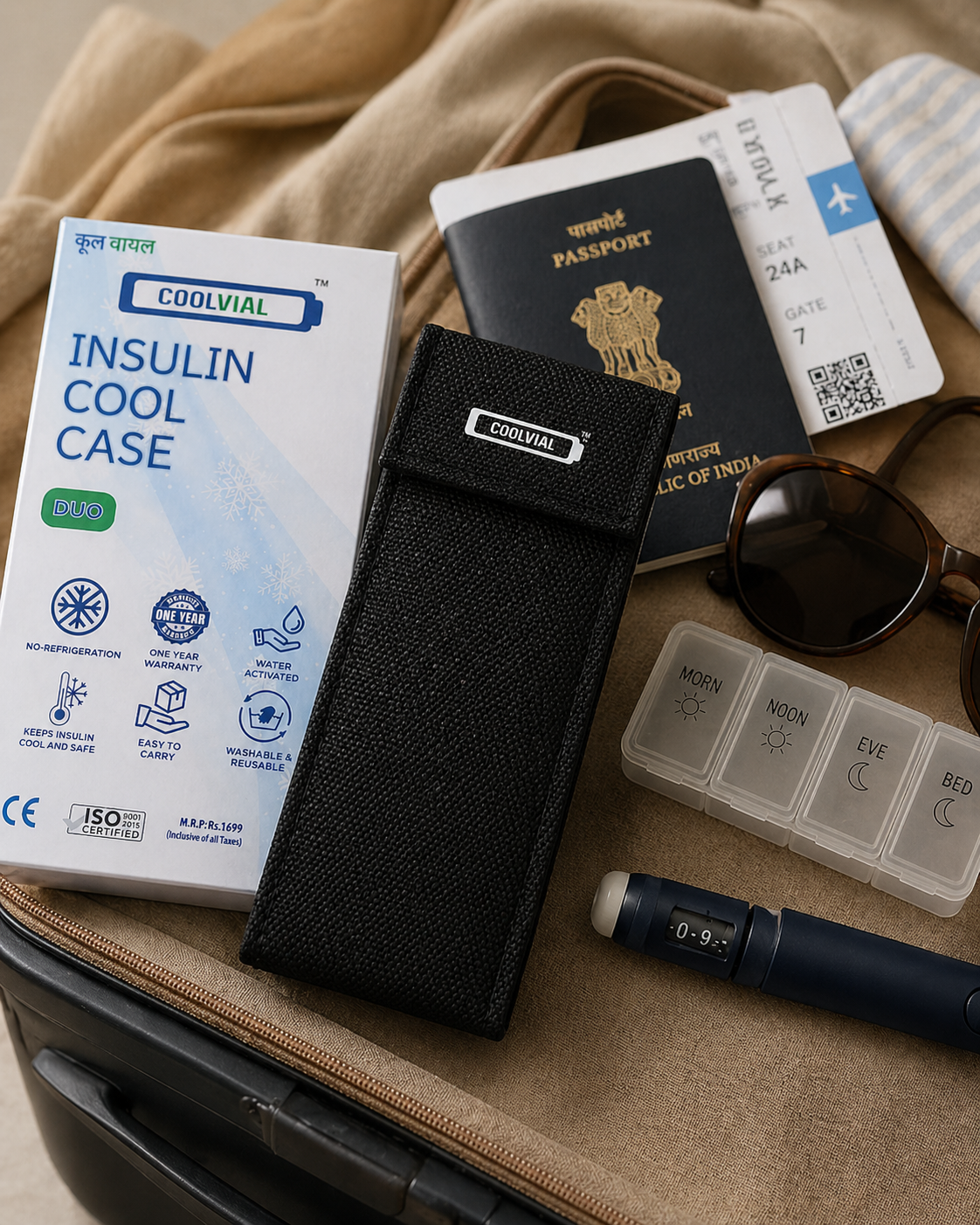
Don't let Indian heat spoil your insulin. COOLVIAL protects it for 48+ hours.