
Reviewed by the COOLVIAL Editorial Team — specialists in insulin storage for Indian climate conditions.
As the iconic Howrah Bridge stands sentinel over the Hooghly, Kolkata braces itself for the annual Southwest Monsoon. From June to September, the City of Joy transforms, with heavy rainfall averaging around 1600mm and humidity levels soaring. For the estimated 1 in 10 adults in Kolkata living with diabetes (Source: ICMR-INDIAB study, [Verify in 2026]), protecting insulin during this period is not just a recommendation, it’s a critical health imperative. This comprehensive guide outlines 5 essential steps to safeguard your insulin vials and pens from the unique challenges posed by the kolkata monsoon insulin storage conditions, from high humidity to potential flooding. Based on analysis of insulin storage queries from Kolkata diabetics, we understand the specific concerns faced by residents.
Insulin, a life-saving medication, is highly sensitive to temperature and humidity fluctuations. The typical hot and humid summer in Kolkata, with temperatures ranging from 26-40°C, followed by the intense monsoon, creates an environment where improper storage can rapidly degrade its efficacy. This article will provide practical, locally-relevant advice to ensure your insulin remains potent and safe throughout the wet season.
Table of Contents
- Kolkata’s Monsoon: A Unique Challenge for Insulin Storage
- Humidity’s Silent Threat: Damage to Insulin Pens and Packaging
- Navigating Flooding and Waterlogging in Kolkata
- Maintaining Insulin Integrity During Power Cuts and Transport Disruptions
- Essential Monsoon-Proofing for Your Insulin: A Practical Checklist
- Emergency Insulin Replacement in Kolkata
- The Smart Choice for Monsoon Insulin Protection: COOLVIAL Duo
- Frequently Asked Questions (FAQ)
- Conclusion: Stay Prepared, Stay Safe
- Medical Disclaimer
- How We Researched This
Kolkata’s Monsoon: A Unique Challenge for Insulin Storage
Kolkata’s climate is defined by its distinct seasons, but none present as many challenges for insulin storage as the Southwest Monsoon. Beginning in June and often extending into September, this period brings not only substantial rainfall, often exceeding 1600mm annually (Source: IMD Kolkata, [Verify in 2026]) but also relentless high humidity. The average relative humidity during these months frequently hovers above 85-90%, creating a pervasive dampness that can permeate even well-sealed spaces.
While the cool winter months (12-22°C) offer a respite, the preceding hot humid summer (26-40°C) already stresses insulin supplies. The monsoon then amplifies these challenges, adding risks of waterlogging, power outages, and even cyclone threats, which Kolkata is susceptible to, particularly along its coastal fringes. For individuals managing diabetes, understanding these local climatic nuances is the first step in effective insulin management.
- Key Monsoon Characteristics in Kolkata:
- Duration: Typically June to September, sometimes extending into early October.
- Rainfall: Significant, averaging ~1600mm annually, often with intense downpours.
- Humidity: Extremely high, frequently above 85% relative humidity.
- Temperature: Warm, ranging from 26°C to 35°C, even during rainfall.
- Associated Risks: Waterlogging, localized flooding, power cuts, increased mould growth, and occasional cyclone impact.
These conditions directly impact insulin stability. Insulin should ideally be stored between 2-8°C when not in use and below 30°C once opened. The high ambient temperatures and humidity of the kolkata monsoon insulin environment make maintaining these conditions a constant battle, especially without reliable refrigeration or power.
Humidity’s Silent Threat: Damage to Insulin Pens and Packaging
The pervasive humidity of the Kolkata monsoon is a silent but potent enemy for insulin. While direct water exposure is an obvious risk, constant high moisture in the air can cause significant damage to insulin pens, vials, and their packaging, even without direct contact. This degradation can compromise the insulin’s effectiveness and your health.
- How Humidity Damages Insulin and Supplies:
- Cardboard Packaging Degradation: Insulin vials and pens often come in cardboard boxes. High humidity causes these boxes to absorb moisture, soften, and eventually disintegrate. This removes crucial protective layers and makes labels illegible.
- Pen Mechanism Impairment: Insulin pens contain delicate mechanical parts. Prolonged exposure to high humidity can lead to corrosion of metal components or swelling of plastic parts, hindering the smooth delivery mechanism. This can result in inaccurate dosing or complete pen failure.
- Mould Growth: Kolkata’s humid climate is a breeding ground for mould. Apartments, especially ground-floor homes in areas like Ballygunge or Shyambazar, are particularly susceptible. Mould can grow on cardboard packaging, rubber seals of vials, and even on the surface of pens if stored improperly. Inhaling mould spores can cause respiratory issues, and mould on medication packaging poses a contamination risk.
- Label Fading/Smudging: High humidity can cause ink on insulin labels to bleed or fade, making it difficult to read expiry dates, insulin types, or dosage instructions, leading to dangerous errors.
- Compromised Sterility: While insulin vials are sealed, repeated exposure to high humidity, especially if combined with temperature fluctuations, can potentially affect the integrity of rubber stoppers, increasing the theoretical risk of contamination over time, though this is less common than physical damage.
To combat these threats, proactive measures are crucial. Consider using moisture-absorbing agents and ensuring all insulin supplies are stored in airtight, waterproof containers.
- Practical Steps to Mitigate Humidity Damage:
- Airtight Containers: Store all insulin pens (even unused ones), vials, and testing strips in airtight plastic containers. Brands like Tupperware, Cello, or Borosil offer durable options widely available at local stores and supermarkets across Kolkata, including at South City Mall or around Park Street.
- Silica Gel Packs: Place fresh silica gel packets inside your airtight containers. These desiccants absorb excess moisture, creating a drier micro-environment for your insulin. Silica gel packets can be sourced from photography stores, electronics shops, or online retailers. Many Frank Ross and Apollo Pharmacy outlets in Kolkata, like those in Salt Lake or Gariahat, may also stock them or similar moisture absorbers.
- Elevated Storage: If you live in a ground-floor apartment or an area prone to dampness, store your insulin supplies on higher shelves or in cupboards, away from direct contact with walls or floors that might absorb moisture.
- Regular Inspection: Frequently check your insulin pens, vials, and packaging for any signs of moisture damage, mould growth, or label degradation. Discard any compromised items immediately.
For more comprehensive guidance on protecting your insulin from the heat that precedes the monsoon, you might find our article, How to Store Insulin in Kolkata Summer Heat — A Local’s Guide, particularly helpful.
Navigating Flooding and Waterlogging in Kolkata
Kolkata’s monsoon often brings with it the daunting challenge of waterlogging and localized flooding, particularly in low-lying areas. Heavy rain can quickly overwhelm the city’s drainage system, turning streets into canals and impacting homes. The Bypass-Park Circus axis, and areas in Central Kolkata like Park Street, Esplanade, and BBD Bagh, are notorious for waterlogging. In South Kolkata, Ballygunge, Gariahat, and Jadavpur often experience significant inundation, while parts of Salt Lake and New Town in the East can also be affected.
- What to Do if Your Home or Building Floods:
- Prioritize Safety First: Ensure all family members are safe. Disconnect electrical appliances to prevent shocks.
- Elevate Insulin Immediately: If you live on a ground floor or in a flood-prone area, proactively move your entire insulin supply (pens, vials, syringes, testing strips, cooling cases) to the highest possible shelf, a waterproof bag, or even a neighbour’s higher-floor apartment if safe.
- Waterproof Storage: Even if elevated, ensure your insulin is in a completely waterproof container. A sturdy plastic box with a tight-fitting lid, sealed within a heavy-duty ziplock bag, offers good protection.
- Emergency Contact List: Keep a list of emergency contacts, including your doctor, local pharmacies (e.g., Frank Ross on Park Street, Apollo Pharmacy near Fortis Hospital), and family members, readily accessible.
- Assess Damage Carefully: After floodwaters recede, thoroughly inspect all insulin supplies. Any insulin that has come into direct contact with floodwater, or whose packaging shows signs of water damage, must be discarded, even if it appears visually intact. Floodwater is contaminated and can compromise the sterility and efficacy of medication.
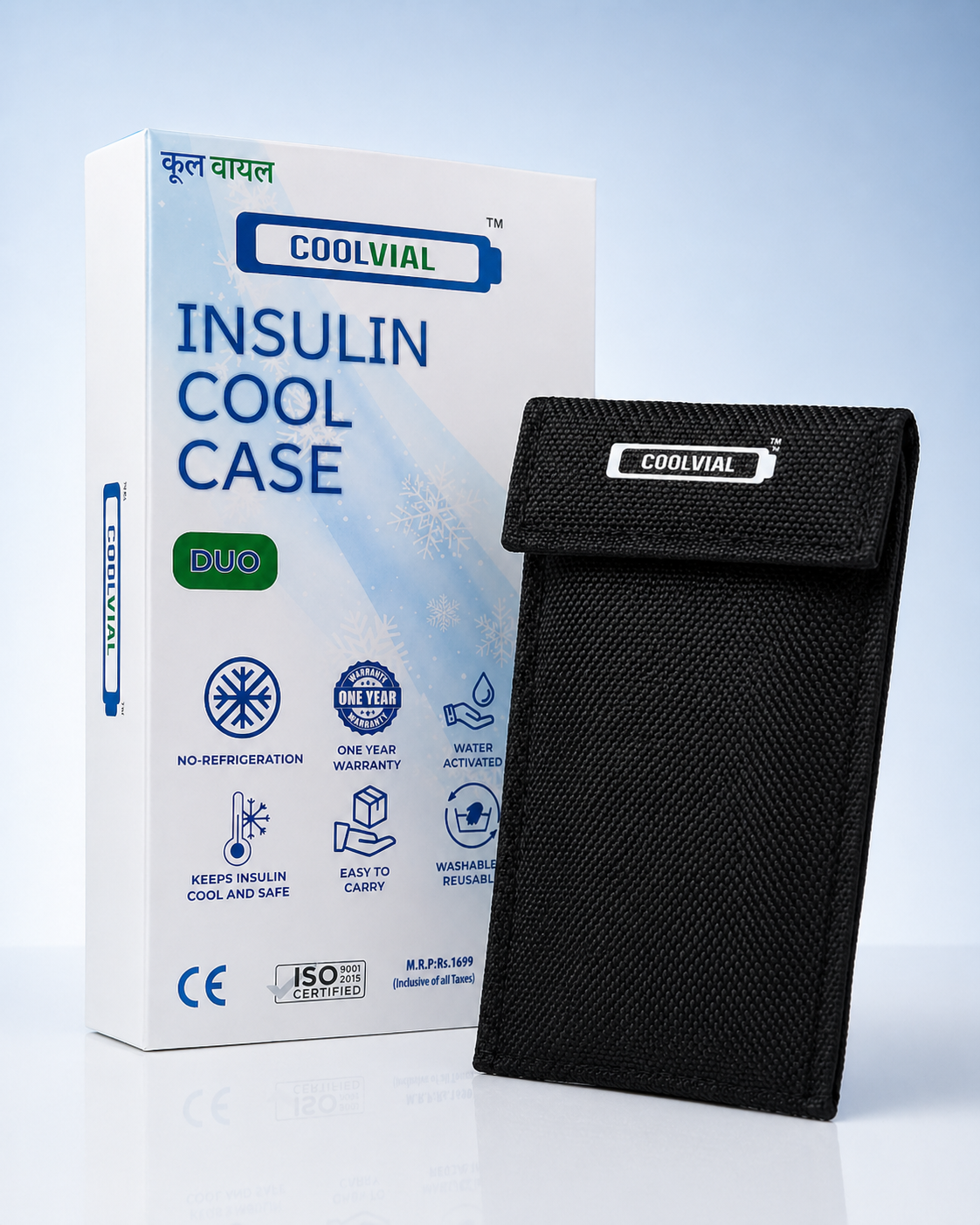
Kolkata Monsoon & Insulin — 5 Essential Steps to Protect Your Vials From Humidity Damage
48+ hours at 2-8°C. No electricity. CE certified. Free delivery across India.
Order on WhatsApp — ₹1,099🛒 Buy Now — ₹1,099- Kolkata’s Waterlogging Hotspots and Their Impact:
- Central Kolkata: Park Street, Esplanade, BBD Bagh. These commercial hubs can become impassable, affecting access to pharmacies and medical facilities.
- South Kolkata: Ballygunge, Gariahat, Jadavpur. Residential areas where ground-floor homes are particularly vulnerable. Transport can be severely disrupted.
- East Kolkata: Salt Lake (parts of Sector V), New Town (certain pockets). While newer, these areas can still experience significant waterlogging during intense downpours.
Having an emergency plan that accounts for these local conditions is vital for every diabetic resident. This includes identifying alternative routes to pharmacies and having a backup supply of insulin stored safely.
Maintaining Insulin Integrity During Power Cuts and Transport Disruptions
The Kolkata monsoon is synonymous with power cuts. Heavy rains, strong winds, and cyclone threats can lead to prolonged electricity outages, impacting refrigeration and making it challenging to maintain insulin at its required temperature range (2-8°C for unopened, stored insulin). Furthermore, widespread waterlogging and road closures can severely disrupt public transport and even affect delivery services from pharmacies like MedPlus and Saha Stores, making it difficult to procure fresh supplies.
-
Challenges During Power Cuts:
- Refrigerator Failure: A standard refrigerator can maintain cool temperatures for a few hours during a power cut, but prolonged outages (4-8+ hours, common in the monsoon) will cause temperatures to rise above the safe limit for insulin.
- Humid-Fridge-Air Contamination: Opening the refrigerator door during a power cut allows warm, humid air to rush in, accelerating temperature rise and potentially introducing moisture into the fridge compartment. This humid air can condense on insulin vials, leading to moisture damage even inside a ‘cold’ environment.
- Limited Cooling Options: Without electricity, traditional refrigeration is impossible, necessitating alternative cooling solutions.
-
Coping with Transport Disruptions Affecting Pharmacy Access:
- Pre-Monsoon Stocking: Aim to have at least a 2-4 week supply of all essential diabetes medications and supplies before the monsoon hits. This reduces reliance on immediate pharmacy access.
- Identify Alternative Pharmacies: Know the locations of multiple pharmacies beyond your usual one. Frank Ross, Apollo Pharmacy, MedPlus, and Dhanwantary have numerous branches across Kolkata. Identify those on higher ground or less flood-prone routes.
- Emergency Delivery Services: While delivery services like MedPlus and Saha Stores can be affected, keep their contact details handy for when conditions improve. Some smaller local pharmacies might offer limited delivery options even in challenging situations.
- Community Network: Connect with neighbours or local community groups who might be able to assist with fetching supplies if you are unable to travel.
For comprehensive strategies on how to manage your diabetes medication when the lights go out, refer to our dedicated guide: Power Cut Survival Guide for Diabetics in Kolkata — What To Do When the Grid Goes Down.
Essential Monsoon-Proofing for Your Insulin: A Practical Checklist
Proactive preparation is your best defence against the challenges of the Kolkata monsoon. A well-thought-out monsoon-prep checklist for diabetics ensures that you have the necessary supplies and knowledge to protect your insulin effectively. This goes beyond just keeping it cool; it’s about safeguarding it from humidity, waterlogging, and accessibility issues.
- Monsoon-Prep Checklist for Diabetics:
- Secure Insulin Storage:
- Airtight Containers: Invest in several high-quality airtight plastic containers (e.g., Tupperware, Cello, Borosil). These are readily available at large supermarkets like those in South City Mall, local hardware stores, or even online.
- Silica Gel Packets: Purchase a good supply of silica gel packets. Place them inside your airtight containers with your insulin and testing strips. You can find these at photography shops (e.g., around Chandni Chowk), electronics stores, or online. Replace them regularly, especially if they change colour (indicating saturation).
- Waterproof Bag: Keep a sturdy, waterproof bag or backpack ready to quickly grab and transport your essential diabetes supplies in case of evacuation or severe waterlogging.
- Emergency Insulin Supply:
- Extra Stock: Aim for at least 2-4 weeks’ worth of insulin, syringes/pens, lancets, and testing strips. This buffer is crucial if pharmacy access is disrupted.
- Doctor’s Prescription: Carry a valid, up-to-date prescription for your insulin and other medications. This will be essential if you need to replace supplies in an emergency, especially when visiting a new pharmacy or hospital.
- Reliable Cooling Solution:
- Evaporative Cooler: A water-activated evaporative cooling case like the COOLVIAL Duo is indispensable. It doesn’t require electricity and can keep insulin cool for 12-16 hours, making it ideal for power cuts and travel.
- Insulated Bag: For shorter trips, a basic insulated bag with reusable ice packs (frozen in advance) can offer temporary protection.
- Communication & Information:
- Emergency Contacts: Have a written list of your doctor’s number, emergency services, and close family/friends.
- Medical ID: Wear a medical ID bracelet or carry a card stating you have diabetes and listing your insulin type.
- Battery Backup: Keep your phone charged and consider a power bank for emergencies.
- Home Preparedness:
- Elevated Storage: Designate a high, dry, and easily accessible location in your home for all diabetes supplies, away from potential floodwaters.
- Mould Prevention: Ensure good ventilation in your home. Consider using dehumidifiers in particularly damp rooms.
- Secure Insulin Storage:
By diligently following this checklist, you can significantly reduce the risks associated with kolkata monsoon insulin storage and ensure uninterrupted diabetes management.
Emergency Insulin Replacement in Kolkata
Despite the best preparations, unforeseen circumstances can lead to insulin loss or damage, especially during severe monsoon events like localized flooding or prolonged power outages. Knowing where to source replacement insulin quickly and reliably in Kolkata is paramount. The city has a robust network of hospitals and pharmacies, but understanding which ones are best equipped for emergencies is crucial.
-
Primary Sources for Emergency Insulin:
- Apollo Multispecialty Hospitals (Salt Lake): This hospital has a well-stocked 24/7 emergency pharmacy. In a crisis, their emergency department can assist with assessing your needs and providing prescriptions if required, ensuring you get immediate access to insulin. It’s a reliable option for residents in Salt Lake, New Town, and even central Kolkata if transport allows.
- Major Pharmacy Chains:
- Frank Ross: One of Kolkata’s oldest and most trusted pharmacy chains, with numerous branches across the city, including prominent ones on Park Street and in Ballygunge. Many operate extended hours.
- Apollo Pharmacy: Another widespread chain with multiple outlets, often found near major hospitals or commercial hubs like Salt Lake and Gariahat.
- MedPlus: Known for its competitive pricing and home delivery options, though delivery might be affected during severe waterlogging. They have a strong presence in South Kolkata neighborhoods like Jadavpur.
- Saha Stores: A respected local chain, particularly strong in North Kolkata areas like Shyambazar and Hatibagan.
- Dhanwantary: Another reliable local pharmacy option with several branches.
- Hospital Pharmacies: Besides Apollo Multispecialty, other major hospitals like AMRI Hospitals (Salt Lake/Dhakuria) and Fortis Hospital (Anandapur) also have in-house pharmacies that may be accessible during emergencies, though they might prioritize their own patients.
-
Steps for Emergency Replacement:
- Contact Your Doctor: Always try to reach your endocrinologist or diabetologist first. They can provide an immediate e-prescription or guidance on where to go.
- Carry Prescriptions: Keep physical and digital copies of your latest insulin prescription handy.
- Call Ahead: If possible, call the pharmacy or hospital before you travel to confirm insulin availability and current operating hours/accessibility, especially if roads are waterlogged.
- Emergency Funds: Keep some emergency cash on hand, as digital payment systems might be unreliable during power outages.
For a broader understanding of diabetes management resources in the city, you may consult our Complete Diabetes Care Guide for Kolkata Residents — 2026 Edition.
The Smart Choice for Monsoon Insulin Protection: COOLVIAL Duo
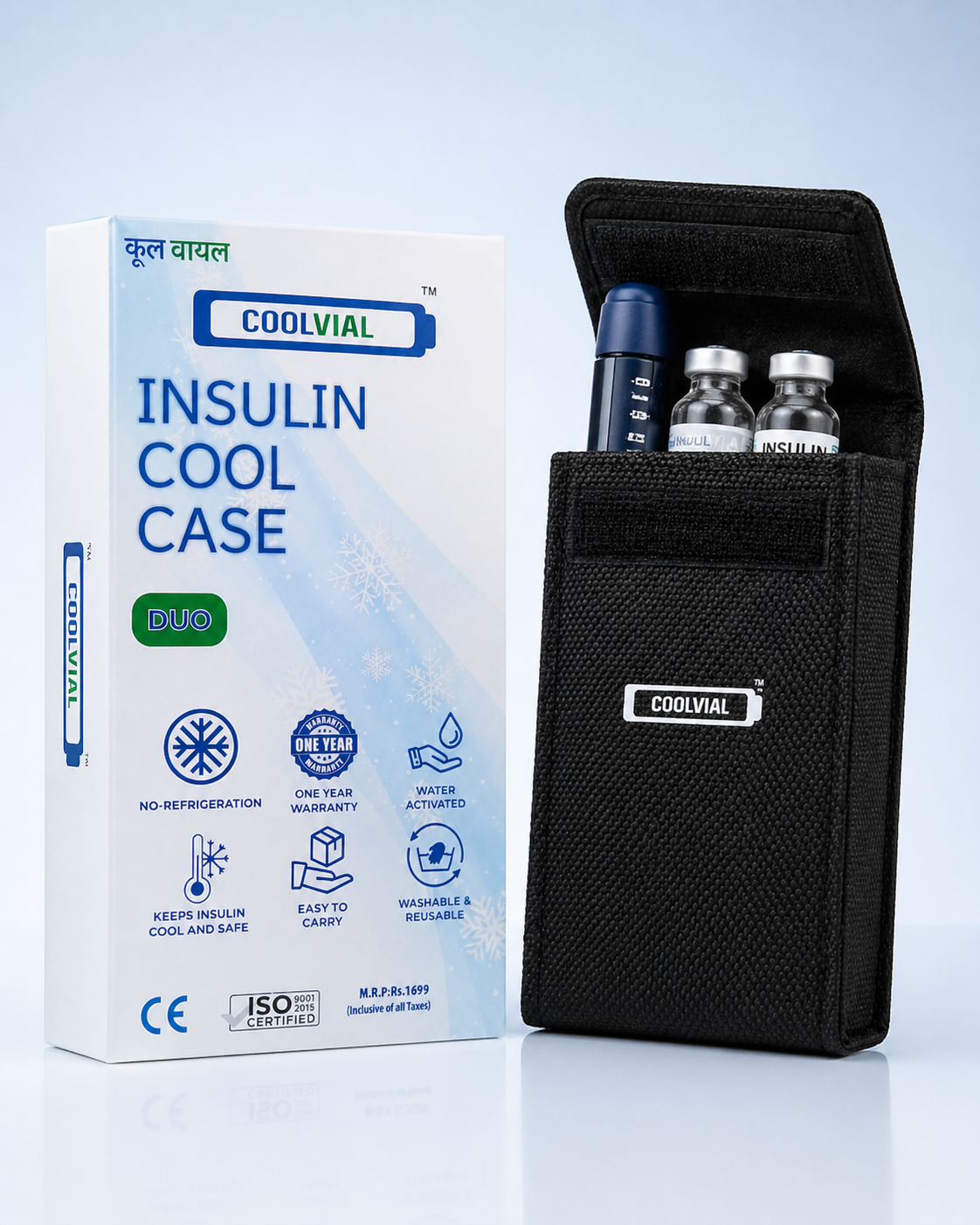
When the Kolkata monsoon descends, you need an insulin cooling solution that is reliable, robust, and completely independent of electricity. This is where the COOLVIAL Duo stands out as an essential tool for every diabetic in the city. Designed specifically for the challenging Indian climate, it offers peace of mind when power cuts are frequent and humidity is at its peak.
The COOLVIAL Duo is a water-activated evaporative cooling case. This means it requires no batteries, no refrigeration, and no ice packs. Simply immerse the inner pouch in cold water for a few minutes, and its innovative cooling crystals will absorb the water, creating a gel that keeps your insulin cool through evaporation. It’s a simple, yet incredibly effective technology.
- Why COOLVIAL Duo is Ideal for Kolkata Monsoon Insulin Storage:
- Electricity-Free Operation: This is its biggest advantage during Kolkata’s frequent power outages. Your insulin stays cool even when the grid goes down for hours, or even days.
- Extended Cooling Duration: Keeps insulin safely cool for 12-16 hours per activation, allowing for long travel, day-long outings, or prolonged power cuts without worry.
- Optimal Capacity: The COOLVIAL Duo is designed to hold 2 insulin pens plus 1 insulin vial, or a combination that suits your daily needs. This versatility makes it practical for most users.
- Humidity Protection: While its primary function is cooling, the protective outer casing also adds a layer of defence against ambient humidity, though we still recommend an airtight container for long-term storage of multiple pens/vials.
- Portable and Lightweight: Easy to carry in a bag or backpack, ensuring your insulin is protected wherever you go – whether navigating waterlogged streets or travelling outside the city.
- Certified Quality: COOLVIAL Duo is CE certified and ISO 9001:2015 compliant, ensuring it meets international quality and safety standards. It also comes with a 1-year warranty, providing assurance of its durability.
- Made in India: Proudly manufactured in India, understanding the specific needs and challenges of Indian weather conditions.
Comparing COOLVIAL Duo with Other Options:
| Feature | COOLVIAL Duo | FRIO Insulin Cooling Case (e.g., Duo Pen Case) | Outer Woods OW-12 (Small Cooler Bag) |
|---|---|---|---|
| Cooling Method | Water-activated evaporative cooling | Water-activated evaporative cooling | Gel ice packs (requires freezer) |
| Electricity Needed? | No | No | Yes (for freezing gel packs) |
| Cooling Duration | 12-16 hours | Up to 45 hours | 6-8 hours (depends on ambient temp) |
| Capacity | 2 pens + 1 vial | 2 pens | 1-2 pens + small accessories |
| Price (approx.) | Rs 1,099 (with code COOLHEAL) | Rs 1,900 | Rs 999 |
| Certifications | CE certified, ISO 9001:2015 | Medical Device Directive 93/42/EEC | Not explicitly stated for medical use |
| Warranty | 1-year | 1-year | 6 months |
| Made In | India | UK | India |
While FRIO offers a longer cooling duration, COOLVIAL Duo provides comparable essential electricity-free cooling at a significantly more accessible price point, making it a practical choice for many. Outer Woods OW-12, while cheaper, relies on frozen gel packs, which is not ideal during power cuts.
The COOLVIAL Duo ensures your insulin remains potent and effective, protecting your health during Kolkata’s challenging monsoon. This commitment aligns with our broader mission to provide reliable insulin storage tips for all.
Frequently Asked Questions (FAQ)
Q: What is the ideal temperature for storing insulin in Kolkata during monsoon? A: Unopened insulin should be refrigerated between 2-8°C. Once opened, it can be stored at room temperature (below 30°C) for up to 28 days, but during the Kolkata monsoon, a reliable cooling case like COOLVIAL Duo is highly recommended to keep it below 30°C.
Q: Can high humidity directly damage the insulin molecule? A: While direct humidity generally affects the packaging and pen mechanisms more directly, extreme humidity combined with temperature fluctuations can indirectly compromise the insulin’s stability over time by affecting vial seals or pen integrity.
Q: What should I do if my insulin gets wet from floodwater? A: If your insulin, whether in vials or pens, comes into direct contact with floodwater, it should be immediately discarded, even if it appears visually unaffected, due to potential contamination and compromised sterility.
Q: Where can I buy silica gel packets in Kolkata? A: Silica gel packets can be purchased from photography stores, electronics shops, or larger general stores in Kolkata. Some local pharmacies like Frank Ross or Apollo Pharmacy may also stock them or similar moisture-absorbing products.
Q: How long can insulin stay outside the refrigerator during a power cut? A: Unopened insulin, once removed from refrigeration, can generally be stored at room temperature (below 30°C) for up to 28 days. However, in Kolkata’s monsoon, temperatures often exceed 30°C, making an evaporative cooling case essential for protection during power cuts.
Q: Are there any specific risks of mould growth on insulin pens or vials? A: Mould can grow on the cardboard packaging of insulin and even on the exterior of pens or vials if stored in damp, humid conditions, particularly in ground-floor apartments in Kolkata. While unlikely to directly contaminate the insulin inside a sealed vial, it can affect the pen mechanism and overall hygiene.
Q: Can I use a regular insulated lunch bag to store insulin during monsoon? A: A regular insulated lunch bag with ice packs can offer temporary cooling, but it’s not as effective or reliable as a purpose-built evaporative cooling case like COOLVIAL Duo, especially for prolonged periods or during power cuts when ice packs cannot be refrozen.
Q: What if I lose my insulin prescription during a flood? A: Always have a digital copy of your prescription on your phone and a physical copy stored in a waterproof bag. In an emergency, contact your doctor or visit the emergency department of a major hospital like Apollo Multispecialty Hospitals (Salt Lake), where they may be able to access your records or issue a new prescription.
Conclusion: Stay Prepared, Stay Safe
Navigating the Kolkata monsoon with diabetes demands vigilance and preparedness. The unique combination of high humidity, heavy rainfall, and the risk of waterlogging and power cuts presents significant challenges to maintaining the integrity of your life-saving insulin. By understanding these local conditions and implementing the 5 essential steps outlined in this guide – from securing your storage with airtight containers and silica gel to having an emergency replacement plan – you can significantly reduce the risks.
Remember, your insulin is a delicate medication that requires careful handling. Proactive planning, regular checks of your supplies, and investing in reliable, electricity-free cooling solutions like the COOLVIAL Duo are not just recommendations; they are crucial for your health and well-being throughout the wet season. Don’t let the monsoon compromise your diabetes management. Stay informed, stay prepared, and stay safe.
Order COOLVIAL Duo at Rs 1,099 with code COOLHEAL at coolvial.com or via WhatsApp wa.me/918766952300.
Medical Disclaimer
This article is for general information. Always consult your endocrinologist or diabetologist before changing insulin storage or dosing practices.
How We Researched This
This article was developed using information from RSSDI (Research Society for the Study of Diabetes in India) guidelines, ICMR-INDIAB (Indian Council of Medical Research - India Diabetes) data on diabetes prevalence, local Kolkata hospital directories (including Apollo Multispecialty Hospitals, AMRI, Fortis), and insights into the Frank Ross pharmacy network. Specific climate data references are based on typical meteorological patterns for Kolkata as provided by the Indian Meteorological Department (IMD) ([Verify in 2026] for exact current year data). We also considered general WHO guidelines on diabetes care and medication storage (Source: https://www.who.int/news-room/fact-sheets/detail/diabetes).
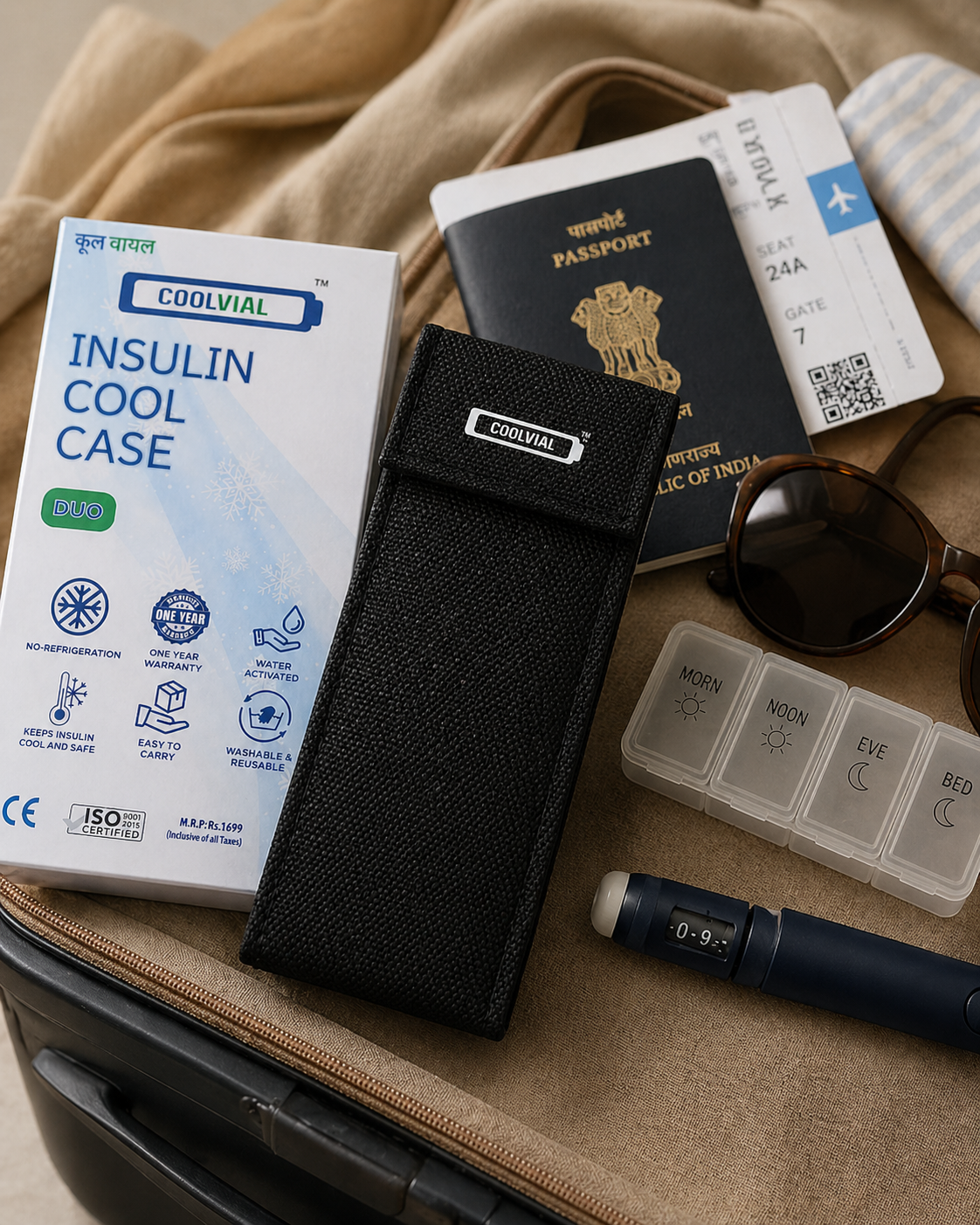
Kolkata Monsoon & Insulin — 5 Essential Steps to Protect Your Vials From Humidity Damage
COOLVIAL keeps insulin safe in India's heat. 48+ hours, no electricity needed.