
Reviewed by the COOLVIAL Editorial Team — specialists in insulin storage for Indian climate conditions.
Kolkata, the vibrant ‘City of Joy,’ is a unique blend of historical charm and modern challenges. For its residents living with diabetes, navigating daily life requires a keen understanding of local resources, climate realities, and lifestyle adaptations. This complete diabetes care guide for Kolkata residents, updated for 2026, aims to be your definitive resource, offering practical insights and essential information to manage your condition effectively in this bustling metropolis. Based on analysis of insulin storage queries from Kolkata diabetics, we understand the specific challenges you face. Did you know that West Bengal, including Kolkata, faces a significant diabetes prevalence, with urban areas often reporting higher rates? Recent data suggests a prevalence of over 16.3% in urban West Bengal (Source: ICMR-INDIAB Study, [Verify in 2026]), making comprehensive care critically important. From top-tier hospitals like Apollo Multispecialty Hospitals in Salt Lake to managing insulin in the city’s hot, humid summers, we’ve got you covered.
Table of Contents
- Diabetes Prevalence in West Bengal and Kolkata-Specific Data
- Top Hospitals for Diabetes Care in Kolkata
- Your Pharmacy Network in Kolkata
- Kolkata’s Climate Reality and Insulin Storage
- Power and Utility in Kolkata: Managing Load Shedding
- Navigating Kolkata: Transport for Diabetics
- Food Culture & Diabetic-Friendly Choices in Kolkata
- Diabetes Support Groups in Kolkata
- Insurance and Financial Support for Diabetes in West Bengal
- Kolkata-Specific Challenges for Diabetics
- Frequently Asked Questions (FAQ)
- Conclusion and Call to Action
- Kolkata Diabetes Care Checklist (Downloadable)
- How We Researched This
- Medical Disclaimer
1. Diabetes Prevalence in West Bengal and Kolkata-Specific Data
Diabetes is a growing health concern across India, and West Bengal is no exception. Understanding the local prevalence is the first step towards effective management. The ICMR-INDIAB study highlights a significant burden of diabetes in urban areas of West Bengal, with a prevalence rate of approximately 16.3% [Verify in 2026]. This means that nearly one in six adults in urban settings like Kolkata may be living with diabetes. The sedentary lifestyles, dietary changes, and genetic predispositions contribute to these rising numbers.
Kolkata, as a major metropolitan hub, reflects these trends. Specific data for the city often mirrors or slightly exceeds the state’s urban average due to factors like:
- Urbanization: Increased access to processed foods and reduced physical activity.
- Socio-economic Factors: Higher stress levels and changing work patterns.
- Diagnostic Accessibility: Better screening and diagnosis in city hospitals and clinics.
For a deeper understanding of localized statistics and advanced management techniques, consulting a specialist is crucial. This complete diabetes care guide emphasizes that early detection and consistent management are key to preventing complications.
2. Top Hospitals for Diabetes Care in Kolkata
Access to quality healthcare is paramount for diabetes management. Kolkata boasts a network of excellent multispecialty hospitals equipped with dedicated endocrinology departments and experienced diabetologists. When seeking comprehensive care, these institutions offer everything from routine check-ups to advanced treatments for diabetes-related complications.
Here are some of Kolkata’s leading hospitals renowned for their diabetes care:
- Apollo Multispecialty Hospitals (Salt Lake): Known for its comprehensive endocrinology department and advanced diagnostic facilities. Located in the bustling Salt Lake area, it serves a large population from the eastern and northern parts of the city.
- AMRI Hospitals (Salt Lake/Dhakuria): With branches in Salt Lake and Dhakuria, AMRI provides specialized diabetes clinics, focusing on patient education and personalized treatment plans.
- Fortis Hospital (Anandapur): A well-regarded institution offering state-of-the-art facilities for diabetes management, including diabetic foot care and renal support.
- R N Tagore International Institute of Cardiac Sciences (Mukundapur): While primarily cardiac, it has strong internal medicine and endocrinology departments that manage diabetes, especially for patients with cardiovascular comorbidities.
- Peerless Hospital (Panchasayar): Offers a robust diabetes care program with a focus on holistic treatment and patient support.
- Belle Vue Clinic (Park Circus): A long-standing, reputed hospital in central Kolkata with experienced diabetologists providing personalized care.
For a detailed list of specialists and their areas of expertise, refer to our dedicated guide: Best Diabetologists & Endocrinologists in Kolkata — 2026 Guide.
| Hospital Name | Key Areas of Focus | Neighborhood |
|---|---|---|
| Apollo Multispecialty Hospitals | Endocrinology, Diabetic Foot Care, Advanced Diagnostics | Salt Lake |
| AMRI Hospitals | Personalized Diabetes Management, Patient Education | Salt Lake, Dhakuria |
| Fortis Hospital | Diabetic Nephropathy, Cardiovascular Diabetes Care | Anandapur |
| R N Tagore International Institute | Diabetes with Cardiac Comorbidities | Mukundapur |
| Peerless Hospital | Holistic Diabetes Care, Patient Support | Panchasayar |
| Belle Vue Clinic | General Endocrinology, Specialized Diabetes Clinics | Park Circus (Central) |
3. Your Pharmacy Network in Kolkata
Reliable access to insulin, oral medications, test strips, and other diabetes essentials is crucial for daily management. Kolkata boasts a widespread pharmacy network, ensuring that you’re never too far from your necessary supplies.
Here are the prominent pharmacy chains and local stores in Kolkata:
- Frank Ross: One of the oldest and most trusted pharmacy chains in Kolkata, with numerous outlets across neighborhoods like Park Street, Ballygunge, and Salt Lake. They often stock a wide range of insulin brands and diabetes supplies.
- Apollo Pharmacy: A national chain with a significant presence in Kolkata, offering competitive prices and often having 24/7 outlets for emergencies. You can find them in areas like Gariahat, Jadavpur, and New Town.
- MedPlus: Another popular chain known for its discounts and loyalty programs, with stores in key areas like Esplanade and Howrah.
- Saha Stores: Reputable local pharmacies, often found in traditional neighborhoods like Shyambazar and Hatibagan, providing personalized service.
- Dhanwantary: A well-known local pharmacy with a strong customer base, particularly in older parts of the city.
Online Pharmacies: In recent years, online pharmacy services have become increasingly popular in Kolkata, offering doorstep delivery of medications. Platforms like Netmeds, PharmEasy, and Apollo 24/7 provide convenience, especially for recurring prescriptions. Always ensure you have a valid prescription for insulin and other controlled medications.
For urgent needs, knowing where to find a pharmacy at any hour can be a lifesaver. Explore our guide to: 24-Hour Pharmacies in Kolkata for Insulin Emergencies — Updated List.
4. Kolkata’s Climate Reality and Insulin Storage
Kolkata’s distinct climate zones present unique challenges for insulin storage, a critical aspect of complete diabetes care. The city experiences extreme weather conditions that can significantly impact insulin efficacy if not managed properly.
Here’s a breakdown of Kolkata’s climate and its implications for insulin:
- Hot Humid Summer (March-May): Temperatures typically range from 26°C to a scorching 40°C, often accompanied by high humidity. Insulin is highly sensitive to heat and can degrade rapidly above 25°C.
- Southwest Monsoon (June-September): Characterized by heavy rainfall (averaging ~1600mm annually) and persistent high humidity. While temperatures might slightly drop, the humidity can still affect insulin and its packaging. The risk of water damage is also prevalent.
- Cool Winter (November-February): Pleasantly cool temperatures between 12°C and 22°C, making it the most favorable season for insulin storage. However, direct exposure to very low temperatures (freezing) can also damage insulin.
- Cyclone Risk (Pre-Monsoon & Post-Monsoon): Kolkata is susceptible to tropical cyclones, which can bring heavy rains, strong winds, and power disruptions, further complicating insulin storage.
| Season | Months | Temperature Range (°C) | Key Insulin Storage Challenge |
|---|---|---|---|
| Hot Humid | March-May | 26-40 | Heat degradation, high ambient temperatures |
| Southwest Monsoon | June-September | 25-35 | Humidity damage, water exposure, power cuts |
| Cool Winter | November-February | 12-22 | Risk of accidental freezing in cold spots |
| Post-Monsoon | October | 25-35 | Residual humidity, potential for cyclones |
The Solution: Evaporative Cooling
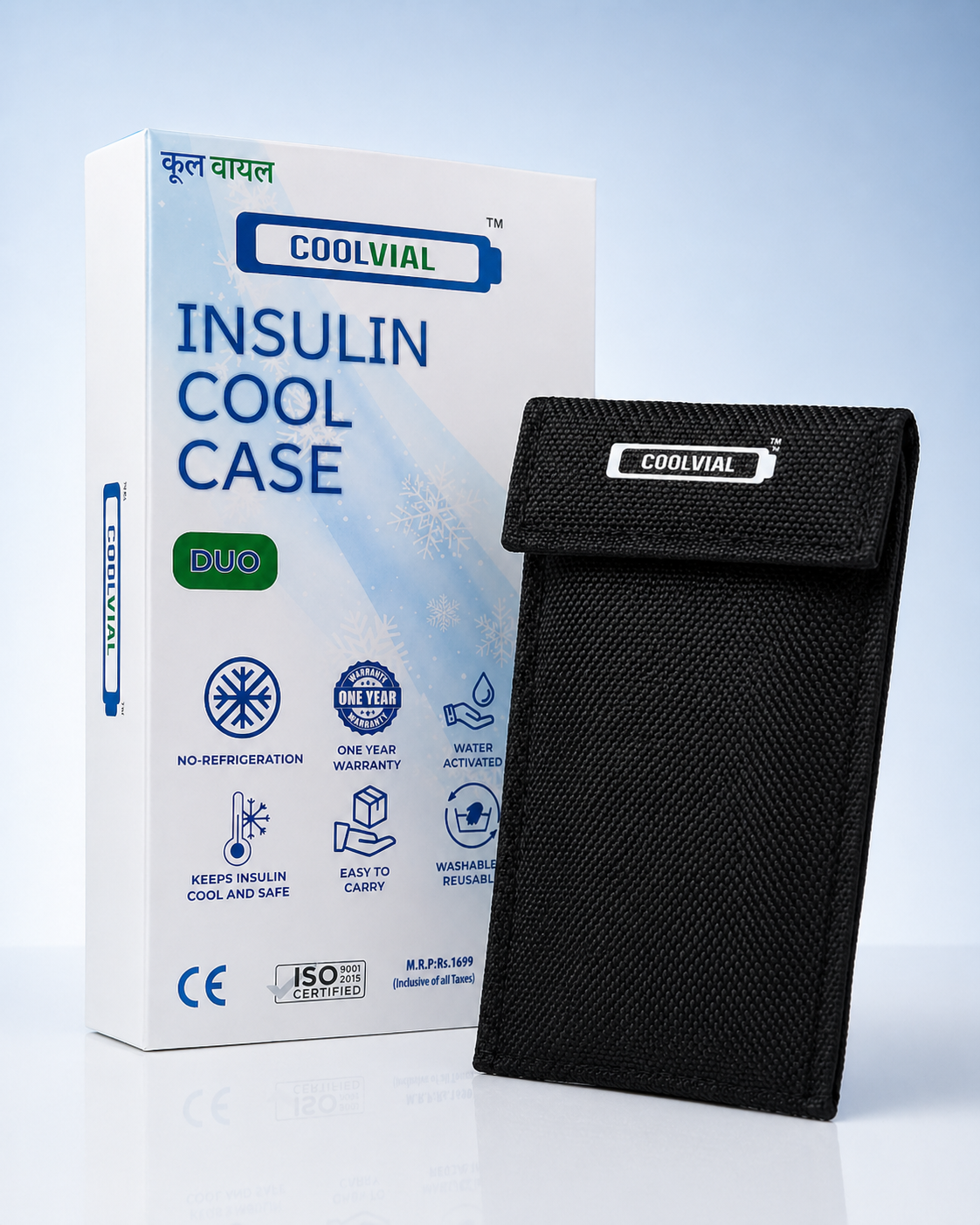
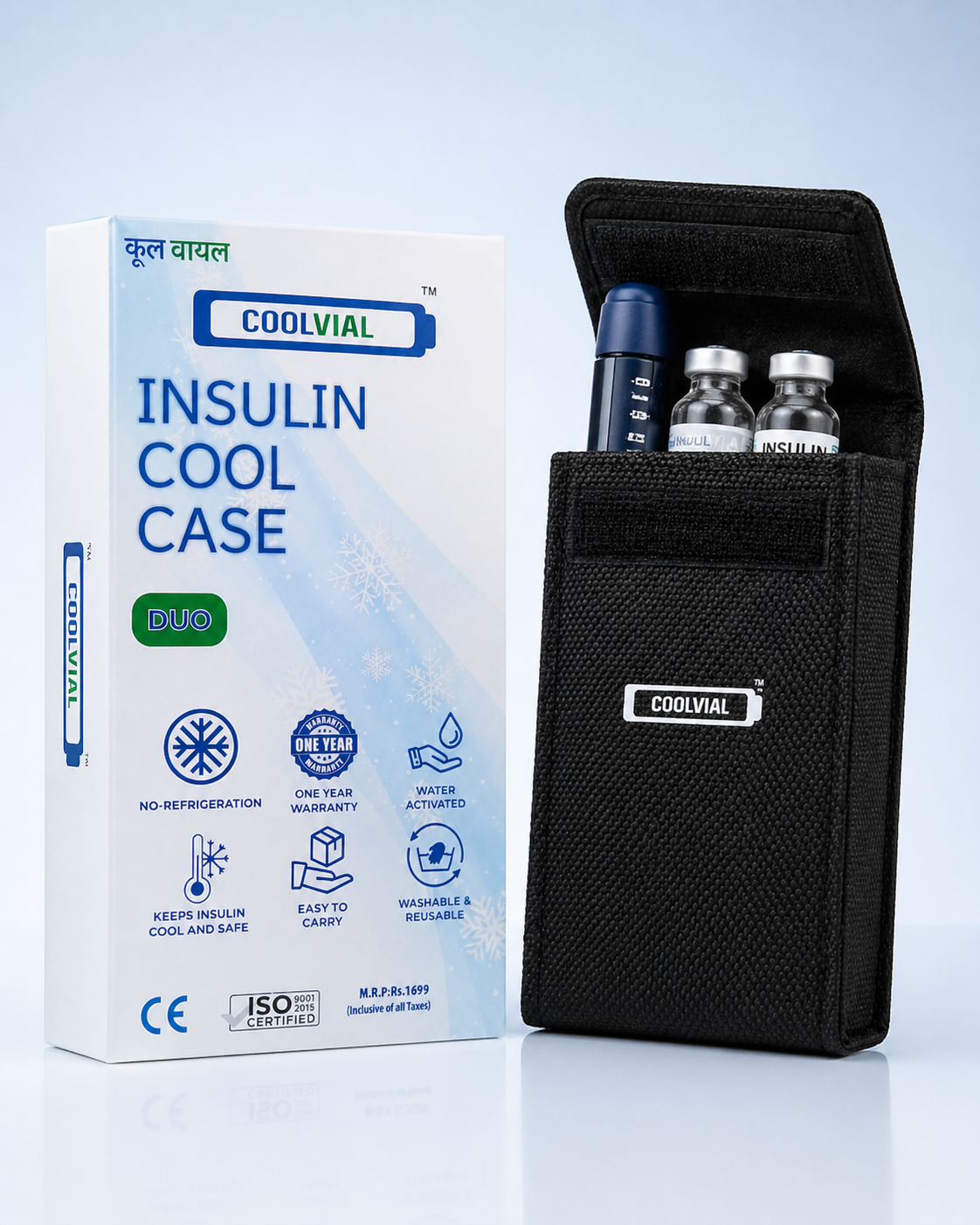
In such challenging conditions, traditional refrigeration isn’t always reliable (due to power cuts) and carrying insulin in ice packs can lead to freezing. This is where an evaporative cooling case like the COOLVIAL Duo becomes an indispensable part of your complete diabetes care guide in Kolkata. The COOLVIAL Duo, priced at just Rs 1,099 with code COOLHEAL (MRP Rs 1,699), is a water-activated, evaporative cooling case designed specifically for the Indian climate. It keeps insulin cool between 18-26°C for 12-16 hours without electricity, simply by soaking it in water. This makes it ideal for Kolkata’s hot summers and humid monsoons, protecting your insulin vials and pens from degradation. It’s CE certified, ISO 9001:2015 compliant, and comes with a 1-year warranty, all proudly Made in India.
For more detailed strategies on protecting your insulin:
- How to Store Insulin in Kolkata Summer Heat — A Local’s Guide
- Kolkata Monsoon & Insulin — Protecting Your Vials From Humidity Damage
- If you’re wondering where to get one: Where to Buy an Insulin Cooler in Kolkata — Top Stores, Pharmacies & Online Delivery
Compared to alternatives, the COOLVIAL Duo offers significant advantages. While FRIO cases are also water-activated evaporative coolers, they often come at a higher price point (typically Rs 1,900 or more) and might not offer the specific pen + vial capacity of the Duo. Other options like Outer Woods OW-12 (around Rs 999) are typically insulated pouches that rely on gel packs, which need freezing and have a shorter cooling duration, making them less suitable for Kolkata’s extended heat and frequent power issues. The COOLVIAL Duo specifically holds 2 pens and 1 vial, offering practical capacity for daily and travel needs.
5. Power and Utility in Kolkata: Managing Load Shedding
Kolkata, like many Indian cities, experiences occasional power outages or ‘load shedding,’ especially during peak summer months when air conditioning usage is high, and during the monsoon season due to weather-related disruptions. For individuals dependent on refrigerated insulin, these power cuts pose a serious concern.
Kolkata’s power supply is primarily managed by CESC (Calcutta Electric Supply Corporation) in the city and WBSEDCL (West Bengal State Electricity Distribution Company Limited) in surrounding areas. While infrastructure has improved, it’s wise to be prepared.
Common Power Challenges:
- Summer Load Shedding: Planned or unplanned outages during extreme heat (e.g., 35-40°C) when demand spikes.
- Monsoon Disruptions: Storms and heavy rainfall can cause localized power failures and extended outages due to damaged lines.
- Inverter Culture: Many Kolkata households rely on inverters and batteries to provide backup power, especially for essential appliances like fans and lights. However, not all inverters are designed to run refrigerators for extended periods.
Strategies for Diabetics During Power Cuts:
- Prioritize Insulin Storage: Always keep your insulin in a reliable cooling solution.
- Backup Power: Consider an inverter with sufficient capacity to run your refrigerator for at least a few hours, or ensure your building has a generator backup.
- Use an Insulin Cooling Case: This is where the COOLVIAL Duo shines. It requires no electricity and can keep your insulin safe for 12-16 hours. Simply soak it in water for 5-10 minutes, and it’s ready to use. This makes it an indispensable tool for a complete diabetes care guide in a city with intermittent power.
- Emergency Kit: Keep a small emergency kit with extra insulin, syringes, and a glucometer, along with your cooling case.
For a detailed action plan, consult our guide: Power Cut Survival Guide for Diabetics in Kolkata — What To Do When the Grid Goes Down.
6. Navigating Kolkata: Transport for Diabetics
Kolkata offers a diverse range of public and private transport options. While this provides flexibility, carrying insulin safely during commutes requires careful planning, especially given the city’s climate and often crowded conditions. This section of our complete diabetes care guide helps you navigate the city responsibly.
Here’s a look at Kolkata’s transport network and tips for diabetics:
- Kolkata Metro: India’s first metro system, with the North-South (Blue Line) and East-West (Green Line) corridors, is a fast and efficient way to travel. Metro stations are usually air-conditioned, offering a temporary respite from the heat.
- Trams: Kolkata is the only city in India with an operational tram network. While slower, they offer a unique way to experience the city. Trams are not air-conditioned and can be hot.
- CSTC Buses: Comprehensive bus network covering almost every part of the city. Buses can be crowded and hot, especially during peak hours. Some newer buses are air-conditioned.
- Autos (Auto-rickshaws): Three-wheeled vehicles, ideal for shorter distances and navigating narrow lanes. They are open-air but can be quite bumpy.
- Yellow Ambassador Taxis: Iconic to Kolkata, these taxis are readily available but often lack air conditioning. App-based cabs (Ola, Uber) offer air-conditioned options.
| Transport Type | Pros | Cons | Diabetic-Friendly Tips |
|---|---|---|---|
| Kolkata Metro | Fast, AC stations, less traffic | Can be crowded, limited network | Use during peak heat, keep insulin in a cooler like COOLVIAL Duo, avoid crushing. |
| Trams | Iconic, scenic, relaxed | Slow, no AC, limited routes | Best for short, leisure trips. Always use an insulin cooler. |
| CSTC Buses | Extensive network, affordable | Crowded, hot, traffic delays | Opt for AC buses if available. Carry insulin in a robust cooling case. Plan travel during off-peak hours. |
| Autos | Quick for short distances, accessible | Bumpy, open-air, can be hot | Good for quick hops. Ensure insulin is secure in a cooling case. |
| Yellow Taxis/App Cabs | Door-to-door, AC (app cabs) | Traffic delays, higher cost | App cabs with AC are best for longer journeys. Keep insulin easily accessible. |
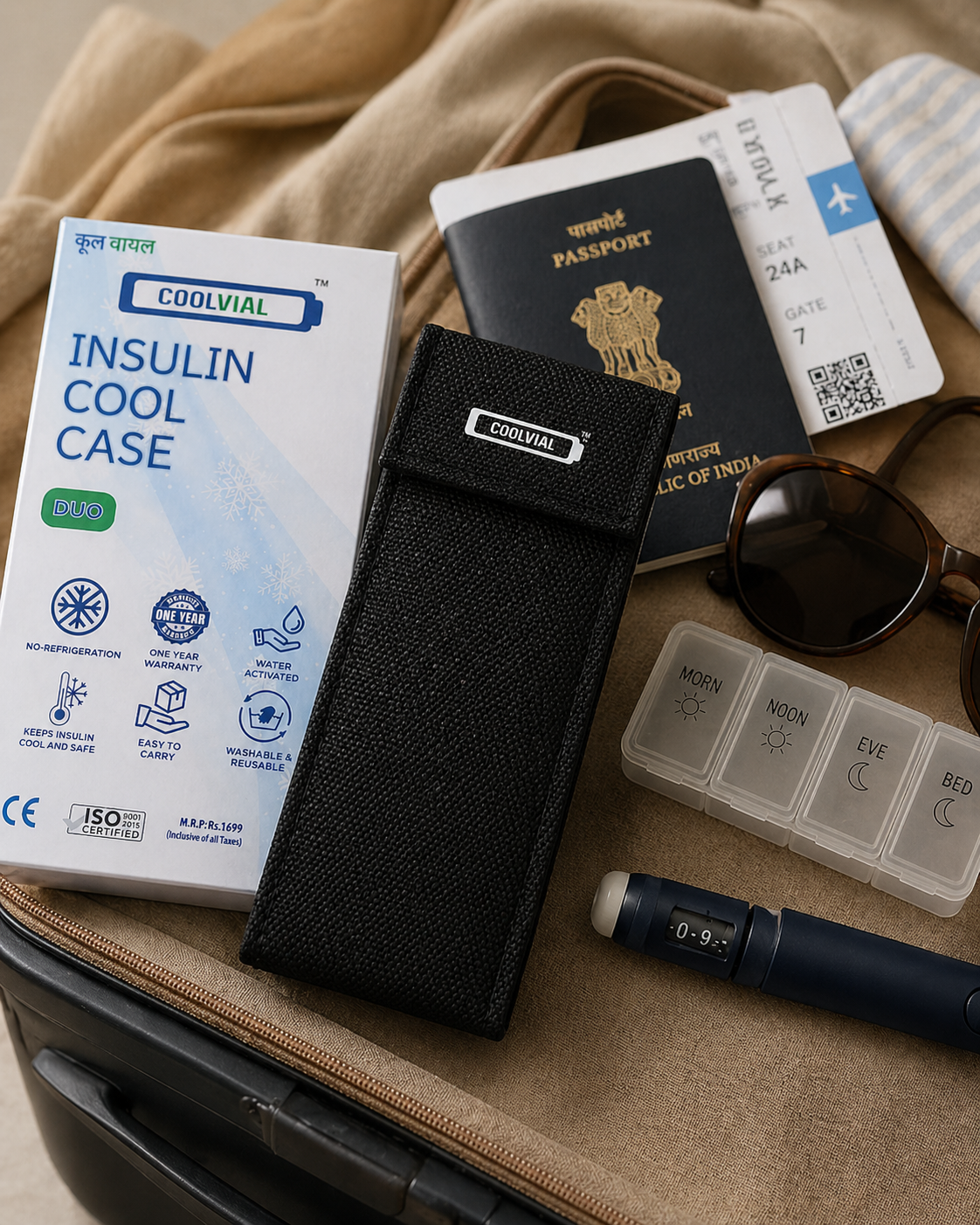
Carrying Insulin Safely: When commuting or travelling from Kolkata, always keep your insulin in a dedicated cooling case. The COOLVIAL Duo is perfectly suited for this, holding 2 pens and 1 vial and keeping them cool for 12-16 hours. Its compact design makes it easy to carry in a bag, protecting your vital medication from temperature fluctuations.
For air travel, remember to carry insulin in your hand luggage. The Directorate General of Civil Aviation (DGCA) permits carrying essential medicines, including insulin, in carry-on baggage. You can find more details on medical requirements for air travel on the official DGCA website: https://dgca.gov.in/pages/medical-requirements.html.
For more specific advice on travel within and from Kolkata:
- Travelling From Kolkata With Insulin — Airport, Station & Taxi Tips
- Daily Commute With Insulin in Kolkata — Tips for Metro, Bus & Auto
7. Food Culture & Diabetic-Friendly Choices in Kolkata
Kolkata’s culinary landscape is legendary, a paradise for food lovers. However, for individuals managing diabetes, navigating the rich and often sweet Bengali cuisine requires mindful choices. This section of our complete diabetes care guide helps you enjoy Kolkata’s food culture while keeping your blood sugar in check.
Iconic Kolkata Foods and Diabetic Considerations:
- Macher Jhol (Fish Curry): A staple, usually made with fresh fish and a light, flavorful gravy. Opt for preparations with less oil and pair with brown rice or roti instead of white rice.
- Kolkata Biriyani: Famous for its inclusion of potato and egg. While delicious, it’s typically rich in rice, oil, and spices. Enjoy in moderation, focusing on the protein (chicken/mutton) and the potato, and balance with a lighter side dish.
- Kathi Rolls: A popular street food, often made with paratha (refined flour bread) and a filling. Choose whole wheat (atta) options if available, ask for less oil, and load up on grilled chicken or paneer with fresh veggies.
- Mishti Doi (Sweetened Yogurt): A traditional dessert, extremely sweet. Best avoided or consumed in very small, occasional portions. Many places now offer sugar-free or low-sugar options.
- Rosogolla/Sandesh: Iconic Bengali sweets, primarily sugar-based. Similar to Mishti Doi, these should be consumed sparingly or explore sugar-free alternatives.
Tips for Diabetic-Friendly Eating in Kolkata:
- Prioritize Protein & Vegetables: Look for dishes rich in lean protein (fish, chicken, paneer) and plenty of non-starchy vegetables.
- Control Portions: Even healthy foods can impact blood sugar in large quantities. Be mindful of serving sizes, especially with rice and fried items.
- Ask for Customization: Don’t hesitate to ask restaurants for less oil, less sugar, or specific cooking methods if possible.
- Hydrate: Drink plenty of water, especially in Kolkata’s humid climate, and avoid sugary beverages.
- Plan Ahead: If you know you’ll be indulging, plan your other meals and insulin doses accordingly.
Many restaurants in Kolkata are becoming more health-conscious. For specific recommendations, check out our curated list: Diabetic-Friendly Restaurants & Cafes in Kolkata — Where to Eat Safely.
| Food Item | Traditional Preparation (High in) | Diabetic-Friendly Adaptation |
|---|---|---|
| Macher Jhol | Oil, white rice | Less oil, whole grain rice/roti |
| Kolkata Biriyani | Refined rice, oil | Smaller portion, more protein/veggies, less oil |
| Kathi Rolls | Maida (refined flour), oil | Whole wheat paratha, grilled filling, less oil |
| Mishti Doi/Rosogolla | Sugar | Sugar-free versions, very small portions, occasional treat |
| Luchi/Kochuri | Deep-fried maida | Avoid or choose whole wheat roti/chapati instead |
8. Diabetes Support Groups in Kolkata
Living with diabetes can sometimes feel isolating, but connecting with others who share similar experiences can provide invaluable emotional support, practical advice, and motivation. Kolkata has a growing network of diabetes support groups that foster a sense of community and shared learning.
Key Support Group Initiatives in Kolkata:
- Diabetes India Chapter (Kolkata): As part of a national organization, the Kolkata chapter often organizes awareness programs, workshops, and support meetings. These events provide opportunities to interact with diabetologists, nutritionists, and fellow patients.
- Defeat Diabetes Foundation: This foundation is dedicated to raising awareness, providing education, and supporting individuals with diabetes. They may have local initiatives or connect you with resources in Kolkata.
- Local Type 1 Diabetes Groups: Specific groups often form for Type 1 diabetics, including parents of children with Type 1, recognizing their unique challenges. These groups offer peer support, share tips on insulin management, technology, and navigating daily life with Type 1.
- Hospital-Based Support Programs: Many major hospitals listed earlier (e.g., Apollo, AMRI) may offer their own patient education and support groups, often led by their clinical teams.
Benefits of Joining a Support Group:
- Emotional Support: Share experiences, challenges, and successes in a non-judgmental environment.
- Practical Advice: Learn tips and tricks from others who have navigated similar situations (e.g., managing insulin during festivals, finding specific food items).
- Latest Information: Stay updated on new treatments, technologies, and research.
- Motivation: Get inspired by others’ journeys and maintain a positive outlook on managing your condition.
- Advocacy: Collectively address issues related to diabetes care and policy.
To find a group that fits your needs, inquire at your diabetologist’s clinic, check hospital websites, or search online for “diabetes support groups Kolkata.” Participating in these groups is an integral part of a holistic complete diabetes care guide, offering a crucial emotional and informational safety net.
9. Insurance and Financial Support for Diabetes in West Bengal
Managing diabetes can involve significant ongoing costs, from medication and test strips to specialist consultations and potential hospitalization. Understanding your insurance options and available financial support schemes is a vital component of complete diabetes care in Kolkata.
Complete Diabetes Care Guide for Kolkata Residents — 2026 Edition
COOLVIAL keeps insulin safe in India's heat. 48+ hours, no electricity needed.
Government Schemes:
- Ayushman Bharat Pradhan Mantri Jan Arogya Yojana (PMJAY): This national health insurance scheme provides health cover of up to Rs 5 lakh per family per year for secondary and tertiary care hospitalization. It is widely accepted in many empaneled public and private hospitals across Kolkata and West Bengal. Ensure your chosen hospital accepts PMJAY.
- West Bengal State Health Scheme: The state government also offers its own health schemes for government employees, pensioners, and certain other categories, providing cashless treatment and reimbursement for medical expenses, including diabetes management.
- Swasthya Sathi: A universal health coverage scheme for the residents of West Bengal, covering up to Rs 5 lakh per family per year for secondary and tertiary care. It is a crucial resource for many in Kolkata.
Private Health Insurance:
Numerous private insurers offer health plans that cover diabetes. It’s essential to choose a plan that specifically addresses chronic conditions.
- Key Considerations for Diabetics when choosing Private Insurance:
- Waiting Period: Many policies have a waiting period (often 2-4 years) for pre-existing conditions like diabetes. Look for plans with shorter waiting periods or specific diabetes-friendly policies.
- Coverage for OPD Expenses: Diabetes management often involves frequent doctor visits, diagnostic tests, and medication costs that aren’t part of hospitalization. Some policies now offer OPD coverage.
- Daycare Procedures: Coverage for minor procedures or treatments that don’t require 24-hour hospitalization.
- Network Hospitals: Ensure your preferred hospitals in Kolkata (e.g., Apollo Multispecialty Hospitals, AMRI) are part of the insurer’s cashless network.
Top Private Insurers with Diabetes-Friendly Plans (Check for 2026 updates):
- HDFC ERGO
- Star Health and Allied Insurance
- Aditya Birla Health Insurance
- Niva Bupa (formerly Max Bupa)
- Bajaj Allianz General Insurance
| Scheme/Insurer | Type | Key Benefits (General) | Diabetic-Specific Notes |
|---|---|---|---|
| Ayushman Bharat PMJAY | Government | Rs 5 lakh/family/year, cashless hospitalization | Covers secondary/tertiary care for diabetes complications. |
| Swasthya Sathi | West Bengal Govt. | Rs 5 lakh/family/year, cashless hospitalization | Comprehensive coverage for WB residents, including diabetes. |
| Private Health Plans | Private | Customizable sum assured, network hospitals, add-ons | Look for pre-existing diabetes coverage, OPD benefits. |
Always read the policy documents carefully, understand the terms and conditions, and clarify any doubts with the insurer or an insurance advisor.
10. Kolkata-Specific Challenges for Diabetics
Beyond the general aspects of diabetes management, Kolkata presents unique environmental and logistical challenges that individuals with diabetes must be aware of. This final section of our complete diabetes care guide addresses these local nuances.
1. Flood Risk: Kolkata is a low-lying city, and heavy monsoon rains can lead to significant waterlogging and localized flooding, particularly in central Kolkata along the Bypass-Park Circus axis.
-
Impact on Diabetics:
- Diabetic Foot Care: Exposure to contaminated floodwaters poses a severe risk of infection for individuals with diabetic neuropathy or foot ulcers.
- Access to Care: Flooding can disrupt transport, making it difficult to reach pharmacies for insulin or hospitals for emergencies.
- Insulin Storage: Flood-related power outages or physical damage to homes can compromise insulin storage.
-
Preparedness:
- Keep emergency insulin supplies and your cooling case (like COOLVIAL Duo) in a waterproof bag.
- Avoid walking in floodwaters; wear waterproof, protective footwear if absolutely necessary.
- Have emergency contact numbers for doctors and pharmacies readily available.
2. Air Quality: Kolkata’s air quality can deteriorate significantly, especially during winter months, due to vehicular emissions, industrial pollution, and burning of biomass. Poor air quality has been linked to increased risk of respiratory issues and can exacerbate cardiovascular problems, which are already a concern for diabetics.
- Preparedness:
- Monitor daily Air Quality Index (AQI) reports.
- Limit outdoor activities on high pollution days.
- Consider using an N95 mask when outdoors during peak pollution.
- Maintain good respiratory health through regular check-ups.
3. Monsoon Disruption: Beyond flooding, the monsoon season brings a host of disruptions:
-
Increased Humidity: As discussed, this impacts insulin storage.
-
Vector-borne Diseases: Increased risk of dengue, malaria, and other infections, which can significantly raise blood sugar levels and complicate diabetes management.
-
Food Contamination: Higher risk of food and waterborne illnesses due to unhygienic conditions.
-
Preparedness:
- Strict adherence to food hygiene: consume freshly cooked, hot food.
- Protect against mosquito bites.
- Regularly check your insulin cooling case and ensure it’s functioning optimally.
- Stay updated on local health advisories.
4. Crowds and Congestion: Kolkata is a densely populated city, and public spaces, markets, and transport hubs are often crowded. This can be stressful and challenging for individuals who need to manage their blood sugar or administer insulin discreetly.
- Preparedness:
- Plan your outings to avoid peak hours.
- Carry all necessary diabetes supplies (glucometer, insulin, snacks) in an easily accessible bag.
- Practice discreet insulin administration techniques if needed.
| Challenge | Impact on Diabetics | Recommended Action |
|---|---|---|
| Flood Risk | Foot infections, disrupted access to care, insulin damage | Waterproof emergency kit, avoid floodwaters, use COOLVIAL Duo. |
| Poor Air Quality | Respiratory/cardiovascular issues | Monitor AQI, limit outdoor exposure, wear masks. |
| Monsoon Disruption | Insulin degradation, infections, foodborne illness | Hygienic practices, mosquito protection, reliable insulin cooling. |
| Crowds & Congestion | Stress, difficulty with self-care | Plan travel, carry essentials, practice discreet administration. |
By being aware of these specific challenges and implementing proactive strategies, you can maintain effective complete diabetes care and continue to enjoy everything Kolkata has to offer.
Frequently Asked Questions (FAQ)
Q: How hot does it get in Kolkata during summer? A: Kolkata’s summers, from March to May, typically see temperatures ranging from 26°C to a scorching 40°C, often accompanied by very high humidity, making effective insulin storage crucial.
Q: Are power cuts common in Kolkata? A: While infrastructure has improved, Kolkata can still experience occasional power cuts or load shedding, especially during peak summer demand or monsoon storms, necessitating backup solutions for refrigerated insulin.
Q: Can I carry insulin on the Kolkata Metro? A: Yes, you can carry insulin on the Kolkata Metro; it is advisable to keep it in a temperature-controlled case like the COOLVIAL Duo to protect it from heat, especially during crowded commutes.
Q: Where can I find a diabetologist in Salt Lake? A: In Salt Lake, you can find excellent diabetologists at Apollo Multispecialty Hospitals and AMRI Hospitals, both known for their comprehensive endocrinology departments and patient care.
Q: What are the main challenges for diabetics during Kolkata’s monsoon? A: During Kolkata’s monsoon (June-September), diabetics face challenges such as high humidity affecting insulin, increased risk of foot infections from floods, and a higher chance of vector-borne diseases.
Q: What is COOLVIAL Duo’s capacity and cooling duration? A: The COOLVIAL Duo holds 2 insulin pens and 1 vial, and it keeps insulin cool for 12-16 hours at temperatures between 18-26°C, making it ideal for daily use and travel without electricity.
Q: Does Ayushman Bharat cover diabetes treatment in Kolkata? A: Yes, Ayushman Bharat PMJAY provides health cover up to Rs 5 lakh per family per year for secondary and tertiary care hospitalization, which includes treatments for diabetes complications, at empaneled hospitals in Kolkata.
Q: How can I enjoy Kolkata’s street food safely with diabetes? A: To enjoy Kolkata’s street food safely with diabetes, choose freshly prepared items, opt for less oily and less sugary versions where possible, control your portion sizes, and prioritize protein and vegetables.
Conclusion and Call to Action
Kolkata is a city of incredible vibrancy and charm, and managing diabetes effectively here means embracing its unique rhythm while staying vigilant about your health. This complete diabetes care guide has aimed to equip you with the knowledge and resources to thrive, from understanding local healthcare infrastructure and climate challenges to adapting your diet and transport habits. Remember, informed choices and proactive measures are your strongest allies in maintaining optimal blood sugar control.
Whether it’s navigating the city’s transport, enjoying its rich culinary delights, or simply ensuring your insulin stays potent through a scorching summer or a torrential monsoon, having the right tools makes all the difference. The COOLVIAL Duo is engineered precisely for these conditions, offering peace of mind and reliable insulin storage without the need for electricity. Its water-activated evaporative cooling technology provides 12-16 hours of protection for 2 pens and 1 vial, making it an indispensable companion for every diabetic in Kolkata.
Empower yourself with smart solutions for uninterrupted diabetes care. Order your COOLVIAL Duo today at the special price of Rs 1,099 with code COOLHEAL at coolvial.com or simply reach out via WhatsApp at wa.me/918766952300. Take control of your diabetes journey in Kolkata with confidence and comfort.
Kolkata Diabetes Care Checklist (Downloadable)
Download your comprehensive Kolkata Diabetes Care Checklist here for easy reference and daily management. [Verify link in 2026]
How We Researched This
This comprehensive guide was compiled based on a thorough review of current RSSDI (Research Society for the Study of Diabetes in India) guidelines for diabetes management in India, data from the ICMR-INDIAB (Indian Council of Medical Research–India Diabetes) study for regional prevalence, extensive research into local Kolkata hospital directories, and information on the Frank Ross pharmacy network and other key city services. We also consulted local meteorological data for Kolkata’s climate patterns and local discom data for power supply insights to ensure the information is relevant and accurate for Kolkata residents.
Medical Disclaimer
This article is for general information and educational purposes only. It is not intended to be a substitute for professional medical advice, diagnosis, or treatment. Always consult your endocrinologist or diabetologist before making any changes to your insulin storage, dosing practices, medication regimen, or lifestyle.
Complete Diabetes Care Guide for Kolkata Residents — 2026 Edition
Insulin at 2-8°C for 48+ hours. Trusted by 10,000+ Indian diabetics.