
Reviewed by the COOLVIAL Editorial Team — specialists in insulin storage for Indian climate conditions.
Kolkata, the City of Joy, with its vibrant culture, iconic landmarks like the Victoria Memorial and Howrah Bridge, and bustling neighborhoods from Park Street to Salt Lake, is a fantastic place to live and explore. However, for the nearly 1 in 10 adults in India living with diabetes (Source: IDF Diabetes Atlas 10th Edition), travelling from Kolkata with insulin brings unique challenges, especially given the city’s hot and humid climate. With summer temperatures often soaring between 26-40°C and the heavy Southwest monsoon from June to September, keeping insulin cool and effective is paramount. This article provides 7 essential tips, based on analysis of insulin storage queries from Kolkata diabetics, to ensure your insulin stays safe whether you’re flying from NSCBI Airport, taking a train from Howrah or Sealdah, or embarking on a road trip.
Table of Contents
- Understanding Kolkata’s Climate and Insulin Storage Needs
- Flying from NSCBI Airport (CCU): Security & Check-in Rules
- Navigating NSCBI Airport (CCU) for Pre-paid Taxis and International Travel
- Train Journeys from Howrah (HWH) & Sealdah (SDAH): Myths & Realities
- Road Trips from Kolkata: Digha, Mandarmani & Shantiniketan
- The COOLVIAL Duo: Your Travel Companion for Insulin
- General Travel Preparedness for Insulin Users
- Frequently Asked Questions (FAQs)
- Conclusion
- Medical Disclaimer
- Methodology Note
1. Understanding Kolkata’s Climate and Insulin Storage Needs
Kolkata’s weather patterns significantly impact insulin stability. The city experiences a hot, humid summer where temperatures frequently hit 35-40°C, followed by the intense Southwest monsoon (June-September) with high humidity and approximately 1600mm of rainfall. Even the relatively cooler winter (12-22°C) can have unpredictable warm spells. Insulin, a protein, degrades rapidly when exposed to temperatures above 25-30°C, losing its potency. This means a standard insulated bag with gel packs might not be sufficient for longer durations, especially during transit.
Here’s why Kolkata’s climate demands careful insulin management:
- High Temperatures: The prolonged exposure to heat, especially in un-airconditioned environments like local buses or auto-rickshaws, can quickly degrade insulin. Even leaving insulin in a parked car for a short time can be disastrous.
- Humidity: High humidity can affect packaging and the functionality of certain cooling methods.
- Power Outages: While less common during travel, the risk of power cuts in certain areas can affect refrigeration, emphasizing the need for independent cooling solutions.
- Cyclonic Risk: Kolkata is susceptible to cyclones, particularly around the Bay of Bengal, which can cause travel disruptions and impact access to reliable power or pharmacies.
To counteract these challenges, it’s crucial to use a reliable, passive cooling solution like an evaporative cooler, which works by using water to keep insulin cool without electricity, making it ideal for the Indian climate. For daily commutes within the city, check out our Daily Commute With Insulin in Kolkata — Tips for Metro, Bus & Auto.
2. Flying from NSCBI Airport (CCU): Security & Check-in Rules
Netaji Subhas Chandra Bose International Airport (CCU) is a bustling hub, and navigating its security with insulin requires preparation. The primary rule of thumb for any medication, especially life-saving ones like insulin, is to always carry it in your hand-luggage. Never place insulin in checked baggage, as the cargo hold’s fluctuating temperatures can damage it, and there’s always a risk of luggage being lost or delayed.
Key considerations for flying from CCU with insulin:
- Carry-on is King: Insulin pens, vials, syringes, and lancets must always be in your carry-on bag. This ensures they remain at a stable temperature and are accessible.
- Doctor’s Letter: While not always explicitly demanded, a doctor’s letter or prescription is highly recommended. This document, stating your medical condition and the necessity of carrying insulin and related supplies, can smooth the process at security checkpoints. Ensure it’s recent and clearly legible.
- CISF Screening and Gel Packs: At the Central Industrial Security Force (CISF) screening, you may be asked to present your insulin and cooling case separately. If you use gel packs, be prepared for questions regarding their liquid content. While medical liquids are generally exempt from the 100ml limit, it’s best to declare them proactively. Evaporative cooling cases, which contain no liquid in their activated state beyond the absorbent crystals, typically face fewer questions.
- Quantity: Carry enough insulin for your trip duration, plus a few extra days’ buffer in case of unforeseen delays. Pharmacies in Kolkata like Frank Ross, Apollo Pharmacy, MedPlus, Saha Stores, or Dhanwantary are great for stocking up before you leave.
3. Navigating NSCBI Airport (CCU) for Pre-paid Taxis and International Travel
Your journey doesn’t end after security screening. The post-flight experience at NSCBI Airport, especially concerning ground transport, requires attention to insulin safety. For those embarking on international travel, additional considerations apply.
Practical tips for CCU ground transport and international journeys:
7 Essential Tips for Travelling From Kolkata With Insulin
48+ hours at 2-8°C. No electricity. CE certified. Free delivery across India.
Order on WhatsApp — ₹1,099🛒 Buy Now — ₹1,099- Pre-paid Taxi Queues: One often-overlooked challenge at NSCBI Airport is the long queues for pre-paid taxis, especially during peak hours. Waits can easily extend to 45 minutes or even an hour. During Kolkata’s hot summers (26-40°C), this outdoor wait can expose your insulin to damaging heat. This further reinforces why your insulin should never be in checked luggage. Keep your cooling case secure and shaded while you wait.
- App-Cabs (Ola/Uber): While convenient, app-cabs can sometimes be a gamble in Kolkata. Drivers may refuse to turn on the AC due to fuel concerns, especially for shorter rides. Always confirm AC functionality before starting your journey, and if the AC isn’t working, ensure your insulin is well-protected in its cooling case and not exposed to direct sunlight.
- International Travel and Customs: When travelling internationally from CCU, be aware of the customs regulations of your destination country. Always carry your doctor’s letter. For insulin, most countries allow it freely, but it’s wise to check specific guidelines.
- Time-Zone Dosing: Crossing multiple time zones requires careful adjustment of your insulin schedule. Consult your endocrinologist or diabetologist, perhaps at Apollo Multispecialty Hospitals (Salt Lake) or AMRI Hospitals (Salt Lake/Dhakuria), well in advance to create a revised dosing plan. This is critical to avoid hypo- or hyperglycemia.
4. Train Journeys from Howrah (HWH) & Sealdah (SDAH): Myths & Realities
Train travel from Kolkata’s iconic Howrah (HWH) and Sealdah (SDAH) stations offers a unique experience, whether you’re heading to the serene landscapes of Shantiniketan or further afield. However, managing insulin on trains comes with its own set of challenges and common misconceptions.
Dispelling myths and offering practical advice for train travel:
- Pantry Car Fridges are Unreliable: A common myth is that pantry car fridges can safely store your insulin. This is a dangerous assumption. Pantry car refrigerators are often not maintained at consistent, pharmaceutical-grade temperatures. They are designed for food and beverages, not sensitive medications. Fluctuations, power issues, and general hygiene concerns make them unsuitable for insulin.
- NEVER Hand Pens to TTE (Ticket Examiner): Another dangerous practice is handing your insulin pens or vials to the Ticket Travelling Examiner (TTE) for “safe storage.” TTEs are not equipped or responsible for medication storage. Your insulin is your responsibility, and entrusting it to someone else, even with good intentions, puts its integrity at risk.
- Bring Your Own Evaporative Cooler: For train journeys, especially those lasting more than a few hours, a personal evaporative cooling case is indispensable. It will keep your insulin at the required temperature range (18-26°C typically) for 12-16 hours, independent of external power. This is far safer than relying on unreliable train facilities.
- Stay Hydrated: While not directly about insulin storage, staying well-hydrated is crucial for managing diabetes, especially in the often-warm train compartments. Carry sufficient water.
5. Road Trips from Kolkata: Digha, Mandarmani & Shantiniketan
Exploring destinations like the beaches of Digha and Mandarmani, or the cultural haven of Shantiniketan, by road from Kolkata is a popular choice. However, the realities of road travel, particularly in the Indian climate, pose specific challenges for insulin users.
Addressing road trip challenges:
- Taxi AC Reliability (Ola/Uber): Similar to airport transfers, the reliability of AC in hired taxis (including Ola/Uber) can be inconsistent. Always confirm the AC is working effectively before starting your journey. If the AC is weak or non-existent, your evaporative cooling case becomes even more critical.
- Parking Insulin in a Hot Car: Never, under any circumstances, leave your insulin in a parked car, even for a short duration. The interior of a car can heat up dramatically, often reaching 50-60°C within minutes, even if the ambient temperature is only 30°C. This extreme heat will render your insulin ineffective. Always take your insulin cooling case with you when you leave the vehicle.
- Rapido Bike-Taxi Exposure: For shorter distances within or just outside Kolkata, Rapido bike-taxis are common. However, they offer no protection from direct sun or heat. If you’re using a bike-taxi, ensure your insulin is securely stored in a compact, well-protected evaporative cooler, perhaps even wrapped in a cloth for additional insulation from direct sun.
- Dhaba Pit-Stop Fridge Access: Roadside eateries (dhabas) are an integral part of Indian road trips. While some might have refrigerators, relying on them for insulin storage is ill-advised. Their fridges are typically for food and drinks, often opened frequently, and rarely maintain the consistent cool temperatures required for insulin. Stick to your personal cooling solution.
For those planning to stay longer in Kolkata and need comprehensive diabetes care information, refer to our Complete Diabetes Care Guide for Kolkata Residents — 2026 Edition.
6. The COOLVIAL Duo: Your Travel Companion for Insulin
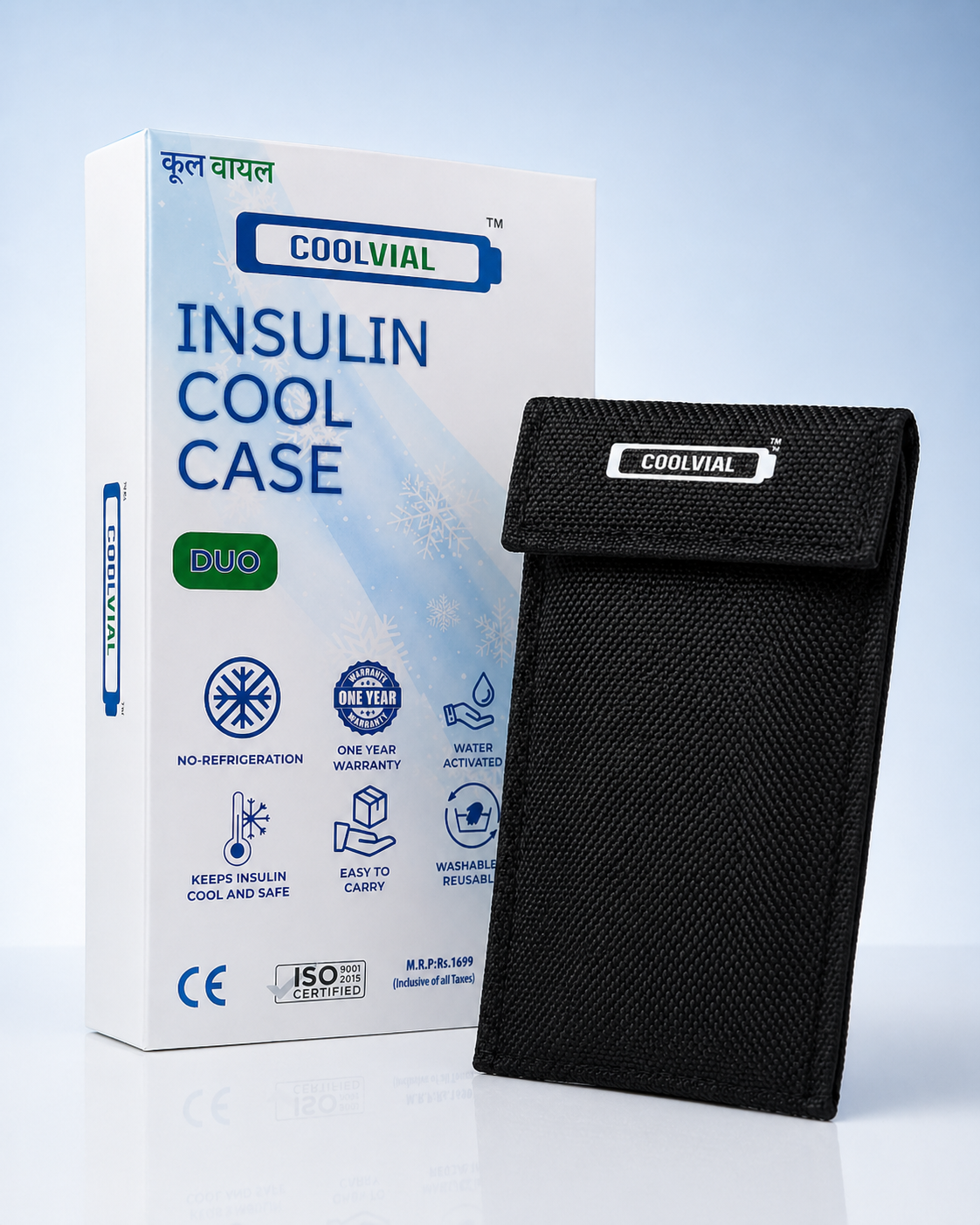
When travelling from Kolkata with insulin, choosing the right cooling solution is paramount. The COOLVIAL Duo is specifically designed to meet the demands of the Indian climate, offering a reliable, electricity-free way to keep your insulin safe. Unlike traditional ice packs or gel packs that require refrigeration and can sometimes freeze insulin (rendering it useless), evaporative coolers work through a simple, yet highly effective, water-activated process.
Why COOLVIAL Duo is an ideal choice for Kolkata travellers:
- Evaporative Cooling Technology: Simply activate the COOLVIAL Duo by immersing it in water for a few minutes. The cooling crystals absorb the water, creating an evaporative cooling effect that keeps your insulin at a safe temperature (typically 18-26°C) for 12-16 hours, even in ambient temperatures up to 40°C. This makes it perfect for Kolkata’s hot and humid summers.
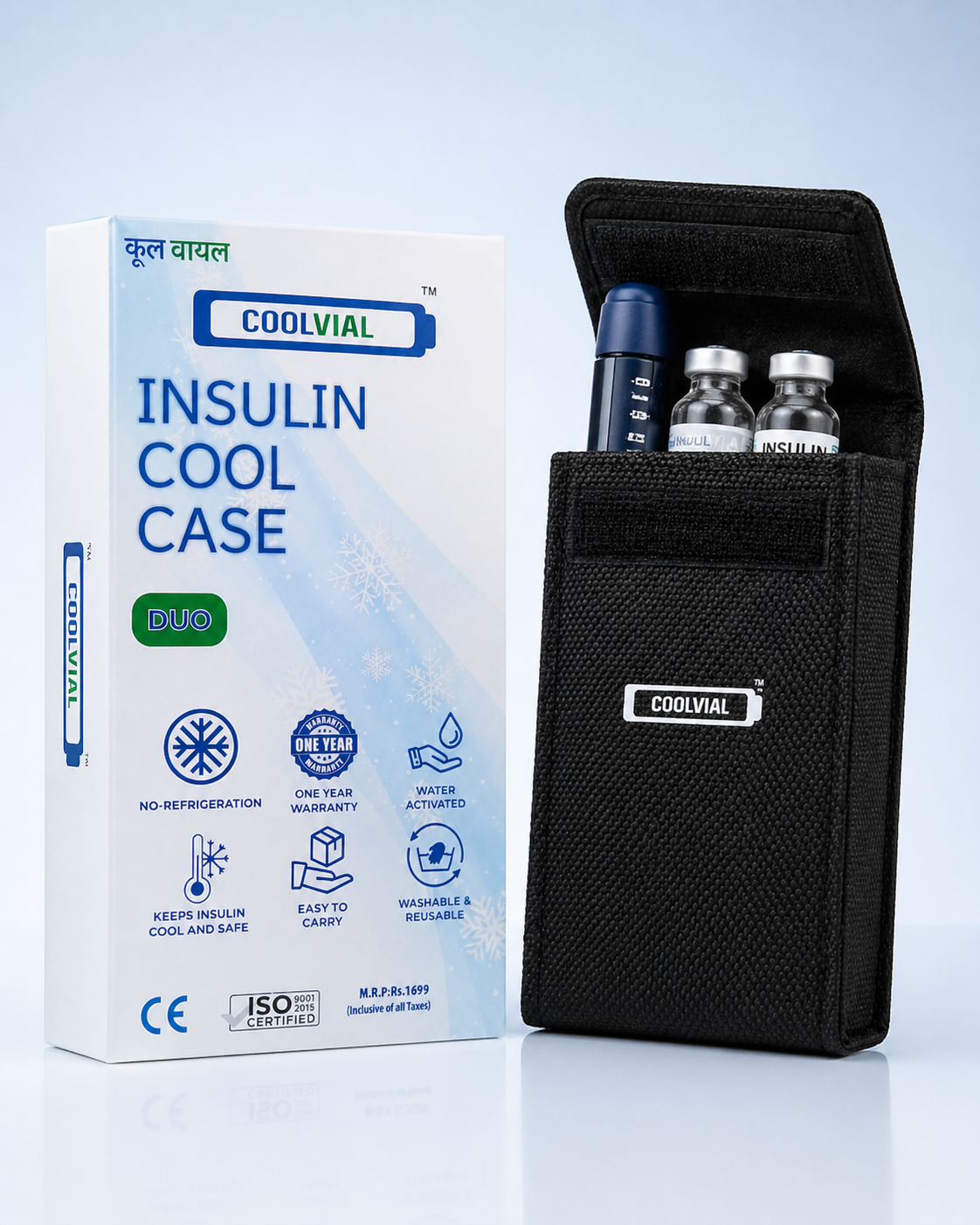
- Capacity and Convenience: The COOLVIAL Duo is thoughtfully designed to hold 2 insulin pens and 1 vial, accommodating common travel needs. Its compact size ensures it fits easily into your hand-luggage or day bag, making it a hassle-free companion for flights, train journeys, or road trips.
- No Electricity Needed: This is its biggest advantage for Indian travel. No searching for sockets, no worrying about power cuts, and no dependence on unreliable fridges. Just water, anytime, anywhere.
- Durability and Certifications: Made in India, the COOLVIAL Duo is CE certified and ISO 9001:2015 compliant, ensuring quality and safety. It also comes with a 1-year warranty, giving you peace of mind.
- Cost-Effective Solution: Priced at Rs 1,099 with the code COOLHEAL (MRP Rs 1,699), COOLVIAL Duo offers exceptional value. When compared to similar evaporative cooling cases like FRIO (often retailing around Rs 1,900) or even basic insulated pouches like Outer Woods OW-12 (~Rs 999 which uses gel packs and offers less duration/consistency), COOLVIAL Duo provides superior, long-lasting, and reliable cooling specifically for insulin, making it a smart investment for your health.
- Trusted by Diabetics: Thousands of Indian diabetics rely on COOLVIAL products for their daily commutes and travel needs. For more details on safe insulin storage, visit our insulin storage tips page.
7. General Travel Preparedness for Insulin Users
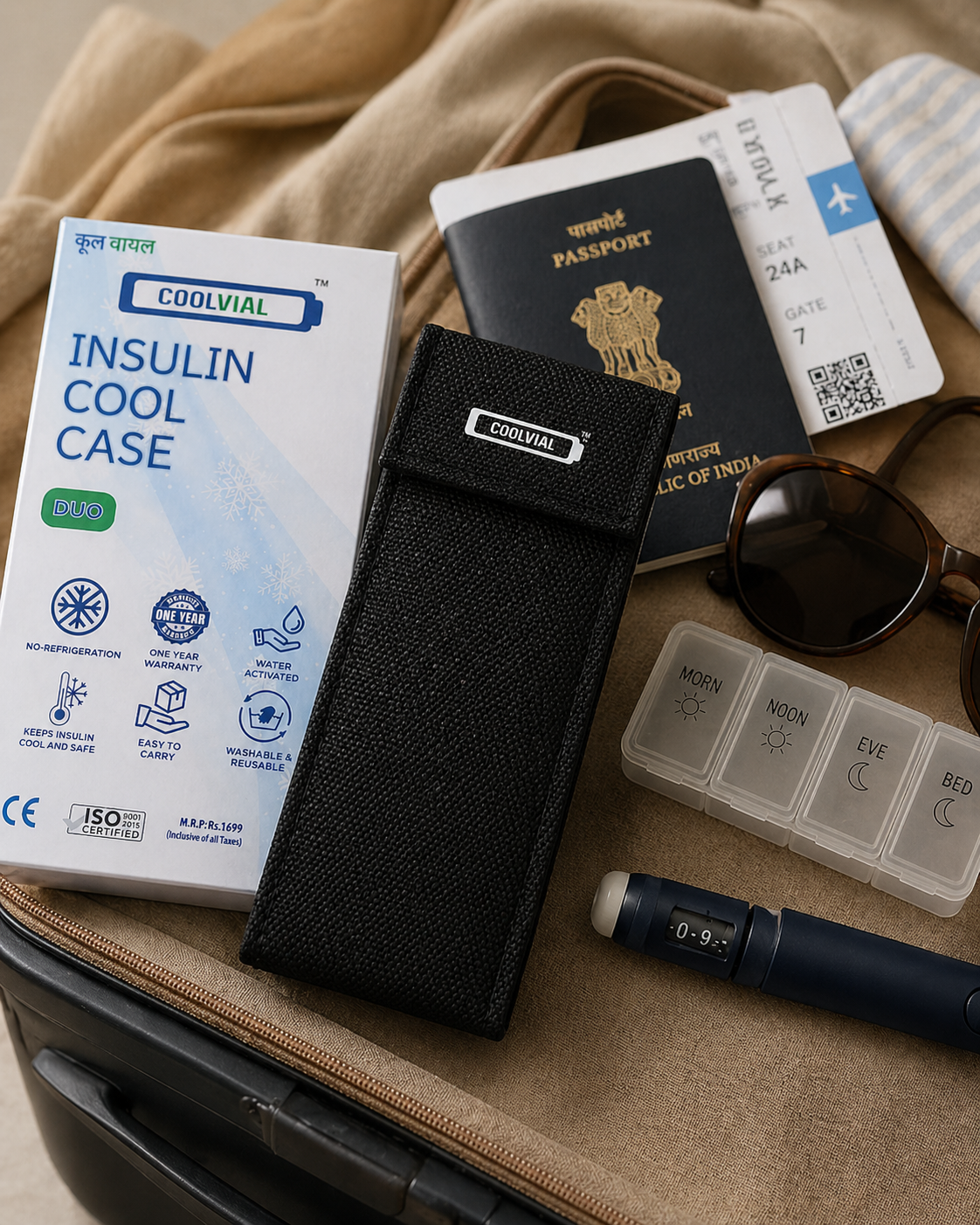
Beyond the specific modes of transport, a holistic approach to travel preparedness is essential for anyone travelling from Kolkata with insulin. Being proactive can prevent stress and ensure a smooth journey.
Checklist for comprehensive travel preparation:
- Medication List: Carry a comprehensive list of all your medications, including generic names, dosages, and prescribing doctors.
- Emergency Contact Information: Have readily accessible contact details for your doctor, family members, and local emergency services.
- Snacks and Hydration: Always carry glucose tablets, candies, or juice to treat hypoglycemia. Stay well-hydrated, especially in Kolkata’s climate.
- Extra Supplies: Pack at least 1.5 times the insulin, syringes, pen needles, and testing strips you anticipate needing. Delays can happen.
- Medical Identification: Wear a medical ID bracelet or necklace indicating you have diabetes.
- Travel Insurance: Consider travel insurance that covers pre-existing conditions and medical emergencies.
- Foot Care: Travel can be hard on your feet. Wear comfortable shoes and inspect your feet daily.
- Local Pharmacy Knowledge: Before you travel, identify nearby pharmacies at your destination. In Kolkata, pharmacies like Frank Ross, Apollo Pharmacy, MedPlus, Saha Stores, and Dhanwantary are widespread.
8. Frequently Asked Questions (FAQs)
Q: Can I put my insulin in the hotel mini-bar fridge when travelling from Kolkata? A: Hotel mini-bar fridges are generally not recommended for insulin storage as their temperatures fluctuate significantly and can often be too cold, potentially freezing and damaging your insulin. It is safer to use your personal evaporative cooling case or request a dedicated medical refrigerator from the hotel if available.
Q: Is it safe to carry insulin pens through airport X-ray machines at NSCBI Airport? A: Yes, it is generally safe to carry insulin pens through airport X-ray machines at NSCBI Airport (CCU). Studies indicate that the radiation from standard airport X-ray scanners does not harm insulin. However, some travellers prefer to request a manual inspection, which is also an option if you feel more comfortable.
Q: What if my insulin cooling case gets wet during Kolkata’s monsoon season? A: Evaporative cooling cases like COOLVIAL Duo are designed to be water-activated, so getting them wet is part of their function. However, ensure the outer pouch is kept dry to prevent dampness from affecting other items in your bag. A waterproof outer bag can provide extra protection during heavy monsoon downpours.
Q: How do I dispose of used insulin needles and lancets when travelling? A: Always carry a small, hard-plastic, puncture-proof container (like an empty detergent bottle) to store used needles and lancets. Do not dispose of them in public bins. Once you return home or reach a destination with proper medical waste facilities, you can safely discard the container.
Q: Can I buy insulin without a prescription in an emergency while travelling in India? A: While it is always best to have a valid prescription, in an emergency, some pharmacies in India might dispense insulin with a doctor’s note or after a telephonic consultation. However, this is not guaranteed, and it’s always safer to carry extra supplies and your prescription.
Q: What temperature range is ideal for insulin during travel? A: Unopened insulin should be refrigerated between 2-8°C. Once opened, most insulins can be kept at room temperature (below 25-30°C, typically 18-26°C for evaporative coolers) for a specified period, usually 28 days. An evaporative cooler helps maintain this crucial room temperature range during travel.
Q: How do I handle insulin during long layovers at NSCBI Airport? A: For long layovers at NSCBI Airport, ensure your insulin remains in its evaporative cooling case. If your case’s cooling duration is nearing its end, you can reactivate it by re-immersing the inner pouch in water, which is readily available in airport washrooms.
9. Conclusion
Navigating travel with insulin from Kolkata requires meticulous planning and awareness, especially given the city’s challenging climate. From the security checkpoints at NSCBI Airport to the bustling platforms of Howrah and Sealdah stations, and the unpredictable conditions of road trips to Digha or Shantiniketan, every step demands attention to insulin safety. The key takeaways are clear: always keep insulin in your hand-luggage, never rely on unreliable refrigeration, and invest in a dependable personal cooling solution.
The COOLVIAL Duo offers an effective, electricity-free solution, perfectly suited for the Indian climate, ensuring your insulin stays potent and safe for 12-16 hours. By following these 7 essential tips, you can travel from Kolkata with confidence, focusing on the joy of your journey rather than the worry of your insulin.
Order your COOLVIAL Duo today at Rs 1,099 with code COOLHEAL – visit coolvial.com or connect via WhatsApp at wa.me/918766952300.
10. Medical Disclaimer
This article is for general information and educational purposes only. It is not intended as medical advice. Always consult your endocrinologist or diabetologist before changing insulin storage or dosing practices, especially when travelling.
11. Methodology Note
How We Researched This — This article is based on a comprehensive review of RSSDI (Research Society for the Study of Diabetes in India) guidelines for diabetes management, ICMR-INDIAB (Indian Council of Medical Research - India Diabetes) study data on diabetes prevalence, local Kolkata hospital directories including Apollo Multispecialty Hospitals (Salt Lake), AMRI Hospitals (Salt Lake/Dhakuria), and Fortis Hospital (Anandapur), and insights from the Frank Ross pharmacy network. Specific local data points for taxi queues and climate impact are based on common experiences in Kolkata [Verify in 2026].
7 Essential Tips for Travelling From Kolkata With Insulin
COOLVIAL keeps insulin safe in India's heat. 48+ hours, no electricity needed.