Reviewed by the COOLVIAL Editorial Team — specialists in insulin storage for Indian climate conditions.
Managing diabetes in India often involves careful consideration of insulin storage, and for those using Mixtard insulin, understanding its specific requirements is paramount. Mixtard, typically administered via vials and syringes, has distinct storage needs compared to pre-filled insulin pens. The core difference lies in its stability once opened: Mixtard vials, even after first use, must be kept refrigerated at 2–8°C, unlike many insulin pens which can be stored at room temperature (up to 25-30°C) for several weeks. This crucial distinction, coupled with India’s diverse and often extreme climate, makes proper mixtard insulin storage in India why its different from pens a critical aspect of effective diabetes management. Neglecting these guidelines can lead to insulin spoilage, rendering it ineffective and potentially dangerous, especially since insulin begins to degrade rapidly above 30°C. This article will explore the five critical differences in storage requirements, offering practical advice and solutions tailored for the Indian environment, ensuring your Mixtard insulin remains potent and safe as per ICMR guidelines (Source: ICMR Guidelines on Diabetes).
Table of Contents
- 1. Why Precise Mixtard Insulin Storage Matters Critically in India
- 2. Understanding the Core Differences: Mixtard Vials vs. Insulin Pens
- 3. Practical Tips for Optimal Mixtard Insulin Storage in India
- 4. Navigating India’s Diverse Climate: Mixtard Storage Challenges Across Regions
- 5. Empowering Safe Mixtard Insulin Storage in India with COOLVIAL
- Frequently Asked Questions About Mixtard Insulin Storage in India
- Conclusion
1. Why Precise Mixtard Insulin Storage Matters Critically in India
India, a nation with a staggering 101 million diabetics in 2023 (Source: International Diabetes Federation), faces unique challenges in managing chronic conditions like diabetes. The vast geographical spread, diverse climatic zones, and infrastructure variability significantly impact how essential medications like insulin must be stored. For Mixtard insulin, which comes in vials, maintaining its efficacy is directly tied to stringent temperature control. Unlike some modern insulin analogues available in pens, Mixtard is a biphasic human insulin, meaning its composition makes it particularly susceptible to temperature fluctuations.
Improper storage of Mixtard insulin can lead to irreversible damage to its protein structure, diminishing its potency. This means that even if the insulin looks normal, it might not be delivering the intended therapeutic effect, potentially causing uncontrolled blood sugar levels. In India, where summer temperatures in cities like Delhi, Nagpur, or Ahmedabad can easily exceed 45°C, and even coastal cities like Mumbai or Chennai experience high humidity and heat, the risk of insulin spoilage is constant. Furthermore, daily power cuts, especially prevalent in rural areas and smaller towns, pose a significant threat to continuous refrigeration.
Consider a diabetic patient travelling by train from Bengaluru to Visakhapatnam, or by bus across Rajasthan during peak summer. Without adequate cooling, their Mixtard insulin could degrade within hours. This highlights why understanding the nuances of mixtard insulin storage in India is not just a recommendation but a critical health imperative. The challenges are not merely about convenience; they are about ensuring that a life-saving medication remains effective, preventing serious health complications for millions of Indians who rely on it daily. The difference in storage needs compared to pens adds another layer of complexity that patients and caregivers must navigate diligently.
2. Understanding the Core Differences: Mixtard Vials vs. Insulin Pens
The primary reason mixtard insulin storage in India why its different from pens is rooted in the fundamental design and formulation of these two delivery methods. While both contain insulin, their packaging and recommended post-opening stability vary significantly, especially regarding temperature.
Vial Design and Dosing Precision
Mixtard insulin typically comes in multi-dose vials (e.g., 10ml), requiring patients to draw the correct dose using a separate syringe. This method, while cost-effective for many, exposes the insulin to air each time it’s accessed, increasing the risk of contamination and temperature exposure. Insulin pens, on the other hand, are either pre-filled or use replaceable cartridges, designed for simpler, more precise dosing with minimal exposure to the external environment.
Shelf Life and Stability Post-Opening
This is perhaps the most critical distinction. Unopened, both vials and pens should be stored in a refrigerator at 2–8°C. However, once a Mixtard vial is opened and in use, it must be stored in a refrigerator (2–8°C) and used within 28 days. Many insulin pens, after their first use, can be kept at room temperature (typically below 25°C or 30°C, depending on the specific insulin type and manufacturer) for a period ranging from 14 to 56 days (e.g., Novorapid FlexPen, Lantus Solostar). This extended room temperature stability for pens offers greater flexibility, which is often mistaken as a universal rule for all insulin types.
Temperature Sensitivity: A Closer Look
All insulin is sensitive to extreme temperatures, but the tolerance levels post-opening differ. Mixtard, being human insulin, is particularly vulnerable to heat. Temperatures above 30°C can quickly damage its efficacy. Freezing also destroys insulin. The continuous refrigeration requirement for opened Mixtard vials means any deviation, such as prolonged exposure to ambient Indian temperatures, can compromise the medication. Pens, with their varying room temperature stability, often provide a wider margin of safety for daily use outside refrigeration, within their specified duration.
Travel and Portability Considerations
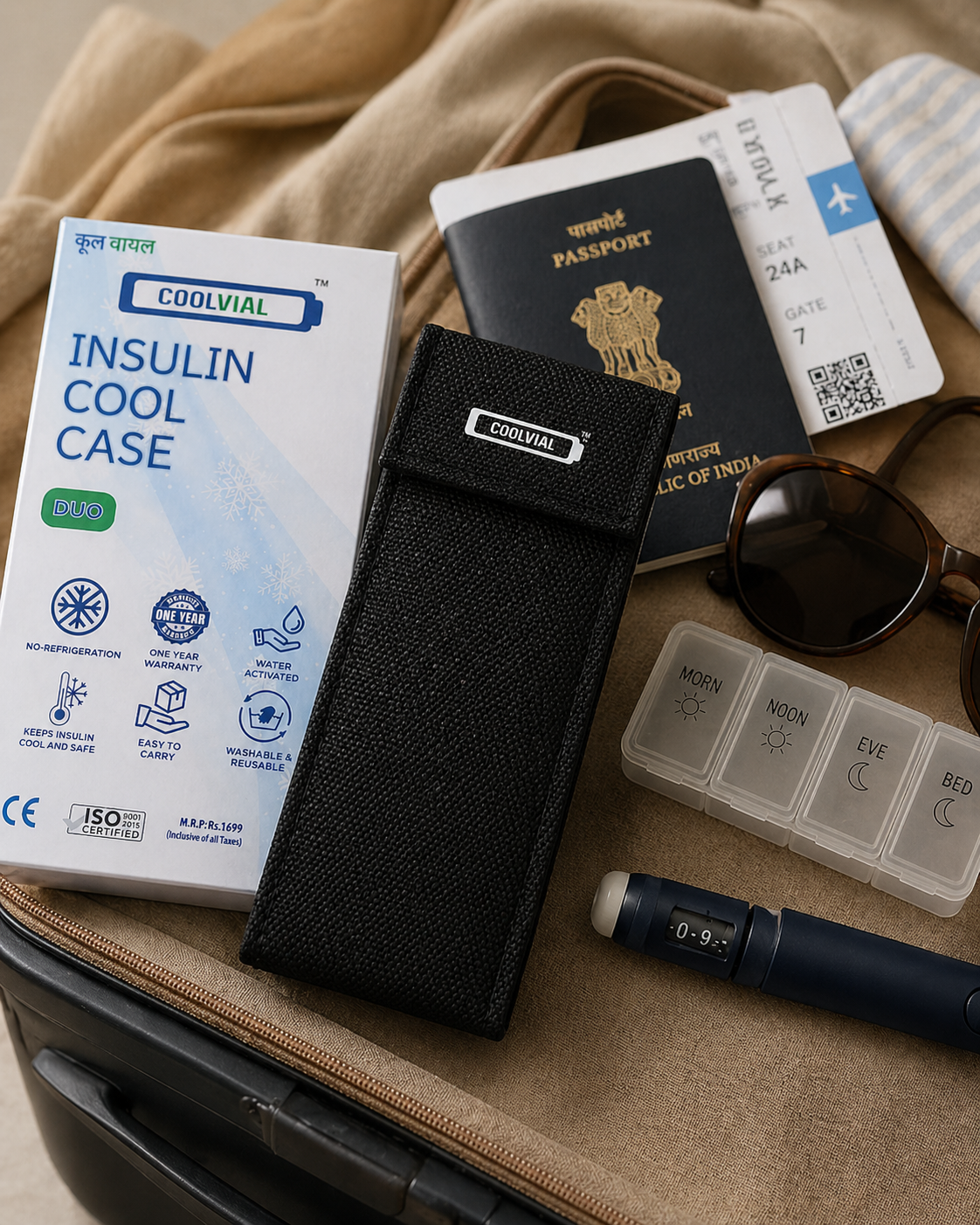
For Indian patients who frequently travel, whether for work, family visits, or religious pilgrimages, the storage difference becomes a major logistical challenge. Carrying a Mixtard vial requires a reliable cooling solution to maintain 2–8°C constantly. This means a proper insulin cool case or a well-insulated container with ice packs. Insulin pens, given their room temperature stability, often only require protection from direct sunlight and extreme heat, making them seemingly more portable for short durations. However, even pens can spoil in the intense Indian summer heat if left unprotected.
The following table summarises these key differences:
5 Critical Differences: Mixtard Insulin Storage in India vs. Pens
COOLVIAL keeps insulin at 2-8°C for 48+ hours. No electricity needed.
5 Critical Differences: Mixtard Insulin Storage in India vs. Pens
COOLVIAL keeps insulin safe in India's heat. 48+ hours, no electricity needed.
| Feature | Mixtard Insulin (Vials) | Insulin Pens (e.g., Novorapid FlexPen, Lantus Solostar) |
|---|---|---|
| Unopened Storage | Refrigerated (2–8°C) | Refrigerated (2–8°C) |
| Opened Storage | Strictly Refrigerated (2–8°C) | Room Temperature (up to 25°C or 30°C for 14-56 days, varies) |
| Opened Shelf Life | 28 days (refrigerated) | 14-56 days (room temp, varies by type) |
| Temperature Sensitivity | High; degrades quickly above 30°C, requires constant cooling after opening | Moderate; stable at room temp for defined period, degrades above 30°C |
| Portability | Requires reliable cooling solution (e.g., cool case) | Easier for short trips, but still needs protection from heat |
| Dose Delivery | Syringe & vial | Pre-filled or replaceable cartridge |
Understanding these distinctions is crucial for safe and effective mixtard insulin storage in India.
3. Practical Tips for Optimal Mixtard Insulin Storage in India
Ensuring your Mixtard insulin remains effective in India’s challenging climate requires proactive strategies. Here are some practical tips to maintain the integrity of your medication, especially given the specific needs for mixtard insulin storage in India.
-
Strict Refrigeration for Opened Vials: Always store your opened Mixtard vials in the refrigerator at 2–8°C. This is non-negotiable. Do not rely on “room temperature” storage for Mixtard after its first use, unlike some insulin pens. Place it in the main body of the fridge, not in the door (where temperatures fluctuate more), and away from the freezer compartment (to prevent accidental freezing).
-
Monitor Refrigerator Temperature: Invest in a simple refrigerator thermometer to ensure your fridge maintains the ideal 2–8°C range. Fluctuations can occur, especially during power cuts or if the fridge is frequently opened.
-
Prepare for Power Cuts: India’s frequent power outages are a reality. Have a backup plan. This could involve an insulated container with frozen gel packs or a dedicated insulin cool case that can maintain temperature for extended periods. For prolonged outages, consider asking a neighbour with a generator or a nearby pharmacy if they can store your insulin temporarily.
-
Protect from Direct Sunlight and Heat: Never leave Mixtard insulin in direct sunlight, in a parked car, or near heat sources like stoves, heaters, or even warm windows. Even briefly, high temperatures can cause irreversible damage. This is particularly important when travelling or during outdoor activities.
-
Avoid Freezing: Just as heat is detrimental, freezing also destroys insulin. Do not store Mixtard vials in the freezer. If insulin accidentally freezes, discard it, even if it thaws later, as its efficacy will be compromised.
-
Use a Reliable Insulin Cool Case for Travel: When you travel across states like Uttar Pradesh, Madhya Pradesh, or even within a city like Hyderabad, a high-quality insulin cool case is indispensable. It must be capable of maintaining the 2–8°C range for vials or protecting them from extreme heat if kept at room temperature (for unopened vials, or in exceptional circumstances for short durations, but ideally maintain refrigeration). For more detailed guidance, refer to our insulin storage tips.
-
Check Expiry Dates and Appearance: Always check the expiry date on the vial. Before each use, inspect the insulin. Mixtard is a cloudy suspension; it should look uniformly milky after gentle rolling. If it appears lumpy, granular, or has changed colour, discard it.
-
Carry a Backup Vial: When travelling, especially to remote areas or during festivals like Diwali or Holi when pharmacies might have limited hours, always carry an extra vial of Mixtard insulin, stored correctly, as a precaution.
By diligently following these practical guidelines, Indian diabetics can significantly reduce the risk of insulin degradation and ensure their Mixtard remains potent, providing consistent blood sugar control.
4. Navigating India’s Diverse Climate: Mixtard Storage Challenges Across Regions
India’s geographical diversity translates into a wide array of climatic conditions, each presenting unique challenges for mixtard insulin storage in India. From the scorching deserts of Rajasthan to the humid coasts of Kerala, and the freezing winters of the Himalayas, understanding these regional variations is key to safe insulin management.
North India: Extremes of Heat and Cold
Regions like Delhi, Punjab, Haryana, and parts of Uttar Pradesh experience severe temperature fluctuations. Summers are intensely hot, with temperatures regularly soaring above 40°C, making continuous refrigeration for Mixtard vials a monumental task. Power cuts are common, often lasting hours, especially in smaller towns and rural areas. Winters, while cold, generally do not pose a freezing risk for indoor storage, but travelling to hill stations like Shimla or Manali in winter requires protection against freezing. A quality cool case becomes essential for both summer heat and winter travel to colder regions.
South India: Persistent Heat and Humidity
5 Critical Differences: Mixtard Insulin Storage in India vs. Pens
Keep your insulin safe in India's extreme heat. COOLVIAL works for 48+ hours without electricity.
5 Critical Differences: Mixtard Insulin Storage in India vs. Pens
Insulin at 2-8°C for 48+ hours. Trusted by 10,000+ Indian diabetics.
States like Tamil Nadu, Karnataka, Andhra Pradesh, and Kerala maintain high temperatures and humidity almost year-round. While extreme peaks like North India might be less frequent, the consistent warmth means that Mixtard insulin is constantly at risk of exceeding its safe temperature range if left unprotected. The high humidity can also affect the integrity of packaging over time. In cities like Chennai or Kochi, even indoor temperatures can hover around 30°C, making ambient storage impossible for opened Mixtard vials.
West India: Coastal Humidity and Monsoon Challenges
Regions like Maharashtra (Mumbai, Pune), Gujarat (Ahmedabad, Surat), and Goa face a combination of heat, humidity, and heavy monsoon rains. The monsoon season, from June to September, brings high moisture levels that can indirectly affect cooling devices or lead to extended power outages. During this period, securing a stable cool environment for Mixtard insulin is crucial, as the ambient temperatures remain high even with rainfall. Travel by local trains or buses in cities like Mumbai requires robust cooling solutions to protect insulin.
East and Northeast India: Varied Climates and Infrastructure Gaps
States such as West Bengal, Odisha, and the Northeastern states have diverse climates, from the humid plains around Kolkata to the cooler hills of Meghalaya. Infrastructure, particularly in more remote areas, can be less developed, leading to more frequent and longer power interruptions. This necessitates a strong emphasis on reliable, portable cooling solutions for mixtard insulin storage. Patients in these regions often rely on local pharmacies for supplies, which themselves must maintain proper cold chain management.
Regional Mixtard Storage Considerations:
- Delhi/NCR: Focus on robust cooling during 4-5 month summer, power cut preparedness.
- Mumbai/Chennai: Constant vigilance against high ambient temperatures and humidity.
- Rajasthan/Gujarat: Extreme heat protection is paramount for most of the year.
- Himachal/Uttarakhand (Winters): Protection against accidental freezing during travel.
Across all these regions, the underlying principle remains the same: Mixtard vials, once in use, demand continuous refrigeration (2–8°C). This is a critical factor that differentiates its management from many insulin pens and underscores the need for specialised storage solutions.
5. Empowering Safe Mixtard Insulin Storage in India with COOLVIAL
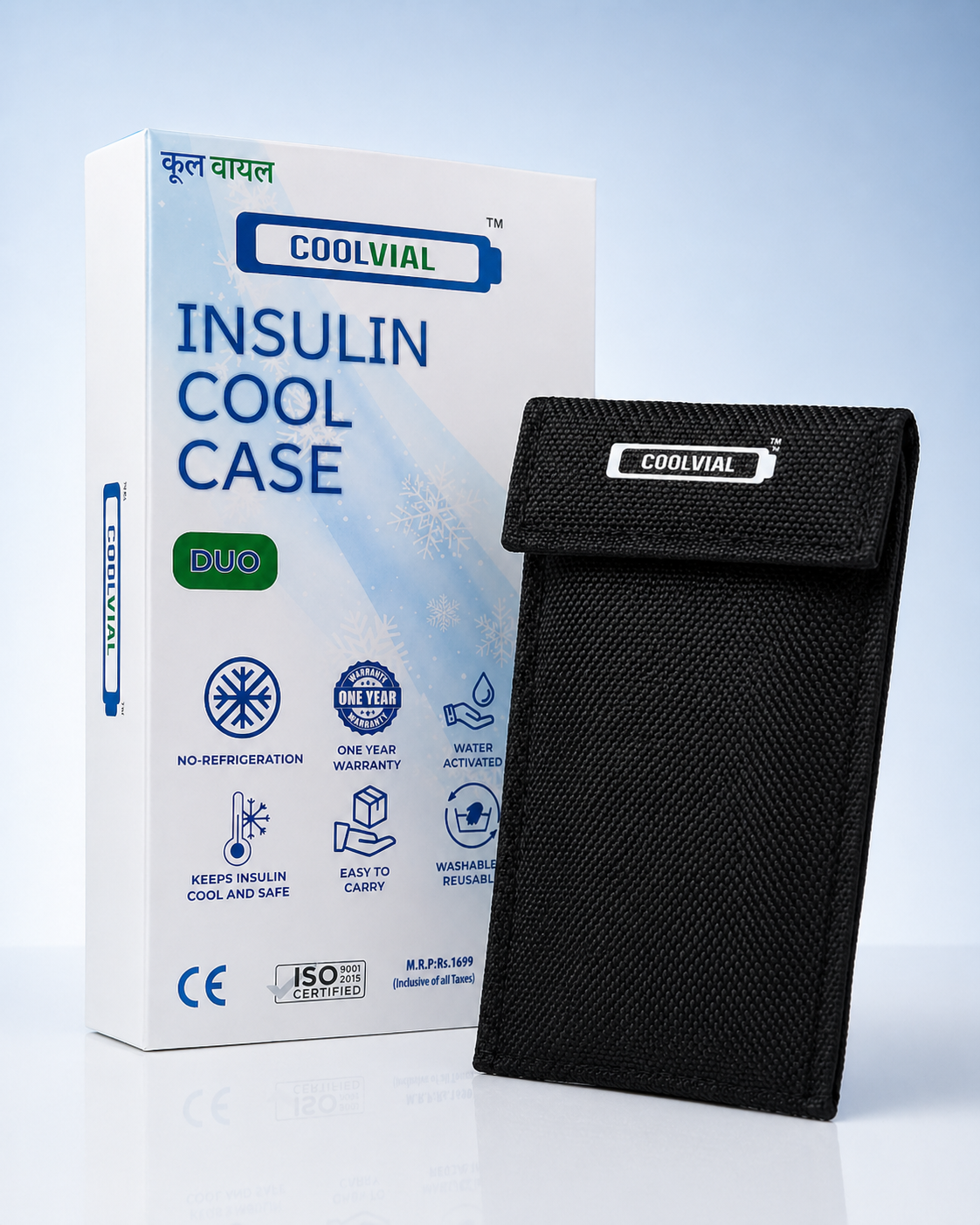
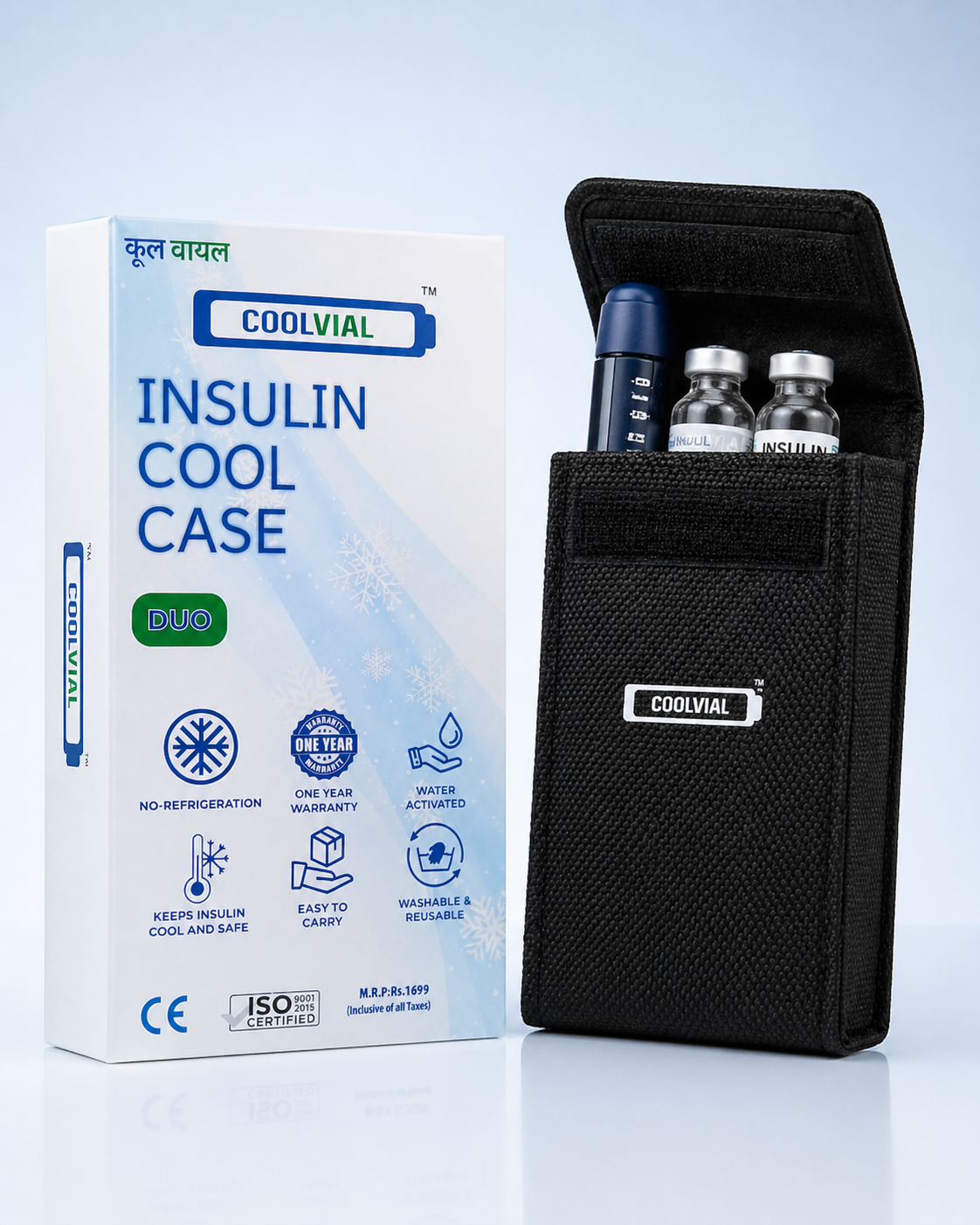
Understanding the critical differences in Mixtard insulin storage requirements and the unique environmental challenges of India, it becomes clear that a standard approach is simply not enough. This is where COOLVIAL steps in, offering a purpose-built solution designed to address the specific needs of mixtard insulin storage in India. Our COOLVIAL insulin cool case (₹1,099) provides a reliable, portable, and affordable way to maintain the vital 2–8°C temperature range that Mixtard vials demand.
COOLVIAL cases are engineered to offer extended cooling performance, making them ideal for daily use, travel, or during unexpected power outages. They are particularly beneficial for Mixtard users because they ensure that the opened vial, which needs continuous refrigeration, remains within its safe temperature window, even when you’re on the move. Imagine the peace of mind knowing your insulin is safe during a long journey on an Indian Railways train, a bus trip between cities, or even while running errands in the scorching summer sun of Lucknow or Pune.
The design of the COOLVIAL cool case focuses on practicality and durability, crucial for the Indian context. It’s not just about keeping things cold; it’s about maintaining a precise temperature range without freezing the insulin. This is a significant advantage over makeshift solutions like regular ice packs wrapped in cloth, which often lead to temperature fluctuations or accidental freezing.
By choosing a COOLVIAL insulin cool case, you are investing in the efficacy of your Mixtard insulin and, consequently, in your health. It mitigates the risks associated with India’s diverse climate, from the intense heat of Nagpur to the humidity of Kolkata, and the unpredictable nature of power supply. It empowers you to live your life without constant worry about your insulin’s integrity, ensuring that every dose of Mixtard is as potent and effective as intended by the manufacturer.
Frequently Asked Questions About Mixtard Insulin Storage in India
Navigating the complexities of Mixtard insulin storage in India can raise many questions. Here are answers to some common concerns, specifically tailored to the Indian context and the unique requirements of Mixtard vials.
Q: What is the exact temperature range for Mixtard insulin storage in India? A: Unopened Mixtard insulin vials should be stored in a refrigerator at 2–8°C. Once opened, Mixtard vials must continue to be stored at 2–8°C and used within 28 days to maintain their full potency and safety.
Q: Can I keep Mixtard insulin at room temperature in India after opening, like some pens? A: No, this is a critical difference. Unlike many insulin pens that can be stored at room temperature (up to 25-30°C) for several weeks after opening, Mixtard insulin vials require continuous refrigeration at 2–8°C even after first use. Storing an opened Mixtard vial at Indian room temperatures, especially during summer, will quickly degrade its effectiveness.
Q: What should I do with my Mixtard insulin during a power cut in my city, like Bangalore or Jaipur? A: During power cuts, immediately transfer your Mixtard vials to a pre-cooled insulated container with frozen gel packs. A dedicated insulin cool case, like COOLVIAL, is designed to maintain the 2–8°C range for extended periods, offering a reliable solution until power is restored. Avoid opening the refrigerator unnecessarily.
Q: How can I safely travel with Mixtard insulin across India, for example, from Delhi to Chennai? A: For safe travel across India, especially long distances or during warm seasons, you must use an insulated insulin cool case that can maintain the 2–8°C temperature for your Mixtard vials. Ensure the cool case uses gel packs that don’t directly touch the insulin to prevent freezing. Always carry a doctor’s prescription and a letter explaining your need for insulin.
Q: What happens if Mixtard insulin gets exposed to temperatures above 30°C in India? A: If Mixtard insulin is exposed to temperatures above 30°C, its protein structure can irreversibly denature, leading to a significant loss of potency. This means the insulin may not effectively lower blood sugar, potentially causing hyperglycemia. It is safest to discard any Mixtard vial suspected of prolonged exposure to high heat.
Conclusion
The journey of managing diabetes in India, particularly for those relying on Mixtard insulin, is intertwined with the critical challenge of proper storage. The fundamental distinction that Mixtard vials, unlike many insulin pens, demand continuous refrigeration at 2–8°C even after opening, is a non-negotiable aspect of effective treatment. India’s diverse and often extreme climate, coupled with infrastructure variability, amplifies the need for vigilance and reliable solutions for mixtard insulin storage in India why its different from pens.
By understanding the five critical differences in storage requirements, adopting practical tips for temperature management, and acknowledging the specific regional climatic challenges, individuals can ensure their Mixtard insulin remains potent and safe. Investing in a dependable solution like the COOLVIAL insulin cool case is not merely a convenience; it’s a vital step towards safeguarding your health and ensuring the efficacy of your life-saving medication. Don’t compromise on the potency of your insulin. Take control of your diabetes management today.
For reliable, temperature-controlled storage of your Mixtard insulin, consider the COOLVIAL insulin cool case. You can easily buy COOLVIAL at ₹1,099 by ordering via WhatsApp. Simply send a message to wa.me/918766952300 to secure your peace of mind.
5 Critical Differences: Mixtard Insulin Storage in India vs. Pens
Don't let Indian heat spoil your insulin. COOLVIAL protects it for 48+ hours.