Reviewed by the COOLVIAL Editorial Team — specialists in insulin storage for Indian climate conditions.
Embarking on a road trip with insulin in India demands meticulous planning, especially when it comes to keeping it cool for 12+ hours. The core challenge lies in maintaining insulin’s narrow optimal temperature range. To ensure insulin efficacy and your peace of mind throughout your journey, a high-quality insulin cool case with effective cooling technology is essential. Insulin, whether in vials or pens, must be maintained between 2-8°C when refrigerated, or 15-25°C at room temperature for opened vials/pens. Temperatures exceeding 30°C can rapidly degrade insulin, rendering it ineffective – a critical concern given India’s diverse climate where summer temperatures often soar above 40°C in many regions. This comprehensive guide will equip you with the knowledge and practical strategies necessary for a safe and worry-free road trip across India, ensuring your vital medication remains potent.
India, with its vast landscapes, vibrant cultures, and sometimes challenging infrastructure, offers incredible road trip experiences. However, for individuals living with diabetes, these adventures require careful consideration for insulin storage. The journey can span long hours, expose you to varying climates, and present unexpected delays. Understanding how to protect your insulin from temperature fluctuations is paramount. This article will delve into the science of insulin storage, provide actionable tips for travel across India’s unique conditions, highlight the benefits of specialized cooling solutions, and answer frequently asked questions, empowering you to travel confidently with your health as a priority.
Table of Contents
- Why Keeping Insulin Cool is Critical for Indian Road Trips
- Understanding Insulin Storage: Core Concepts and Cooling Mechanisms
- Practical Tips for a Safe Road Trip with Insulin in India
- Navigating India’s Diverse Climates: Region-Specific Insulin Care
- COOLVIAL: Your Reliable Partner for Road Trip with Insulin in India
- Essential FAQs for Insulin Travel in India
Why Keeping Insulin Cool is Critical for Indian Road Trips
The vast and diverse topography of India presents unique challenges for anyone needing to transport temperature-sensitive medications like insulin. A road trip, while offering unparalleled freedom and scenic beauty, also means extended periods away from stable refrigeration. The primary concern is insulin degradation due to heat exposure. Insulin is a protein, and like many proteins, its structure can be irreversibly damaged by high temperatures, making it less effective or even completely useless.
India’s climate is notoriously varied and often extreme. During summer months, temperatures in states like Rajasthan, Uttar Pradesh, and Delhi can consistently exceed 45°C. Even during cooler seasons, the interior of a parked car can quickly become an oven, reaching temperatures well above 30°C within minutes. Coastal regions, such as Mumbai, Chennai, and Goa, combine high temperatures with oppressive humidity, which can also impact the integrity of packaging and cooling methods. This necessitates robust and reliable solutions for keeping insulin cool for 12+ hours during any road trip with insulin in India.
The consequences of using degraded insulin can be severe. It can lead to uncontrolled blood sugar levels, increasing the risk of both short-term complications like hyperglycemia and long-term health issues. For the 101 million Indians living with diabetes in 2023 (Source: IDF Diabetes Atlas 2023), ensuring the potency of their insulin is not just a matter of convenience, but a critical aspect of their daily health management. The World Health Organization emphasizes the importance of proper insulin storage to maintain its therapeutic efficacy (Source: WHO Fact Sheet on Diabetes).
Beyond the immediate heat, other factors contribute to the challenge. Long stretches on national highways might mean limited access to reliable electricity for recharging portable refrigerators. Frequent power cuts, especially in rural and semi-urban areas, can also complicate pre-cooling or temporary storage. Around 78% of Indian households, particularly in rural and semi-urban areas, experience daily power cuts, especially during summer, making reliance on home refrigeration unreliable for pre-trip preparation. The vibrations and bumps of Indian roads, while not directly affecting temperature, can also add stress to cooling devices if they are not robustly designed. Therefore, a specialized, durable, and long-lasting cooling solution is indispensable for any diabetic planning a road trip with insulin in India.
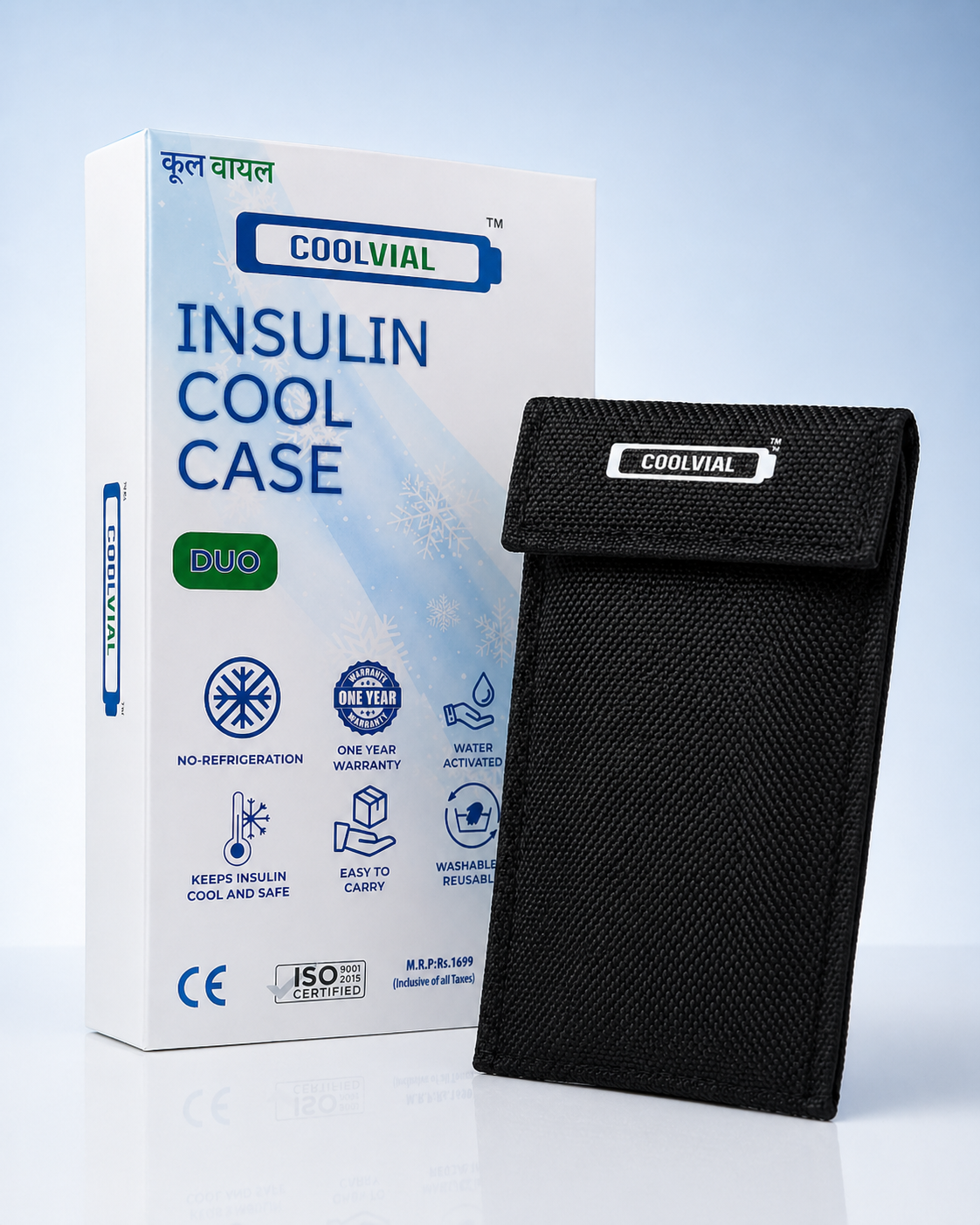
Ultimate Guide: Road Trip with Insulin in India: Keeping It Cool for 12+ Essential Hours
Insulin at 2-8°C for 48+ hours. Trusted by 10,000+ Indian diabetics.
Key Challenges for Insulin Storage on Indian Road Trips:
- Extreme Ambient Temperatures: Summer heat in many regions (e.g., Delhi, Rajasthan) often exceeds 45°C.
- Rapid Vehicle Heating: Car interiors can quickly reach dangerous temperatures, even on moderately warm days.
- High Humidity: Coastal areas exacerbate the feeling of heat and can impact some cooling methods.
- Long Travel Durations: Many inter-state journeys in India easily exceed 12 hours.
- Unpredictable Stops & Delays: Roadside breaks, traffic, or unexpected detours can prolong exposure.
- Limited Access to Power/Refrigeration: Remote areas or older vehicles may lack consistent power sources for active cooling.
- Power Cuts at Stays: Even at hotels, power outages can compromise overnight refrigeration.
Understanding Insulin Storage: Core Concepts and Cooling Mechanisms
To successfully embark on a road trip with insulin in India keeping it cool for 12+ hours, it’s vital to grasp the fundamental principles of insulin storage. Insulin, once manufactured, has specific temperature requirements to maintain its stability and effectiveness. Deviating from these can lead to its degradation, making it less potent or even useless.
Unopened insulin vials or pens should ideally be stored in a refrigerator at temperatures between 2°C and 8°C. This is the “cold chain” standard that pharmaceutical companies maintain until the product reaches the consumer. Freezing insulin will destroy it, so temperatures below 2°C must also be avoided.
Once an insulin vial or pen is opened or taken out of refrigeration for use, it can typically be stored at room temperature (below 25°C or 30°C, depending on the specific insulin type and manufacturer guidelines) for a period, usually 28 days (for most vials and pens) or up to 42 days (6 weeks) for certain types. However, this “room temperature” guideline is critical: it refers to a stable, moderate temperature, not the fluctuating, often high temperatures encountered during a road trip in India. Insulin exposed to temperatures above 30°C for prolonged periods will lose its efficacy much faster, regardless of whether it’s opened or unopened.
Insulin Temperature Guidelines at a Glance:
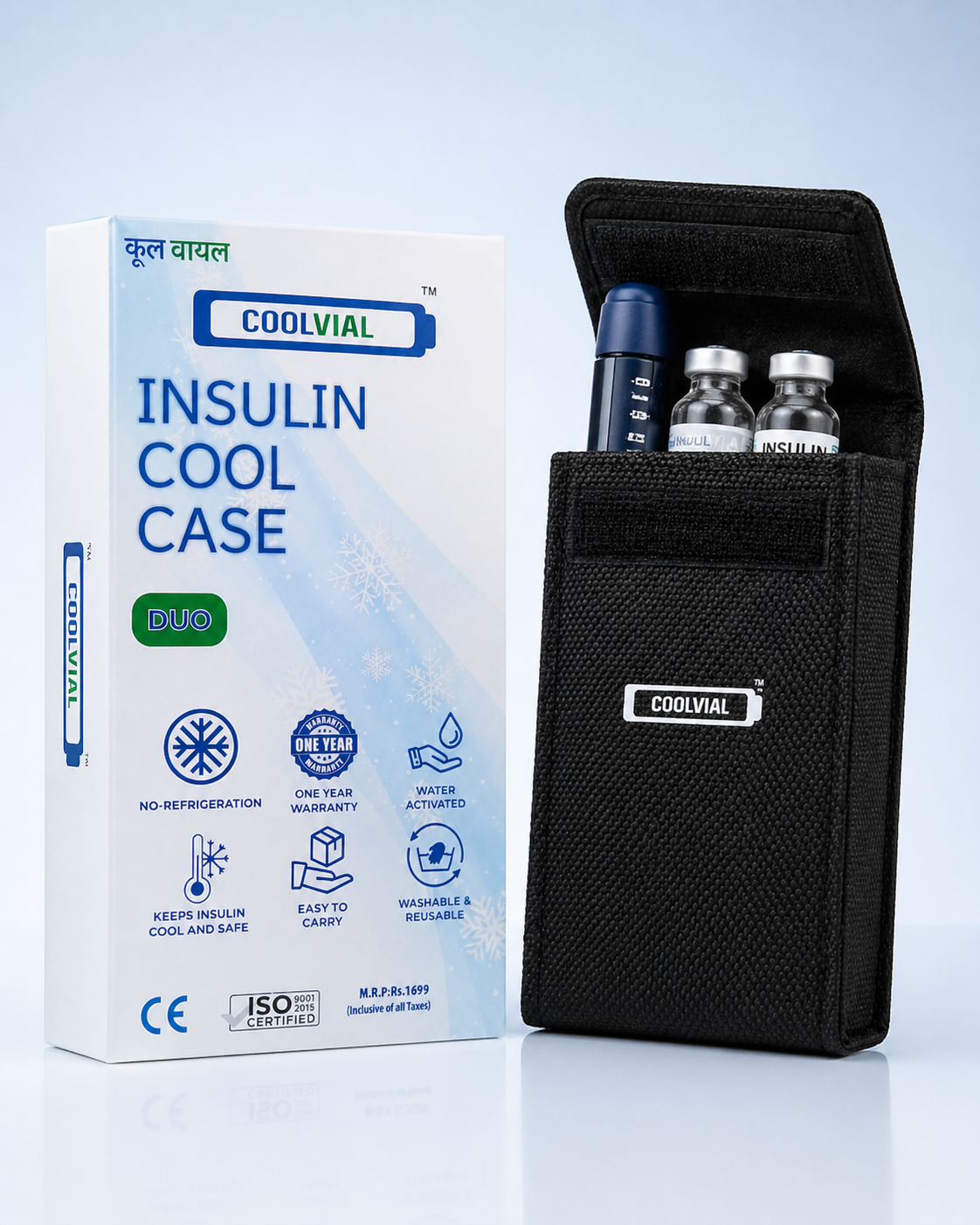
Ultimate Guide: Road Trip with Insulin in India: Keeping It Cool for 12+ Essential Hours
Keep your insulin safe in India's extreme heat. COOLVIAL works for 48+ hours without electricity.
| Condition | Recommended Temperature Range | Duration | Impact of Deviation |
|---|---|---|---|
| Unopened Insulin | 2°C to 8°C (Refrigerated) | Until expiry date | Freezing or heat degrades effectiveness. |
| Opened Insulin | Below 25°C (Room Temperature) | Up to 28 days (most types), 42 days (some) | Above 30°C causes rapid degradation. |
| Danger Zone | Above 30°C | Short exposure can begin degradation | Loss of potency, unsafe for use. |
| Freezing Zone | Below 2°C | Instant degradation | Insulin structure destroyed, unusable. |
Ultimate Guide: Road Trip with Insulin in India: Keeping It Cool for 12+ Essential Hours
How Cooling Mechanisms Work for Insulin Travel
Various technologies are employed in portable cooling solutions to protect insulin. Understanding these can help you choose the best option for your needs when planning a road trip with insulin in India.
- Gel Packs/Ice Packs: These are the most common and cost-effective. They contain a gel or water that freezes and then slowly thaws, absorbing heat from the surroundings. Gel packs are often preferred over ice as they typically have a more consistent thawing temperature and don’t create condensation as readily. The key is to ensure the gel packs are thoroughly frozen before starting your journey and are placed in a way that cools the insulin without freezing it.
- Vacuum Insulation: This technology is used in high-quality thermos flasks and cool cases. A vacuum layer between two walls significantly reduces heat transfer by conduction and convection. When combined with gel packs, vacuum-insulated cool cases can maintain temperatures for extended periods, making them ideal for keeping insulin cool for 12+ hours.
- Phase-Change Materials (PCMs): These materials absorb and release large amounts of latent heat when they change phase (e.g., from solid to liquid). Unlike water-based gel packs that freeze at 0°C, PCMs can be designed to solidify and melt at specific temperatures (e.g., 4°C or 22°C), providing a very stable temperature environment for insulin, even if the ambient temperature fluctuates wildly. This offers superior protection against freezing or overheating.
- Thermoelectric Coolers (Peltier Coolers): These devices use electricity (often from a car’s 12V socket) to create a temperature difference. While convenient for long drives with constant power, they can be less efficient in extremely hot climates and might struggle to maintain precise low temperatures consistently without significant power draw. They also require continuous power, which can be an issue during power cuts or when the vehicle is off.
- Evaporative Coolers: These use water evaporation to cool. While effective in dry climates, they are not suitable for high-humidity environments like coastal India and require regular water replenishment. They also don’t achieve the low temperatures required for refrigerated insulin.
For a road trip with insulin in India keeping it cool for 12 hours or more, a passive cooling system using high-quality gel packs within a well-insulated, ideally vacuum-insulated or PCM-based, cool case is often the most reliable and practical choice. These systems don’t rely on external power, making them resilient to power cuts and vehicle shutdowns.
Practical Tips for a Safe Road Trip with Insulin in India
Preparing for a road trip with insulin in India, especially one that spans 12+ hours, requires thorough planning and execution. These practical tips will help ensure your insulin remains safe and effective throughout your journey, providing you with peace of mind.
-
Consult Your Doctor Before Travel:
- Pre-trip Check-up: Discuss your travel plans, destinations, and expected duration with your endocrinologist or diabetes educator.
- Medication Adjustments: Your doctor might suggest adjustments to your insulin regimen based on time zone changes (if applicable for very long trips across multiple time zones within India, though less common for road trips), activity levels, or dietary changes you anticipate.
- Emergency Prescriptions: Request extra prescriptions for insulin and other diabetes supplies, including syringes, pen needles, and blood glucose testing strips. This is crucial in case of loss or damage.
-
Pack Ample Supplies:
- Carry Double the Insulin: Always pack at least double the amount of insulin and other diabetes supplies you think you’ll need for the duration of your trip. Delays are common on Indian roads, and access to pharmacies might be limited in remote areas.
- Diversify Storage: If possible, divide your insulin supply between two cool cases or different sections of your luggage. This minimizes risk if one case is lost or compromised.
- Organize Neatly: Keep all diabetes supplies together in an easily accessible bag. This helps during security checks (if combining with train/flight travel) and makes it easy to find what you need quickly.
-
Choose the Right Insulin Cool Case:
- Insulation is Key: Invest in a high-quality, well-insulated insulin cool case designed to maintain specific temperatures for extended periods. Look for cases that promise cooling for 12+ hours, or even 24-48 hours.
- Gel Pack Quality: Ensure the case comes with good quality gel packs that freeze solid and have a consistent thaw rate. Some advanced cases use phase-change materials for better temperature stability.
- Size and Portability: Select a case that comfortably holds all your required insulin and supplies, yet is compact enough to carry easily.
- When considering options for a road trip with insulin in India keeping it cool for 12 hours, remember that the reliability of your cool case is paramount. For more detailed guidance on selecting and using cooling solutions, refer to our insulin storage tips.
-
Pre-Cooling Protocol:
- Freeze Gel Packs Thoroughly: Ensure your gel packs are completely frozen solid (usually 24-48 hours in a freezer) before you start your journey.
- Pre-cool the Case: If possible, place the empty cool case in a refrigerator or with some frozen gel packs for an hour or two before packing your insulin. This helps reduce the initial temperature load.
- Pack Just Before Departure: Pack your insulin into the pre-cooled case just before you leave, minimizing its exposure to ambient temperatures.
-
Smart Packing within the Case:
- Protect from Direct Contact: Never let insulin directly touch frozen gel packs, as this can freeze the insulin and render it useless. Use a cloth, bubble wrap, or the cool case’s internal dividers to create a barrier.
- Monitor Temperature: Consider adding a small, travel-friendly thermometer inside your cool case to monitor the temperature periodically. This provides an extra layer of assurance.
- Separate Used/Unused: Keep opened insulin (which can handle slightly higher temperatures, up to 25-
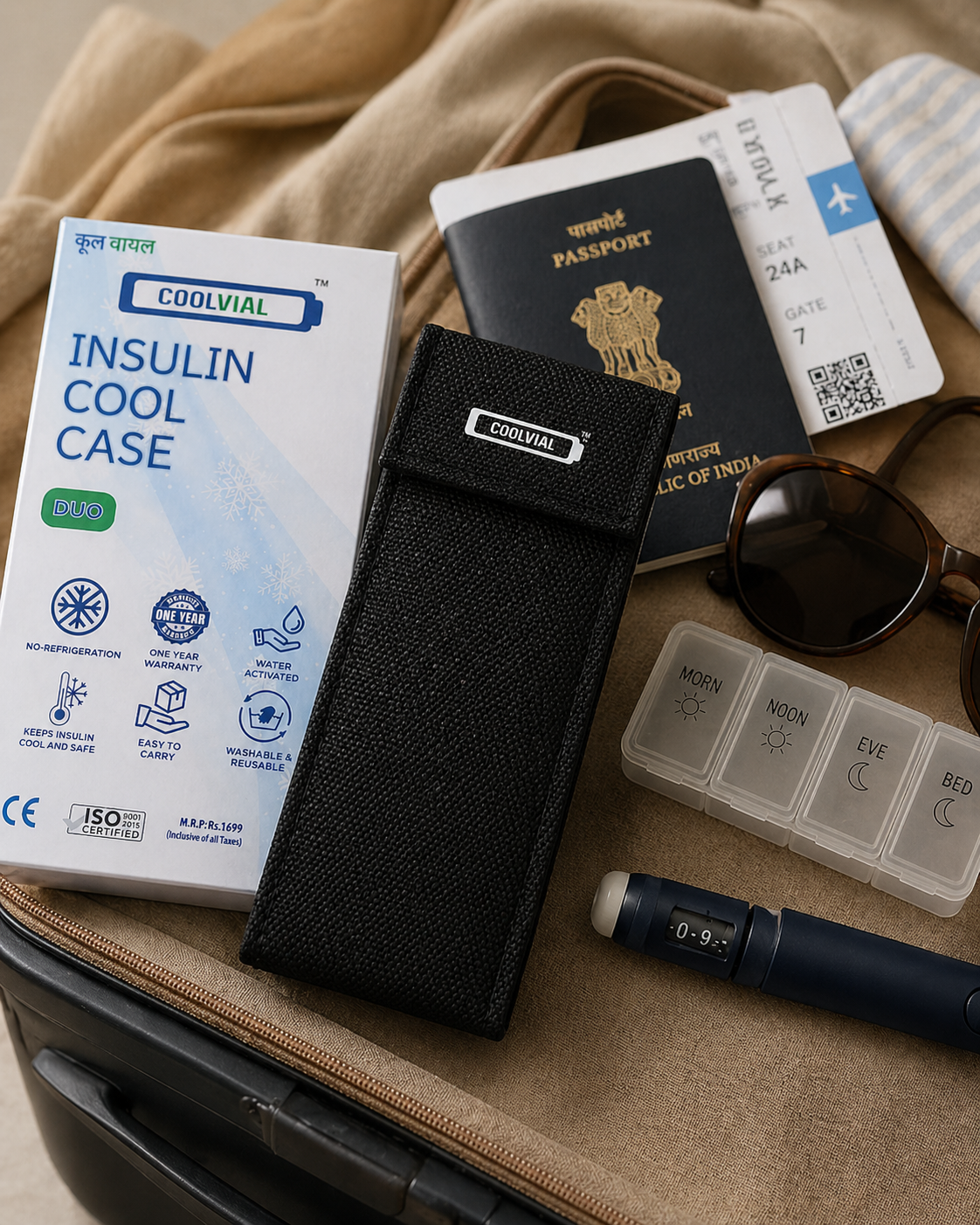
Ultimate Guide: Road Trip with Insulin in India: Keeping It Cool for 12+ Essential Hours
Don't let Indian heat spoil your insulin. COOLVIAL protects it for 48+ hours.
Ultimate Guide: Road Trip with Insulin in India: Keeping It Cool for 12+ Essential Hours
48+ hours at 2-8°C. No electricity. CE certified. Free delivery across India.
Order on WhatsApp — ₹1,099🛒 Buy Now — ₹1,099