Reviewed by the COOLVIAL Editorial Team — specialists in insulin storage for Indian climate conditions.
Delhi’s extreme summer can be a significant challenge for individuals managing diabetes, as insulin is highly sensitive to heat and can quickly lose its potency if not stored correctly. To ensure effective diabetes management, it is crucial to understand the best practices for storing insulin in Delhi’s extreme summer. Unopened insulin should always be refrigerated between 2-8°C, while opened vials or pens can typically be kept at room temperature (15-25°C) for up to 28 days. However, temperatures in Delhi often soar above 40°C, making ambient storage risky and necessitating smart solutions to prevent insulin spoilage, which occurs rapidly above 30°C. This comprehensive guide will equip you with 7 essential tips for storing insulin in Delhi’s extreme summer that actually work, helping you navigate the heat with confidence and maintain your medication’s efficacy. We will cover everything from basic refrigeration to innovative portable solutions tailored for India’s unique climate, ensuring your insulin remains safe and effective.
Table of Contents
- Why Storing Insulin Safely Matters in India’s Extreme Heat
- Understanding Insulin: Core Storage Concepts and Temperature Sensitivity
- 7 Practical Tips for Storing Insulin in Delhi’s Extreme Summer That Actually Work
- Navigating India’s Diverse Climate: Beyond Delhi’s Heat
- The COOLVIAL Advantage: Smart Solutions for Storing Insulin in India’s Heat
- Essential Insulin Storage FAQs for Indian Diabetics
- Conclusion: Staying Cool and Safe This Summer
Why Storing Insulin Safely Matters in India’s Extreme Heat
India, particularly cities like Delhi, experiences scorching summers with temperatures frequently soaring above 40°C, often reaching 45°C or even higher during peak months. This extreme heat poses a significant threat to insulin, a life-saving medication for millions of diabetics. Insulin is a protein, and like many proteins, it is highly sensitive to temperature fluctuations. Exposure to excessive heat can degrade its molecular structure, leading to a irreversible loss of potency. This means that even if the insulin looks normal, it may no longer be effective in lowering blood sugar levels, putting patients at risk of hyperglycemia and severe complications. The International Diabetes Federation (IDF) reported that India had 101 million diabetics in 2023, making safe insulin storage a critical public health concern across the nation (Source: IDF Diabetes Atlas).
The problem is compounded by several India-specific challenges. Erratic power supply and frequent power cuts, especially during summer, mean that refrigerators may not always maintain optimal temperatures. This makes traditional home refrigeration unreliable for consistent insulin storage. Furthermore, many Indians travel extensively, often by bus or train, where temperature control is minimal, exposing insulin to prolonged periods of heat. A study published in the National Center for Biotechnology Information highlights the critical need for proper insulin storage to maintain its efficacy, particularly in challenging environments (Source: NCBI). Understanding these risks is the first step towards implementing effective strategies for storing insulin in Delhi’s extreme summer and similar hot climates across India. Without proper care, insulin can become ineffective, leading to poor glycemic control and serious health consequences.
Understanding Insulin: Core Storage Concepts and Temperature Sensitivity
Insulin, whether in vials, pens, or cartridges, requires specific temperature conditions to maintain its efficacy. Mismanagement of these conditions is a common reason for insulin spoilage. The general rule of thumb, endorsed by the World Health Organization (WHO), is that unopened insulin should be stored in a refrigerator between 2°C and 8°C. This temperature range is crucial for preserving its full potency until its expiry date, which is typically printed on the packaging. Above 8°C, the insulin begins to degrade gradually, while freezing below 2°C can also damage its structure, rendering it ineffective.
Once an insulin vial or pen is opened, its storage requirements change. Most manufacturers recommend that opened insulin can be kept at room temperature, typically defined as 15°C to 25°C, for a period of 28 days (four weeks). Some specific insulin types or brands might have slightly different durations, such as 42 days (six weeks) for certain pens, so it is always vital to check the manufacturer’s instructions for your particular brand of insulin. The challenge arises when “room temperature” in Delhi’s summer far exceeds this 25°C limit, often reaching 40-45°C. At temperatures above 30°C, insulin rapidly loses its potency, even if it has only been opened for a few days. This degradation process is irreversible.
Insulin Storage Temperature Guidelines
| Condition | Recommended Temperature Range | Maximum Duration | Signs of Spoilage (Visual) |
|---|---|---|---|
| Unopened Insulin | 2°C to 8°C (Refrigerated) | Until Expiry Date (on packaging) | Should be clear (except cloudy insulins like NPH) |
| Opened Insulin (Vial) | 15°C to 25°C (Room Temp) | 28 Days (Check manufacturer) | Cloudy, clumpy, discolored, stringy, “frosted” appearance |
| Opened Insulin (Pen) | 15°C to 25°C (Room Temp) | 28 Days (Check manufacturer, some 42) | Cloudy, clumpy, discolored, stringy, “frosted” appearance |
| Temperatures to Avoid | Below 2°C (Freezing) | - | Ice crystals, separation |
| Temperatures to Avoid | Above 30°C (Excessive Heat) | - | Cloudy, clumpy, discolored, stringy, “frosted” appearance |
7 Essential Tips for Storing Insulin in Delhi's Extreme Summer
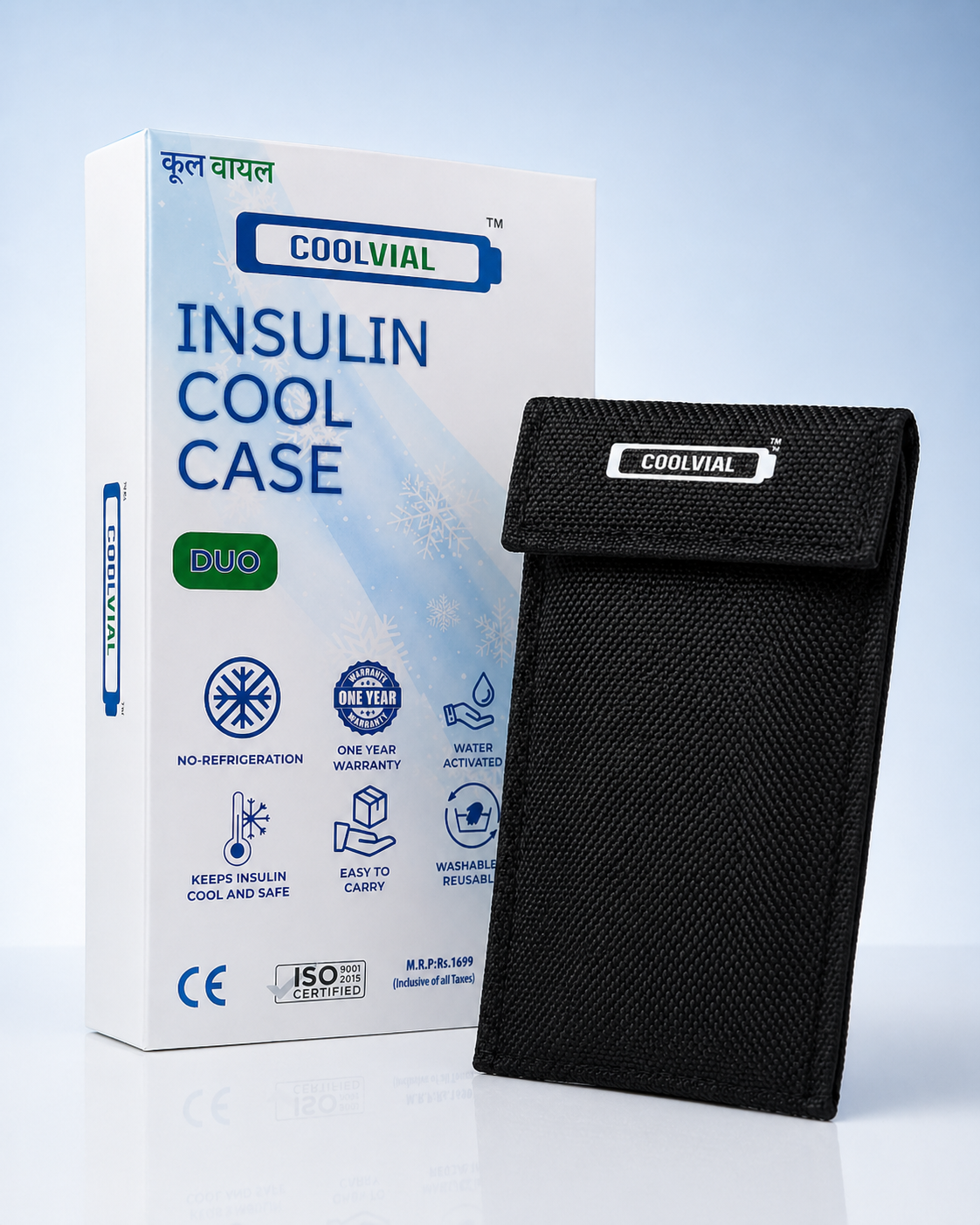
COOLVIAL keeps insulin at 2-8°C for 48+ hours. No electricity needed.
If insulin freezes, it can separate, and its protein structure can be permanently damaged. If it gets too hot, it can become cloudy, discolored, or develop small particles or “clumps.” However, it’s important to note that insulin can lose potency due to heat without any visible changes. Therefore, relying solely on visual inspection is not enough. The key is proactive management and adherence to strict temperature guidelines, especially when storing insulin in Delhi’s extreme summer. This deep understanding of insulin’s sensitivity is foundational for implementing effective strategies to protect your medication and ensure consistent blood sugar control. For more detailed guidance on general insulin storage, you can refer to comprehensive insulin storage tips provided by health experts.
7 Practical Tips for Storing Insulin in Delhi’s Extreme Summer That Actually Work
Successfully managing insulin storage during Delhi’s scorching summer requires a combination of vigilance, planning, and practical solutions. Here are seven essential tips for storing insulin in Delhi’s extreme summer that will help you maintain your medication’s efficacy and ensure safe diabetes management:
-
Strictly Adhere to Refrigeration for Unopened Insulin: Always keep unopened insulin vials, pens, or cartridges in the main compartment of your refrigerator (not the door, which experiences more temperature fluctuations). Ensure the temperature is consistently between 2°C and 8°C. Use a refrigerator thermometer to monitor this, especially during power cuts or voltage fluctuations. If you experience frequent power outages, consider using an inverter or a power backup system for your refrigerator to maintain consistent cooling.
-
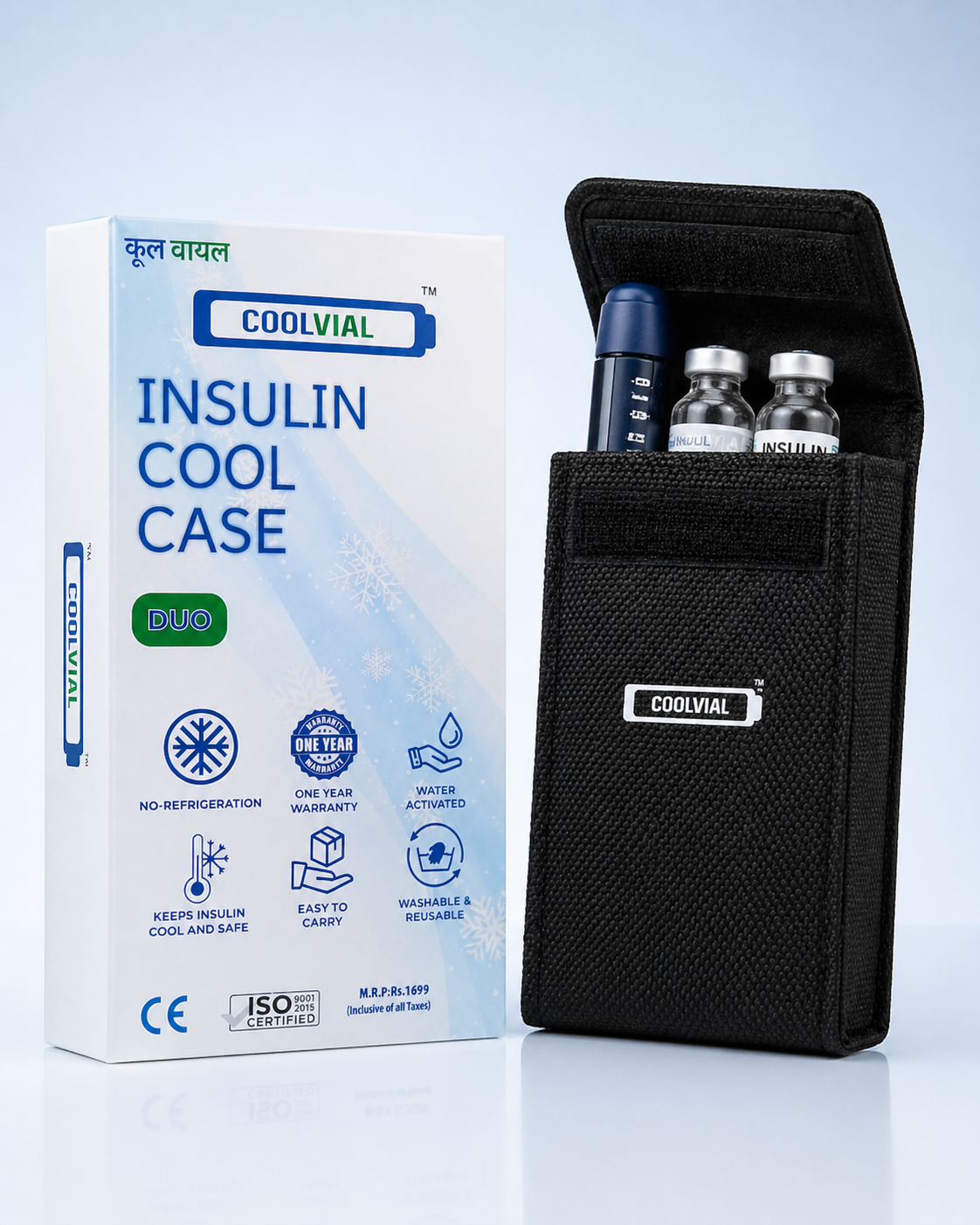
Utilize a Reliable Insulin Cool Case for Opened Insulin and Travel: For opened insulin, or when you’re on the go, a specialized insulin cool case is indispensable. These cases are designed to maintain insulin within the safe 15-25°C range for extended periods without electricity. They often use evaporative cooling technology (like water-activated cooling) or gel packs. Ensure the cool case you choose can withstand Delhi’s ambient temperatures and provide sufficient cooling duration. This is one of the most effective strategies for storing insulin in Delhi’s extreme summer when you’re out of the house or during power cuts.
-
Avoid Direct Sunlight and Hot Environments: Never leave insulin in direct sunlight, in a parked car, or near heat sources like stoves, heaters, or even windows where sunlight streams in. A car parked in Delhi’s summer can reach internal temperatures of over 60°C in minutes, instantly destroying insulin. Always carry your insulin in a bag or cool case that provides insulation and keeps it out of direct light. Even short exposures can compromise its effectiveness.
-
Plan for Travel and Outings: If you’re traveling within Delhi or to other parts of India, always pack your insulin in an appropriate cool case. When traveling by bus or train, keep the cool case with you in the cabin, rather than in luggage compartments where temperatures can be extreme. If flying, always carry insulin in your hand luggage, never in checked baggage, as cargo holds can experience freezing temperatures. Ensure you have enough supplies for your entire trip, plus a buffer.
-
Monitor Insulin Visually (But Don’t Rely Solely On It): Regularly inspect your insulin. Clear insulin should remain clear. Cloudy insulins (like NPH) should remain uniformly cloudy, without clumps or “frosting.” If you notice any discoloration, cloudiness in clear insulin, particles, or changes in texture, discard it immediately, even if it hasn’t exceeded its open-use duration. However, remember that insulin can lose potency from heat exposure without visible changes.
-
Purchase Insulin in Smaller Quantities During Summer: While bulk buying might seem economical, consider purchasing insulin in smaller quantities, especially during the summer months. This minimizes the risk of a large batch spoiling due to unexpected heat exposure or power failures. Consult your doctor or pharmacist about optimal purchasing patterns for your needs. This practical approach significantly enhances your ability to manage storing insulin in Delhi’s extreme summer.
-
Educate Family Members and Caregivers: Ensure that all family members, especially those who might handle your medication in your absence, are fully aware of the correct insulin storage guidelines. Teach them about the critical temperature ranges, the importance of the cool case, and what to do in case of a power cut or if insulin is accidentally exposed to heat. A well-informed support system is invaluable.
By diligently following these tips, you can significantly reduce the risk of insulin spoilage and maintain consistent blood sugar control, even amidst the challenges of Delhi’s extreme summer.
7 Essential Tips for Storing Insulin in Delhi's Extreme Summer
COOLVIAL keeps insulin at 2-8°C for 48+ hours. No electricity needed.
Navigating India’s Diverse Climate: Beyond Delhi’s Heat
7 Essential Tips for Storing Insulin in Delhi's Extreme Summer
COOLVIAL keeps insulin safe in India's heat. 48+ hours, no electricity needed.
While Delhi’s extreme summer heat is a formidable challenge, India’s vast geographical and climatic diversity presents unique insulin storage considerations across different regions. It’s not just about dry heat; humidity, monsoons, and varying power infrastructure all play a role in how effectively one can manage insulin. Understanding these regional nuances is crucial for comprehensive diabetes management nationwide.
For instance, coastal cities like Mumbai, Chennai, and Kolkata experience high humidity along with significant heat. While the temperatures might not consistently reach Delhi’s scorching peaks, the oppressive humidity can make it feel even hotter and can also impact the integrity of insulin packaging and devices over time, even if not directly affecting the insulin itself. In such humid conditions, ensuring that insulin cool cases or storage solutions are also moisture-resistant is an added layer of protection. The concern about storing insulin in Delhi’s extreme summer extends to these other challenging climates.
In regions like Rajasthan, the desert heat is even more intense and prolonged than in Delhi, pushing temperatures to extreme limits for months. Conversely, areas in the Himalayas might face colder temperatures, where the risk shifts from heat degradation to freezing, especially during travel or in poorly insulated homes. During the monsoon season, which affects large parts of India, humidity levels soar, and power cuts become even more frequent and prolonged due to storms and infrastructure issues. This makes reliance on electricity-dependent cooling solutions particularly risky. According to a 2022 report, 78% of Indian households face daily power cuts in summer, with some rural areas experiencing outages lasting 8-10 hours, underscoring the need for non-electric solutions.
Travel within India, especially during festivals like Diwali, Holi, or regional celebrations, also presents significant challenges. Millions travel long distances by road and rail, often in crowded, non-air-conditioned compartments or buses, exposing insulin to uncontrolled temperatures for hours. Even pilgrimages to religious sites, which often involve long journeys and basic accommodation, necessitate robust insulin storage strategies. This makes the need for reliable, portable cooling solutions paramount for diabetics across the country. The challenges of storing insulin in Delhi’s extreme summer are replicated in different forms across the diverse Indian landscape, emphasizing the universal need for thoughtful and adaptive storage practices. A reliable COOLVIAL insulin cool case can be a game-changer for individuals facing these varied climatic conditions and travel demands.
Regional Climate vs. Insulin Storage Considerations
| Region/Climate Type | Characteristic Challenges | Key Insulin Storage Consideration |
|---|---|---|
| Delhi (North) | Extreme Dry Heat (40-45°C+), Power Cuts | Non-electric cooling, avoiding direct sun, reliable refrigeration |
| Mumbai (West) | High Heat & Humidity (35-40°C), Monsoon Power Cuts | Moisture-resistant cooling, consistent refrigeration |
| Chennai (South) | High Heat & Humidity (35-40°C), Coastal climate | Protection from humidity, non-electric cooling for travel |
| Rajasthan (West) | Ultra-Extreme Dry Heat (45-50°C+), Remote areas | Superior insulation, long-duration cool cases, backup plans |
| Kolkata (East) | High Heat & Humidity (35-40°C), Monsoon impact | Preventing moisture damage, power backup for refrigeration |
| Himalayan Regions | Cold temperatures, risk of freezing, difficult terrain | Protection from freezing, secure packaging during travel |
The COOLVIAL Advantage: Smart Solutions for Storing Insulin in India’s Heat
Navigating the complexities of insulin storage in India’s challenging climate, especially when dealing with the intense heat of Delhi’s extreme summer, often requires more than just basic precautions. This is where purpose-built solutions like the COOLVIAL insulin cool case become invaluable. Designed specifically with the unique needs of Indian diabetics in mind, COOLVIAL offers a practical, reliable, and affordable way to protect your life-saving medication.
The primary advantage of a COOLVIAL insulin cool case is its ability to maintain insulin within the safe temperature range (typically 15-25°C) for extended periods without requiring electricity. This is critical in a country where power cuts are a common reality, and consistent refrigeration might not always be guaranteed, particularly during travel or in remote areas. While storing insulin in Delhi’s extreme summer, relying solely on a household refrigerator can be risky if there are frequent, long outages. A COOLVIAL case acts as a crucial backup and a primary solution for daily use outside the home.
COOLVIAL cases often utilize advanced cooling technology, such as evaporative cooling, which simply requires activation with water, or high-quality gel packs that, once frozen, keep insulin cool for many hours. This makes them ideal for various scenarios:
- Daily Commutes: Whether you’re traveling to work, college, or running errands, your insulin stays protected from the heat.
- Travel: Essential for long journeys by train, bus, or car across India, where temperature control is often non-existent.
- Power Outages: Provides a reliable alternative when your refrigerator is off during extended electricity cuts, common in Indian summers.
- Outdoor Activities: Enjoy festivals, family gatherings, or outdoor events without worrying about insulin spoilage.
The COOLVIAL insulin cool case is not just about functionality; it’s also about convenience and peace of mind. It’s compact, discreet, and easy to carry, fitting seamlessly into your daily life. More importantly, it offers a cost-effective solution compared to high-end electric coolers, making it accessible to a wider demographic of Indian diabetics. By investing in a COOLVIAL case, you’re investing in the consistent potency of your insulin, which directly translates to better blood sugar control and a healthier life, even when facing the challenge of storing insulin in Delhi’s extreme summer. It’s a smart, non-pushy solution that empowers you to manage your diabetes effectively, no matter the weather.
Essential Insulin Storage FAQs for Indian Diabetics
Managing diabetes in India, especially during the challenging summer months, often brings up specific questions about insulin storage. Here are some frequently asked questions that Indian diabetics commonly have, along with clear, concise answers to help you navigate these concerns effectively.
Q: What happens if my insulin gets exposed to temperatures above 30°C in Delhi’s summer? A: If your insulin is exposed to temperatures above 30°C, it will begin to lose its potency rapidly. This degradation is irreversible, meaning the insulin will not regain its full effectiveness even if cooled down later. It might appear cloudy, discolored, or clumpy, but often, there are no visible signs of
7 Essential Tips for Storing Insulin in Delhi's Extreme Summer
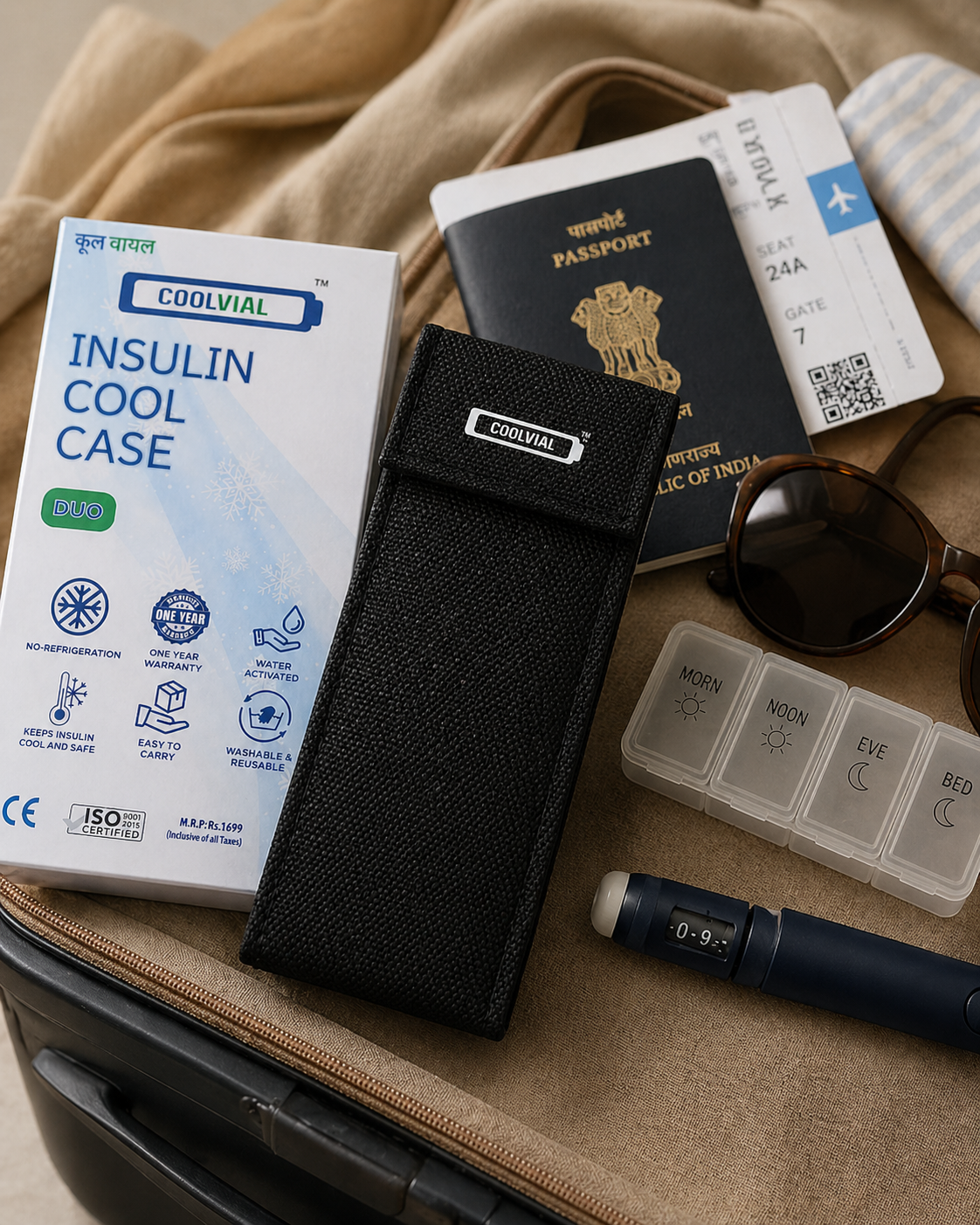
Insulin at 2-8°C for 48+ hours. Trusted by 10,000+ Indian diabetics.