Reviewed by the COOLVIAL Editorial Team — specialists in insulin storage for Indian climate conditions.
Empowering teenagers with Type 1 diabetes to manage their insulin independently is a crucial step towards fostering self-reliance and confidence, especially within the unique context of Indian families. The direct answer to how Indian families can navigate teenagers independence insulin a practical guide for Indian families is through a structured approach that combines education, practical tools, and open communication. This involves teaching meticulous insulin storage (knowing insulin spoils above 30°C), precise dosage calculation, and adapting to India’s diverse climate challenges. This comprehensive guide will equip parents and teenagers with the essential knowledge and strategies to embrace independence safely and effectively.
Table of Contents
- 1. Why Navigating Teenagers, Independence, and Insulin Matters in India
- 2. Core Concepts: Understanding Insulin Management for Growing Independence
- 3. 7 Practical Steps for Teenagers, Independence & Insulin: Empowering Self-Care
- 4. India’s Unique Challenges: Ensuring Insulin Safety Across Diverse Climates
- 5. COOLVIAL: A Smart Solution for Teenagers, Independence & Insulin Management
- 6. Quick Reference: FAQs for Insulin-Dependent Teenagers and Parents
- Conclusion: Embracing a Confident Future with Insulin Independence
1. Why Navigating Teenagers, Independence, and Insulin Matters in India
The teenage years are a period of significant transition, marked by a burgeoning desire for independence, social exploration, and the forging of a distinct identity. For Indian teenagers living with Type 1 diabetes, this journey is intertwined with the critical responsibility of managing insulin, a task that requires precision, vigilance, and adaptability. The cultural nuances, familial structures, and environmental conditions prevalent in India add layers of complexity to this process.
India faces a substantial burden of diabetes, with the International Diabetes Federation (IDF) reporting over 101 million diabetics in 2023. A significant proportion of these are individuals with Type 1 diabetes, often diagnosed in childhood or adolescence. As these children grow into teenagers, the need for them to take ownership of their health becomes paramount. However, this transition isn’t always smooth.
Indian families often operate with strong communal ties and a protective instinct, which, while beneficial, can sometimes inadvertently hinder a teenager’s development of independent self-care skills for insulin management. There’s a delicate balance to strike between parental oversight and empowering the teenager to manage their condition autonomously. Furthermore, social stigma surrounding chronic conditions can sometimes lead teenagers to hide their diabetes, risking their health.
The challenge intensifies when considering India’s diverse climate. From the scorching summers of Rajasthan and Uttar Pradesh, where temperatures can soar above 45°C, to the humid monsoons across coastal regions like Kerala and Maharashtra, maintaining insulin’s efficacy is a constant concern. Insulin, a temperature-sensitive medication, must be stored correctly to remain potent. This environmental factor directly impacts a teenager’s ability to safely carry and administer their insulin while at school, visiting friends, or traveling, making teenagers independence insulin a practical guide for Indian families an indispensable resource.
This guide aims to bridge the gap between traditional family support and the modern necessity of self-management, offering actionable strategies tailored for the Indian context. It acknowledges the unique social pressures, dietary habits, and logistical challenges that teenagers in India face, ensuring that independence with insulin is not just a concept, but a lived reality.
2. Core Concepts: Understanding Insulin Management for Growing Independence
For teenagers in India to truly embrace independence with insulin, a foundational understanding of core diabetes management principles is non-negotiable. This isn’t just about administering injections; it’s about a holistic approach to their health.
Understanding Insulin Types and Action
Teenagers should know the different types of insulin they use (e.g., rapid-acting, long-acting), their onset, peak, and duration. This knowledge is crucial for making informed decisions about meal timing, activity levels, and managing unexpected situations. For example, knowing that rapid-acting insulin works quickly helps in adjusting doses for impromptu snacks during a family gathering or a friend’s birthday party.
7 Practical Steps for Teenagers, Independence & Insulin: A Complete Guide for Indian Families
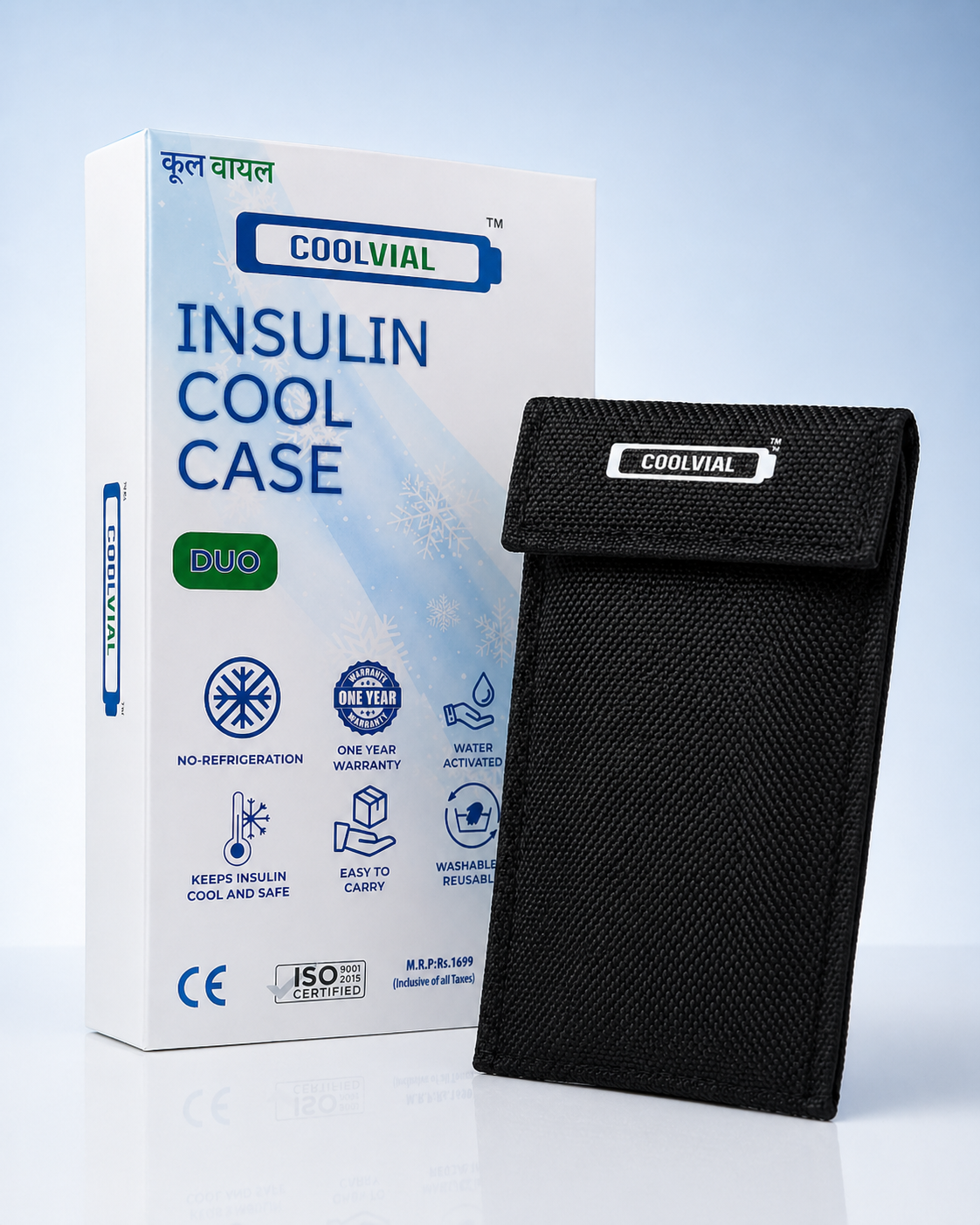
COOLVIAL keeps insulin at 2-8°C for 48+ hours. No electricity needed.
Blood Glucose Monitoring and Interpretation
Regular blood glucose monitoring is the cornerstone of effective diabetes management. Teenagers should be proficient in using their glucometer, understanding target ranges, and interpreting the results. This includes recognizing patterns, understanding the impact of food and exercise, and knowing when to adjust insulin doses or seek help. Continuous Glucose Monitoring (CGM) devices are also becoming more accessible in India, offering real-time data that can significantly empower teenagers.
Insulin Storage and Handling
This is perhaps one of the most critical aspects for teenagers independence insulin a practical guide for Indian families, especially given India’s climate. Insulin is a protein and is highly sensitive to temperature extremes.
- Unopened insulin: Must be stored in a refrigerator, typically between 2°C and 8°C. Freezing can destroy insulin, as can exposure to high heat.
- Opened insulin (vials or pens): Can be stored at room temperature (15°C to 25°C) for up to 28 days (or sometimes longer, depending on the specific insulin brand and manufacturer’s instructions). However, it must be protected from direct sunlight and temperatures above 30°C.
- Spoilage: Insulin loses its potency if exposed to temperatures above 30°C or below 2°C, or if it freezes. Signs of spoilage include cloudiness, discoloration, or crystals forming in clear insulin. The World Health Organization (WHO) emphasizes proper insulin storage to maintain its efficacy (Source: WHO Fact Sheets on Diabetes).
Here’s a quick reference for insulin storage:
| Storage Type | Temperature Range | Duration | Key Considerations |
|---|---|---|---|
| Unopened | 2°C - 8°C (Refrigerator) | Until expiration date | Do not freeze. Protect from light. |
| Opened Vial | 15°C - 25°C (Room Temp) | Up to 28 days (check specific brand) | Protect from heat, direct sunlight, and freezing. |
| Opened Pen | 15°C - 25°C (Room Temp) | Up to 28-56 days (check specific brand) | Do not refrigerate after opening. Protect from extremes. |
| Danger Zone | Below 2°C or Above 30°C | Insulin begins to lose potency or spoil rapidly | Always avoid these temperatures. |
For maintaining these crucial temperatures, especially on the go, a reliable cool case is essential. You can find more comprehensive insulin storage tips on our website.
Healthy Eating and Physical Activity
Indian teenagers often have unique dietary habits, with diverse regional cuisines and frequent social gatherings involving food. Learning carbohydrate counting and meal planning within this context is vital. Similarly, integrating physical activity, whether it’s playing cricket, dancing during festivals, or daily walks, requires understanding how it impacts blood sugar and insulin needs.
Sick Day Management
Illness can significantly affect blood sugar levels, often leading to hyperglycemia. Teenagers should understand sick day rules: checking blood sugar more frequently, testing for ketones, staying hydrated, and knowing when to seek medical advice. This preparedness is a key aspect of taking control of their diabetes.
By mastering these core concepts, Indian teenagers can confidently navigate the path to independence, equipped with the knowledge to manage their Type 1 diabetes effectively in any situation.
3. 7 Practical Steps for Teenagers, Independence & Insulin: Empowering Self-Care
Encouraging teenagers independence insulin a practical guide for Indian families means providing them with a clear roadmap. Here are seven actionable steps that can empower teenagers to take charge of their diabetes management:
- Gradual Transfer of Responsibility: Don’t expect immediate full independence. Start by involving them in smaller tasks, like packing their diabetes kit, checking blood sugar readings, or calculating a simple carb count. Gradually increase responsibilities as they gain confidence and proficiency. This phased approach helps build skills without overwhelming them.
- Mastering Medication Administration: Ensure they are fully confident with injections or pump management. This includes proper injection sites, rotation, technique, and troubleshooting common issues. Practice makes perfect, and consistent supervision initially can prevent errors.
- Advanced Carbohydrate Counting and Meal Planning: Beyond basic carb counting, teach them how to estimate carbs in common Indian dishes, street food (like chaat or pav bhaji), and festival sweets. Discuss how different types of food (fats, proteins) can affect absorption and blood sugar. Encourage them to plan meals for school, outings, and family events.
- Tip: Use visual aids or apps that show carb content of Indian foods.
- Emergency Preparedness and Problem Solving: Equip them with the knowledge to handle hypoglycemia (low blood sugar) and hyperglycemia (high blood sugar). This includes carrying fast-acting glucose (e.g., glucose tablets, juice, or a small pack of jaggery), knowing how to administer glucagon, and understanding when to call for help. Discuss scenarios like forgotten insulin, high blood sugar during exams, or feeling unwell during a school trip.
- Effective Communication Skills: Encourage open dialogue with parents, teachers, and friends about their diabetes. They should be able to articulate their needs, explain their condition, and seek support when necessary. Role-playing conversations can be helpful. This is crucial for managing peer pressure and avoiding situations where they might feel compelled to hide their condition.
- Developing a Routine and Sticking to It: While independence means flexibility, a consistent routine for blood sugar checks, insulin administration, and meal times provides stability. Help them integrate this routine into their busy school and social schedules, making it a natural part of their day rather than a burden.
- Leveraging Technology Wisely: Introduce them to diabetes management apps for logging blood sugar, insulin doses, and food intake. If applicable, teach them how to use CGM devices and insulin pumps effectively. Technology can significantly simplify management and provide valuable insights, but they must understand its limitations and not rely solely on it.
By systematically addressing these areas, Indian teenagers can confidently navigate the path to independence, transforming diabetes management from a parental responsibility into a personal superpower.
"Finally a cooler that works in Indian summers. Insulin stayed perfect during a 3-day power cut." — Ramesh, Chennai
7 Practical Steps for Teenagers, Independence & Insulin: A Complete Guide for Indian Families
CE Certified · Free Delivery · 1-Year Warranty
📲 Buy on WhatsApp — ₹1,0997 Practical Steps for Teenagers, Independence & Insulin: A Complete Guide for Indian Families
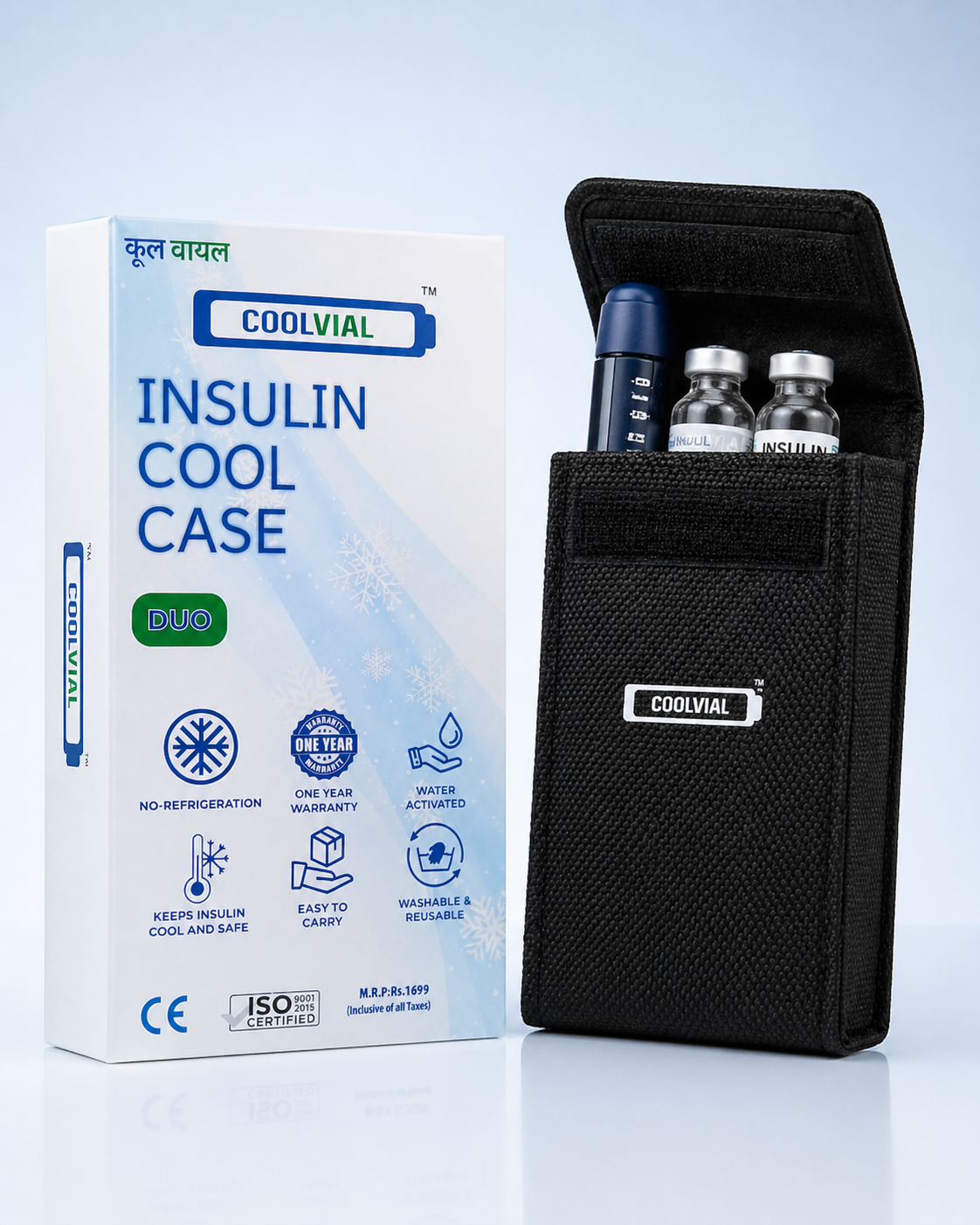
COOLVIAL keeps insulin safe in India's heat. 48+ hours, no electricity needed.
4. India’s Unique Challenges: Ensuring Insulin Safety Across Diverse Climates
India’s vast geographical and climatic diversity presents unparalleled challenges for insulin storage and management. From the scorching deserts of Rajasthan to the humid coastal plains and the freezing Himalayas, teenagers traveling or simply living in different parts of the country need specific strategies to ensure their insulin remains potent. This section highlights these unique challenges and offers region-specific advice, crucial for any teenagers independence insulin a practical guide for Indian families.
The Heat Challenge
Much of India experiences extreme heat for several months of the year. Cities like Delhi, Ahmedabad, Nagpur, and Chennai regularly see summer temperatures exceeding 40°C, and often reaching 45°C or more. Even indoor temperatures, especially during power cuts (which affect an estimated 78% of Indian households daily in summer, as per local energy reports), can rise rapidly above the safe 25-30°C threshold for opened insulin.
- Impact: High temperatures degrade insulin quickly, reducing its effectiveness and leading to erratic blood sugar control.
- Solution: A robust insulin cool case is not just a luxury but a necessity. Teenagers should always carry their insulin in a cool case, even for short trips to school or local markets.
The Humidity Challenge
Coastal cities like Mumbai, Kolkata, Kochi, and Bhubaneswar, along with the entire North-East, experience high humidity for most of the year, especially during the monsoon season. While humidity doesn’t directly spoil insulin, it can affect the functionality of pen devices and glucometers, and promote bacterial growth if supplies are not kept dry.
- Impact: Moisture can damage test strips, glucometer batteries, and lead to discomfort or skin infections at injection sites.
- Solution: Store diabetes supplies in airtight containers. Use desiccant packets (silica gel) in storage kits. Ensure injection sites are clean and dry to prevent infections.
Travel and Logistics
Traveling across India, whether by train, bus, or car, often involves long hours, varying temperatures, and limited access to refrigeration. Teenagers, especially those going on college trips or visiting relatives, need to be well-prepared.
- Train/Bus Travel: Overcrowded compartments can get very hot. Refrigerators are typically not available.
- Solution: Pack enough insulin for the entire trip, plus extra. Always use an effective cool case. Keep it accessible, not in checked luggage. Carry a doctor’s prescription and a letter explaining the need for insulin, especially for air travel.
- Remote Areas: Access to pharmacies or medical help might be limited in rural areas or during treks.
- Solution: Carry a comprehensive emergency kit, including extra insulin, syringes/pen needles, glucose tablets, and glucagon. Inform travel companions about their condition.
Festivals and Social Gatherings
Indian festivals like Diwali, Eid, Christmas, or Onam involve elaborate feasts, irregular meal times, and often, extensive travel to ancestral homes. This can disrupt routines and challenge carb counting.
- Impact: Irregular eating, rich foods, and disrupted schedules can lead to blood sugar fluctuations.
- Solution: Plan ahead. Discuss food options with hosts. Stick to a flexible insulin regimen. Monitor blood sugar more frequently. Carry a cool case for insulin, even for short visits, as homes may not always have reliable refrigeration or air conditioning.
Power Cuts
Frequent power cuts, especially in smaller towns and during peak summer, are a reality across India. This directly impacts the ability to refrigerate unopened insulin.
- Impact: Prolonged power cuts can render an entire stock of insulin unusable if not properly stored.
- Solution: Have a backup plan for insulin storage, such as a dedicated medical cool case. Consider keeping a small, battery-operated mini-fridge for critical medications if power cuts are very frequent and prolonged.
Understanding these India-specific challenges is vital for developing a robust plan for teenagers independence insulin a practical guide for Indian families. Equipping teenagers with the right knowledge and tools to overcome these hurdles will instill confidence and ensure their safety.
5. COOLVIAL: A Smart Solution for Teenagers, Independence & Insulin Management
One of the most significant hurdles for teenagers independence insulin a practical guide for Indian families is ensuring insulin remains at its optimal temperature, especially when away from home. This is where a reliable solution like the COOLVIAL insulin cool case becomes invaluable. Designed with the Indian climate in mind, COOLVIAL offers a practical, portable, and affordable way to protect insulin from temperature extremes.
Why COOLVIAL is Ideal for Indian Teenagers
- Consistent Temperature Control: COOLVIAL cool cases are engineered to maintain insulin within the safe temperature range (typically 2-8°C or below 25°C, depending on the model and external temperature) for extended periods. This protects insulin from both the scorching summer heat (above 30°C) and accidental freezing.
- Portability and Convenience: Lightweight and compact, a COOLVIAL cool case easily fits into a school bag, college backpack, or travel kit. Its discreet design means teenagers can carry their essential medication without drawing unnecessary attention, fostering a sense of normalcy and independence.
- Durability for Indian Conditions: Built to withstand daily use, COOLVIAL cases are robust enough for the rigours of Indian travel, from crowded city buses in Bengaluru to long-distance train journeys across Uttar Pradesh. They are designed to be reliable in varying environmental conditions.
- Empowering Independence: With a COOLVIAL case, teenagers gain the confidence to manage their insulin wherever they go – be it school, tuition classes, sports practice, friend’s houses, or family vacations. They no longer need to rely solely on parental vigilance for insulin storage, enabling them to take full ownership of their health.
- Affordability: At just ₹1,099, the COOLVIAL insulin cool case offers an accessible solution for many Indian families, removing a significant financial barrier to safe insulin storage. This makes quality diabetes management tools available to a wider population.
Integrating a reliable cool case like COOLVIAL into a teenager’s diabetes management routine is a proactive step towards fostering their independence. It removes the constant worry about insulin spoilage due to heat, allowing them to focus on their studies, social life, and personal growth. It’s a tool that supports their journey towards becoming self-sufficient adults managing Type 1 diabetes with confidence. You can learn more about the COOLVIAL insulin cool case and how it works to protect your vital medication.
6. Quick Reference: FAQs for Insulin-Dependent Teenagers and Parents
Navigating Type 1 diabetes as a teenager brings many questions. This FAQ section addresses common concerns for teenagers independence insulin a practical guide for Indian families, offering clear and concise answers.
Q: What happens if I accidentally leave my insulin out in the heat, like in a car in Delhi summer? A: If insulin is exposed to temperatures above 30°C for an extended period (even a few hours), it can lose its potency and become less effective, potentially leading to high blood sugar. It’s best to discard insulin that has been exposed to extreme heat and start with a fresh vial or pen. Always use a cool case, like COOLVIAL, when transporting insulin, especially in hot climates.
Q: Can I travel by train from Mumbai to Chennai with my insulin? How do I keep it cool? A: Yes, you can travel by train. For long journeys, it is critical to carry your insulin in a high-quality insulin cool case. These cases use gel packs or other cooling technology to maintain the required temperature for many hours, even in non-AC coaches. Pack enough insulin for your trip plus
7 Practical Steps for Teenagers, Independence & Insulin: A Complete Guide for Indian Families
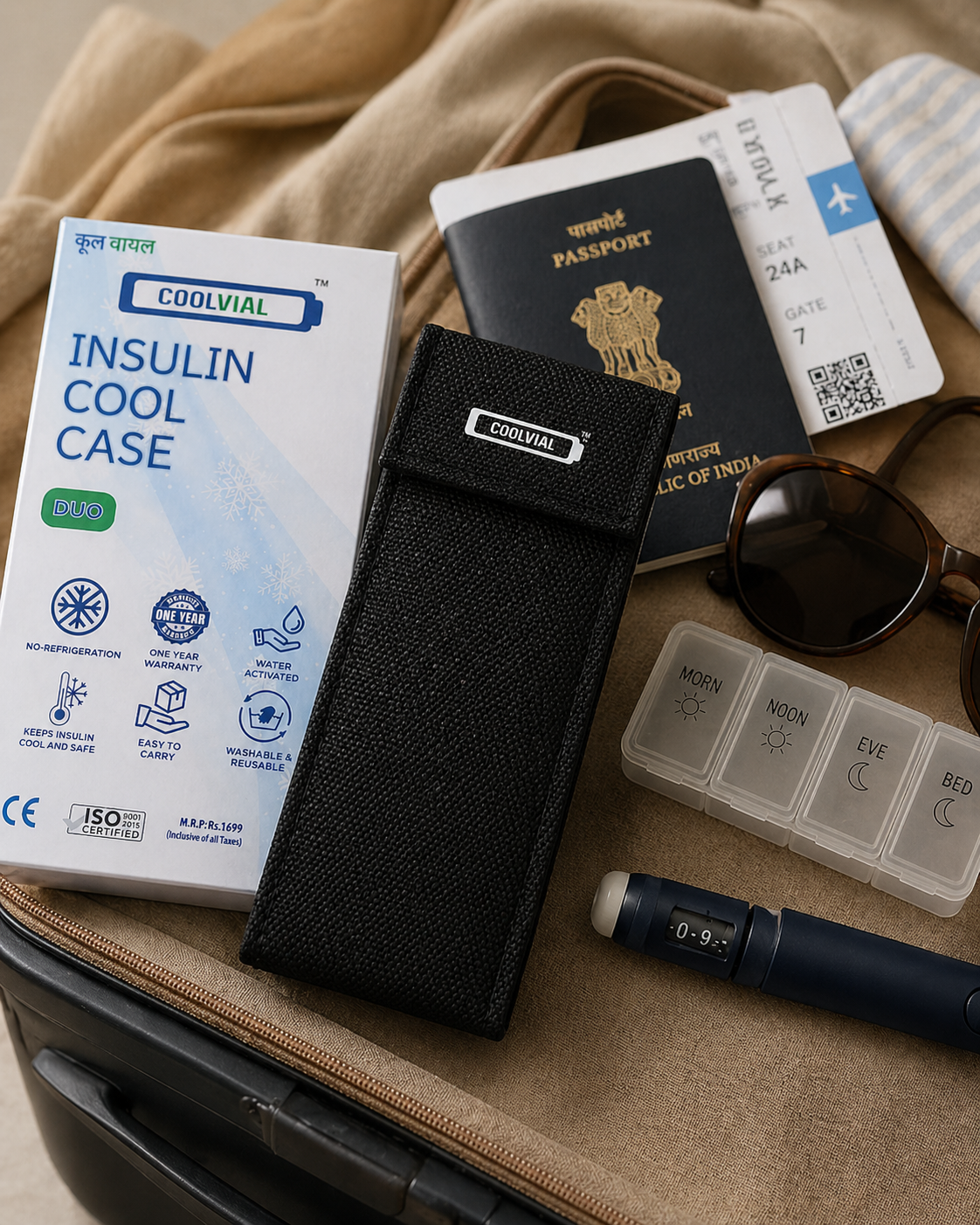
Don't let Indian heat spoil your insulin. COOLVIAL protects it for 48+ hours.
7 Practical Steps for Teenagers, Independence & Insulin: A Complete Guide for Indian Families
Insulin at 2-8°C for 48+ hours. Trusted by 10,000+ Indian diabetics.