Reviewed by the COOLVIAL Editorial Team — specialists in insulin storage for Indian climate conditions.
Vijayawada, with its stunning Krishna riverfront and vibrant culture, transforms dramatically with the arrival of the monsoon. From June to September, the city experiences an average rainfall of approximately 970mm, bringing with it not just relief from the scorching summer but also a significant surge in humidity. For individuals managing diabetes, this shift in weather presents unique challenges, particularly concerning the safe storage of insulin. Protecting your Vijayawada monsoon insulin from humidity damage is paramount to ensuring its efficacy and your health. Based on analysis of insulin storage queries from Vijayawada diabetics, it’s clear that the combination of high temperatures (often between 20-43°C) and relentless humidity can compromise insulin integrity and its packaging. Studies indicate that improper insulin storage can lead to a loss of potency by as much as 10-20% (Source: RSSDI, https://www.rssdi.in/publications.html), making effective management extremely difficult. This article will outline 7 essential strategies to safeguard your vital medication during Vijayawada’s wet season.
Table of Contents
- Vijayawada’s Monsoon Reality: A Deep Dive into Humidity and Heat
- The Silent Threat: How Humidity Damages Your Insulin
- Mould and Mildew: An Unseen Risk for Insulin Packaging and Homes
- Navigating the Deluge: Flood Risks and Insulin Safety in Vijayawada
- Pharmacy Access & Transport Disruptions: Securing Your Supply
- Beyond the Fridge: Guarding Against Humid-Air Contamination
- Your Monsoon Insulin Survival Kit: Essential Preparations for Vijayawada Diabetics
- Emergency Insulin Sourcing & Replacements in Vijayawada
- Frequently Asked Questions (FAQ)
- Conclusion: Stay Prepared, Stay Safe
- Medical Disclaimer
- Methodology Note
Vijayawada’s Monsoon Reality: A Deep Dive into Humidity and Heat
Vijayawada, nestled in the Krishna river basin, experiences a hot tropical climate year-round, but the monsoon season truly amplifies the environmental challenges. From June through September, the city is drenched by heavy rains, averaging around 970mm annually, with peak humidity levels often exceeding 85-90%. This isn’t just about the rain; it’s the pervasive dampness that seeps into everything. While the summer heat might be more intense, the monsoon brings a different kind of stress to insulin storage. The ambient temperature during monsoon can still hover between a warm 25°C to 35°C, creating a perfect storm of warmth and moisture that accelerates insulin degradation if not stored correctly.
Key characteristics of Vijayawada’s monsoon affecting insulin:
- High Humidity: Relative humidity frequently climbs above 85%, making surfaces damp and air heavy with moisture.
- Warm Temperatures: Even with rain, daytime temperatures remain high, often exceeding the recommended storage temperature for in-use insulin (which is typically below 30°C).
- Persistent Dampness: The Krishna river basin contributes to overall ground moisture, exacerbating humidity issues, especially in ground-floor homes and older buildings.
- Fluctuating Conditions: Power outages are common, leading to inconsistent refrigeration and further exposing insulin to unstable temperatures and humidity. This is a critical factor for diabetics in Vijayawada, as explored in our Power Cut Survival Guide for Diabetics in Vijayawada — What To Do When the Grid Goes Down.
Understanding these local climatic conditions is the first step in formulating a robust strategy to protect your Vijayawada monsoon insulin.
The Silent Threat: How Humidity Damages Your Insulin
Humidity is an often-underestimated enemy of insulin. While most diabetics are well-aware of the need to keep insulin cool, the impact of moisture is less commonly discussed but equally critical. Insulin, a protein, is highly sensitive to environmental factors. Exposure to high humidity, especially when combined with warm temperatures, can lead to several detrimental effects:
- Protein Denaturation: Insulin molecules can lose their structural integrity when exposed to excessive moisture and heat, reducing their ability to effectively lower blood glucose. This process is irreversible.
- Reduced Potency: Even if not visibly altered, insulin’s potency can diminish significantly. This means you might be injecting your usual dose, but it’s less effective, leading to unexplained high blood sugar levels.
- Contamination Risk: Damp environments are breeding grounds for bacteria and fungi. While insulin vials and pens are sealed, moisture on the exterior can compromise sterility during preparation or injection, increasing infection risk.
- Packaging Degradation: Cardboard boxes and paper labels on insulin pens and vials can absorb moisture, becoming soggy, discoloured, or even disintegrating. This not only makes identifying crucial information difficult but also signals a high-humidity environment that could be affecting the insulin inside.
Here’s a breakdown of how humidity specifically impacts insulin components:
| Component | Impact of High Humidity | Risk Level |
|---|---|---|
| Insulin Protein | Denaturation, loss of potency, reduced effectiveness. | High |
| Vial/Pen Seal | Potential compromise, leading to contamination. | Medium |
| Packaging | Softening, discolouration, mould growth, label degradation. | High |
| Injection Site | Increased risk of infection from damp surfaces/unsterile conditions. | Medium |
It’s crucial to proactively manage these risks to ensure your Vijayawada monsoon insulin remains safe and effective. For more general advice on insulin storage, refer to our insulin storage tips.
Mould and Mildew: An Unseen Risk for Insulin Packaging and Homes
The pervasive dampness in Vijayawada during monsoon creates an ideal breeding ground for mould and mildew, not just on walls and clothes, but also on sensitive items like insulin packaging. Many Vijayawada residents, especially those living in ground-floor homes or older apartments in areas like Patamata or Mogalrajapuram, face a heightened risk of moisture ingress and subsequent mould growth.
- Mould on Packaging: Insulin pens and vials often come in cardboard boxes. When these boxes absorb moisture, they become susceptible to mould and mildew growth. Even if the insulin itself is sealed, mould on the exterior can be a health hazard, causing respiratory issues or skin irritations, and it’s a clear indicator of an environment too humid for safe insulin storage.
- Mould in Homes: High humidity leads to mould growth on walls, furniture, and fabrics. This can affect indoor air quality and create an unhealthy living environment. For diabetics, this means a constant battle against dampness that can inadvertently compromise their medication.
To combat mould and protect your Vijayawada monsoon insulin, consider these measures:
- Ventilation: Ensure good air circulation in your home. Open windows and doors when it’s not raining, use exhaust fans, and consider dehumidifiers, especially in areas prone to dampness.
- Moisture Barriers: For ground-floor homes, check for any leaks or seepage from walls. Using waterproof paints or sealants can help.
- Regular Cleaning: Clean surfaces regularly with anti-fungal solutions, especially in damp corners.
- Inspect Packaging: Always check your insulin’s cardboard packaging for any signs of dampness, discolouration, or mould before use. If found, discard the packaging and thoroughly inspect the pen/vial itself.
Navigating the Deluge: Flood Risks and Insulin Safety in Vijayawada
Vijayawada’s location in the Krishna river basin makes it particularly vulnerable to flooding during heavy monsoon seasons. Historically, the city has experienced significant floods, such as the devastating Krishna river overflows in 2009, which severely impacted many areas. Even localized heavy rainfall can lead to widespread waterlogging, disrupting daily life and posing a direct threat to essential medications like insulin.
7 Essential Strategies for Protecting Your Vijayawada Monsoon Insulin from Humidity Damage
Waterlogging Hotspots in Vijayawada: Certain areas in Vijayawada are known for chronic waterlogging, making them high-risk zones during heavy downpours:
- Benz Circle (Central): A major intersection, often prone to water accumulation, disrupting traffic and access.
- MG Road: Despite being a prime commercial area, parts of MG Road can experience significant waterlogging.
- Patamata: Residential areas here are frequently affected by standing water.
- Auto Nagar/Mogalrajapuram: Industrial and residential zones that can become heavily waterlogged, impacting mobility.
What to do if your home or building floods:
- Prioritize Safety: Your personal safety and that of your family come first.
- Elevate Insulin: Before flooding occurs, or as soon as a warning is issued, move your entire insulin supply (including backup pens/vials and cooling cases) to the highest possible shelf or floor.
- Waterproof Storage: Store insulin in waterproof bags or airtight containers within your cooling case. Even if your home is secure, groundwater seepage can be a problem.
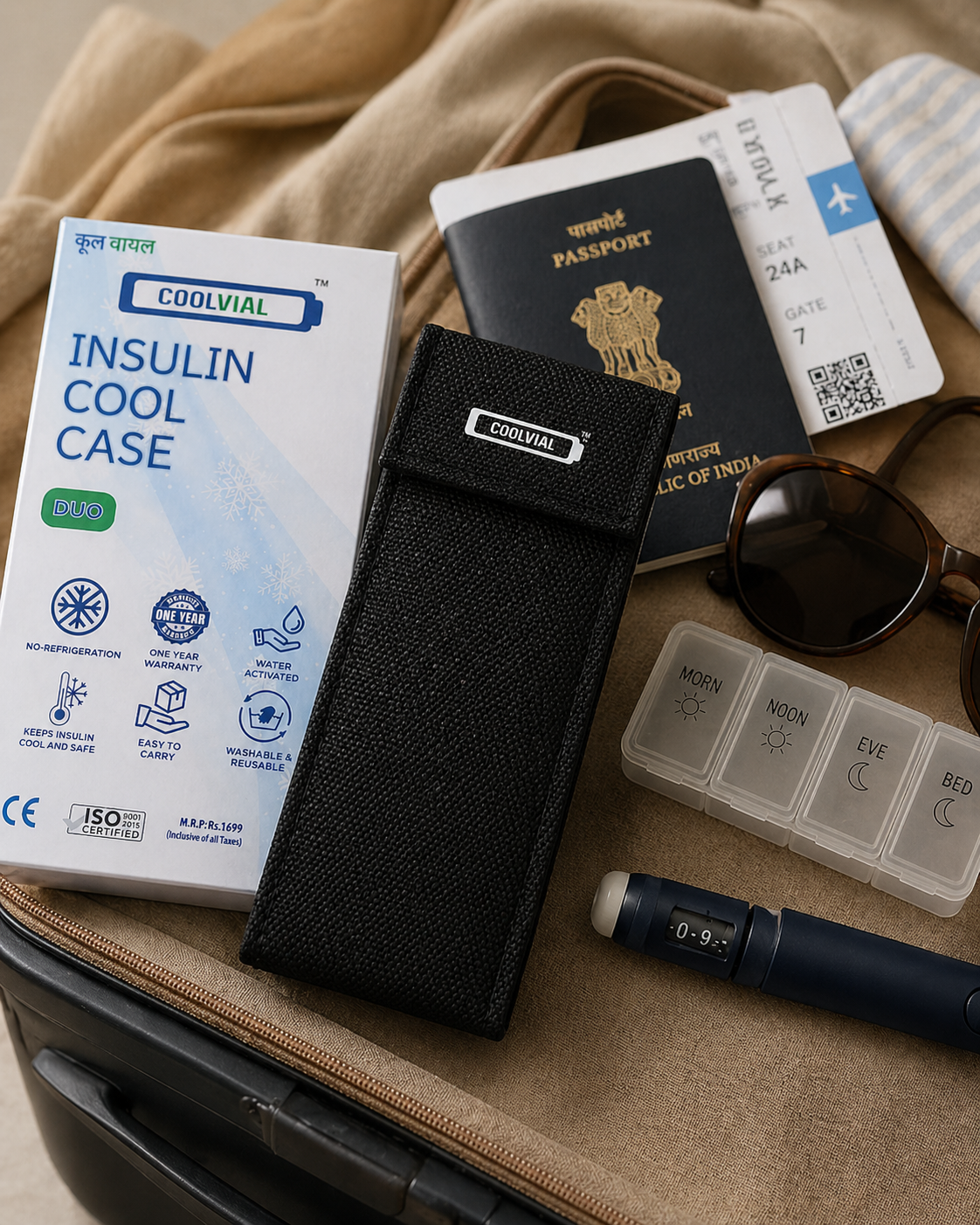
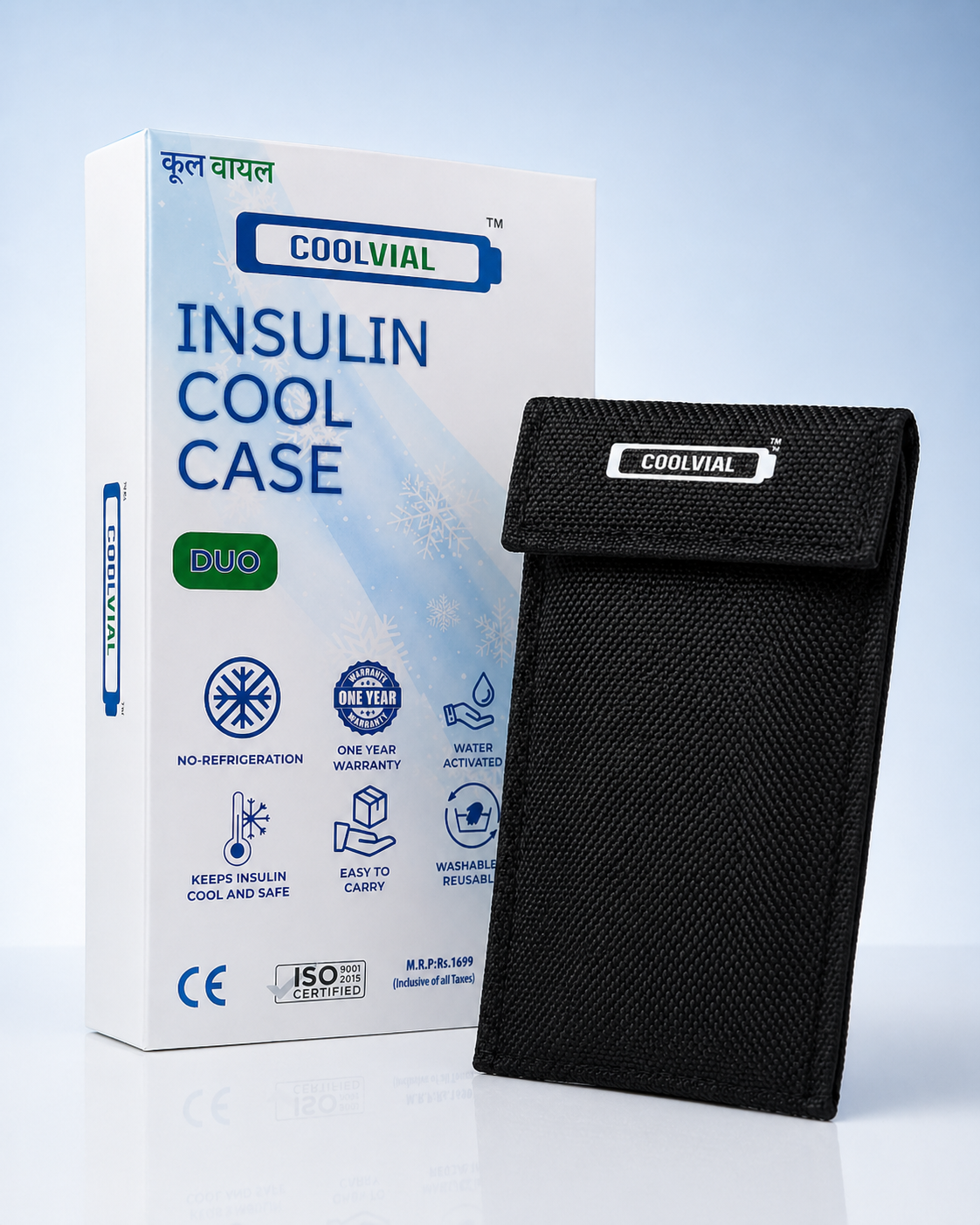
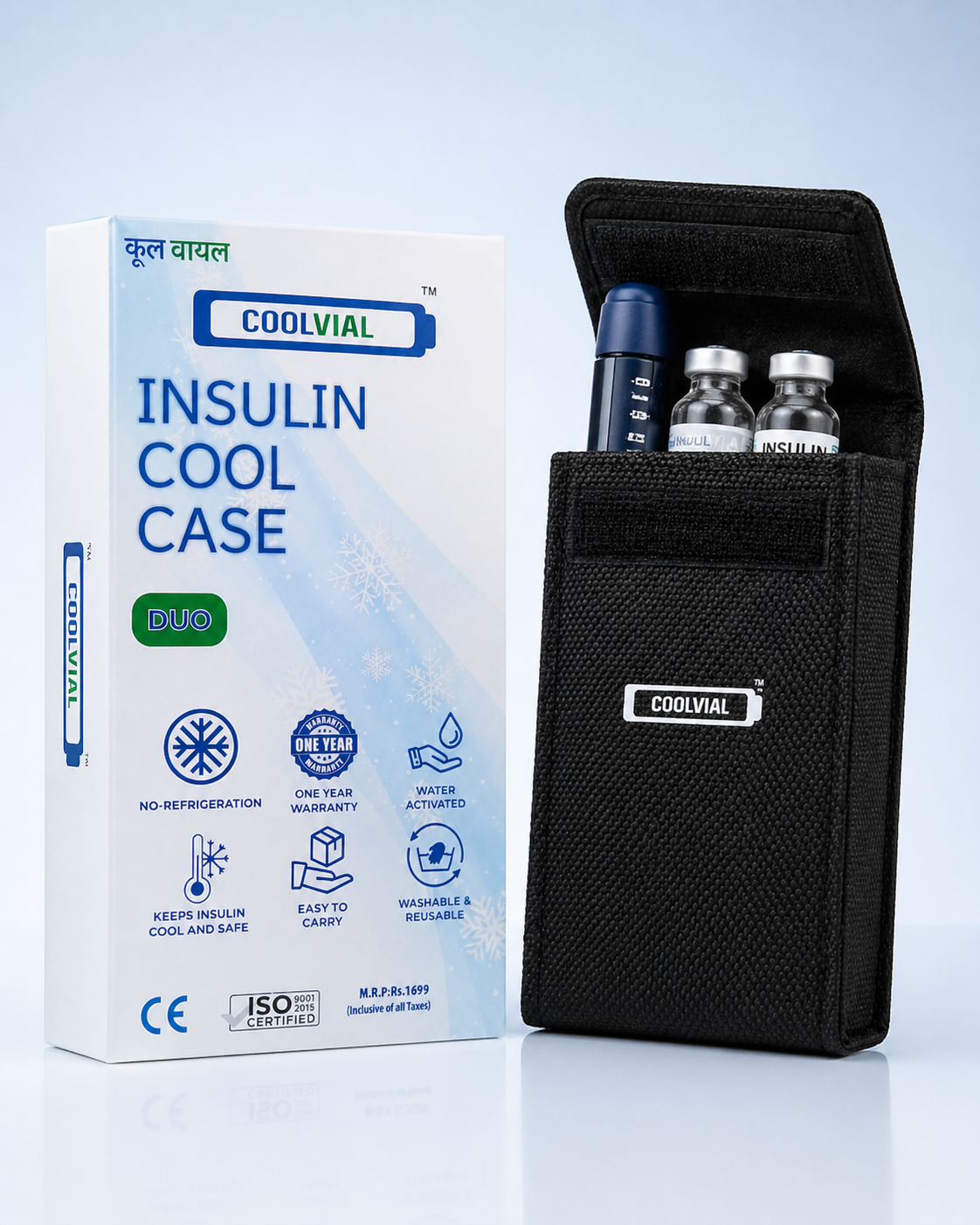
- Emergency Kit: Have a grab-and-go bag ready with at least a week’s supply of insulin, syringes/needles, blood glucose meter, test strips, and a cooling case like the COOLVIAL Duo. The COOLVIAL Duo holds 2 pens + 1 vial and keeps insulin cool for 12-16 hours without electricity, making it ideal for emergencies.
- Seek Higher Ground: If advised to evacuate, take your emergency insulin kit with you. Do not risk returning to a flooded area for medication.
Being prepared for the unique flood risks in Vijayawada monsoon insulin scenarios is not just prudent, it’s potentially life-saving.
Pharmacy Access & Transport Disruptions: Securing Your Supply
The monsoon rains in Vijayawada don’t just affect homes; they can severely disrupt transportation and, consequently, access to essential services like pharmacies. Heavy rainfall and waterlogging in key areas can make it challenging to reach your regular pharmacy, especially for urgent refills of Vijayawada monsoon insulin.
Impact on Pharmacy Access:
- Road Closures: Waterlogged roads, particularly around Benz Circle, MG Road, and Patamata, can become impassable, cutting off access to pharmacies like Apollo Pharmacy or MedPlus.
- Delivery Delays: Online pharmacy services like 1mg and even local pharmacy deliveries (e.g., from Heritage Medical & General Stores) can experience significant delays due to poor road conditions and reduced staff availability.
- Limited Stock: While less common, prolonged disruptions could theoretically lead to temporary stock issues for specific insulin types at smaller pharmacies.
Strategies for Ensuring Supply During Monsoon:
- Stock Up Responsibly: Maintain a slightly larger buffer stock of insulin (e.g., 2-4 weeks’ supply) during the monsoon months. Always check expiration dates.
- Diversify Pharmacy Options: Know the locations of multiple pharmacies, including larger chains like Apollo Pharmacy and MedPlus, and smaller local ones like Heritage, in different neighbourhoods.
- Emergency Contact: Keep contact numbers for your preferred pharmacies handy to check their operational status and delivery options.
- Utilize Cooling Cases: If you need to travel to a pharmacy in the rain, a reliable cooling case is essential. The COOLVIAL Duo can protect your insulin from both heat and some moisture during transit. For extended periods, consider a water-activated evaporative cooler like COOLVIAL.
This proactive approach ensures that even if monsoon disruptions affect your usual pharmacy routine, your vital Vijayawada monsoon insulin supply remains secure. For a complete guide to diabetes care in the city, check out our Complete Diabetes Care Guide for Vijayawada Residents — 2026 Edition.
Beyond the Fridge: Guarding Against Humid-Air Contamination
While keeping insulin refrigerated (2-8°C) is standard for unopened vials and pens, and keeping in-use insulin cool (below 30°C) is crucial, the high ambient humidity in Vijayawada can still pose a threat, even within the confines of a refrigerator. Refrigerators, especially older models or those frequently opened in humid conditions, can accumulate moisture. This humid-fridge-air can lead to condensation inside, creating a damp environment that can still affect insulin.
Humid-Fridge-Air Contamination Risks:
- Condensation: Frequent opening of the refrigerator door in a humid climate allows warm, moist air to enter, leading to condensation on colder surfaces, including insulin packaging.
- Mould/Mildew Inside Fridge: While rare for insulin itself, mould can grow on food items or seals within the fridge, potentially spreading spores.
- Label Deterioration: Dampness inside the fridge can still cause labels to peel or blur, making identification difficult.
Practical Steps to Combat Humid-Fridge-Air:
- Airtight Containers: Store your insulin pens and vials, even when refrigerated, in airtight, waterproof containers. Brands like Tupperware, Cello, and Borosil offer airtight containers that are widely available at local stores in Vijayawada. This acts as an additional barrier against moisture.
- Silica Gel Packs: Place small, food-safe silica gel packets within these airtight containers or near your insulin storage area in the fridge. Silica gel absorbs moisture, keeping the immediate environment dry. These are readily available at electronics stores, stationery shops, or online retailers like Amazon India with local delivery in Vijayawada.
- Minimize Fridge Opening: Try to open your refrigerator door as infrequently as possible and for the shortest duration.
- Regular Cleaning: Clean your refrigerator regularly, paying attention to seals and corners where moisture can accumulate.
- Use a Cooling Case for Active Use: For insulin currently in use, which doesn’t require refrigeration but needs to stay below 30°C, an evaporative cooling case like the COOLVIAL Duo is far superior to leaving it exposed to humid room air. It provides a stable, cool, and dry micro-environment.
Remember, the goal is to create a consistently dry and cool environment for your Vijayawada monsoon insulin, both inside and outside the refrigerator. For managing insulin temperature during non-monsoon heat, our guide on How to Store Insulin in Vijayawada Summer Heat — A Local’s Guide offers additional insights.
Your Monsoon Insulin Survival Kit: Essential Preparations for Vijayawada Diabetics
Being proactive is key to managing diabetes effectively during the Vijayawada monsoon. A well-prepared “Monsoon Insulin Survival Kit” can make all the difference, especially when faced with unexpected challenges like power cuts, waterlogging, or disruptions to pharmacy services.
Here’s a comprehensive checklist for your Vijayawada monsoon insulin preparation:
Monsoon-Prep Checklist for Diabetics:
1. Insulin & Supplies:
- Buffer Stock: At least 2-4 weeks’ extra supply of all your insulin types.
- Syringes/Needles: Sufficient quantity for your buffer insulin.
- Blood Glucose Meter & Strips: Ensure your meter is working, and you have enough test strips.
- Lancets: Extra supply for finger-pricking.
- Glucagon Kit: If prescribed, ensure it’s accessible and not expired.
- Emergency Sweets: Glucose tablets or candies for treating hypoglycemia.
2. Storage Solutions:
- Reliable Cooling Case: Invest in a water-activated evaporative cooling case like the COOLVIAL Duo. It’s CE certified, ISO 9001:2015 compliant, and keeps insulin cool for 12-16 hours without electricity. It’s an excellent alternative to bulky ice packs or unreliable power during outages.
- Airtight Containers: Several medium-sized, waterproof, airtight plastic containers (e.g., Tupperware, Cello) for storing insulin (both refrigerated and in-use) and other supplies.
- Silica Gel Packs: Purchase a good supply of reusable silica gel packets to absorb moisture.
- Waterproof Bags: Small, sealable waterproof bags for individual pens/vials within your cooling case or emergency kit.
3. Home Preparedness:
- Dehumidifier/Fans: Consider a small dehumidifier for particularly damp rooms or ensure good fan circulation.
- Elevated Storage: Identify high shelves or secure, elevated spots where you can move your insulin and supplies if flood warnings are issued.
- Emergency Contact List: Keep a printed list of your doctor, endocrinologist (e.g., at Manipal Hospitals Vijayawada), local emergency services, and pharmacies.
7 Essential Strategies for Protecting Your Vijayawada Monsoon Insulin from Humidity Damage
48+ hours at 2-8°C. No electricity. CE certified. Free delivery across India.
Order on WhatsApp — ₹1,099🛒 Buy Now — ₹1,0994. Personal Preparedness:
- Waterproof Bag/Backpack: A dedicated bag to keep your essential diabetes supplies, ready to go in case of evacuation.
- Power Bank: For charging your phone, which might be critical for communication or accessing health apps.
- Medical ID: Wear or carry a medical ID indicating you have diabetes.
By diligently following this checklist, you can significantly reduce the stress and risk associated with managing diabetes during the challenging Vijayawada monsoon.
Emergency Insulin Sourcing & Replacements in Vijayawada
Despite the best preparations, unforeseen circumstances can lead to damaged or lost insulin. Knowing where to source emergency insulin in Vijayawada is a critical part of your monsoon preparedness plan.
Where to Source Replacement Insulin in Vijayawada:
- Hospital Emergency Pharmacies:
- Manipal Hospitals Vijayawada: Their 24/7 in-house pharmacy is an excellent resource for emergency insulin, especially during widespread disruptions. Always call ahead if possible to confirm stock availability.
- Care Hospitals Vijayawada (NRT Nagar): Another reliable option with an emergency pharmacy.
- Andhra Hospitals (MG Road): A major hospital with pharmacy services that might be able to assist.
- Large Retail Pharmacy Chains:
- Apollo Pharmacy: With multiple branches across Vijayawada, including near Benz Circle and MG Road, they often have good stock levels.
- MedPlus: Another strong chain with a wide network.
- Local Pharmacies:
- Heritage Medical & General Stores: While delivery might be affected, their physical stores are important.
- 1mg/Generic Aadhaar: These services can be useful but might experience delivery delays during peak monsoon disruptions. It’s always best to have a physical location as a backup.
Important Considerations for Emergency Sourcing:
- Doctor’s Prescription: Always carry a copy of your insulin prescription. While emergency pharmacies might sometimes dispense life-saving medication without one, having it will streamline the process.
- Insulin Type: Be specific about the type of insulin (e.g., Humalog, Novorapid, Lantus, Tresiba) and concentration (U-100) you use.
- Cost: Be prepared for potential costs. Emergency pharmacies may not always offer the same discounts as your regular pharmacy.
- Transportation: Plan your route to the emergency pharmacy, considering potential waterlogging hotspots like Benz Circle or MG Road. If necessary, arrange for private transport that can navigate difficult conditions.
Having a robust plan for emergency Vijayawada monsoon insulin replacement is a cornerstone of responsible diabetes management in this climate.
Frequently Asked Questions (FAQ)
Q: Can insulin really go bad from humidity alone, even if it’s not hot? A: Yes, insulin can degrade from humidity even at moderate temperatures. High moisture compromises the insulin protein structure over time, reducing its potency and effectiveness.
Q: What are the visible signs that my insulin has been damaged by humidity? A: Visible signs of humidity damage to insulin include discolouration (cloudiness or change from clear to yellowish), clumping, or particles floating in the solution. For pens, the plastic might feel sticky or show moisture inside.
Q: Can I use a regular insulated lunch bag to store insulin during the monsoon? A: While an insulated lunch bag can offer some thermal protection, it typically doesn’t protect against humidity or provide active cooling for extended periods. A purpose-built, water-activated evaporative cooling case like the COOLVIAL Duo is far more effective for both temperature and humidity control.
Q: Where can I buy silica gel packets in Vijayawada? A: Silica gel packets are widely available in Vijayawada at electronics stores, stationery shops, hardware stores, and also through online retailers like Amazon India with local delivery. Look for food-grade or reusable options.
Q: What is the ideal temperature range for in-use insulin during Vijayawada’s monsoon? A: In-use insulin (after opening) should generally be stored at room temperature, ideally below 30°C, and away from direct sunlight and excessive humidity. The COOLVIAL Duo ensures it stays within this safe range for 12-16 hours.
Q: My insulin packaging got wet due to rain. Is the insulin still safe to use? A: If only the outer cardboard packaging got wet but the insulin pen or vial itself is sealed and shows no signs of moisture ingress, discolouration, or damage, it might be safe. However, inspect it very carefully for any signs of compromise before use. If in doubt, discard it and use a fresh one.
Q: How does the COOLVIAL Duo protect against humidity? A: The COOLVIAL Duo uses a water-activated evaporative cooling system that creates a cool and dry micro-environment around your insulin. The outer casing and inner pouch are designed to protect against external moisture while maintaining optimal temperature.
Q: Should I store my insulin in a plastic bag inside the refrigerator during monsoon? A: Yes, placing insulin pens and vials in a sealed, airtight plastic container or bag within the refrigerator is a good practice during monsoon. This adds an extra layer of protection against condensation and humid-fridge-air contamination.
Conclusion: Stay Prepared, Stay Safe
The Vijayawada monsoon brings its unique set of challenges for individuals managing diabetes, from the pervasive humidity and mould risks to the potential for flooding and transport disruptions. However, with thoughtful preparation and the right tools, you can safeguard your vital Vijayawada monsoon insulin and ensure your diabetes management remains on track. Prioritizing proper storage, creating an emergency kit, and knowing your local resources are not just recommendations; they are essential steps for your health and peace of mind.
Investing in reliable storage solutions like the COOLVIAL Duo can significantly ease the burden of monsoon preparedness. Its water-activated evaporative cooling technology offers a practical, electricity-free way to keep your insulin safe and potent for 12-16 hours, making it an indispensable companion for both daily use and emergencies. Don’t let the monsoon compromise your health.
Order COOLVIAL Duo at Rs 1,099 with code COOLHEAL — coolvial.com or WhatsApp wa.me/918766952300
Medical Disclaimer
This article is for general information purposes only and does not constitute medical advice. Always consult your endocrinologist or diabetologist before changing insulin storage or dosing practices, or for any concerns regarding your diabetes management.
Methodology Note
How We Researched This — Our content is developed based on a thorough review of guidelines from reputable sources such as the Research Society for the Study of Diabetes in India (RSSDI), data from the Indian Council of Medical Research (ICMR-INDIAB study) regarding diabetes prevalence and challenges, local Vijayawada hospital directories (Manipal Hospitals Vijayawada, Care Hospitals, Andhra Hospitals), and insights into pharmacy networks including Apollo Pharmacy and MedPlus. We also consider local climate data and historical weather patterns specific to Vijayawada to provide relevant, actionable advice for residents.