Reviewed by the COOLVIAL Editorial Team — specialists in insulin storage for Indian climate conditions.
For individuals managing diabetes with Basaglar (Biocon) insulin, proper storage is paramount, especially in India’s diverse and often challenging climate. Unopened Basaglar (Biocon) pens must be kept refrigerated at a temperature between 2-8°C. Once a pen is in use, it can be stored at room temperature, but strictly below 30°C, for a maximum of 28 days. Exceeding these temperature limits, particularly above 30°C, can lead to insulin spoilage, rendering it ineffective and potentially dangerous. This comprehensive guide will equip you with the essential knowledge and practical strategies for effective Basaglar (Biocon) storage in India, ensuring your insulin remains potent and safe, even amidst power cuts, travel, and extreme heat. We will explore core storage principles, address India-specific challenges, and provide actionable tips to protect your vital medication.
Table of Contents
- Why Basaglar (Biocon) Storage Matters Critically in India
- Understanding Insulin Storage: Core Concepts and Temperature Ranges
- The 7 Essential Rules for Basaglar (Biocon) Storage: A Practical Guide
- Navigating India’s Diverse Climate: Basaglar Storage Challenges & Solutions
- Safeguarding Your Basaglar: How COOLVIAL Offers a Reliable Storage Solution
- Frequently Asked Questions about Basaglar (Biocon) Storage in India
- Conclusion: Ensuring Safe Basaglar (Biocon) Storage for a Healthier Life
Why Basaglar (Biocon) Storage Matters Critically in India
Maintaining the integrity of Basaglar (Biocon) insulin is not merely a recommendation; it’s a critical aspect of diabetes management. Insulin is a protein-based medication, highly sensitive to temperature fluctuations. When exposed to temperatures outside its recommended range, especially above 30°C, its molecular structure can break down, reducing its effectiveness or even making it inert. This degradation means that even if you inject the prescribed dose, your blood sugar levels may not be adequately controlled, leading to hyperglycemia and potential long-term complications. For the 101 million people living with diabetes in India (Source: IDF Diabetes Atlas 2023), ensuring proper Basaglar (Biocon) storage is a daily necessity.
India’s geographical and climatic diversity presents unique challenges to insulin storage. From the scorching summers of Rajasthan and Delhi, where temperatures can soar above 45°C, to the humid coastal regions like Mumbai and Chennai, and the cooler, yet still fluctuating, climates of the Himalayan foothills, maintaining a consistent cool environment for insulin is a constant battle. The frequent power cuts experienced across many parts of India, sometimes lasting several hours daily during peak summer, further complicate matters, making reliable refrigeration a luxury rather than a given.
Consider the practical implications: a Basaglar (Biocon) pen left in a car during a summer day in Pune or Hyderabad can quickly reach temperatures that render it useless. A missed train connection in Uttar Pradesh or a long bus journey through Karnataka, without adequate cooling for your insulin, can jeopardize your health. These scenarios highlight why specific guidance on Basaglar (Biocon) storage in India is not just helpful but absolutely vital. The ICMR (Indian Council of Medical Research) also emphasizes the importance of proper medication storage in its guidelines for diabetes management, underscoring the national importance of this issue (Source: ICMR Guidelines for Diabetes). Without proper storage, the financial burden of replacing spoiled insulin, coupled with the health risks of ineffective treatment, can be substantial for Indian families.
Understanding Insulin Storage: Core Concepts and Temperature Ranges
Insulin, including Basaglar (Biocon), is a fragile biological product. Its efficacy is directly tied to its stability, which is highly dependent on temperature. Understanding the correct temperature ranges for both unopened and in-use insulin is fundamental to effective diabetes management.
Unopened Basaglar (Biocon) Storage
Before first use, Basaglar (Biocon) pens or vials should always be stored in a refrigerator. The ideal temperature range for this is between 2°C and 8°C. This is the standard cold chain requirement for most insulin products. Storing it below 2°C can lead to freezing, which denatures the protein and renders the insulin unusable. Similarly, temperatures above 8°C, even if still relatively cool, can gradually reduce its potency over time, shortening its shelf life.
In-Use Basaglar (Biocon) Storage
Once a Basaglar (Biocon) pen or vial is opened and put into use, the storage requirements change. It no longer needs to be refrigerated. Instead, it can be kept at room temperature, provided that this temperature does not exceed 30°C. The maximum duration for in-use storage is 28 days. After 28 days, even if there is insulin remaining, it must be discarded because its potency cannot be guaranteed. This 28-day rule applies regardless of whether the insulin has been continuously refrigerated or kept at room temperature after opening.
What Happens When Insulin Spoils?
When Basaglar (Biocon) is exposed to excessive heat (above 30°C) or freezing temperatures (below 2°C), it can spoil. Signs of spoilage include:
- Change in appearance: Clear insulin may become cloudy, develop particles, or change color. Basaglar is typically a clear, colorless solution. Any discoloration, turbidity, or presence of solid particles indicates spoilage.
- Reduced effectiveness: The most dangerous aspect of spoiled insulin is that it may look normal but has lost its potency. This means it won’t lower blood sugar effectively, leading to uncontrolled hyperglycemia.
- Odor: Though less common, some spoiled insulin might develop an unusual odor.
It is crucial to inspect your Basaglar (Biocon) before each use. If you suspect your insulin has been exposed to extreme temperatures or shows any signs of spoilage, it’s safer to discard it and use a new pen. Never try to “rescue” spoiled insulin.
Here’s a quick reference table for Basaglar (Biocon) storage temperatures:
The 7 Essential Rules for Basaglar (Biocon) Storage in India: A Practical Guide
Insulin at 2-8°C for 48+ hours. Trusted by 10,000+ Indian diabetics.
| Storage Status | Temperature Range | Duration |
|---|---|---|
| Unopened | 2°C to 8°C | Until expiration date printed on package |
| In-Use (Opened) | Up to 30°C (room temp) | Maximum 28 days (discard after 28 days) |
| Avoid | Below 2°C (freezing) | Denatures insulin, renders it unusable |
| Avoid | Above 30°C (excess heat) | Reduces potency, leads to spoilage |
This detailed understanding forms the basis for effective Basaglar (Biocon) storage in India.
The 7 Essential Rules for Basaglar (Biocon) Storage: A Practical Guide
Adhering to specific guidelines is crucial for safe Basaglar (Biocon) storage in India. These 7 rules are designed to help you protect your insulin from common challenges, particularly in the Indian environment.
-
Refrigerate Unopened Insulin Consistently: Always store your unopened Basaglar (Biocon) pens in a refrigerator, maintaining a steady temperature between 2°C and 8°C. Avoid storing it in the door compartment, as temperatures there can fluctuate more due to frequent opening. Place it towards the back of a middle shelf, away from the freezer compartment to prevent accidental freezing.
-
Monitor In-Use Insulin Temperature Carefully: Once you start using a Basaglar (Biocon) pen, it can be kept at room temperature, but this temperature must not exceed 30°C. In many Indian homes, especially during summer in cities like Nagpur or Ahmedabad, ambient temperatures can easily surpass this limit. Use a room thermometer to monitor the temperature of your storage area. If the room temperature consistently exceeds 30°C, you must find an alternative cooling solution.
-
Adhere Strictly to the 28-Day Rule: Regardless of where you store your in-use Basaglar (Biocon) (refrigerator or room temperature), it must be discarded 28 days after its first use. Mark the date of opening on the pen itself or in your diabetes diary. This rule is non-negotiable for ensuring the insulin’s potency.
-
Protect from Direct Sunlight and Heat Sources: Never expose Basaglar (Biocon) to direct sunlight, hot windowsills, or heat-emitting appliances like ovens, stoves, or even electronic devices. Even indirect heat can raise the insulin’s temperature quickly. Always keep it in a cool, dark place.
-
Avoid Freezing at All Costs: Freezing destroys insulin. Do not store Basaglar (Biocon) in the freezer compartment of your refrigerator, nor should you allow it to freeze in transit. If your insulin accidentally freezes, even partially, it must be discarded immediately.
-
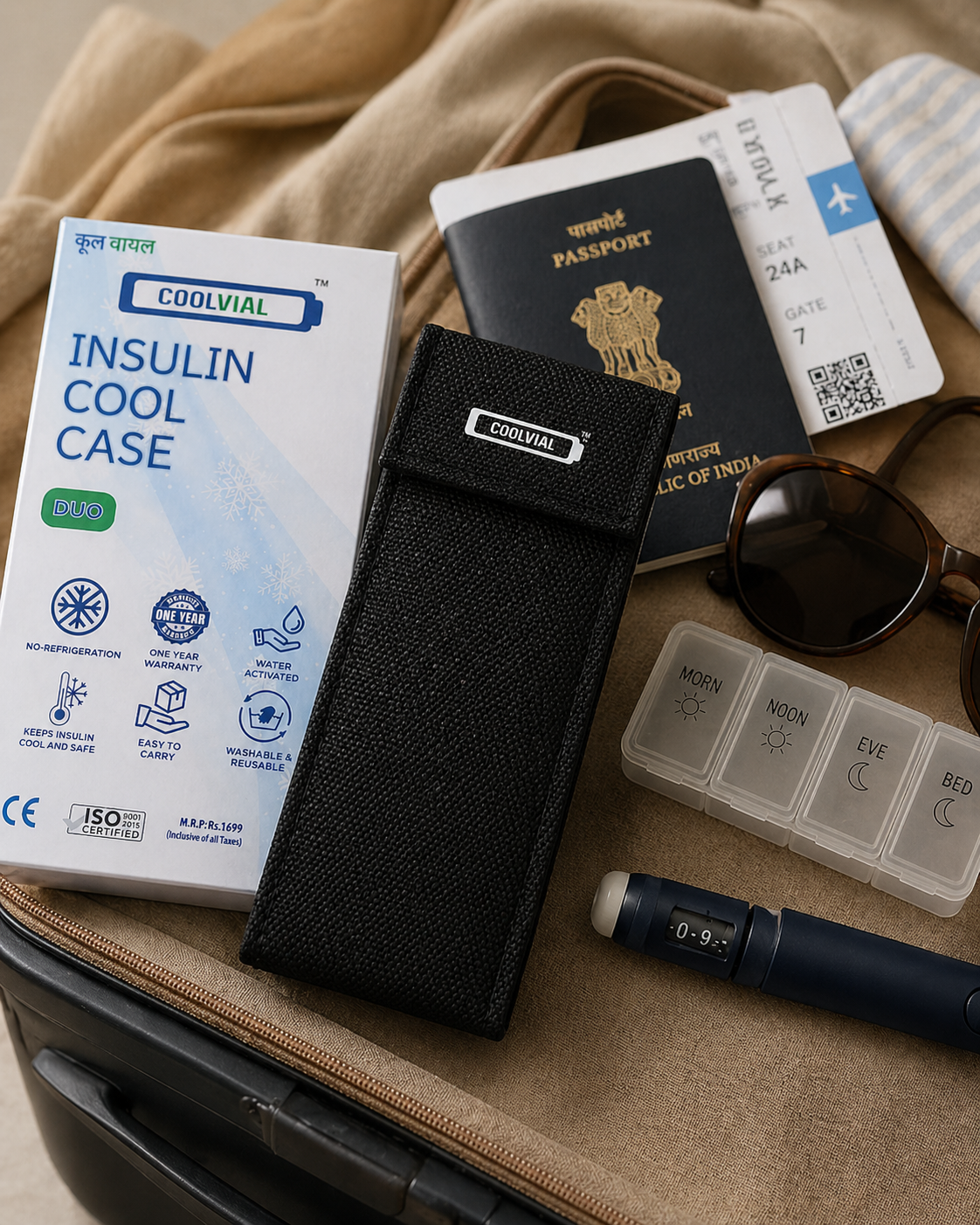
Travel Smart with Insulin Cool Cases: When traveling, whether by train from Delhi to Chennai or by car for a weekend trip to Goa, a reliable insulin cool case is indispensable. These cases are designed to maintain the optimal temperature range (typically 2-8°C or below 30°C, depending on the case type) for several hours, protecting your Basaglar (Biocon) from external heat. They are far superior to makeshift solutions like thermos flasks or simple ice packs, which can freeze or overheat the insulin.
-
Inspect Insulin Before Every Use: Before each injection, visually inspect your Basaglar (Biocon) pen or vial. It should be clear and colorless. If you notice any cloudiness, discoloration, or particles, or if you suspect it has been exposed to extreme temperatures, do not use it. Discard it safely and use a new pen. Your health depends on the integrity of your medication. Following these rules diligently will significantly improve the safety and efficacy of your Basaglar (Biocon) storage in India.
Navigating India’s Diverse Climate: Basaglar Storage Challenges & Solutions
India’s vast geographical expanse means a multitude of climatic conditions, each posing unique challenges to proper Basaglar (Biocon) storage in India. From the blistering dry heat of the North to the oppressive humidity of the coasts and the unpredictable monsoons, diabetics must adapt their storage strategies.
The Challenge of Extreme Heat (North & Central India)
Regions like Rajasthan, Uttar Pradesh, Madhya Pradesh, and Delhi experience severe summers, with daytime temperatures routinely exceeding 40°C, sometimes touching 48°C. In such conditions, keeping in-use Basaglar (Biocon) below 30°C is nearly impossible without active cooling. Even inside homes, ambient temperatures can quickly rise.
- Solution: During peak summer, a dedicated insulin cool case becomes essential for both unopened and in-use Basaglar. If relying on a refrigerator for unopened pens, ensure it’s well-maintained and has a stable power supply. For in-use pens, avoid leaving them out even for short periods.
The Challenge of High Humidity (Coastal & Northeastern India)
Coastal cities like Mumbai, Chennai, Kolkata, and parts of the Northeast experience high humidity along with significant temperatures. While humidity itself doesn’t directly degrade insulin, it can make it feel hotter, and the dampness can affect packaging or even the pen mechanism over time.
- Solution: Store Basaglar (Biocon) in airtight containers within your cool storage solution to protect it from moisture. Ensure any cool packs used are dry on the surface to prevent condensation from affecting the pen.
The Challenge of Power Cuts (Pan-India)
The 7 Essential Rules for Basaglar (Biocon) Storage in India: A Practical Guide
Insulin at 2-8°C for 48+ hours. Trusted by 10,000+ Indian diabetics.
Frequent and often unscheduled power cuts are a reality across India, especially in smaller towns and rural areas, but also affecting major cities during peak demand. Many regions experience frequent power cuts, sometimes lasting several hours daily, particularly during peak summer. This directly impacts refrigerator effectiveness.
- Solution: Have a backup plan. For unopened Basaglar (Biocon), a good quality cool case can maintain refrigeration temperatures for extended periods. For in-use pens, ensure they are stored in a cool case that can handle ambient temperatures above 30°C for the duration of the power cut. Consider power backup solutions for your refrigerator if feasible.
The Challenge of Travel (Pan-India)
Traveling for work, family visits, or festivals like Diwali or Eid is common. Whether by train (e.g., Duronto Express from Mumbai to Delhi), bus (e.g., KSRTC in Karnataka), or personal vehicle, maintaining a stable temperature for Basaglar (Biocon) is crucial. Luggage compartments can reach extreme temperatures.
- Solution: Always carry Basaglar (Biocon) in your hand luggage or with you in the passenger cabin. Use a reliable, portable insulin cool case designed for travel. Ensure the cool case has sufficient cooling duration for your entire journey, including potential delays.
The Challenge of Festivals and Social Gatherings
Indian festivals often involve travel, outdoor activities, and being away from home refrigeration for extended periods. The excitement and distraction can lead to oversight in insulin storage.
- Solution: Make Basaglar (Biocon) storage a non-negotiable part of your festival preparations. Use your cool case diligently. Inform family members or travel companions about your insulin storage needs so they can help you maintain vigilance.
By acknowledging these specific Indian conditions and implementing tailored solutions, individuals can ensure optimal Basaglar (Biocon) storage in India, safeguarding their health and peace of mind.
Safeguarding Your Basaglar: How COOLVIAL Offers a Reliable Storage Solution
In the face of India’s diverse and often challenging climate, finding a reliable solution for Basaglar (Biocon) storage is not just convenient, but a necessity. This is where products like the COOLVIAL insulin cool case step in, offering a practical and effective way to protect your vital medication.
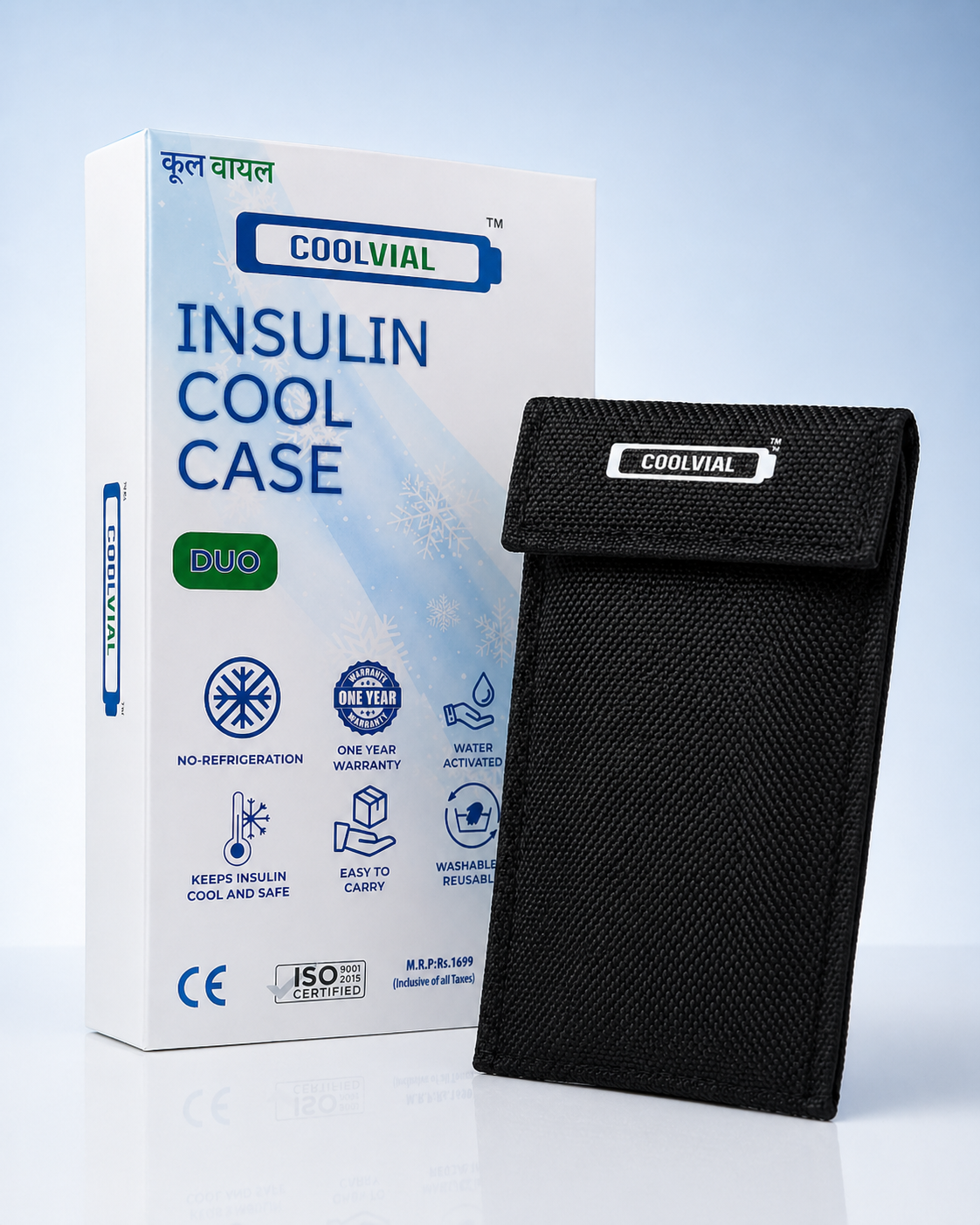
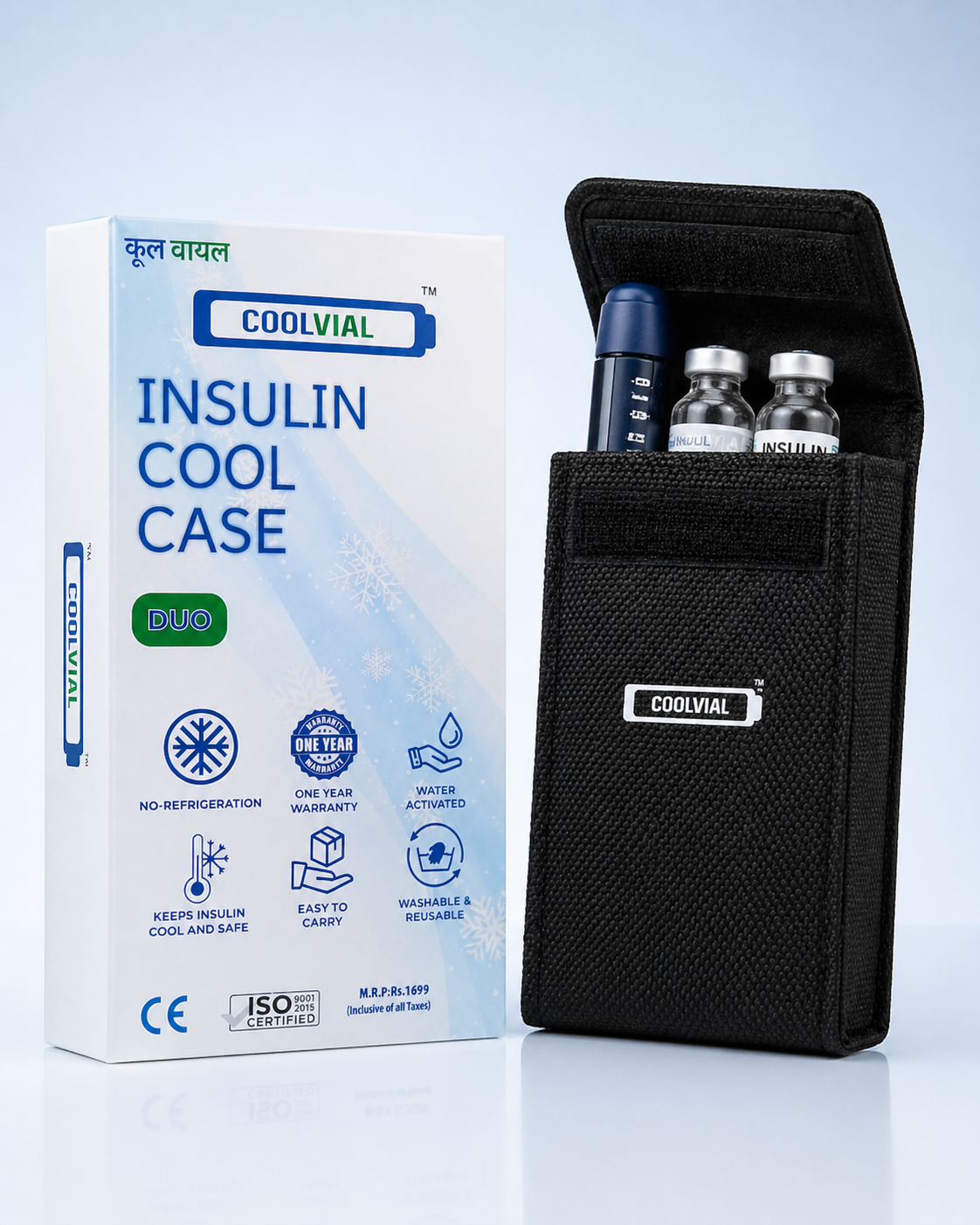
A COOLVIAL insulin cool case is specifically designed to maintain the required temperature range for insulin, making it an ideal companion for daily use, travel, and during power outages. Unlike simple ice packs that can freeze insulin or quickly lose their cooling capacity, COOLVIAL cases utilize advanced cooling technology to provide a stable, safe environment for your Basaglar (Biocon).
Key Benefits of Using a COOLVIAL Insulin Cool Case for Basaglar (Biocon) Storage:
- Temperature Stability: Engineered to keep insulin within the safe temperature range (typically 2-8°C for unopened, or below 30°C for in-use, depending on the model and external conditions) for extended periods. This is crucial when ambient temperatures in cities like Chennai or Jaipur soar.
- Protection from Fluctuations: It acts as a buffer against external heat and cold, preventing sudden temperature spikes that can degrade Basaglar (Biocon). This is particularly valuable during travel or unexpected power cuts.
- Portability: Designed to be compact and lightweight, COOLVIAL cases allow you to carry your Basaglar (Biocon) safely wherever you go. Whether commuting to work, attending a family function in Kerala, or embarking on a pilgrimage, your insulin is protected.
- Durability: Built to withstand daily use and the rigors of travel, ensuring your investment in insulin protection lasts.
- Peace of Mind: Knowing your Basaglar (Biocon) is stored correctly reduces anxiety and allows you to focus on living your life without constant worry about medication spoilage.
When considering options for Basaglar (Biocon) storage in India, particularly for those who travel frequently or live in areas prone to extreme weather and power fluctuations, a dedicated insulin cool case like COOLVIAL is an invaluable tool. It represents a smart investment in your health and the consistent efficacy of your diabetes treatment. You can learn more about how our product helps here: COOLVIAL insulin cool case.
Frequently Asked Questions about Basaglar (Biocon) Storage in India
Navigating insulin storage can raise many questions, especially with India’s unique environmental factors. Here are some common queries regarding Basaglar (Biocon) storage in India:
Q: What happens if my Basaglar (Biocon) gets too hot, say above 30°C, for a few hours? A: If Basaglar (Biocon) is exposed to temperatures above 30°C for several hours, its potency can be significantly reduced, even if it doesn’t show visible signs of spoilage. It’s best to err on the side of caution and discard the pen, using a new one to ensure effective blood sugar control.
Q: Can I store my opened Basaglar (Biocon) pen in the refrigerator to extend its life beyond 28 days? A: No. Once a Basaglar (Biocon) pen is opened, its stability changes, and it must be discarded after 28 days, regardless of whether it was stored at room temperature (below 30°C) or continuously refrigerated. The 28-day rule is a strict guideline for patient safety and medication efficacy.
Q: Is it safe to carry Basaglar (Biocon) in my checked luggage when flying within India? A: No, it is generally not safe to carry Basaglar (Biocon) in checked luggage. The cargo hold of an airplane can experience extreme temperature fluctuations, including freezing temperatures, which can render insulin unusable. Always carry your Basaglar (Biocon) in your carry-on luggage, preferably in a dedicated insulin cool case.
Q: What should I do with my Basaglar (Biocon) during a long power cut at home in summer? A: During a power cut, especially in summer, transfer your Basaglar (Biocon) (both unopened and in-use) into a reliable insulin cool case. These cases are designed to maintain safe temperatures for several hours to days, depending on the model. Avoid opening the refrigerator frequently, as this releases cold air.
Q: How can I tell if my Basaglar (Biocon) has gone bad without a thermometer? A: While a thermometer is ideal for prevention, look for visual cues. Basaglar (Biocon) should be clear and colorless. If it appears cloudy, discolored, or has any particles floating in it, it has likely spoiled and should not be used. If you suspect heat exposure, even without visual changes, it’s safer to discard it.
Conclusion: Ensuring Safe Basaglar (Biocon) Storage for a Healthier Life
Effective diabetes management with Basaglar (Biocon) insulin hinges significantly on proper storage, a challenge amplified by India’s diverse climate, frequent power cuts, and extensive travel. By diligently following the 7 essential rules outlined in this guide – from consistent refrigeration of unopened pens to meticulous temperature monitoring of in-use insulin and strict adherence to the 28-day rule – you can safeguard the potency and effectiveness of your medication.
Understanding the unique India-specific challenges, such as extreme heat in Delhi, humidity in Kolkata, and power fluctuations across states, empowers you to adopt tailored strategies. A reliable insulin cool case, like the COOLVIAL, emerges as an indispensable tool in this context, offering a secure and stable environment for your Basaglar (Biocon) wherever you are. This proactive approach to Basaglar (Biocon) storage in India is not just about preserving medicine; it’s about preserving your health and ensuring consistent blood sugar control.
Don’t let temperature fluctuations compromise your diabetes management. Take control of your insulin storage today. For a dependable solution that ensures your Basaglar (Biocon) remains safe and effective, consider getting a COOLVIAL insulin cool case. You can easily buy COOLVIAL at ₹1,099 by ordering via WhatsApp: wa.me/918766952300. Prioritize your health by securing your insulin with smart storage solutions. For more general insulin storage tips, visit our mission page.
The 7 Essential Rules for Basaglar (Biocon) Storage in India: A Practical Guide
Insulin at 2-8°C for 48+ hours. Trusted by 10,000+ Indian diabetics.