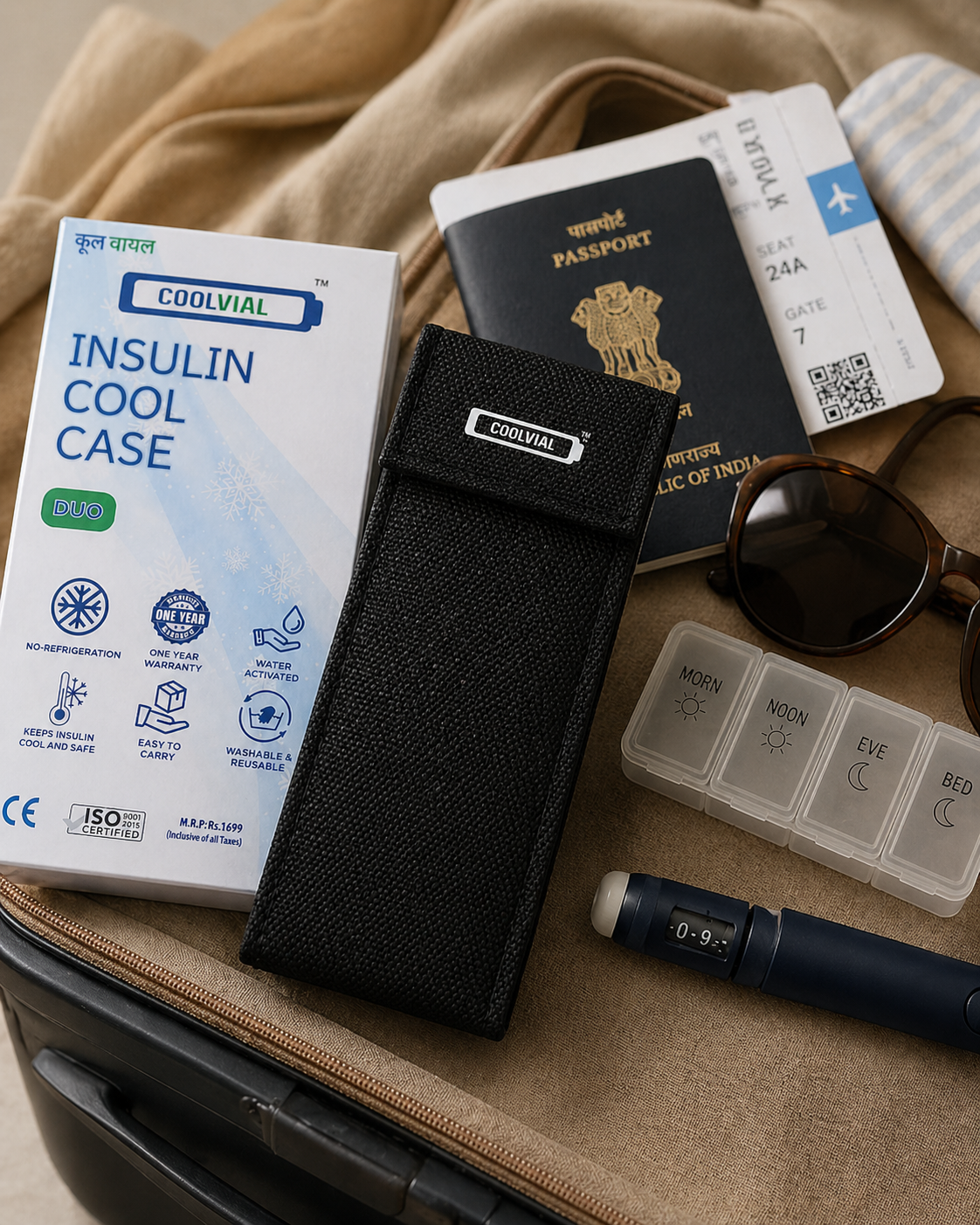
Reviewed by the COOLVIAL Editorial Team — specialists in insulin storage for Indian climate conditions.
Embarking on a trip to India’s breathtaking hill stations means preparing for crisp air, stunning vistas, and often, surprisingly cold temperatures. For individuals managing diabetes, carrying insulin to hill stations in India requires meticulous planning to ensure its efficacy, especially when facing cold-weather storage challenges. Insulin is a delicate medication; it must be kept between 2-8°C when refrigerated and below 25-30°C when in use, spoiling if frozen or exposed to high heat. A study highlighted by the WHO underscores the critical need for proper insulin management to prevent complications. This comprehensive guide will equip you with 10 essential tips, from understanding temperature sensitivities to choosing the right storage solutions, so you can enjoy your mountain escape without compromising your health. We’ll cover everything you need to know about cold-weather storage tips tailored specifically for Indian travel conditions, ensuring your insulin remains safe and effective.
Whether you’re planning an adventure to the snow-capped peaks of Himachal Pradesh or the misty hills of the Western Ghats, protecting your insulin from the cold is paramount. This article will provide invaluable insights into safe travel practices, highlighting India-specific considerations like varied climates, travel infrastructure, and the importance of reliable cool cases. By the end, you’ll be well-prepared to manage your insulin confidently, making your journey to India’s hill stations truly worry-free.
Table of Contents
- The Unique Challenges of Insulin Storage in India’s Hill Stations
- Understanding Insulin’s Temperature Needs: Core Concepts for Safe Travel
- 10 Practical Tips for Carrying Insulin to Hill Stations in India: Cold-Weather Storage Mastery
- Navigating India’s Diverse Climates and Travel Modes
- COOLVIAL: Your Reliable Partner for Carrying Insulin to Hill Stations in India
- Frequently Asked Questions About Insulin Cold Storage for Indian Travelers
- Conclusion: Travel Smart, Live Well
The Unique Challenges of Insulin Storage in India’s Hill Stations
Traveling to India’s hill stations offers unparalleled beauty, but it also presents distinct challenges for insulin users. The primary concern is protecting insulin from freezing temperatures, which can render it ineffective. Unlike heat damage, which often causes visible changes, frozen insulin might appear normal but will have lost its potency, leading to dangerously high blood sugar levels. This makes carrying insulin to hill stations in India coldweather storage tips absolutely critical.
- Extreme Temperature Fluctuations: Hill stations like Shimla, Manali, Darjeeling, and Ooty experience significant day-night temperature variations. While days might be pleasantly cool, nights can drop dramatically, often dipping below freezing point, especially from late autumn to early spring. Even popular destinations like Munnar in Kerala, known for its mild climate, can see temperatures fall to single digits during winter.
- Unpredictable Weather: Mountain weather is notoriously fickle. A sunny morning can quickly turn into a snowy or rainy afternoon, bringing sudden drops in temperature. This unpredictability necessitates constant vigilance and robust storage solutions for insulin.
- Remote Locations and Infrastructure: Many enchanting hill stations are in remote areas with limited access to reliable electricity. This can mean intermittent power supply, making it difficult to rely on standard refrigeration for unopened insulin vials. Approximately 78% of Indian households in rural areas face daily power cuts, which can extend to smaller towns in hilly regions (Source: India’s Ministry of Power reports).
- Impact of Freezing: When insulin freezes, its protein structure breaks down, permanently altering its efficacy. Even if it thaws and appears clear, its ability to lower blood sugar is severely compromised. This loss of potency can lead to hyperglycemia, which is dangerous, especially when medical help might be less accessible in remote mountainous regions.
Understanding these specific challenges is the first step towards ensuring safe and effective insulin management during your travel. It’s not just about keeping insulin cool in summer; it’s equally about preventing it from freezing solid in the colder climes of India’s beautiful mountains.
Understanding Insulin’s Temperature Needs: Core Concepts for Safe Travel
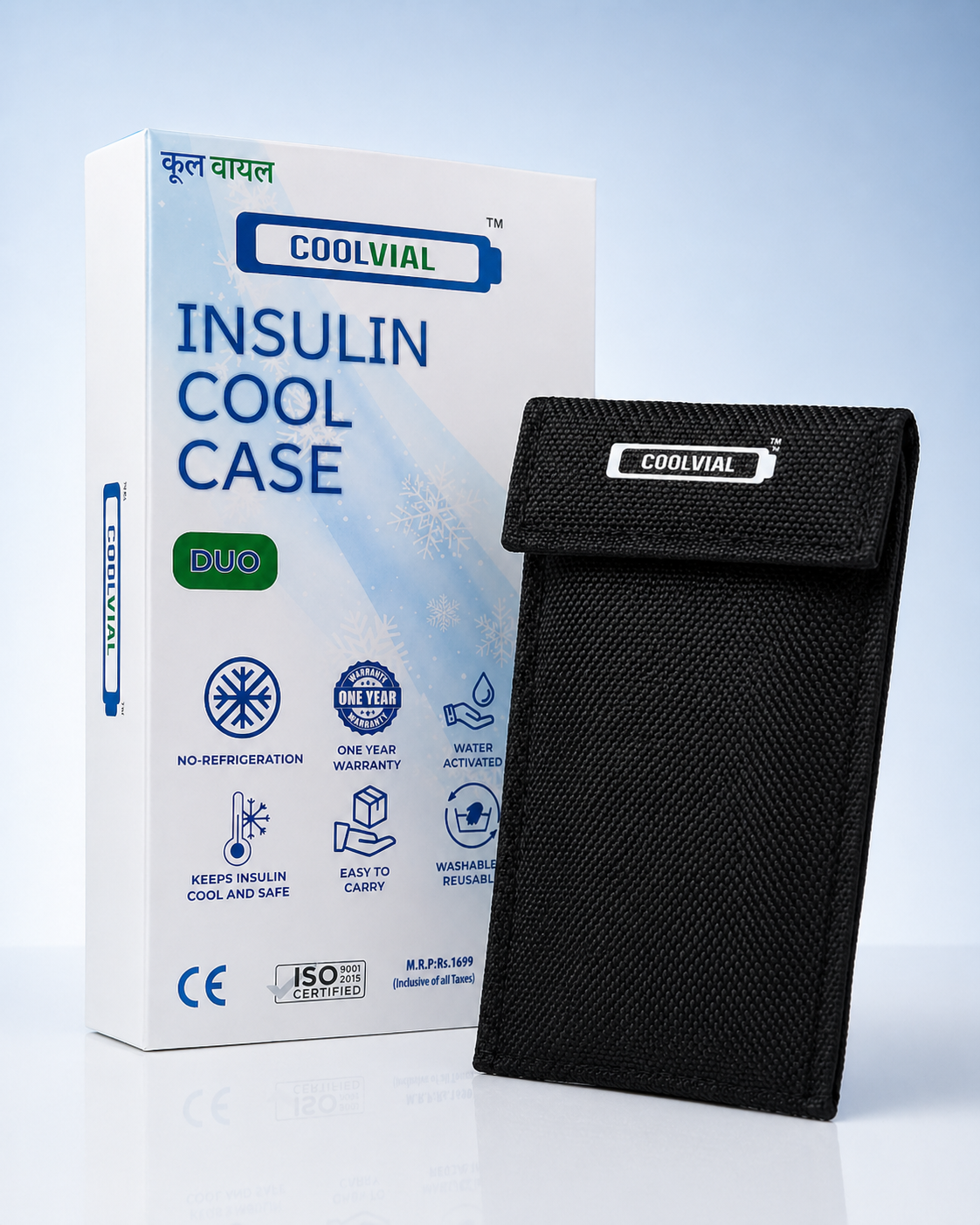
Insulin is a life-saving medication, but its stability is highly dependent on proper temperature management. Knowing the precise temperature ranges and how to identify compromised insulin is fundamental for anyone carrying insulin to hill stations in India coldweather storage tips. This knowledge empowers you to make informed decisions and protect your health.
Ideal Storage Temperatures for Insulin
Insulin comes with specific storage guidelines to maintain its potency. Adhering to these is crucial, whether at home or while traveling.
- Unopened Insulin: Vials, pens, or cartridges that have not yet been used should be stored in a refrigerator, ideally at temperatures between 2°C and 8°C (36°F and 46°F). This ensures maximum shelf life, typically until the expiry date printed on the packaging. Never store unopened insulin in the freezer; it will be damaged.
- Opened/In-use Insulin: Once an insulin vial, pen, or cartridge has been opened or punctured, it should be stored at room temperature, generally below 25-30°C (77-86°F), and away from direct light or extreme temperatures. Most manufacturers recommend discarding opened insulin after 28 days (four weeks), regardless of how much is left. Some specific insulin pens might have slightly different guidelines, extending to 42 days (six weeks), so always check your specific insulin’s leaflet.
- The Danger Zone:
- Above 30°C: Insulin begins to degrade rapidly, losing its effectiveness. This is more common in India’s plains but can still occur in hill stations during warmer periods or if left in a hot car.
- Below 0°C (Freezing): This is the primary concern for hill station travel. Freezing destroys insulin’s protein structure, rendering it useless. Even if it thaws and looks normal, it will not work effectively.
Recognizing Damaged Insulin
It’s vital to be able to identify if your insulin has been compromised, as using damaged insulin can lead to dangerously high blood sugar levels.
- Cloudiness or Discoloration: Clear insulin (e.g., rapid-acting or long-acting analogs) should always remain clear. If it appears cloudy, discolored, or has particles floating in it, it may be damaged. NPH insulin, which is naturally cloudy, should be uniformly cloudy without clumps or crystals.
- Clumps, Crystals, or “Frost”: The presence of any solid particles, especially after exposure to cold, is a clear sign of damage. If your insulin has frozen, you might notice a “frosted” appearance or tiny crystals within the solution even after it thaws.
- Changes in Texture: Insulin should be a smooth liquid. If it becomes gritty, sticky, or changes consistency, it’s likely compromised.
Always err on the side of caution. If you suspect your insulin might be damaged due to temperature exposure, it’s safer to discard it and use a fresh supply. Your health and blood sugar control depend on potent insulin.
Here’s a quick reference table for insulin storage:
| Storage Type | Temperature Range (approx.) | Condition | Duration | Key Caution |
|---|---|---|---|---|
| Unopened Insulin | 2°C to 8°C (36°F to 46°F) | Refrigerated, away from freezer compartment | Until expiry date (on packaging) | NEVER freeze. |
| Opened/In-use Pen/Vial | Below 25-30°C (77-86°F) | Room temperature, away from direct sunlight | 28 days (or 42 days for some products) | Avoid direct sunlight, extreme heat, or cold. |
| Damaged Insulin | Below 0°C (Freezing) | Frozen and thawed | Immediately compromised | Discard immediately, even if it looks normal. |
| Damaged Insulin | Above 30°C (Hot) | Exposed to high heat | Potency degrades rapidly | Discard if exposed for prolonged periods. |
10 Practical Tips for Carrying Insulin to Hill Stations in India: Cold-Weather Storage Mastery
Successfully carrying insulin to hill stations in India requires proactive measures and smart packing. These practical tips will help you navigate the cold climates of places like Leh, Gangtok, or Coorg, ensuring your insulin remains effective throughout your trip.
- Consult Your Doctor Before Travel: Always discuss your travel plans with your endocrinologist or primary care physician. They can provide personalized advice, adjust your dosage schedule if needed (especially for time zone changes or increased activity), and provide a letter explaining your medical condition and the need for insulin, syringes, and other supplies. This can be invaluable, especially at airports or security checkpoints.
- Pack Insulin in Hand Luggage Only: Never check your insulin in your checked baggage. The cargo hold of planes can experience extreme temperature fluctuations, often dropping below freezing, which will damage your insulin. Always keep your insulin, pens, vials, and syringes with you in your carry-on bag. This also protects against lost luggage.
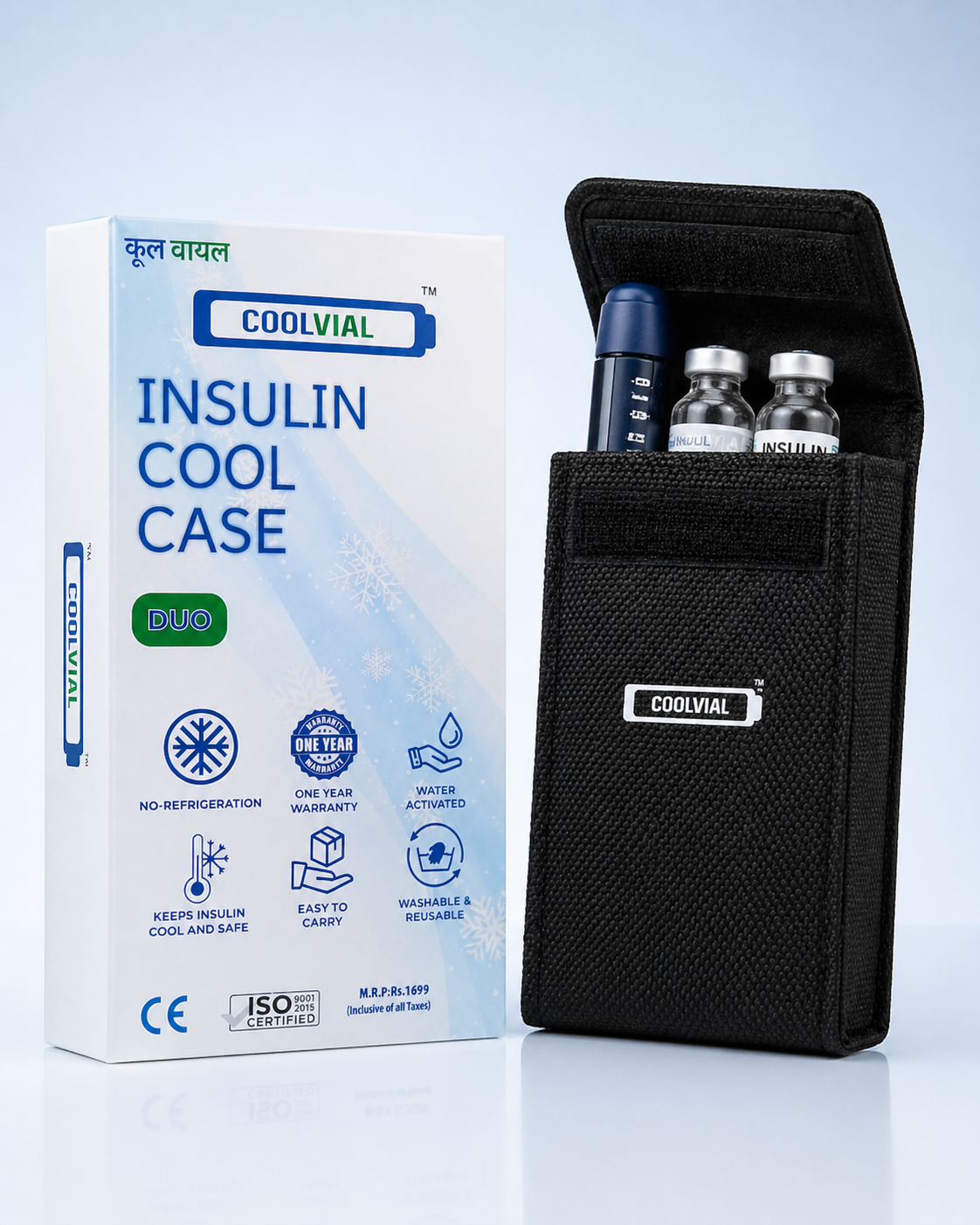
- Utilize an Insulated Cool Case Designed for Insulin: This is perhaps the most critical tip for cold-weather storage. A high-quality insulated case is essential. While it’s called a “cool case,” it works by creating a stable microclimate, protecting insulin not just from heat but also from extreme cold. Brands like COOLVIAL offer excellent solutions specifically designed for this purpose. A reliable COOLVIAL insulin cool case can maintain insulin at a safe temperature range, preventing both freezing and overheating.
- Protect from Direct Contact with Freezing Elements: If using gel packs or ice packs in your cool case, ensure they are not directly touching your insulin. Wrap them in a cloth or use a case with separate compartments to prevent direct freezing. In very cold environments, you might even consider using your cool case to insulate against the cold, rather than just cooling.
- Layer Your Insulin Storage: Think of layers. Place your insulin inside its original box, then inside a small insulated pouch, which then goes into your main cool case. This multi-layered approach provides additional thermal protection against the cold.
- Monitor Local Temperatures and Forecasts: Stay updated on the weather forecast for your destination. If temperatures are expected to drop significantly below freezing, take extra precautions, such as keeping your insulin close to your body or using hand warmers (indirectly) in your insulated case for short periods if absolutely necessary.
- Carry Backup Supplies: Always pack more insulin, syringes, and testing supplies than you anticipate needing. Delays, extended stays, or damaged supplies can happen. A good rule of thumb is to carry 1.5 to 2 times your usual supply.
- Check Expiry Dates and Vial Integrity: Before packing, double-check the expiry dates of all your insulin. Inspect vials and pens for any cracks or damage. Only travel with fresh, undamaged supplies.
- Keep Insulin Close to Your Body in Extreme Cold: In very severe cold, such as during a trek in Ladakh or Spiti Valley, the best way to protect insulin from freezing might be to keep it in an inner pocket close to your body heat. This is a temporary measure and should be combined with an insulated case.
- Be Aware of Your Surroundings: Avoid leaving your insulin in unheated vehicles overnight, by a drafty window, or directly exposed to cold air in your hotel room. If your room is very cold, consider keeping your insulin in a drawer or cupboard that offers better insulation.
By diligently following these cold-weather storage tips, you can ensure that carrying insulin to hill stations in India is a safe and manageable part of your adventure.
Navigating India’s Diverse Climates and Travel Modes
India’s geography offers an incredible spectrum of climates, making tailored insulin storage solutions essential. From the freezing peaks of the Himalayas to the relatively mild chills of the Nilgiris, understanding regional nuances and common travel modes is key to successful insulin management.
- North Indian Hill Stations (Himalayan Belt): Regions like Jammu & Kashmir (Srinagar, Gulmarg), Himachal Pradesh (Manali, Shimla, Dharamshala), Uttarakhand (Mussoorie, Nainital, Auli), and parts of Sikkim and Arunachal Pradesh experience severe winters with frequent snowfall and sub-zero temperatures. Here, the primary challenge is preventing insulin from freezing. Daytime temperatures might rise above freezing, but nights can be harsh.
- Specific Challenge: Prolonged exposure to temperatures well below 0°C.
- Tip: Prioritize highly insulated cases and body warmth for short-term protection.
- South Indian Hill Stations (Western and Eastern Ghats): Destinations like Ooty, Kodaikanal, Munnar, Coorg, and Wayanad generally have milder winters compared to the north. However, temperatures can still drop to 5-10°C during winter nights and early mornings, which, while not freezing, requires protection against prolonged chill and dampness.
- Specific Challenge: Cold, damp conditions; risk of chilling rather than hard freezing.
- Tip: Good insulation is still necessary to maintain a stable temperature range, preventing insulin from getting too cold or experiencing rapid temperature swings.
- Travel by Train and Bus: These are common modes of long-distance travel in India, especially to reach hill stations.
- Trains: While AC coaches maintain a regulated temperature, non-AC coaches can be highly variable. During winter, open windows or poor insulation can expose insulin to cold drafts. Keep your insulin in your carry-on, preferably in an insulated case, and avoid placing it near windows or under direct vents.
- Buses: Similar to trains, temperature control can be inconsistent. Overnight bus journeys, particularly through mountain passes, can expose luggage to very cold conditions. Always keep your insulin with you, ideally in an inner pocket or well-insulated bag, rather than in overhead compartments or the luggage hold.
- Power Cuts in Remote Areas: Even in popular hill stations, power outages can be common, especially during peak tourist season or adverse weather. This means relying on hotel refrigerators for unopened insulin might be risky if power is intermittent.
- Tip: Always have a robust personal storage solution. If a fridge is unreliable, your insulated cool case becomes even more vital for maintaining a stable environment for your insulin.
- Festivals and Peak Season: Traveling during festivals like Diwali or Christmas, or during school holidays, means crowded trains, buses, and hotels. This can add stress and make it harder to manage delicate items like insulin.
- Tip: Plan ahead, book accommodations with reliable facilities, and ensure your insulin storage is self-sufficient.
By considering these India-specific contexts, you can better prepare for carrying insulin to hill stations in India coldweather storage tips and ensure a smooth, healthy journey.
COOLVIAL: Your Reliable Partner for Carrying Insulin to Hill Stations in India
When it comes to the crucial task of carrying insulin to hill stations in India, having a dependable storage solution is not just a convenience—it’s