Reviewed by the COOLVIAL Editorial Team — specialists in insulin storage for Indian climate conditions.
Managing diabetes in India, a nation with over 101 million diabetics in 2023 (Source: International Diabetes Federation), requires meticulous attention to every detail, especially regarding medication storage. One of the most critical aspects for individuals relying on insulin is ensuring their life-saving medication remains at the correct temperature. Insulin, a protein, is highly sensitive to temperature fluctuations; it must be stored between 2-8°C when unused and typically below 30°C (often 15-25°C) once opened, as recommended by WHO guidelines. Failing to maintain these specific temperature ranges can lead to insulin degradation, rendering it ineffective and potentially causing serious health complications. This is why choosing CE-certified insulin coolers in India is not just a preference but a critical necessity. This article will explore 5 critical reasons why CE certification matters, guiding you through the essential factors to consider before investing in an insulin cool case, especially in India’s diverse and often challenging climate.
Table of Contents
- The Critical Challenge: Why Insulin Storage Matters So Much in India
- Understanding Insulin Storage Science and CE Certification
- Practical Tips for Choosing and Using Your CE-Certified Insulin Cooler
- Navigating India’s Diverse Climate with Confidence
- COOLVIAL: Your Trusted Partner for CE-Certified Insulin Coolers in India
- Frequently Asked Questions About Insulin Coolers
- Conclusion: Empowering Your Diabetes Management with Confidence
The Critical Challenge: Why Insulin Storage Matters So Much in India
India presents a unique set of challenges for individuals managing diabetes and relying on insulin. The subcontinent’s vast geographical expanse means a wide range of climatic conditions, from the scorching summers of Rajasthan and Uttar Pradesh, where temperatures can soar above 45°C, to the humid coastal regions of Mumbai, Chennai, and Kolkata. These extreme temperatures are a direct threat to insulin’s efficacy. Insulin is a delicate protein that begins to degrade rapidly when exposed to temperatures above 30°C. This degradation can reduce its potency, meaning the insulin might not lower blood sugar levels as effectively, leading to unpredictable glucose control and potentially severe health risks for the patient.
Beyond the ambient heat, inconsistent infrastructure adds another layer of complexity. Many regions across India, particularly rural areas and even some urban fringes, experience frequent and prolonged power cuts. A household refrigerator, the standard storage method for unopened insulin, becomes unreliable during these outages. Imagine a power cut lasting several hours during a peak summer afternoon in Nagpur or Bhopal; the internal temperature of a refrigerator can quickly rise, compromising the entire stock of insulin. This unpredictable access to consistent refrigeration underscores the urgent need for robust, reliable, and portable cooling solutions.
Moreover, the Indian lifestyle often involves significant travel. Whether it’s daily commutes in crowded public transport in Delhi, long-distance train journeys across states, or bus travel to ancestral villages for festivals like Diwali or Eid, diabetics need a solution that can keep their insulin safe on the go. Traditional methods like ice packs can be cumbersome, messy, and offer inconsistent cooling, often exposing insulin to freezing temperatures, which is equally detrimental. The lack of awareness about proper insulin storage practices among a significant portion of the population further exacerbates the problem, leading to medication spoilage and ineffective treatment outcomes.
The health implications of improperly stored insulin are profound. Reduced potency can lead to hyperglycemia (high blood sugar), which, if left unmanaged, can result in acute complications like diabetic ketoacidosis and long-term issues such as nerve damage, kidney disease, and vision loss. For a country like India, where diabetes prevalence is high, ensuring access to reliable insulin storage solutions is not just about convenience; it is a matter of public health. This is precisely why the selection of a high-quality, CE-certified insulin cooler in India becomes a non-negotiable step in effective diabetes management.
Understanding Insulin Storage Science and CE Certification
To appreciate why CE-certified insulin coolers in India are so crucial, it’s essential to understand the science behind insulin storage and what CE certification truly signifies. Insulin is a polypeptide hormone, meaning it’s a complex protein molecule. Like many proteins, its three-dimensional structure is vital for its biological activity. Exposure to extreme temperatures, both hot and cold, can alter this structure, a process known as denaturation. Denatured insulin loses its ability to bind effectively to receptors, rendering it less potent or even completely inactive.
Key Temperature Ranges for Insulin Storage:
"Finally a cooler that works in Indian summers. Insulin stayed perfect during a 3-day power cut." — Ramesh, Chennai
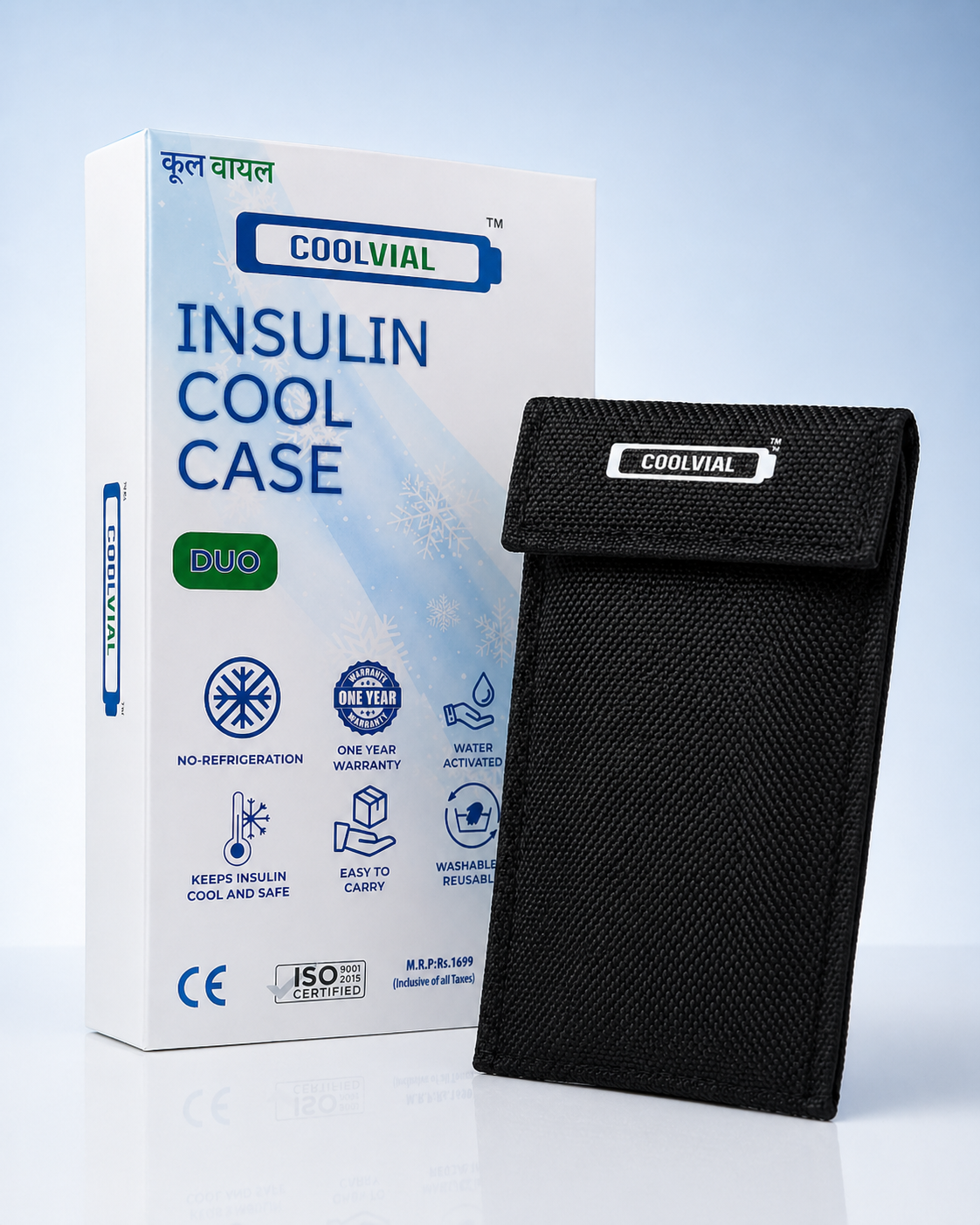
5 Critical Reasons: Why CE-Certified Insulin Coolers in India Matter Before You Buy
CE Certified · Free Delivery · 1-Year Warranty · Made for India
📲 Buy on WhatsApp — ₹1,099🛒 Buy Now — ₹1,099| Insulin State | Recommended Temperature Range | Risk of Spoilage Above | Risk of Spoilage Below |
|---|---|---|---|
| Unopened (Fridge) | 2°C - 8°C | 8°C | 0°C (Freezing) |
| Opened (Room Temp) | 15°C - 25°C | 30°C | 15°C (if not intended) |
Source: WHO guidelines and insulin manufacturer instructions.
Unopened insulin vials and pens should ideally be stored in a refrigerator at 2-8°C. Once opened, most insulin types can be kept at room temperature (typically below 25-30°C) for up to 28 days or sometimes longer, depending on the specific product. However, India’s ambient temperatures often exceed this “room temperature” threshold, especially during summer months in cities like Ahmedabad, Hyderabad, or Jaipur. This makes reliance on ambient room temperature storage risky and highlights the need for a portable cooling solution. Freezing insulin is equally damaging, as it can cause the protein to aggregate and lose its effectiveness. A good insulin cooler must therefore prevent both overheating and freezing.
What is CE Certification?
CE stands for “Conformité Européenne,” which means “European Conformity.” It is a mandatory conformity marking for products placed on the market in the European Economic Area (EEA). While India has its own regulatory bodies like the Central Drugs Standard Control Organisation (CDSCO), CE certification is widely recognized globally as a strong indicator of a product’s compliance with stringent health, safety, and environmental protection standards. For medical devices, including insulin coolers, CE marking signifies that the product has undergone a thorough assessment process and meets the essential requirements of relevant European Union directives.
Why CE Certification is Important for Insulin Coolers:
- Safety: CE certification ensures the device is safe to use, with no hazardous materials, electrical risks (for powered coolers), or mechanical failures that could harm the user or the medication.
- Performance: It verifies that the cooler performs its intended function reliably. For an insulin cooler, this means consistently maintaining the specified temperature range (e.g., 2-8°C or below 25°C) under various environmental conditions, including high ambient temperatures. This is crucial for CE-certified insulin coolers in India, where performance under extreme heat is paramount.
- Quality Control: The certification process often involves assessments of the manufacturing process, ensuring consistent quality and adherence to design specifications. This means a CE-certified product is less likely to have manufacturing defects.
- Traceability and Documentation: Manufacturers must maintain technical documentation demonstrating conformity, which aids in product traceability and accountability. This transparency is a hallmark of reliable medical devices.
- Risk Management: CE marking often requires manufacturers to identify and mitigate potential risks associated with the product’s use. This proactive approach ensures a safer and more dependable device for managing sensitive medications.
In a market flooded with various cooling solutions, some of which may not be specifically designed for medical use or meet rigorous standards, opting for CE-certified insulin coolers in India provides a crucial layer of assurance. It tells you that an independent, reputable body has verified the product’s claims regarding safety and performance, making it a trustworthy choice for protecting your vital insulin.
Practical Tips for Choosing and Using Your CE-Certified Insulin Cooler
Selecting the right CE-certified insulin cooler in India involves more than just picking the first available option. Given the country’s unique challenges, a thoughtful approach can make a significant difference in your diabetes management. Here are some practical tips to guide your decision and ensure optimal use:
1. Assess Your Specific Needs:
- Capacity: How much insulin do you typically carry? Do you need space for vials, pens, or both? Consider your daily dose and how long you might be away from a stable refrigeration source. Some coolers hold a single pen, while others can accommodate multiple vials and pens.
- Duration of Cooling: How long do you need the insulin to stay cool without external power? Some cool cases provide 12-24 hours of cooling, while advanced thermoelectric models offer continuous cooling as long as they have a power source. For long train journeys from Delhi to Chennai or bus travel across Maharashtra, extended cooling duration is vital.
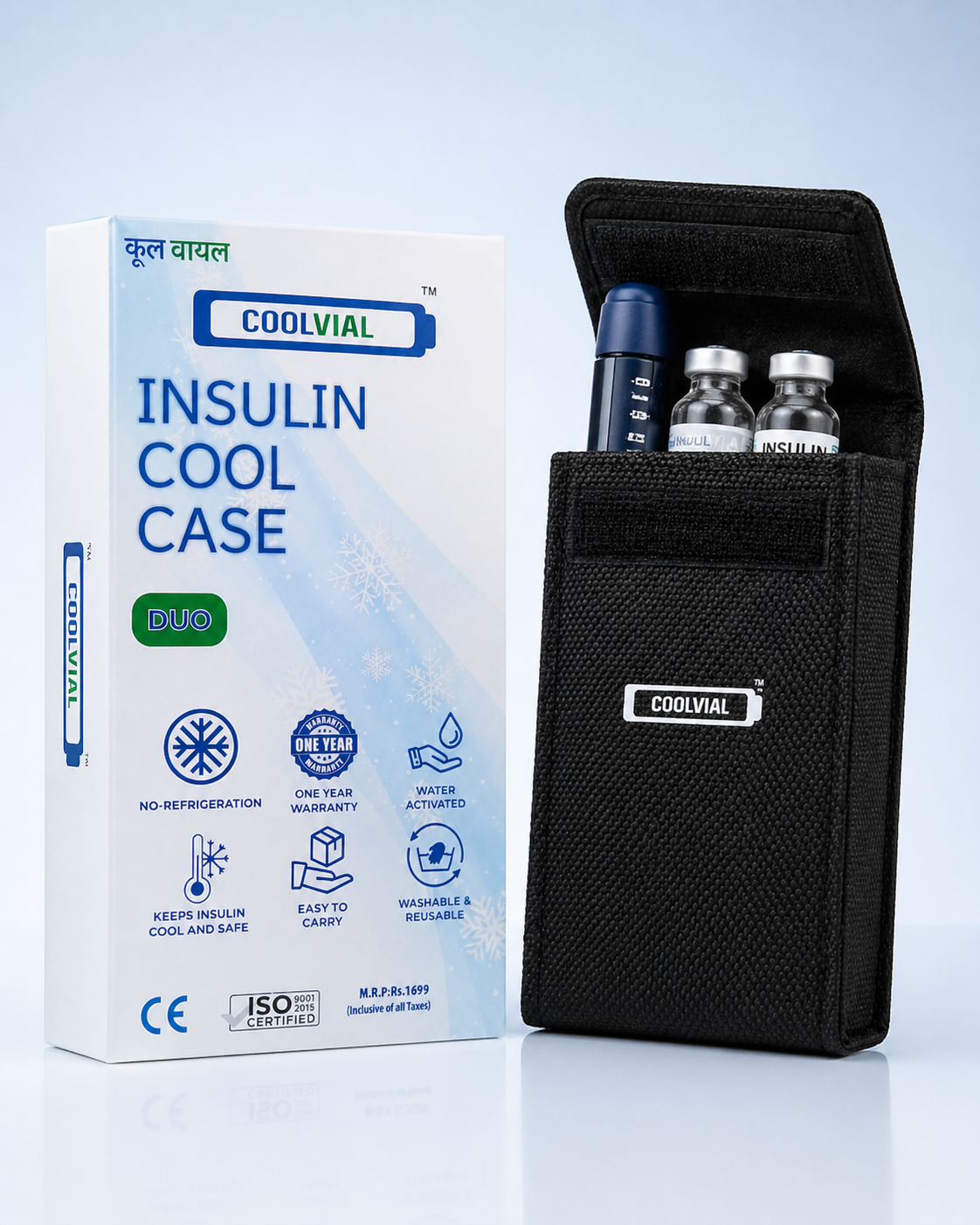
- Portability: Will you be carrying it daily, or only for travel? Look for lightweight, compact designs that are easy to carry in a bag. The COOLVIAL insulin cool case, for instance, is designed for convenience and ease of transport.
5 Critical Reasons: Why CE-Certified Insulin Coolers in India Matter Before You Buy
COOLVIAL keeps insulin at 2-8°C for 48+ hours. No electricity needed. Trusted by 10,000+ diabetics.
2. Prioritize CE Certification and Other Quality Marks:
- Always verify the CE mark on the product packaging and documentation. This is your primary assurance of safety and performance, especially for CE-certified insulin coolers in India.
- Look for other quality certifications or endorsements from medical professionals or diabetes associations. While not mandatory, they add an extra layer of trust.
- Beware of unbranded or suspiciously cheap products that claim to be “coolers” but lack proper certification and performance guarantees. The risks of insulin spoilage far outweigh any initial cost savings.
3. Consider the Cooling Technology:
- Gel Pack/Ice Pack Coolers: These are often affordable and require pre-freezing gel packs. Ensure the gel packs are non-toxic and designed specifically for medical use, preventing direct contact with insulin to avoid freezing. They are great for short trips or daily use.
- Evaporative Coolers: These use water to cool by evaporation and are suitable for moderate temperatures. They don’t require electricity or refrigeration but might not be effective in highly humid climates or extremely high temperatures typical of Indian summers.
- Thermoelectric/Electric Coolers: These powered devices (often via USB, car adapter, or mains) offer precise temperature control. They are excellent for long-duration travel or situations where consistent power is available. These are often the most reliable for CE-certified insulin coolers in India.
4. Evaluate Build Quality and Durability:
- The cooler should be made from robust, high-quality materials that can withstand daily wear and tear, and accidental bumps, which are common during travel in India.
- Look for good insulation properties to maximize cooling duration and minimize energy consumption (for electric models).
- Seals and latches should be secure to prevent moisture ingress and maintain internal temperature.
5. Read Reviews and Seek Recommendations:
- Check online reviews from other users, especially those in India, who can provide insights into how the cooler performs under local conditions.
- Consult your endocrinologist or diabetes educator for their recommendations on suitable insulin cool cases. They often have experience with various products.
6. Practice Proper Usage and Maintenance:
- Pre-cool: Always pre-cool your cooler according to the manufacturer’s instructions before placing insulin inside. This is crucial for maintaining the desired temperature range.
- Monitor Temperature: If your cooler has a temperature display or allows for a separate thermometer, regularly monitor the internal temperature to ensure it stays within the safe range (2-8°C for storage, below 25-30°C for in-use insulin).
- Avoid Direct Sunlight: Even with a cooler, avoid leaving it in direct sunlight for extended periods, especially in the intense Indian sun.
- Clean Regularly: Clean your cooler regularly with a mild disinfectant to maintain hygiene and prevent bacterial growth.
- Battery Management (for electric models): If using an electric cooler, ensure batteries are charged, or you have access to a power source. Keep a power bank handy for travel.
By following these practical tips, you can confidently select and utilize a CE-certified insulin cooler in India, ensuring your insulin remains potent and effective, no matter where your journey takes you. For more detailed guidance on proper storage, you can refer to comprehensive insulin storage tips.
Navigating India’s Diverse Climate with Confidence
India’s geographical and climatic diversity presents a formidable challenge for insulin storage, making the decision to invest in CE-certified insulin coolers in India paramount. The country experiences a monsoon climate, characterized by distinct wet and dry seasons, but with significant regional variations that impact temperature and humidity. Understanding these conditions is key to appreciating the value of a reliable insulin cool case.
Regional Climatic Challenges and Insulin Storage:
-
Northern Plains (Delhi, Uttar Pradesh, Punjab):
- Challenge: Extreme summers with temperatures regularly exceeding 40°C, often reaching 45-48°C in cities like Delhi, Lucknow, and Jaipur. Winters can be cold, but the primary concern is heat.
- Impact: Rapid insulin degradation if exposed to ambient air. Power cuts during summer storms can compromise refrigerator storage.
- Solution: A robust CE-certified cooler that can maintain 2-8°C even when outside temperatures are soaring is essential for daily use and travel.
-
Coastal Regions (Mumbai, Chennai, Kolkata, Kochi):
- Challenge: High humidity coupled with warm temperatures (often 30-35°C). The humidity can make cooling less efficient for some passive cooling methods and can also affect the longevity of electronic devices.
- Impact: While temperatures might not always hit the extreme highs of the north, the constant warmth and humidity still pose a risk to insulin’s stability.
- Solution: Coolers with good sealing and robust insulation are crucial. Electric CE-certified insulin coolers in India might be preferred here for their consistent performance regardless of humidity.
-
Deccan Plateau (Bengaluru, Hyderabad, Pune):
- Challenge: Generally more moderate climate compared to the plains, but summers can still be warm (30-38°C).
- Impact: Insulin can still be compromised during peak summer months or during travel.
- Solution: A reliable cool case is needed for travel and for keeping in-use insulin safe when ambient temperatures exceed 25°C.
-
Hilly Regions (Himachal Pradesh, Uttarakhand):
- Challenge: Cooler overall, but temperatures can vary. The primary concern here might be accidental freezing during very cold nights if using passive coolers without proper insulation.
- Impact: Freezing is as damaging as overheating for insulin.
- Solution: A CE-certified cooler that provides stable temperatures without freezing, possibly with better insulation and temperature monitoring, is ideal.
Beyond Climate: Everyday Scenarios in
5 Critical Reasons: Why CE-Certified Insulin Coolers in India Matter Before You Buy
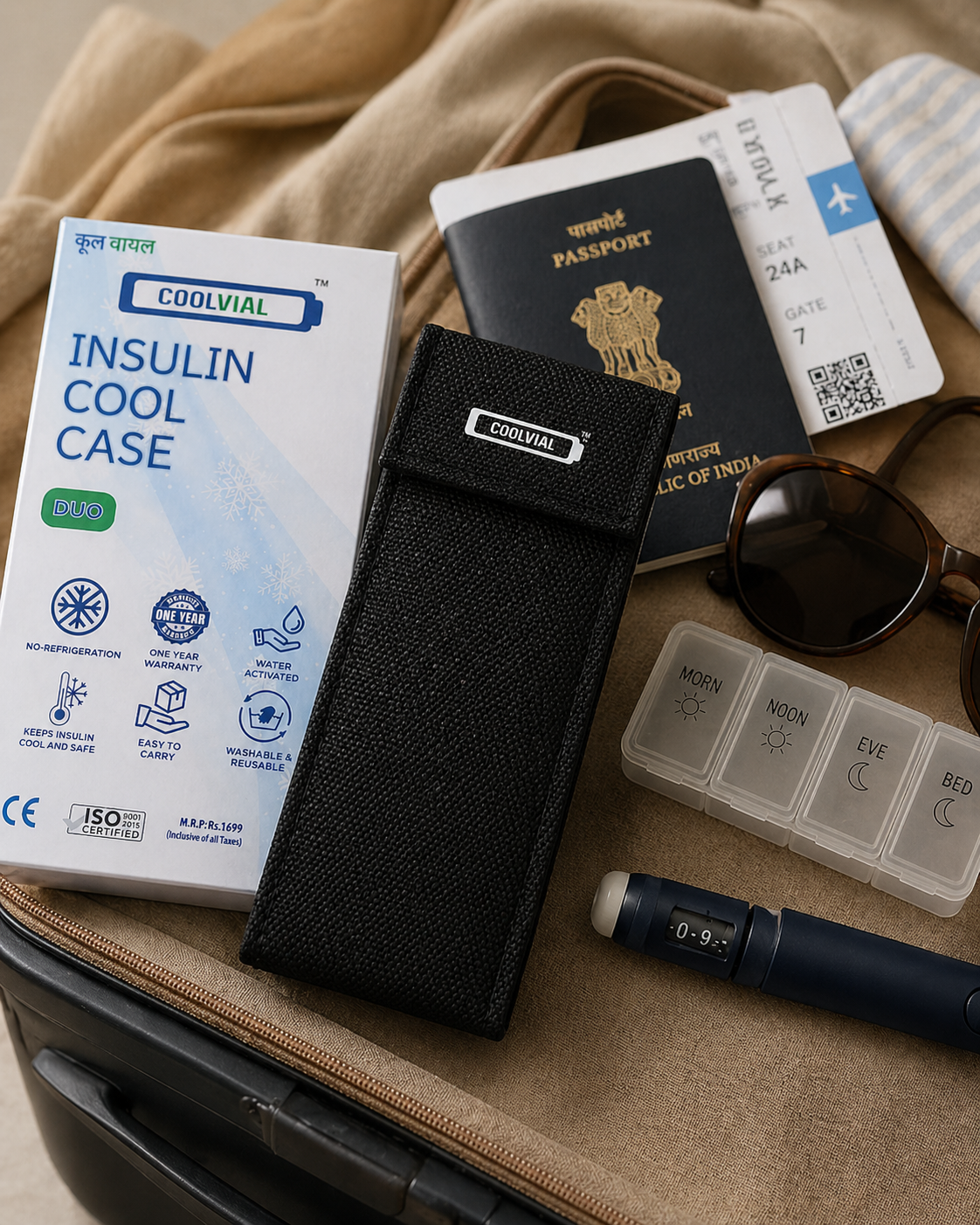
Keep your insulin safe in India's extreme heat. COOLVIAL works for 48+ hours without electricity.