Reviewed by the COOLVIAL Editorial Team — specialists in insulin storage for Indian climate conditions.
Embarking on the sacred Char Dham Yatra is a deeply spiritual journey for many, but for individuals managing diabetes, it requires meticulous planning, especially regarding insulin storage. The direct answer to how to manage your insulin during this pilgrimage is to ensure it is kept consistently between 2-8°C, and never above 30°C, to maintain its potency. This guide, focusing on char dham yatra with insulin a diabetics storage guide for india, offers 10 essential tips to help you navigate this spiritual path safely. You will learn practical strategies, understand India’s unique climatic challenges, and discover reliable solutions to protect your vital medication.
The Char Dham Yatra, encompassing Badrinath, Kedarnath, Gangotri, and Yamunotri, presents unique challenges due to varying altitudes, remote locations, and unpredictable weather patterns. Insulin, a life-saving medication for millions, is highly sensitive to temperature fluctuations. Exposure to extreme heat or freezing temperatures can render it ineffective, posing serious health risks. With India being home to over 101 million diabetics in 2023 (Source: International Diabetes Federation), ensuring safe medication storage during travel, especially pilgrimages, is paramount. This article will equip you with the knowledge and tools needed to undertake your spiritual journey with peace of mind, knowing your insulin is secure.
Table of Contents
- Why Safe Insulin Storage is Critical for Indian Pilgrimages
- Understanding Insulin: Core Concepts for Your Yatra
- Practical Tips for a Char Dham Yatra with Insulin
- Navigating India’s Diverse Climates: Regional Storage Considerations
- Ensuring Safe Insulin Storage on Your Char Dham Yatra with COOLVIAL
- Your Quick Reference Guide: FAQs for Diabetics on Pilgrimage
Why Safe Insulin Storage is Critical for Indian Pilgrimages
The Char Dham Yatra is an arduous journey, often spanning several days or weeks, traversing diverse terrains from the plains to high altitudes in Uttarakhand. These varying environments pose significant risks to insulin, which requires specific storage conditions to remain effective. In India, factors such as extreme summer heat, unpredictable power cuts, and the logistical challenges of travel make safe insulin storage a critical concern for diabetics.
India experiences a wide range of climatic conditions. While the Char Dham destinations like Kedarnath and Badrinath can be quite cold, especially during early mornings or evenings, the journey to these sites often involves passing through warmer regions. For instance, temperatures in cities like Haridwar and Rishikesh, common starting points, can easily exceed 40°C during peak summer months. Insulin exposed to temperatures above 30°C can rapidly lose its potency, becoming less effective in controlling blood sugar levels. Conversely, freezing temperatures can also damage insulin, crystallizing it and rendering it unusable.
The infrastructure in remote pilgrimage areas might not always be robust. Power cuts are a common occurrence, particularly in rural and hilly regions, with some estimates suggesting that 78% of Indian households face daily power cuts in summer. This makes reliance on refrigerators or electric cooling devices unreliable. Furthermore, travel by bus or shared taxis, often without air conditioning, exposes insulin to direct sunlight and high ambient temperatures for extended periods. The dust and vibrations from travel can also impact the integrity of insulin vials and pens.
Ensuring your insulin remains potent throughout your pilgrimage is not just about convenience; it is a matter of health and safety. The ICMR guidelines for diabetes management in India emphasize the importance of proper medication storage. Without effective insulin, managing blood sugar becomes impossible, potentially leading to hyperglycemic emergencies, which are particularly dangerous in remote areas with limited medical facilities. Therefore, understanding and implementing robust storage strategies is non-negotiable for a diabetic undertaking the Char Dham Yatra with insulin.
Understanding Insulin: Core Concepts for Your Yatra
Before embarking on your Char Dham Yatra, it’s vital to grasp the fundamentals of insulin storage. Insulin is a protein, and like many proteins, its structure is sensitive to temperature extremes. Maintaining its efficacy relies entirely on keeping it within specific temperature ranges. This knowledge forms the bedrock of safe insulin management, especially when you’re far from home.
The Ideal Temperature Range for Insulin
Unopened insulin, whether vials or pens, should always be stored in a refrigerator at temperatures between 2°C and 8°C. This is the optimal range for maintaining its stability and ensuring maximum shelf life, typically until the expiry date printed on the packaging. Once opened or taken out of refrigeration for daily use, most insulin types can be kept at room temperature, ideally between 15°C and 25°C, for up to 28 days (or sometimes 42 days, depending on the specific brand and type). However, it must never be exposed to temperatures above 30°C.
What Happens When Insulin is Exposed to Extremes?
- Excessive Heat (above 30°C): Heat causes insulin proteins to denature, or break down, reducing its effectiveness. This can happen quickly in India’s hot climate. The insulin might appear cloudy, discoloured, or contain particles. If you notice these changes, or if you suspect your insulin has been exposed to high heat, it’s safer to discard it.
- Freezing Temperatures (below 0°C): Freezing damages insulin’s molecular structure, rendering it ineffective. Once insulin has frozen, it should not be used, even if it thaws. The freezing process can cause the insulin to become granular or clumped. This is a risk in high-altitude regions of the Char Dham Yatra, especially during colder months or overnight.
Shelf Life After Opening
Most insulin vials and pens, once opened or punctured, are stable for a limited period at room temperature. For many common insulin types, this period is 28 days. Some pens might last up to 6 weeks. Always check the specific manufacturer’s instructions for your insulin. It’s crucial to mark the date of opening on the vial or pen to avoid using expired or denatured insulin.
Here’s a quick reference table for insulin storage:
| Condition | Temperature Range | Duration | Appearance Check |
|---|---|---|---|
| Unopened | 2°C - 8°C (Refrigerated) | Until Expiry Date | Clear (unless naturally cloudy like NPH) |
| Opened/In Use | 15°C - 25°C (Room Temp) | 28 days (check specific brand, some 42) | Clear (unless naturally cloudy), no particles, no discoloration, no clumps |
| Dangerous Heat | > 30°C | Immediately Compromised | Cloudy, discoloured, stringy, particles – DISCARD |
| Dangerous Cold | < 0°C (Frozen) | Immediately Compromised | Granular, clumps, frozen – DISCARD |
Understanding these core concepts is your first step towards a safe and healthy Char Dham Yatra with insulin. Proper storage safeguards your health, ensuring your spiritual journey remains focused on devotion, not medical emergencies.
Practical Tips for a Char Dham Yatra with Insulin
Undertaking a Char Dham Yatra with insulin requires careful planning and adherence to specific practices to ensure your medication remains effective. Here are 10 essential, practical tips designed for Indian conditions, covering preparation, travel, and stay.
- Consult Your Doctor: Before planning your char dham yatra with insulin, have a detailed discussion with your diabetologist. Get a letter from your doctor explaining your condition and medication needs, which can be helpful at security checks or in medical emergencies. Discuss potential changes to your insulin regimen due to altered diet, activity levels, or time zones.
- Pack Sufficient Supplies: Carry at least 1.5 to 2 times the amount of insulin, syringes/pens, needles, and blood glucose testing strips you anticipate needing. Delays are common during pilgrimages, and finding specific insulin brands in remote areas can be challenging.
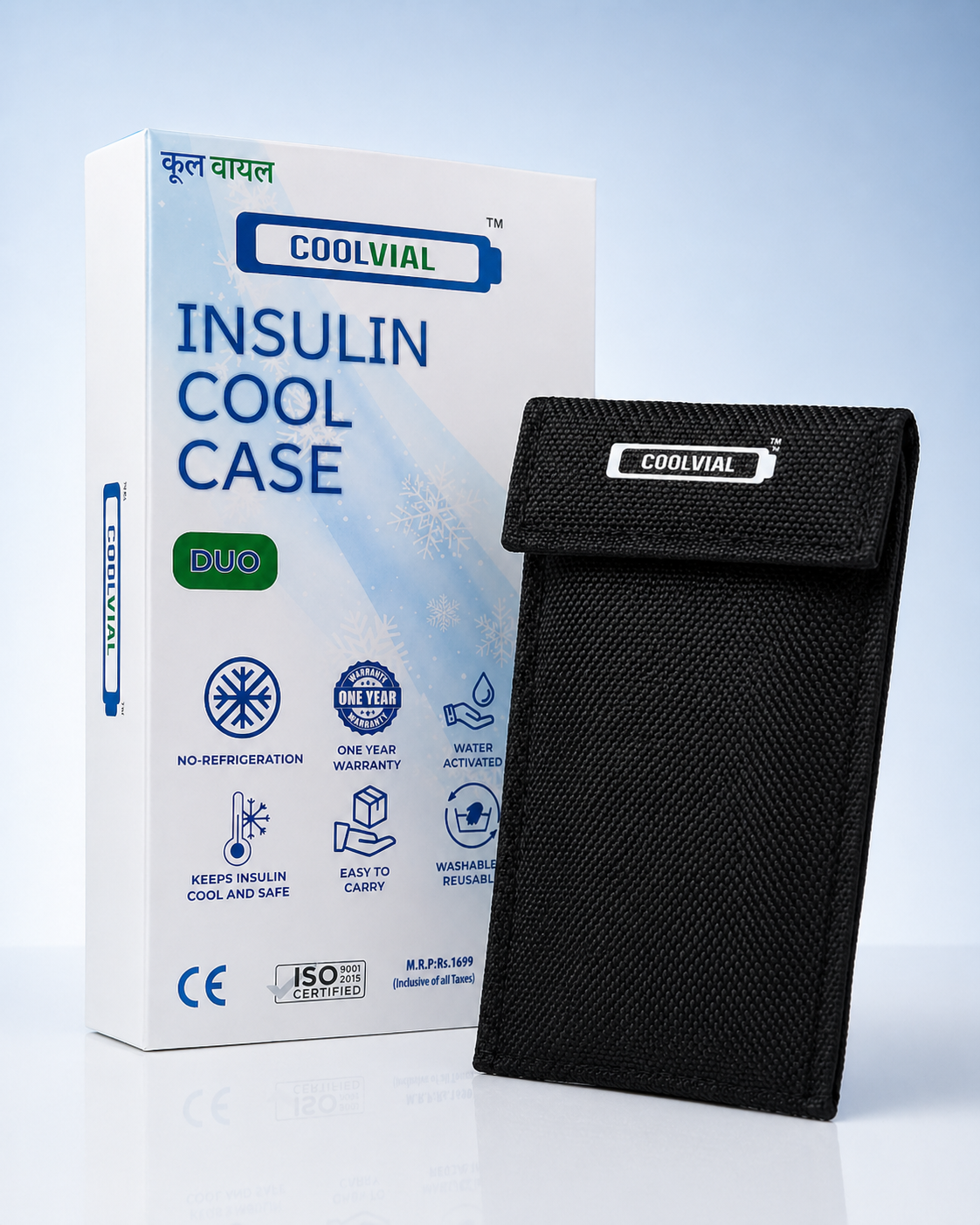
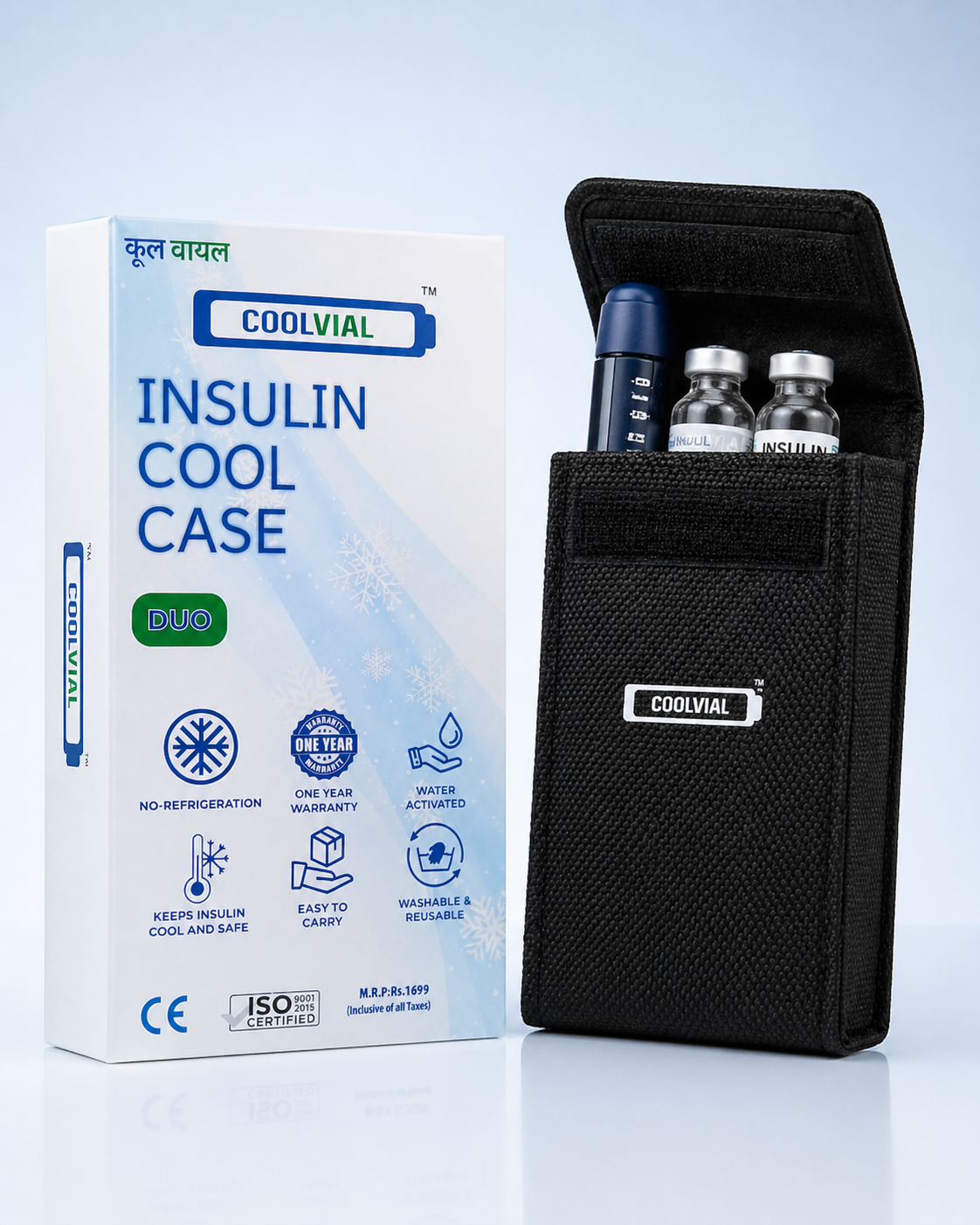
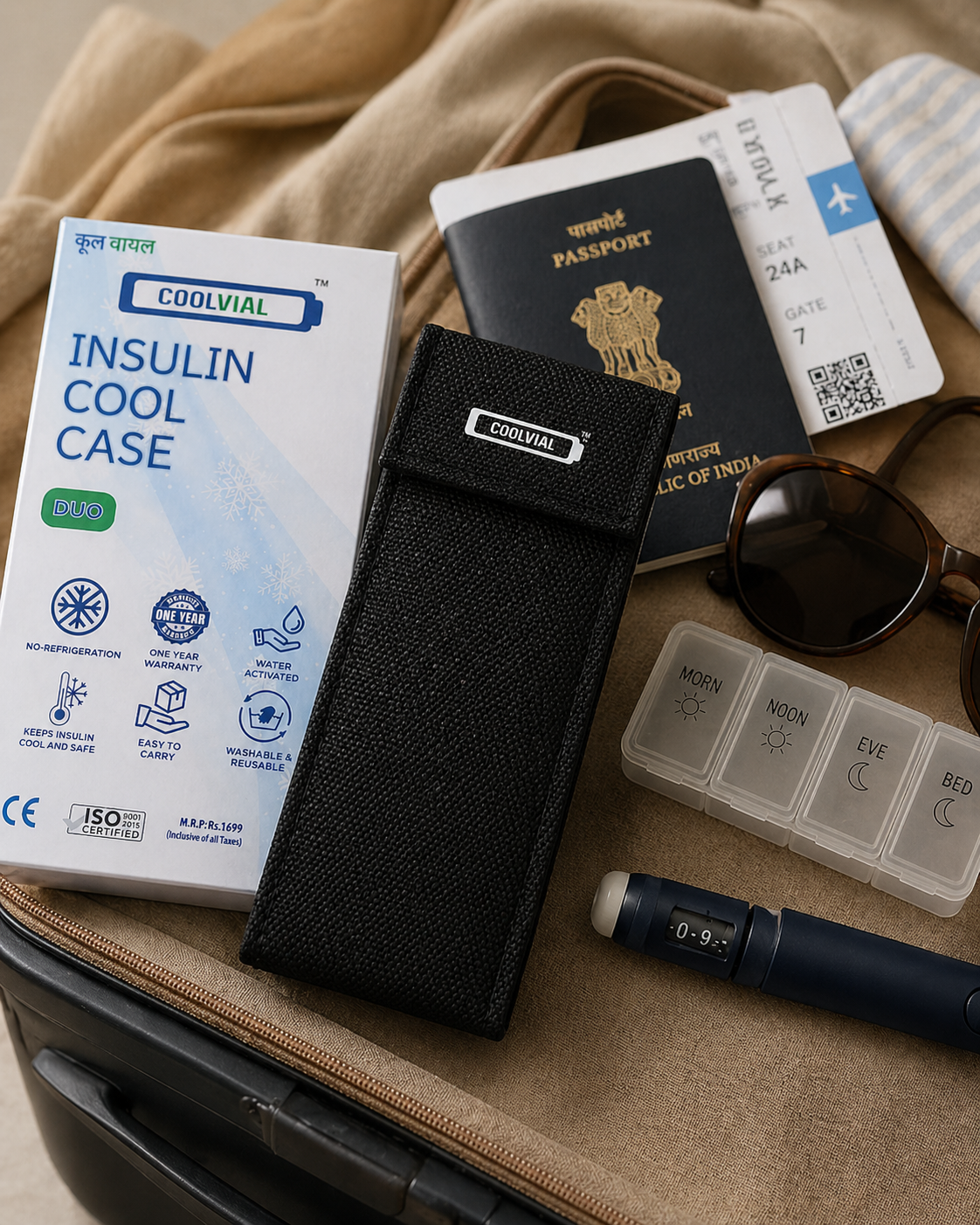
- Use a Reliable Insulin Cool Case: This is perhaps the most crucial tip for any diabetic traveling in India. A specialized insulin cool case is designed to maintain the optimal temperature for hours, even in extreme heat, without needing electricity. Look for cases that use cooling gel packs or evaporation technology. The COOLVIAL insulin cool case is an excellent option specifically designed for such conditions, ensuring your insulin stays within the 2-8°C range for extended periods.
- Monitor Temperatures Regularly: If you have a portable thermometer, carry it to check the temperature inside your cool case, especially during long travel days or when ambient temperatures are very high. This provides real-time assurance that your insulin is safe.
- Protect from Direct Sunlight and Heat: Never leave your insulin, even in a cool case, in direct sunlight or a hot vehicle. The interior of a car parked in the Indian sun can reach 60°C or more in minutes. Always keep your cool case in the coolest part of your bag, away from windows, and shaded.
- Avoid Freezing: While heat is a primary concern, freezing can also be an issue, especially if traveling to higher altitudes or during colder months. Do not place insulin directly on ice packs; use a cloth barrier. Ensure your cool case doesn’t over-cool, or if staying in a hotel with a fridge, avoid placing insulin at the back where it might freeze.
- Organize Your Supplies: Keep all your diabetes supplies together in an easily accessible bag. Use clear pouches to organize vials, pens, needles, and testing equipment. This makes it easy to find what you need quickly, especially in crowded or unfamiliar environments.
- Carry Snacks and Water: Pilgrimages involve long hours of travel and walking. Always have glucose tablets, fruit, or other quick snacks on hand to manage potential hypoglycemia. Stay well-hydrated, especially in warmer areas.
- Inform Travel Companions: Make sure at least one travel companion knows about your diabetes, where your insulin is stored, and how to administer it or help you in an emergency. This can be life-saving in a remote location.
- Have a Backup Plan: In case your primary cool case fails or you run out of insulin, know the nearest medical facilities or pharmacies along your Char Dham route. Researching these points beforehand can save valuable time in an emergency. For more general insulin storage tips, refer to our comprehensive guide.
By following these practical tips, you can significantly reduce the risks associated with insulin storage and enjoy a fulfilling and safe Char Dham Yatra.
Navigating India’s Diverse Climates: Regional Storage Considerations
India’s vast geographical expanse means that a single pilgrimage like the Char Dham Yatra can expose you to dramatically different climatic conditions. From the scorching plains to the chilly Himalayan altitudes, each region presents unique challenges for insulin storage. Understanding these variations is key to a successful and healthy journey with insulin.
10 Essential Tips for a Safe Char Dham Yatra with Insulin: A Diabetics Storage Guide for India
COOLVIAL keeps insulin at 2-8°C for 48+ hours. No electricity needed. Trusted by 10,000+ diabetics.
The journey to the Char Dhams typically begins from cities in the plains, such as Haridwar or Rishikesh in Uttarakhand. During the summer months (May to September), when the Yatra is most popular, these cities can experience intense heat, with daytime temperatures often exceeding 40°C. In such conditions, insulin can quickly denature if not properly protected. Even in air-conditioned vehicles, temperature fluctuations can occur, and if the vehicle breaks down or you stop for meals, your insulin can be at risk.
As you ascend towards the higher altitudes of Badrinath (around 3,100 meters) and Kedarnath (around 3,583 meters), the temperatures drop significantly. While this might seem beneficial for insulin, night-time temperatures, especially during the shoulder seasons or early mornings, can fall close to freezing. In cold, unheated accommodations, there’s a risk of insulin freezing, which, as discussed, renders it unusable. The rapid changes in altitude can also be physiologically challenging, impacting blood glucose levels.
Consider the typical temperature profile across the Char Dham route:
| Region/Stage | Altitude (approx.) | Typical Daytime Temp (May-Oct) | Storage Challenge |
|---|---|---|---|
| Haridwar/Rishikesh | 300-400m | 35°C - 45°C | Extreme heat, direct sun, power cuts |
| Uphill Travel (e.g., Rudraprayag) | 600-1500m | 25°C - 35°C | Moderate heat, vehicle interior heat |
| High Altitudes (Kedarnath, Badrinath) | 3000-3600m | 10°C - 20°C | Cold nights (risk of freezing), unpredictable weather |
| Night/Early Morning | All | 0°C - 10°C (higher altitudes) | Risk of freezing insulin |
To combat these challenges, a robust insulin storage solution is paramount. In the plains, focus on preventing overheating and direct sun exposure. In the mountains, while daytime temperatures might be pleasant, be wary of the cold nights. Never leave your insulin exposed in a tent or an unheated room overnight without adequate insulation. Utilizing a reliable cool case that offers both cooling and insulation properties is essential. Some pilgrimage accommodations might offer refrigeration, but always check its reliability and temperature. Given the frequent power cuts in remote Indian villages and towns, relying solely on electric refrigerators can be risky.
For example, a journey by train from Delhi to Haridwar can expose insulin to high temperatures for several hours before you even begin the ascent. Once in Uttarakhand, bus travel on winding roads can mean prolonged exposure to varying conditions. Being prepared for these specific Indian climatic realities is not just about carrying a cool case; it’s about understanding the environment and actively managing your insulin’s exposure to maintain its integrity throughout the entire char dham yatra with insulin a diabetics storage guide for india.
Ensuring Safe Insulin Storage on Your Char Dham Yatra with COOLVIAL
When embarking on a spiritual journey as significant as the Char Dham Yatra, the last thing you want to worry about is the efficacy of your life-saving medication. This is where a specialized solution like the COOLVIAL insulin cool case becomes invaluable for any diabetic undertaking the char dham yatra with insulin a diabetics storage guide for india. Designed specifically for challenging environments, COOLVIAL offers a reliable, electricity-free method to keep your insulin safe.
The primary challenge for insulin storage in India, especially during travel, is maintaining a consistent temperature. Conventional methods like ice packs or thermos flasks often fall short. Ice packs melt quickly in Indian heat, leading to temperature fluctuations, and can also risk freezing insulin if placed directly. Thermos flasks offer limited insulation without active cooling. The COOLVIAL insulin cool case addresses these issues head-on.
COOLVIAL utilizes advanced cooling technology, typically involving evaporative cooling or specialized gel packs, that can maintain insulin within the optimal temperature range of 2-8°C for extended periods, often up to 36-48 hours, even in ambient temperatures exceeding 30°C. This means you can travel for long stretches on buses, trains, or even during power cuts at your accommodation without constantly worrying about your insulin.
Here’s how COOLVIAL integrates seamlessly into your Char Dham Yatra plans:
- No Electricity Needed: This is a game-changer for remote pilgrimage sites where electricity might be intermittent or unavailable. COOLVIAL operates without batteries or external power, relying on its inherent cooling mechanism.
- Sustained Cooling: Unlike basic ice packs, COOLVIAL provides a stable cooling environment, preventing both overheating and accidental freezing, which is critical when transitioning from hot plains to cold mountains.
- Durable and Portable: Built to withstand the rigours of travel, the COOLVIAL case is compact and lightweight, easily fitting into your backpack. Its robust design protects insulin vials and pens from physical damage during bumpy rides.
- Peace of Mind: Knowing your insulin is securely stored and maintained at the correct temperature allows you to focus on the spiritual aspect of your pilgrimage, rather than constantly monitoring your medication.
Investing in a reliable solution like the COOLVIAL insulin cool case for ₹1,099 is a small price for the assurance it provides for your health and well-being during such an important journey. It’s a practical, Indian-friendly solution that empowers diabetics to undertake pilgrimages without compromising their health management. When planning your Char Dham Yatra, make sure a COOLVIAL cool case is at the top of your packing list.
Your Quick Reference Guide: FAQs for Diabetics on Pilgrimage
Navigating a pilgrimage like the Char Dham Yatra with diabetes often brings up specific questions about managing insulin and health in challenging conditions. Here are some frequently asked questions to help you prepare.
Q: How do I know if my insulin has gone bad during my Char Dham Yatra? A: You can tell if your insulin has gone bad if it changes in appearance. Insulin that has been damaged by heat might look cloudy, discoloured, or have stringy particles. If it has frozen, it might appear granular or clumpy. If you observe any of these changes, or if you suspect it has been exposed to extreme temperatures (above 30°C or frozen), it is safer to discard it and use a fresh vial or pen.
**Q: Can I keep my insulin in a regular thermos
10 Essential Tips for a Safe Char Dham Yatra with Insulin: A Diabetics Storage Guide for India
COOLVIAL keeps insulin at 2-8°C for 48+ hours. No electricity needed. Trusted by 10,000+ diabetics.