
Reviewed by the COOLVIAL Editorial Team — specialists in insulin storage for Indian climate conditions.
In India’s vast rural landscape, where access to consistent electricity can be a daily challenge, how Indian diabetics in rural areas manage insulin without constant power is a critical concern. Insulin, a life-saving medication, must be stored within a specific temperature range, typically 2-8°C, to remain effective. When temperatures rise above 30°C, insulin can quickly lose its potency, becoming ineffective and putting a patient’s health at severe risk. This article will explore 10 practical ways Indian diabetics in rural areas can overcome these storage challenges, ensuring their insulin remains safe and effective despite frequent power cuts and high ambient temperatures. We will delve into traditional methods, modern innovations, and essential tips to empower individuals and families to manage diabetes successfully, even in challenging environments.
Table of Contents
- 1. The Critical Challenge: Why Insulin Storage Matters in Rural India
- 2. Understanding Insulin Stability: Core Concepts for Safe Storage
- 3. Practical Strategies: How Indian Diabetics in Rural Areas Manage Insulin Without Constant Power
- 4. Navigating India’s Diverse Climates: Regional Storage Considerations
- 5. Innovative Solutions: How Indian Diabetics in Rural Areas Benefit from Modern Cool Cases
- 6. Essential Reference: Quick Tips and Frequently Asked Questions
- Conclusion
1. The Critical Challenge: Why Insulin Storage Matters in Rural India
India is home to a staggering number of people living with diabetes. According to the International Diabetes Federation (IDF), India had 101 million diabetics in 2023, a number projected to rise significantly. A substantial portion of this population resides in rural areas, where infrastructure, including reliable electricity, is often less developed than in urban centers. This demographic reality underscores the immense importance of understanding how Indian diabetics in rural areas manage insulin without constant power.
The problem is multifaceted. Firstly, insulin is a protein-based hormone, highly sensitive to temperature fluctuations. Exposure to heat, especially above 25°C for extended periods, can degrade its structure, rendering it less effective or even completely inert. Unopened insulin should ideally be stored in a refrigerator at 2-8°C. Once opened, many insulins can be kept at room temperature (up to 25-30°C, depending on the specific type) for 28 days, but this is often exceeded in India’s hot climate.
Secondly, rural India frequently experiences prolonged and unpredictable power cuts, particularly during the scorching summer months. Temperatures in regions like Rajasthan, Uttar Pradesh, and parts of Madhya Pradesh can regularly exceed 40-45°C. In such conditions, a refrigerator, if available, quickly becomes a warm box during outages, jeopardizing insulin integrity. A 2022 survey indicated that nearly 78% of Indian households in rural areas face daily power cuts, with durations often lasting several hours.
This combination of heat, inconsistent power supply, and the sensitive nature of insulin creates a unique and urgent challenge for millions of Indian diabetics. Effective management requires not just medication adherence but also robust and reliable storage solutions that are independent of electricity. Without proper storage, insulin can lose its efficacy, leading to uncontrolled blood sugar levels, severe health complications, and even life-threatening emergencies.
| Insulin Storage Condition | Recommended Temperature Range | Impact of Deviation |
|---|---|---|
| Unopened Insulin | 2°C to 8°C (refrigerator) | Above 8°C: Reduced potency, shorter shelf life. Freezing: Protein damage, ineffective. |
| Opened Insulin (Vials/Pens) | Up to 25°C-30°C (room temp) | Above 30°C: Rapid degradation, loss of efficacy. |
| Critical Threshold | Above 30°C | Significant and irreversible damage to insulin structure. |
(Source: General guidelines, always refer to specific insulin manufacturer instructions and ICMR guidelines for diabetes management.)
2. Understanding Insulin Stability: Core Concepts for Safe Storage
To effectively manage insulin storage without constant power, it’s crucial to grasp the fundamental principles of insulin stability. Insulin is a delicate biological product, and its effectiveness hinges entirely on maintaining it within specific temperature parameters. Deviations from these guidelines can compromise its efficacy, leading to poor glycemic control and associated health risks.
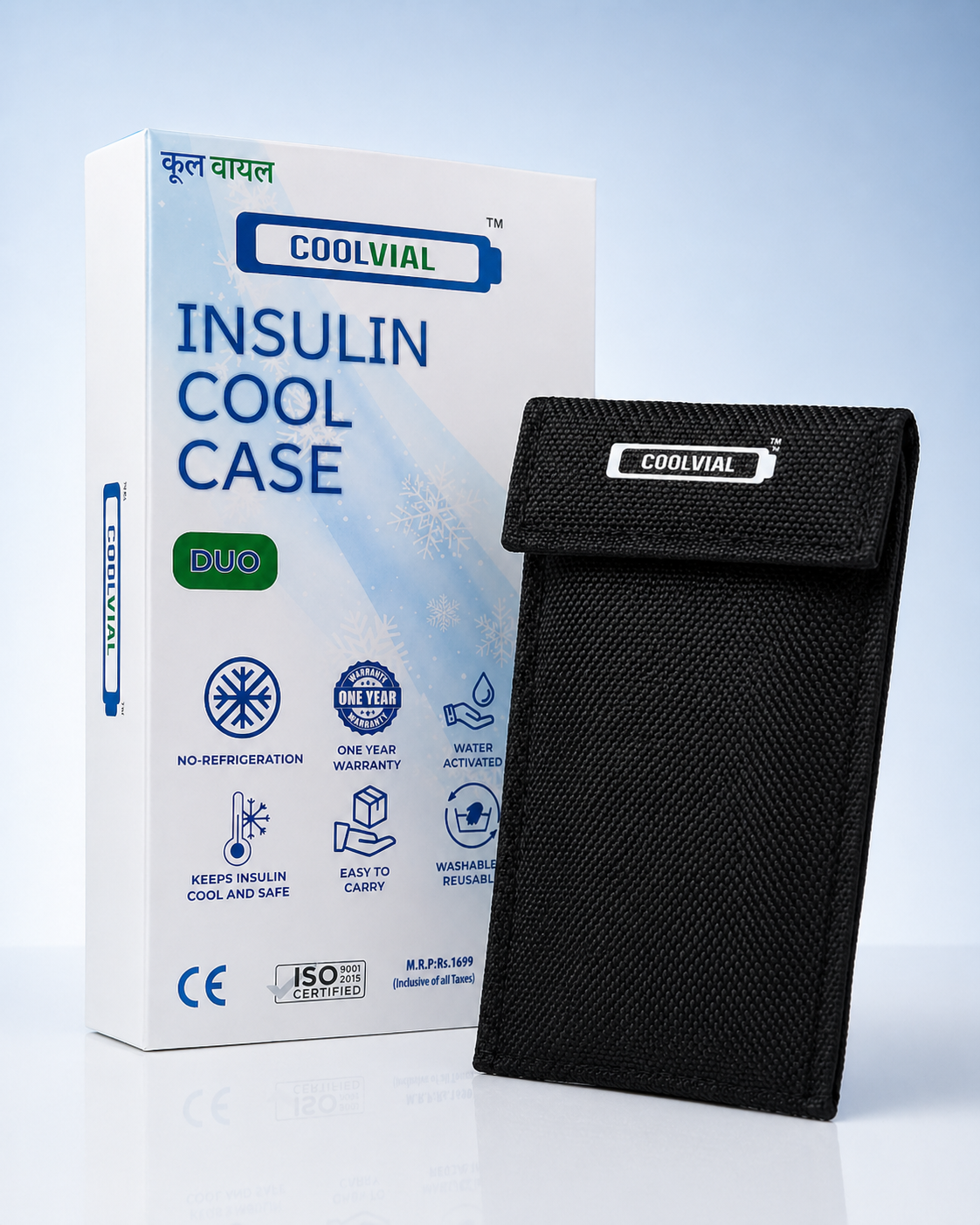
10 Practical Ways Indian Diabetics in Rural Areas Manage Insulin Without Constant Power
Don't let Indian heat spoil your insulin. COOLVIAL protects it for 48+ hours.
10 Practical Ways Indian Diabetics in Rural Areas Manage Insulin Without Constant Power
48+ hours at 2-8°C. No electricity. CE certified. Free delivery across India.
Order on WhatsApp — ₹1,099🛒 Buy Now — ₹1,099The Golden Rule: 2-8°C for Unopened Insulin Unopened insulin vials and pens are most stable when stored in a refrigerator at temperatures between 2°C and 8°C. This range slows down the degradation process, ensuring the medication remains potent until its expiry date. If insulin freezes, its protein structure can be damaged, rendering it unusable. Therefore, direct contact with freezer compartments or extreme cold spots in a fridge should be avoided.
Opened Insulin: Room Temperature Considerations Once an insulin vial or pen is opened and put into use, its storage requirements change slightly. Most insulin types can be kept at room temperature, typically up to 25°C, for a period of 28 days (four weeks). Some specific formulations might allow for storage up to 30°C or even 32°C for a slightly shorter duration, but it’s vital to check the manufacturer’s leaflet for precise instructions. The key is to keep it away from direct sunlight and extreme heat, which can quickly push temperatures beyond the safe limit. After the specified period, even if there’s insulin left, it should be discarded.
The Danger Zone: Above 30°C The most significant threat to insulin’s stability, especially in India, is exposure to temperatures above 30°C. At these temperatures, insulin degrades rapidly, losing its ability to lower blood sugar. This degradation is often irreversible. Visual signs of degradation include insulin becoming cloudy, discolored, or showing particles, though sometimes it may appear normal even if its potency is compromised. Using degraded insulin can lead to dangerously high blood sugar levels, as the body does not receive the expected therapeutic effect.
Factors Affecting Stability:
- Temperature: As discussed, the primary factor. Fluctuations are also detrimental.
- Light: Direct sunlight can also accelerate degradation. Store insulin in its original packaging or a protective case.
- Physical Agitation: Vigorous shaking can damage insulin molecules, particularly for clear (rapid-acting or long-acting) insulins. Roll vials gently between palms to mix cloudy (intermediate-acting) insulins.
Understanding these core concepts is the first step in devising effective strategies for how Indian diabetics in rural areas manage insulin without constant power. It empowers individuals to make informed decisions about their medication’s safety.
3. Practical Strategies: How Indian Diabetics in Rural Areas Manage Insulin Without Constant Power
Given the challenges of inconsistent electricity and high temperatures, innovative and traditional methods are crucial for how Indian diabetics in rural areas manage insulin without constant power. Here are some practical, actionable strategies:
- Clay Pot (Matka) Evaporative Cooling: This age-old technique is highly effective in dry climates. Place insulin vials or pens inside a smaller, sealed container, which is then placed inside a larger clay pot (matka) filled with water. The porous clay allows water to evaporate from its surface, drawing heat away from the pot’s interior and creating a cooler environment. This can lower the internal temperature by 5-10°C below ambient, often keeping it within the safe 25-30°C range for opened insulin.
- Wet Cloth Wrapping: A simple yet effective method involves wrapping insulin vials or pens (in a waterproof bag) with a damp cloth. As the water evaporates from the cloth, it provides a cooling effect. This method requires frequent re-wetting of the cloth, especially in hot and dry conditions.
- Cool Water Bath (Temporary): For short-term cooling during extreme heat, insulin (sealed in a waterproof bag) can be placed in a bowl of cool, not icy, water. Ensure the water is not too cold to avoid freezing the insulin. This is a temporary solution and not suitable for long-term storage.
- Underground Storage: In some very remote areas, people might bury insulin (in a robust, waterproof container) a few feet underground. The earth acts as a natural insulator, maintaining a more stable and cooler temperature than the surface. This requires careful consideration of soil type, moisture, and security.
- Thermos Flask with Ice Packs: A good quality insulated thermos flask can maintain temperatures for several hours. Place insulin (in a protective pouch) with small, well-wrapped ice packs inside. Ensure ice packs do not directly touch the insulin to prevent freezing. This is excellent for travel or short power cuts.
- Local Pharmacy or Clinic Access: In areas with slightly better infrastructure, some local pharmacies, primary health centers (PHCs), or community health centers (CHCs) may have more reliable refrigeration. Establishing a relationship with these facilities can allow diabetics to store their backup insulin supply there.
- Battery-Operated Mini Fridges (Limited Availability): While still a luxury for many, some battery-operated mini-fridges are available in the market. These can be charged when electricity is available or via solar panels, offering a more consistent cooling solution. However, their cost and maintenance can be prohibitive.
- Solar-Powered Refrigeration (Community Level): Some NGOs and government initiatives are piloting solar-powered refrigerators in community centers in rural areas. While not for individual use, these can serve as central storage points for multiple patients in a village.
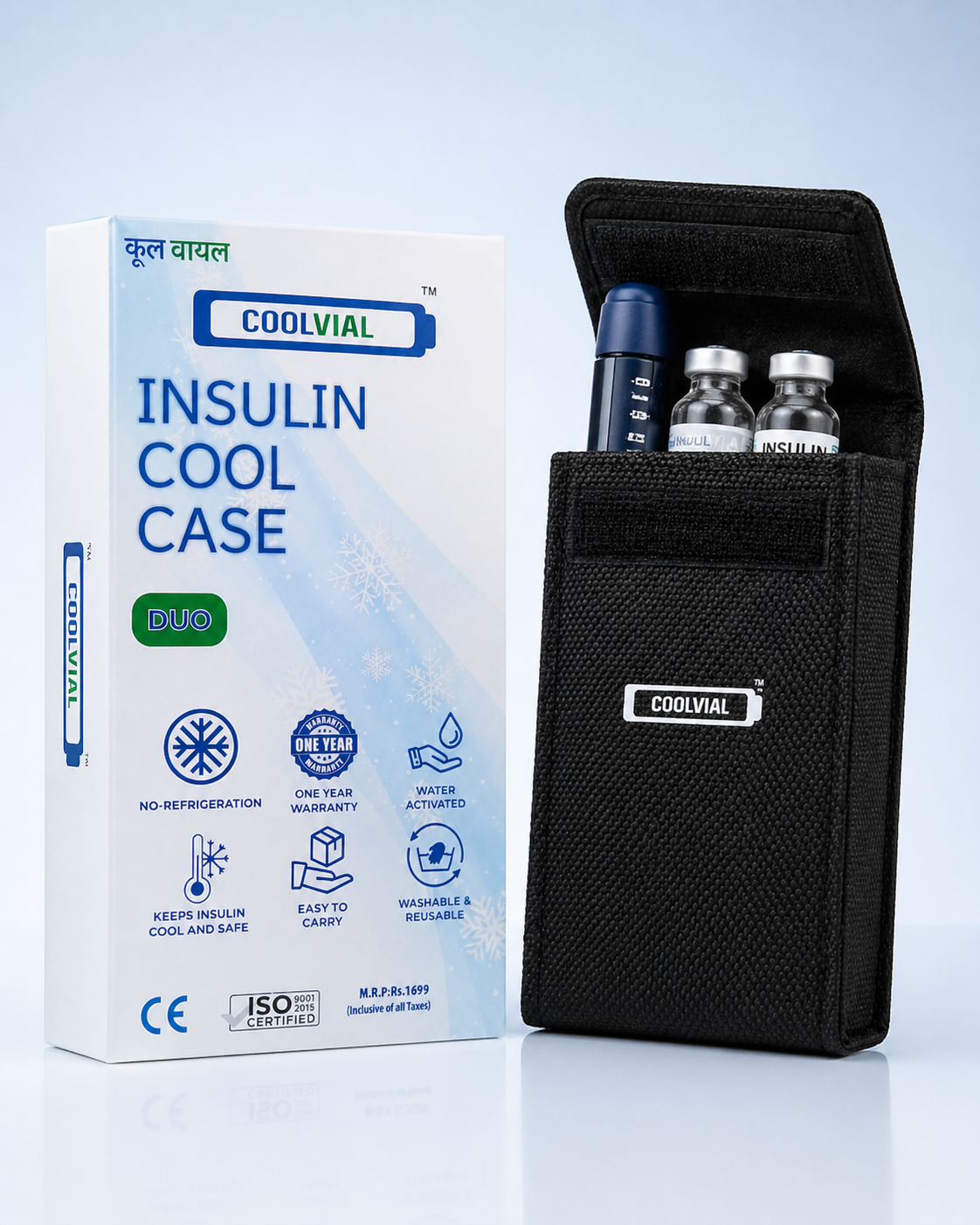
- Insulin Cool Cases (e.g., COOLVIAL): Modern insulin cool cases are specifically designed for travel and power outages. These cases use specialized gel packs or evaporative cooling technology to keep insulin at a safe temperature (typically 2-8°C or 15-25°C) for extended periods, often 24-48 hours, without electricity. They are portable, durable, and a reliable option for daily use and emergencies. For more comprehensive information on safe storage, explore our insulin storage tips.
- Strategic Purchasing: Buy smaller quantities of insulin more frequently if storage is a major concern. This minimizes the risk of large batches spoiling. Also, always have a backup plan for emergencies.
These diverse strategies offer a spectrum of options, from traditional wisdom to modern technology, to help address how Indian diabetics in rural areas manage insulin without constant power. The best approach often involves a combination of these methods, tailored to individual circumstances and local conditions.
4. Navigating India’s Diverse Climates: Regional Storage Considerations
India’s geographical diversity presents a wide array of climatic conditions, each posing unique challenges for insulin storage. Understanding these regional nuances is vital for how Indian diabetics in rural areas manage insulin without constant power effectively.
Northern Plains (e.g., Uttar Pradesh, Bihar, Rajasthan, Delhi): These regions experience extreme summers with temperatures often soaring above 45°C. Power cuts are frequent and prolonged.
- Challenge: Intense dry heat, frequent outages.
- Solutions: Evaporative cooling methods like clay pots are highly effective here due to low humidity. COOLVIAL cases are essential for portability and consistent cooling during travel or daily errands. Access to local pharmacies for temporary storage can also be a lifesaver.
Coastal Regions (e.g., Kerala, Goa, West Bengal, Maharashtra’s Konkan): Characterized by high humidity and warm temperatures year-round, with heavy monsoon rains.
- Challenge: High humidity reduces the effectiveness of evaporative cooling. Warm, sticky air.
- Solutions: Evaporative cooling is less efficient. Insulated cool cases with gel packs are more suitable. Careful attention to sealing insulin in waterproof bags is critical to prevent moisture ingress, which can damage packaging and labels. Keeping insulin away from direct sea breeze is also important.
Deccan Plateau (e.g., Karnataka, Telangana, parts of Maharashtra): Experiences moderate to high temperatures, with distinct wet and dry seasons.
- Challenge: Variable heat, sometimes humid, sometimes dry.
- Solutions: A combination of methods works best. During dry spells, clay pots can assist. For consistent protection, especially when traveling between cities like Bengaluru or Hyderabad to rural areas, a reliable cool case is invaluable.
Northeast India (e.g., Assam, Meghalaya, Sikkim): Known for its lush greenery, high rainfall, and moderate to cool temperatures, though some plains areas can get warm.
- Challenge: High humidity, prolonged monsoon season, sometimes remote access.
- Solutions: Similar to coastal areas, focus on insulated cool cases. Reliable transportation links can be challenging, making self-sufficient storage solutions critical. Protection from dampness is key.
Himalayan Regions (e.g., Himachal Pradesh, Uttarakhand): Generally cooler, but still subject to temperature fluctuations between day and night, and seasonal variations.
- Challenge: Risk of freezing in winter, moderate heat in summer.
- Solutions: Focus on preventing both freezing and overheating. A well-insulated case can protect against extreme cold as well as moderate heat. During winters, ensure insulin is not left in unheated rooms or vehicles overnight.
Travel Considerations Across India: Rural diabetics often travel by bus, train, or even two-wheelers to access healthcare, visit family during festivals like Diwali or Eid, or procure supplies. These journeys can be long and expose insulin to extreme conditions.
- Train Travel: While AC coaches offer cooler environments, baggage cars or unreserved compartments can be very hot. Always carry insulin in a personal cool case with you, not in checked luggage.
- Bus Travel: Buses can become extremely hot, especially during summer. Keep insulin with you, ideally in a cool case, and away from direct sunlight through windows.
- Two-Wheeler Travel: The constant movement and exposure to ambient air make a sturdy, insulated cool case essential.
| Region Type | Primary Challenge | Recommended Storage Approach |
|---|---|---|
| Dry Heat (North) | Extreme heat, low humidity | Evaporative cooling (matka), insulated cool cases, local pharmacy storage. |
| Humid Heat (Coastal) | High humidity, warm | Insulated cool cases (gel packs), waterproof sealing. |
| Moderate/Variable | Fluctuating temps | Combination of methods, robust cool cases for consistency. |
| Cold (Himalayan) | Freezing risk, moderate heat | Insulated cases (protects from both cold and heat). |
By understanding these regional differences, Indian diabetics can tailor their insulin storage strategies, significantly improving their ability to manage their condition safely and effectively, regardless of where they live or travel within India.
5. Innovative Solutions: How Indian Diabetics in Rural Areas Benefit from Modern Cool Cases
While traditional methods offer valuable stop-gap solutions, modern innovations provide more consistent and reliable answers to how Indian diabetics in rural areas manage insulin without constant power. Among these, specialized insulin cool cases stand out as a highly effective and practical tool.
Traditional methods like clay pots rely on specific environmental conditions (low humidity for evaporative cooling) and offer varying degrees of temperature control. They may not be suitable for all climates or for ensuring the precise temperature range required for unopened insulin. This is where advanced solutions like the COOLVIAL insulin cool case make a significant difference.
What is a COOLVIAL Insulin Cool Case? A COOLVIAL insulin cool case is a portable, insulated container specifically designed to maintain insulin at its optimal temperature range (typically 2-8°C for unopened, or 15-25°C for opened) for extended periods without needing electricity. It achieves this using advanced insulation materials and reusable gel packs.
How it Works: The COOLVIAL case employs high-quality thermal insulation layers. Before use, the specialized gel packs are frozen in a refrigerator for 8-10 hours. Once frozen, these packs are placed inside designated compartments within the COOLVIAL case. The insulation, combined with the cold energy from the gel packs, creates a cool environment that can sustain the required temperature for 24 to 48 hours, sometimes even longer depending on the ambient temperature and specific model.
Benefits for Rural Diabetics:
- Reliable Temperature Control: Unlike traditional methods, a COOLVIAL case offers a more consistent and predictable temperature range, crucial for maintaining insulin efficacy.
- Independence from Electricity: This is perhaps the most significant advantage. Rural diabetics no longer have to worry about power cuts compromising their medication. The case functions purely on its insulation and pre-frozen gel packs.
- Portability and Durability: Designed for travel, these cases are compact, lightweight, and robust, making them ideal for carrying insulin during daily activities, visits to health centers, or longer journeys by bus or train across India.
- Peace of Mind: Knowing that their insulin is safely stored, even during a long day under the scorching sun or a night with no electricity, provides immense peace of mind for patients and their families.
- Versatility: They can store both vials and pens, catering to different insulin delivery methods. The COOLVIAL insulin cool case is an excellent example of how technology can bridge healthcare gaps, offering a reliable solution for individuals who need to manage their diabetes effectively, regardless of their location or access to constant power.
By integrating such modern solutions, Indian diabetics can ensure their life-saving medication remains potent, contributing to better health
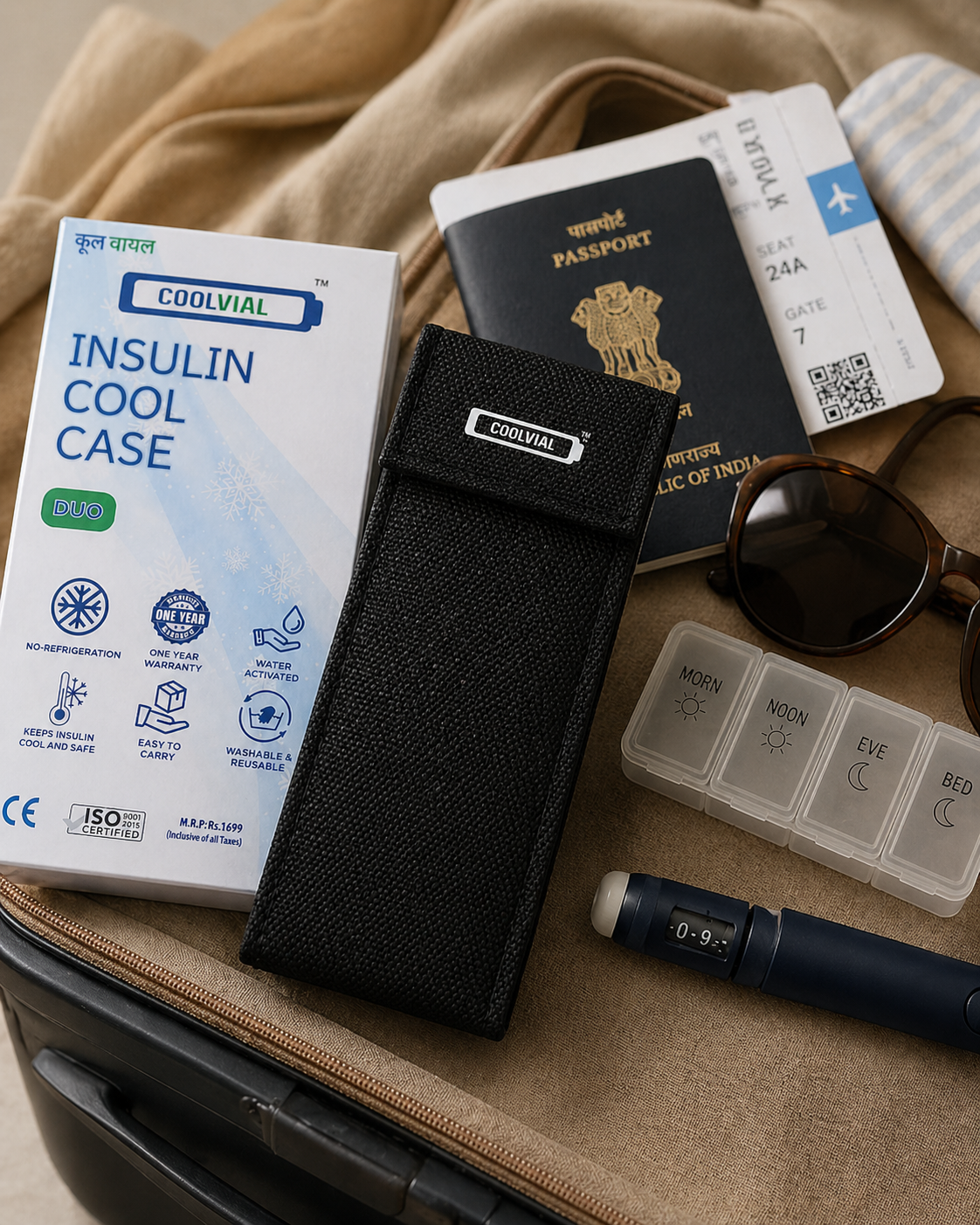
10 Practical Ways Indian Diabetics in Rural Areas Manage Insulin Without Constant Power
Don't let Indian heat spoil your insulin. COOLVIAL protects it for 48+ hours.
10 Practical Ways Indian Diabetics in Rural Areas Manage Insulin Without Constant Power
COOLVIAL keeps insulin safe in India's heat. 48+ hours, no electricity needed.