Reviewed by the COOLVIAL Editorial Team — specialists in insulin storage for Indian climate conditions.
For anyone newly diagnosed with diabetes requiring insulin, learning how to use an insulin pen for the first time in India can feel daunting, but it’s a straightforward process that becomes second nature quickly. To ensure effective treatment, insulin pens must be prepared correctly, primed with 2 units to remove air, and injected into appropriate sites, with proper storage crucial for maintaining insulin efficacy, ideally between 2-8°C for unopened pens and below 25-30°C for opened ones, which remain potent for up to 28 days. This comprehensive guide simplifies the essential steps, ensuring you gain confidence in managing your insulin therapy from day one. India, with its diverse climate and lifestyle, presents unique challenges, making understanding proper usage and storage paramount for every diabetic.
Table of Contents
- 1. Why Mastering Insulin Pen Use is Critical for Diabetics in India
- 2. Core Concepts: Understanding Your Insulin Pen and How It Works
- 3. A Practical 7-Step Guide: How to Use an Insulin Pen for the First Time in India
- 4. Navigating India’s Climate and Lifestyle: Insulin Pen Storage Challenges
- 5. COOLVIAL: Your Reliable Partner for Insulin Pen Safety Across India
- 6. Essential Quick Reference & Frequently Asked Questions (FAQs) for New Users
- Conclusion
1. Why Mastering Insulin Pen Use is Critical for Diabetics in India
Diabetes is a significant health concern in India, with the World Health Organization (WHO) reporting that the country has one of the highest numbers of people living with diabetes globally (Source: WHO Fact Sheets). For many, insulin therapy is a life-saving treatment. Understanding how to use an insulin pen for the first time in India is not just about following instructions; it’s about empowerment, health, and independence. Incorrect usage can lead to ineffective dosing, blood sugar fluctuations, and potential complications.
In a country as vast and diverse as India, where access to healthcare professionals might vary, especially in rural areas, self-sufficiency in managing diabetes is crucial. Mastering the insulin pen ensures that your blood glucose levels remain stable, preventing both hyperglycemia (high blood sugar) and hypoglycemia (low blood sugar). For a newly diagnosed individual, the initial days can be overwhelming. The insulin pen, with its user-friendly design, aims to simplify this process, making it less intimidating than traditional syringe-and-vial methods.
Moreover, the Indian lifestyle, often involving travel, social gatherings, and varying meal times, necessitates a reliable and discreet method of insulin delivery. The convenience of an insulin pen allows for greater flexibility and adherence to treatment plans, whether you are commuting in Mumbai, celebrating a festival in Delhi, or managing daily life in a smaller town. Without proper guidance on how to use an insulin pen for the first time, new users might face anxiety, making them less likely to maintain their prescribed regimen consistently. This guide aims to alleviate that anxiety by providing clear, actionable steps tailored to the Indian context, addressing common concerns and ensuring optimal health outcomes.
The journey of living with diabetes in India often involves navigating unique environmental factors, such as extreme temperatures, which can impact insulin efficacy. Therefore, beyond just the injection technique, understanding the complete lifecycle of insulin pen usage, including proper storage, is fundamental. This holistic approach ensures that every dose administered is as effective as intended, contributing to better long-term health and quality of life for millions of Indians managing this chronic condition.
Importance of Correct Technique
- Accurate Dosing: Ensures you receive the exact amount of insulin prescribed, preventing under-dosing (leading to high blood sugar) or over-dosing (leading to low blood sugar).
- Reduced Pain and Bruising: Proper injection technique minimises discomfort, bruising, and skin irritation at the injection site.
- Prevents Lipohypertrophy: This is the buildup of fatty lumps under the skin caused by repeated injections into the same spot, which can impair insulin absorption.
- Optimal Insulin Absorption: Correct technique ensures insulin is absorbed consistently and effectively into the bloodstream.
- Increased Confidence: Mastering the process builds confidence, reducing anxiety and improving adherence to your treatment plan.
2. Core Concepts: Understanding Your Insulin Pen and How It Works
Before diving into how to use an insulin pen for the first time in India, it’s essential to understand what an insulin pen is and how its components work together. Insulin pens are pre-filled or reusable devices that hold an insulin cartridge and allow for easy, precise dosing. They are designed to be more convenient and user-friendly than traditional syringes and vials.
Components of an Insulin Pen
An insulin pen typically consists of several key parts:
- Pen Body: The main casing of the pen, often containing the insulin cartridge.
- Insulin Cartridge/Reservoir: Contains the insulin. In disposable pens, this is built-in. In reusable pens, it’s a replaceable cartridge.
- Dose Window/Display: Shows the number of units you’ve dialed for injection.
- Dose Selector/Dial: A dial that you turn to select your desired insulin dose.
- Injection Button: Pushed to deliver the insulin.
- Needle Attachment Site: Where a new, sterile needle is screwed or clicked on for each injection.
- Pen Cap: Protects the pen when not in use.
- Disposable Pen Needle: A very fine, short needle used for injection, designed for single use.
Types of Insulin Pens
There are two main types of insulin pens available in India:
- Disposable Pens (Pre-filled): These pens come pre-filled with insulin and are discarded once all the insulin is used, or after a specific period (usually 28 days) even if some insulin remains. Brands like Humapen, Novopen, and Lantus Solostar are common examples.
- Reusable Pens: These pens use replaceable insulin cartridges. The pen body itself is reused, and a new cartridge is inserted once the old one is empty. This can be more cost-effective in the long run.
Understanding Insulin Types
Insulin comes in various types, each with a different onset, peak, and duration of action. Your doctor will prescribe the specific type(s) and regimen suitable for you. Common types include:
How to Use an Insulin Pen for the First Time: A 7-Step Practical India Beginner's Guide
- Rapid-acting insulin: Works quickly (10-20 minutes), peaks in 30-90 minutes, lasts 3-5 hours. Taken before meals.
- Short-acting insulin: Works in 30-60 minutes, peaks in 2-4 hours, lasts 5-8 hours. Taken before meals.
- Intermediate-acting insulin: Works in 1.5-4 hours, peaks in 4-12 hours, lasts 12-18 hours.
- Long-acting insulin: Works in 1-2 hours, no pronounced peak, lasts up to 24 hours or more. Often taken once daily.
- Premixed insulin: A combination of two different types of insulin (e.g., rapid/short and intermediate-acting).
Always confirm the type of insulin in your pen with your doctor or pharmacist to ensure you’re using the correct one at the right time.
Insulin Storage Guidelines
Proper storage is paramount for maintaining insulin efficacy. Insulin is a protein and can degrade if exposed to extreme temperatures.
| Insulin State | Recommended Storage Temperature | Shelf Life & Notes |
|---|---|---|
| Unopened Pens | 2°C to 8°C (refrigerator) | Store in the refrigerator until their expiry date. Do NOT freeze. Freezing can damage insulin and render it ineffective. |
| Opened Pens | Below 25°C to 30°C (room temp) | Once opened or punctured, most insulin pens are stable for up to 28 days (4 weeks) at room temperature. Check specific manufacturer instructions. Do not refrigerate after opening. |
| Exposure Risks | Above 30°C / Freezing | Insulin loses potency if exposed to temperatures above 30°C or if frozen. Discard any insulin that has been frozen or exposed to high heat. |
- Never store insulin in direct sunlight or in a hot car, especially common in India’s summer months where temperatures can soar above 40°C in cities like Delhi, Jaipur, or Nagpur.
- Always check the expiry date on your insulin pen or cartridge.
- Discard any insulin that looks cloudy, discolored, or has particles, unless it’s a type that is naturally cloudy (like NPH insulin), which should be gently rolled between the palms to mix.
Understanding these fundamentals will greatly assist you as you learn how to use an insulin pen for the first time in India.
3. A Practical 7-Step Guide: How to Use an Insulin Pen for the First Time in India
Learning how to use an insulin pen for the first time in India involves a series of simple, yet crucial steps. This practical guide breaks down the process into 7 easy-to-follow actions, ensuring you administer your insulin safely and effectively.
Step-by-Step Insulin Pen Usage
-
Gather Your Supplies and Prepare the Pen:
- Supplies: You’ll need your insulin pen, a new, sterile pen needle, and an alcohol swab.
- Check Insulin: Verify the insulin type and expiry date. If your insulin is cloudy (e.g., NPH or premixed), gently roll the pen between your palms 10 times to mix it, then invert it 10 times. Avoid shaking, as this can create air bubbles.
- Clean: Use an alcohol swab to clean the rubber stopper on the insulin pen where the needle will attach. Let it air dry.
-
Attach a New Pen Needle:
- Remove the protective tab from a new, sterile pen needle.
- Screw or push the needle straight onto the pen until it’s secure. Do not over-tighten.
- Remove the outer needle cap and save it for safe disposal later.
- Remove the inner needle cap and discard it. You should now see the needle tip.
-
Perform an Air Shot (Prime the Pen):
- This step is vital to remove any air from the needle and ensure the pen is working correctly.
- Dial 2 units of insulin (or as instructed by your doctor/pharmacist).
- Hold the pen with the needle pointing upwards.
- Tap the pen body gently to encourage any air bubbles to rise to the top.
- Press the injection button fully. A drop of insulin should appear at the needle tip. If not, repeat the air shot until a drop appears. If no drop appears after 3-4 attempts, change the needle and try again.
-
Dial Your Prescribed Dose:
- Turn the dose selector to the exact number of units prescribed by your doctor.
- Double-check the dose in the dose window to ensure accuracy. Do not dial past your prescribed dose, as you cannot reverse it on some pens. If you dial too much, you may need to start over or consult your pharmacist.
-
Choose and Prepare Your Injection Site:
- Common Sites: The abdomen (at least 2 inches away from the navel), thighs, upper arms, or buttocks.
- Rotation: It’s crucial to rotate injection sites to prevent lipohypertrophy (fatty lumps) and ensure consistent insulin absorption. For example, inject into a different spot within the same general area each time, or rotate between abdomen, thigh, and arm.
- Clean: Clean the chosen injection site with an alcohol swab and let it air dry completely.
-
Inject the Insulin:
- Pinch Skin: Gently pinch a fold of skin at the cleaned injection site. (For very short needles, pinching may not be necessary; consult your doctor.)
- Insert Needle: Insert the needle straight into the pinched skin fold at a 90-degree angle.
- Push Button: Press the injection button all the way down until the dose window shows “0”.
- Hold: Keep the needle in the skin for a slow count of 5 to 10 seconds (as recommended by your doctor or pen manufacturer) to ensure all insulin is delivered and to prevent leakage.
- Withdraw: Release the pinched skin and carefully withdraw the needle straight out.
-
Safely Dispose of the Needle:
- Carefully recap the needle using the outer cap you saved earlier. Never recap by hand without the cap, as this can lead to needle stick injuries.
- Immediately dispose of the used needle in a puncture-resistant “sharps” container. This can be a designated sharps container or a strong plastic container like an empty detergent bottle with a tight-fitting lid.
- Never reuse needles. Reusing needles makes them dull, increases pain, and can lead to infection or lipohypertrophy.
Following these steps meticulously is key to confidently navigating how to use an insulin pen for the first time in India.
4. Navigating India’s Climate and Lifestyle: Insulin Pen Storage Challenges
India’s diverse geography and climate present unique challenges for individuals learning how to use an insulin pen for the first time in India, especially concerning proper insulin storage. From the scorching summers to the humid monsoons, maintaining insulin’s efficacy requires careful planning and specialized solutions.
Extreme Temperatures: A Constant Threat
How to Use an Insulin Pen for the First Time: A 7-Step Practical India Beginner's Guide
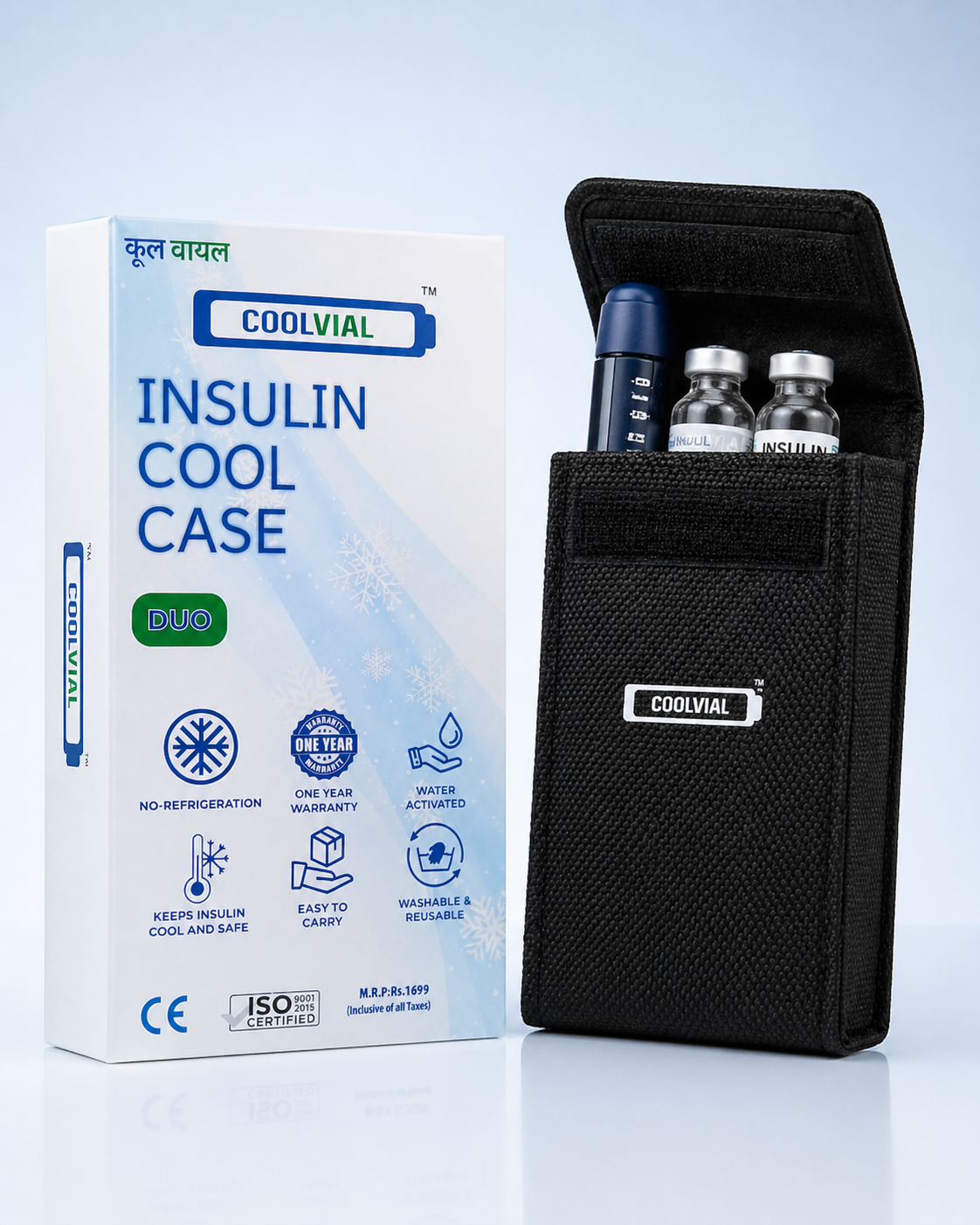
Don't let Indian heat spoil your insulin. COOLVIAL protects it for 48+ hours.
How to Use an Insulin Pen for the First Time: A 7-Step Practical India Beginner's Guide
48+ hours at 2-8°C. No electricity. CE certified. Free delivery across India.
Order on WhatsApp — ₹1,099🛒 Buy Now — ₹1,099- Summer Heat: Cities like Delhi, Ahmedabad, Jaipur, and Hyderabad regularly experience summer temperatures soaring above 40°C, often reaching 45°C or higher. Even moderate room temperatures in these regions can easily exceed the recommended 25-30°C for opened insulin. Unopened insulin, which ideally needs to be stored at 2-8°C, is particularly vulnerable.
- Humidity: Coastal cities like Mumbai, Chennai, and Kolkata, while not always reaching extreme dry heat, suffer from high humidity, which can also degrade insulin if not stored properly.
- Indirect Heat: Even inside homes, ambient temperatures can be high. Kitchens, areas near windows with direct sunlight, or rooms without air conditioning can quickly become unsafe for insulin storage.
Power Cuts and Unreliable Electricity
Many parts of India, particularly outside major metropolitan areas, experience frequent and prolonged power cuts, especially during peak summer months. This poses a significant risk to insulin stored in refrigerators. A refrigerator that loses power for several hours can no longer maintain the crucial 2-8°C range for unopened insulin, leading to spoilage. For instance, in many Tier 2 and Tier 3 cities, it’s not uncommon for households to face daily power outages lasting 2-4 hours, or even longer in rural areas. According to a 2023 report, around 78% of Indian households face daily power cuts in summer. This makes passive cooling solutions essential.
Travel and Commuting
Indians frequently travel for work, family visits, and festivals. Whether by train, bus, or car, maintaining insulin’s temperature during transit is a major concern:
- Train Journeys: Long-distance train travel, common across India, can expose insulin to varying temperatures, especially in non-AC coaches or during platform waits.
- Bus Travel: Similar to trains, bus journeys can be hot and bumpy, making it difficult to keep insulin cool.
- Personal Vehicles: Cars parked in the sun can become ovens, quickly degrading insulin.
- Festivals and Pilgrimages: During festivals like Diwali, Eid, or Kumbh Mela, people often travel to remote locations or spend extended periods outdoors, away from reliable refrigeration.
Traditional Storage Methods: Risks and Limitations
Many Indian households traditionally rely on basic refrigeration or simply storing medicines in a cool, dark place. While this might suffice for some medications, insulin’s sensitivity to temperature makes these methods inadequate in India’s climate. Storing insulin in a normal household refrigerator might not be foolproof if power cuts are frequent, and traditional cool boxes with ice packs are often bulky, short-lived, and prone to leakage.
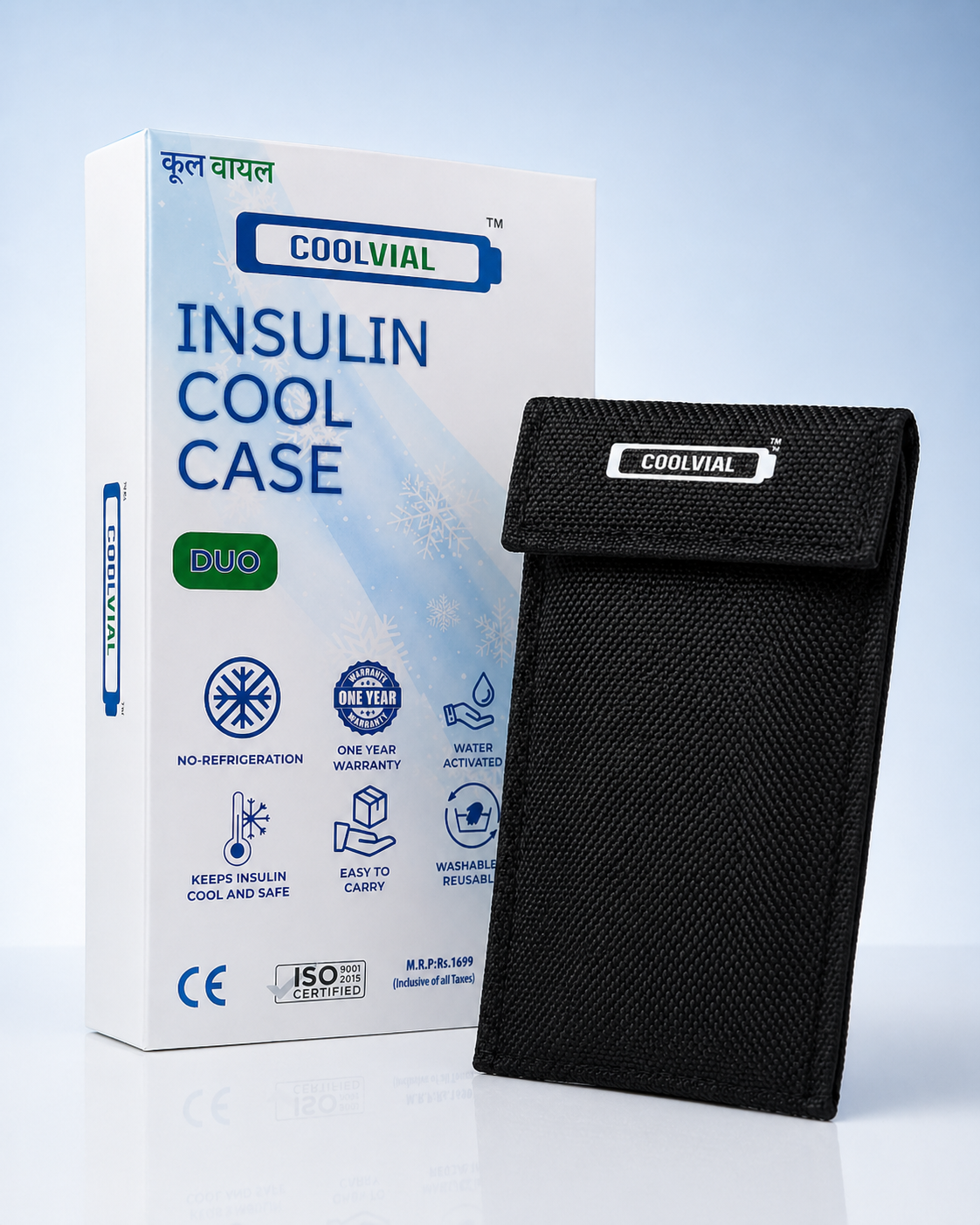
To address these unique Indian challenges, specialized solutions are required. This is where products like the COOLVIAL insulin cool case become invaluable, offering a portable, reliable way to maintain insulin’s temperature within safe limits, regardless of external conditions. Investing in proper storage is as important as learning the correct injection technique for anyone learning how to use an insulin pen for the first time in India. Understanding and mitigating these environmental factors is a critical part of successful diabetes management in the country, ensuring your insulin remains effective when you need it most. For more comprehensive guidance on preserving your vital medication, explore our detailed insulin storage tips.
5. COOLVIAL: Your Reliable Partner for Insulin Pen Safety Across India
When you’re focused on learning how to use an insulin pen for the first time in India, the last thing you want to worry about is whether your insulin is safe from the elements. India’s diverse and often challenging climate, marked by intense heat, humidity, and sporadic power cuts, makes reliable insulin storage not just a convenience but a necessity. This is precisely where COOLVIAL steps in, offering a robust and practical solution for every Indian diabetic.
COOLVIAL insulin cool cases are specifically designed with the Indian environment in mind. They provide a consistent, safe temperature range (typically 2-8°C for unopened insulin and below 25-30°C for opened pens) for your insulin pens, protecting them from degradation due to heat exposure. This means whether you’re traveling from Chennai’s humidity to Rajasthan’s dry heat, or simply managing your daily routine during a Delhi summer, your insulin remains potent and effective.
Key Benefits of a COOLVIAL Insulin Cool Case:
- Temperature Stability: Engineered to maintain the optimal temperature for insulin, safeguarding its efficacy even when ambient temperatures soar. This is crucial as insulin can lose its potency permanently if exposed to temperatures above 30°C.
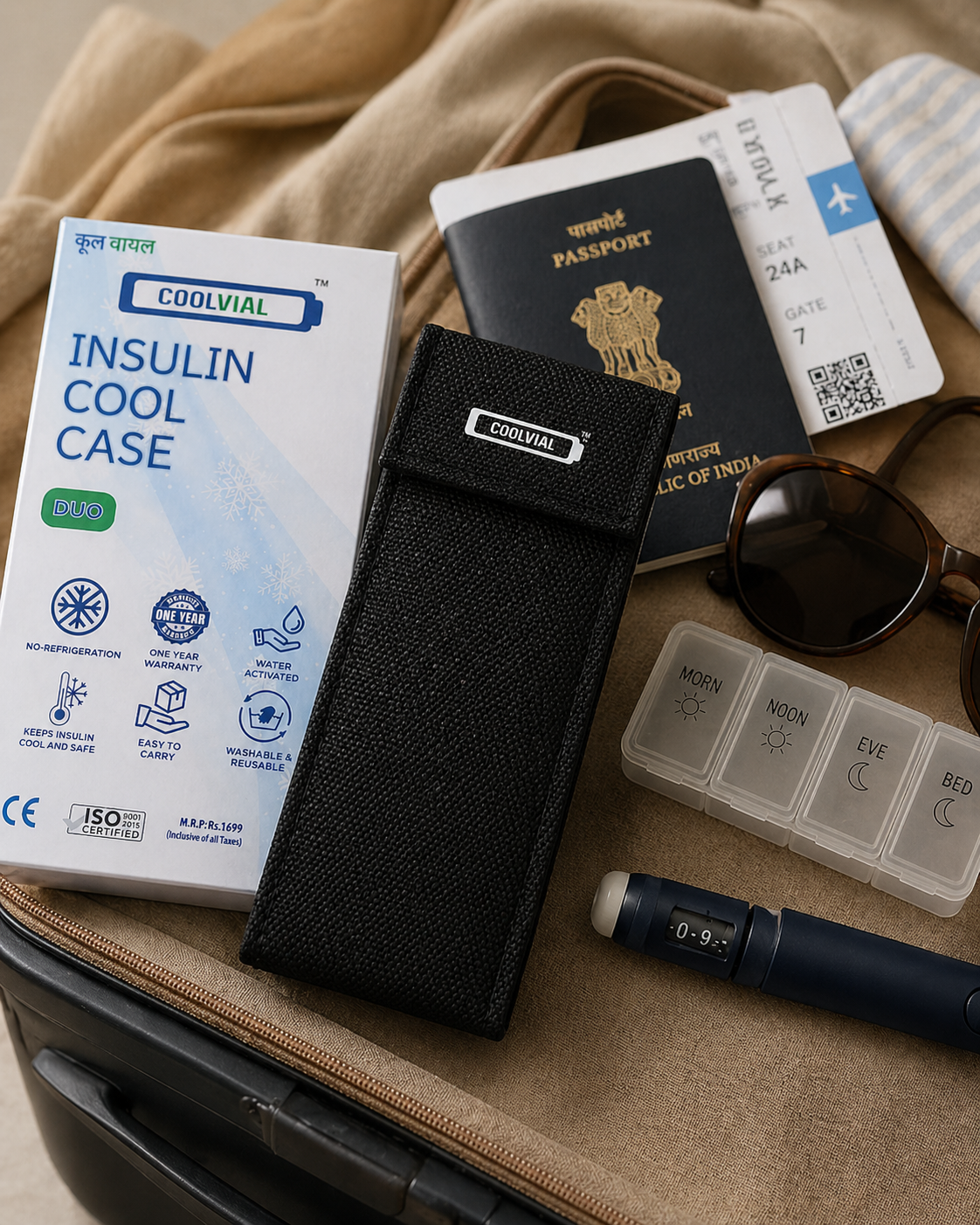
- Portability and Convenience: Compact and lightweight, COOLVIAL cases are easy to carry, fitting seamlessly into your daily life. They are perfect for commuting, office use, school, or any form of travel across India – be it by local train in Mumbai or an inter-state bus.
- Protection Against Power Cuts: In areas prone to power outages, the COOLVIAL cool case acts as a reliable backup, ensuring your refrigerated insulin remains cool for extended periods, far beyond what a typical insulated bag can offer.
- Durable Design: Built to withstand daily use, these cases are designed for longevity, making them a one-time investment for long-term peace of mind.
- Peace of Mind: Knowing your insulin is safely stored removes a significant layer of stress from diabetes management, allowing you to focus on your health and daily activities without constant worry.
For anyone who needs to how to use an insulin pen for the first time in India, understanding that proper storage is an integral part of the treatment regimen is paramount. A COOLVIAL insulin cool case complements your pen usage by ensuring that every dose you administer is of the highest quality, providing the therapeutic effect your body needs. It’s a simple yet powerful tool that empowers you to live a full and active life, unhindered by concerns about insulin spoilage. Make the smart choice for your health and explore the benefits of a COOLVIAL insulin cool case today.
6. Essential Quick Reference & Frequently Asked Questions (FAQs) for New Users
Navigating diabetes management can bring many questions, especially when learning how to use an insulin pen for the first time in India. This quick reference and FAQ section aims to provide clear, concise answers to common queries, helping new users gain confidence.
Insulin Pen Quick Checklist
- Check Insulin: Type, clarity (if applicable), expiry date.
- New Needle: Always use a fresh, sterile needle for each injection.
- Prime Pen: Perform an air shot (2 units) to remove air and ensure flow.
- Dial Dose: Accurately set the prescribed units.
- Rotate Site: Choose a new injection spot each time.
- Inject & Hold: Insert at 90°, press button, hold for 5-10 seconds.
- Dispose Safely: Recap needle and place in a sharps container immediately.
- Store Properly: Unopened: 2-8°C. Opened: below 25-30°C for 28 days.
Frequently Asked Questions (FAQs)
Q: What happens if I forget to prime my insulin pen before injecting? A: Forgetting to prime your insulin pen means you might inject air instead of a full dose of insulin. This can lead to an under-dose, causing your blood sugar levels to remain higher than intended. Always perform an air shot to ensure insulin flows and remove any air bubbles.
Q: Can I reuse the same insulin pen needle multiple times to save costs? A: No, you should never reuse insulin pen needles. Reusing needles makes them dull, increasing pain and the risk of infection, bruising, and lipohypertrophy, which can impair insulin absorption. Always use a new, sterile needle for each injection.
Q: How long can an opened insulin pen be kept at room temperature in India’s climate? A: An opened insulin pen, once punctured, is generally stable for up to 28 days (4 weeks) when stored at room temperature, ideally below 25-30°C. However, in India’s hotter regions, where ambient temperatures can exceed 30°C, it’s crucial to use a cooling device like a COOLVIAL case to maintain this safe range and prevent insulin degradation.
Q: What should I do if my insulin looks cloudy or discolored (and it’s not supposed to be)? A: If your insulin, which is normally clear, appears cloudy, discolored, or contains particles, it may have spoiled. Do not use it. Discard the pen or cartridge immediately and start with a new one. Always check your insulin’s appearance before each use.
Q: Is it safe to inject insulin through my clothes? A: No, it is not safe to inject insulin through your clothes. Always expose the skin at the injection site to ensure proper needle insertion, reduce the risk of infection, and verify that the insulin is delivered correctly into the subcutaneous tissue. Clean the skin with an alcohol swab first.
Conclusion
Mastering how to use an an insulin pen for the first time in India is a crucial step towards effective diabetes management and a confident, independent life. By following the 7 practical steps outlined in this guide – from preparing your pen and priming it, to accurately dialing your dose, selecting an injection site, injecting correctly, and safely disposing of needles – you gain control over your health journey. Remember that proper insulin storage is equally vital, especially in India’s varied climate. Protecting your insulin from extreme heat and power cuts ensures its potency and effectiveness.
Embrace these practices with confidence, knowing that each correct injection contributes to your well-being. For reliable insulin storage that stands up to India’s unique environmental challenges, consider the buy COOLVIAL at ₹1,099 via WhatsApp at wa.me/918766952300. It’s a small investment for immense peace of mind, ensuring your insulin is always ready to support your health, wherever you are in India.
How to Use an Insulin Pen for the First Time: A 7-Step Practical India Beginner's Guide
COOLVIAL keeps insulin at 2-8°C for 48+ hours. No electricity needed. Trusted by 10,000+ diabetics.