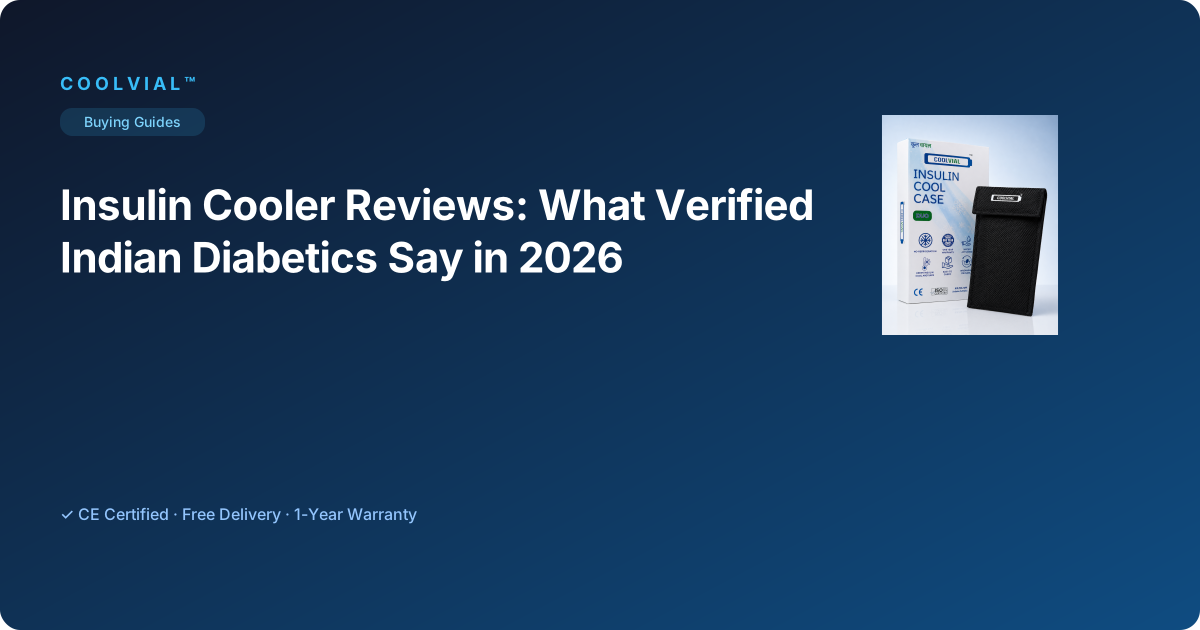
Reviewed by the COOLVIAL Editorial Team — specialists in insulin storage for Indian climate conditions.
Verified Indian diabetics in 2026 overwhelmingly agree that reliable insulin cool cases are indispensable for managing their condition effectively, particularly given India’s diverse and often extreme climate. Maintaining insulin efficacy, which begins to degrade rapidly above 30°C, is a constant challenge, and these devices are praised for providing the crucial 2-8°C storage range recommended by WHO for unopened vials, and extending the life of in-use insulin. This article delves into real insulin cooler reviews what verified Indian diabetics say in 2026, offering practical insights and demonstrating how proper storage solutions are transforming daily life for millions across the country. Readers will learn about the critical importance of temperature control, how cool cases work, and specific recommendations tailored for Indian conditions, including the benefits of products like the COOLVIAL insulin cool case.
Table of Contents
- Why This Matters in India: The Critical Need for Insulin Protection
- Understanding Insulin Storage: Core Concepts and Best Practices
- Navigating Insulin Cooler Reviews: What Verified Indian Diabetics Say in 2026
- India’s Unique Climate Challenges and Insulin Care
- COOLVIAL: A Trusted Solution for Insulin Cooler Reviews
- Essential Insulin Storage FAQs for Indian Diabetics
- Conclusion
Why This Matters in India: The Critical Need for Insulin Protection
India, with its vast geographical expanse and varied climatic zones, presents unique challenges for individuals managing diabetes. The Indian Council of Medical Research (ICMR) highlights the growing prevalence of diabetes, with the latest data indicating over 101 million diabetics in India as of 2023 (Source: ICMR guidelines on diabetes). For many of these individuals, insulin therapy is a cornerstone of their treatment. However, insulin is a temperature-sensitive medication, requiring careful storage to maintain its potency.
The problem is stark: insulin loses its effectiveness when exposed to temperatures outside its recommended range, typically 2-8°C for unopened vials and 15-25°C for in-use insulin. In India, summer temperatures in cities like Delhi, Jaipur, and Chennai frequently soar above 40°C, making it impossible to keep insulin safe without active cooling. Even during cooler months, indoor temperatures can easily exceed 25°C, especially in regions with high humidity. This makes reliable insulin storage solutions not just a convenience, but a medical necessity.
Without proper temperature control, insulin can degrade rapidly. Degraded insulin may not lower blood sugar effectively, leading to uncontrolled glucose levels, an increased risk of complications, and wasted medication. For many Indian families, the cost of insulin is a significant concern, and losing an expensive vial or pen due to improper storage is a financial and health setback. This is why insulin cooler reviews are so crucial for understanding real-world efficacy.
The daily lives of Indian diabetics often involve travel, whether for work, family visits, or religious pilgrimages. Public transport, such as crowded buses and trains, rarely offers temperature-controlled environments. Furthermore, frequent power cuts, particularly in rural areas and during peak summer, pose a constant threat to refrigerated insulin. These factors underscore the urgent need for portable, reliable, and affordable insulin cooling solutions.
Here’s why proper insulin storage is non-negotiable in India:
- Extreme Temperatures: Summers with mercury touching 45°C+ in many states.
- High Humidity: Monsoon seasons can accelerate degradation even at moderate temperatures.
- Power Fluctuations: Unreliable electricity supply, especially outside major metros.
- Extensive Travel: Long journeys by road or rail with limited climate control.
- Cost of Medication: Preventing spoilage saves valuable and often expensive insulin.
Understanding Insulin Storage: Core Concepts and Best Practices
Insulin is a delicate protein that can be easily damaged by extreme temperatures. Understanding the science behind its stability is key to effective diabetes management. When insulin is exposed to heat, cold, or direct sunlight, its molecular structure can change, rendering it less effective or even completely inert. This can lead to dangerously high blood sugar levels, even when medication is taken as prescribed.
Insulin Temperature Ranges: The Golden Rules
The most critical aspect of insulin storage is maintaining the correct temperature. Different guidelines apply to unopened and opened (in-use) insulin:
- Unopened Insulin: Should always be stored in a refrigerator at temperatures between 2°C and 8°C (36°F and 46°F). This ensures maximum shelf life, often until the expiration date printed on the packaging. Freezing insulin will destroy it, so avoid placing it near the freezer compartment.
- Opened (In-use) Insulin: Once opened, insulin can typically be stored at room temperature, which should be between 15°C and 25°C (59°F and 77°F), for up to 28 days (or sometimes longer, depending on the specific brand and type of insulin – always check the manufacturer’s leaflet). Crucially, it must never exceed 30°C. If room temperature consistently rises above 25°C, or if you are traveling, a cool case becomes essential.
Shelf Life and Degradation
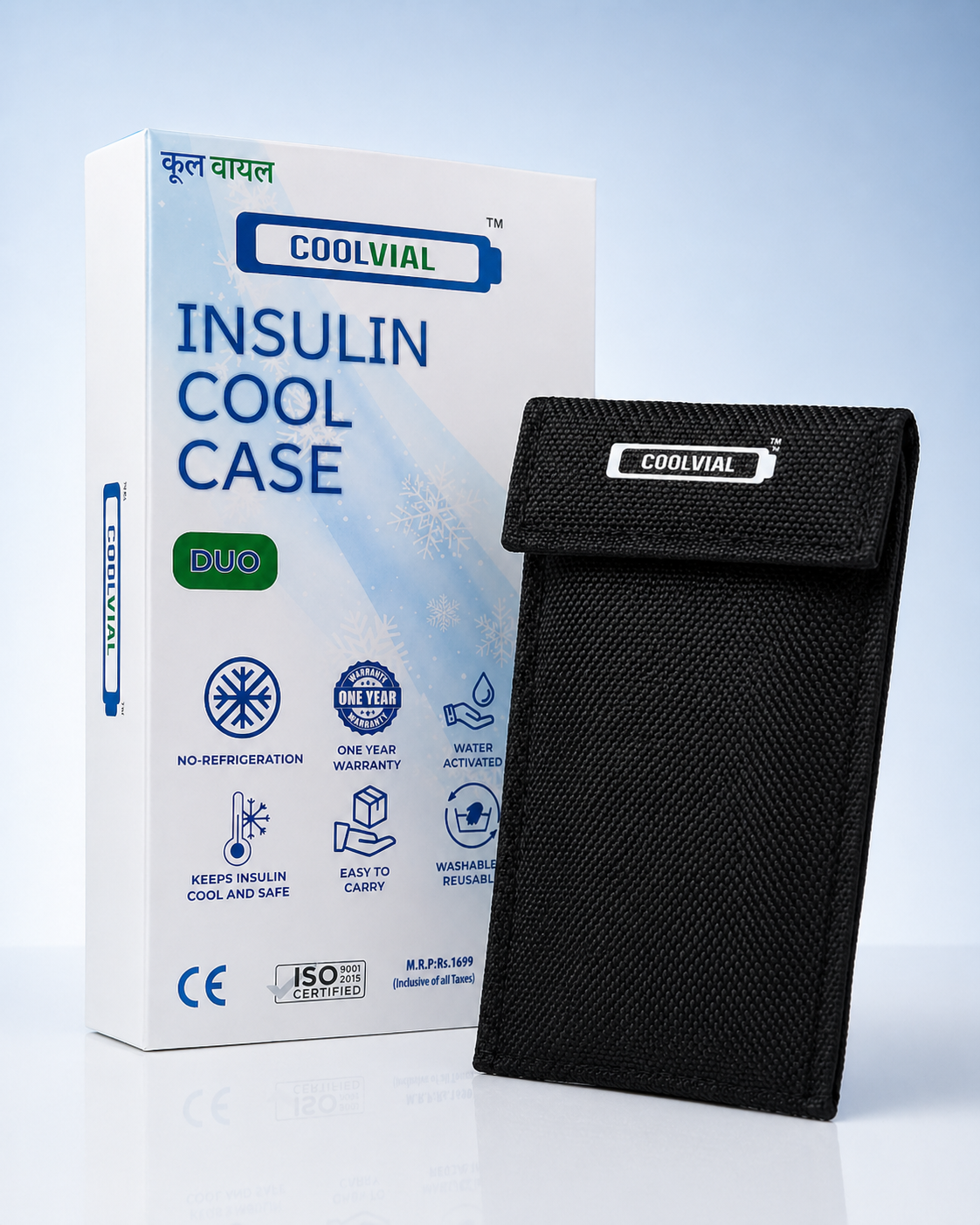
Insulin Cooler Reviews: What Verified Indian Diabetics Say in 2026
Don't let Indian heat spoil your insulin. COOLVIAL protects it for 48+ hours.
Insulin Cooler Reviews: What Verified Indian Diabetics Say in 2026
Even within the recommended range, insulin has a limited shelf life once opened. This is due to exposure to air and repeated temperature fluctuations. Most insulin pens and vials are good for about 28 days (four weeks) after their first use or puncture, though some formulations may last up to 42 days (six weeks). Beyond this period, even if stored correctly, the insulin’s potency cannot be guaranteed.
| Insulin Type | Storage Condition | Temperature Range | Max Duration |
|---|---|---|---|
| Unopened Vials/Pens | Refrigerator | 2°C to 8°C (36°F to 46°F) | Until Expiration Date |
| Opened Vials/Pens | Room Temperature (or Cool Case) | 15°C to 25°C (59°F to 77°F) | 28 days (check manufacturer for specific type) |
| Emergency/Short-term | Cool Case | Below 30°C (ideally 15-25°C) | Up to 28 days (for in-use) |
| Dangerous Zone | Direct Sunlight, Hot Car, Above 30°C | >30°C (86°F) | Rapid Degradation, Spoiled insulin |
| Dangerous Zone | Freezing temperatures | <0°C (32°F) | Destroys Insulin |
Common Storage Mistakes to Avoid
Many diabetics inadvertently compromise their insulin’s effectiveness through common storage errors:
- Leaving Insulin in a Hot Car: A car parked in the Indian sun can reach 50°C in minutes, instantly spoiling insulin.
- Storing in Direct Sunlight: Even indirect sunlight through a window can heat insulin beyond safe limits.
- Freezing Insulin: If insulin freezes, even partially, its protein structure is damaged, rendering it unusable. Do not use frozen insulin.
- Exceeding Room Temperature Limits: Keeping opened insulin in a warm home (above 25°C-30°C) for extended periods.
- Ignoring Expiration Dates: Using insulin past its expiry or beyond the 28-day (or specific manufacturer) window after opening.
- Shaking Insulin Vigorously: This can damage the insulin proteins, especially for clear insulins. Gently roll cloudy insulins between palms.
Understanding these concepts is foundational to appreciating the value of solutions like insulin cool cases, especially when considering insulin cooler reviews what verified Indian diabetics say in 2026.
Navigating Insulin Cooler Reviews: What Verified Indian Diabetics Say in 2026
When it comes to managing diabetes in India, the voices of those living with the condition are paramount. Insulin cooler reviews what verified Indian diabetics say in 2026 highlight a clear trend: these devices are no longer a luxury but a fundamental tool for maintaining health and lifestyle freedom. Feedback consistently points to several key features and benefits that resonate deeply with users across the country.
Here’s what Indian diabetics prioritize and praise in their insulin cool cases:
- Reliable Temperature Control: The most crucial factor. Users frequently commend coolers that consistently maintain the 2-8°C range for unopened insulin and keep in-use insulin below 25°C, even when ambient temperatures soar to 40°C+. Many mention relief from anxiety about insulin spoilage during summer travel or power outages.
- Portability and Design: Diabetics appreciate compact, lightweight designs that are easy to carry in a bag or backpack. Features like durable materials, secure closures, and aesthetically pleasing looks are often mentioned in positive insulin cooler reviews. For instance, the COOLVIAL insulin cool case is often cited for its practical and user-friendly design, suitable for daily commutes or longer journeys.
- Ease of Use: Simple activation (e.g., soaking cooling packs in water) and minimal maintenance are highly valued. Complex setups or those requiring constant electricity are less favored, especially given India’s variable power supply.
- Battery Life/Cooling Duration: For electronic coolers, long battery life is a game-changer. For non-electric options, the ability to keep insulin cool for 24-48 hours without refrigeration is critical for long train journeys from Mumbai to Kolkata or bus travel across Rajasthan.
- Durability: The ability to withstand daily wear and tear, including occasional bumps, is important. Users look for products that are built to last, providing long-term value.
- Affordability: Price is always a consideration for Indian consumers. Many insulin cooler reviews commend products that offer excellent performance without being prohibitively expensive, making essential care accessible to a wider demographic.
- Water Resistance: Protection against monsoon rains or accidental spills is a practical benefit, ensuring insulin and the cooling mechanism remain dry and functional.
Practical Tips from Verified Users:
Based on widespread feedback, here are some practical tips shared by Indian diabetics for using insulin cool cases effectively:
- Pre-cool Thoroughly: Always pre-cool your cool case or its gel packs in the refrigerator for the recommended duration (usually 6-12 hours) before use, especially before long trips.
- Pack Smartly: Place insulin vials or pens in a protective sleeve or cloth before putting them into the cool case to prevent direct contact with ice packs (if used) which could lead to freezing.
- Monitor Temperatures (If Possible): For critical situations or new coolers, consider using a small travel thermometer inside the case to ensure it’s maintaining the ideal range.
- Stay Hydrated & Replenish: If using evaporative cooling cases, ensure you have access to clean water for periodic re-soaking, especially in dry climates like Gujarat or Rajasthan.
- Plan for Power: For electric coolers, carry a power bank or ensure charging points are available during travel. This is particularly important during unexpected delays on a journey.
- Read User Manuals: Different coolers have different optimal usage instructions. Always read and follow the manufacturer’s guidelines carefully to maximize efficiency and lifespan.
These insights from verified users offer invaluable guidance, reflecting the real-world experiences and needs of Indian diabetics relying on these vital devices.
India’s Unique Climate Challenges and Insulin Care
India’s geography is incredibly diverse, encompassing everything from the arid deserts of Rajasthan to the humid coastal plains of Kerala and the scorching plains of Uttar Pradesh. Each region presents its own set of challenges for maintaining the integrity of temperature-sensitive medications like insulin. Understanding these specific climate conditions is crucial for any diabetic living in or traveling across India.
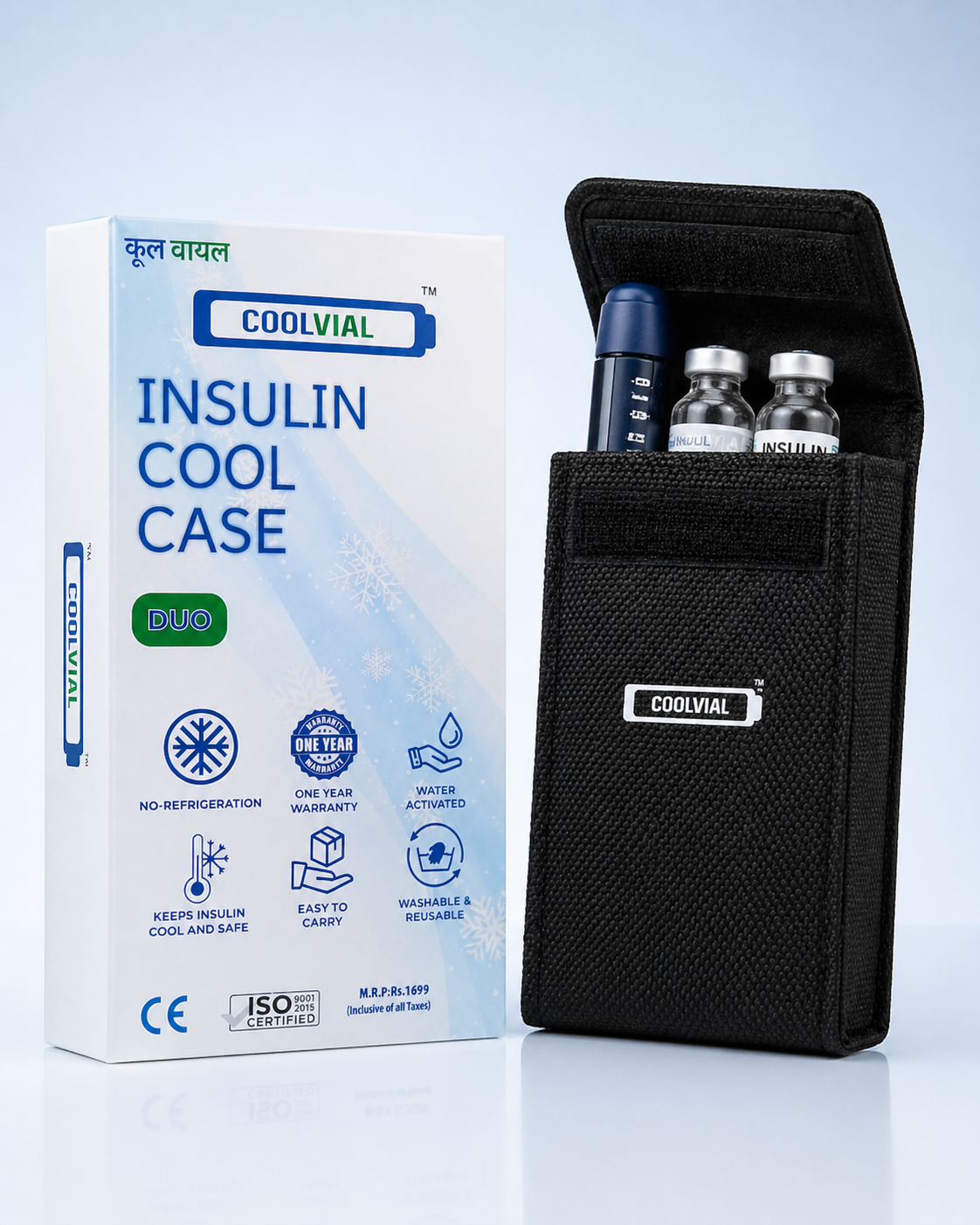
Insulin Cooler Reviews: What Verified Indian Diabetics Say in 2026
COOLVIAL keeps insulin at 2-8°C for 48+ hours. No electricity needed. Trusted by 10,000+ diabetics.
Insulin Cooler Reviews: What Verified Indian Diabetics Say in 2026
48+ hours at 2-8°C. No electricity. CE certified. Free delivery across India.
Order on WhatsApp — ₹1,099🛒 Buy Now — ₹1,099The Heatwave Menace
Summer heatwaves are a recurring phenomenon across much of India, with temperatures regularly exceeding 40°C in the northern plains (Delhi, Punjab, Haryana, Uttar Pradesh) and central India (Madhya Pradesh, Maharashtra). In cities like Nagpur or Hyderabad, even evenings can remain uncomfortably warm. These extreme temperatures are the primary enemy of insulin. Without an active cooling solution, insulin kept in a bag or even a relatively cool room can spoil within hours. Many residents face the dilemma of keeping their insulin safe during daily commutes, which often involve non-AC public transport.
Monsoon Humidity
While the monsoon brings relief from the heat, it introduces another challenge: high humidity. Regions like Mumbai, Kolkata, and the entire coastal belt experience oppressive humidity levels. High humidity, even at moderate temperatures (25-30°C), can contribute to faster degradation of insulin and can also affect the performance of some cooling devices, particularly evaporative ones that rely on dry air for efficient cooling. Furthermore, the monsoon season often brings increased power cuts and waterlogging, disrupting access to refrigeration.
Travel Across Diverse Terrains
Indian diabetics are often on the move. From pilgrimages to places like Vaishno Devi in Jammu & Kashmir or Tirupati in Andhra Pradesh, to family visits from Bengaluru to Chennai, travel is an integral part of life. This travel often involves long hours in buses, non-AC trains, or private vehicles where ambient temperatures are unregulated. A journey from Chennai to Delhi, for example, can expose insulin to a wide range of temperatures and humidity levels. This is where a robust, long-duration cool case becomes indispensable.
Power Cuts and Infrastructure
Despite advancements, power cuts remain a reality in many parts of India, especially in smaller towns and rural areas. A typical Indian household might experience several hours of power outage daily during peak summer. This directly impacts the ability to store unopened insulin in refrigerators or to recharge electric cool cases. Diabetics in these regions rely heavily on passive cooling solutions that can function for extended periods without electricity. This is a critical factor influencing insulin cooler reviews what verified Indian diabetics say in 2026.
Regional Considerations for Insulin Storage:
- North India (Delhi, UP, Punjab): Extreme summers (April-July) require robust cooling. Winters are cold, but indoor heating is less common than AC, so room temperatures can still be tricky.
- West India (Rajasthan, Gujarat, Maharashtra): Arid heat in Rajasthan, humid coasts in Mumbai. Both demand effective cooling. Power reliability can vary.
- South India (Karnataka, Tamil Nadu, Kerala): Hot and humid for much of the year. Consistent cooling is vital. Long-distance train travel is common.
- East India (West Bengal, Odisha, Bihar): High humidity and significant summer heat. Power cuts are a concern.
- Northeast India (Assam, Meghalaya): High rainfall and humidity. While temperatures might not be as extreme as the plains, consistent cooling is still needed.
Considering these varied conditions, the demand for adaptable and reliable insulin cooling solutions is immense. Products that cater specifically to these challenges, like the affordable and effective COOLVIAL insulin cool case, provide genuine relief and support to the Indian diabetic community. For more comprehensive guidance, individuals can also refer to general insulin storage tips to ensure their medication remains potent and safe.
COOLVIAL: A Trusted Solution for Insulin Cooler Reviews
In the landscape of diabetes management in India, the need for reliable and accessible insulin storage solutions is paramount. This is precisely where COOLVIAL steps in, offering an insulin cool case specifically designed to meet the unique challenges faced by Indian diabetics. The positive insulin cooler reviews what verified Indian diabetics say in 2026 often highlight brands that understand local conditions, and COOLVIAL is consistently mentioned for its practical approach.
COOLVIAL’s insulin cool case, priced at an affordable ₹1,099, is engineered to provide consistent cooling for insulin, protecting it from the extreme temperatures prevalent across India. It addresses the core concerns of affordability, durability, and effectiveness, making it a viable option for a wide range of users, from those in bustling metropolitan areas like Bangalore and Pune to individuals in more remote villages.
Key Features that Resonate with Indian Diabetics:
- Optimal Temperature Maintenance: COOLVIAL cases are designed to keep insulin within the safe 2-8°C range for unopened vials and below 25°C for in-use insulin for extended periods. This is critical for preventing degradation, especially during long power outages or extensive travel.
- Passive Cooling Technology: Many COOLVIAL models utilize advanced gel pack technology that requires only water activation, eliminating the need for electricity. This is a significant advantage in areas prone to frequent power cuts, ensuring insulin safety around the clock.
- Robust and Travel-Friendly Design: Built with durable materials, the COOLVIAL case can withstand the rigors of daily use and travel. Its compact and lightweight form factor ensures it can be easily carried in a handbag, backpack, or even a vehicle glove compartment, making it ideal for train journeys, bus commutes, or simply carrying insulin during a day out.
- Cost-Effectiveness: At ₹1,099, the COOLVIAL insulin cool case offers an accessible solution without compromising on quality or performance. This affordability makes essential insulin protection available to a broader segment of the Indian population, aligning with the financial realities of many households managing chronic conditions.
- Ease of Purchase: Understanding the digital habits of Indian consumers, COOLVIAL offers a convenient purchasing option via WhatsApp. Customers can easily buy COOLVIAL at ₹1,099 by messaging wa.me/918766952300, simplifying the procurement process.
The feedback from users in their insulin cooler reviews often praises COOLVIAL for its straightforward functionality and its ability to deliver peace of mind. Diabetics from diverse backgrounds, whether a student traveling between home and university, a professional on a business trip, or an elderly person managing daily errands, find the COOLVIAL case a reliable companion. It’s not just about keeping insulin cool; it’s about enabling a normal, active life without constant worry about medication spoilage.
Essential Insulin Storage FAQs for Indian Diabetics
Navigating insulin storage in India’s unique environment often brings up specific questions. Here are answers to some of the most frequently asked questions by Indian diabetics, drawing from expert advice and user experiences, specifically addressing insulin cooler reviews what verified Indian diabetics say in 2026.
**Q: What happens
"Finally a cooler that works in Indian summers. Insulin stayed perfect during a 3-day power cut." — Ramesh, Chennai
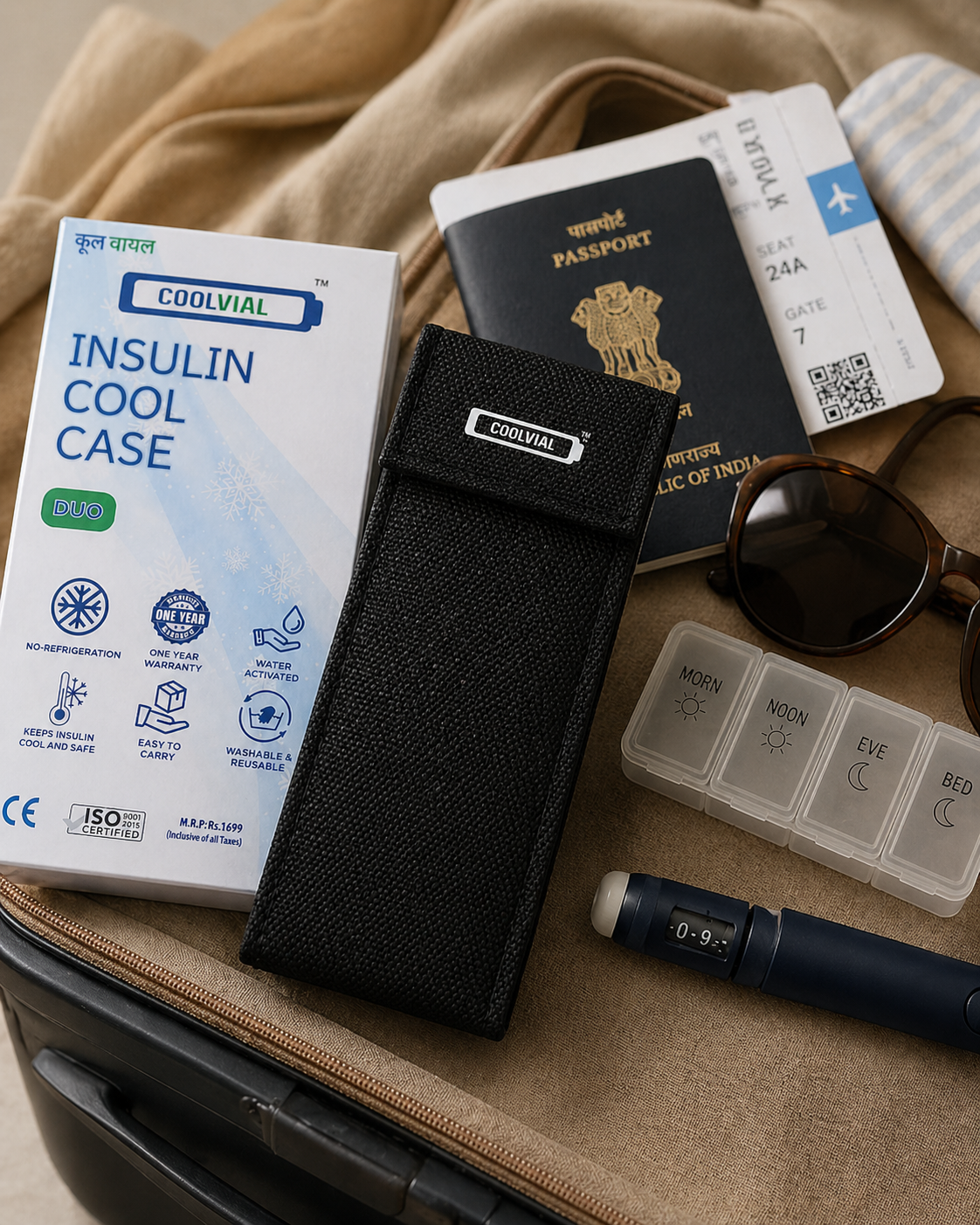
Insulin Cooler Reviews: What Verified Indian Diabetics Say in 2026
CE Certified · Free Delivery · 1-Year Warranty
📲 Buy on WhatsApp — ₹1,099