Reviewed by the COOLVIAL Editorial Team — specialists in insulin storage for Indian climate conditions.
The Indian monsoon brings much-needed relief from scorching summers, but it also ushers in a period of intense humidity and fluctuating temperatures that pose a significant challenge for insulin users. To directly answer the core concern: effective insulin storage during Indian monsoon humidity damage explained primarily involves maintaining its temperature between 2-8°C (for unopened vials) or 15-25°C (for opened vials/pens) and rigorously protecting it from moisture. Insulin is a delicate protein; exposure to temperatures above 30°C or high humidity can rapidly degrade its potency, rendering it ineffective, which is a critical health risk for the estimated 101 million diabetics in India (Source: International Diabetes Federation, 2023). This article will empower you with practical, India-specific strategies to safeguard your life-saving medication.
Table of Contents
- Why Monsoon Poses a Unique Challenge for Insulin Users in India
- Understanding Insulin’s Sensitivity: Temperature and Humidity Explained
- 7 Proven Strategies for Insulin Storage During Indian Monsoon: Humidity Damage Explained
- Navigating India’s Diverse Climate Zones and Power Challenges
- COOLVIAL: Your Reliable Partner for Insulin Storage During Indian Monsoon
- Essential Monsoon Insulin Storage Checklist & FAQs
- Conclusion: Staying Safe and Potent This Monsoon
Why Monsoon Poses a Unique Challenge for Insulin Users in India
The arrival of the monsoon in India, typically from June to September, transforms the landscape but also introduces a complex set of environmental challenges for individuals managing diabetes. While the rains cool down the intense summer heat in many regions, they bring with them a dramatic surge in ambient humidity. This high humidity, coupled with often fluctuating temperatures and unreliable power supply, creates a precarious environment for insulin, a temperature-sensitive medication. For instance, cities like Mumbai, Kolkata, and Chennai experience average relative humidity levels soaring above 80-90% during monsoon months.
The fundamental problem lies in insulin’s chemical structure. It’s a protein, and like many biological molecules, its stability is highly dependent on specific environmental conditions. Heat and moisture are its primary enemies. When insulin is exposed to conditions outside its recommended storage range, it can undergo denaturation or aggregation, leading to a loss of efficacy. This means a diabetic person might inject what they believe is the correct dose, but receive less active medication, leading to dangerously high blood sugar levels. According to the World Health Organization (WHO), maintaining stable blood glucose levels is crucial for preventing acute and long-term complications of diabetes. (Source: WHO Diabetes Fact Sheet)
Moreover, India’s infrastructure, especially in rural areas or during heavy rainfall, can be prone to frequent and prolonged power cuts. These outages directly impact the ability to refrigerate insulin properly, which is essential for unopened vials. Even in urban centers, voltage fluctuations can stress refrigeration units, making consistent cooling a challenge. This makes reliable insulin storage during Indian monsoon humidity damage explained not just a matter of convenience, but a critical aspect of diabetes management and patient safety.
- Key Monsoon Challenges for Insulin:
- High Ambient Humidity: Promotes moisture ingress into packaging and can affect insulin stability.
- Temperature Fluctuations: Monsoon often brings varied temperatures, from cooler rainy days to warm, muggy periods, making consistent storage difficult.
- Power Outages: Frequent electricity cuts disrupt refrigeration, jeopardizing cold-chain integrity.
- Travel Difficulties: Monsoon makes travel challenging, often exposing insulin to uncontrolled environments for extended periods.
Understanding Insulin’s Sensitivity: Temperature and Humidity Explained
Insulin is a life-saving hormone, but its effectiveness hinges entirely on proper storage. It’s a complex protein molecule, and like many proteins, it’s highly susceptible to degradation when exposed to adverse conditions. Understanding these sensitivities is the first step towards ensuring safe insulin storage during Indian monsoon humidity damage explained.
The Critical Role of Temperature
The primary factor affecting insulin stability is temperature. Manufacturers provide clear guidelines, which are universal:
- Unopened Insulin: Must be stored in a refrigerator, ideally between 2°C and 8°C. This temperature range significantly slows down the degradation process, allowing insulin to remain potent until its expiry date, which can be up to 2-3 years. Freezing insulin will damage it, making it unusable.
- Opened Insulin (in-use): Once a vial, pen, or cartridge is opened and put into use, it can typically be stored at room temperature, which is generally defined as 15°C to 25°C. However, its shelf life drastically reduces to 28 days (4 weeks) for most types of insulin, though some newer formulations may last up to 42 days (6 weeks). It should never be refrigerated again after opening, as frequent temperature changes can also accelerate degradation.
Exposure to temperatures above 30°C can cause rapid degradation. At 37°C (body temperature), insulin can lose a significant portion of its potency within hours or a few days. Visual signs of degradation include cloudiness, discoloration, or the presence of particles, but often, the degradation is invisible.
The Overlooked Threat of Humidity
7 Critical Steps for Insulin Storage During Indian Monsoon: Humidity Damage Explained
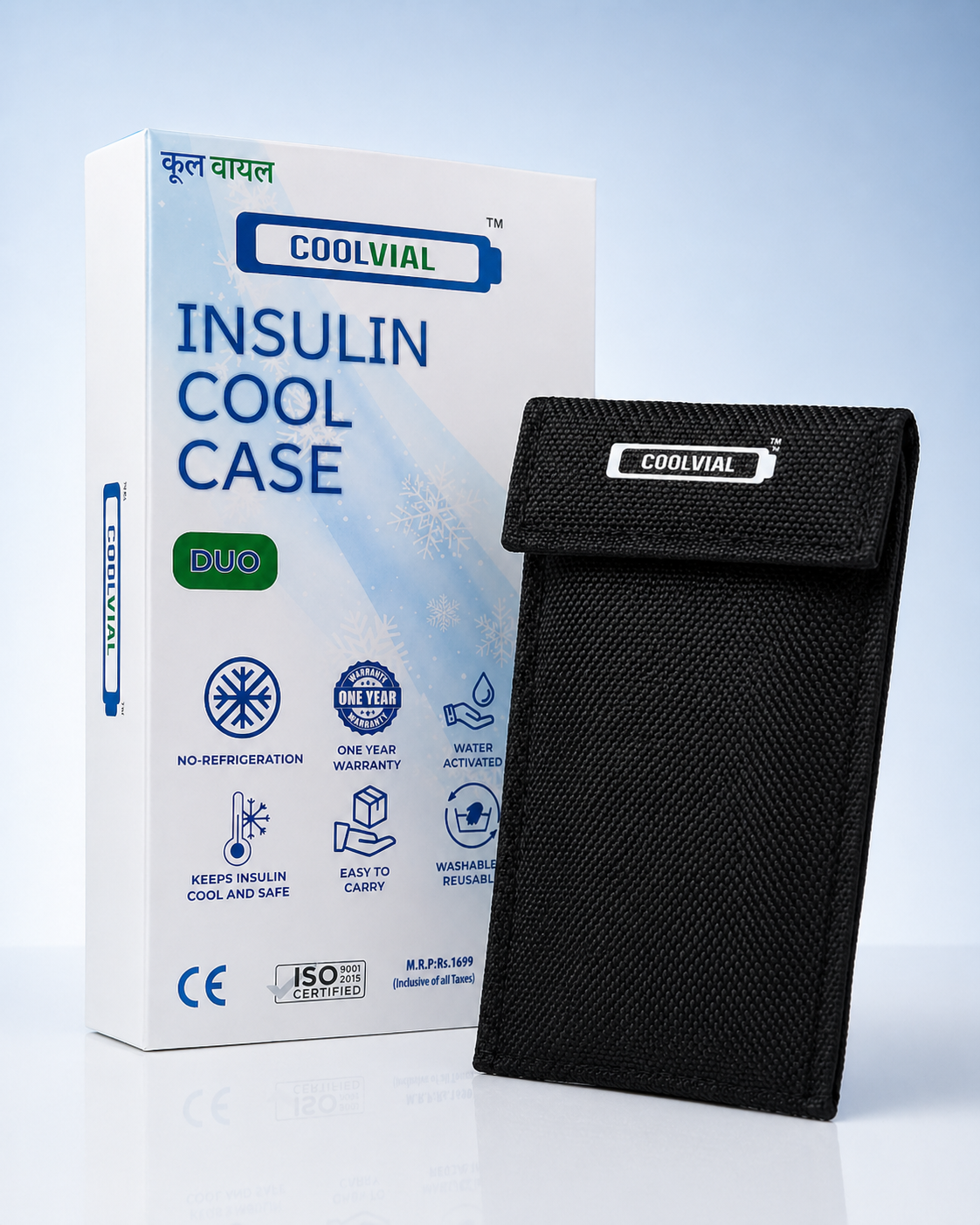
COOLVIAL keeps insulin at 2-8°C for 48+ hours. No electricity needed. Trusted by 10,000+ diabetics.
7 Critical Steps for Insulin Storage During Indian Monsoon: Humidity Damage Explained
48+ hours at 2-8°C. No electricity. CE certified. Free delivery across India.
Order on WhatsApp — ₹1,099🛒 Buy Now — ₹1,099While temperature is widely recognized, the impact of humidity, especially in a tropical climate like India’s, is often underestimated. High humidity poses several threats:
- Moisture Ingress: High moisture content in the air can penetrate packaging, especially if seals are compromised or if insulin is stored in environments not designed for medical supplies. Moisture can directly interact with the insulin solution, potentially altering its chemical structure.
- Condensation: When a cold item (like insulin taken from a refrigerator) is exposed to warm, humid air, condensation forms on its surface. This moisture, if it enters the vial or pen, can dilute the insulin or promote bacterial growth, further compromising its sterility and efficacy.
- Packaging Damage: Prolonged exposure to humidity can degrade the integrity of the insulin pen or vial’s materials, leading to potential leaks or contamination.
It is crucial to understand that even if the temperature is within the acceptable “room temperature” range (15-25°C), excessively high humidity can still accelerate degradation. This is particularly relevant during the Indian monsoon, where ambient humidity can consistently hover above 80%. Therefore, adequate insulin storage during Indian monsoon humidity damage explained means addressing both temperature control and moisture protection simultaneously.
| Insulin Storage State | Recommended Temperature Range | Maximum Shelf Life | Key Considerations |
|---|---|---|---|
| Unopened | 2°C to 8°C (Refrigerator) | Until Expiry Date | Do not freeze. Protect from light. |
| Opened (In-use) | 15°C to 25°C (Room Temp) | 28-42 days | Discard after specified period, even if some insulin remains. Protect from direct heat/light. |
| Above 30°C | Unsafe | Hours/Days | Rapid loss of potency. Visual changes may not always be present. |
| Below 2°C (Frozen) | Unsafe | Unusable | Damages protein structure. |
7 Proven Strategies for Insulin Storage During Indian Monsoon: Humidity Damage Explained
Navigating the monsoon season with diabetes requires proactive measures to protect your insulin. Here are 7 critical steps to ensure your medication remains potent and safe, even amidst India’s challenging climate conditions. These strategies are specifically tailored for effective insulin storage during Indian monsoon humidity damage explained.
- Invest in a Reliable Insulin Cool Case: This is perhaps the most crucial step. A good quality insulin cool case, like the COOLVIAL insulin cool case, is designed to maintain the optimal temperature range (2-8°C or 15-25°C) for extended periods, even without electricity. It also provides a protective barrier against external humidity and condensation, vital during the monsoon.
- Understand Your Insulin’s Specific Storage Needs: Always read the manufacturer’s instructions for your specific type of insulin (vial, pen, cartridge). While general guidelines exist, formulations can differ slightly. Know the exact “in-use” period (28 days, 42 days, etc.) once opened.
- Avoid Direct Sunlight and Heat: Never leave insulin in direct sunlight, in a parked car, or near heat sources like stoves or geysers. Even indirect heat can raise temperatures beyond safe limits. During monsoon, while temperatures might drop, humid, stuffy rooms can still get warm.
- Protect from Moisture and Condensation: Store insulin in a dry place. If refrigerating, ensure it’s not near the freezer compartment or the back wall where items can freeze. When removing cold insulin, place it in a cool case or a sealed, airtight bag temporarily to prevent condensation from forming on the vial/pen itself as it adjusts to room temperature.
- Develop a Power Outage Contingency Plan: Given frequent power cuts in India, especially during monsoon, have a plan. This could involve using a cool case, pre-cooling gel packs, or having a neighbor with consistent power who can temporarily store your unopened insulin. Never rely solely on a domestic refrigerator during extended outages.
- Regularly Inspect Your Insulin: Before each injection, visually inspect your insulin. Look for any changes in clarity, color, or consistency. If it’s supposed to be clear, check for cloudiness, particles, or strands. If it’s supposed to be cloudy, ensure it mixes evenly after rolling. Any unusual changes mean it should be discarded.
- Plan for Travel: If you’re travelling by train or bus during the monsoon, especially for festivals or family visits, always carry your insulin in a dedicated cool case. Pack enough supplies for your trip, plus a few extra days, in case of delays. Ensure your travel bag is water-resistant to protect against rain. For more comprehensive guidance, explore our general insulin storage tips.
Navigating India’s Diverse Climate Zones and Power Challenges
India’s vast geography means the monsoon experience varies significantly across regions, each presenting unique challenges for insulin storage. Understanding these regional nuances is crucial for effective diabetes management.
Regional Monsoon Climate Variations:
- Coastal Regions (e.g., Mumbai, Kochi, Kolkata): These areas, including states like Maharashtra, Kerala, and West Bengal, face extremely high humidity levels (often 90%+) combined with moderate to high temperatures. The constant moisture in the air is a primary concern, making protection against condensation and direct moisture contact paramount.
- North Indian Plains (e.g., Delhi, Lucknow, Patna): While the initial monsoon rains bring relief from extreme heat, the post-rain periods can be intensely humid and stifling. Temperatures can still hover in the high 20s to low 30s (°C), creating a “hot and sticky” environment that quickly degrades insulin.
- Northeast India (e.g., Guwahati, Shillong): This region experiences some of the heaviest rainfall in the world, leading to prolonged periods of high humidity and potential for waterlogging. Ensuring insulin is kept dry and protected from ambient moisture is critical.
- Central and South Indian Plateaus (e.g., Bengaluru, Hyderabad, Nagpur): These regions experience a more moderate monsoon, but humidity can still be substantial. Intermittent rains can lead to temperature drops followed by warm, humid spells, requiring vigilant temperature monitoring.
The Impact of Power Cuts on Insulin Refrigeration:
Frequent and unpredictable power cuts are a harsh reality across much of India, particularly during the monsoon when infrastructure can be stressed by heavy rains and storms. According to a 2022 survey, 78% of Indian households faced daily power cuts in summer, a trend that often extends into the monsoon due to grid strain.
- Rural Areas: Power outages in villages and smaller towns can last for hours, sometimes even days. A standard refrigerator can only maintain safe temperatures for a few hours without power, putting unopened insulin at significant risk.
- Urban Areas: Even metropolitan cities like Delhi, Bengaluru, and Chennai experience load shedding or unexpected outages, albeit usually shorter. However, even a few hours of exposure to high ambient temperatures can compromise insulin’s potency.
Monsoon Travel and Festivals:
The monsoon season often coincides with various regional festivals and family gatherings, prompting increased travel. Whether by train, bus, or personal vehicle, extended journeys expose insulin to uncontrolled environments.
- Public Transport: Coaches on trains and buses may not have consistent air conditioning, or it might be set to uncomfortable temperatures. Insulin carried in regular bags can easily overheat or get soaked if exposed to rain.
- Festivals: During events like Onam, Ganesh Chaturthi, or Durga Puja, individuals might spend more time outdoors or in crowded places where maintaining ideal insulin storage conditions is challenging.
Therefore, for effective insulin storage during Indian monsoon humidity damage explained, a portable, reliable cooling solution becomes indispensable. It offers consistent temperature control and protection against both heat and moisture, regardless of location or power availability.
7 Critical Steps for Insulin Storage During Indian Monsoon: Humidity Damage Explained
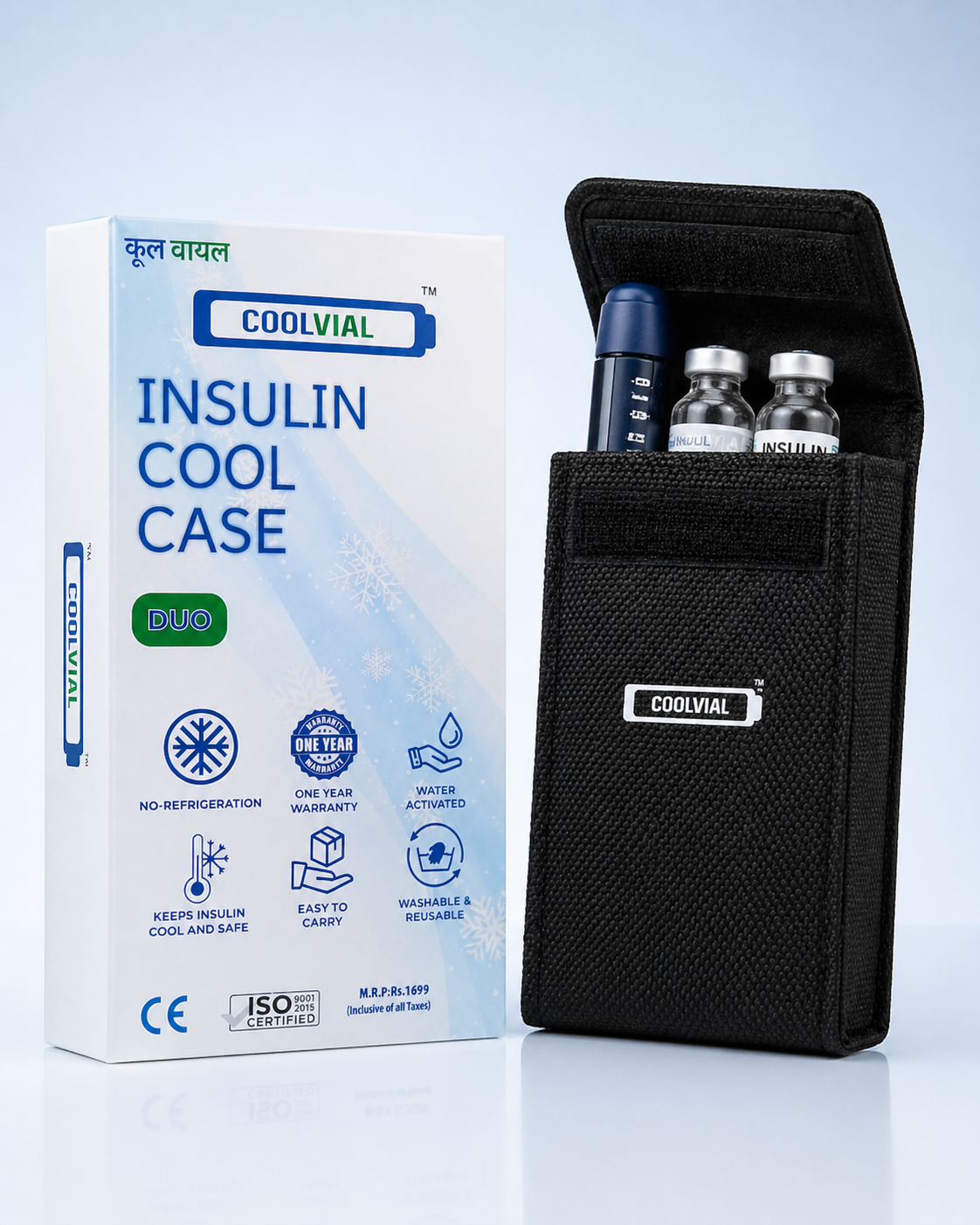
Keep your insulin safe in India's extreme heat. COOLVIAL works for 48+ hours without electricity.
COOLVIAL: Your Reliable Partner for Insulin Storage During Indian Monsoon
For individuals with diabetes in India, the challenges of insulin storage during Indian monsoon humidity damage explained are real and require a dependable solution. This is where COOLVIAL steps in, offering a practical, affordable, and highly effective way to protect your vital medication.
COOLVIAL insulin cool cases are specifically designed with the Indian climate in mind. They address the dual threats of high temperatures and oppressive humidity that characterize the monsoon season. Priced at just ₹1,099, these cases provide peace of mind without breaking the bank.
How COOLVIAL Protects Your Insulin:
- Consistent Temperature Control: Our cool cases utilize advanced insulation technology and high-quality gel packs to maintain the optimal temperature range (typically 2-8°C or 15-25°C, depending on the specific model and use) for extended periods. This is crucial during power cuts or when traveling, ensuring your insulin remains potent.
- Humidity and Moisture Barrier: The robust construction of COOLVIAL cases creates an effective barrier against external humidity. This prevents condensation from forming on your insulin vials or pens and protects them from moisture ingress, which can otherwise compromise sterility and efficacy.
- Portability and Convenience: Lightweight and compact, COOLVIAL cases are easy to carry, whether you’re commuting to work, traveling for leisure, or simply moving around your home during a power outage. They fit easily into bags, making safe insulin storage accessible wherever you go.
- Durability for Indian Conditions: Built to withstand daily use, our cases are durable and designed for the rigors of Indian travel and climate conditions. They offer a reliable, long-term solution for protecting your insulin investment.
Choosing a COOLVIAL insulin cool case means you’re investing in the safety and efficacy of your insulin, ensuring that every dose you take is as effective as intended. It’s a small but significant step towards better diabetes management, especially when facing the unique environmental challenges of the Indian monsoon. Don’t let the weather dictate your health; empower yourself with the right storage solution.
Essential Monsoon Insulin Storage Checklist & FAQs
To help you stay prepared and ensure proper insulin storage during Indian monsoon humidity damage explained, here’s a quick reference checklist and answers to some commonly asked questions by Indian diabetics.
Monsoon Insulin Storage Checklist:
- Cool Case Ready: Ensure your COOLVIAL cool case is charged/gel packs are frozen and ready for use.
- Emergency Supplies: Keep a small emergency kit with extra insulin, syringes/pen needles, and alcohol swabs in your cool case.
- Waterproof Bag: Store your cool case inside a larger waterproof bag if traveling in heavy rain.
- Temperature Monitor: Consider a small, portable thermometer for your cool case if you want precise temperature tracking.
- Expiry Dates: Double-check all insulin expiry dates before the monsoon season begins.
- Visual Inspection: Make it a habit to visually inspect your insulin before every use for changes in appearance.
- Power Backup Plan: Know your options for insulin storage during prolonged power cuts (e.g., neighbor’s fridge, commercial cold storage if accessible).
Frequently Asked Questions
Q: What happens if my insulin gets exposed to high humidity for a short period? A: Short exposure to high humidity might not immediately render insulin ineffective, but prolonged or repeated exposure can accelerate degradation and compromise sterility. It’s best to minimize any exposure to moisture and ensure the insulin is kept dry.
Q: Can I store my opened insulin vial in the refrigerator during the monsoon to make it last longer? A: No, once an insulin vial or pen is opened and in use, it should generally be stored at room temperature (15-25°C) and discarded after its specified in-use period (usually 28-42 days). Re-refrigerating opened insulin can cause temperature fluctuations that might damage the protein more quickly.
Q: How can I tell if my insulin has gone bad due to heat or humidity, even if it looks normal? A: While visual changes like cloudiness, discoloration, or particles are clear signs of spoilage, insulin can lose potency without visible signs. If you suspect your insulin has been exposed to extreme temperatures or humidity, or if your blood sugar levels are consistently higher than expected despite your usual dose, it’s safer to discard it and start a fresh vial or pen.
Q: Is it safe to carry insulin in my regular handbag or backpack during monsoon travel? A: It is generally not safe. Regular bags offer no temperature control or protection against humidity and rain. Insulin can quickly overheat in a bag left in a vehicle or get damaged by moisture. Always use a dedicated insulin cool case for travel to ensure its safety and efficacy.
Q: What is the ideal temperature range for effective insulin storage during Indian monsoon humidity damage explained? A: The ideal temperature range for unopened insulin is 2-8°C (refrigerated). For opened (in-use) insulin, it’s 15-25°C (room temperature). It’s crucial to prevent temperatures from exceeding 30°C and to protect insulin from high humidity and moisture.
Conclusion: Staying Safe and Potent This Monsoon
The Indian monsoon, with its characteristic humidity and unpredictable climate, presents a formidable challenge for effective insulin management. However, understanding the specific threats of temperature and moisture, and implementing proactive strategies, can significantly mitigate these risks. Reliable insulin storage during Indian monsoon humidity damage explained is not merely about keeping it cool, but about creating a consistent, protective environment that safeguards its potency.
By following the 7 critical steps outlined, from investing in a dedicated cool case to understanding your insulin’s specific needs and having a power outage plan, you can navigate the monsoon season with confidence. Products like the COOLVIAL insulin cool case are specifically designed to be your trusted companion, offering consistent protection against humidity and heat, ensuring your life-saving medication remains effective.
Don’t let the monsoon compromise your health. Take control of your insulin storage this season. For a dependable solution that keeps your insulin safe and potent, you can buy COOLVIAL at ₹1,099 directly via WhatsApp. Simply message us at wa.me/918766952300 to place your order and secure your peace of mind this monsoon.
"Finally a cooler that works in Indian summers. Insulin stayed perfect during a 3-day power cut." — Ramesh, Chennai
7 Critical Steps for Insulin Storage During Indian Monsoon: Humidity Damage Explained
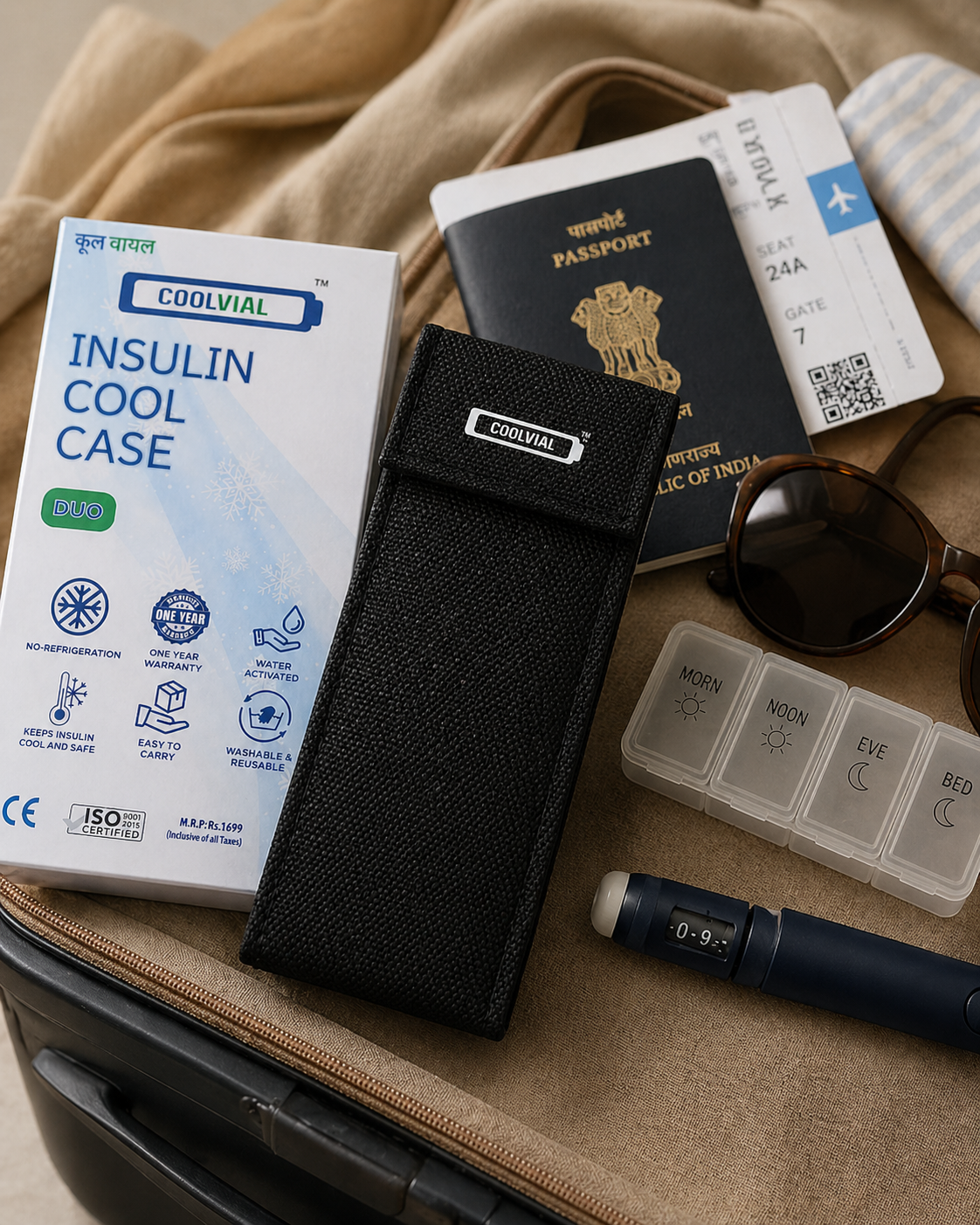
CE Certified · Free Delivery · 1-Year Warranty
📲 Buy on WhatsApp — ₹1,0997 Critical Steps for Insulin Storage During Indian Monsoon: Humidity Damage Explained
COOLVIAL keeps insulin safe in India's heat. 48+ hours, no electricity needed.