Reviewed by the COOLVIAL Editorial Team — specialists in insulin storage for Indian climate conditions.
For Indian women with diabetes, observing Karva Chauth safely requires careful planning and continuous blood sugar monitoring. This comprehensive 7-point guide empowers you to manage karva chauth with diabetes insulin fasting guide for indian women effectively, ensuring your health remains a priority while honoring traditions. It is crucial to understand that insulin, a life-saving medication, spoils above 30°C, making proper storage vital, especially during long fasting periods and variable Indian temperatures. By following expert advice and preparing adequately, a meaningful and healthy Karva Chauth is entirely possible.
Karva Chauth is a deeply cherished Hindu festival, particularly significant in North India, where married women fast from sunrise to moonrise for their husbands’ longevity and prosperity. While this devotion is profound, women living with diabetes face unique challenges. Prolonged fasting, especially without proper medical guidance and insulin management, can lead to dangerous fluctuations in blood sugar levels, including hypoglycemia (low blood sugar) or hyperglycemia (high blood sugar). This article provides an essential karva chauth with diabetes insulin fasting guide for indian women, covering everything from pre-fasting consultations to breaking the fast safely, and crucially, how to ensure your insulin remains potent throughout the day, even in India’s diverse climate conditions. We will explore practical tips, India-specific considerations, and how innovative solutions like the COOLVIAL insulin cool case can offer peace of mind.
Table of Contents
- The Unique Challenges of Karva Chauth Fasting for Indian Women with Diabetes
- Understanding Diabetes, Fasting, and Insulin Management: Core Concepts for Karva Chauth
- 7 Practical Tips for a Safe Karva Chauth with Diabetes: Your Insulin & Fasting Guide
- Navigating Karva Chauth in India’s Diverse Climates: Specific Considerations for Insulin
- Ensuring Insulin Efficacy: The COOLVIAL Solution for Karva Chauth with Diabetes
- Frequently Asked Questions (FAQs) for Karva Chauth with Diabetes
The Unique Challenges of Karva Chauth Fasting for Indian Women with Diabetes
Karva Chauth is more than just a fast; it’s a cultural cornerstone, celebrated with immense fervor across states like Punjab, Uttar Pradesh, Rajasthan, and Haryana. For millions of Indian women, participating is a matter of faith and tradition. However, India also carries a significant burden of diabetes, with the International Diabetes Federation (IDF) reporting that India had 101 million people living with diabetes in 2023. A substantial portion of these are women, many of whom observe traditional fasts. This creates a critical intersection where cultural practices meet serious health considerations, especially for those dependent on insulin.
The traditional Karva Chauth fast is “Nirjala,” meaning without water or food from sunrise to moonrise. This extended abstinence poses severe risks for diabetics. Blood glucose levels can plummet dangerously low (hypoglycemia) due to lack of food and continued insulin action, or conversely, rise too high (hyperglycemia) due to the body’s stress response and hormonal changes, particularly if insulin doses are not adjusted or are improperly stored. The tropical and often humid climate of India further exacerbates these risks, as dehydration can quickly set in, making blood sugar management even more precarious.
Moreover, the emotional and spiritual significance of Karva Chauth can make it difficult for women to prioritize their health over tradition. There’s often family pressure or a personal desire to uphold the ritual fully. This is where education and careful preparation become paramount. A responsible karva chauth with diabetes insulin fasting guide for indian women must emphasize that health is a prerequisite for any meaningful observance. Compromising health can lead to complications ranging from dizziness and fainting to diabetic ketoacidosis (DKA) or hypoglycemic coma, which are life-threatening. Therefore, a dialogue with healthcare providers is not just recommended but absolutely essential before deciding to fast.
| Fasting Risk for Diabetics | Description | Potential Complications |
|---|---|---|
| Hypoglycemia | Blood sugar drops too low due to lack of food/excess insulin. | Dizziness, confusion, tremors, sweating, unconsciousness, seizures, coma. |
| Hyperglycemia | Blood sugar rises too high due to stress, dehydration, or insufficient insulin. | Increased thirst, frequent urination, fatigue, blurred vision, diabetic ketoacidosis (DKA), hyperosmolar hyperglycemic state (HHS), long-term organ damage. |
| Dehydration | Lack of fluid intake, especially in hot weather. | Worsens blood sugar control, increases risk of kidney problems, fatigue, electrolyte imbalance. |
Navigating karva chauth with diabetes requires a proactive approach. It involves understanding the physiological changes during fasting, adjusting medication, and ensuring the correct storage and administration of insulin. This is not about abandoning tradition, but about adapting it responsibly to safeguard one’s well-being.
Understanding Diabetes, Fasting, and Insulin Management: Core Concepts for Karva Chauth
To safely observe Karva Chauth with diabetes, it’s vital to grasp how fasting impacts your body and how insulin works. This knowledge forms the bedrock of any effective karva chauth with diabetes insulin fasting guide for indian women.
How Fasting Affects Blood Sugar
When you fast, your body doesn’t receive its usual supply of glucose from food. Initially, it uses stored glucose (glycogen) from the liver. After glycogen stores are depleted, typically within 8-12 hours, the body starts breaking down fat and muscle for energy, a process called gluconeogenesis. For a person without diabetes, the body’s hormones (like insulin and glucagon) regulate this process, maintaining stable blood sugar. However, for a diabetic, especially one on insulin, this delicate balance is disrupted. Insulin continues to lower blood sugar, even when no food is being consumed, leading to hypoglycemia. Conversely, the stress of fasting can sometimes trigger the release of hormones that raise blood sugar, potentially leading to hyperglycemia if insulin is insufficient or ineffective.
Types of Diabetes and Insulin Regimens
- Type 1 Diabetes: Individuals with Type 1 diabetes produce no insulin and are entirely dependent on external insulin injections. Fasting without significant insulin adjustment is extremely dangerous.
- Type 2 Diabetes: Many with Type 2 diabetes manage their condition with oral medications, but a substantial number also use insulin, either alone or in combination with pills. Their insulin regimen might be basal (long-acting) only, or basal-bolus (long-acting plus rapid-acting with meals).
- Gestational Diabetes: Pregnant women with gestational diabetes should generally avoid prolonged fasting due to risks to both mother and baby.
7 Essential Tips for Karva Chauth with Diabetes: An Insulin & Fasting Guide for Indian Women
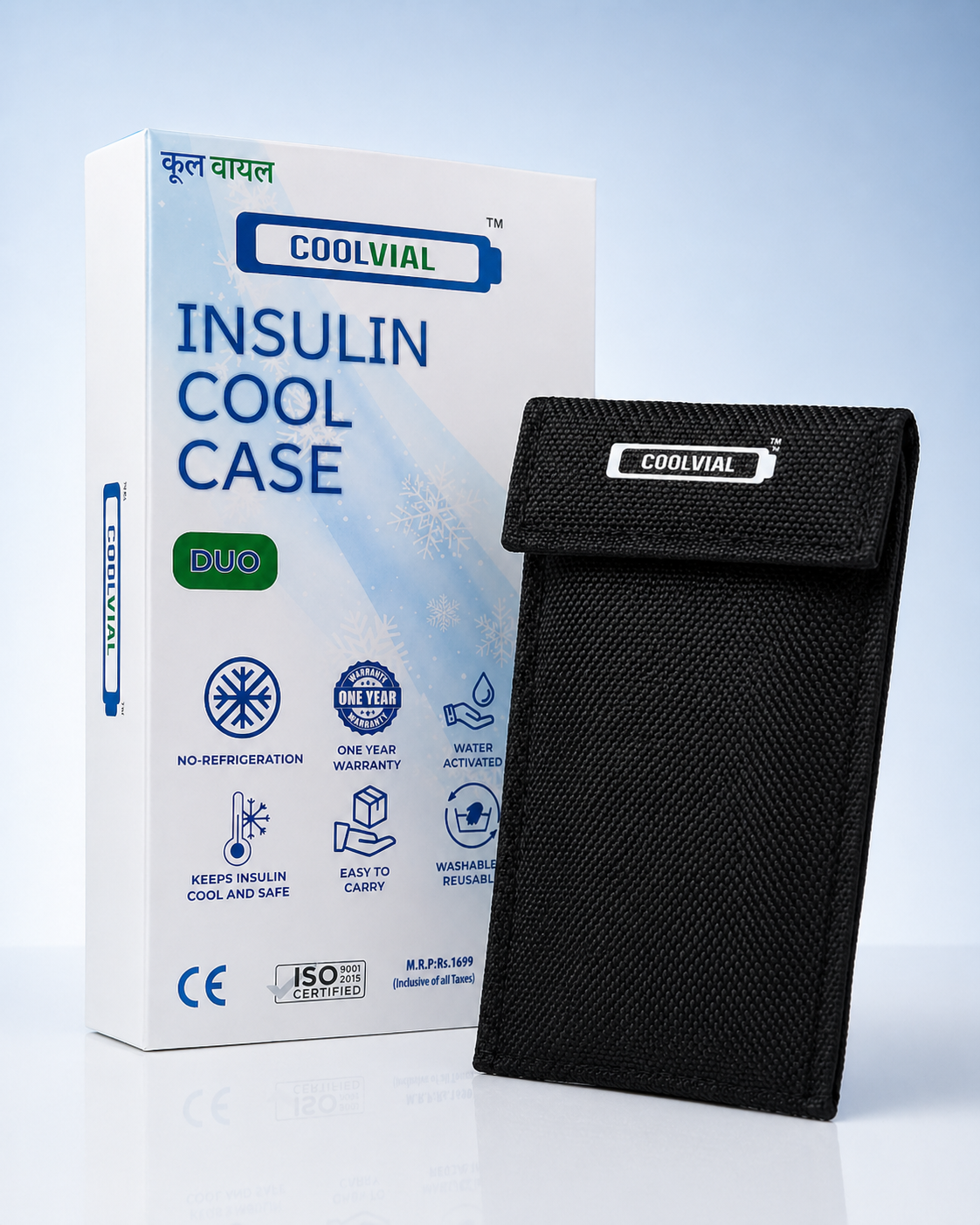
COOLVIAL keeps insulin at 2-8°C for 48+ hours. No electricity needed.
Regardless of the type, insulin doses almost always need adjustment before and during a fast. This necessitates a detailed consultation with your endocrinologist or diabetologist. They might recommend reducing basal insulin, skipping rapid-acting insulin, or switching to different medications altogether for the fasting period.
7 Essential Tips for Karva Chauth with Diabetes: An Insulin & Fasting Guide for Indian Women
COOLVIAL keeps insulin safe in India's heat. 48+ hours, no electricity needed.
The Critical Role of Insulin Storage
Insulin is a protein, and like many proteins, it is highly sensitive to temperature fluctuations. Its efficacy can be severely compromised if not stored correctly. The World Health Organization (WHO) and major insulin manufacturers recommend specific temperature ranges:
- Unopened insulin: Should be stored in a refrigerator between 2°C and 8°C.
- Opened insulin (vials or pens): Can typically be stored at room temperature (15°C to 25°C) for up to 28 days (sometimes up to 42 days for certain pens, always check package insert).
- Critical Threshold: Insulin begins to lose its potency irreversibly above 30°C. Prolonged exposure to temperatures above this, or freezing, will render it ineffective, leading to dangerously high blood sugar levels.
Given that Karva Chauth often falls in October, when many parts of India, especially in the central and southern regions, still experience warm temperatures (e.g., Mumbai average October temp is 27°C, Chennai 30°C), maintaining insulin within the safe range is a significant challenge. This is where an effective insulin storage solution becomes indispensable. According to the Indian Council of Medical Research (ICMR) guidelines on diabetes, proper medication storage is a key component of effective diabetes management (Source: ICMR Guidelines).
| Insulin Storage State | Recommended Temperature Range | Maximum Duration | Notes |
|---|---|---|---|
| Unopened | 2°C - 8°C (Refrigerator) | Until expiration date | Do not freeze. Protect from light. |
| Opened (in use) | 15°C - 25°C (Room Temperature) | 28 days (or as per manufacturer) | Do not refrigerate once opened. Protect from direct sunlight/heat. |
| Danger Zone | Above 30°C or Freezing | Immediate loss of potency | Insulin becomes ineffective. |
Understanding these core concepts is the first step towards a safe karva chauth with diabetes insulin fasting guide for indian women. Your doctor will use this knowledge to help you create a personalized fasting plan.
7 Practical Tips for a Safe Karva Chauth with Diabetes: Your Insulin & Fasting Guide
Observing Karva Chauth safely with diabetes requires meticulous planning and adherence to medical advice. Here are 7 essential tips to help Indian women manage their insulin and fasting during this important festival:
-
Consult Your Doctor Well in Advance: This is the most crucial step. At least 2-3 weeks before Karva Chauth, schedule an appointment with your diabetologist or endocrinologist. Discuss your intention to fast, your current insulin regimen, and any other medications. They will assess your overall health, review your blood sugar control, and advise if fasting is safe for you. They may adjust your insulin doses, recommend specific monitoring schedules, or suggest alternative ways to observe the fast if complete abstinence is too risky. Never attempt to fast without medical supervision.
-
Monitor Blood Sugar Frequently: During the fast, consistent blood glucose monitoring is non-negotiable. Your doctor will advise on how often to check your levels (e.g., every 2-4 hours). Pay close attention to symptoms of hypoglycemia (dizziness, sweating, confusion) or hyperglycemia (excessive thirst, frequent urination). If your blood sugar drops below 70 mg/dL or rises above 300 mg/dL, you must break your fast immediately and seek medical attention if symptoms persist.
-
Prioritize Hydration (If Permitted): The Nirjala fast means no water, which is particularly challenging in India’s climate. If your doctor deems it safe, inquire about modifications, such as consuming water or non-caloric fluids. Dehydration can severely impact blood sugar levels and lead to complications. If a complete Nirjala fast is non-negotiable for you, ensure you are well-hydrated during the ‘Sargi’ (pre-dawn meal) and immediately after breaking the fast.
-
Plan Your Sargi and Breaking-Fast Meals Carefully:
- Sargi: Choose complex carbohydrates (whole grains like roti, oats, brown rice), lean proteins (paneer, dal, sprouts), and healthy fats (nuts, seeds) to provide sustained energy. Avoid sugary foods that can cause a rapid spike and subsequent crash.
- Breaking the Fast: Start with something light and easily digestible, like fruit, a glass of buttermilk, or a small portion of a complex carbohydrate. Avoid large, heavy, or sugary meals immediately, as this can lead to a sudden surge in blood sugar. Gradually reintroduce food.
-
Adjust Insulin Doses as Directed: Your doctor will provide specific instructions for insulin adjustments. This might involve reducing your basal (long-acting) insulin dose, skipping rapid-acting insulin before meals you won’t be eating, or adjusting the timing of your injections. Adhering strictly to these modified doses is critical to prevent dangerously low or high blood sugar. Do not self-adjust your insulin.
-
Prepare an Emergency Kit: Keep a readily accessible emergency kit containing:
- Glucose tablets or a small juice box (for rapid treatment of hypoglycemia).
- Your blood glucose meter and test strips.
- A list of emergency contact numbers.
- Your doctor’s contact information.
- A glucagon injection pen (if prescribed by your doctor for severe hypoglycemia).
-
Ensure Proper Insulin Storage Throughout the Day: With the fast extending for many hours, and potentially being observed away from home (e.g., at a relative’s house or temple), maintaining insulin’s potency is vital. Insulin vials and pens, once in use, should be stored between 15°C and 25°C. Temperatures above 30°C can quickly degrade insulin, making it ineffective. This is especially challenging in Indian weather conditions. Consider using an insulated cool case to keep your insulin safe. Learn more about general insulin storage tips to ensure your medication is always effective.
By meticulously following these practical tips, Indian women can observe karva chauth with diabetes insulin fasting guide for indian women in a way that respects both tradition and health.
7 Essential Tips for Karva Chauth with Diabetes: An Insulin & Fasting Guide for Indian Women
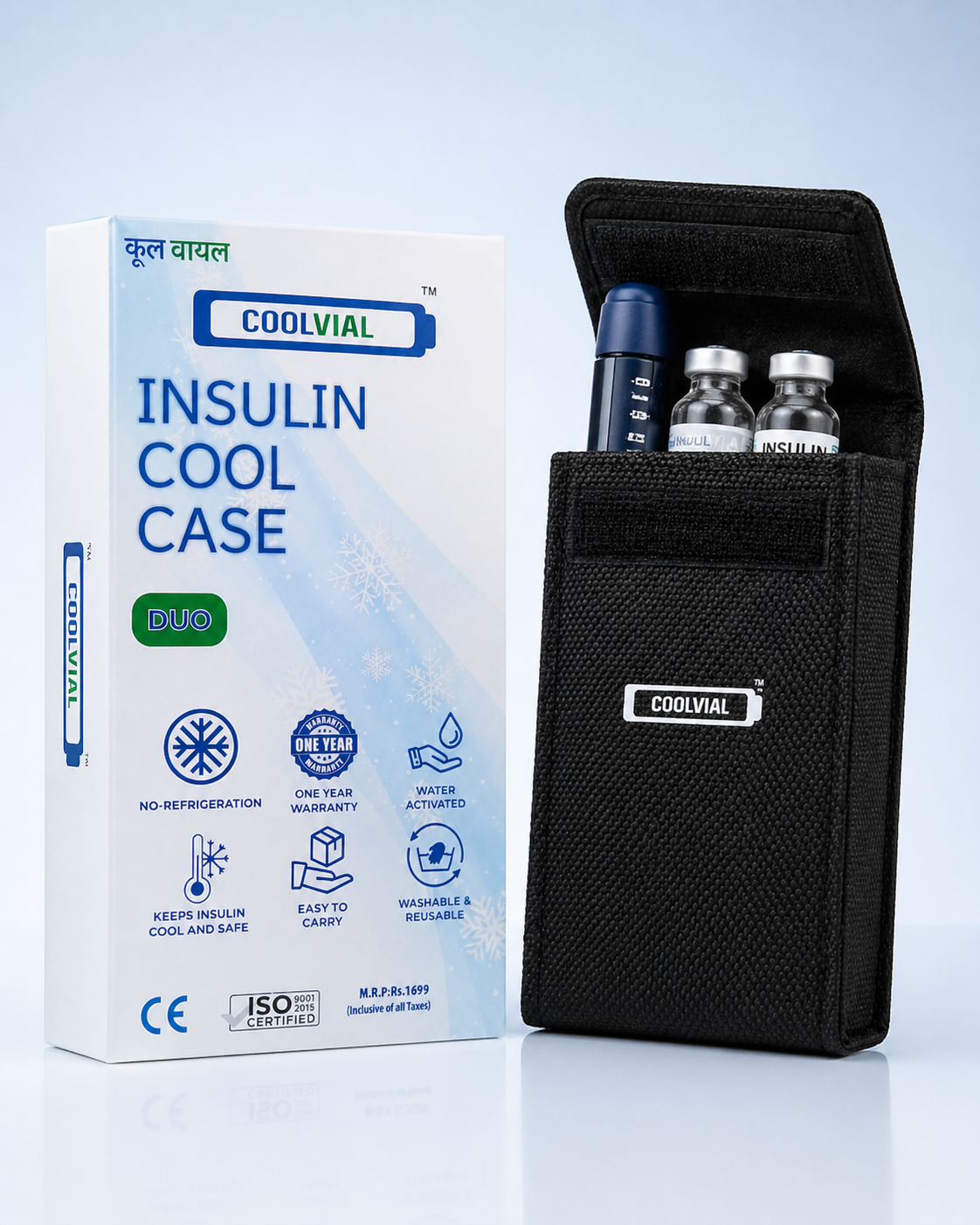
Insulin at 2-8°C for 48+ hours. Trusted by 10,000+ Indian diabetics.
Navigating Karva Chauth in India’s Diverse Climates: Specific Considerations for Insulin
India’s vast geography means vastly different climate conditions, even during October when Karva Chauth is typically observed. From the relatively cooler plains of Punjab and Haryana to the lingering warmth and humidity of Mumbai, Chennai, or Kolkata, ambient temperatures can significantly impact insulin storage. This regional variation adds another layer of complexity to managing karva chauth with diabetes insulin fasting guide for indian women.
In cities like Delhi, Lucknow, or Jaipur, daytime temperatures in October can still reach 30-35°C, especially in the afternoon. In coastal cities like Mumbai and Chennai, humidity combined with temperatures often hovering around 30°C makes effective cooling even more challenging. Bangalore, while generally milder, can still experience warm spells. These temperatures are well above the ideal 15-25°C range for opened insulin and dangerously close to the 30°C threshold where insulin begins to degrade.
Consider the practical scenarios during Karva Chauth:
- Home Environment: Even with air conditioning, power cuts are a common reality in many parts of India, particularly during peak festival times or in smaller towns. A sudden power outage can quickly raise indoor temperatures. According to a 2023 survey, 78% of Indian households face daily power cuts in summer, a trend that can extend into shoulder seasons.
- Travel: Many women travel to their ancestral homes or to community gatherings for Karva Chauth. This often involves bus or train journeys, or even short car rides, where air conditioning might be intermittent or non-existent. Insulin carried in a regular handbag or even a simple insulated pouch without active cooling will quickly succumb to the heat.
- Outdoor Rituals: Waiting for the moon to rise often involves spending time outdoors, exposed to ambient temperatures that might still be warm after sunset.
These real-world Indian conditions underscore the critical need for a reliable, portable insulin storage solution. Storing insulin improperly can lead to “heat-damaged” insulin, which will not work effectively, leading to uncontrolled blood sugar and potential diabetic emergencies. This is a silent danger, as heat damage is not always visible to the naked eye; insulin might appear normal but have lost its potency.
| Indian City (October Avg. Max Temp) | Risk to Insulin (Opened, in use) | Solution |
|---|---|---|
| Delhi/Lucknow (32-35°C) | High (above 25°C, near 30°C limit) | COOLVIAL Cool Case for outdoor exposure, travel, and during power cuts. |
| Mumbai/Chennai (29-31°C) | High (humid, consistently near 30°C) | COOLVIAL Cool Case essential for daily use, even indoors without AC, due to high humidity. |
| Kolkata (30-32°C) | High (humid, consistently near 30°C) | COOLVIAL Cool Case crucial for maintaining efficacy in humid heat. |
| Bangalore (27-29°C) | Moderate to High (can exceed 25°C) | COOLVIAL Cool Case recommended, especially during warmer spells or when away from controlled environments. |
For women observing karva chauth with diabetes, peace of mind comes from knowing their life-saving medication is protected. A robust cooling solution is not a luxury, but a necessity in India.
Ensuring Insulin Efficacy: The COOLVIAL Solution for Karva Chauth with Diabetes
As discussed, maintaining the optimal temperature for insulin is a non-negotiable aspect of diabetes management, particularly for Indian women observing Karva Chauth. The fluctuating temperatures, potential power cuts, and the need for portability during the day’s rituals make traditional refrigeration impractical and risky. This is precisely where a dedicated solution like the COOLVIAL insulin cool case becomes invaluable for managing karva chauth with diabetes insulin fasting guide for indian women.
COOLVIAL is designed with the unique challenges of the Indian climate in mind. It provides a reliable, portable, and effective way to store insulin pens, vials, and cartridges, keeping them within the safe and recommended temperature range of 2-8°C or 15-25°C, depending on the specific model and user needs. This ensures that your insulin retains its full potency, protecting you from the dangers of ineffective medication.
Here’s how COOLVIAL addresses the specific needs during Karva Chauth:
- Temperature Stability: COOLVIAL cool cases employ advanced cooling technology that maintains a consistent temperature, shielding your insulin from India’s heat, whether you are indoors, traveling, or participating in outdoor festivities. This eliminates the worry of insulin degradation due to high ambient temperatures.
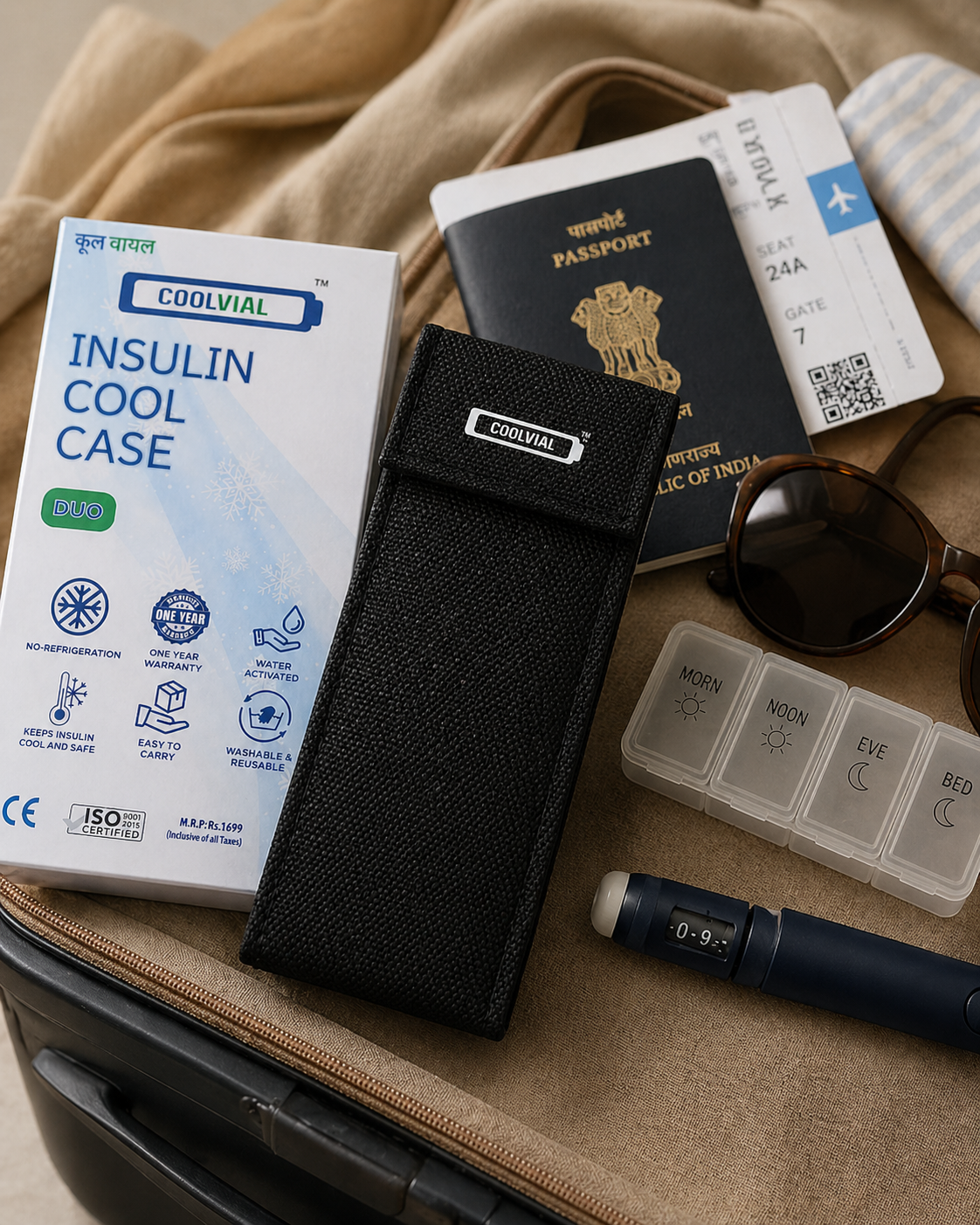
- Portability and Convenience: Lightweight and compact, a COOLVIAL insulin cool case can be easily carried in your handbag or alongside your puja thali. This means you can attend family gatherings, visit temples, or simply move about your day with the assurance that your insulin is safe, without needing constant access to a refrigerator.
- Protection During Power Outages: In regions prone to power cuts, a COOLVIAL case acts as a vital safeguard. It continues to keep insulin cool for extended periods, providing a crucial buffer against temperature excursions that could compromise your medication.
- Peace of Mind: Knowing that your insulin is safely stored allows you to focus on the spiritual aspects of Karva Chauth without the added stress of medication safety. This peace of mind is invaluable, especially during a day of fasting.
Investing in a reliable insulin storage solution like a COOLVIAL insulin cool case is a proactive step towards a safer and healthier Karva Chauth. It’s an investment in your well-being, ensuring that your devotion is not compromised by health risks. For just ₹1,099, you can provide your insulin with the protection it needs, allowing you to observe karva chauth with diabetes with confidence.
Frequently Asked Questions (FAQs) for Karva Chauth with Diabetes
Navigating religious fasts with diabetes can bring many questions. Here are some commonly asked questions regarding karva chauth with diabetes insulin fasting guide for indian women to help clarify concerns.
Q: Can I observe a Nirjala (waterless) fast on Karva Chauth if I have diabetes? A: Observing a Nirjala fast with diabetes is generally not recommended due to the high risks of severe hypoglycemia, hyperglycemia, and dehydration. It is crucial to consult your doctor well in advance to discuss the safety of any fast, and they may recommend modifications such as consuming water or specific non-caloric fluids, or even a symbolic fast.
Q: What are the warning signs that I need to break my fast immediately? A: You should break your fast immediately if you experience symptoms of low blood sugar (hypoglycemia) such as dizziness, sweating, tremors, confusion, or extreme hunger. Also, if your blood sugar drops below 70 mg/dL or rises above 300 mg/dL, or if you feel very unwell with excessive thirst, frequent urination, or blurred vision, it’s critical to break the fast and seek medical advice.
Q: How do I manage my insulin doses on the day of Karva Chauth? A: Insulin doses must be adjusted under the strict guidance of your diabetologist. They might advise reducing your basal (long-acting) insulin, skipping rapid-acting insulin doses, or changing the timing of your injections to prevent blood sugar fluctuations during the fast. Never alter your insulin regimen without professional medical advice.
Q: Is it safe to travel with insulin during Karva Chauth, especially in Indian weather? A: Traveling with insulin in India’s warm climate requires careful planning. Insulin can degrade rapidly above 30°C. It is highly recommended to use a specialized insulin cool case, like a COOLVIAL, to maintain the correct temperature (15-25°C for opened insulin, 2-8°C for unopened) and protect your medication from heat damage during travel on buses, trains, or even short car journeys.
Q: What should I eat for Sargi (pre-dawn meal) and when breaking the fast? A: For Sargi, opt for complex carbohydrates, lean proteins, and healthy fats to provide sustained energy and prevent rapid blood sugar spikes. Examples include whole wheat roti, dal, paneer, and nuts. When breaking the fast, start with small, easily digestible foods like fruits or buttermilk, gradually reintroducing a balanced meal to avoid a sudden surge in blood sugar.
Conclusion
Observing Karva Chauth is a deeply personal and spiritual journey for many Indian women. Living with diabetes should not mean sacrificing these cherished traditions, but rather adapting them with wisdom and care. By following the comprehensive advice in this karva chauth with diabetes insulin fasting guide for indian women, prioritizing health, and consulting your healthcare provider, you can ensure a safe and meaningful observance. Remember that vigilant blood sugar monitoring, careful meal planning, and most critically, ensuring the proper storage of your insulin, are paramount.
In the diverse and often challenging climate of India, protecting your life-saving insulin from heat is a vital step. Solutions like the COOLVIAL insulin cool case offer a practical and reliable way to maintain insulin efficacy, providing peace of mind during your fast and throughout your daily life. Your well-being is the ultimate devotion. Make an informed choice for your health and tradition. You can easily buy COOLVIAL at ₹1,099 via WhatsApp at wa.me/918766952300 and take a proactive step towards safer diabetes management.
7 Essential Tips for Karva Chauth with Diabetes: An Insulin & Fasting Guide for Indian Women
Don't let Indian heat spoil your insulin. COOLVIAL protects it for 48+ hours.