
Reviewed by the COOLVIAL Editorial Team — specialists in insulin storage for Indian climate conditions.
As the monsoon clouds gather over Noida, bringing a welcome respite from the scorching NCR summer heat, they also usher in a unique set of challenges for residents living with diabetes. The high humidity, incessant rains, and occasional waterlogging characteristic of the Noida monsoon can pose a significant threat to the efficacy and safety of your insulin. Based on analysis of insulin storage queries from Noida diabetics, we know that many face issues with insulin degradation and damage during this season. Improperly stored insulin, particularly when exposed to excessive heat or humidity, can lose its potency, potentially leading to dangerous fluctuations in blood glucose levels. In fact, studies suggest that even a few days of exposure to temperatures above 25°C or high humidity can degrade insulin by over 15% (Source: IDF Diabetes Atlas). This comprehensive guide offers 10 practical, Noida-specific steps to safeguard your precious insulin vials and pens from humidity damage, ensuring your diabetes management remains on track even amidst the wettest weather. For a broader understanding of managing your condition in the city, check out our Complete Diabetes Care Guide for Noida Residents — 2026 Edition.
Table of Contents
- Noida’s Monsoon Climate: A Unique Challenge for Insulin Storage
- The Silent Threat: How Humidity Damages Insulin and Packaging
- Battling Mould: Protecting Your Home and Insulin in Noida
- Navigating Waterlogging and Flooding Risks in Noida
- Ensuring Uninterrupted Access: Pharmacy Challenges and Solutions
- The Humid Fridge Air Trap: Protecting Insulin from Condensation
- Practical Monsoon Insulin Protection Strategies for Noida Residents
- Emergency Insulin Replacement: What to Do If Your Stock is Compromised
- Your Essential Noida Monsoon Insulin-Prep Checklist
- Frequently Asked Questions (FAQs)
1. Noida’s Monsoon Climate: A Unique Challenge for Insulin Storage
Noida, situated in the National Capital Region (NCR), experiences a distinct climate characterized by extreme summers (often reaching 40-46°C), cold winters, and severe winter pollution. However, the monsoon season, typically from July to September, brings its own set of environmental stressors. While the rains provide relief from the heat, they also lead to a dramatic increase in relative humidity, often soaring above 90%. This creates an environment that is particularly hostile to sensitive medications like insulin.
Key Monsoon Climate Factors in Noida:
- High Humidity: Relative humidity frequently exceeds 85-90%, creating a damp atmosphere indoors and outdoors.
- Fluctuating Temperatures: While generally cooler than summer, indoor temperatures can still remain elevated, especially without air conditioning, making it challenging to maintain the ideal 2-8°C for unopened insulin.
- Intermittent Rains: Heavy downpours can occur unexpectedly, leading to waterlogging and damp conditions.
- Air Stagnation: Often, people keep windows closed to prevent rain entry, leading to poor air circulation and increased indoor humidity.
These conditions make proper insulin storage in Noida during the monsoon a critical aspect of diabetes management. Unopened insulin requires refrigeration (2-8°C), while opened vials/pens can generally be kept at room temperature (up to 25-30°C, depending on the brand) for a specific duration (usually 28 days). However, “room temperature” in Noida during monsoon can easily exceed this limit, and high humidity exacerbates the problem.
2. The Silent Threat: How Humidity Damages Insulin and Packaging
Humidity is a silent saboteur for insulin. It doesn’t just affect the comfort of your living space; it directly impacts the chemical stability of insulin and the integrity of its packaging. Understanding this threat is the first step towards effective protection.
Impact of Humidity on Insulin and Packaging:
- Insulin Degradation: Insulin is a protein. High humidity, especially when combined with temperatures above its recommended storage range (typically 2-8°C for unopened, and up to 25-30°C for opened), can accelerate its degradation. This means the insulin molecules break down, reducing their effectiveness in lowering blood sugar. You might not see visible changes, but the insulin will simply not work as well, potentially leading to hyperglycaemia.
- Cardboard Packaging Damage: The outer cardboard boxes of insulin pens and vials are highly susceptible to moisture. They can become soggy, warp, tear, and even disintegrate. This not only makes it difficult to read important information like expiry dates and dosages but also compromises the sterility and protection offered by the packaging.
- Pen Mechanism Issues: While insulin pens are designed to be robust, prolonged exposure to high humidity can affect their internal mechanisms. Moisture can seep into tiny crevices, potentially leading to sticky buttons, inaccurate dosing clicks, or even complete malfunction.
- Label Deterioration: Paper labels on vials and pens can peel, smudge, or fade when exposed to excessive moisture, making it hard to identify the insulin type or expiry date.
If you notice any of these signs, it’s safer to discard the insulin and replace it, as its potency cannot be guaranteed.
3. Battling Mould: Protecting Your Home and Insulin in Noida
The elevated humidity levels during the Noida monsoon create a perfect breeding ground for mould and mildew, especially in poorly ventilated spaces or ground-floor homes. This isn’t just an aesthetic problem; mould spores can pose health risks and directly threaten your insulin supplies.
Mould Risk in Noida Apartments and Homes:
- Ground-Floor Vulnerability: Ground-floor apartments and homes in areas like Greater Noida or Noida Extension are particularly susceptible to dampness and mould growth due to proximity to the ground and potential seepage.
- Poor Ventilation: Many Noida homes, especially older constructions or those with limited cross-ventilation, can trap humid air, leading to condensation on walls, furniture, and even inside cupboards.
- Common Mould Hotspots: Look for mould growth in bathrooms, kitchens, behind furniture, inside wardrobes, and on paper products.
Protecting Your Home and Insulin from Mould:
- Improve Air Circulation:
- Open windows and doors whenever possible, especially on dry, breezy days.
- Use exhaust fans in bathrooms and kitchens.
- Consider using pedestal fans or ceiling fans to keep air moving in rooms.
- Dehumidifiers: An electric dehumidifier can be a significant investment but is highly effective in controlling indoor humidity, especially in larger homes or persistent damp areas.
- Regular Cleaning:
- Wipe down damp surfaces regularly with an anti-fungal cleaner.
- Ensure any spills are dried immediately.
- Insulin Storage:
- Never store insulin directly on damp surfaces or in mould-prone areas.
- Keep insulin and related supplies (syringes, needles, alcohol swabs) in sealed, airtight containers to prevent mould spores from contaminating them.
- Regularly inspect your storage areas for any signs of dampness or mould.
4. Navigating Waterlogging and Flooding Risks in Noida
While widespread severe flooding is less common in Noida compared to some other cities, localized waterlogging is a frequent occurrence during heavy monsoon downpours. This can disrupt daily life, make travel difficult, and even pose a direct threat to your insulin supply if your home or storage area is affected.
10 Practical Steps to Safeguard Your Insulin During Noida Monsoon
48+ hours at 2-8°C. No electricity. CE certified. Free delivery across India.
Order on WhatsApp — ₹1,099🛒 Buy Now — ₹1,099Waterlogging Hotspots and Risks in Noida:
- Common Waterlogging Areas:
- Sector 18 (Central Commercial): Due to high traffic and drainage limitations, parts of Sector 18, especially near the DLF Mall of India and Atta Market, can experience significant water accumulation.
- Sector 62/63 (Corporate/IT Hubs): Roads in these corporate sectors, particularly during peak office hours, can become waterlogged, impacting commutes.
- Greater Noida (South): Certain low-lying pockets and developing areas in Greater Noida can be prone to waterlogging.
- Noida Extension (West): Some newer residential areas, especially those still under development, may experience waterlogging due to incomplete drainage systems.
- Sector 137/Greater Noida West: These areas have experienced waterlogging in heavy monsoon seasons
[Verify in 2026].
- Risk to Insulin: If your home or even your travel bag gets caught in a waterlogged area, your insulin supplies could be submerged, rendering them unusable. Water contamination can compromise sterility and temperature control.
Monsoon Preparedness for Diabetics in Noida:
- Emergency Kit: Keep a waterproof emergency kit ready with at least a week’s supply of insulin, syringes/pens, blood glucose strips, and other essential medications.
- Waterproof Storage: Store your insulin in robust, waterproof bags or containers, especially if you live in a flood-prone area or travel frequently.
- Elevated Storage: If you live on a ground floor, store your diabetes supplies on higher shelves or in waterproof boxes that can be easily moved to safety in case of water ingress.
- Stay Informed: Monitor local weather forecasts and traffic updates during heavy rains to avoid waterlogged routes.
5. Ensuring Uninterrupted Access: Pharmacy Challenges and Solutions
Monsoon downpours and subsequent waterlogging can significantly disrupt transportation in Noida, directly affecting your ability to reach pharmacies or receive home deliveries of essential diabetes medications. This is particularly crucial for time-sensitive medications like insulin.
Transport Disruption and Pharmacy Access:
- Delivery Delays: Online pharmacy services like 1mg and 98.4 Pharmacy, while convenient, can experience substantial delays or even cancellations during heavy rains due to difficult road conditions.
- Physical Access Issues: Getting to physical pharmacies like Apollo Pharmacy or MedPlus, especially if they are far from your home in neighborhoods like Sector 18 or Greater Noida, can become challenging.
- Limited Stock: Local pharmacies might face supply chain issues if their stock deliveries are delayed by weather.
Smart Strategies for Monsoon Pharmacy Access:
- Stock Up Responsibly:
- Always aim to have a buffer stock of insulin (e.g., an extra pen or vial) that can last for an additional week or two beyond your immediate needs. This is crucial for managing unexpected disruptions.
- However, be mindful of insulin expiry dates and proper storage conditions when stocking up.
- Identify Emergency Pharmacies:
- Familiarize yourself with the 24/7 emergency pharmacies in Noida, such as the one at Fortis Hospital Noida (Sector 62) or Apollo Hospital Noida (Sector 26). These are often more reliable during emergencies.
- Keep their contact numbers handy.
- Local Pharmacy Network:
- Identify the closest Apollo Pharmacy, MedPlus, or Generic Aadhaar outlet to your home. Build a relationship with the pharmacists there; they might be able to help in a pinch.
- Emergency Transportation Plan:
- Have a plan for alternative transportation (e.g., auto-rickshaw, ride-sharing apps, or a trusted neighbour) to reach a pharmacy if your usual commute is affected.
- Power Outages: Monsoon often brings power cuts. Ensure you have a plan for keeping insulin cool during extended outages. Our Power Cut Survival Guide for Diabetics in Noida — What To Do When the Grid Goes Down offers detailed advice.
6. The Humid Fridge Air Trap: Protecting Insulin from Condensation
While refrigeration is essential for unopened insulin, the very appliance meant to preserve it can become a source of damage during the Noida monsoon. The high ambient humidity, combined with frequent opening and closing of the refrigerator door, can lead to condensation inside, creating a “humid fridge air trap” for your insulin.
Why Your Fridge Can Be Problematic:
- Condensation Buildup: Every time you open your refrigerator door, especially in a humid environment, warm, moist air rushes in. As this air cools, the moisture condenses, forming water droplets inside the fridge.
- Direct Moisture Exposure: If insulin vials or pens are stored loosely in the fridge, they can come into direct contact with this condensation, leading to the same humidity-related degradation and packaging damage discussed earlier.
- Temperature Fluctuations: Frequent opening can also cause minor temperature fluctuations within the fridge, which, combined with moisture, further stresses the insulin.
Best Practices for Fridge Storage During Monsoon:
- Airtight Containers are Key:
- Always store your unopened insulin vials and pens in airtight, waterproof containers before placing them in the refrigerator. This creates a protective barrier against condensation.
- Brands like Tupperware, Borosil, or other locally available airtight food-grade containers work well. Ensure they are completely dry before use.
- Avoid the Door:
- Never store insulin in the refrigerator door compartments. These areas experience the most significant temperature fluctuations and are most prone to condensation.
- Opt for a stable shelf towards the back of the main compartment, away from vents.
- Silica Gel Packs (Optional):
- For an added layer of protection, you can place a small, food-safe silica gel packet inside the airtight container with your insulin. Ensure the silica gel does not directly touch the insulin.
- Minimize Door Openings:
- Try to open your refrigerator door only when necessary and close it quickly to reduce the influx of humid air.
7. Practical Monsoon Insulin Protection Strategies for Noida Residents
Beyond general precautions, specific, actionable strategies are crucial for protecting your insulin during the Noida monsoon. These involve leveraging local resources and smart storage solutions.
Essential Monsoon Insulin Protection Strategies:
- Utilize Silica Gel:
- Silica gel is a powerful desiccant that absorbs moisture. Small packets can be placed in insulin storage boxes, bedside drawers, or even within airtight containers.
- Sources in Noida: You can easily find silica gel packets at local stationery shops, hardware stores, or online retailers like Amazon India. Larger packets (often used for electronics or shoe storage) can be repurposed. Check Apollo Pharmacy or MedPlus for smaller, pharmaceutical-grade options.
- Invest in Quality Airtight Containers:
- These are your primary defense against humidity and mould.
- Locally Available Brands: Look for durable, food-grade airtight containers from brands like Tupperware, Cello, Borosil, or even local plasticware manufacturers available at stores in Sector 18 or local markets. Ensure they have a strong seal.
- Leverage Evaporative Cooling Cases:
- For opened insulin pens or vials that don’t require refrigeration but need protection from ambient heat and humidity, a water-activated evaporative cooling case is invaluable.
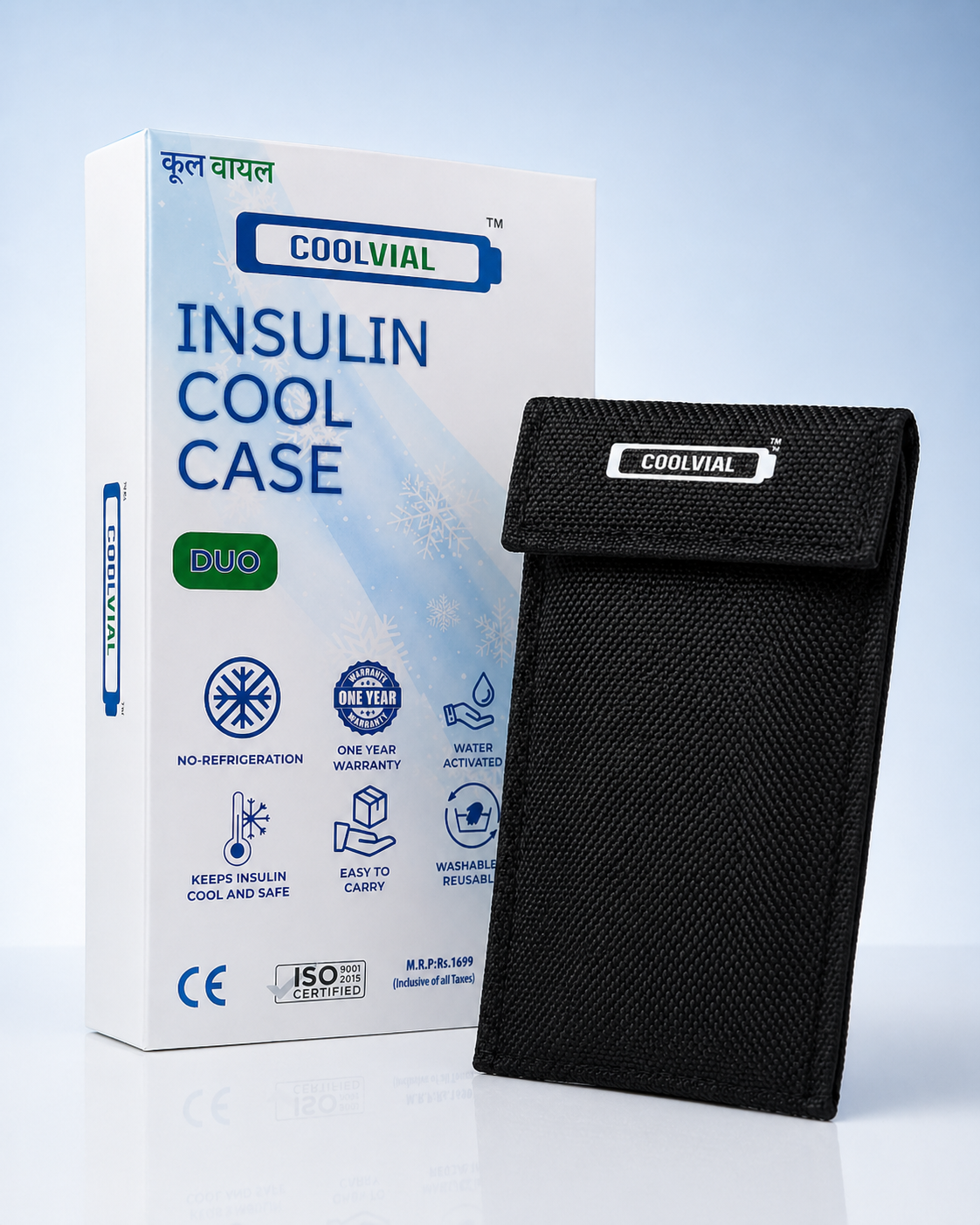
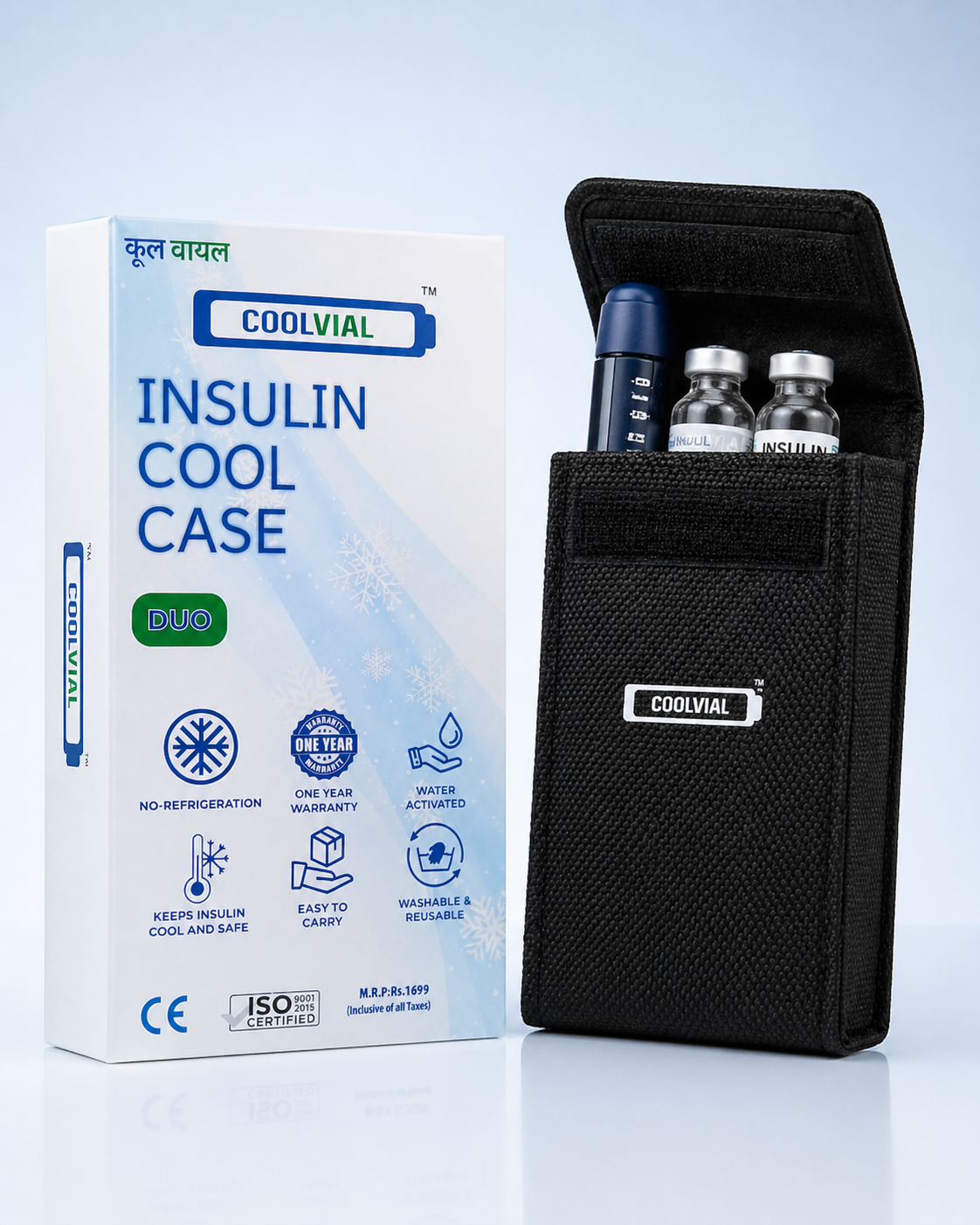
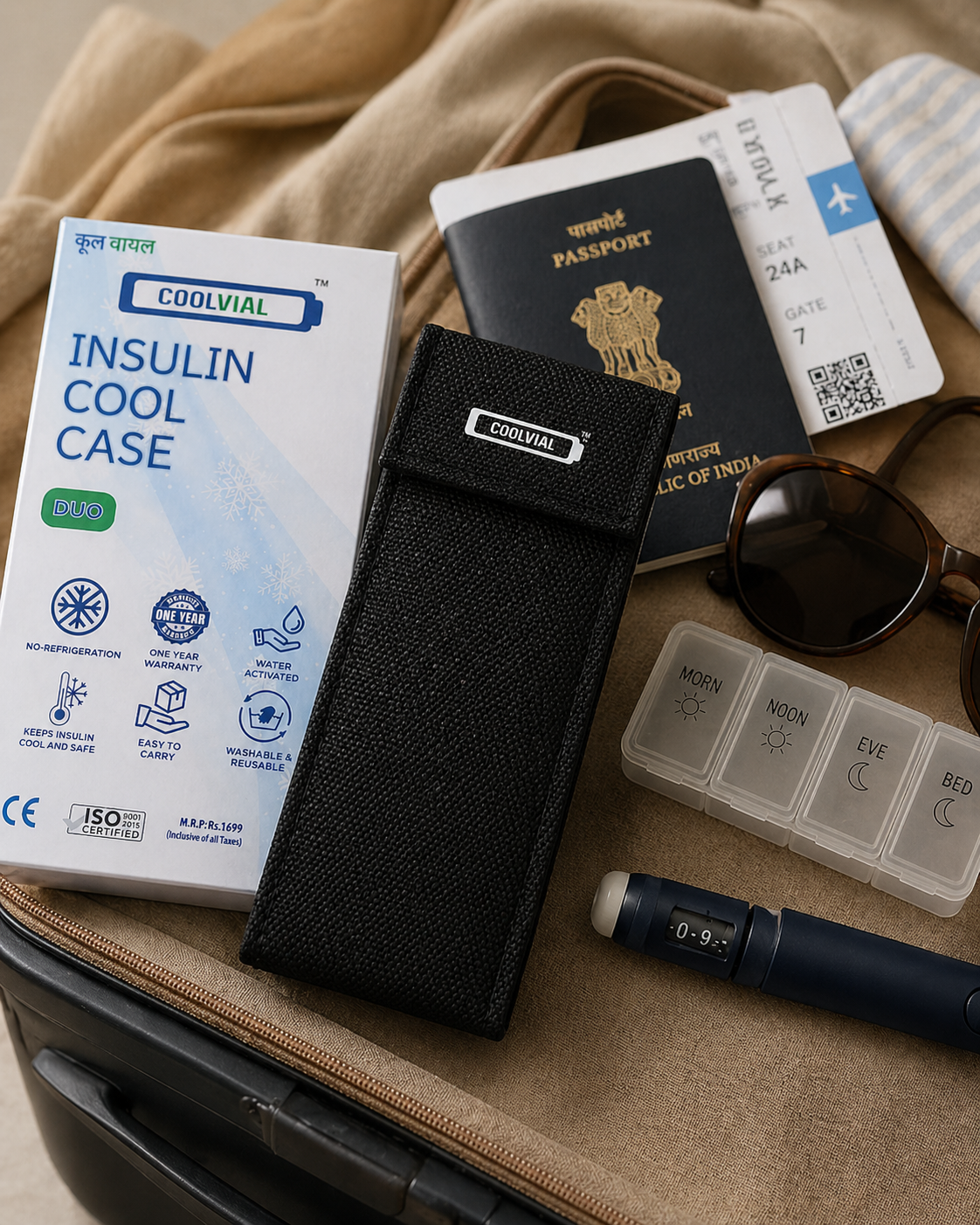
- COOLVIAL Duo is an excellent choice for Noida’s climate. It holds 2 pens + 1 vial and keeps insulin cool for 12-16 hours without electricity. Unlike ice packs that can freeze insulin or become saturated with condensation, COOLVIAL Duo uses evaporative cooling, which also helps mitigate humidity around your insulin. It’s CE certified, ISO 9001:2015, comes with a 1-year warranty, and is proudly Made in India. Priced at just Rs 1,099 with code COOLHEAL (MRP Rs 1,699), it offers significant value.
- Comparison: While FRIO (around Rs 1,900) is another option, COOLVIAL Duo provides a cost-effective, Indian-made solution tailored for our conditions. Outer Woods OW-12 (around Rs 999) is also available but may offer different capacity or cooling duration. Always compare based on your specific needs.
- Ensure you understand proper usage: simply activate with water, and the crystals inside absorb it, providing cooling through evaporation. This keeps your insulin at the safe, stable temperature it needs, away from the humid, fluctuating temperatures of the Noida monsoon. You can learn more about COOLVIAL insulin cool case and general insulin storage tips.
- Designated Dry Storage Area:
- Identify the driest, coolest part of your home in Noida for storing your diabetes supplies. This might be a high shelf in a well-ventilated cupboard, away from external walls, bathrooms, or kitchens.
- Regular Inspections:
- Make it a habit to regularly inspect your insulin vials, pens, and packaging for any signs of moisture, discolouration, or damage. Early detection can prevent serious issues.
For more tips on handling temperature challenges, refer to our guide on How to Store Insulin in Noida Summer Heat — A Local’s Guide.
8. Emergency Insulin Replacement: What to Do If Your Stock is Compromised
Despite all precautions, sometimes unforeseen circumstances like severe waterlogging or a prolonged power outage can compromise your insulin stock. Knowing exactly where and how to source replacement insulin quickly in Noida is critical.
Steps for Emergency Insulin Replacement:
- Assess the Damage:
- If your insulin has been exposed to extreme temperatures (too hot or frozen), water, or shows any signs of visual change (cloudiness, particles, discolouration), do not use it. It’s better to be safe than sorry.
- Contact Your Doctor:
- Immediately inform your endocrinologist or diabetologist. They can provide guidance, write a new prescription if needed, and advise on interim management.
- Emergency Pharmacy Access:
- Head to a 24/7 emergency pharmacy. The pharmacy at Fortis Hospital Noida (Sector 62) is a reliable option, often well-stocked and accessible even during challenging weather conditions.
- Other hospital pharmacies like Apollo Hospital Noida (Sector 26) or Max Super Speciality (Sector 19) may also have emergency services.
- Carry your prescription, doctor’s contact details, and identification.
- Local Pharmacy Chains:
- If hospital pharmacies are inaccessible, try larger branches of Apollo Pharmacy or MedPlus which might have better stock and extended hours compared to smaller independent pharmacies.
- Inform Your Support Network:
- Let a family member, friend, or trusted neighbour know about your situation so they can assist you if needed.
Having a clear plan will reduce stress and ensure you get your vital medication without undue delay.
9. Your Essential Noida Monsoon Insulin-Prep Checklist
Preparation is key to navigating the Noida monsoon safely with diabetes. Use this comprehensive checklist to ensure you’re fully equipped to protect your insulin and manage your condition effectively.
Monsoon Insulin-Prep Checklist:
- Insulin Supply:
- Ensure you have at least 1-2 weeks’ extra supply of all insulin types you use.
- Check expiry dates for all current and backup insulin.
- Storage Solutions:
- Purchase or prepare several airtight, waterproof containers for insulin and supplies.
- Stock up on silica gel packets and place them in your storage areas.
- If you don’t already have one, invest in a reliable evaporative cooling case like the COOLVIAL Duo for opened insulin pens/vials.
- Home Environment:
- Identify the driest, coolest, and highest storage spots in your home.
- Inspect your home for potential leaks or damp spots; address them promptly.
- Ensure good ventilation, especially in moisture-prone areas.
- Consider using a dehumidifier if indoor humidity is consistently very high.
- Emergency Kit:
- Assemble a waterproof emergency kit containing insulin, syringes/pens, alcohol swabs, blood glucose meter, test strips, lancets, glucagon kit (if prescribed), and a quick-acting glucose source.
- Include a copy of your prescription, doctor’s contact number, and emergency contacts.
- Pharmacy Access:
- List emergency pharmacy contacts (e.g., Fortis Hospital Noida Sector 62, Apollo Hospital Noida Sector 26).
- Know the nearest Apollo Pharmacy, MedPlus, or Generic Aadhaar outlets.
- Communication & Information:
- Save emergency numbers on your phone.
- Stay updated on local weather forecasts and waterlogging reports.
- Fridge Management:
- Ensure all unopened insulin in the fridge is in airtight containers.
- Avoid storing insulin in the fridge door.
- Travel Preparedness:
- Always carry your insulin in a protective cooling case when stepping out, even for short durations.
By diligently following this checklist, you can significantly reduce the risks associated with the Noida monsoon and maintain optimal diabetes management.
Frequently Asked Questions (FAQs)
Q: Can I use insulin that has been exposed to water during the Noida monsoon? A: If your insulin vials or pens have been submerged in water, even briefly, it is strongly recommended not to use them. Water exposure can compromise the sterility, integrity, and effectiveness of the insulin, making it unsafe.
Q: How can I tell if my insulin has gone bad due to humidity or heat? A: Visible signs of insulin degradation due to humidity or heat include cloudiness, particles or “floaters” in clear insulin, discolouration, or a change in texture. However, insulin can lose potency without visible changes, so if you suspect improper storage, it’s best to discard it.
Q: Where can I buy silica gel in Noida for insulin storage? A: Silica gel packets are readily available in Noida at local stationery stores, hardware shops, and online retailers like Amazon India. For pharmaceutical-grade options, check with larger pharmacies like Apollo Pharmacy or MedPlus.
Q: Is it safe to store insulin in the refrigerator during the monsoon in Noida? A: Unopened insulin must be stored in the refrigerator (2-8°C). During monsoon, ensure it is placed in an airtight, waterproof container inside the fridge to protect it from condensation and humid fridge air, and avoid storing it in the door compartment.
Q: How does the COOLVIAL Duo protect insulin from humidity? A: The COOLVIAL Duo uses evaporative cooling, which not only keeps insulin at a safe temperature (below 25°C) without electricity but also creates a micro-environment that is drier than the ambient humid air, thus protecting pens and vials from direct moisture contact and condensation.
Q: What if my home experiences waterlogging and I need new insulin immediately? A: In case of waterlogging affecting your home, immediately contact your doctor for a new prescription and head to a 24/7 emergency pharmacy like the one at Fortis Hospital Noida (Sector 62) or Apollo Hospital Noida (Sector 26) for urgent replacement.
Q: How long can opened insulin pens or vials be kept outside the fridge in Noida’s monsoon? A: Most opened insulin pens or vials can be kept at room temperature (typically up to 25-30°C) for 28 days. However, during the Noida monsoon, ambient temperatures and humidity can often exceed this. Using a cooling case like COOLVIAL Duo helps maintain the insulin within the safe temperature range for up to 12-16 hours.
Conclusion
Navigating diabetes in a dynamic city like Noida requires vigilance, especially during the challenging monsoon season. The unique climate, characterized by high humidity and potential waterlogging, presents significant threats to your insulin’s efficacy and safety. By understanding the risks of humidity damage, mould, and transportation disruptions, and by implementing the 10 practical steps outlined in this guide, Noida residents can empower themselves to protect their vital medication. From securing airtight containers and silica gel to knowing your emergency pharmacy contacts at Fortis Hospital Noida (Sector 62), every measure contributes to peace of mind and consistent blood sugar management.
Remember, your insulin is a delicate but crucial component of your health. Giving it the protection it deserves, particularly during adverse weather, is non-negotiable. Equip yourself with the right knowledge and tools, like the reliable and Made-in-India COOLVIAL Duo, to face the monsoon with confidence.
Order your COOLVIAL Duo at just Rs 1,099 with code COOLHEAL at coolvial.com or via WhatsApp wa.me/918766952300.
Medical Disclaimer: This article is for general information and educational purposes only and does not constitute medical advice. Always consult your endocrinologist or diabetologist before changing insulin storage or dosing practices, or if you have any concerns about your diabetes management.
How We Researched This: This article is based on a comprehensive review of RSSDI guidelines for diabetes management in India, ICMR-INDIAB data on diabetes prevalence, local Noida hospital directories, and an extensive network of Apollo Pharmacy and MedPlus outlets in the region. Local insights on climate and infrastructure challenges were also incorporated to provide a highly relevant guide for Noida residents.
10 Practical Steps to Safeguard Your Insulin During Noida Monsoon
COOLVIAL keeps insulin safe in India's heat. 48+ hours, no electricity needed.