
Reviewed by the COOLVIAL Editorial Team — specialists in insulin storage for Indian climate conditions.
For Indian mothers managing diabetes, ensuring proper insulin storage during postpartum travel is paramount. Insulin is a life-saving medication, but its efficacy hinges on maintaining specific temperature ranges; unopened vials and pens must be kept refrigerated between 2-8°C, while in-use insulin remains stable at room temperature (typically 15-25°C) for a limited period, usually 28 days. Failing to adhere to these guidelines, especially in India’s often extreme climate where temperatures can easily exceed 30°C, can lead to insulin spoilage, rendering it ineffective and potentially jeopardizing maternal health. This comprehensive guide provides 10 essential postpartum travel insulin storage tips for Indian mothers, offering practical solutions to protect this vital medication while on the go.
Table of Contents
- 1. Why Safe Insulin Storage Matters for Indian Mothers on the Go
- 2. Understanding Insulin Stability: Core Concepts for Travel
- 3. Practical Postpartum Travel Insulin Storage Tips for Indian Mothers
- 4. Navigating India’s Diverse Climates and Travel Conditions
- 5. COOLVIAL: Your Reliable Partner for Postpartum Travel Insulin Storage
- 6. Essential Checklist & Frequently Asked Questions for Safe Travel
- 7. The Importance of Hydration and Nutrition During Postpartum Travel
- 8. Consulting Your Healthcare Provider Before Postpartum Travel
- 9. Managing Stress and Fatigue While Traveling with a New Baby
- 10. Building a Support System for Diabetes Management On the Move
1. Why Safe Insulin Storage Matters for Indian Mothers on the Go
The postpartum period is a delicate time for new mothers, often involving travel for family visits, religious ceremonies, or personal well-being. For Indian mothers managing diabetes, whether gestational diabetes that persisted or pre-existing type 1 or type 2 diabetes, this travel brings unique challenges, particularly concerning insulin storage. India’s diverse climate, ranging from scorching summers to monsoon humidity, poses a significant threat to insulin’s integrity.
Insulin is a protein, and like many proteins, it is highly sensitive to temperature fluctuations. Exposure to extreme heat or freezing temperatures can degrade its molecular structure, reducing its potency or rendering it completely ineffective. This is not just an inconvenience; it can be life-threatening. An Indian mother relying on compromised insulin might experience dangerously high blood sugar levels, leading to complications for both herself and potentially impacting her ability to care for her newborn.
According to the International Diabetes Federation (IDF) Diabetes Atlas 2023, India had 101 million people living with diabetes, a staggering number that underscores the widespread impact of this condition. Many of these individuals, including postpartum mothers, rely on insulin daily. The need for robust postpartum travel insulin storage tips for Indian mothers is thus critically important. Studies, such as one published in the National Library of Medicine, highlight the challenges of maintaining optimal insulin temperature in varied environmental conditions, especially in developing countries.
Consider the reality of Indian summers, where cities like Delhi and Nagpur routinely experience temperatures exceeding 45°C. Even in milder seasons, internal temperatures in vehicles or luggage can soar. Furthermore, power cuts are a common occurrence across many parts of India, particularly in rural areas or during peak summer months, impacting refrigeration. The average Indian household faces daily power cuts, especially in summer, which can make consistent cold chain management difficult (Source: Various local media reports and energy sector analyses). Without proper planning and equipment, insulin can quickly become unusable.
For a new mother, who is already navigating sleep deprivation, hormonal changes, and the demands of newborn care, the added stress of managing diabetes while traveling can be overwhelming. Ensuring her insulin is safely stored removes a significant burden, allowing her to focus on her health and her baby’s well-being. This article aims to empower these mothers with practical, India-specific guidance to make their journeys safer and stress-free.
2. Understanding Insulin Stability: Core Concepts for Travel
To effectively manage insulin during travel, especially in India’s challenging climate, it’s crucial to understand how insulin works and what affects its stability. Knowing these core concepts empowers you to make informed decisions and protect your medication.
Optimal Temperature Ranges for Insulin
"Finally a cooler that works in Indian summers. Insulin stayed perfect during a 3-day power cut." — Ramesh, Chennai
10 Essential Postpartum Travel & Insulin Storage Tips for Indian Mothers
CE Certified · Free Delivery · 1-Year Warranty
📲 Buy on WhatsApp — ₹1,099Insulin has very specific temperature requirements to maintain its effectiveness. Deviating from these ranges can lead to degradation.
10 Essential Postpartum Travel & Insulin Storage Tips for Indian Mothers
- Unopened Insulin: Vials, pens, or cartridges that have not yet been used must be stored in a refrigerator, ideally between 2°C and 8°C. This is the standard cold chain requirement. Freezing insulin will destroy it, so avoid direct contact with ice packs.
- Opened or In-Use Insulin: Once an insulin vial or pen has been opened and is in use, it can generally be stored at room temperature, typically between 15°C and 25°C, for a limited period. This period is usually 28 days (4 weeks) for most vials and pens, though some specific brands might allow up to 42 days (6 weeks). Always check the manufacturer’s instructions for your specific insulin type.
- Critical Threshold for Spoilage: Insulin begins to degrade rapidly when exposed to temperatures above 30°C. Prolonged exposure to high heat will cause insulin to lose its potency, becoming less effective at lowering blood sugar. This is a critical factor for postpartum travel insulin storage tips for Indian mothers, given India’s climate.
Signs of Insulin Spoilage
It’s vital to recognize the signs that your insulin may have gone bad. Never use insulin if you suspect it’s compromised.
- Change in Appearance:
- Clear insulin (e.g., Novorapid, Humalog, Lantus): Should remain clear and colorless. If it appears cloudy, discolored, or has particles floating in it, it’s spoiled.
- Cloudy insulin (e.g., NPH, some pre-mixed insulins): Should appear uniformly cloudy or milky. If it looks clumpy, granular, or separates into layers, it’s no longer good.
- Texture: If it feels gritty or sticky when drawn into a syringe.
- Reduced Effectiveness: If your blood sugar levels remain high despite taking your usual dose of insulin, it could be a sign that the insulin has lost its potency.
The Impact of Fluctuating Temperatures
Constant temperature changes are almost as damaging as extreme temperatures. Repeated heating and cooling can accelerate insulin degradation. This is particularly relevant when traveling through different climates or experiencing intermittent power supply. A consistent storage solution is key.
Table: Insulin Storage Guidelines
| Insulin State | Recommended Temperature Range | Duration | Important Note |
|---|---|---|---|
| Unopened | 2°C to 8°C (Refrigerated) | Until expiration date | Do NOT freeze. Protect from light. |
| Opened / In-Use | 15°C to 25°C (Room Temperature) | 28 days (most types) or 42 days (some pens) | Check manufacturer’s specific guidelines. Discard after this period, even if some left. |
| Danger Zone | Above 30°C | Rapid degradation | Insulin loses potency quickly. Avoid at all costs. |
| Freezing | Below 0°C | Instant spoilage | Insulin structure is destroyed. |
Understanding these principles forms the foundation for effective postpartum travel insulin storage tips for Indian mothers, ensuring the medication remains safe and effective throughout their journey.
3. Practical Postpartum Travel Insulin Storage Tips for Indian Mothers
Traveling with a new baby and managing diabetes simultaneously requires careful planning. Here are some practical postpartum travel insulin storage tips for Indian mothers to ensure their medication remains safe and effective, even amidst the hustle and bustle of Indian travel.
- Plan Ahead: Before your trip, estimate the amount of insulin you’ll need, adding a buffer for unexpected delays. Pack double the amount of essential supplies (insulin, syringes/pens, test strips) in case of loss or damage. Always carry a copy of your prescription and a doctor’s letter explaining your diabetes and the need for insulin, especially for airport security.
- Divide and Conquer: Never pack all your insulin in one place. Divide your supply between your carry-on luggage and a separate, well-protected bag. If one bag is lost or delayed, you’ll still have a backup.
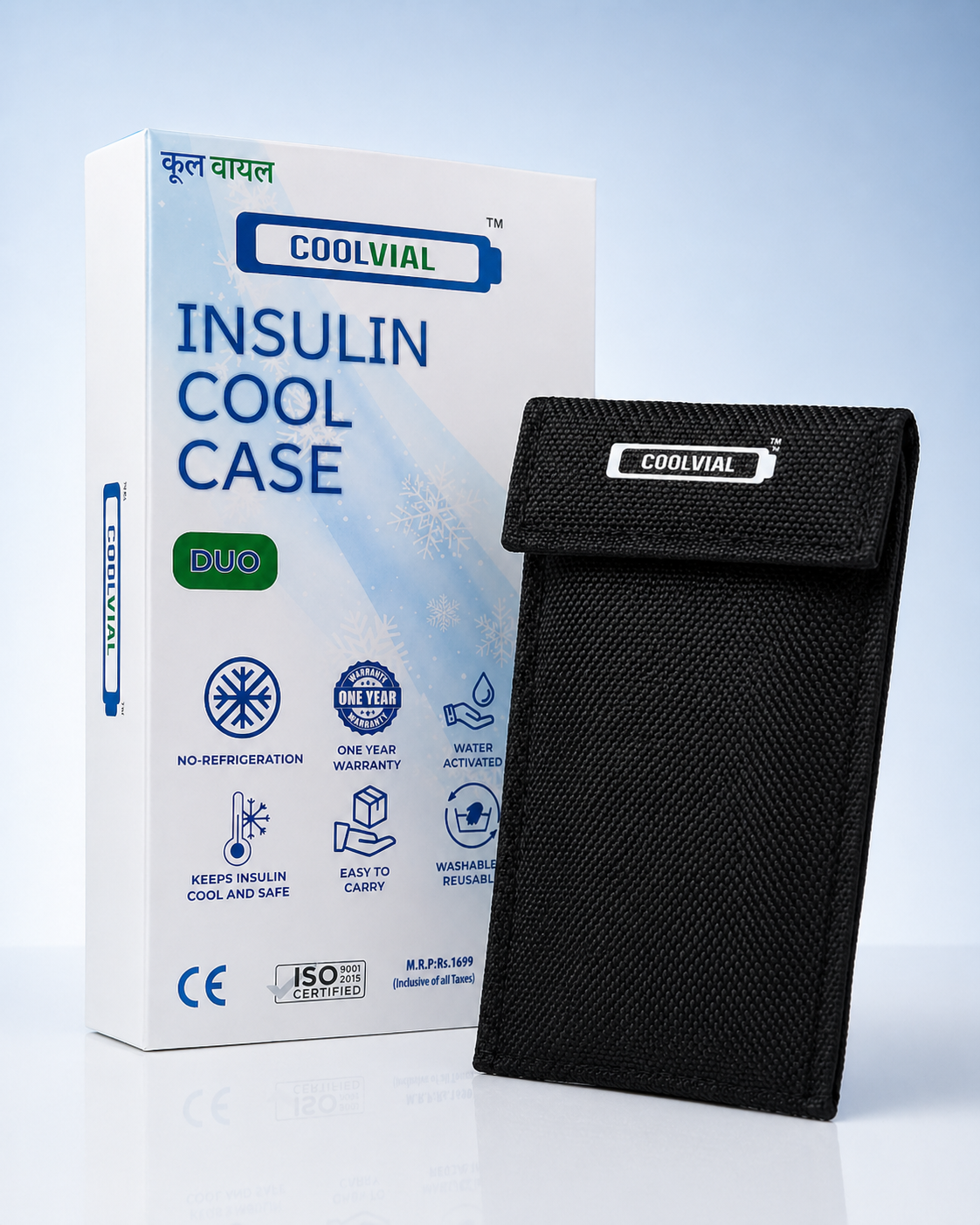
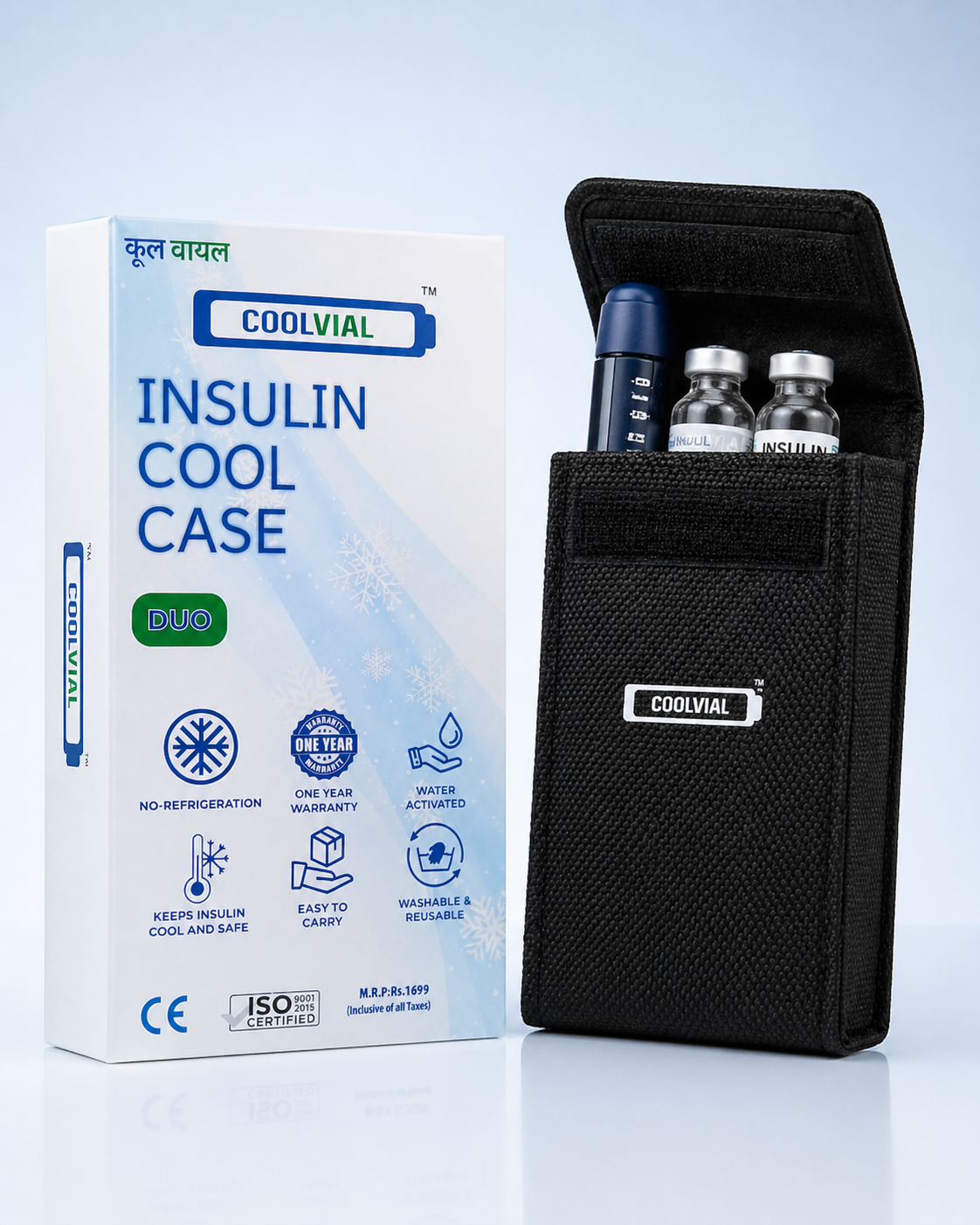
- Choose the Right Cool Case: Invest in a high-quality, reliable insulin cool case. Traditional ice packs can freeze insulin, destroying it. Look for cases that use phase-change materials or evaporative cooling technology, designed to maintain temperatures between 2-25°C without freezing. A COOLVIAL insulin cool case is specifically designed for Indian conditions, offering consistent temperature control for hours.
- Avoid Direct Sunlight and Heat: Whether in a car, train, or bus, never leave your insulin cool case in direct sunlight or near heat sources like windows, dashboards, or engine areas. Always keep it in the coolest part of the compartment.
- Carry-On is King: For air travel, always carry your insulin and cool case in your carry-on bag. The cargo hold of an airplane can experience extreme temperature fluctuations, both freezing and excessively hot, which are detrimental to insulin. Inform airline staff about your medical supplies.
- Mind the Gap (and the Duration): Be mindful of the duration your insulin cool case can maintain its temperature. For longer journeys, especially those involving multiple legs or overnight stays, plan how you will recharge or refresh your cooling elements.
- Stay Organized: Keep all your diabetes supplies, including insulin, needles, alcohol swabs, and blood glucose meter, organized in a dedicated pouch within your cool case. This makes it easy to access when needed, especially during feeds or diaper changes.
- Emergency Contact Information: Have your doctor’s contact information readily available. In case of any issues with your insulin or blood sugar management, you can quickly seek medical advice.
- Hydration and Food: While not directly storage-related, staying hydrated and having access to appropriate food helps manage blood sugar levels, reducing the urgency of insulin adjustments during travel. Carry healthy snacks.
- Local Resources: Before reaching your destination, research nearby pharmacies or hospitals, especially if you’re traveling to a new city or rural area. This preparedness can be crucial in an emergency.
10 Essential Postpartum Travel & Insulin Storage Tips for Indian Mothers
Don't let Indian heat spoil your insulin. COOLVIAL protects it for 48+ hours.
By following these postpartum travel insulin storage tips for Indian mothers, you can travel with confidence, knowing your vital medication is protected.
10 Essential Postpartum Travel & Insulin Storage Tips for Indian Mothers
48+ hours at 2-8°C. No electricity. CE certified. Free delivery across India.
Order on WhatsApp — ₹1,099🛒 Buy Now — ₹1,0994. Navigating India’s Diverse Climates and Travel Conditions
India’s vast geographical landscape presents a myriad of climatic conditions and travel scenarios, each demanding tailored approaches to insulin storage. Understanding these specific challenges is crucial for effective diabetes management during postpartum travel.
Regional Climate Variations
- North India (Delhi, Rajasthan, Uttar Pradesh): Summers are characterized by extreme heat, often exceeding 45°C, with dry, scorching winds. Winters can be surprisingly cold, dropping below 5°C. During summer, the biggest threat is heat degradation, while in winter, accidental freezing in unheated accommodations or overnight buses can be a risk.
- South India (Chennai, Bengaluru, Kerala): Experiences a tropical climate with high humidity and consistent warmth throughout the year, often above 30°C. The humidity itself, combined with heat, can accelerate insulin degradation. Monsoon seasons bring heavy rains and can lead to power outages, impacting refrigeration.
- East India (Kolkata, Odisha): Similar to South India, characterized by hot and humid conditions, especially during monsoons. Power fluctuations are common, and travel infrastructure can be less robust in certain regions.
- West India (Mumbai, Gujarat): Coastal areas like Mumbai face high humidity and moderate to high temperatures. Inland regions of Gujarat can experience significant heat. The challenge here lies in preventing condensation within cool cases while maintaining a stable temperature.
- Northeast India (Assam, Meghalaya): Humid and rainy for much of the year, with moderate temperatures. The primary concern here would be protecting insulin from dampness and ensuring consistent cooling during long, often remote, journeys.
Travel Modes and Their Challenges
- Train Travel:
- Non-AC Coaches: Can become extremely hot and crowded, especially during festivals like Diwali or Eid. Insulin cool cases are essential here, and vigilance against theft in crowded compartments is also advised.
- AC Coaches: While cooler, internal temperatures can still fluctuate, and luggage racks near windows might get warm. Ensure your cool case is not exposed to direct sun.
- Long Journeys: Indian train journeys can last over 24 hours. Plan for recharging or refreshing cooling elements.
- Bus Travel:
- State Transport Buses: Often non-AC, crowded, and subject to frequent stops. Keeping insulin cool is a major challenge.
- Private AC Buses: Generally better, but luggage stored in the undercarriage can be exposed to engine heat. Always keep insulin in your carry-on near you.
- Air Travel: While the cabin is temperature-controlled, delays and luggage issues are concerns. Always carry insulin in your hand luggage.
- Road Trips by Car: Cars can heat up rapidly when parked in the sun. Never leave insulin unattended in a hot car. Even with AC running, place the cool case away from vents blowing directly hot or cold air.
- Rural Connectivity: Traveling to villages often involves less frequent transport, longer waiting times, and limited access to refrigeration. This is where a self-sufficient cool case becomes indispensable.
Understanding these India-specific scenarios is vital for developing robust postpartum travel insulin storage tips for Indian mothers. For example, a mother traveling from Delhi to a village in Rajasthan during summer needs to be prepared for extreme heat on buses and potential power cuts at her destination. Similarly, a mother traveling from Chennai to Kerala during monsoon needs to protect her insulin from humidity and ensure it stays cool despite power fluctuations.
5. COOLVIAL: Your Reliable Partner for Postpartum Travel Insulin Storage
For Indian mothers navigating the unique challenges of postpartum travel and diabetes management, finding a dependable solution for insulin storage is not just a convenience, it’s a necessity. This is where COOLVIAL steps in as a dedicated and effective partner, offering peace of mind.
The COOLVIAL insulin cool case is engineered with the specific demands of the Indian climate and travel conditions in mind. Unlike generic cool bags that rely solely on ice packs (which can freeze and destroy insulin), COOLVIAL utilizes advanced cooling technology to maintain the optimal temperature range for insulin without the risk of freezing. This makes it an ideal choice among postpartum travel insulin storage tips for Indian mothers.
Here’s why COOLVIAL is the smart choice for Indian mothers:
- Consistent Temperature Control: COOLVIAL cases are designed to keep insulin within the safe temperature range of 2-25°C for extended periods. This is crucial whether you are storing unopened insulin (requiring 2-8°C) or in-use insulin (stable up to 25°C). This consistency protects insulin from both damaging heat and accidental freezing.
- Robust for Indian Conditions: From the scorching heat of Ahmedabad’s summers to the humid monsoons of Mumbai, COOLVIAL cases are built to withstand India’s diverse and often extreme environmental conditions. Their durable construction ensures your vital medication is protected through long journeys, jostling commutes, and varying climates.
- Portability and Convenience: Weighing light and designed for easy carrying, COOLVIAL cases seamlessly integrate into your travel plans. They are compact enough to fit into a carry-on bag, backpack, or even a large handbag, making them ideal for new mothers who already have their hands full with baby essentials.
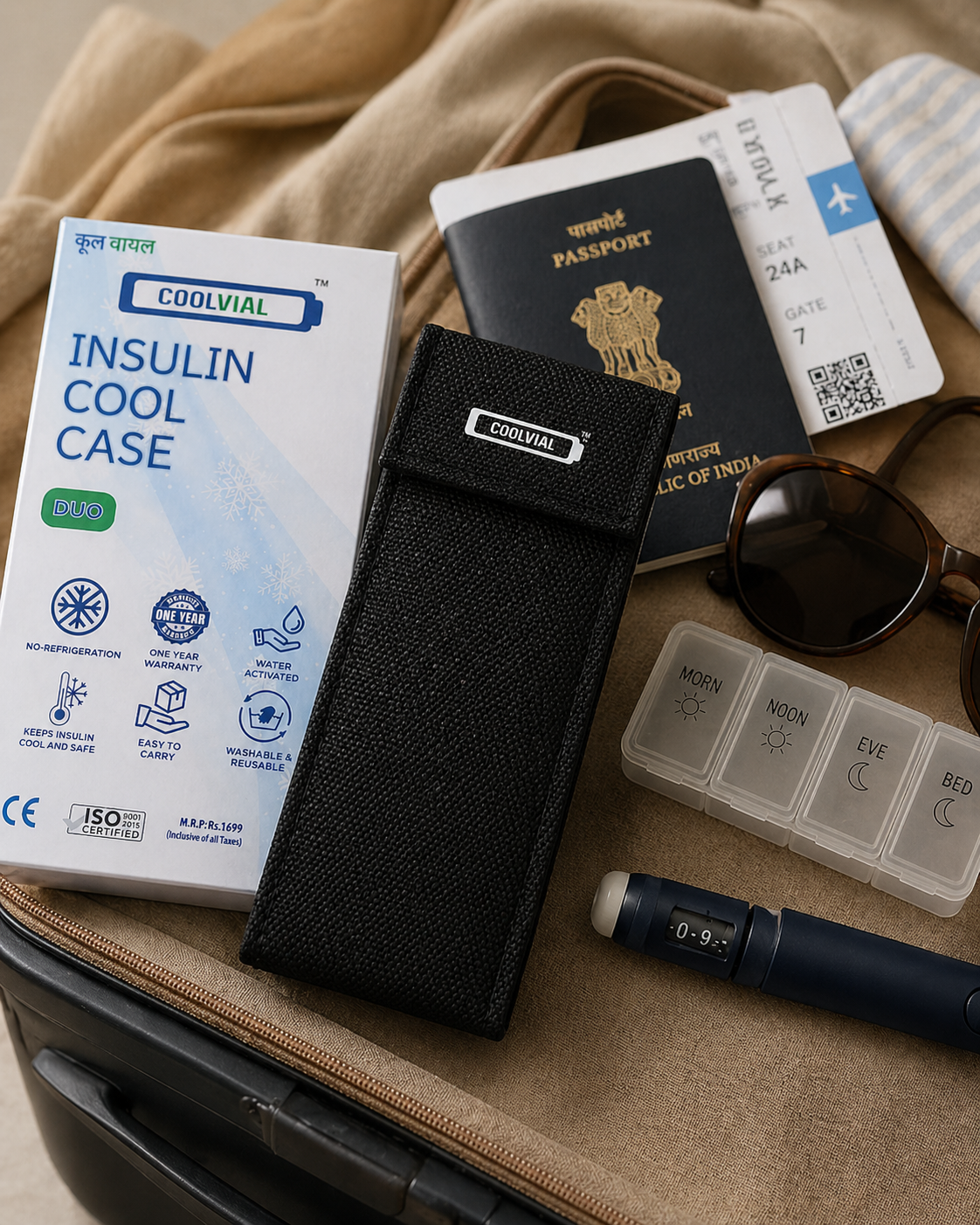
- No Electricity Needed for Core Function: Many COOLVIAL models operate without continuous electricity, relying on pre-cooled gel packs or evaporative cooling. This is a significant advantage in areas prone to power cuts or during long journeys on trains and buses where stable power outlets are scarce. You simply activate the cooling mechanism (e.g., by soaking in water for evaporative models or pre-freezing gel packs) and it provides hours of protection.
- Cost-Effective Solution: At just ₹1,099, the COOLVIAL insulin cool case offers an affordable yet high-quality solution for safeguarding your insulin. It’s an investment in your health and peace of mind. You can easily buy COOLVIAL at ₹1,099 via WhatsApp, making it accessible across India.
Choosing COOLVIAL means choosing reliability. It means one less worry for Indian mothers managing diabetes, allowing them to focus on the joy of their new baby and the journey ahead, confident that their insulin is safe and ready when needed.
6. Essential Checklist & Frequently Asked Questions for Safe Travel
Preparing for travel, especially with a newborn and diabetes, can be daunting. This checklist and FAQ section offers quick reference postpartum travel insulin storage tips for Indian mothers, ensuring you cover all bases.
Essential Travel Checklist for Diabetic Mothers
- Insulin Supply:
- Enough insulin for the entire trip, plus 50
10 Essential Postpartum Travel & Insulin Storage Tips for Indian Mothers
COOLVIAL keeps insulin at 2-8°C for 48+ hours. No electricity needed.