Reviewed by the COOLVIAL Editorial Team — specialists in insulin storage for Indian climate conditions.
For millions of individuals living with diabetes in India, observing Ramzan Roza fasting is a deeply personal and spiritual journey. However, managing diabetes, especially keeping insulin potent, during this sacred month presents unique challenges, particularly with India’s varying climate. Insulin, a life-saving medication, is highly sensitive to temperature fluctuations; it spoils if exposed to temperatures above 30°C, rendering it ineffective. This comprehensive guide offers 7 essential insulin storage tips to ensure safe and effective diabetes management during Ramzan Roza fasting in India, helping you maintain your health and spiritual practice without compromise. You will learn practical strategies for proper insulin care, understanding temperature requirements, and how to protect your medication in diverse Indian conditions.
Table of Contents
- Why Ramzan Roza Fasting with Diabetes in India Matters: The Unique Challenges
- Understanding Insulin’s Vulnerability: Core Concepts of Safe Storage
- Practical Tips for Ramzan Roza Fasting with Diabetes in India: Insulin Storage During Fasting Hours
- Navigating India’s Diverse Climate and Conditions: Regional Storage Strategies
- Keeping Insulin Safe: The COOLVIAL Solution for Ramzan
- Frequently Asked Questions (FAQ) about Insulin Storage during Ramzan
Why Ramzan Roza Fasting with Diabetes in India Matters: The Unique Challenges
Observing Ramzan Roza fasting while managing diabetes in India is a significant commitment that requires careful planning and adherence to health guidelines. The fasting period, from dawn to dusk, changes medication schedules and dietary patterns, which can impact blood sugar levels. Beyond the physiological adjustments, the Indian environment itself poses substantial hurdles for maintaining insulin efficacy. India experiences a wide range of climatic conditions, from the scorching summers of Rajasthan and Uttar Pradesh, where temperatures can soar above 45°C, to the humid coastal areas of Mumbai and Chennai. These extreme temperatures are a direct threat to insulin’s stability.
According to the International Diabetes Federation (IDF), India had approximately 101 million people living with diabetes in 2023, making it a country with one of the highest diabetes burdens globally. A significant portion of these individuals may choose to observe Ramzan, necessitating robust strategies for managing their condition, especially insulin storage. Insulin, a protein, denatures and loses its potency when exposed to high temperatures. This means that a vial or pen left unrefrigerated in an Indian summer could become ineffective within hours, leading to dangerously high blood sugar levels.
The challenges are amplified by several factors unique to the Indian context:
- Extreme Heat and Humidity: Summer months, which often overlap with Ramzan, bring intense heat and humidity across most of India. This makes maintaining the recommended storage temperature of 2-8°C for unopened insulin, or below 25-30°C for opened insulin, incredibly difficult without proper tools.
- Frequent Power Cuts: Many parts of India, particularly rural and semi-urban areas, experience unpredictable and prolonged power outages, especially during peak summer. This directly impacts the reliability of refrigerators, the primary storage method for insulin.
- Travel During Festivals: Ramzan often involves travel to native places or visiting relatives. Public transport like trains and buses, which can be crowded and lack consistent air conditioning, further expose insulin to adverse temperatures.
- Lack of Awareness: There is often insufficient awareness regarding the critical importance of proper insulin storage among patients and sometimes even caregivers, leading to inadvertent spoilage.
These factors underscore why effective insulin storage during Ramzan Roza fasting with diabetes in India is not just a recommendation but a critical necessity for patient safety and successful diabetes management. The consequences of using degraded insulin can be severe, ranging from ineffective blood glucose control to diabetic ketoacidosis, a life-threatening condition. Therefore, understanding and implementing practical storage solutions is paramount for individuals observing Ramzan. (Source: Diabetes UK, Diabetes Travel Guide)
Understanding Insulin’s Vulnerability: Core Concepts of Safe Storage
Insulin is a delicate biological product, a protein hormone, which means its molecular structure can be easily altered by environmental factors, primarily temperature. When insulin’s structure changes, it loses its ability to lower blood glucose, becoming ineffective. This section details the fundamental principles of insulin storage, crucial for anyone managing diabetes, especially during challenging periods like Ramzan Roza fasting in India.
The Ideal Temperature Ranges for Insulin
The effectiveness of your insulin hinges entirely on maintaining specific temperature conditions. Here’s a breakdown of the generally recommended ranges:
"Finally a cooler that works in Indian summers. Insulin stayed perfect during a 3-day power cut." — Ramesh, Chennai
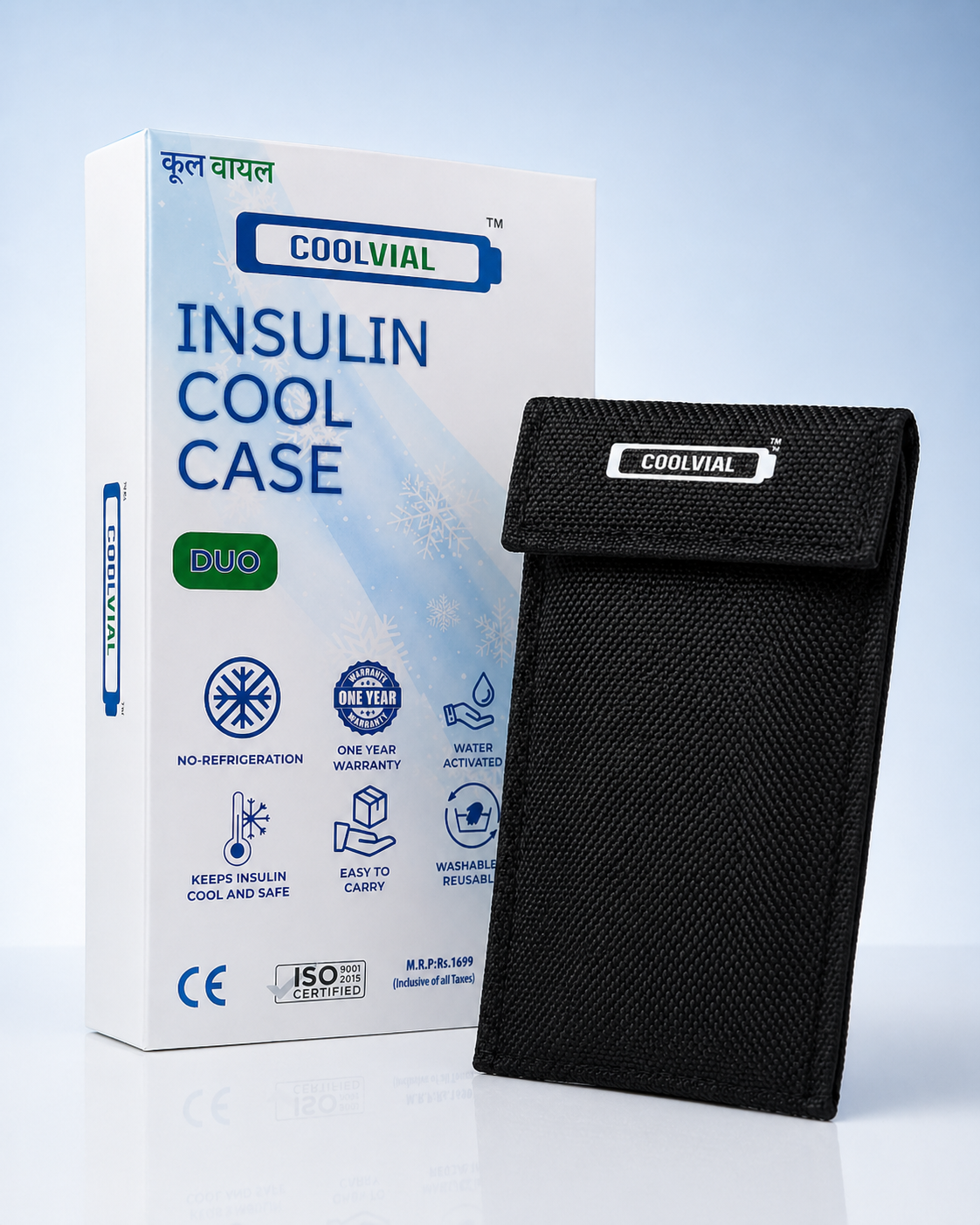
Ramzan Roza Fasting with Diabetes in India: 7 Essential Insulin Storage Tips
CE Certified · Free Delivery · 1-Year Warranty
📲 Buy on WhatsApp — ₹1,099- Unopened Insulin: Vials, cartridges, or pens of insulin that have not been opened should be stored in a refrigerator, ideally between 2°C and 8°C (36°F and 46°F). This is the optimal range for preserving its potency for the longest duration, typically until the manufacturer’s expiry date. Freezing insulin will damage it, so avoid temperatures below 2°C.
- Opened Insulin: Once an insulin vial, cartridge, or pen is opened or started, it can generally be stored at room temperature, typically below 25°C to 30°C (77°F to 86°F). However, its shelf life significantly shortens, usually to 28 days (4 weeks) for most types of insulin. Some specific insulin pens might have slightly different recommendations, such as 42 days (6 weeks), so always check the manufacturer’s leaflet. It is critical to never refrigerate opened insulin that you will be using daily, as repeated temperature changes can affect it.
- Critical Threshold: Insulin begins to degrade rapidly and lose potency if exposed to temperatures above 30°C (86°F) for extended periods. This is a critical factor in India, where ambient temperatures often exceed this threshold.
Ramzan Roza Fasting with Diabetes in India: 7 Essential Insulin Storage Tips
COOLVIAL keeps insulin safe in India's heat. 48+ hours, no electricity needed.
Why Temperature Consistency Matters
Fluctuations in temperature are almost as damaging as extreme heat. Repeatedly moving insulin from a cold to a warm environment and back can cause it to degrade faster. This is why opened insulin, intended for daily use, is often advised to be kept at a consistent room temperature rather than continually put back into the fridge. However, “room temperature” in India rarely means below 25°C, especially during summer or in non-air-conditioned spaces.
Signs of Degraded Insulin
It’s vital to know how to identify insulin that might have lost its potency, even if it has been stored improperly.
- Appearance Changes: Clear insulin (like regular or rapid-acting) should remain clear. If it appears cloudy, discolored, or has particles, it may be degraded. Cloudy insulin (like NPH) should always be uniformly cloudy after gentle rolling; if it looks lumpy or granular, discard it.
- Reduced Effectiveness: If your blood sugar levels remain consistently high despite taking your usual insulin dose, it could be a sign that your insulin has lost its potency.
Using degraded insulin is dangerous because it won’t lower your blood sugar effectively, leading to hyperglycemia and potential complications. Therefore, if you suspect your insulin has been compromised, it’s safer to discard it and start with a fresh, properly stored supply.
Here’s a quick reference table for insulin storage:
| Insulin State | Recommended Temperature Range | Maximum Duration | Notes |
|---|---|---|---|
| Unopened (Fridge) | 2°C to 8°C (36°F to 46°F) | Until manufacturer’s expiry date | Do NOT freeze. |
| Opened (Room Temp) | Below 25°C to 30°C (77°F to 86°F) | 28 days (4 weeks) for most types (check leaflet) | Keep in a consistent, cool, dark place. Avoid direct sunlight. |
| Critical Limit | Above 30°C (86°F) | Rapid degradation | Insulin loses potency quickly; becomes ineffective. |
| Freezing | Below 2°C (36°F) | Immediate damage | Ice crystals damage protein structure; insulin is unusable. |
This understanding forms the bedrock for safe insulin management, especially when observing Ramzan Roza fasting with diabetes in India, where environmental factors are often challenging.
Practical Tips for Ramzan Roza Fasting with Diabetes in India: Insulin Storage During Fasting Hours
Managing insulin effectively during Ramzan Roza fasting in India requires foresight and practical strategies. The fasting hours, coupled with India’s climate, demand specific approaches to ensure your insulin remains potent and safe. Here are 7 essential tips to help you:
- Plan Your Insulin Schedule with Your Doctor: Before Ramzan begins, consult your diabetologist to adjust your insulin doses and timings for Suhoor (pre-dawn meal) and Iftar (fast-breaking meal). Discuss how this impacts your insulin storage needs. They may advise on specific insulin types or regimens suitable for fasting.
- Invest in a Reliable Insulin Cool Case: This is perhaps the most critical tip for Ramzan Roza fasting with diabetes in India. Given the high temperatures and potential for power cuts, a dedicated insulin cool case is indispensable. Look for cases that maintain temperatures between 2-8°C or below 25°C without electricity, using gel packs or evaporative cooling technology. These are perfect for carrying insulin during the day, especially if you’re commuting or spending time outdoors.
- Protect from Direct Sunlight and Heat: Always keep your insulin cool case, or even just an insulin pen, away from direct sunlight. Never leave it in a car, on a windowsill, or near heat-emitting appliances (like a laptop or TV) during fasting hours. Even a few minutes in direct sun can significantly elevate its temperature.
- Utilize Thermally Insulated Bags for Travel: If you must travel by bus or train during Ramzan, which are common modes of transport in India, ensure your insulin is in a high-quality thermally insulated bag with sufficient cool packs. These bags provide an extra layer of protection against the heat often encountered in public transport. Consider carrying a thermometer with your insulin to monitor its temperature.
- Be Prepared for Power Cuts: In many Indian cities and towns, power cuts are a reality. If you rely on a refrigerator for unopened insulin, have a backup plan. This could involve pre-chilled gel packs in a cool box or a portable insulin cooler that doesn’t require constant electricity. Ensure your cool packs are always ready in the freezer.
- Avoid Storing Insulin in the Bathroom or Kitchen: During fasting, even if you are not cooking, kitchens can retain heat. Bathrooms often experience significant temperature fluctuations and humidity. These areas are not suitable for insulin storage. Opt for a cool, dark cupboard in a living area or bedroom that remains relatively stable in temperature.
- Carry Only What You Need for the Day: While it’s wise to have a backup, avoid carrying your entire insulin supply with you daily, especially during Ramzan. Carry only the insulin pens or vials you expect to use within a day or two, stored safely in your cool case. Keep the bulk of your supply in the coolest, most secure place at home. For more generic guidance on insulin care, explore our insulin storage tips section.
These practical tips are designed to empower you to observe Ramzan while maintaining strict control over your diabetes medication, providing peace of mind during your spiritual journey.
Navigating India’s Diverse Climate and Conditions: Regional Storage Strategies
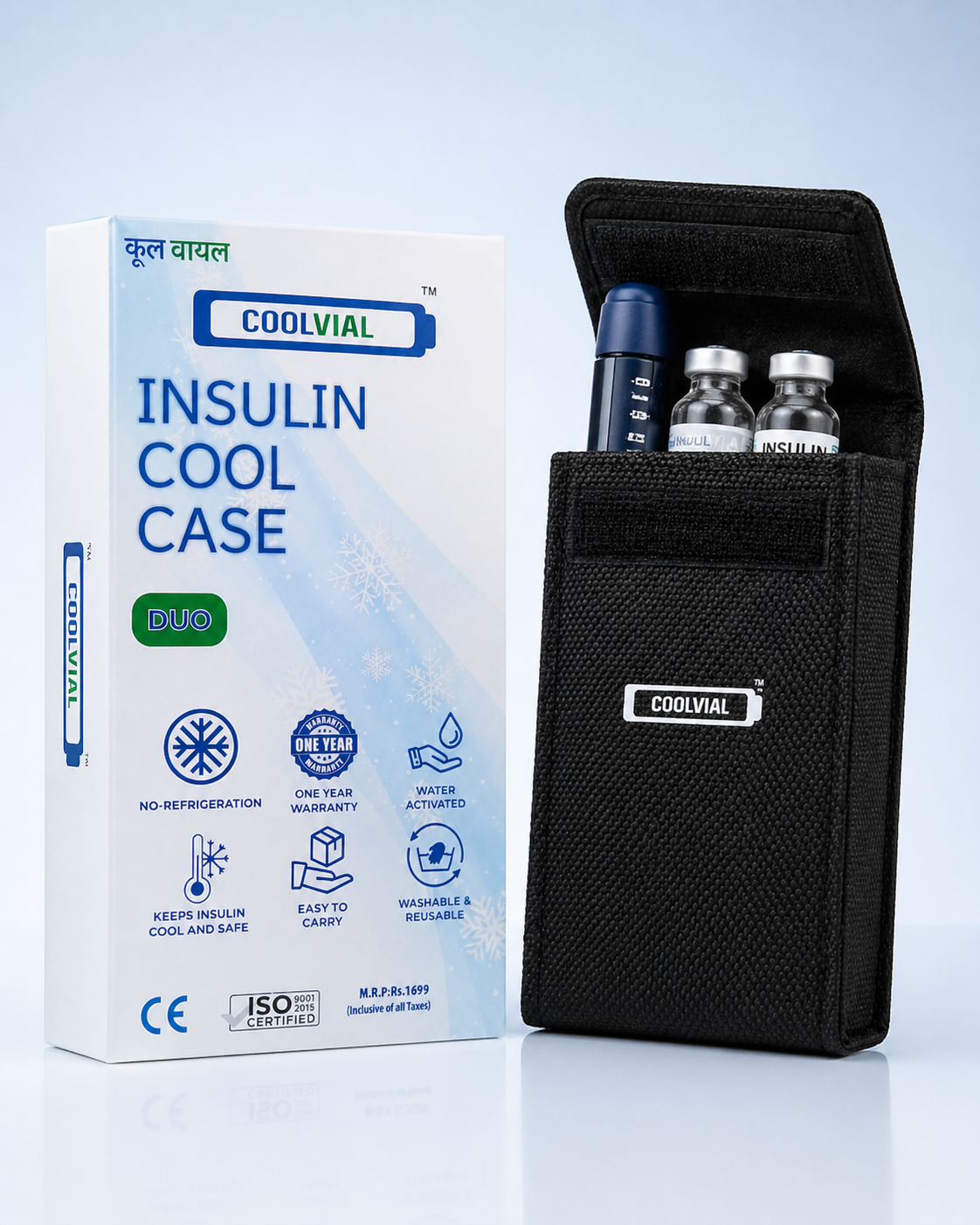
Ramzan Roza Fasting with Diabetes in India: 7 Essential Insulin Storage Tips
COOLVIAL keeps insulin at 2-8°C for 48+ hours. No electricity needed.
India’s vast geographical landscape presents a myriad of climatic conditions, each posing unique challenges for insulin storage, especially when observing Ramzan Roza fasting. From the arid deserts of Rajasthan to the humid coastal plains and the temperate hills, understanding regional nuances is key to effective diabetes management.
Ramzan Roza Fasting with Diabetes in India: 7 Essential Insulin Storage Tips
Insulin at 2-8°C for 48+ hours. Trusted by 10,000+ Indian diabetics.
- North India (Delhi, Uttar Pradesh, Punjab): Summers here are notoriously hot and dry, with temperatures frequently exceeding 40-45°C. During Ramzan, which often coincides with these peak summer months, insulin is at extreme risk. The dry heat can quickly raise the temperature inside homes and vehicles.
- Strategy: Reliance on air conditioning or evaporative coolers (desert coolers) at home is crucial. For travel, a robust, insulated cool case with high-performance gel packs is non-negotiable. Always avoid direct sunlight, even for brief periods.
- West India (Maharashtra, Gujarat, Rajasthan): While Rajasthan shares the extreme dry heat of the North, coastal regions like Mumbai and Gujarat experience high humidity along with heat. Humidity can make temperatures feel even hotter and also affect the integrity of insulin packaging over time.
- Strategy: Besides cool cases, ensure insulin is stored in airtight containers to protect against moisture. In cities like Mumbai, where power cuts are less frequent but heat is constant, a mini-fridge specifically for medications can be a good investment if a dedicated medical cooler is not available.
- South India (Karnataka, Tamil Nadu, Kerala, Andhra Pradesh): These states typically experience a tropical climate with high temperatures and significant humidity year-round. Ramzan here means managing insulin in consistently warm and moist conditions.
- Strategy: Prioritize cool cases that use advanced cooling technology to combat both heat and humidity. During travel, ensure continuous cooling solutions, as even short exposures to the tropical sun can degrade insulin.
- East and Northeast India (West Bengal, Odisha, Assam): Characterized by high humidity and moderate to high temperatures, particularly during monsoon season, which can sometimes overlap with Ramzan. Power cuts can be more prevalent in some rural areas.
- Strategy: Focus on power-independent cooling solutions. Evaporative coolers might be less effective in high humidity. Rely on battery-operated cool cases or high-quality insulated bags with frozen gel packs.
- Mountainous Regions (Himachal Pradesh, Uttarakhand): While generally cooler, daytime temperatures can still rise, and direct sun exposure at altitude can be intense. Nights can be quite cold.
- Strategy: Maintain consistent temperatures. Avoid freezing insulin during cold nights. A cool case helps moderate temperature fluctuations, keeping insulin within the safe range during the day and preventing it from getting too cold at night.
Power Outages and Backup Solutions: Across all regions, power cuts remain a significant concern. A staggering 78% of Indian households face daily power cuts in summer (Source: India Energy Access Survey). This statistic highlights the critical need for solutions that do not depend on continuous electricity.
- Battery-Operated Coolers: These offer independence from grid power and are excellent for both home use during outages and for travel.
- Gel Packs and Vacuum-Insulated Flasks: A simple yet effective method involves using pre-frozen gel packs in a vacuum-insulated flask or a medical-grade cooler. These can maintain cool temperatures for several hours, providing a buffer during power interruptions.
- Community Support: In some areas, local pharmacies or community centers might offer temporary cold storage for essential medicines during prolonged outages. It’s worth inquiring about such provisions.
By considering the specific climate of your region in India and preparing for its unique challenges, you can ensure that your insulin remains safe and effective throughout Ramzan Roza fasting, allowing you to focus on your spiritual observances with peace of mind.
Keeping Insulin Safe: The COOLVIAL Solution for Ramzan
For individuals observing Ramzan Roza fasting with diabetes in India, ensuring insulin remains potent is a constant concern. This is where a reliable, portable cooling solution becomes not just a convenience, but a necessity. COOLVIAL offers an effective answer to the challenges posed by India’s climate and the demands of a fasting schedule.
The COOLVIAL insulin cool case (₹1,099) is specifically designed to address the needs of Indian diabetics. It understands that traditional refrigeration isn’t always available or reliable, especially during travel or unexpected power cuts. This non-electric cool case utilizes advanced cooling technology, typically involving specialized gel packs, to maintain the optimal temperature range for insulin without the need for electricity.
Here’s how COOLVIAL becomes an indispensable tool during Ramzan:
- Reliable Temperature Control: The primary function of COOLVIAL is to keep your insulin within its safe temperature range (typically 2-8°C or below 25°C, depending on the model and external conditions). This is crucial during Ramzan when ambient temperatures can soar, and insulin could quickly degrade.
- Portability for Fasting Routines: During Ramzan, your routine might involve visiting the mosque for Taraweeh prayers, traveling to family for Iftar, or simply moving around in the heat of the day between Suhoor and Iftar. The compact and lightweight design of the COOLVIAL insulin cool case makes it easy to carry your essential medication wherever you go, ensuring it’s always protected.
- Independence from Electricity: One of the biggest advantages in the Indian context is its non-electric operation. Whether you’re in a remote village experiencing frequent power cuts, commuting on a crowded train without power outlets, or simply away from home, COOLVIAL provides continuous cooling without relying on an external power source. This is particularly beneficial during long fasting days when access to refrigeration might be limited.
- Durability and Convenience: Built to withstand daily use, COOLVIAL cases are robust and designed for the rigors of travel and everyday life. They are easy to prepare (usually by freezing gel packs) and simple to use, offering peace of mind during the holy month.
By integrating a COOLVIAL insulin cool case into your diabetes management plan, especially during Ramzan, you empower yourself with the ability to maintain insulin efficacy regardless of external conditions. This allows you to focus on your spiritual observances and personal well-being without the added stress of worrying about your medication’s safety. Protect your health and your spiritual journey with the confidence that your insulin is always stored correctly.
Frequently Asked Questions (FAQ) about Insulin Storage during Ramzan
Q: What happens if I use insulin that has been exposed to high temperatures during Ramzan? A: If you use insulin that has been exposed to high temperatures (above 30°C) for an extended period, it loses its potency and becomes less effective at lowering blood sugar. This can lead to consistently high blood glucose levels, potentially causing hyperglycemia, fatigue, increased thirst, and in severe cases, diabetic ketoacidosis. Always discard insulin suspected of spoilage.
Q: Can I store my insulin in a regular water bottle or thermos with ice during Ramzan travel in India? A: While a regular water bottle or thermos with ice might seem like a quick fix, it is not recommended for insulin storage. Ice can freeze insulin, rendering it ineffective, and it’s difficult to maintain a consistent safe temperature (2-8°C) without proper insulation and temperature control. Dedicated insulin cool cases are designed to prevent freezing and maintain stable temperatures.
Q: How can I tell if my insulin has gone bad, especially during the long fasting days of Ramzan? A: Clear insulin (like Novorapid, Humalog) should remain clear; if it looks cloudy or has particles, discard it. Cloudy insulin (like Humulin N) should be uniformly cloudy after rolling; if it appears clumpy or granular, it’s likely spoiled. Additionally, if your blood sugar levels are unusually high despite taking your regular dose, your insulin might have lost potency due to improper storage.
Q: Is it safe to carry my insulin pens in my pocket or bag without a cool case during short trips or errands during Ramzan? A: It is generally not safe to carry insulin pens directly in your pocket or bag, especially in India’s climate. Body heat, direct sunlight, or even ambient temperatures above 30°C can quickly degrade insulin. Even for short trips, using a small, personal insulin cool case or an insulated pouch is highly recommended to protect your medication.
Q: What is the ideal temperature for storing insulin that I’m currently using during Ramzan? A: Once opened, insulin pens or vials can typically be stored at room temperature, below 25-30°C, for up to 28 days. However, in many