
Reviewed by the COOLVIAL Editorial Team — specialists in insulin storage for Indian climate conditions.
Properly storing Humalog in India is absolutely critical for its effectiveness and your health. Humalog, a rapid-acting insulin, is highly sensitive to temperature fluctuations, and exposure to heat above 30°C can quickly degrade it, rendering it ineffective. Unopened Humalog must be refrigerated between 2-8°C, while opened vials or pens can be kept at room temperature, ideally below 25°C, for up to 28 days. This comprehensive guide will equip Indian diabetics with the essential knowledge and practical strategies for storing Humalog in India, ensuring your insulin remains potent and safe, regardless of India’s diverse climate challenges.
This article will delve into the nuances of insulin stability, offer practical tips for everyday use and travel, highlight India-specific storage challenges, and introduce smart solutions to safeguard your Humalog. By understanding and implementing these guidelines, you can confidently manage your diabetes without compromising your medication’s efficacy.
Table of Contents
- Why Proper Insulin Storage Matters in India
- Understanding Humalog: Core Storage Principles
- Practical Tips for Storing Humalog in India’s Diverse Climates
- Navigating India’s Challenges: Specific Solutions for Humalog Storage
- COOLVIAL: A Smart Solution for Storing Humalog in India
- Frequently Asked Questions about Humalog Storage
- Conclusion
Why Proper Insulin Storage Matters in India
India presents unique challenges for insulin users due to its vast geographical and climatic diversity, ranging from scorching deserts to humid coastal areas and freezing mountains. The effectiveness of Humalog, like all insulin, is directly linked to its proper storage. When insulin is exposed to temperatures outside its recommended range, especially excessive heat, its protein structure can break down, reducing its ability to lower blood sugar. This can lead to unpredictable blood glucose levels, potentially causing hyperglycemia (high blood sugar) and severe health complications for diabetics.
According to the International Diabetes Federation (IDF), India had 101 million people living with diabetes in 2023, making it a country with one of the highest diabetes burdens globally (Source: International Diabetes Federation (IDF)). This staggering number underscores the importance of effective diabetes management, where insulin efficacy plays a pivotal role. The Indian climate, characterized by long, hot summers where temperatures in cities like Delhi and Jaipur often exceed 45°C, poses a constant threat to insulin stability. Monsoon seasons bring high humidity, which can also affect insulin pens and vials.
Furthermore, unreliable power supply is a common issue across many parts of India, particularly in rural areas and smaller towns. Data suggests that up to 78% of Indian households face daily power cuts, especially during peak summer months, impacting refrigeration availability. This makes conventional refrigeration an inconsistent solution for storing unopened insulin. Diabetics often travel extensively, whether for work, family visits, or festivals, navigating various modes of transport like trains, buses, and cars, where temperature control is rarely guaranteed.
Consider a diabetic in Chennai experiencing a sudden power outage during summer, or someone traveling by un-airconditioned bus through the plains of Uttar Pradesh. In such scenarios, without proper storage solutions, Humalog can quickly lose its potency. The financial burden of replacing spoiled insulin is also significant for many Indian families, making preventive storage even more crucial.
Therefore, understanding and implementing robust strategies for storing Humalog in India is not just a recommendation; it is an essential aspect of diabetes care, ensuring that the medication you rely on to manage your blood sugar remains active and safe.
Storing Humalog in India: A Complete Guide for Indian Diabetics
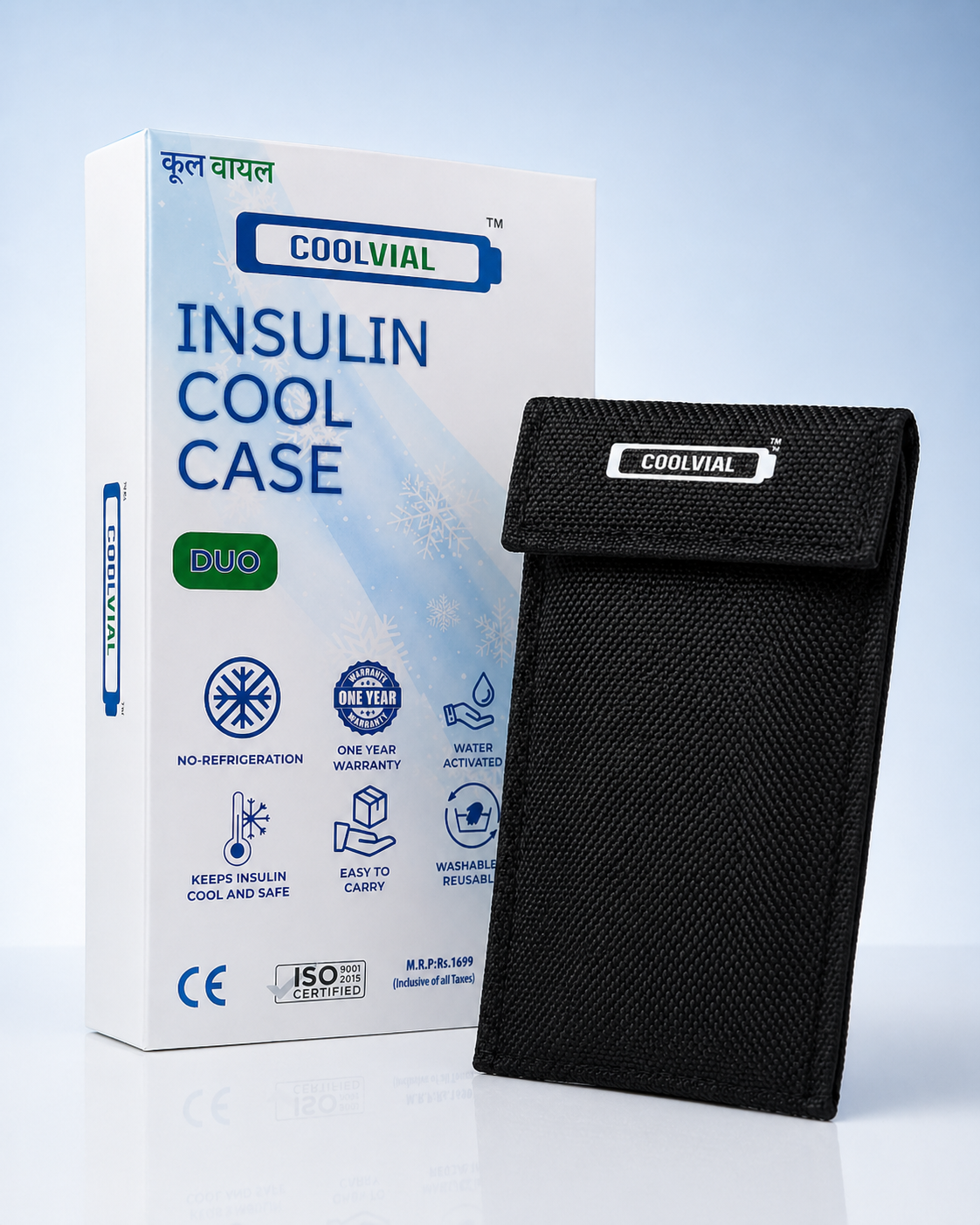
COOLVIAL keeps insulin safe in India's heat. 48+ hours, no electricity needed.
Understanding Humalog: Core Storage Principles
Humalog (insulin lispro) is a fast-acting insulin analogue, crucial for many individuals with type 1 and type 2 diabetes. Its rapid onset and short duration of action make it effective for managing post-meal blood sugar spikes. However, its efficacy is entirely dependent on maintaining its structural integrity, which is highly susceptible to temperature variations. Understanding these core storage principles is fundamental for any Indian diabetic.
Insulin is a protein, and like many proteins, it can denature or break down when exposed to extreme temperatures. Both freezing and excessive heat can damage insulin, leading to reduced potency or even complete ineffectiveness. Once damaged, insulin cannot be restored, and using compromised insulin can lead to dangerously high blood sugar levels as it fails to perform its intended function.
Unopened Humalog Storage
Unopened Humalog vials and pens should always be stored in a refrigerator. The ideal temperature range for unopened insulin is between 2°C and 8°C (36°F and 46°F). This cool, dark environment helps preserve its stability for the longest possible duration, typically until the expiration date printed on the packaging.
- Avoid Freezing: Never store Humalog in the freezer. If insulin freezes, it will lose its potency even after thawing. If you suspect your insulin has frozen, discard it immediately.
- Original Packaging: Keep unopened vials and pens in their original cartons to protect them from light, which can also degrade insulin over time.
- Refrigerator Placement: Store insulin in the main body of the refrigerator, not in the door. The door is subject to frequent temperature fluctuations due to opening and closing.
Opened Humalog Storage
Once a Humalog vial or pen is opened (punctured or in use), the storage guidelines change. It no longer needs to be refrigerated and can be kept at room temperature. This is for convenience and to prevent discomfort from injecting cold insulin. However, “room temperature” has specific limits:
- Temperature Range: Opened Humalog should be stored at room temperature, ideally below 25°C (77°F), but generally acceptable up to 30°C (86°F) for short periods. It should never exceed 30°C.
- Duration: An opened vial or pen is typically stable for 28 days (4 weeks) when stored at room temperature. After this period, even if there is insulin remaining, it should be discarded. Some specific pens might have slightly different durations (e.g., some insulin pens are stable for up to 42 days, or 6 weeks, but always check the specific product leaflet for Humalog).
- Protection from Light and Heat: Keep opened insulin away from direct sunlight, hot windows, radiators, or any heat source. Do not leave it in a car on a hot day, as interior temperatures can skyrocket.
"Finally a cooler that works in Indian summers. Insulin stayed perfect during a 3-day power cut." — Ramesh, Chennai
Storing Humalog in India: A Complete Guide for Indian Diabetics
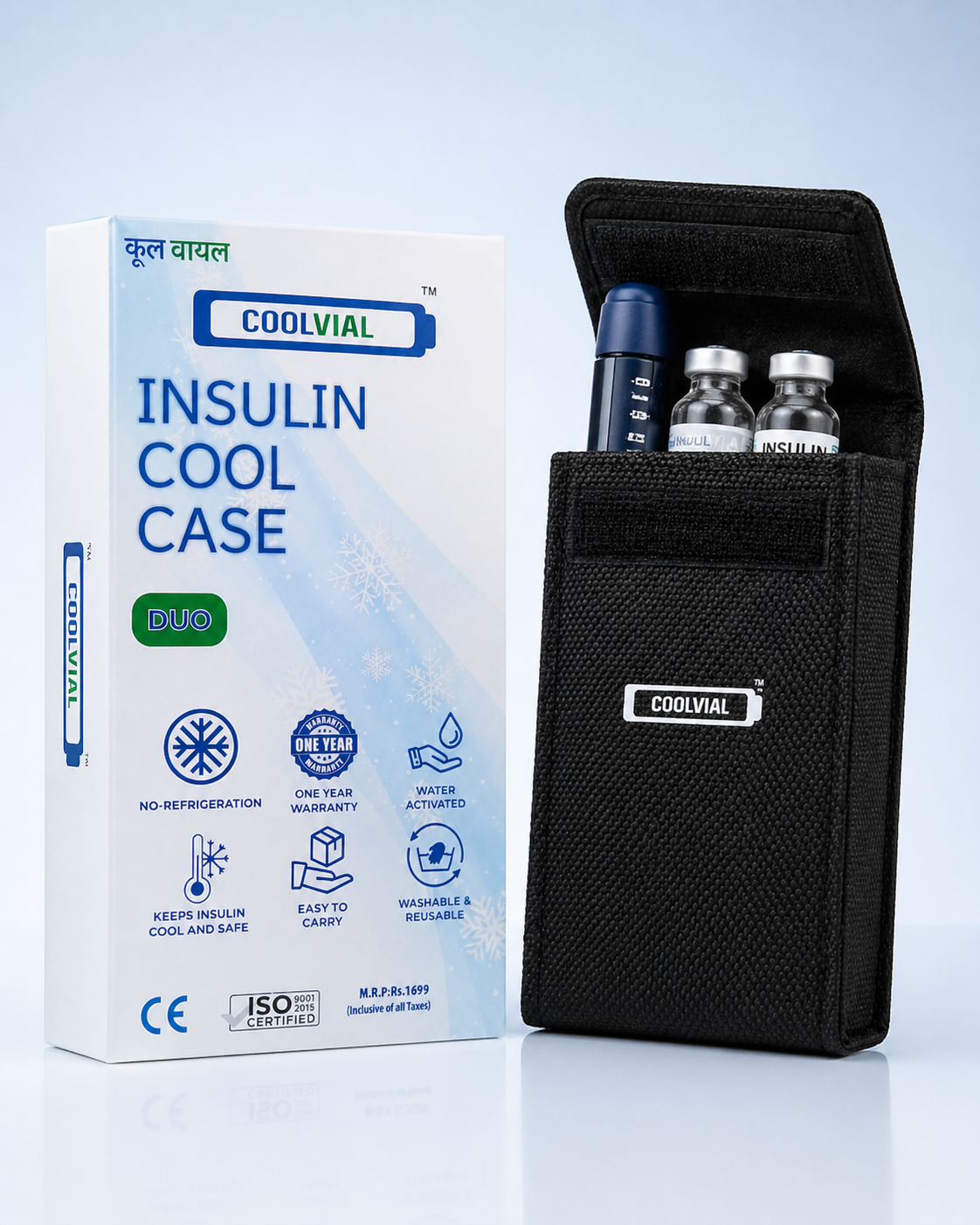
CE Certified · Free Delivery · 1-Year Warranty
📲 Buy on WhatsApp — ₹1,099Signs of Spoiled Insulin
Storing Humalog in India: A Complete Guide for Indian Diabetics
Insulin at 2-8°C for 48+ hours. Trusted by 10,000+ Indian diabetics.
It’s crucial to recognize the signs of spoiled insulin to avoid injecting ineffective medication.
- Change in Appearance: Humalog is a clear, colorless liquid. If it appears cloudy, discolored, or has particles floating in it, it may be spoiled. Do not use it.
- Clumps or Crystals: The presence of any clumps, crystals, or a frosted appearance indicates spoilage.
- Reduced Efficacy: If your blood sugar levels are consistently higher than expected despite taking your usual dose of Humalog, it could be a sign that your insulin has lost its potency.
| Insulin State | Recommended Temperature | Maximum Duration | Key Considerations |
|---|---|---|---|
| Unopened | 2°C - 8°C (Refrigerated) | Until Expiry Date | Avoid freezing; store in original carton |
| Opened (in use) | Up to 25°C (Room Temp) | 28 Days (4 Weeks) | Do not refrigerate after opening; protect from direct heat/light |
| Spoiled | Above 30°C or Freezing | Immediately discard | Cloudiness, discoloration, particles, clumps, reduced efficacy |
By diligently adhering to these guidelines, Indian diabetics can ensure the integrity of their Humalog, maintaining optimal glucose control and avoiding potential health risks associated with compromised medication. Storing Humalog in India effectively means being vigilant about temperature and duration.
Practical Tips for Storing Humalog in India’s Diverse Climates
Effectively storing Humalog in India requires proactive strategies, adapting to the country’s varied climates and infrastructure challenges. These practical tips are designed to help you maintain insulin potency, whether you’re at home, traveling, or facing unexpected situations like power outages.
Here are essential tips for safeguarding your Humalog:
- Invest in a Reliable Insulin Cool Case: For travel and daily use outside of refrigeration, an insulin cool case is indispensable. These cases use specialized cooling technology (like evaporative cooling or gel packs) to maintain a safe temperature range (typically 18-26°C) for several hours or even days. This is particularly vital when traveling in non-air-conditioned vehicles or during long commutes.
- Monitor Room Temperatures: While opened Humalog can be kept at room temperature, be mindful of what “room temperature” means in India. In many parts of the country, especially during summer, indoor temperatures can easily exceed 30°C. Use a small thermometer to monitor the temperature in the area where you store your insulin. If it consistently goes above 25°C, consider alternative cooling methods.
- Strategic Refrigerator Use: For unopened Humalog, store it in the middle shelf of your refrigerator, away from the freezer compartment and the door. The door often experiences temperature swings that can be detrimental to sensitive medications. Ensure your refrigerator is consistently running at 2-8°C.
- Beware of Direct Heat and Sunlight: Always keep your Humalog away from direct sunlight, hot car dashboards, windows, and other heat sources. Even a few minutes in direct sun can significantly degrade insulin. When you step out, carry your insulin in a cool case or an insulated bag.
- Plan for Power Outages: Power cuts are a reality in many Indian cities and rural areas. If a power outage is anticipated or occurs, transfer your unopened refrigerated Humalog to an insulated bag with ice packs (ensuring the insulin doesn’t directly touch the ice to prevent freezing). For opened insulin, ensure it’s in the coolest part of your home, perhaps in a well-ventilated, shaded area.
- Travel Smart:
- Air Travel: Always carry your Humalog in your carry-on luggage. The cargo hold of an airplane can experience extreme temperatures that are unsafe for insulin.
- Train/Bus Travel: Utilize a specialized insulin cool case. During long journeys, especially in non-AC coaches, temperatures can rise rapidly. Re-cool your case as needed at available facilities.
- Understand Insulin Lifespan: Once opened, Humalog has a limited lifespan, typically 28 days. Mark the date of opening on the vial or pen with a permanent marker to avoid confusion. Do not try to extend its use beyond this period, even if it looks fine.
- Always Have a Backup: Carry a backup supply of Humalog, especially when traveling. This ensures you’re not stranded if your primary supply is compromised.
- Seek Knowledge on Insulin Storage Tips: Continuously educate yourself on best practices. Resources like COOLVIAL’s insulin storage tips provide valuable insights tailored to the Indian context, helping you stay informed and prepared.
By integrating these practical measures into your daily routine, you can confidently manage your diabetes, knowing that your Humalog is stored correctly and remains effective.
Navigating India’s Challenges: Specific Solutions for Humalog Storage
India’s geographical and climatic diversity presents unique hurdles for storing Humalog in India. From the blistering summers of Rajasthan to the humid monsoons of Mumbai and the cold winters of Himachal Pradesh, each region demands tailored storage approaches. Understanding these specific challenges and implementing appropriate solutions is crucial for insulin-dependent diabetics.
Regional Climate Considerations
- North Indian Plains (Delhi, Uttar Pradesh, Punjab, Rajasthan): Summers here are intensely hot, with temperatures frequently soaring above 40°C, sometimes even exceeding 48°C in places like Rajasthan’s Thar desert. Power cuts are common during peak summer.
"Finally a cooler that works in Indian summers. Insulin stayed perfect during a 3-day power cut." — Ramesh, Chennai
Storing Humalog in India: A Complete Guide for Indian Diabetics
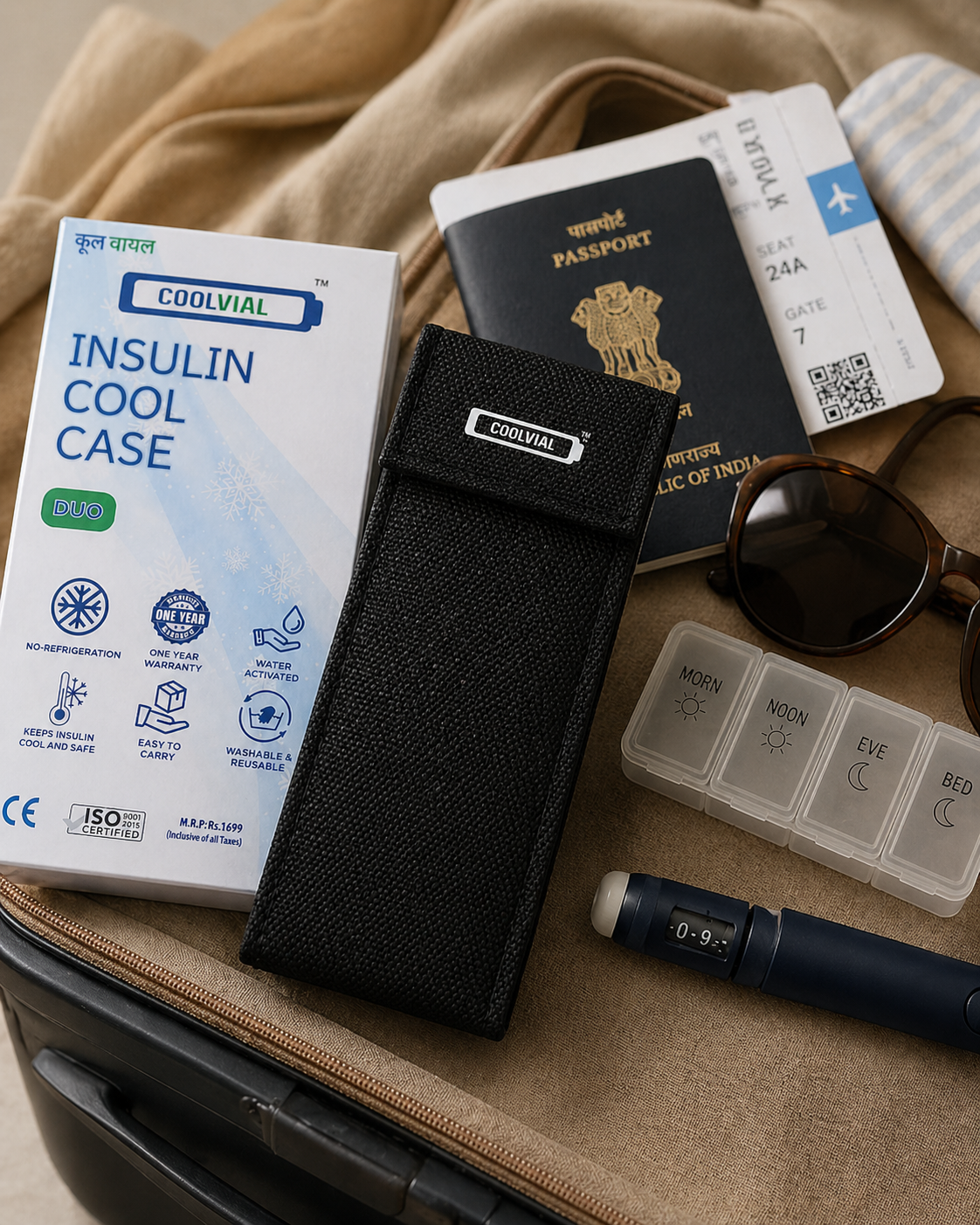
CE Certified · Free Delivery · 1-Year Warranty
📲 Buy on WhatsApp — ₹1,099