Reviewed by the COOLVIAL Editorial Team — specialists in insulin storage for Indian climate conditions.
For millions of Indians living with diabetes, maintaining the efficacy of insulin is not just a recommendation, it’s a daily necessity for life. The direct answer to selecting the best storage solution for your vital medication in 2026 lies in understanding the diverse range of Made-in-India insulin coolers, specifically those employing advanced gel-pack, evaporative, phase change material, and portable electric technologies. These innovative solutions are designed to keep insulin within its crucial temperature range of 2-8°C, preventing spoilage that occurs above 30°C and ensuring its potency. This guide will explore the top 5 made-in-India insulin coolers worth buying in 2026, focusing on their suitability for India’s varied climate and lifestyle, empowering you to make an informed choice for optimal diabetes management.
Living with diabetes in India presents unique challenges, especially when it comes to preserving insulin. The scorching summers, unpredictable power cuts, and the need for travel across diverse terrains mean that reliable insulin storage is paramount. Insulin, a life-saving medication, is highly sensitive to temperature fluctuations. Exposure to heat or freezing temperatures can quickly degrade its protein structure, rendering it ineffective and potentially dangerous. This comprehensive guide will walk you through the essential factors to consider, highlight the leading Made-in-India innovations in insulin cooling, and provide practical tips to safeguard your health. By the end, you’ll be equipped with the knowledge to choose the ideal insulin cool case that promises safety and peace of mind.
Table of Contents
- Why Reliable Insulin Cooling Matters in India
- Understanding Insulin Cooler Technologies: How They Work
- Smart Choices: Practical Tips for Selecting Top 5 Made-in-India Insulin Coolers
- Navigating India’s Climate: Regional Considerations for Insulin Storage
- COOLVIAL: A Trusted Made-in-India Insulin Cooling Solution
- Quick Reference: Essential Insulin Storage FAQs
- Conclusion: Staying Cool, Staying Healthy
Why Reliable Insulin Cooling Matters in India
India, a nation with a staggering 101 million people living with diabetes in 2023 according to the International Diabetes Federation (IDF) Atlas, faces a significant public health challenge. For these individuals, insulin is often a daily necessity. However, insulin’s effectiveness is profoundly dependent on proper storage, particularly maintaining a consistent temperature between 2-8°C for unopened vials and pens, and generally below 25-30°C for opened ones (Source: ICMR guidelines). This delicate balance is incredibly difficult to achieve in India’s diverse and often extreme climate.
The problem is multifaceted. Firstly, summer temperatures in many Indian cities like Delhi, Chennai, and Hyderabad regularly soar above 40°C, often reaching 45°C or more. Even moderate temperatures can render insulin useless if exposed for prolonged periods. Above 30°C, insulin begins to degrade rapidly, losing its potency and potentially causing hyperglycemia, or dangerously high blood sugar levels, in patients who rely on it. This makes reliable cooling not just convenient, but life-saving.
Secondly, India’s infrastructure, while improving, still presents challenges. Frequent power cuts, especially in rural areas and during peak summer months, can render refrigerators ineffective for hours. A study by the Council on Energy, Environment and Water (CEEW) in 2020 revealed that 78% of Indian households faced daily power cuts during summer, with average durations often exceeding 4 hours. This directly impacts the ability to store insulin safely at home.
Thirdly, travel is an inherent part of Indian life, whether for work, family, or festivals. Long train journeys, bus travel, or even short trips in personal vehicles often expose individuals and their medications to uncontrolled temperatures. A standard cooler with ice packs might suffice for a few hours, but extended travel, especially in non-AC coaches or cars, demands more robust and sustained cooling solutions. For a diabetic living in Mumbai, traveling to their ancestral village in Uttar Pradesh during Diwali, the journey itself can be a gauntlet of heat and uncertainty for their insulin.
The implications of degraded insulin are severe. Patients might unknowingly inject ineffective medication, leading to uncontrolled blood glucose levels, increased risk of diabetic ketoacidosis, and long-term complications like kidney damage, nerve damage, and vision loss. This not only impacts the individual’s health but also places a greater burden on the healthcare system. Therefore, investing in a high-quality, reliable insulin cool case is a proactive step towards better health outcomes and peace of mind for Indian diabetics.
Understanding Insulin Cooler Technologies: How They Work
To appreciate the value of top 5 made-in-India insulin coolers worth buying in 2026, it’s crucial to understand the different technologies they employ to keep insulin safe. Each method has its own advantages and ideal use cases, catering to various needs and budgets.
"Finally a cooler that works in Indian summers. Insulin stayed perfect during a 3-day power cut." — Ramesh, Chennai
Proven Guide: Top 5 Made-in-India Insulin Coolers Worth Buying in 2026
CE Certified · Free Delivery · 1-Year Warranty
📲 Buy on WhatsApp — ₹1,099Gel Pack Coolers
Gel pack coolers are perhaps the most common and accessible type of insulin cooling solution. These typically consist of a sturdy insulated pouch or box that holds pre-frozen gel packs. The gel packs absorb heat from the surroundings, maintaining a cool internal temperature.
- How they work: The gel inside the packs is designed to freeze at a specific temperature (usually slightly below 0°C) and then slowly melt, releasing cold energy over time. The insulation of the bag helps to slow down this process.
- Pros: Affordable, readily available, require no electricity, simple to use.
- Cons: Limited cooling duration (typically 4-8 hours), require access to a freezer, can be bulky if many gel packs are needed, risk of freezing insulin if not used correctly (e.g., direct contact with frozen packs).
- Ideal for: Short trips, daily commutes, situations with guaranteed freezer access.
Proven Guide: Top 5 Made-in-India Insulin Coolers Worth Buying in 2026
COOLVIAL keeps insulin safe in India's heat. 48+ hours, no electricity needed.
Evaporative Coolers
Evaporative coolers, often seen in brands like Frio, utilize the principle of evaporative cooling to maintain a stable temperature. These are particularly well-suited for hot, dry climates.
- How they work: The cooler typically contains polymer crystals or beads that, when soaked in water, absorb it and swell into a gel. As water slowly evaporates from the surface of the cooler, it draws heat away from the contents, creating a cooling effect.
- Pros: No refrigeration or electricity needed, lightweight, reusable, can maintain temperatures for days (up to 45 hours or more depending on ambient conditions).
- Cons: Less effective in very high humidity (e.g., monsoon season in Kerala or Kolkata), requires access to water, can feel damp on the outside.
- Ideal for: Extended travel in dry regions (Rajasthan, parts of Gujarat), situations without electricity, daily use where humidity is not extreme.
Phase Change Material (PCM) Coolers
PCM coolers use specialized materials that change phase (e.g., from solid to liquid) at a specific temperature, absorbing or releasing latent heat in the process. Unlike water, which freezes at 0°C, PCMs can be engineered to change phase at temperatures closer to the ideal insulin storage range (e.g., 2-8°C or 18-25°C).
- How they work: The PCM packs are “charged” by placing them in a refrigerator (for 2-8°C PCMs) or at room temperature (for 18-25°C PCMs). Once solidified or cooled, they maintain their target temperature for an extended period as they slowly transition back to their liquid state.
- Pros: Precise temperature control, longer cooling duration than gel packs, no risk of freezing insulin, reusable.
- Cons: Can be more expensive, charging often requires a refrigerator for low-temperature PCMs, some PCMs are bulky.
- Ideal for: Those seeking precise temperature stability, long-duration travel, areas with unreliable power but intermittent fridge access.
Portable Electric Coolers (Thermoelectric or Compressor-based)
These are advanced, often more expensive, options that use electricity to actively cool their contents.
- How they work:
- Thermoelectric: These use the Peltier effect, where an electric current passes through two dissimilar materials, causing one side to get cold and the other hot. They can cool items to a certain degree below ambient temperature.
- Compressor-based: Similar to a mini-refrigerator, these use a compressor, condenser, and evaporator to actively cool, offering more powerful and consistent cooling, often capable of reaching true refrigeration temperatures (2-8°C) even in high ambient heat.
- Pros: Consistent temperature control, no need for pre-freezing/soaking, can run continuously with power, some models can also heat.
- Cons: Expensive, require a power source (AC adapter, car charger, power bank), can be heavier and bulkier, thermoelectric models may struggle in extreme heat to reach very low temperatures.
- Ideal for: Extensive travel (car, train with power outlets), home backup during power cuts, those needing precise, long-term refrigeration on the go.
Advanced Vacuum Insulation Coolers
While not a cooling method in itself, advanced vacuum insulation technology enhances the performance of any cooling method. These coolers feature double-walled construction with a vacuum space between the walls, significantly reducing heat transfer.
- How they work: The vacuum acts as an extremely efficient insulator, preventing heat from entering the cooler from the outside, or cold from escaping. When combined with gel packs or PCMs, this insulation dramatically extends their effective cooling duration.
- Pros: Extremely long cooling duration when paired with a cold source, robust, durable.
- Cons: Can be more expensive due to advanced manufacturing, potentially heavier.
- Ideal for: Anyone needing maximum cooling duration and reliability, especially for long journeys or remote locations.
Understanding these technologies helps in evaluating the suitability of various top 5 made-in-India insulin coolers worth buying in 2026 based on your specific lifestyle and requirements.
Smart Choices: Practical Tips for Selecting Top 5 Made-in-India Insulin Coolers
Choosing the right insulin cool case is a critical decision for managing diabetes effectively, especially in India’s challenging climate. To help you navigate the options and identify the top 5 made-in-India insulin coolers worth buying in 2026, consider these practical tips and criteria.
1. Assess Your Specific Needs and Lifestyle
- Travel Frequency and Duration: Are you a frequent traveler within India, taking long train journeys from Bengaluru to Kolkata, or bus trips across Maharashtra? Or do you mostly need a solution for daily commutes to work in Delhi or short outings? For longer durations without power, evaporative or PCM coolers might be ideal. For shorter trips with power access, a portable electric cooler could be suitable.
- Climate Zone: Living in a humid coastal city like Chennai or Mumbai will favor different cooling technologies compared to the dry heat of Rajasthan or the cooler climes of Himachal Pradesh. Evaporative coolers perform best in dry heat, while gel pack or PCM coolers are more versatile across humidity levels.
- Power Access: Do you have reliable access to a refrigerator or freezer? Are power cuts common in your area? Your answer will determine if you can rely on solutions that require pre-freezing or continuous electricity.
- Insulin Quantity: How many vials, pens, or cartridges do you typically carry? Cooler sizes vary significantly. Ensure the chosen cooler can comfortably fit your required medication without being overly bulky.
2. Prioritize Temperature Stability and Duration
The primary goal is to keep insulin within the 2-8°C range for unopened insulin and below 25-30°C for opened insulin. Look for products that clearly state their temperature maintenance capabilities and duration.
- Look for certifications: While not always available for every small component, reputable brands will adhere to international standards for insulation and cooling performance.
- Real-world testing: Check reviews from other Indian users, especially those mentioning performance during peak summer or long travels.
3. Consider Durability and Portability
A good insulin cooler should withstand the rigors of daily use and travel.
- Material Quality: Look for robust, durable materials that can handle bumps and spills. High-quality zippers, sturdy outer fabric, and well-sealed interiors are crucial.
- Weight and Size: For daily carrying, a lightweight and compact design is preferable. If you need to carry multiple items, a slightly larger but still manageable cooler might be better.
- Ease of Use: How simple is it to prepare and use the cooler? Does it require complex steps or is it straightforward?
4. Evaluate Cost-Effectiveness
While health is priceless, budget is a practical consideration.
- Initial Cost: Gel pack and evaporative coolers are generally more affordable upfront. PCM and electric coolers tend to be more expensive.
- Running Costs: Electric coolers have electricity costs (though usually minimal), while others require no ongoing power. Consider the lifespan and reusability of cooling elements.
Proven Guide: Top 5 Made-in-India Insulin Coolers Worth Buying in 2026
Don't let Indian heat spoil your insulin. COOLVIAL protects it for 48+ hours.
5. Check for Made-in-India Specific Features
Indian manufacturers are increasingly designing products with local conditions in mind.
- Power Cut Resilience: Some Made-in-India solutions specifically highlight their ability to maintain temperature during extended power outages.
- Travel-Friendly Design: Features like shoulder straps, compact shapes for fitting into bags, and robust construction suitable for Indian roads and public transport are beneficial.
Proven Guide: Top 5 Made-in-India Insulin Coolers Worth Buying in 2026
Insulin at 2-8°C for 48+ hours. Trusted by 10,000+ Indian diabetics.
Here’s a quick comparison of general types of Made-in-India insulin coolers:
| Feature/Type | Gel Pack Cooler | Evaporative Cooler | PCM Cooler | Portable Electric Cooler |
|---|---|---|---|---|
| Cooling Method | Frozen gel packs | Water evaporation | Phase Change Material | Thermoelectric/Compressor |
| Temp Range | Varies; risk of freezing if not careful | 18-26°C (ambient dependent) | Precise (e.g., 2-8°C or 18-25°C) | 2-8°C or lower (active cooling) |
| Duration | 4-8 hours | 2-4 days | 12-48 hours | Continuous with power |
| Power Needed | Freezer for gel packs | Water for activation | Refrigerator (for low temp PCM) | Continuous electricity (AC/DC/Power Bank) |
| Humidity Impact | Low | High (less effective in high humidity) | Low | Low |
| Portability | Good, can be bulky | Excellent, lightweight | Good | Moderate, can be heavier |
| Cost | Low | Moderate | Moderate to High | High |
| Made-in-India Examples | Many local brands | Brands like Frio (though global, widely used) | Emerging specialized Indian manufacturers | Specialized Indian electronics brands |
By carefully considering these tips, you can confidently choose among the top 5 made-in-India insulin coolers worth buying in 2026 that best fits your needs, ensuring your insulin remains safe and effective.
Navigating India’s Climate: Regional Considerations for Insulin Storage
India’s vast geography presents a kaleidoscope of climates, from the scorching deserts of Rajasthan to the humid coasts of Kerala and the chilly mountains of the Himalayas. Each region poses unique challenges for insulin storage, making a one-size-fits-all solution often inadequate. Understanding these regional nuances is key to selecting the most effective top 5 made-in-India insulin coolers worth buying in 2026.
North India: Extreme Summers and Winters
- Delhi, Uttar Pradesh, Punjab, Haryana: These states experience extremely hot and dry summers (April to July), with temperatures frequently crossing 45°C. Winters can be quite cold, dropping to near 0°C in some areas.
- Summer Challenge: Preventing insulin from overheating. Solutions like advanced gel-pack coolers with superior insulation or PCM coolers designed for 2-8°C are crucial. Evaporative coolers can be highly effective here due to the dry heat. Portable electric coolers are excellent for continuous cooling in vehicles or during power cuts, provided a power source is available.
- Winter Challenge: Preventing insulin from freezing. While less common, temperatures can drop significantly, especially at night. Insulated cases help protect against extreme cold as well.
- Jammu & Kashmir, Himachal Pradesh, Uttarakhand: Mountainous regions with cold winters and mild summers.
- Challenge: Freezing temperatures in winter are a major concern. Any cooling device should also offer protection against extreme cold. In summer, temperatures are milder but still require careful storage.
West India: Arid to Coastal Climates
- Rajasthan, Gujarat: Rajasthan is predominantly hot and dry. Gujarat has varied climate, from arid in the north to humid coastal areas.
- Challenge: Intense dry heat, especially in Rajasthan, makes evaporative coolers a very strong contender. For humid coastal areas of Gujarat (like Surat or Mumbai), gel pack or PCM coolers are more reliable.
- Maharashtra (excluding coastal areas): Interior Maharashtra, including cities like Pune and Nagpur, experiences hot summers and moderate winters.
- Challenge: High temperatures require robust cooling. Power cuts are also a concern, making solutions with extended cooling duration important.
South India: Hot and Humid
- Kerala, Tamil Nadu, Karnataka, Andhra Pradesh, Telangana: These states generally experience high temperatures year-round, coupled with significant humidity, especially along the coasts and during monsoon season.
- Challenge: Humidity severely reduces the effectiveness of evaporative coolers. Here, gel pack coolers, PCM coolers, and portable electric coolers are the most reliable choices. The constant high ambient temperature means that even keeping insulin at “room temperature” (below 25-30°C) often requires active cooling. For instance, in Chennai or Bengaluru, daytime temperatures rarely drop below 30°C for much of the year.
- Monsoon Impact: The monsoon season brings even higher humidity and often more frequent power interruptions, stressing the need for dependable, self-sufficient cooling solutions.
East and Northeast India: Humid and Monsoon-Prone
- West Bengal, Odisha, Northeast States: Characterized by high humidity, heavy monsoons, and often high temperatures.
- Challenge: Similar to South India, high humidity makes evaporative coolers less efficient. Dependable gel pack, PCM, or electric coolers are essential. The frequent rains and associated power supply issues make long-duration passive cooling or battery-powered options highly valuable. For someone traveling by bus from Kolkata to Guwahati, a reliable cool case is non-negotiable.
Key Takeaway for All Regions:
Regardless of the region, the need for a reliable insulin cool case is universal. When evaluating the top 5 made-in-India insulin coolers worth buying in 2026, consider:
- Insulation Quality: Superior insulation is critical everywhere to minimize heat transfer.
- Cooling Duration: How long can it maintain the required temperature without re-cooling? This is vital for travel and power cuts.
- Power Independence: For areas with unreliable electricity, solutions that don’t constantly rely on power (like advanced gel packs or PCMs) are invaluable.
An informed choice, tailored to your specific regional climate and travel habits, will ensure your insulin remains potent and your diabetes management remains on track.
COOLVIAL: A Trusted Made-in-India Insulin Cooling Solution
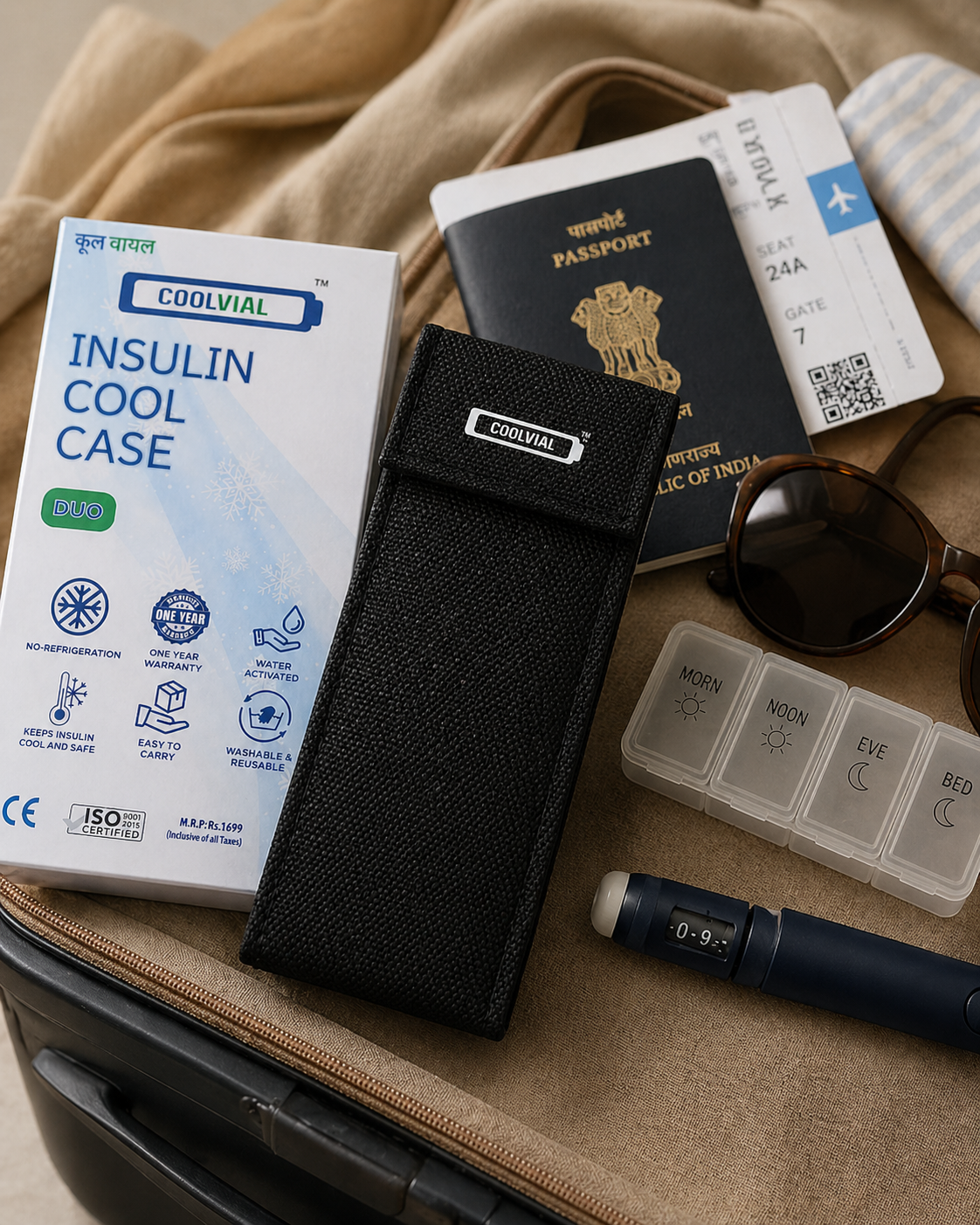
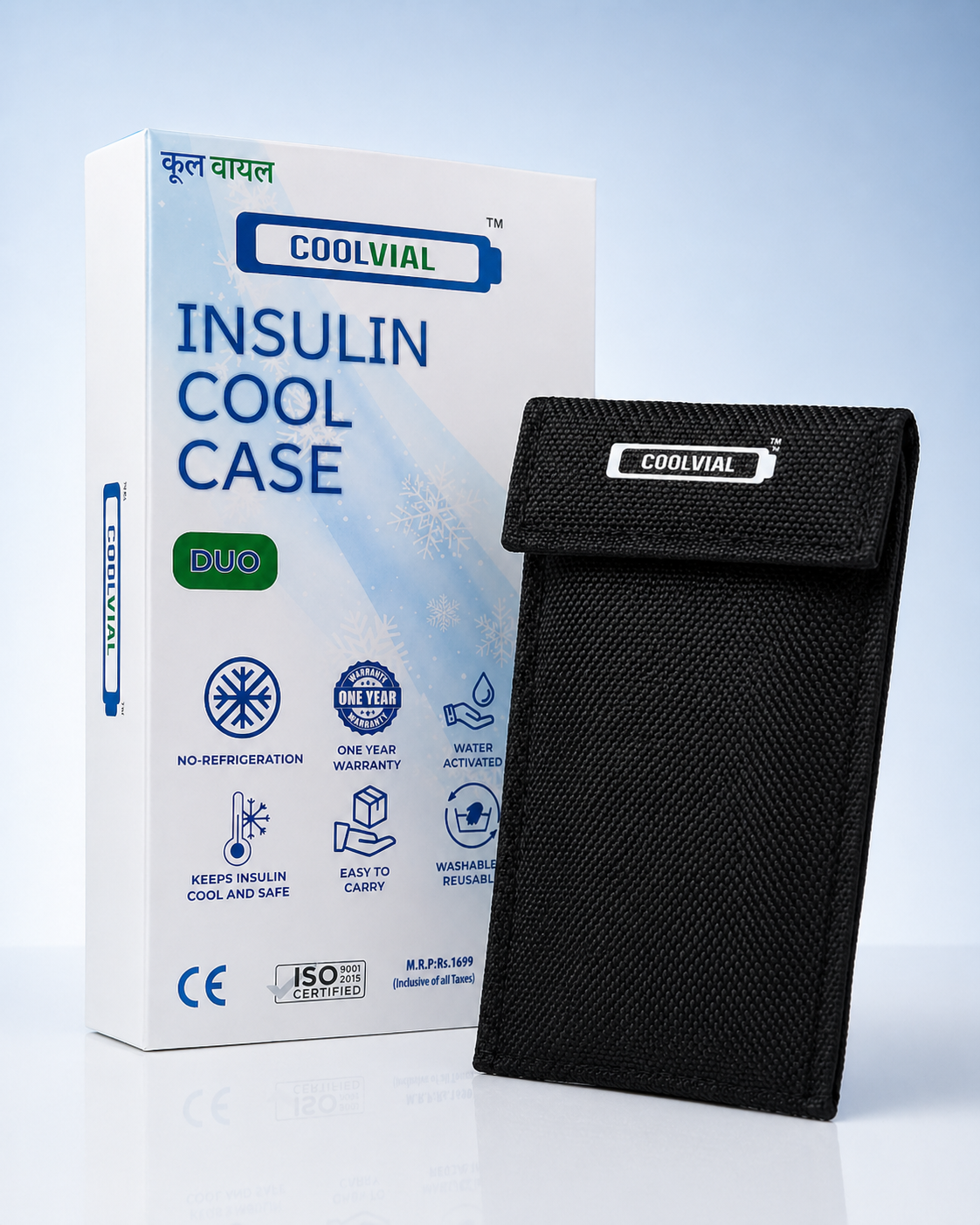
When considering the top 5 made-in-India insulin coolers worth buying in 2026, it’s essential to highlight solutions that genuinely meet the unique demands of the Indian diabetic community. COOLVIAL stands out as a brand committed to providing effective, affordable, and practical insulin storage solutions specifically designed for the Indian climate and lifestyle.
COOLVIAL understands that managing diabetes in India means facing diverse challenges: from the searing heat of a Delhi summer to the humid monsoons of Mumbai, and the occasional power cuts that can disrupt refrigeration. Our insulin cool cases are engineered with these realities in mind, ensuring that your life-saving medication remains within the optimal temperature range of 2-8°C, or below 25°C for in-use insulin, for extended periods.
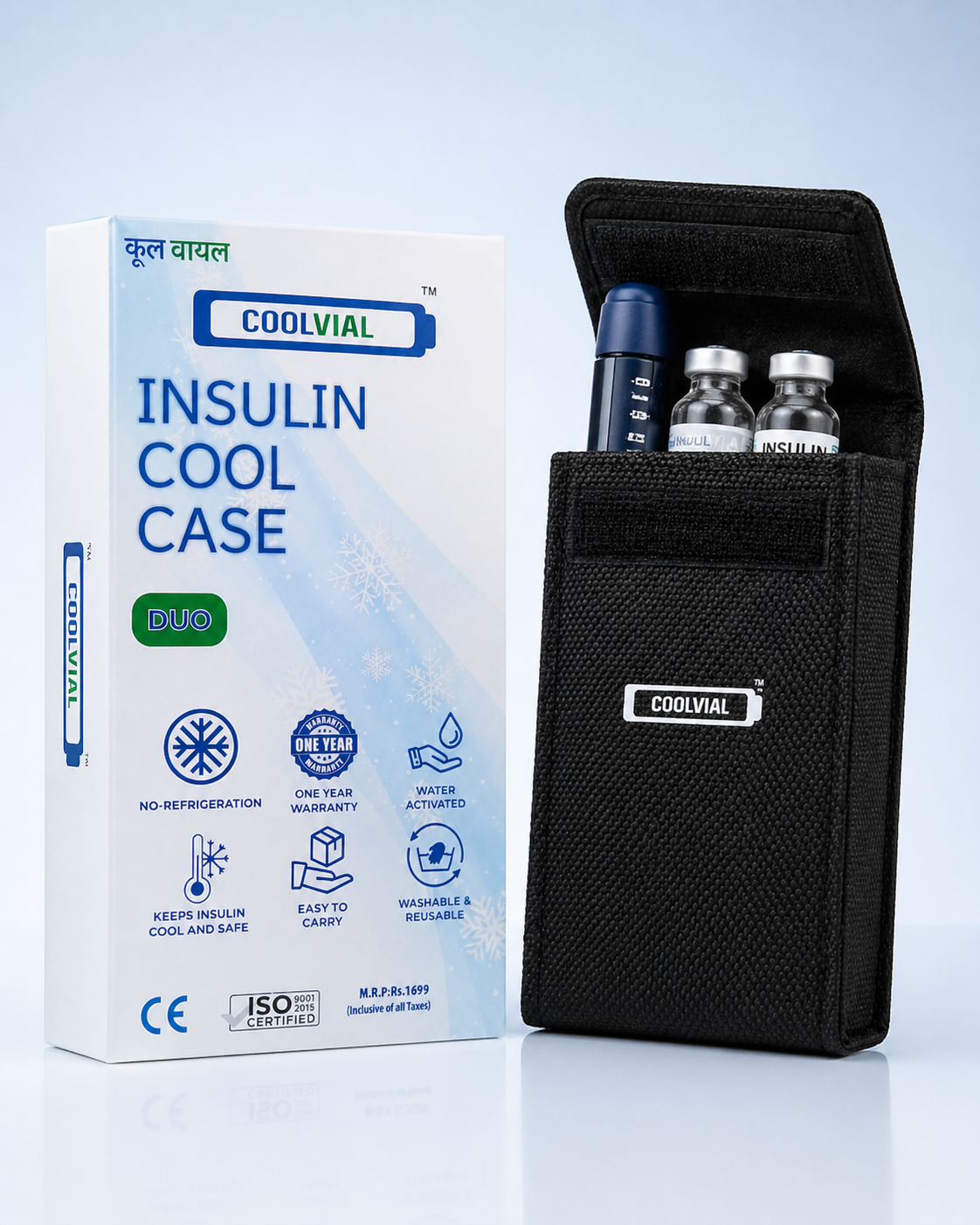
Our flagship COOLVIAL insulin cool case utilizes advanced cooling technology, often combining robust insulation with high-performance gel packs or phase change materials, to deliver consistent and reliable temperature control. This design approach means you get:
- Extended Cooling Duration: Engineered to provide prolonged cooling, making it ideal for long journeys by train or bus, and ensuring safety during unexpected power outages at home. We focus on maximizing the time your insulin stays safe.
- Optimal Temperature Maintenance: Our cases are designed to prevent both overheating and accidental freezing, critical for preserving insulin’s efficacy. The internal environment is carefully