Reviewed by the COOLVIAL Editorial Team — specialists in insulin storage for Indian climate conditions.
Traveling while pregnant can be an exciting, yet often challenging, experience. For expectant mothers managing diabetes, the complexities multiply, especially when it comes to keeping life-saving insulin safe in India’s diverse climate. To ensure a healthy and worry-free journey, pregnant diabetics in India must prioritize proper insulin storage and safety measures. Insulin, a temperature-sensitive medication, typically requires refrigeration between 2–8°C when unopened, and remains stable at room temperature (below 30°C) for a limited period once opened (Source: WHO). Without these critical safeguards, insulin can lose its potency, leading to dangerous blood sugar fluctuations for both mother and baby. This comprehensive guide offers 10 essential travel tips for pregnant diabetics in India, focusing on insulin storage and safety, to empower you with the knowledge needed for a smooth and secure trip. You’ll learn about pre-travel planning, temperature management, specific Indian travel considerations, and how products like COOLVIAL can be your trusted companion.
Table of Contents
- 1. The Unique Challenges of Travel for Pregnant Diabetics in India
- 2. Mastering Insulin Storage: Core Concepts for Safe Travel
- 3. Essential Travel Tips for Pregnant Diabetics in India: Storage & Safety Checklist
- 4. Navigating India’s Diverse Climate and Conditions with Diabetes
- 5. COOLVIAL: Your Partner for Safe Insulin Storage on the Go
- 6. Quick Reference & Frequently Asked Questions for Pregnant Diabetics
- Conclusion
1. The Unique Challenges of Travel for Pregnant Diabetics in India
Traveling in India presents a unique set of challenges, especially for pregnant women managing diabetes. The country’s vast geographical and climatic diversity means encountering extreme heat in Rajasthan, high humidity in coastal regions like Mumbai or Chennai, and even unexpected cold in northern hill stations. These fluctuating temperatures directly impact the efficacy of insulin, which is highly sensitive to heat. According to the International Diabetes Federation (IDF), India had 101 million diabetics in 2023, with a significant number of women experiencing gestational diabetes or pre-existing diabetes during pregnancy.
Maintaining stable blood glucose levels is paramount during pregnancy to prevent complications for both the mother and the developing baby. Uncontrolled diabetes can lead to issues like pre-eclampsia, preterm birth, and macrosomia. Traveling can disrupt routines, diet, and sleep patterns, all of which influence blood sugar. The Indian travel landscape, with its bustling public transport, varying food hygiene standards, and occasional power outages, adds further layers of complexity. For instance, summer temperatures in cities like Delhi and Nagpur can regularly exceed 45°C, making ambient insulin storage impossible.
Pregnant women also face increased physiological demands, making them more susceptible to dehydration and fatigue, which can exacerbate diabetic symptoms. Access to clean water, reliable food options, and consistent medical support can vary significantly across different regions. Even a short train journey from Delhi to Agra can expose insulin to temperatures well above safe limits if not properly stored. It’s not just the heat; even unexpected chills in air-conditioned buses or trains can pose a risk if insulin freezes.
Understanding these specific challenges is the first step towards formulating a robust travel plan. It’s about being prepared for the unpredictable nature of Indian travel while ensuring the continuity of essential medical care. From planning your meals to managing your medication, every detail matters when you’re traveling as a pregnant diabetic.
Challenges and Solutions for Pregnant Diabetics Traveling in India
| Challenge | Impact on Pregnant Diabetics | Recommended Solution |
|---|---|---|
| Extreme Heat (e.g., Rajasthan, Delhi) | Insulin loses potency above 30°C; risk of spoilage | Use a reliable cool case; avoid direct sunlight |
| High Humidity (e.g., Mumbai, Kerala) | Increased risk of infection; discomfort and dehydration | Stay hydrated; carry sanitizers; wear breathable fabrics |
| Power Cuts (common in rural areas) | Refrigeration for insulin becomes unavailable | Rely on insulated cool cases; charge devices when power is available |
| Public Transport (trains, buses) | Lack of consistent temperature control; exposure to crowds | Keep insulin with you, not in checked luggage; maintain hygiene |
| Varying Food Hygiene | Risk of food poisoning, affecting blood sugar and hydration | Eat freshly cooked food; carry healthy snacks; drink bottled water |
| Disruptions to Routine | Can lead to unpredictable blood sugar levels | Plan meals and injection times; monitor blood sugar frequently |
2. Mastering Insulin Storage: Core Concepts for Safe Travel
Insulin is a life-saving hormone for diabetics, but its effectiveness is highly dependent on proper storage. It is a protein, and like many proteins, it is sensitive to extreme temperatures. Both excessive heat and freezing temperatures can cause insulin to degrade, rendering it less effective or even completely useless. This is a critical concern for anyone with diabetes, but especially for pregnant women where stable blood sugar is vital for the health of both mother and baby.
Understanding the precise temperature requirements for insulin is the cornerstone of safe travel. Unopened insulin vials or pens must be kept refrigerated at temperatures between 2°C and 8°C. This is the optimal range to maintain its potency until its expiration date. Once a vial or pen is opened, its storage requirements change. It can typically be stored at room temperature, which is generally considered to be below 30°C, for a specific period, usually 28 days for most insulins, though some pens may last up to 42 days (6 weeks). Always check the manufacturer’s instructions for your specific insulin type.
The impact of temperature extremes cannot be overstated. When insulin is exposed to temperatures above 30°C, it begins to break down. This degradation is irreversible, meaning the insulin will lose its ability to lower blood sugar effectively. In India’s hot climate, leaving insulin in a car, in direct sunlight, or even in a non-air-conditioned room can quickly lead to spoilage. Conversely, if insulin freezes, its structure is damaged, and it becomes ineffective. This can happen if it’s placed directly on ice packs without a buffer or left in an overly cold refrigerator compartment.
For pregnant diabetics, using compromised insulin can lead to dangerously high blood sugar levels (hyperglycemia), which can have severe consequences, including increased risk of birth defects, miscarriage, and complications during delivery. Conversely, administering a higher dose of degraded insulin in an attempt to compensate for its reduced potency can lead to dangerously low blood sugar (hypoglycemia). Therefore, meticulous attention to insulin storage is not just a recommendation; it is a critical aspect of prenatal care for diabetic mothers.
Understanding Insulin’s Temperature Needs
Insulin has precise temperature requirements to maintain its therapeutic efficacy. Unopened insulin is a pharmaceutical product designed for long-term storage in a controlled environment.
- Unopened Insulin: Should be stored in a refrigerator at 2°C to 8°C. Do not freeze.
- Opened Insulin (vials and pens): Can generally be stored at room temperature (below 30°C) for up to 28 days (or as per manufacturer’s specific instructions). It should never be refrigerated again once opened if it has been at room temperature.
Opened vs. Unopened Insulin: Key Differences
The distinction between opened and unopened insulin is crucial for safe travel. Mismanaging this can lead to ineffective medication.
| Feature | Unopened Insulin | Opened Insulin (Vial/Pen in use) |
|---|---|---|
| Storage Temp. | 2°C - 8°C (Refrigerated) | Up to 30°C (Room Temperature) |
| Shelf Life | Until expiration date on package | 28 days (or 42 days for some pens) after first use |
| Travel Prep. | Keep refrigerated or in a cool case | Keep below 30°C; do not refrigerate again |
| Appearance | Clear (most types), consistent | May show slight changes over time, but usually clear |
Recognizing Spoiled Insulin
It’s vital to know how to identify insulin that may have lost its potency, especially when traveling.
- Cloudiness or particles: Clear insulin (like regular or rapid-acting) should remain clear. If it becomes cloudy, discolored, or develops particles, it’s spoiled.
- Clumping or “frosting”: NPH insulin, which is naturally cloudy, should appear uniformly cloudy. If it has clumps, solid particles, or looks “frosted,” it’s likely degraded.
- Change in consistency: If the insulin feels gritty or doesn’t flow smoothly, it may be compromised.
- Loss of effectiveness: If your blood sugar levels are consistently high despite taking your usual insulin dose, suspect that your insulin may have lost its potency. Always check the appearance first.
3. Essential Travel Tips for Pregnant Diabetics in India: Storage & Safety Checklist
Preparing for travel as a pregnant diabetic in India requires meticulous planning. These practical travel tips for pregnant diabetics in India storage safety are designed to cover all aspects, from pre-departure checks to in-transit management.
- Consult Your Doctor: Before any trip, have a detailed discussion with your diabetologist and gynecologist. Get a doctor’s note (preferably in English) explaining your condition, your need for insulin, syringes, and other supplies. This can be crucial for airport security or in case of a medical emergency. Discuss any potential adjustments to your insulin regimen due to time zone changes, activity levels, or dietary shifts.
- Pack Extra Supplies: Always carry at least double the amount of insulin, syringes/pens, lancets, and test strips you anticipate needing. Delays are common in travel, and you don’t want to run out. Store these extra supplies in a separate bag, just in case your primary bag is lost or delayed. Ensure you have enough backup blood glucose monitoring equipment.
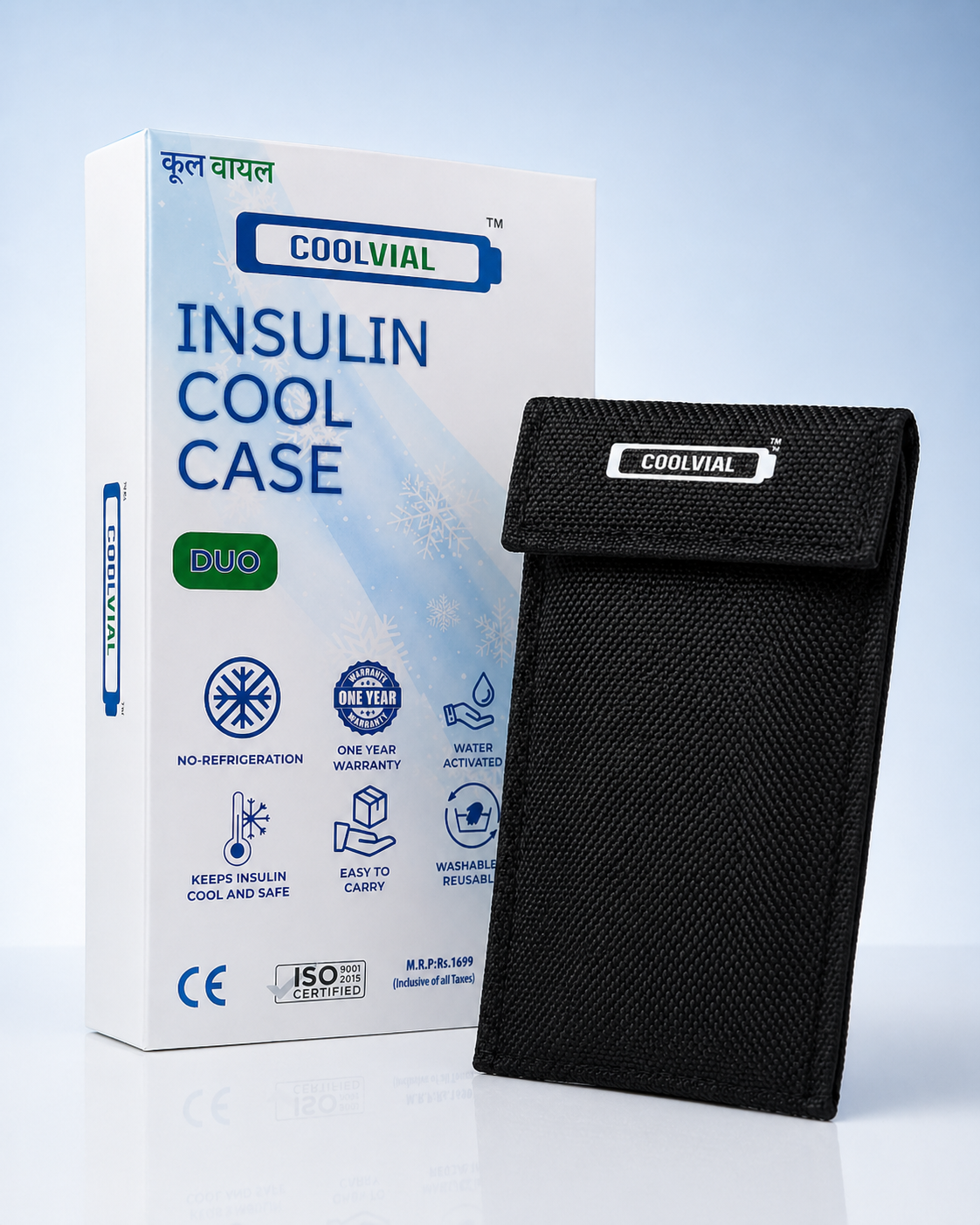
- Invest in a Reliable Insulin Cool Case: This is non-negotiable for travel in India. A high-quality insulated cool case is essential to maintain insulin’s temperature within the safe range (2-8°C for unopened, below 30°C for opened). Products like the COOLVIAL insulin cool case are specifically designed to withstand India’s challenging climate, providing consistent cooling for hours without electricity.
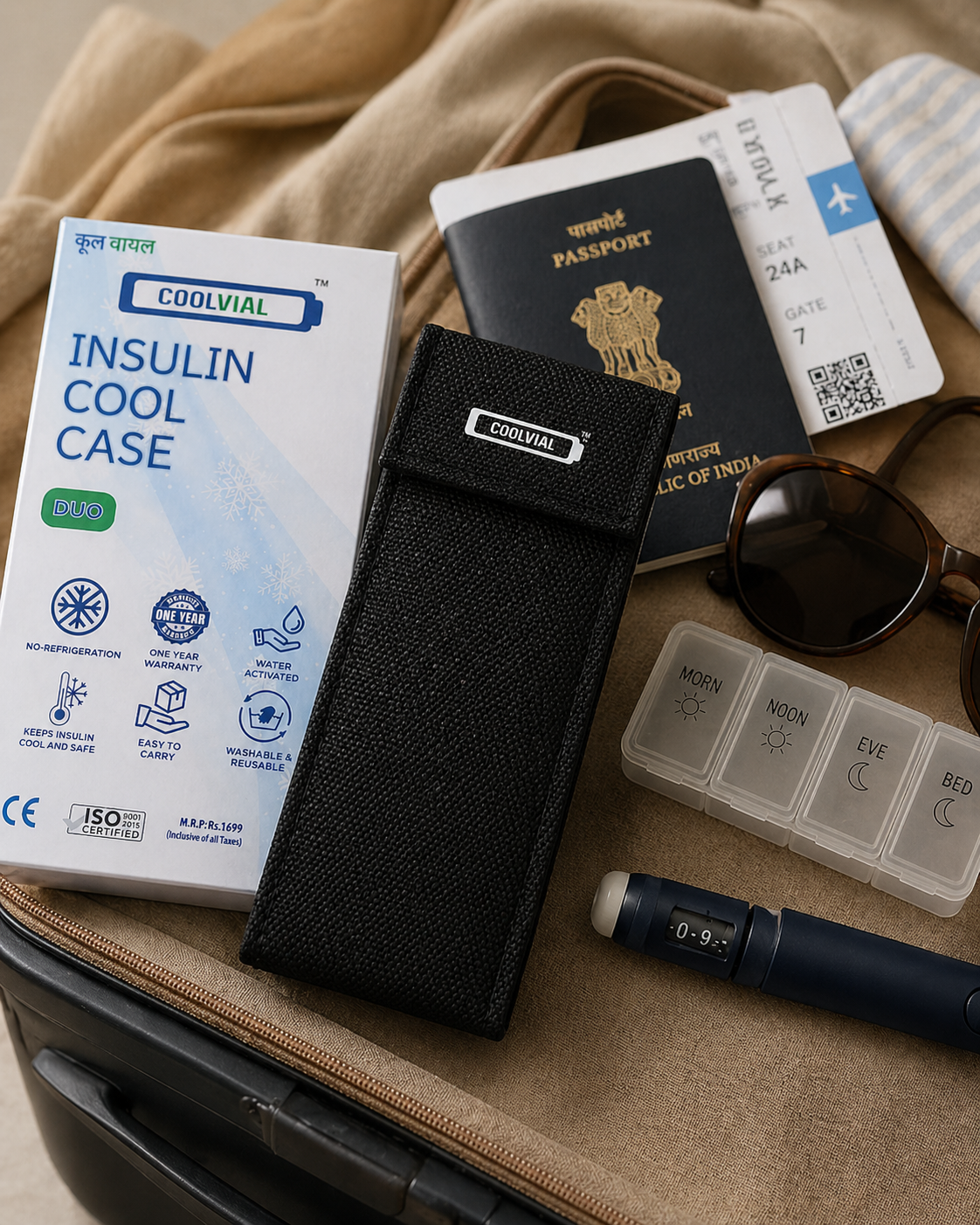
- Carry Insulin in Hand Luggage: Never pack insulin in checked luggage. The cargo hold of an airplane can experience extreme temperature fluctuations, including freezing temperatures, which can damage insulin. Keep all your diabetes supplies, including your cool case, with you in your carry-on bag.
- Monitor Blood Sugar Frequently: Travel can throw your routine off balance, affecting blood sugar levels. Test your blood glucose more often than usual – before and after meals, before bed, and if you feel any symptoms of high or low blood sugar. Keep a log of your readings.
- Stay Hydrated and Eat Smart: Dehydration can impact blood sugar. Drink plenty of bottled or filtered water. Carry your own healthy snacks like nuts, fruits, or whole-wheat biscuits to avoid relying on potentially unhealthy or unhygienic roadside food. Always eat freshly cooked meals.
- Manage Airport Security: Inform security personnel about your diabetes and insulin supplies. Present your doctor’s note. Insulin, syringes, and lancets are generally permitted through security, but clear communication helps avoid delays. Be prepared for your cool case to be inspected.
- Plan for Power Cuts: In many parts of India, especially during summer or in rural areas, power cuts are common. Ensure your insulin cool case doesn’t rely on constant power. If using a fridge, have a backup plan.
- Know Emergency Contacts: Keep a list of emergency contacts, including your doctor, family members, and local emergency services. Consider carrying a medical alert ID.
- Wear Comfortable Footwear and Clothing: Protect your feet, as even minor cuts can become serious for diabetics. Wear breathable, loose-fitting clothing to stay comfortable in varying Indian climates and reduce the risk of skin irritation.
4. Navigating India’s Diverse Climate and Conditions with Diabetes
India’s geographical diversity translates into a wide array of climates, each presenting its own challenges for insulin storage and diabetic management. From the scorching deserts of Rajasthan to the humid coastal plains of Kerala, and the chilly mountain ranges of Himachal Pradesh, understanding these variations is key to safe travel.
In cities like Delhi, Lucknow, or Ahmedabad, summer temperatures can soar above 40°C, often reaching 45°C or higher. During these months (April to June), insulin can degrade rapidly if left exposed. Even inside vehicles, temperatures can climb significantly. Coastal regions like Mumbai, Chennai, and Kolkata experience high humidity year-round, which, combined with heat, can make it feel even hotter and increase the risk of dehydration and skin infections for pregnant women. Humidity can also affect test strips if not stored properly.
Conversely, travel to hill stations like Shimla, Manali, or Leh in winter requires protection against freezing temperatures. While less common, insulin can freeze if exposed to sub-zero conditions, which also renders it ineffective. Air-conditioned trains, buses, or hotel rooms can sometimes be overly cold, so avoid placing insulin directly in the path of cold air vents.
Power cuts, or “load shedding,” are a reality in many parts of India, particularly in smaller towns and rural areas, and especially during peak summer demand. This can disrupt refrigeration for insulin if you’re relying on a standard hotel fridge. It’s crucial to have independent cooling solutions that don’t depend on electricity. For instance, in tier-2 cities like Jaipur or Mysore, while infrastructure is improving, intermittent power supply remains a concern.
10 Essential Travel Tips for Pregnant Diabetics in India: Storage & Safety
Don't let Indian heat spoil your insulin. COOLVIAL protects it for 48+ hours.
When using public transport like Indian Railways or state buses, the environment can be crowded and lack consistent temperature control. Carrying your insulin cool case close to you, rather than in overhead racks, minimizes exposure to heat and direct sunlight. During long train journeys, food options can be limited and hygiene questionable, making it vital to carry your own diabetic-friendly snacks and ensure access to safe drinking water. Major festivals like Diwali, Holi, or Eid can also impact travel, lead to crowded conditions, and alter food availability.
10 Essential Travel Tips for Pregnant Diabetics in India: Storage & Safety
COOLVIAL keeps insulin safe in India's heat. 48+ hours, no electricity needed.
Climate-Specific Insulin Storage Tips for India
| Region/Climate Type | Typical Conditions | Key Storage Challenge | Specific Travel Tip |
|---|---|---|---|
| North Indian Plains | Hot & Dry summers (Delhi, UP, Rajasthan); Cold winters | Extreme Heat / Power Cuts | Use a robust, passive cool case; keep insulin out of direct sun; plan for backup power for charging devices. |
| Coastal Regions | Hot & Humid year-round (Mumbai, Chennai, Kolkata) | High Humidity / Heat | Ensure cool case is well-sealed; protect test strips from humidity; focus on hydration and hygiene. |
| Central India | Hot summers, moderate winters (Nagpur, Bhopal) | Sustained High Temperatures | Prioritize cool cases with long cooling duration; avoid leaving insulin in parked cars. |
| Himalayan Regions | Cold winters, mild summers (Shimla, Leh) | Freezing Temperatures | Protect insulin from direct cold/freezing; keep cool case insulated even in cold weather to maintain stable temperature. |
| South India (Plateau) | Moderate to hot, some humidity (Bengaluru, Hyderabad) | Moderate Heat | A standard cool case is generally sufficient; remain vigilant during unexpected heatwaves. |
5. COOLVIAL: Your Partner for Safe Insulin Storage on the Go
Navigating the unique challenges of insulin storage while traveling in India, especially for pregnant diabetics, calls for a reliable solution. This is where COOLVIAL cool cases become an invaluable asset, ensuring your life-saving medication remains potent and safe, regardless of external conditions. The core of safe travel tips for pregnant diabetics in India storage safety revolves around maintaining insulin’s optimal temperature, and COOLVIAL is engineered precisely for this purpose.
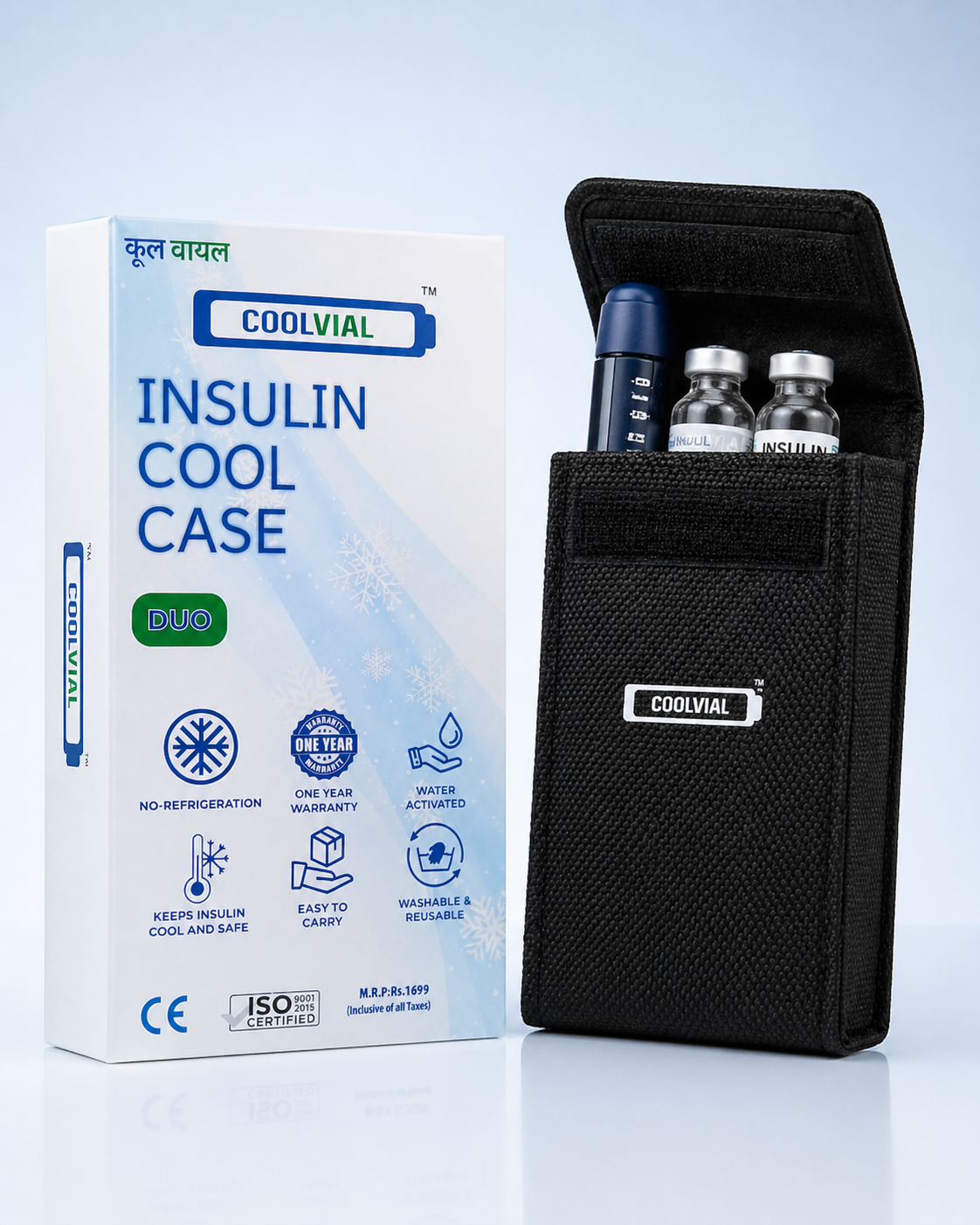
COOLVIAL insulin cool cases are designed with India’s diverse and often extreme climate in mind. They provide a consistent, safe temperature environment for your insulin, protecting it from both the scorching heat of a Delhi summer and the potential for freezing in an over-cooled AC train compartment. Unlike makeshift solutions or basic insulated bags, COOLVIAL cases utilize advanced cooling technology, often involving gel packs or vacuum insulation, to maintain the ideal temperature range for extended periods without requiring electricity.
The portability and durability of COOLVIAL cases make them perfect for Indian travel. Whether you’re on a long bus journey across Maharashtra, navigating crowded railway stations, or waiting at an airport, your insulin is securely stored and protected. These cases are compact enough to fit into your hand luggage, ensuring your medication is always within reach and never subjected to the unpredictable temperatures of checked baggage. For a pregnant diabetic, this peace of mind is priceless.
Moreover, using a dedicated insulin cool case like COOLVIAL helps streamline your travel experience. You won’t have to constantly worry about finding a refrigerator or fearing power cuts. It offers independence and flexibility, allowing you to focus on enjoying your journey and managing your pregnancy, rather than stressing over medication storage. It’s an investment in your health and the well-being of your baby. For more details on protecting your vital medication, you can also check our comprehensive insulin storage tips.
Benefits of COOLVIAL Insulin Cool Cases for Travel
- Reliable Temperature Control: Maintains insulin within the safe 2-8°C (for unopened) or below 30°C (for opened) range for extended hours.
- No Electricity Needed: Operates passively, perfect for areas with unreliable power or during transit.
- Durable & Portable: Built to withstand travel rigors, compact enough for carry-on luggage.
- Peace of Mind: Reduces stress about insulin spoilage, allowing focus on pregnancy and travel.
- Designed for India: Engineered to handle the specific heat and humidity challenges of the Indian subcontinent.
You can easily buy COOLVIAL at ₹1,099 and ensure your insulin is always protected, wherever your travels take you in India.
6. Quick Reference & Frequently Asked Questions for Pregnant Diabetics
Navigating diabetes during pregnancy while traveling can bring up many questions. Here’s a quick reference and answers to some common concerns for pregnant diabetics in India.
Q: What is the safest way to carry insulin on a long train journey in India? A: The safest way is to carry your insulin in a dedicated cool case like COOLVIAL within your hand luggage. This ensures it’s protected from temperature fluctuations, direct sunlight, and is always accessible. Avoid placing it in overhead racks where it might be exposed to direct heat or cold air vents.
Q: What happens if my insulin gets too hot or freezes while traveling? A: If insulin gets too hot (above 30°C), it can degrade and lose its potency, becoming less effective at lowering blood sugar. If it freezes, its structure is damaged, rendering it ineffective. In either case, it’s best to discard the insulin and use a fresh, properly stored vial or pen, as using compromised insulin can lead to dangerous blood sugar levels.
Q: Can I carry insulin syringes and needles through airport security in India? A: Yes, generally you can. It is highly recommended to carry a doctor’s note (prescription) explicitly stating your need for insulin, syringes, and needles. Keep all supplies in their original packaging and declare them to security personnel. They are usually familiar with medical necessities for diabetics.
Q: How often should I check my blood sugar levels when I’m traveling and pregnant? A: It’s advisable to check your blood sugar levels more frequently than your usual routine while traveling. This includes before and after meals, before bed, and any time you feel symptoms of high or low blood sugar. Travel can disrupt your diet, activity, and sleep, all of which impact glucose levels.
Q: Is it safe to eat street food or local delicacies while traveling as a pregnant diabetic in India? A: It is generally advisable to exercise extreme caution with street food. Opt for freshly cooked, hot meals from reputable establishments. Avoid raw salads, cut fruits, and unpasteurized dairy. Carry your own healthy snacks and drink only bottled or filtered water to minimize the risk of foodborne illness, which can significantly complicate blood sugar management.
Conclusion
Traveling as a pregnant diabetic in India demands meticulous planning and unwavering attention to detail, especially concerning insulin storage and safety. By adhering to these 10 essential travel tips for pregnant diabetics in India storage safety, you can significantly mitigate risks and ensure a smoother, healthier journey for yourself and your baby. From understanding insulin’s delicate temperature requirements to strategically planning for India’s diverse climate and potential travel disruptions, every step contributes to maintaining stable blood sugar levels.
Remember to prioritize consultation with your healthcare providers, pack ample supplies, and crucially, invest in a reliable insulin cool case. Products like COOLVIAL are specifically engineered to provide the consistent, temperature-controlled environment your insulin needs, offering peace of mind amidst the bustling Indian landscape. Your well-being and your baby’s health are paramount. With careful preparation and the right tools, you can navigate your travels confidently and safely.
To protect your insulin and ensure a worry-free journey, order your COOLVIAL insulin cool case today via WhatsApp at wa.me/918766952300 for just ₹1,099.
10 Essential Travel Tips for Pregnant Diabetics in India: Storage & Safety
Don't let Indian heat spoil your insulin. COOLVIAL protects it for 48+ hours.
10 Essential Travel Tips for Pregnant Diabetics in India: Storage & Safety
Insulin at 2-8°C for 48+ hours. Trusted by 10,000+ Indian diabetics.