
Reviewed by the COOLVIAL Editorial Team — specialists in insulin storage for Indian climate conditions.
Planning a short break from the daily grind? For Indian diabetics, ensuring proper insulin storage during a weekend getaway is paramount for health and peace of mind. Insulin, a life-saving medication, is highly sensitive to temperature fluctuations and can spoil if not kept within its optimal range of 2-8°C when unopened, or 15-25°C once opened. This guide provides a comprehensive 7-point weekend getaway insulin storage checklist for Indian diabetics, helping you navigate India’s diverse climates and ensure your medication remains effective. Following this checklist, which emphasizes using reliable cool cases and proper planning, is crucial to prevent insulin degradation, especially when temperatures can soar above 30°C in many parts of India. By the end of this article, you will have the knowledge and practical steps to confidently manage your insulin storage needs for any short trip across India.
Table of Contents
- The Unique Challenges of Insulin Storage During Travel in India
- Understanding Insulin Sensitivity: Core Concepts for Safe Storage
- Your Practical Weekend Getaway Insulin Storage Checklist for Indian Diabetics
- Navigating India’s Diverse Climates: Regional Insulin Storage Considerations
- Smart Insulin Storage: The COOLVIAL Solution for Your Weekend Getaway Insulin Storage Checklist
- Frequently Asked Questions about Weekend Getaway Insulin Storage
The Unique Challenges of Insulin Storage During Travel in India
Traveling in India, even for a short weekend getaway, presents specific challenges for diabetics needing to store insulin. India’s vast geography means encountering extreme heat in the northern plains, high humidity in coastal regions, and variable conditions even within a single state. These environmental factors significantly impact insulin’s efficacy if not managed carefully. Insulin begins to degrade rapidly above 30°C, losing its potency and potentially leading to dangerously high blood sugar levels.
Consider the common modes of transport in India. Long train journeys, often without consistent air conditioning in non-AC coaches, or crowded bus trips can expose insulin to prolonged periods of heat. Even car travel can be problematic, as car interiors can quickly become ovens under the scorching Indian sun, especially during summer months in cities like Delhi, Jaipur, or Nagpur where temperatures regularly exceed 45°C. This makes a robust weekend getaway insulin storage checklist for Indian diabetics not just a recommendation, but a critical necessity.
Furthermore, power cuts, a common occurrence in many parts of India, particularly in smaller towns and rural areas during peak summer, pose a significant threat to insulin stored in refrigerators. A study by the India Power Report indicated that approximately 78% of Indian households face daily power cuts in summer, which can compromise refrigerated insulin. Hotel mini-fridges, while seemingly convenient, can also be unreliable or may not maintain the consistent 2-8°C required for unopened insulin.
According to the Diabetes UK guidelines, which align with global best practices, proper temperature control is vital for insulin (Source: Diabetes UK). This emphasizes the need for Indian diabetics to be extra vigilant and prepared. A reliable insulin cool case becomes indispensable in such conditions, protecting your medication from the harsh Indian climate and ensuring your weekend getaway remains stress-free and healthy. Without proper planning and suitable storage solutions, the risk of insulin spoilage is high, which can have serious health implications, making a dedicated weekend getaway insulin storage checklist for Indian diabetics a life-saving tool.
Understanding Insulin Sensitivity: Core Concepts for Safe Storage
Insulin is a protein hormone, and like many proteins, its molecular structure is highly susceptible to degradation when exposed to adverse conditions, primarily extreme temperatures. Understanding these core concepts is fundamental for any Indian diabetic planning a weekend getaway. The World Health Organization (WHO) and leading diabetes associations universally recommend specific temperature ranges for insulin storage to maintain its stability and effectiveness.
Key Temperature Ranges for Insulin:
- Unopened Insulin: Vials and pens of unopened insulin should ideally be stored in a refrigerator at temperatures between 2°C and 8°C. This ensures maximum shelf life, typically until the expiration date printed on the packaging.
- Opened Insulin (In Use): Once an insulin vial or pen is opened and in use, it can generally be stored at room temperature, typically between 15°C and 25°C, for a period of 28 days (four weeks). Some specific insulin types or brands might allow for storage up to 42 days (six weeks), so always check the manufacturer’s instructions. Crucially, it must not be refrigerated again after being brought to room temperature, as repeated temperature changes can also affect its stability.
- Danger Zone: Insulin begins to lose its potency and degrade rapidly when exposed to temperatures above 30°C. Freezing temperatures (below 0°C) are equally damaging, causing the insulin to become ineffective. Signs of spoiled insulin include cloudiness (unless it’s NPH insulin, which is naturally cloudy), discoloration, or the presence of particles.
The 7 Essential Weekend Getaway Insulin Storage Checklist for Indian Diabetics
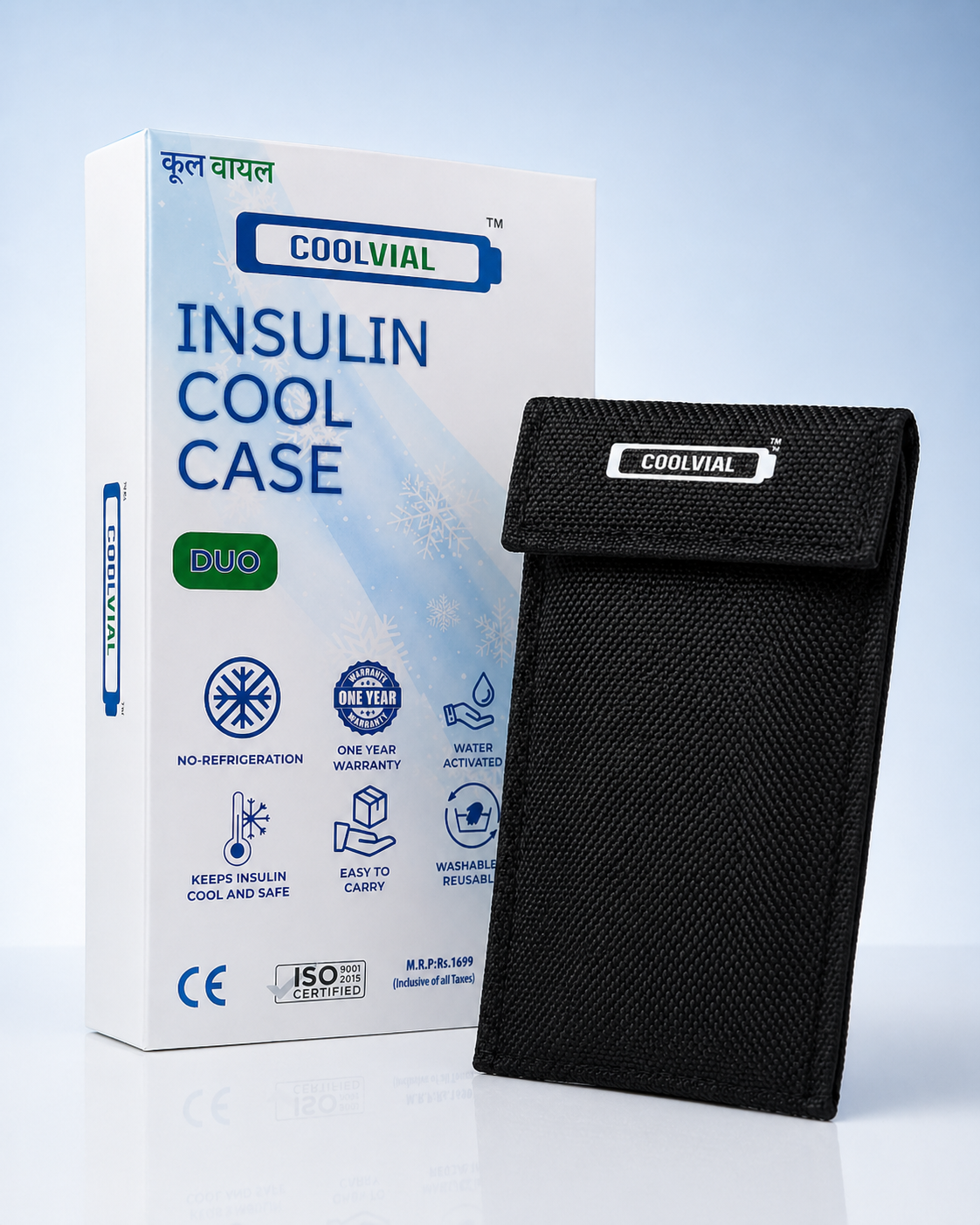
Don't let Indian heat spoil your insulin. COOLVIAL protects it for 48+ hours.
Why Temperature Control Matters:
When insulin is exposed to temperatures outside its safe range, its protein structure can change, leading to a loss of potency. This means that even if you inject the usual dose, your body might not receive the full therapeutic effect, potentially causing blood sugar levels to rise uncontrollably. For Indian diabetics, especially during a weekend getaway, where ambient temperatures can easily exceed 30°C, relying solely on standard room temperature storage is risky.
Insulin Storage Comparison Table:
| Insulin State | Recommended Temperature Range | Duration (Typical) | Key Considerations |
|---|---|---|---|
| Unopened | 2°C - 8°C (Refrigerated) | Until Expiry Date | Protect from freezing. Consistent refrigeration needed. |
| Opened (In Use) | 15°C - 25°C (Room Temp) | 28-42 Days | Check manufacturer. Avoid direct sunlight/heat. |
| Danger Zone | Below 0°C or Above 30°C | Immediate Degradation | Insulin becomes ineffective, discard immediately. |
This table underscores the narrow window for safe insulin storage. For a successful weekend getaway insulin storage checklist for Indian diabetics, a solution that actively maintains these precise temperatures, regardless of external conditions, is invaluable.
Your Practical Weekend Getaway Insulin Storage Checklist for Indian Diabetics
Preparing for a weekend getaway requires careful planning, especially when managing diabetes. This practical weekend getaway insulin storage checklist for Indian diabetics ensures you have all bases covered, from packing to on-the-go management.
-
Consult Your Doctor: Before any trip, discuss your travel plans with your doctor. They can provide a letter confirming your diabetes diagnosis and the need for insulin, syringes, and other supplies. This is especially helpful for airport security or in case of medical emergencies. Ask for a prescription copy and ensure you have enough insulin for the trip, plus a few extra days’ buffer.
-
Pack Double the Supplies: India’s travel can be unpredictable. Always pack at least double the amount of insulin, syringes, needles, and test strips you anticipate needing for your weekend getaway. This accounts for potential delays, lost luggage, or accidental damage to supplies. Divide your supplies between your carry-on and checked luggage (if flying) to minimize risk.
-
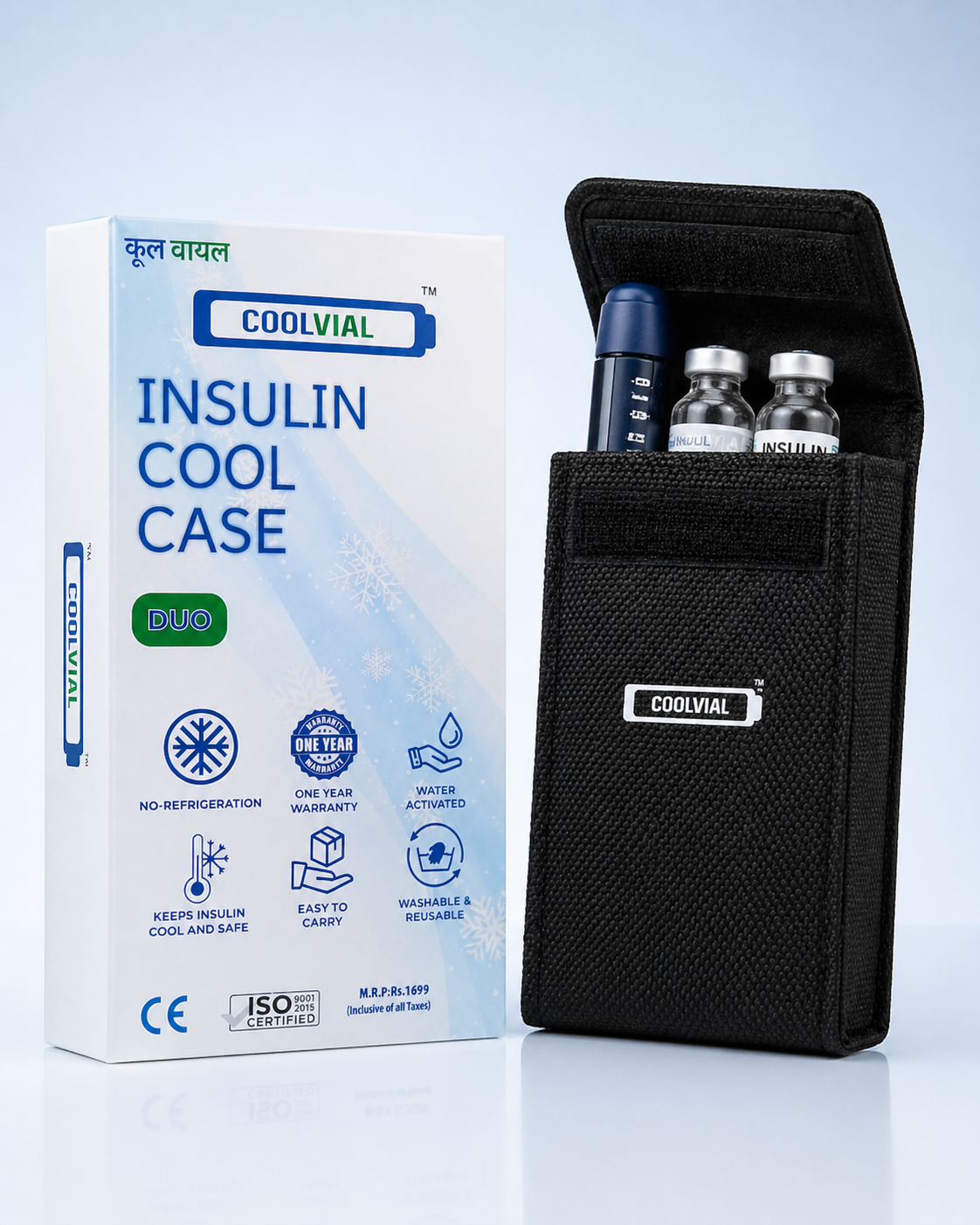
Invest in a Reliable Insulin Cool Case: This is perhaps the most critical item on your weekend getaway insulin storage checklist for Indian diabetics. A high-quality, insulated cool case, designed to maintain temperatures between 2-8°C for unopened insulin and below 25°C for insulin in use, is non-negotiable. Look for cases that don’t require electricity and can sustain cooling for extended periods, especially useful during power cuts or long journeys. For instance, the COOLVIAL insulin cool case is specifically designed to handle India’s harsh climate.
-
Understand Your Insulin’s Specific Storage Needs: Re-read the instructions for your specific insulin brand. While general guidelines exist, some insulins have unique storage requirements once opened. For example, some insulin pens might be stable for 28 days at room temperature, while others might differ slightly. Knowing these specifics is vital for effective insulin storage.
-
Strategize for On-the-Go Storage:
- During Travel: Always keep your insulin cool case with you, ideally in your carry-on bag or within easy reach. Avoid placing it in direct sunlight or near heat sources like car windows.
- At Your Destination: Upon arrival, if you have unopened insulin, transfer it to a refrigerator (if available and reliable, ensuring it maintains 2-8°C). For insulin in use, keep it in your cool case or a cool, dark place away from direct heat and light. Do not store insulin in the bathroom due to humidity fluctuations.
- Monitor Temperatures: If possible, include a small, travel-friendly thermometer in your cool case to periodically check the temperature. This helps ensure your insulin remains within the safe range. If you suspect your insulin has been exposed to extreme temperatures, inspect it for signs of spoilage (cloudiness, discoloration) and discard it if in doubt.
The 7 Essential Weekend Getaway Insulin Storage Checklist for Indian Diabetics
COOLVIAL keeps insulin safe in India's heat. 48+ hours, no electricity needed.
- Emergency Plan: Have a clear emergency plan. Know the location of nearby pharmacies or hospitals at your destination. Carry your doctor’s contact information and a list of your medications. In an emergency, knowing where to find help can be crucial. This comprehensive weekend getaway insulin storage checklist for Indian diabetics aims to equip you for a safe and enjoyable trip.
Navigating India’s Diverse Climates: Regional Insulin Storage Considerations
India’s geographical diversity presents a mosaic of climatic challenges for insulin storage, making a one-size-fits-all approach insufficient. A robust weekend getaway insulin storage checklist for Indian diabetics must consider these regional variations to ensure medication efficacy.
1. North India (Delhi, Rajasthan, Uttar Pradesh): Extreme Summers
- Challenge: Summers here are notoriously hot, with temperatures often soaring above 45°C in cities like Delhi, Jaipur, and Agra. This intense dry heat can rapidly degrade insulin.
- Considerations: During travel by road or train, the internal temperature of vehicles can exceed ambient temperatures. Air conditioning might not be consistently reliable.
- Tip: An advanced, passive cooling solution that can maintain stable temperatures for 24-48 hours without electricity is crucial. Always carry a rehydration solution to combat dehydration, which can impact blood sugar levels.
2. South India (Chennai, Bengaluru, Kerala): High Humidity & Heat
- Challenge: Coastal and southern regions like Chennai, Kochi, and Hyderabad experience high humidity along with significant heat. While humidity itself doesn’t directly spoil insulin, it can make cooling methods less efficient and increase the perceived temperature.
- Considerations: Monsoon season brings heavy rains and increased humidity, which can affect the effectiveness of some cooling pouches that rely on evaporation.
- Tip: Opt for cool cases that use gel packs or vacuum insulation rather than evaporative cooling. Ensure your cool case is waterproof or kept in a waterproof bag to protect against rain and condensation.
3. East & West India (Kolkata, Mumbai, Goa): Monsoon & Coastal Heat
- Challenge: Cities like Mumbai and Kolkata face severe monsoon conditions, characterized by heavy rainfall, high humidity, and often, intermittent power supply. Goa, while less extreme, still has humid coastal heat.
- Considerations: Power fluctuations can compromise hotel refrigerators. Travel during monsoons can involve delays and unexpected stops, prolonging exposure to adverse conditions.
- Tip: Prioritize cool cases with robust insulation and long-lasting cooling elements. Always have backup power solutions (like power banks) for any electronic devices you might use for diabetes management. Be prepared for potential travel disruptions.
4. Hill Stations (Shimla, Ooty, Darjeeling): Cooler but Variable
- Challenge: While generally cooler, temperatures can still fluctuate significantly between day and night. During colder months, there’s a risk of insulin freezing if left in an unheated vehicle overnight.
- Considerations: Insulin must not freeze. If the temperature drops below 0°C, insulin can become damaged.
- Tip: Ensure your insulin is protected from freezing, especially if you’re traveling in winter. Keep your cool case insulated even in cooler climates to prevent extreme cold exposure.
Regional Specific Insulin Storage Tips:
| Region | Climate Challenges | Specific Storage Tip |
|---|---|---|
| North (Summer) | Extreme Dry Heat (40-45°C+) | Use high-performance insulated cool case with long-duration gel packs. Avoid car trunks. |
| South (All Year) | High Heat & Humidity (30-35°C) | Opt for vacuum-insulated or gel-based cool cases. Protect from condensation. |
| East/West (Monsoon) | Heavy Rain, Humidity, Power Cuts | Ensure waterproof cool case. Prepare for travel delays and unreliable refrigeration. |
| Hill Stations | Variable Temps, Risk of Freezing | Protect from both heat and extreme cold (below 0°C). |
By integrating these regional considerations into your weekend getaway insulin storage checklist for Indian diabetics, you can proactively address potential threats to your medication, ensuring a safer and more enjoyable journey across India.
Smart Insulin Storage: The COOLVIAL Solution for Your Weekend Getaway Insulin Storage Checklist
For Indian diabetics, navigating the country’s diverse and often challenging climate with insulin requires a smart, reliable solution. This is where COOLVIAL steps in, offering an innovative approach to your weekend getaway insulin storage checklist for Indian diabetics. Designed specifically to address the unique needs of insulin users in India, COOLVIAL cool cases provide a dependable way to keep your life-saving medication safe and effective, regardless of your destination or the weather outside.
The primary benefit of a COOLVIAL insulin cool case is its ability to maintain the crucial 2-8°C temperature range for unopened insulin, and below 25°C for insulin in use, for extended periods without needing electricity. This feature is particularly vital in India, where power cuts are common, and access to reliable refrigeration during travel (especially on trains, buses, or in remote areas) can be limited. Imagine traveling to a serene resort in Kerala or a bustling market in Rajasthan; with COOLVIAL, you don’t have to worry about your insulin losing potency due to heat exposure.
How COOLVIAL Enhances Your Insulin Storage:
- Sustained Cooling: COOLVIAL cases utilize advanced cooling technology, often incorporating high-quality gel packs or vacuum insulation, to keep insulin at optimal temperatures for up to 36-48 hours. This duration is perfectly suited for most weekend getaways, offering peace of mind even during extended travel times or unexpected delays.
- No Electricity Required: This is a game-changer for Indian travel. You don’t need to hunt for charging points or rely on hotel refrigerators that might not be consistently cold. Simply pre-cool the gel packs, and your COOLVIAL case is ready to go. This makes it an indispensable item on your weekend getaway insulin storage checklist for Indian diabetics.
- Robust and Portable Design: COOLVIAL cool cases are built to be durable and travel-friendly. Their compact size allows them to fit easily into carry-on luggage or daypacks, while their sturdy construction protects your delicate insulin vials and pens from physical damage.
- Affordable and Accessible: Understanding the daily needs of Indian diabetics, COOLVIAL offers its insulin cool cases at an accessible price point of ₹1,099. This makes high-quality insulin storage an affordable reality for many. You can easily buy COOLVIAL at ₹1,099 and ensure your insulin is always protected.
Integrating a COOLVIAL cool case into your weekend getaway insulin storage checklist for Indian diabetics means taking proactive control of your health. It removes the stress of temperature management, allowing you to fully enjoy your travels, whether it’s a spiritual journey to Varanasi, a beach holiday in Goa
The 7 Essential Weekend Getaway Insulin Storage Checklist for Indian Diabetics
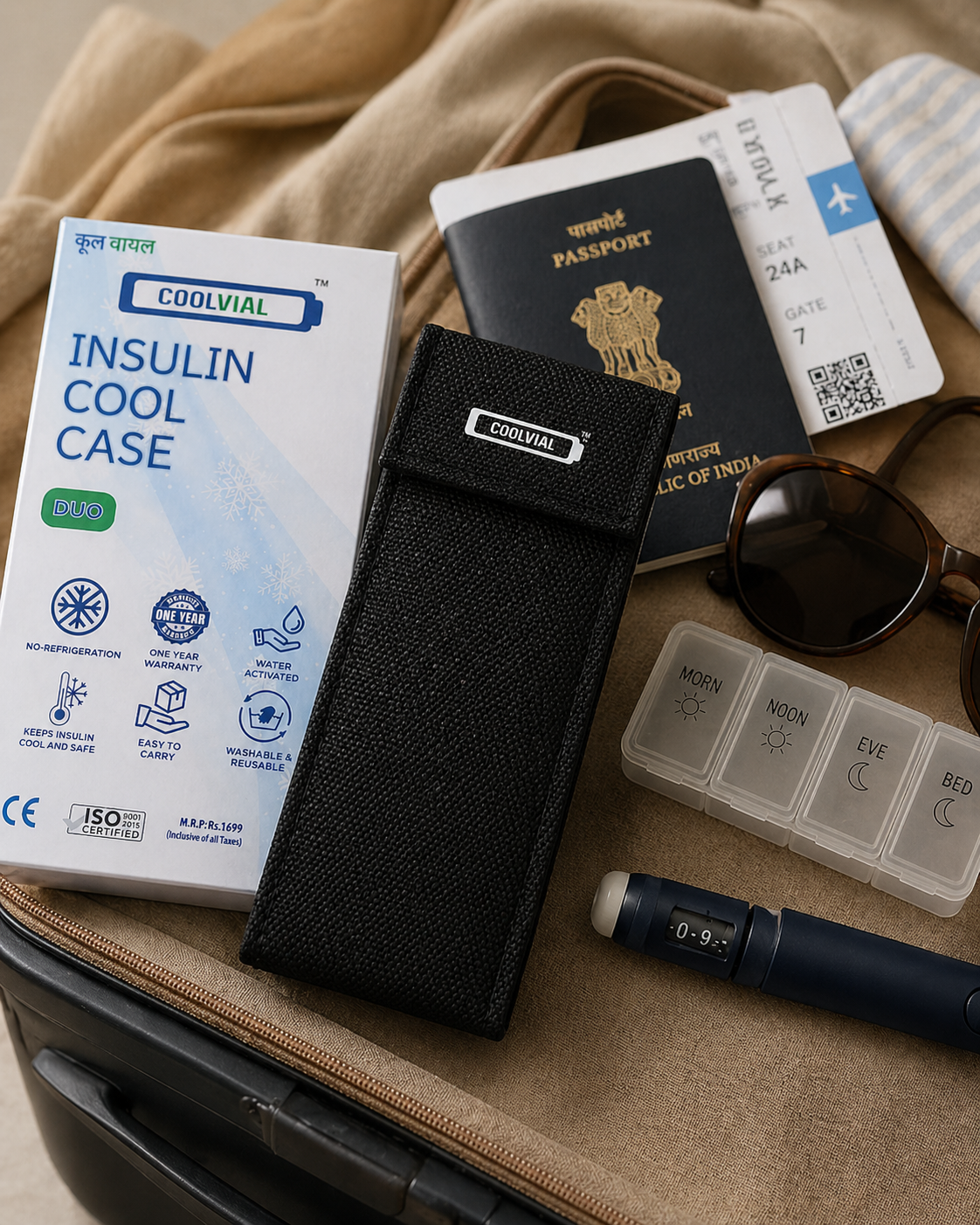
Don't let Indian heat spoil your insulin. COOLVIAL protects it for 48+ hours.
The 7 Essential Weekend Getaway Insulin Storage Checklist for Indian Diabetics
Insulin at 2-8°C for 48+ hours. Trusted by 10,000+ Indian diabetics.