Reviewed by the COOLVIAL Editorial Team — specialists in insulin storage for Indian climate conditions.
The joyous journey of pregnancy can bring unique health considerations, and for many expectant mothers in India, this includes managing gestational diabetes (GDM). Navigating social events like baby showers, family get-togethers, and festive celebrations while ensuring proper insulin care is crucial. Yes, managing insulin for gestational diabetes in India during social events requires vigilance; insulin must be stored between 2-8°C (refrigerated) or 15-25°C (room temperature, once opened) and spoils rapidly above 30°C, losing its efficacy. This article provides 7 essential tips to help you maintain optimal blood sugar control and keep your insulin safe, effective, and readily available, whether you’re traveling across states or simply visiting relatives in a bustling Indian city. We’ll explore practical strategies, India-specific challenges, and smart solutions to empower you to embrace these special moments without compromising your health or your baby’s well-being.
Table of Contents
- Why 7 Essential Tips for Gestational Diabetes Insulin Care Matter in India
- Understanding Gestational Diabetes and Insulin Management
- Practical Strategies for Gestational Diabetes in India: Insulin Care During Social Events
- Navigating India’s Climate and Cultural Nuances for Insulin Safety
- Ensuring Optimal Gestational Diabetes Insulin Care with COOLVIAL
- Quick Reference: Your Checklist for Safe Insulin Travel and Storage
- Frequently Asked Questions
Why 7 Essential Tips for Gestational Diabetes Insulin Care Matter in India
Gestational Diabetes Mellitus (GDM) is a growing concern in India, affecting a significant number of pregnancies. According to the Indian Council of Medical Research (ICMR) guidelines, the prevalence of GDM in India ranges from 9.9% to 14.2% in various populations, making it a critical public health issue (Source: ICMR Guidelines for Diabetes). Managing GDM often involves lifestyle modifications, dietary changes, and in many cases, insulin therapy. For pregnant women on insulin, maintaining its efficacy is paramount for both maternal and fetal health.
India’s diverse climate, characterized by scorching summers, humid monsoons, and varying winter temperatures, poses unique challenges for insulin storage. Temperatures in cities like Delhi, Chennai, and Hyderabad can easily soar above 40°C during peak summer months, far exceeding the safe storage limits for insulin. Furthermore, frequent power cuts, especially in rural and semi-urban areas, can disrupt refrigeration, jeopardizing insulin’s stability. A 2023 study by the International Diabetes Federation (IDF) revealed that India had 101 million people living with diabetes, highlighting the widespread nature of the condition, including gestational forms.
Social and cultural norms in India also play a significant role. Pregnancy is a time for celebration, often involving numerous family visits, baby showers (like the “Godh Bharai” or “Valaikappu”), and festivals. These events typically involve travel, long hours away from home, and unfamiliar environments, all of which can complicate insulin storage and administration. The need for precise gestational diabetes in India insulin care at baby showers family visits is not just a medical necessity but a practical challenge that requires thoughtful planning and reliable solutions. Without proper storage, insulin can lose its potency, leading to ineffective blood sugar control, which can have serious implications for the pregnant mother and her developing baby.
- Key Challenges for Insulin Care in India:
- Extreme Temperatures: Summer heat (e.g., Rajasthan, Uttar Pradesh) and high humidity (e.g., Kerala, West Bengal) can degrade insulin.
- Power Outages: Unreliable electricity supply in many regions affects refrigeration.
- Extensive Travel: Long journeys by train, bus, or car for family functions.
- Social Gatherings: Unpredictable schedules, meal timings, and limited access to private storage.
- Cultural Practices: Sharing food, extended stays with relatives, and traditional ceremonies.
These factors underscore why understanding and implementing robust insulin care strategies are not just recommended but absolutely essential for managing gestational diabetes effectively in India.
Understanding Gestational Diabetes and Insulin Management
Gestational diabetes mellitus (GDM) is a form of diabetes that is first diagnosed during pregnancy. Unlike type 1 or type 2 diabetes, GDM develops because the body cannot produce enough insulin or effectively use the insulin it produces to meet the increased demands of pregnancy. Hormonal changes during pregnancy, especially from the placenta, can lead to insulin resistance, causing blood glucose levels to rise. If left unmanaged, GDM can lead to complications for both the mother and the baby, including pre-eclampsia, premature birth, and the baby being larger than average (macrosomia).
What is Gestational Diabetes Mellitus (GDM)?
GDM typically manifests around the second or third trimester. While it often resolves after childbirth, women who have had GDM are at a higher risk of developing type 2 diabetes later in life. Early diagnosis and management are key to preventing complications. This usually involves a glucose tolerance test between 24 and 28 weeks of pregnancy. Effective management focuses on maintaining blood glucose levels within a target range through diet, exercise, and if necessary, medication or insulin.
The Role of Insulin in GDM
When diet and exercise alone are not sufficient to control blood glucose levels in GDM, insulin therapy becomes a vital treatment option. Insulin is a hormone that helps glucose move from the bloodstream into the body’s cells for energy. In GDM, insulin injections help to lower high blood sugar levels, protecting both the mother and the baby from the adverse effects of hyperglycemia. Insulin is administered via injections, typically using pens or syringes, and the dosage is carefully monitored and adjusted by healthcare professionals throughout the pregnancy. It’s important to remember that insulin does not cross the placenta, making it a safe and effective treatment for GDM.
Critical Insulin Storage Temperatures
Insulin is a protein-based medication that is highly sensitive to temperature fluctuations. Improper storage can lead to a loss of potency, rendering the insulin ineffective. This is a critical aspect of gestational diabetes in India insulin care at baby showers family visits.
- Unopened Insulin: Vials, cartridges, or pens should be stored in a refrigerator at a temperature between 2°C and 8°C (36°F and 46°F). This ensures maximum shelf life, usually until the expiration date printed on the packaging.
- Opened Insulin: Once an insulin vial or pen is opened and in use, it can generally be stored at room temperature, typically between 15°C and 25°C (59°F and 77°F), for up to 28 days (or sometimes up to 42 days, depending on the specific brand and type of insulin). However, it should never be stored in direct sunlight or exposed to extreme heat.
- Spoilage Risk: Insulin begins to degrade rapidly when exposed to temperatures above 30°C (86°F) and can freeze below 0°C (32°F), both of which cause irreversible damage. Signs of spoiled insulin include cloudiness, discoloration, or the presence of particles, though often, degradation is not visibly apparent.
7 Essential Tips for Gestational Diabetes in India: Insulin Care at Baby Showers & Family Visits
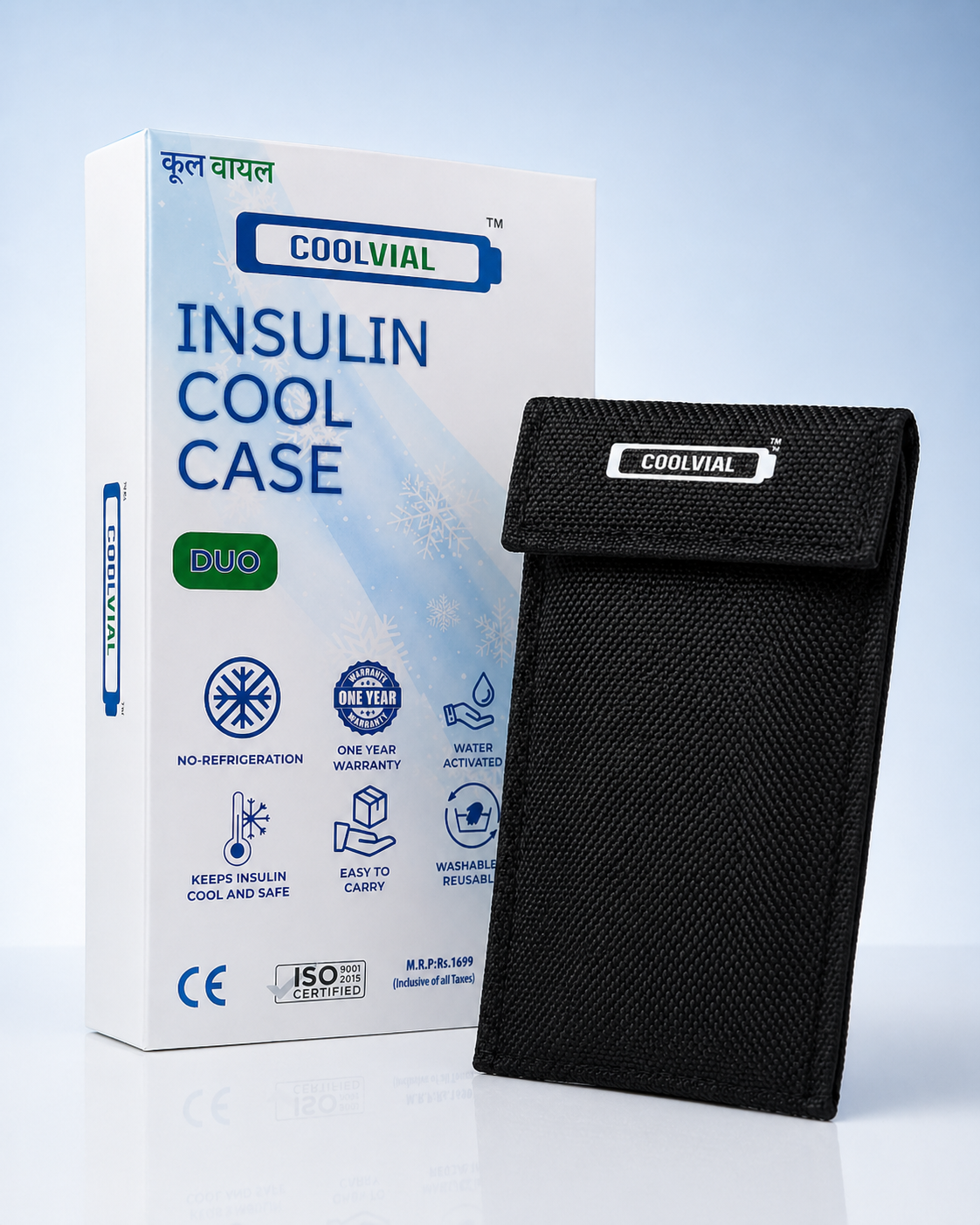
Keep your insulin safe in India's extreme heat. COOLVIAL works for 48+ hours without electricity.
7 Essential Tips for Gestational Diabetes in India: Insulin Care at Baby Showers & Family Visits
Insulin at 2-8°C for 48+ hours. Trusted by 10,000+ Indian diabetics.
Understanding these temperature guidelines is fundamental for anyone managing diabetes, especially for pregnant women needing to ensure their insulin remains effective during travel and social events in India’s challenging climate.
| Insulin State | Recommended Temperature Range | Maximum Duration | Notes |
|---|---|---|---|
| Unopened | 2°C - 8°C (Refrigerated) | Until Expiry Date | Store in original packaging, avoid freezing. |
| Opened (in use) | 15°C - 25°C (Room Temp) | 28-42 Days | Check specific insulin brand for exact duration. |
| Danger Zone | Above 30°C | Rapid Degradation | Insulin loses potency, becomes ineffective. |
| Freezing Point | Below 0°C | Irreversible Damage | Protein structure breaks down, do not use. |
Practical Strategies for Gestational Diabetes in India: Insulin Care During Social Events
Attending baby showers, family reunions, and other social gatherings during pregnancy while managing gestational diabetes requires careful planning, especially when insulin is part of your treatment. These events, often joyful and memorable, can also present unique challenges for maintaining your insulin’s integrity. Here are 7 practical strategies to ensure optimal gestational diabetes in India insulin care at baby showers family visits:
- Plan Ahead for Travel: Before any trip, whether by train to your ancestral village or by car to a relative’s house in a nearby city like Bengaluru or Ahmedabad, ensure you have enough insulin for the duration of your stay, plus a buffer. Pack all your diabetes supplies, including insulin, syringes/pens, alcohol swabs, glucose meter, test strips, and a quick source of sugar for hypoglycemia.
- Use a Reliable Cool Case: This is perhaps the most critical tip. Indian weather, particularly the summer heat in states like Rajasthan or Maharashtra, can quickly render insulin ineffective. A high-quality insulin cool case is indispensable. Products like the COOLVIAL insulin cool case are designed to maintain the required temperature range for hours, protecting your insulin from extreme heat or cold. These cases are invaluable for daily outings, short trips, or even during power cuts at home.
- Communicate with Your Hosts: Inform your hosts or family members about your gestational diabetes and your need to store insulin properly. They can assist by making space in their refrigerator or ensuring a cool, safe place for your cool case. Explaining your needs politely can prevent misunderstandings and ensure you have the support you need.
- Carry an Emergency Kit: Always have a small kit with you containing quick-acting carbohydrates (like glucose tablets, hard candies, or a small juice box) in case of a hypoglycemic episode. Also, carry your doctor’s prescription and a letter explaining your condition and medication, especially when traveling long distances or through airports.
- Be Mindful of Meal Timings and Portions: Indian social gatherings often involve elaborate meals at irregular timings. Coordinate your insulin doses with your meals as prescribed by your doctor. Don’t hesitate to ask for smaller portions or specific food items that fit your dietary plan. Many Indian dishes can be high in carbohydrates, so mindful eating is key.
- Stay Hydrated: Dehydration can affect blood sugar levels. Carry a water bottle and sip regularly, especially during long events or in warm climates. Avoid sugary beverages often offered at social gatherings.
- Regular Blood Glucose Monitoring: Even with careful planning, unexpected situations can arise. Continue to monitor your blood glucose levels regularly, especially before and after meals at social events. This will help you identify any deviations and take corrective action promptly.
By following these practical tips, you can enjoy your baby shower and family visits with peace of mind, knowing that your gestational diabetes and insulin care are well under control.
Navigating India’s Climate and Cultural Nuances for Insulin Safety
India’s vast geographical expanse presents a spectrum of climates, from the arid deserts of Rajasthan to the humid coastal plains of Kerala and the temperate hills of Himachal Pradesh. Each region brings its own set of challenges when it comes to maintaining the strict temperature requirements for insulin. This diversity, coupled with India’s rich cultural tapestry and social practices, demands a nuanced approach to gestational diabetes in India insulin care at baby showers family visits.
Consider the summer months, for instance. Cities like Nagpur and Kanpur regularly experience temperatures exceeding 45°C. In such conditions, carrying insulin without adequate protection is simply not feasible. Even in a car with air conditioning, the insulin can be exposed to heat during stops or if the AC fails. The monsoon season, while bringing relief from heat, introduces high humidity, which can also affect insulin pens and glucose meters, potentially damaging their electronic components. Winter, though generally milder, can still see temperatures drop significantly in northern states, necessitating protection against freezing.
Culturally, Indian family life often involves close-knit communities and frequent social interactions. Pregnancy is a celebrated occasion, leading to numerous ‘Godh Bharai’ (baby shower) ceremonies, ‘Seemantham’, ‘Valaikappu’, or simply extended family visits. These events can involve:
- Long-distance travel: Many families travel across states (e.g., from Mumbai to Punjab, or Kolkata to Odisha) to celebrate with relatives, often using trains or buses where temperature control is minimal.
- Unpredictable schedules: Meals and ceremonies might run late, disrupting regular insulin injection times.
- Communal living: Staying with extended family might mean limited access to a personal refrigerator or a private space to store and administer insulin.
- Food traditions: Festivals and family gatherings are synonymous with elaborate, often sweet or fried, traditional foods. While delicious, these require careful management for GDM.
To mitigate these challenges, pregnant women managing GDM need to be proactive. For instance, when traveling by train from Delhi to Chennai, a journey that can last over 30 hours, a reliable cool case becomes an indispensable companion. For a baby shower in a village in Bihar, where power outages might be common, having a portable, non-electric cooling solution is critical. Educating family members about the importance of insulin storage, even briefly, can also garner support. Explaining that insulin is a life-saving medication that loses its power if it gets too hot or too cold often helps them understand the need for special care. This empathetic communication, combined with practical tools, ensures that the joy of these cultural celebrations isn’t overshadowed by health concerns.
Ensuring Optimal Gestational Diabetes Insulin Care with COOLVIAL
Managing gestational diabetes in India requires not just knowledge and discipline but also the right tools, especially when it comes to safeguarding your insulin. This is where COOLVIAL steps in as a practical and reliable solution, specifically designed to address the unique challenges faced by Indian mothers. The critical need for precise temperature control for insulin, particularly when navigating social events, travel, and India’s varied climate, makes a dependable insulin cool case indispensable for proper gestational diabetes in India insulin care at baby showers family visits.
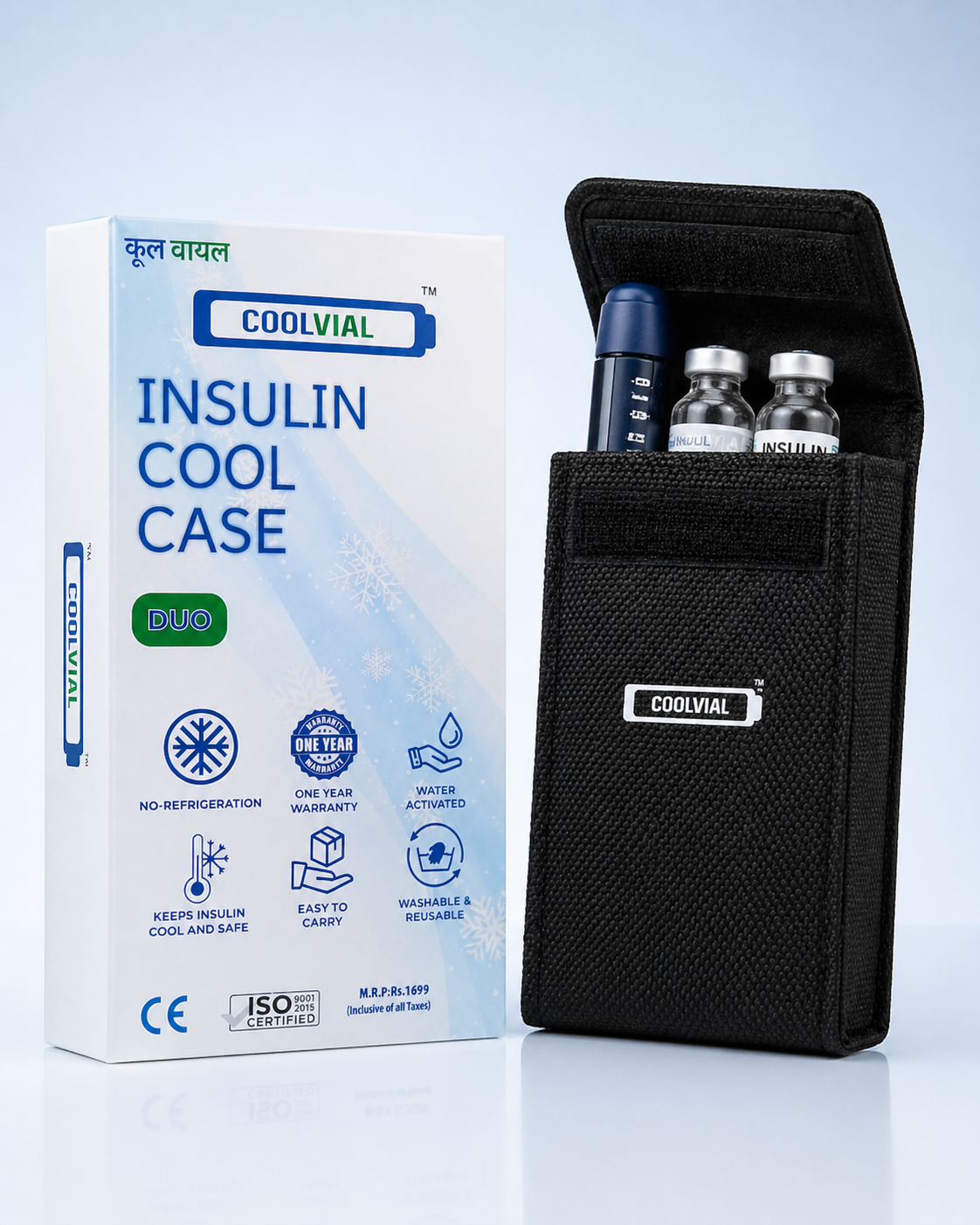
COOLVIAL insulin cool cases are engineered to maintain the therapeutic temperature range for insulin (2-8°C for refrigerated insulin or 15-25°C for opened insulin at room temperature) for extended periods. This is achieved through advanced cooling technology that does not rely on electricity, making it ideal for situations prone to power cuts or during travel where refrigeration is unavailable. Imagine attending a baby shower in a non-AC hall in Pune or traveling by bus to a village in Uttar Pradesh; a COOLVIAL case provides the peace of mind that your insulin remains protected from the external heat.
"Finally a cooler that works in Indian summers. Insulin stayed perfect during a 3-day power cut." — Ramesh, Chennai
7 Essential Tips for Gestational Diabetes in India: Insulin Care at Baby Showers & Family Visits
CE Certified · Free Delivery · 1-Year Warranty
📲 Buy on WhatsApp — ₹1,0997 Essential Tips for Gestational Diabetes in India: Insulin Care at Baby Showers & Family Visits
- Key Benefits of COOLVIAL for Gestational Diabetes Management:
- Temperature Stability: Protects insulin from extreme heat (which can spoil it above 30°C) and cold (which can freeze it below 0°C).
- Portability: Lightweight and compact design makes it easy to carry in a handbag or diaper bag, perfect for outings, family visits, and long journeys.
- No Electricity Needed: Operates without power, making it reliable during power outages or in remote areas.
- Durability: Built to withstand the rigors of daily use and travel within India’s diverse environments.
- Affordability: Provides a cost-effective solution for essential insulin storage, priced at just ₹1,099.
For pregnant women in India, the COOLVIAL insulin cool case offers a significant advantage. It empowers them to participate fully in social and family events without constant worry about their insulin’s integrity. Whether it’s a ‘Godh Bharai’ ceremony, a family vacation to Goa, or a visit to relatives during Diwali, the COOLVIAL case ensures that your insulin is always stored safely, maintaining its potency and effectiveness. This proactive approach to insulin care supports better blood sugar control, contributing to a healthier pregnancy and a safer outcome for both mother and baby. You can conveniently buy COOLVIAL at ₹1,099 via WhatsApp.
Quick Reference: Your Checklist for Safe Insulin Travel and Storage
Ensuring the safety and efficacy of your insulin is paramount when managing gestational diabetes, especially during pregnancy. Use this quick checklist to prepare for any outing or travel, whether it’s a short visit to family or a longer journey. This summary highlights crucial aspects of gestational diabetes in India insulin care at baby showers family visits.
-
Before You Leave:
- Consult Your Doctor: Discuss your travel plans and get specific advice on insulin dosage adjustments, if any.
- Pack Sufficient Insulin: Always carry more insulin than you think you’ll need, accounting for potential delays or emergencies. A 25-30% buffer is recommended.
- Prescription & Doctor’s Letter: Carry a copy of your insulin prescription and a letter from your doctor explaining your condition (GDM) and the need for insulin. This is vital for airport security and in case of medical emergencies.
- Cool Case Prepared: Ensure your COOLVIAL insulin cool case is prepped and ready to maintain the correct temperature (e.g., cooling elements frozen if required).
- Essential Supplies: Pack your glucose meter, test strips, lancets, alcohol swabs, and a quick source of sugar for hypoglycemia.
-
During Travel & Social Events:
- Hand Carry Insulin: Never put insulin in checked luggage, as temperatures in cargo holds can be extreme. Always carry it in your hand luggage or personal bag.
- Monitor Temperature: Regularly check that your insulin cool case is maintaining its temperature. Avoid leaving it in direct sunlight or in a hot car.
- Administer Discreetly: If you need to inject insulin, find a private and clean spot. Many Indian homes have guest rooms or quiet corners you can use.
- Stay Hydrated & Eat Mindfully: Drink plenty of water and stick to your dietary plan as much as possible. Be cautious with unfamiliar foods.
- Dispose Safely: Carry a small sharps container or a sturdy, puncture-proof plastic bottle for safe disposal of used needles and syringes.
-
Upon Arrival:
- Refrigerate Unopened Insulin: If you have unopened insulin vials or pens, transfer them to a refrigerator (2-8°C) as soon as possible.
- Store Opened Insulin Safely: Keep opened insulin at room temperature (15-25°C) in a cool, dark place, away from direct heat or light. Remember, once opened, most insulin is good for 28 days.
- Continue Monitoring: Maintain your regular blood glucose monitoring schedule.
For more detailed guidance on insulin storage and best practices, refer to our comprehensive insulin storage tips.
Frequently Asked Questions
Understanding the nuances of insulin care during pregnancy, especially in a dynamic environment like India, often brings up several questions. Here are some common queries related to gestational diabetes and insulin management during social events and travel.
Q: What happens if my insulin gets too hot during a family visit? A: If your insulin gets too hot, typically above 30°C, it can lose its potency and become less effective at lowering blood sugar. This degradation is irreversible, even if the insulin is cooled down later. It’s crucial to discard any insulin suspected of being exposed to excessive heat and replace it with new, properly stored insulin to ensure effective blood sugar control.
Q: Can I store my insulin in a regular ice box or cooler with ice cubes? A: While an ice box can keep things cool, direct contact with ice can cause insulin to freeze, which damages its protein structure and makes it ineffective. If using an ice box, ensure the insulin is protected from direct contact with ice, perhaps by wrapping it in cloth or placing it in a separate container within the cooler. A dedicated insulin cool case is a safer and more reliable option, designed to maintain a stable, non-freezing temperature.
Q: How long can insulin be kept out of the refrigerator when traveling? A: Unopened insulin should ideally be kept refrigerated. Once an insulin pen or vial is opened and in use, it can typically be stored at room temperature (15-25°C) for up to 28 days, depending on the specific brand. When traveling, a good quality cool case can extend this safe period by protecting it from extreme temperatures, allowing you to carry it for several hours or even days without refrigeration. Always check the manufacturer’s guidelines for your specific insulin.
Q: Is it safe to fly with insulin for gestational diabetes? A: Yes, it is generally safe to fly with insulin. Always carry your insulin and all related supplies (pens, syringes, meter) in your carry-on luggage. The cargo hold can experience extreme temperatures that may damage insulin. It’s advisable to carry a doctor’s letter and prescription to avoid issues with airport security, as medical liquids are exempt from liquid restrictions. Informing airline staff about your medical needs can also be helpful.
Q: How can I manage my diet during Indian festivals and family feasts with GDM? A: Managing your diet during Indian festivals requires mindful choices. Focus on smaller portions of traditional sweets and fried items. Prioritize protein-rich dishes, salads, and vegetable preparations. Opt for whole grains where available, like brown rice or whole wheat rotis. Communicate with your hosts about your dietary needs; they might be able to offer healthier alternatives. Most importantly, continue to monitor your blood glucose levels regularly to understand how different foods affect you.
Conclusion
Navigating pregnancy with gestational diabetes in India, especially amidst the warmth of family gatherings and the vibrancy of cultural celebrations, can feel like a delicate balance. However, with the right knowledge, preparation, and tools, ensuring optimal gestational diabetes in India insulin care at baby showers family visits is entirely achievable. From understanding the critical temperature ranges for insulin storage to planning for travel and communicating with your loved ones, every step you take contributes to a healthier pregnancy for both you and your baby.
Embrace these special moments without worry, knowing that your insulin is protected and effective. Tools like the COOLVIAL insulin cool case empower you to manage your health confidently, offering a reliable solution against India’s challenging climate and unpredictable power situations. Your commitment to proper insulin care is a testament to your dedication to your well-being and that of your child. Stay informed, stay prepared, and enjoy this beautiful phase of life.
For peace of mind and reliable insulin protection, order your COOLVIAL insulin cool case today via WhatsApp at wa.me/918766952300 for just ₹1,099.
7 Essential Tips for Gestational Diabetes in India: Insulin Care at Baby Showers & Family Visits
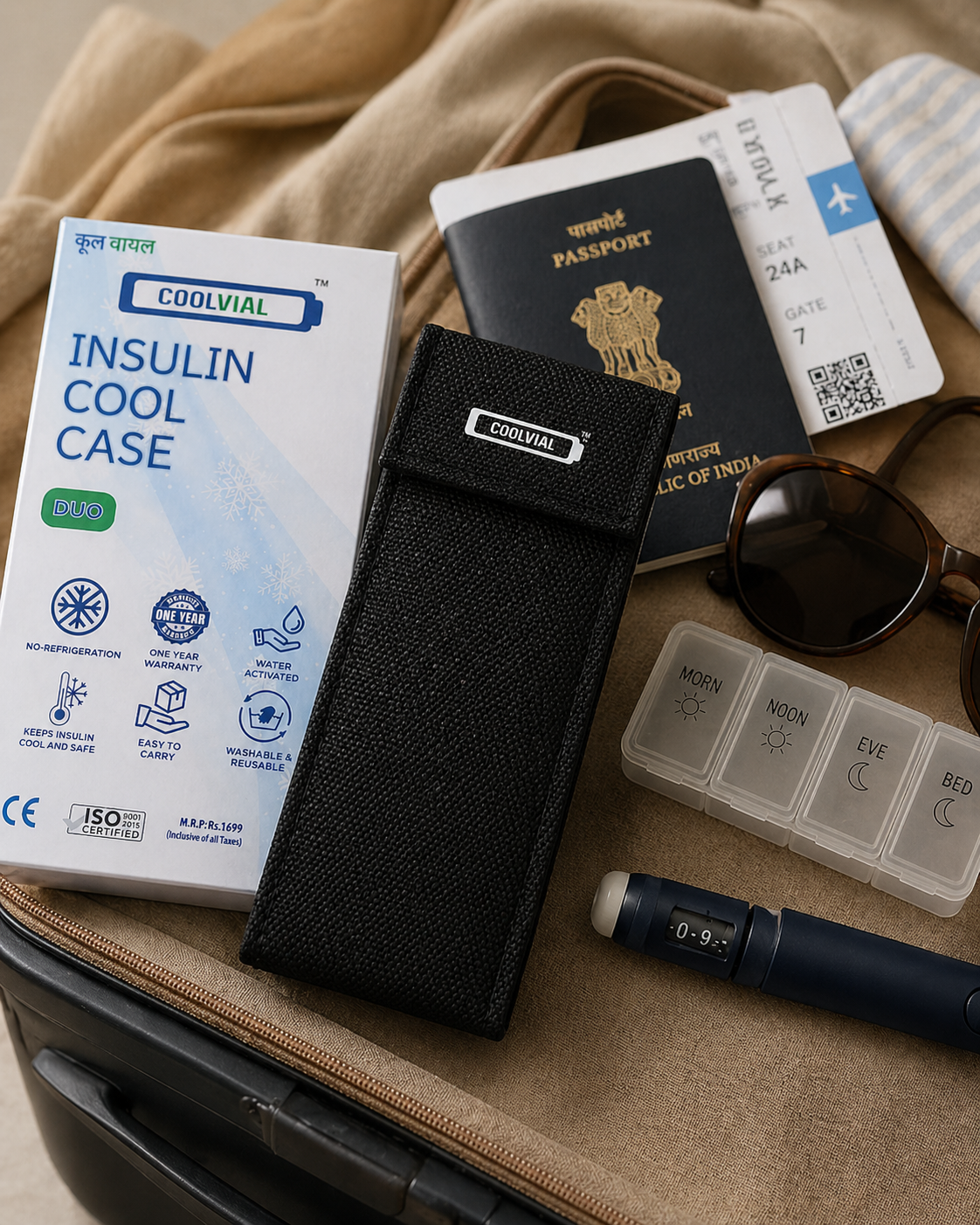
Don't let Indian heat spoil your insulin. COOLVIAL protects it for 48+ hours.
7 Essential Tips for Gestational Diabetes in India: Insulin Care at Baby Showers & Family Visits
48+ hours at 2-8°C. No electricity. CE certified. Free delivery across India.
Order on WhatsApp — ₹1,099🛒 Buy Now — ₹1,099