Reviewed by the COOLVIAL Editorial Team — specialists in insulin storage for Indian climate conditions.
For individuals managing diabetes in India, understanding how long does insulin last outside the fridge in India is not just a matter of convenience, but a critical aspect of health and safety. Unopened insulin, when stored correctly in a refrigerator between 2°C to 8°C, remains potent until its expiry date. However, once a vial, pen, or cartridge is opened or removed from refrigeration, it generally maintains its effectiveness for 28 days if kept at room temperature, provided this temperature does not exceed 30°C. Exceeding this temperature, especially common in India’s diverse climate, can quickly degrade insulin, making it ineffective. According to the World Health Organization (WHO), diabetes affected 101 million people in India in 2023, highlighting the widespread need for reliable insulin storage solutions (Source: WHO Fact Sheets). This article will guide you through the essential factors influencing insulin stability and offer practical strategies to ensure your medication remains safe and effective, even in challenging Indian conditions.
Table of Contents
- The Critical Challenge of Insulin Storage in India’s Climate
- Understanding Insulin Stability: Core Concepts for Indian Diabetics
- 7 Practical Tips: How Long Does Insulin Last Outside the Fridge in India?
- Navigating India’s Diverse Climate: Regional Storage Strategies
- Ensuring Insulin Potency: The COOLVIAL Advantage for Indian Conditions
- Essential Insulin Storage FAQs for Indian Diabetics
- Conclusion: Empowering Diabetics with Smart Storage
The Critical Challenge of Insulin Storage in India’s Climate
India’s vast geographical landscape presents unique challenges for insulin storage. From the scorching summers of Rajasthan and Uttar Pradesh, where temperatures can soar above 45°C, to the humid monsoons of coastal regions like Mumbai and Chennai, maintaining insulin’s integrity is a constant concern. Insulin, a delicate protein, is highly sensitive to temperature extremes. Exposure to heat causes it to degrade, losing its potency and potentially leading to dangerously high blood sugar levels.
The problem is exacerbated by several factors specific to India. Frequent power cuts, especially during summer months, can render refrigerators ineffective for hours, even days. A survey indicated that approximately 78% of Indian households face daily power cuts in summer, impacting temperature-sensitive items. This makes relying solely on refrigeration for opened insulin a risky proposition. Furthermore, extensive travel, whether by train, bus, or car, often exposes insulin to uncontrolled temperatures. Pilgrimages to places like Vaishno Devi or long journeys to visit family during festivals can put insulin at risk.
Impact of Heat on Insulin:
- Loss of Potency: High temperatures cause the protein structure of insulin to break down, reducing its ability to lower blood glucose.
- Reduced Shelf Life: Even if not completely spoiled, exposure to temperatures above 30°C can significantly shorten the 28-day viability period for opened insulin.
- Visible Changes: Insulin may become cloudy, discolored, or develop particles, indicating degradation. However, sometimes degradation is not visible.
- Health Risks: Using degraded insulin can lead to uncontrolled blood sugar, increasing the risk of serious complications like diabetic ketoacidosis or long-term organ damage.
Understanding these challenges is the first step towards adopting effective strategies for how long does insulin last outside the fridge in India. It empowers diabetics to make informed decisions about their medication’s safety.
Understanding Insulin Stability: Core Concepts for Indian Diabetics
Insulin is a vital hormone that helps regulate blood sugar. For people with diabetes, administering insulin is a daily necessity. Its effectiveness hinges entirely on its structural integrity. As a protein, insulin is susceptible to degradation when exposed to adverse conditions, primarily extreme temperatures. Knowing the science behind its stability is crucial for every Indian diabetic.
Unopened Insulin: The Cold Standard
Unopened insulin, whether in vials, pens, or cartridges, requires refrigeration to maintain its full potency until the manufacturer’s specified expiry date. The ideal temperature range for unopened insulin is 2°C to 8°C (36°F to 46°F). This is typically the temperature found inside a standard refrigerator. Storing insulin below 2°C can cause it to freeze, damaging its protein structure and rendering it unusable. Similarly, temperatures consistently above 8°C, even if still cool, can gradually reduce its shelf life before opening. Always check the packaging for specific storage instructions, as slight variations can exist between different insulin brands and types.
Opened Insulin: Room Temperature Realities
Once an insulin vial, pen, or cartridge has been opened or removed from refrigeration for daily use, the storage rules change. Most insulin manufacturers recommend storing opened insulin at room temperature, ideally below 30°C (86°F), for up to 28 days. Some brands may specify slightly different durations (e.g., 42 days or 6 weeks for certain pens), so always consult the package insert. The reason for this shift is practical: repeatedly warming and cooling insulin can actually accelerate its degradation. Keeping it at a consistent “room temperature” after opening is often preferred for convenience and to avoid temperature fluctuations.
7 Practical Tips: How Long Does Insulin Last Outside the Fridge in India?
Keep your insulin safe in India's extreme heat. COOLVIAL works for 48+ hours without electricity.
7 Practical Tips: How Long Does Insulin Last Outside the Fridge in India?
However, the definition of “room temperature” in India is often far from ideal. A typical Indian summer day, even indoors without air conditioning, can easily exceed 30°C. This means that for many Indian diabetics, simply leaving opened insulin on a countertop is not a safe option. This is where understanding how long does insulin last outside the fridge in India becomes critical, as the standard 28-day window can shrink dramatically under high heat.
Recognizing Spoiled Insulin
It’s not always easy to tell if insulin has spoiled, as degradation can occur without visible changes. However, there are some signs to look out for:
- Cloudiness or Particles: Clear insulin (like regular, aspart, lispro) should always remain clear. If it appears cloudy, contains clumps, or has solid particles, it is spoiled. NPH insulin, which is naturally cloudy, should have a uniformly milky appearance; if it looks lumpy, gritty, or has “frosting” on the bottle, it’s bad.
- Discoloration: Any change in color, such as a yellowish or brownish tint, is a clear sign of spoilage.
- Unusual Odor: While insulin generally has no strong odor, any unusual or foul smell indicates spoilage.
- Lack of Efficacy: The most concerning sign is when your blood sugar levels are consistently high despite taking your usual insulin dose. If you suspect your insulin isn’t working, it’s safer to discard it and start a new supply.
When in doubt, it is always safer to discard suspect insulin and use a fresh supply. Your health and blood sugar control depend on potent medication.
Insulin Storage Guidelines: Fridge vs. Room Temperature
| Insulin State | Storage Location | Ideal Temperature Range | Typical Duration (Post-Opening) | Key Considerations |
|---|---|---|---|---|
| Unopened | Refrigerator | 2°C - 8°C | Until Expiry Date | Avoid freezing. Do not store in freezer compartment. |
| Opened (Vial) | Room Temperature OR Cool Case | Below 30°C | 28 days (check brand) | Protect from direct heat, sunlight, freezing. |
| Opened (Pen) | Room Temperature OR Cool Case | Below 30°C | 28-42 days (check brand) | Do not refrigerate pens in use. Cap pen after use. |
7 Practical Tips: How Long Does Insulin Last Outside the Fridge in India?
Living with diabetes in India requires proactive strategies to ensure your insulin remains effective. Here are 7 practical tips to help you manage your insulin storage, particularly when it’s outside the fridge. These tips are crucial for maintaining the potency of your medication and ensuring stable blood sugar levels, especially when considering how long does insulin last outside the fridge in India.
-
Understand Your Specific Insulin’s Limits:
- Always read the package insert for your specific insulin brand and type (e.g., Novolog, Humalog, Lantus, Tresiba). While 28 days at <30°C is common, some pens might last longer (e.g., 42 days or 6 weeks), while others might be more sensitive. Knowing these specifics is your first line of defense.
-
Always Check Expiry Dates and Opening Dates:
- For unopened insulin, strictly adhere to the expiry date printed on the box.
- For opened insulin, mark the date of first use on the vial or pen with a permanent marker. Discard it after the recommended period (usually 28 days), even if there’s still insulin left and it looks fine. This prevents using degraded insulin.
-
Utilize Temperature-Controlled Insulin Cool Cases:
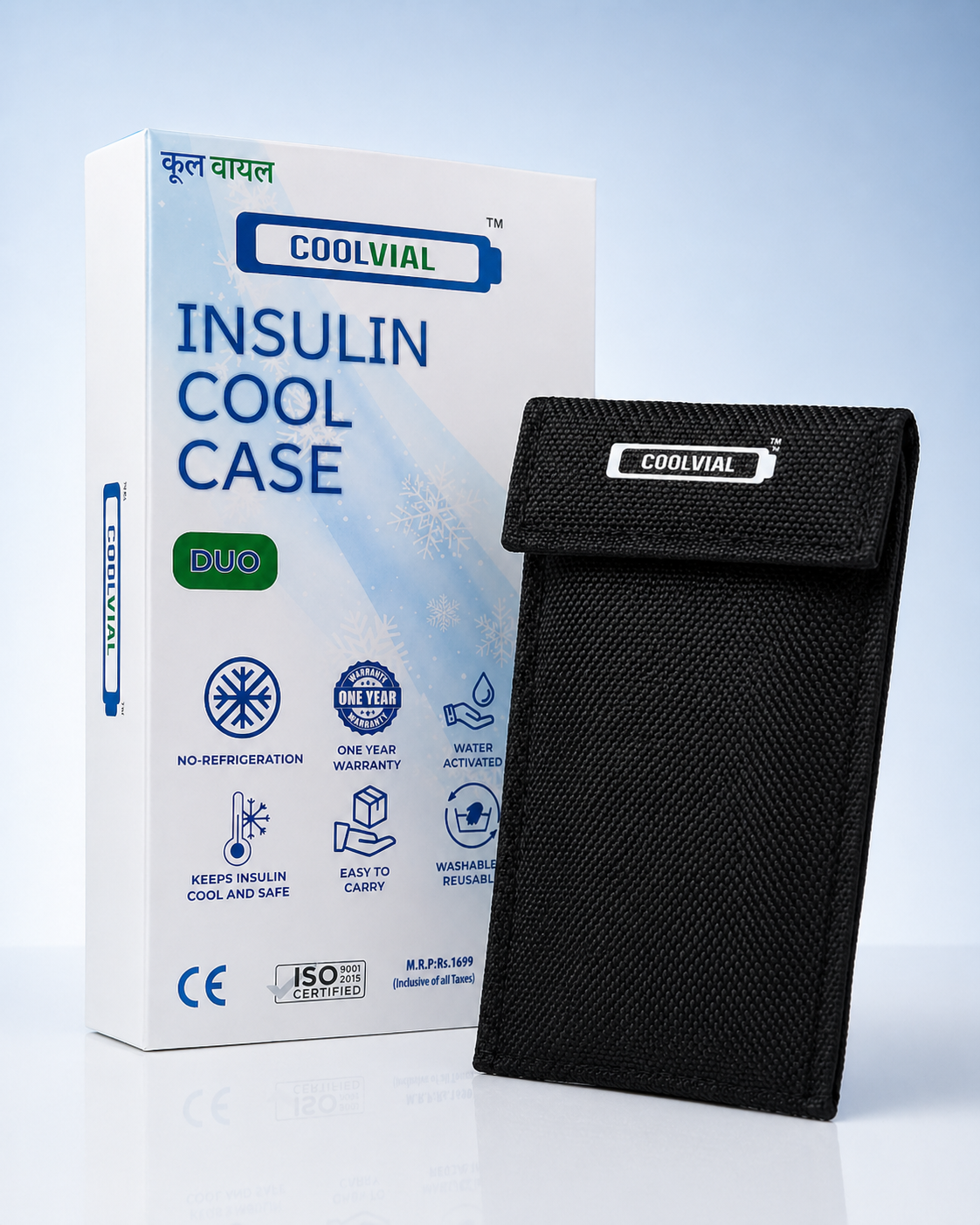
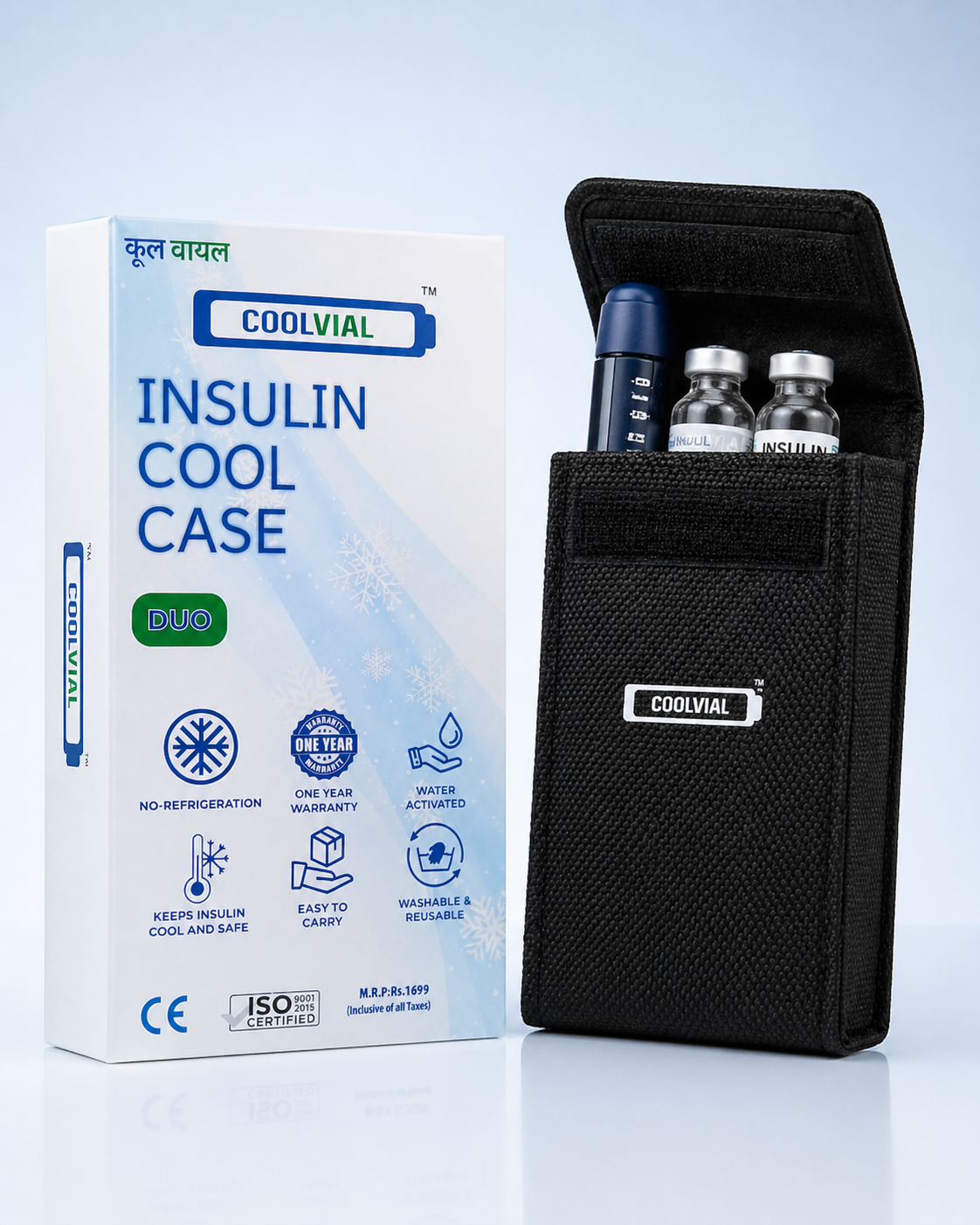
- Given India’s climate, a passive cool case is indispensable. Products like the COOLVIAL insulin cool case are designed to keep insulin within the safe temperature range (typically 18-26°C) for extended periods without electricity. This is vital for daily use, travel, and during power outages. These cases use evaporation or gel pack technology to create a consistently cool environment.
-
Avoid Direct Sunlight and Heat Sources:
- Never leave insulin in a car, near a window, on a balcony, or next to heat-generating appliances (like ovens, stoves, or even active laptops/TVs). Direct sunlight or high ambient temperatures can rapidly degrade insulin. Even if using a cool case, keep it in the coolest available spot.
-
Plan Ahead for Travel:
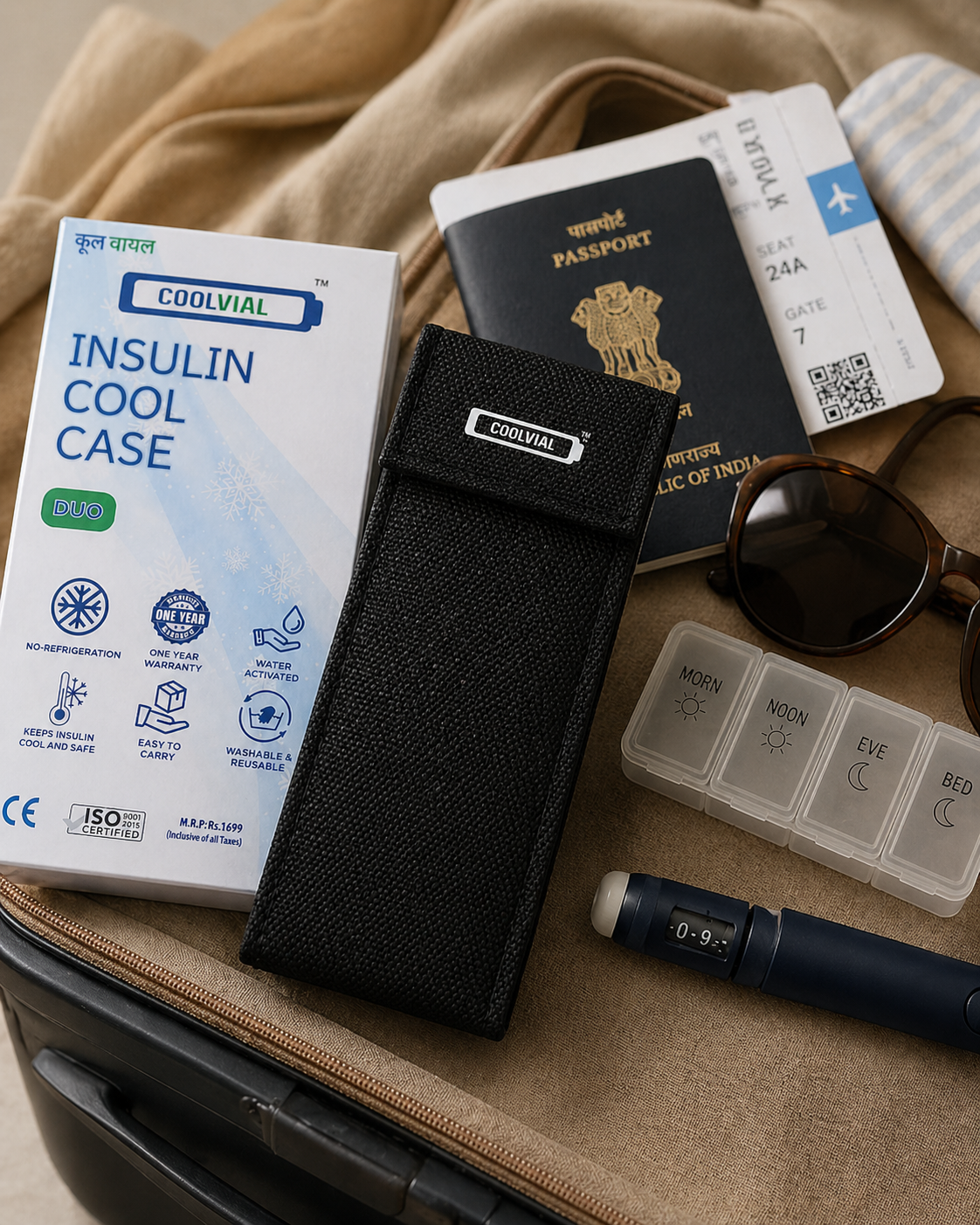
- Whether you’re traveling for work, a family wedding in Rajasthan, or a pilgrimage to Tirupati, always plan your insulin storage. Use an insulated cool case. Carry extra supplies. If flying, keep insulin in your carry-on luggage to avoid extreme temperatures in checked baggage. For long train or bus journeys, ensure your cool case is well-prepared and can last the duration.
7 Practical Tips: How Long Does Insulin Last Outside the Fridge in India?
Keep your insulin safe in India's extreme heat. COOLVIAL works for 48+ hours without electricity.
7 Practical Tips: How Long Does Insulin Last Outside the Fridge in India?
48+ hours at 2-8°C. No electricity. CE certified. Free delivery across India.
Order on WhatsApp — ₹1,099🛒 Buy Now — ₹1,099-
Monitor Your Environment’s Temperature:
- Consider using a small, inexpensive thermometer to monitor the temperature of the room where you store your opened insulin, especially during peak summer months or in regions like Delhi or Hyderabad where temperatures can be extreme. If the room frequently exceeds 30°C, even with a cool case, you might need to find cooler alternatives or be more vigilant.
-
Emergency Preparedness:
- Always have a backup plan. Keep a small emergency supply of insulin, perhaps in a separate cool case, in case your primary supply is compromised. If you experience prolonged power cuts, know where your nearest pharmacy or medical facility is that might be able to store your insulin temporarily. This foresight is key to managing how long does insulin last outside the fridge in India effectively.
Navigating India’s Diverse Climate: Regional Storage Strategies
India’s climate is incredibly varied, presenting unique challenges for insulin storage depending on where you live or travel. Understanding these regional nuances is crucial for diabetics across the country.
- North India (Delhi, Punjab, Uttar Pradesh): Summers are characterized by intense heat, often exceeding 40-45°C, coupled with dry air. Monsoons bring high humidity.
- Strategy: During summers, indoor temperatures can still be dangerously high. Using an active air conditioner or a reliable insulin cool case like COOLVIAL is non-negotiable. During power cuts, which are common, passive cool cases provide a vital buffer.
- West India (Rajasthan, Gujarat, Maharashtra): Rajasthan experiences extreme desert heat, while Gujarat and Maharashtra (like Mumbai) face hot, humid conditions, especially during monsoons.
- Strategy: In desert areas, preventing dehydration of the cool case’s cooling medium is important. For humid coastal areas, ensure the cool case is sealed well to prevent moisture ingress. Always keep insulin away from direct sunlight, even indoors.
- South India (Karnataka, Tamil Nadu, Kerala, Andhra Pradesh): Generally hot and humid throughout the year, with less seasonal variation but intense monsoon rains. Cities like Chennai and Bengaluru experience high ambient temperatures.
- Strategy: Constant vigilance against high temperatures and humidity is key. A good quality cool case is essential for daily use and travel. Consider having multiple cool cases for different scenarios.
- East India (West Bengal, Odisha, Bihar): Hot and very humid, especially during monsoons, with frequent cyclones in coastal areas.
- Strategy: Focus on protecting insulin from both heat and excessive moisture. Ensure storage solutions are robust. Power outages due to weather events can be prolonged, making passive cooling indispensable.
- Northeast India (Assam, Meghalaya, etc.): High rainfall and humidity, with moderate temperatures.
- Strategy: While temperatures might not reach the extremes of the plains, constant humidity can be a concern for some storage methods. A reliable cool case helps maintain a stable, dry environment for insulin.
- Himalayan Regions (Himachal Pradesh, Uttarakhand): Cooler temperatures, but can still experience warm days, especially in valleys. Freezing temperatures in winter are a risk.
- Strategy: The primary risk here is freezing. Ensure insulin is not stored in unheated rooms or left in vehicles overnight during winter. A cool case can paradoxically protect against freezing by providing insulation.
Regional Considerations for Insulin Storage:
| Indian Region | Dominant Climate Concern | Key Storage Strategy |
|---|---|---|
| North (Summers) | Extreme Heat (>40°C), Power Cuts | COOLVIAL cool case essential. Avoid direct sunlight. |
| Coastal/Monsoon | High Humidity, Consistent Heat (30-35°C) | Protect from moisture, use well-sealed cool cases. Monitor for visible spoilage. |
| Desert (Rajasthan) | Intense Dry Heat, High Day-Night Temperature Swings | Reliable cool case with sufficient cooling duration. Hydrate cooling medium as needed. |
| Himalayan (Winters) | Freezing Temperatures (<0°C) | Insulate insulin to prevent freezing. Never leave in unheated areas. |
| Travel (All India) | Uncontrolled Environments (Buses, Trains, Cars) | Always use a portable, reliable cool case. Plan for journey duration. |
Indian festivals, like Diwali, Holi, or Eid, often involve travel and outdoor activities. During these times, the focus on how long does insulin last outside the fridge in India becomes even more critical. Carrying your insulin in a secure, temperature-controlled device is vital to ensure uninterrupted care, regardless of the festivities or journey. For more comprehensive guidance, you can also refer to our insulin storage tips section.
Ensuring Insulin Potency: The COOLVIAL Advantage for Indian Conditions
Maintaining the efficacy of insulin is a daily commitment, and in India’s challenging climate, it requires more than just careful planning. This is precisely where a reliable and practical solution like COOLVIAL comes into play, addressing the core question of how long does insulin last outside the fridge in India by providing a consistent, safe environment for your medication.
COOLVIAL insulin cool cases are specifically designed with the Indian diabetic in mind. They offer a simple yet highly effective passive cooling mechanism that doesn’t rely on electricity, batteries, or refrigeration once activated. This makes them ideal for a country where power cuts are frequent, and access to consistent refrigeration, especially during travel or outdoor activities, can be limited.
How COOLVIAL Addresses Indian Storage Challenges:
- Protection from Extreme Heat: COOLVIAL cases utilize evaporation cooling technology to maintain insulin at safe temperatures, typically between 18°C and 26°C. This range is crucial for preventing insulin degradation, even when the ambient temperature outside is soaring above 30°C or even 40°C in cities like Nagpur or Ahmedabad.
- Reliability During Power Outages: With COOLVIAL, you don’t have to worry about your insulin spoiling during unexpected power cuts. Simply activate the case, and it will keep your insulin cool for hours, sometimes even days, providing peace of mind.
- Designed for Travel: Whether you’re commuting to work, visiting family in another state, or embarking on a long journey across the country, COOLVIAL offers a portable and discreet solution. It fits easily into bags and provides continuous protection, ensuring your insulin is safe even on a crowded train from Delhi to Chennai or a bus through the Western Ghats.
- Cost-Effective and Sustainable: Priced affordably at ₹1,099, the COOLVIAL cool case is a one-time investment that saves you from the potential waste of spoiled insulin and the health risks associated with using ineffective medication. It’s reusable, durable, and environmentally friendly.
- Ease of Use: No complex setup or technical knowledge is required. Most COOLVIAL cases are activated by simply soaking them in water for a few minutes. This simplicity makes them accessible to diabetics of all ages and backgrounds.
By investing in a COOLVIAL cool case, you are taking a proactive step to safeguard your health and ensure that your insulin remains potent and effective, regardless of India’s unpredictable climate or your daily routine. It’s a smart solution for every diabetic who needs to confidently answer the question: how long does insulin last outside the fridge in India? For more information on how to effectively buy COOLVIAL at ₹1,099 and secure your insulin, visit our website.
Essential Insulin Storage FAQs for Indian Diabetics
Navigating insulin storage can be confusing, especially with India’s unique environmental factors. Here are some frequently asked questions to help clarify common concerns about how long does insulin last outside the fridge in India.
Q: Can I put my insulin back in the fridge after it’s been at room temperature for a few days? A: Once an insulin vial or pen has been opened or removed from the fridge for daily use, it’s generally recommended to keep it at room temperature (below 30°C) for its entire 28-day (or specified) usage period. Repeatedly moving it between fridge and room temperature can cause temperature fluctuations that may accelerate degradation.
Q: What happens if my insulin freezes? Is it still safe to use? A: No, insulin that has frozen should not be used. Freezing can damage the delicate protein structure of insulin, making it ineffective. Even if it thaws and appears normal, its potency may be compromised. Always discard any insulin that has been frozen.
Q: Is it safe to carry insulin in my checked luggage when flying within India? A: It is strongly advised not to carry insulin
"Finally a cooler that works in Indian summers. Insulin stayed perfect during a 3-day power cut." — Ramesh, Chennai
7 Practical Tips: How Long Does Insulin Last Outside the Fridge in India?
CE Certified · Free Delivery · 1-Year Warranty
📲 Buy on WhatsApp — ₹1,099