Reviewed by the COOLVIAL Editorial Team — specialists in insulin storage for Indian climate conditions.
Insulin is a life-saving medication for millions of Indian diabetics, but its effectiveness hinges entirely on proper storage. One of the most critical aspects of managing diabetes, especially in India’s diverse and often extreme climate, is ensuring your insulin remains within its optimal temperature range of 2-8°C (refrigerated) or 15-25°C (at room temperature once opened). Failing to do so can lead to insulin degradation, rendering it ineffective, and potentially causing serious health complications. This article will help you avoid the 10 critical insulin cooler buying mistakes Indian diabetics should avoid, ensuring your medication stays potent and safe.
Many Indian diabetics inadvertently compromise their insulin’s efficacy by making common errors when choosing an insulin cooler. These mistakes often stem from a lack of awareness about specific cooling technologies, durability requirements for frequent travel, and the unique challenges posed by India’s varying temperatures and frequent power cuts. By understanding these pitfalls and learning how to select the right insulin cool case, you can protect your health and your medication investment. We’ll explore core concepts of insulin storage, practical tips, India-specific considerations, and how to choose a reliable solution like the COOLVIAL insulin cool case.
Table of Contents
- 1. Why Safe Insulin Storage is Critical for Indian Diabetics
- 2. Understanding Insulin Storage: Core Concepts and How Coolers Work
- 3. Avoiding Common Insulin Cooler Buying Mistakes Indian Diabetics Should Avoid
- 4. Navigating India’s Diverse Climate and Lifestyle with Your Insulin Cooler
- 5. Choosing the Right Solution: Smart Insulin Cooler Buying for Indian Diabetics
- 6. Essential Checklist and Frequently Asked Questions
- Conclusion
1. Why Safe Insulin Storage is Critical for Indian Diabetics
For the estimated 101 million people living with diabetes in India as of 2023 (Source: International Diabetes Federation), insulin is often a daily necessity. However, insulin is a delicate protein that is highly sensitive to temperature fluctuations. When exposed to temperatures outside its recommended range, especially above 30°C or below 2°C, its molecular structure can break down, reducing its potency and effectiveness. This degradation can lead to dangerously high blood sugar levels, even when insulin is administered, posing a significant health risk.
India’s unique environmental and logistical challenges amplify the importance of proper insulin storage. Summers in cities like Delhi, Jaipur, and Chennai often see temperatures soaring above 40°C, with heatwaves pushing them past 45°C. Even during cooler months, indoor temperatures can exceed the safe range for insulin if not stored correctly. Furthermore, frequent power cuts, particularly in rural areas and smaller towns, can compromise refrigerator temperatures, making reliable personal cooling solutions indispensable.
Consider the common scenarios faced by Indian diabetics:
- Daily Commutes: Travelling to work or school in crowded buses or trains, where ambient temperatures can be high.
- Long-distance Travel: Journeys by train or bus across states, sometimes lasting 24 hours or more, without consistent refrigeration access.
- Outdoor Activities: Participating in festivals, family functions, or simply spending time outdoors in the sun.
- Rural Living: Many households in rural India face inconsistent electricity supply, making traditional refrigeration unreliable.
In these situations, a well-chosen insulin cooler is not just a convenience; it’s a vital medical device. The Indian Council of Medical Research (ICMR) emphasizes proper medication storage as a key component of diabetes management, recommending specific guidelines for insulin handling to maintain its efficacy (Source: ICMR guidelines on diabetes management). Ignoring these guidelines by choosing an inadequate cooler can have severe consequences, turning a life-saving drug into a placebo.
2. Understanding Insulin Storage: Core Concepts and How Coolers Work
To effectively avoid insulin cooler buying mistakes Indian diabetics might make, it’s crucial to understand the science behind insulin storage and how different cooling technologies function. Insulin’s sensitivity to temperature dictates the design and performance of any reliable cooling solution.
The Golden Temperature Zone for Insulin
Insulin has two primary storage states:
- Unopened (Refrigerated): Insulin vials, pens, and cartridges that are not yet in use should be stored in a refrigerator at a temperature between 2°C and 8°C. This ensures maximum shelf life, typically until the expiry date printed on the packaging. Freezing insulin will destroy it, so avoid placing it in direct contact with freezer compartments.
- Opened (Room Temperature): Once an insulin vial, pen, or cartridge has been opened or punctured, it can generally be stored at room temperature (15°C to 25°C) for a limited period, usually up to 28 days (or 42 days for some specific types, always check the manufacturer’s leaflet). This is because frequent refrigeration and warming can degrade insulin faster. However, it must never exceed 25°C to 30°C, beyond which it rapidly loses potency.
How Insulin Degradation Happens
Insulin, being a protein, is susceptible to degradation through several mechanisms:
- Heat Exposure: High temperatures cause the insulin molecules to clump together (aggregate) or break apart, reducing their ability to lower blood glucose. Above 30°C, this process accelerates significantly.
- Freezing: Freezing also damages the insulin protein structure, making it ineffective. If insulin freezes, even partially, it should be discarded.
- Light Exposure: Direct sunlight or strong artificial light can also contribute to insulin degradation, though less rapidly than extreme heat.
- Vigorous Shaking: Excessive shaking can damage the insulin molecule, especially in formulations that are clear.
"Finally a cooler that works in Indian summers. Insulin stayed perfect during a 3-day power cut." — Ramesh, Chennai
10 Critical Insulin Cooler Buying Mistakes Indian Diabetics Should Avoid
CE Certified · Free Delivery · 1-Year Warranty
📲 Buy on WhatsApp — ₹1,099Types of Insulin Coolers Explained
10 Critical Insulin Cooler Buying Mistakes Indian Diabetics Should Avoid
Understanding the different types of coolers helps in making an informed decision:
| Cooler Type | How it Works | Pros | Cons | Best for |
|---|---|---|---|---|
| Gel Pack/Ice Pack | Uses pre-frozen gel packs to absorb heat and keep contents cool. | Simple, no electricity, affordable, portable. | Limited cooling duration, gel packs need re-freezing, can freeze insulin if in direct contact. | Short trips, daily commutes (if gel packs are frozen daily). |
| Evaporative | Uses water evaporation to cool (e.g., Frio bags). Requires soaking in water. | No refrigeration needed, lightweight, re-usable, effective in dry heat. | Less effective in high humidity, only cools to 15-25°C range (not 2-8°C), not waterproof. | Areas with dry heat, opened insulin pens/vials. |
| Thermoelectric | Uses an electric current to create a temperature difference. | Can maintain precise temperatures, often powered by car/USB. | Requires constant power, can be bulky, less efficient in extreme heat. | Car travel, hotel stays with power access. |
| Vacuum Insulated | Double-walled construction with a vacuum layer to prevent heat transfer. | Excellent passive insulation, durable, no power needed. | Does not actively cool (needs ice packs), can be heavier. | Combined with gel packs for extended cold chain. |
| Phase Change Material (PCM) | Uses materials that melt/freeze at specific temperatures to maintain a narrow range. | Very precise temperature control, no freezing risk, reusable. | Can be expensive, limited availability, specific activation temps. | High-precision storage, critical long-term travel. |
When selecting a cooler, consider its ability to maintain the required temperature range for the duration you need, under the specific climatic conditions you will face. For Indian conditions, a combination of robust insulation (like vacuum insulation) with reliable gel packs or PCM is often the most practical solution.
3. Avoiding Common Insulin Cooler Buying Mistakes Indian Diabetics Should Avoid
Choosing the right insulin cooler is paramount for maintaining insulin efficacy. Many Indian diabetics make common errors that compromise their medication. Here are 10 critical insulin cooler buying mistakes Indian diabetics should avoid:
-
Mistake 1: Underestimating India’s Extreme Temperatures.
- The Problem: Many coolers designed for milder climates simply cannot cope with Indian summers, where temperatures frequently exceed 40°C. A cooler rated for “up to 24 hours” in a 25°C ambient temperature will perform poorly in a 40°C environment, failing to keep insulin below 8°C.
- The Solution: Always check the cooler’s performance claims against realistic Indian conditions. Look for products specifically tested for high ambient temperatures.
-
Mistake 2: Prioritizing Price Over Performance and Durability.
- The Problem: Opting for the cheapest cooler might save a few rupees initially but could cost you much more in spoiled insulin and compromised health. Flimsy construction, poor insulation, or low-quality gel packs will fail quickly.
- The Solution: View an insulin cooler as an investment in your health. Look for robust materials, good insulation, and a proven track record.
-
Mistake 3: Ignoring Cooling Duration and Capacity.
- The Problem: Buying a cooler that only lasts a few hours when you need 12-24 hours of cooling, or one that cannot hold all your necessary insulin vials/pens. This is especially problematic for long train journeys or extended outings.
- The Solution: Assess your typical daily and travel needs. Do you need to store one pen or multiple vials? How long are your longest trips away from a refrigerator? Choose a cooler that comfortably exceeds your minimum cooling duration requirement.
-
Mistake 4: Overlooking the Risk of Freezing Insulin.
- The Problem: Placing insulin directly against overly cold gel packs can freeze it, rendering it useless. Many generic cool bags don’t offer adequate protection against direct contact.
- The Solution: Ensure your cooler has a dedicated compartment or a buffer layer to prevent direct contact between insulin and frozen gel packs. Some coolers use phase change materials (PCMs) that solidify at 2-8°C, eliminating freezing risk.
-
Mistake 5: Not Considering Power Dependency vs. Portability.
- The Problem: Relying solely on electric coolers (e.g., USB-powered) without backup for areas prone to power cuts or during travel where power is unavailable.
- The Solution: For Indian conditions, passive cooling solutions (gel packs, vacuum insulation) are often more reliable than active electric coolers, especially for daily use and travel. If choosing electric, ensure it has battery backup or can run on a power bank for extended periods.
-
Mistake 6: Neglecting Ease of Use and Maintenance.
- The Problem: A cooler that is complicated to prepare, difficult to clean, or requires specific, hard-to-find components will likely be underutilized.
- The Solution: Look for simple designs, easy-to-freeze gel packs, and materials that are easy to wipe clean.
-
Mistake 7: Forgetting About Water Resistance and Durability.
- The Problem: A non-waterproof cooler can damage insulin if it gets wet, especially during monsoon season or accidental spills. Flimsy zippers or seams will break down quickly with regular use.
- The Solution: Choose a cooler made from durable, water-resistant materials with robust zippers and stitching, suitable for daily wear and tear in diverse Indian environments.
-
Mistake 8: Not Researching User Reviews and Brand Reputation.
- The Problem: Buying an unknown brand without checking reviews from other Indian users. What works in Europe might not work in Rajasthan.
- The Solution: Read reviews, especially from users in similar climatic conditions. A reputable brand known for diabetes care products is often a safer bet.
-
Mistake 9: Assuming “Cooler” Means “Insulin Safe.”
- The Problem: Many general-purpose lunch coolers or small ice chests are not designed to maintain the precise 2-8°C or 15-25°C range required for insulin. They might keep things “cool” but not “therapeutically safe.”
- The Solution: Always verify that the product is specifically designed for medical temperature control, or at least provides clear performance data that meets insulin storage requirements.
10 Critical Insulin Cooler Buying Mistakes Indian Diabetics Should Avoid
Keep your insulin safe in India's extreme heat. COOLVIAL works for 48+ hours without electricity.
- Mistake 10: Failing to Test the Cooler Before Critical Use.
- The Problem: Discovering your cooler doesn’t perform as expected when you’re already on a long journey or in a hot environment.
- The Solution: Before relying on a new cooler for actual insulin storage, perform a test run. Place a thermometer inside with the cooling elements and monitor the temperature over several hours to ensure it maintains the safe range under conditions similar to your intended use.
10 Critical Insulin Cooler Buying Mistakes Indian Diabetics Should Avoid
48+ hours at 2-8°C. No electricity. CE certified. Free delivery across India.
Order on WhatsApp — ₹1,099🛒 Buy Now — ₹1,099By being mindful of these insulin cooler buying mistakes Indian diabetics can avoid, you can make a more informed decision and ensure your insulin remains effective, safeguarding your health.
4. Navigating India’s Diverse Climate and Lifestyle with Your Insulin Cooler
India’s vast geographical and climatic diversity presents unique challenges for insulin storage. From the scorching deserts of Rajasthan to the humid coastal plains of Kerala and the chilly mountains of Himachal Pradesh, a one-size-fits-all approach to insulin cooling simply doesn’t work. Understanding these regional nuances is crucial to avoid insulin cooler buying mistakes.
Regional Climate Considerations:
- North Indian Plains (Delhi, Uttar Pradesh, Punjab): Summers are intensely hot and dry, with temperatures often exceeding 45°C. Winters can be quite cold. During summer, the primary concern is protection against extreme heat. During travel, the risk of insulin freezing in poorly insulated baggage in an AC bus/train needs consideration.
- Coastal Regions (Mumbai, Chennai, Kolkata, Kochi): High temperatures combined with extreme humidity make evaporative coolers less effective. The challenge here is not just heat, but also preventing condensation and maintaining a stable temperature without excessive moisture.
- Deccan Plateau (Bengaluru, Hyderabad, Pune): Generally milder, but summers can still be warm (30-38°C). The need for a reliable cooler for daily commutes and occasional travel remains critical.
- Hilly Regions (Shimla, Ooty, Darjeeling): While cooler overall, unexpected heatwaves can occur, and the primary risk is often accidental freezing if not properly insulated during colder periods or if placed in a vehicle’s cold storage compartment.
Lifestyle and Travel Challenges:
- Frequent Power Cuts: Especially prevalent in rural areas and smaller cities like Patna or Bhopal, power outages can last for hours, making refrigerator storage unreliable. A cooler that can maintain temperature for 12-24 hours independently is vital.
- Public Transport: Long-distance train journeys (e.g., from Mumbai to Delhi) or bus travel (e.g., from Bengaluru to Goa) often lack consistent refrigeration. Luggage stored in overhead racks or under seats can be exposed to high ambient temperatures or direct sunlight.
- Outdoor Events & Festivals: Attending weddings, religious festivals (like Diwali or Eid), or family gatherings often involves spending extended periods outdoors or in non-AC environments. A discreet, robust, and long-lasting cool case is essential.
- Daily Commute: For professionals in bustling cities like Hyderabad or Ahmedabad, carrying insulin daily requires a compact yet effective solution that fits into a bag and withstands daily wear and tear.
To address these diverse needs, Indian diabetics must look beyond basic coolers. A high-quality cool case should offer:
- Extended Cooling Duration: At least 12-24 hours of stable temperature maintenance in 35-40°C ambient temperatures.
- Robust Construction: Capable of withstanding the bumps and jostles of Indian travel.
- Protection from Freezing: A design that prevents direct contact between insulin and frozen gel packs.
- Compact and Discreet: Easy to carry without drawing undue attention.
For instance, a diabetic travelling from Delhi to Rajasthan in peak summer needs a cooler that can handle dry heat and potential power outages, while someone in Chennai needs one that performs well in high humidity. Understanding these nuances helps in selecting a cooler that truly serves its purpose in an Indian context.
5. Choosing the Right Solution: Smart Insulin Cooler Buying for Indian Diabetics
Navigating the market for insulin cool cases can be daunting, but making smart choices means prioritizing reliability, durability, and effectiveness, especially for Indian conditions. When considering how to avoid insulin cooler buying mistakes Indian diabetics face, think about solutions designed with these specific challenges in mind.
A key factor in smart insulin cooler buying is understanding the technology that best suits India’s environment. Vacuum insulation, for example, is highly effective because it minimizes heat transfer (conduction, convection, and radiation) between the inside and outside of the cooler. When combined with high-quality gel packs, it provides an extended period of stable, safe temperatures without relying on external power. This passive cooling approach is often superior for the unpredictable power supply and travel conditions prevalent across India.
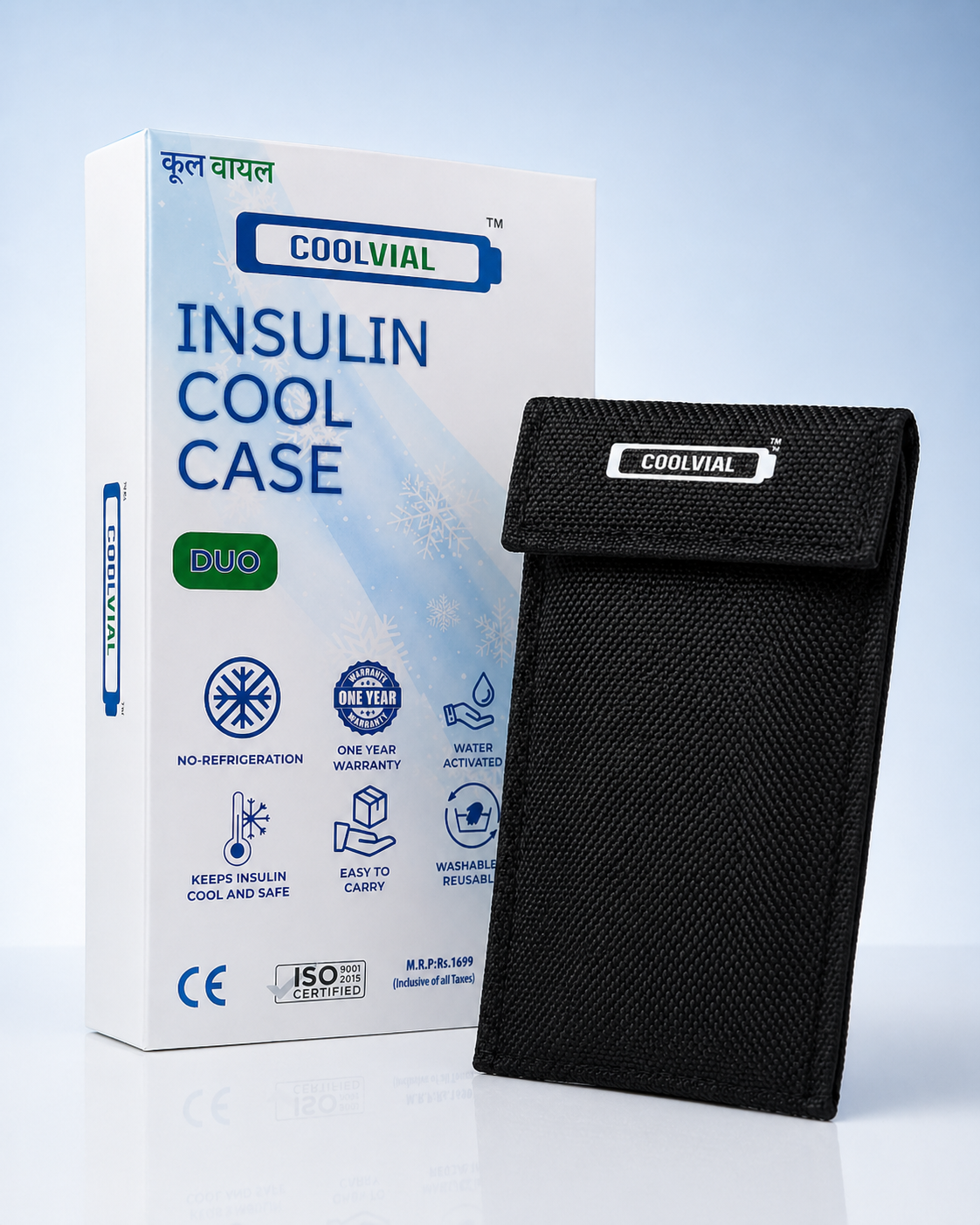
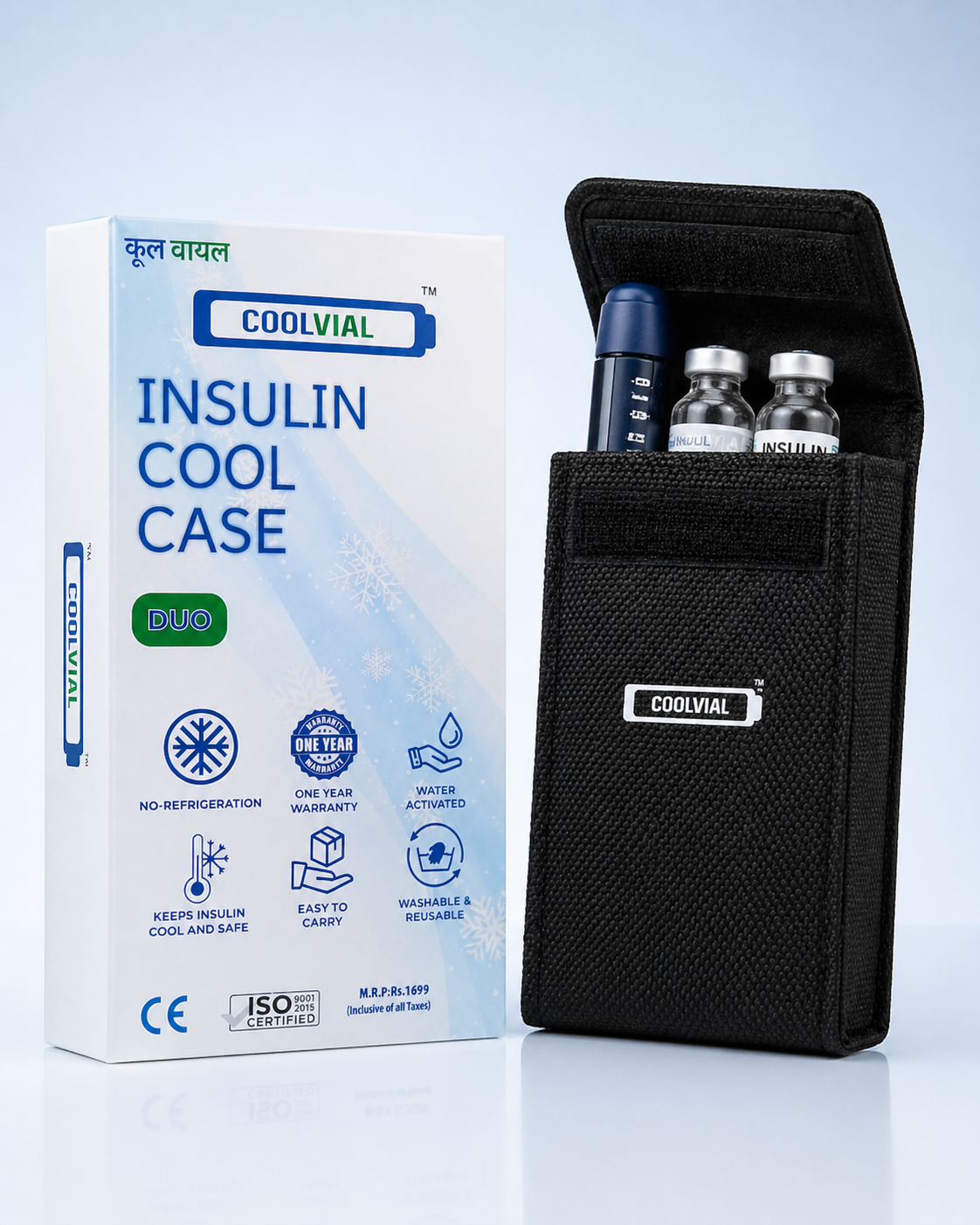
Here’s why a solution like the COOLVIAL insulin cool case stands out in the Indian market:
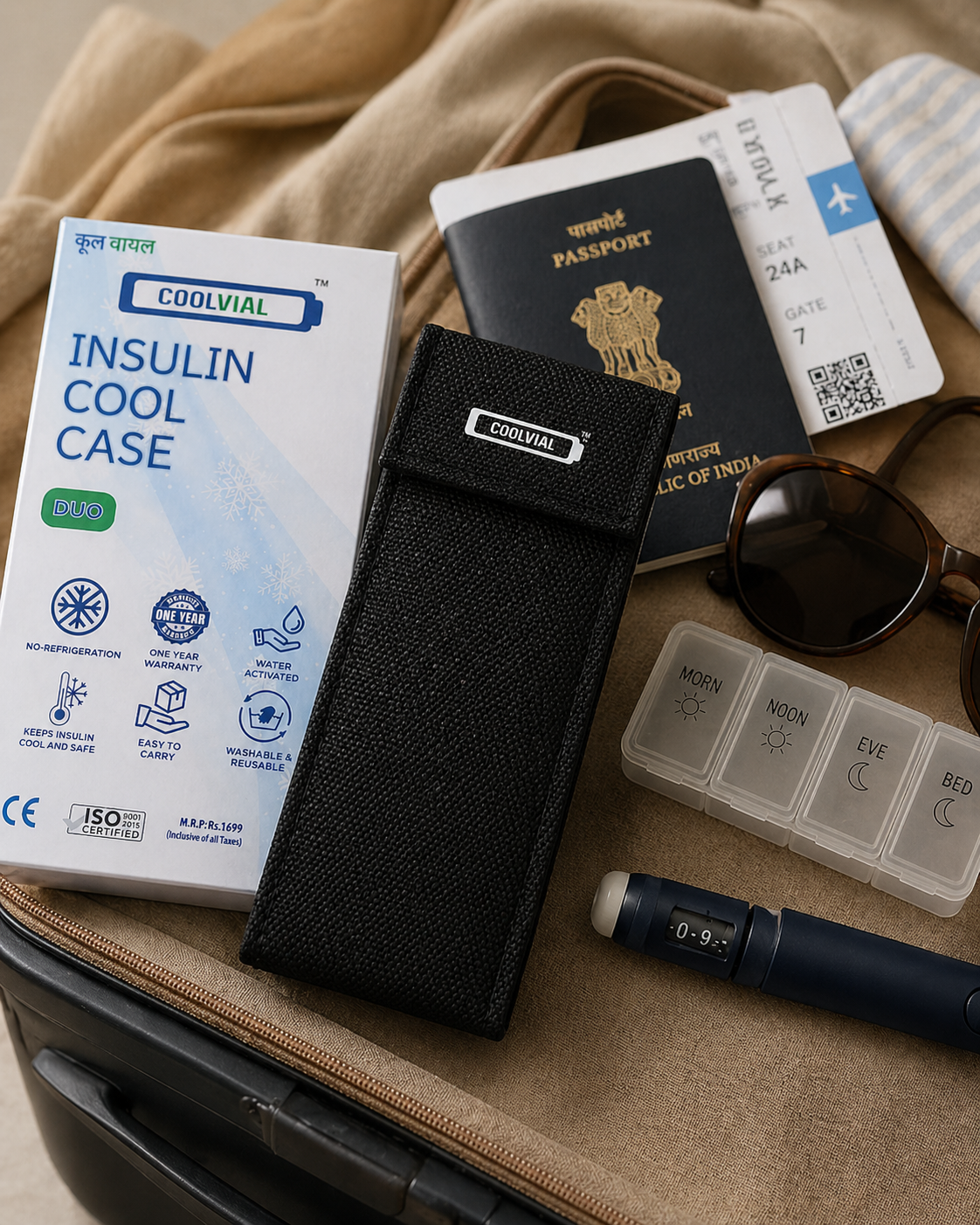
- Designed for Indian Extremes: COOLVIAL cool cases are engineered to perform reliably even in high ambient temperatures, maintaining insulin’s therapeutic range for extended periods. This means you can confidently travel from Mumbai to Bengaluru or through a Delhi summer without worrying about your insulin’s integrity.
- Superior Insulation: Leveraging advanced vacuum insulation technology, COOLVIAL minimises heat ingress, ensuring that the internal temperature remains stable and within the crucial 2-8°C range (with frozen gel packs) for hours, far outperforming generic cool bags.
- Protection Against Freezing: The design incorporates features to prevent direct contact between frozen gel packs and insulin, mitigating the risk of accidental freezing, which is as damaging as overheating.
- Durability and Portability: Built with robust materials, COOLVIAL cases are designed for daily use and the rigours of travel across India, from crowded city commutes to long-distance bus or train journeys. They are compact, lightweight, and discreet, making them easy to carry wherever you go.
- Affordable and Accessible: Understanding the financial considerations for many Indian families, COOLVIAL offers a high-quality, reliable solution at an accessible price point of ₹1,099. This makes effective insulin storage achievable for a wider demographic.
When you’re looking to avoid insulin cooler buying mistakes Indian diabetics commonly make, consider the long-term value. A small investment in a reliable cool case like COOLVIAL can prevent the much larger costs associated with spoiled insulin and the health risks of ineffective medication. It provides peace of mind, allowing you to live your life freely without constant worry about your insulin’s temperature.
To ensure your insulin is always safe and potent, consider the buy COOLVIAL at ₹1,099 option, directly via WhatsApp, for a hassle-free purchase experience tailored for Indian consumers.
6. Essential Checklist and Frequently Asked Questions
To help you make an informed decision and avoid the critical insulin cooler buying mistakes Indian diabetics often encounter, here’s a quick reference checklist and answers to common questions.
Insulin Cooler Buying Checklist:
- Temperature Range: Does it consistently maintain 2-8°C for unopened insulin and 15-25°C for opened insulin in ambient temperatures typical of your region?
- Cooling Duration: How many hours of cooling does it provide under realistic conditions (e.g., 35°C ambient)? Does this meet your longest travel/outing needs?
- Capacity: Can it hold all the insulin vials/pens and supplies you need for your typical duration?
- Freezing Protection: Does it prevent direct contact between insulin and frozen gel packs to avoid accidental freezing?
- Durability: Is it made from robust, high-quality materials that can withstand daily use and travel?
- Portability: Is it compact, lightweight, and discreet enough to carry comfortably?
- Ease of Use: Is it simple to prepare, clean, and maintain? Are gel packs easily freezable?