Reviewed by the COOLVIAL Editorial Team — specialists in insulin storage for Indian climate conditions.
India’s vibrant life often comes with the reality of load shedding, a challenge that can turn critical for individuals managing diabetes. When electricity outages strike, maintaining the efficacy of life-saving insulin becomes a primary concern. To ensure your health is never compromised, keeping insulin at optimal temperatures is paramount: unopened vials require 2-8°C refrigeration, while opened insulin maintains potency at 15-25°C for up to 28 days. Crucially, insulin begins to degrade rapidly above 30°C. This 5 Essential Steps: Your insulin survival guide for load shedding in India provides immediate, actionable strategies. You’ll learn how to safeguard your insulin, understand the signs of spoilage, and discover practical solutions like insulated cool cases to navigate power cuts seamlessly. With India facing 101 million diabetics in 2023 (Source: IDF), understanding proper insulin management during power cuts is more vital than ever. This guide will equip you with the knowledge to protect your medication and maintain your well-being, even when the power goes out.
Table of Contents
- The Unseen Challenge: Why Insulin Storage Matters Critically in India’s Power Cuts
- Mastering Insulin Stability: Core Concepts for Safe Storage
- Your Practical Insulin Survival Guide for Load Shedding in India
- Navigating India’s Diverse Climates: Regional Insulin Storage Strategies
- COOLVIAL: Empowering Your Insulin Survival Guide During India’s Power Cuts
- Essential Quick Reference: Your Insulin Load Shedding Checklist & FAQs
- Conclusion
The Unseen Challenge: Why Insulin Storage Matters Critically in India’s Power Cuts
For millions across India, load shedding is an undeniable part of daily life. From the bustling metros of Delhi and Mumbai to the remote villages of Rajasthan and Uttar Pradesh, erratic power cuts, especially during the sweltering summer months, pose a significant threat to health for those dependent on temperature-sensitive medications like insulin. When the lights go out, the clock starts ticking for insulin, which can quickly lose its effectiveness if not stored correctly.
The primary concern is the impact of heat on insulin’s delicate protein structure. Insulin is a protein hormone, and like many proteins, it is susceptible to denaturation when exposed to temperatures outside its optimal range. Above 30°C, the protein molecules can begin to unfold and clump together, rendering the insulin less potent or even completely ineffective. This degradation means that even if you inject the usual dose, your body might not receive the full therapeutic effect, leading to dangerously high blood sugar levels and potential acute complications.
India’s climate exacerbates this challenge. Summer temperatures in many parts of the country, such as Delhi and Nagpur, routinely exceed 40°C, often reaching 45°C or more. Even moderate temperatures combined with high humidity, common in coastal cities like Chennai and Kolkata, can accelerate insulin degradation. A refrigerator, typically the safest place for unopened insulin, quickly loses its cooling capacity during an extended power outage, turning into little more than an insulated box that eventually matches ambient temperatures.
The sheer scale of diabetes in India underscores the urgency of this issue. According to the International Diabetes Federation (IDF), India had an estimated 101 million people living with diabetes in 2023. This vast population, a significant portion of whom rely on insulin, makes a robust insulin survival guide for load shedding in India not just useful, but critical for public health. Ensuring every individual understands how to protect their medication is paramount to preventing health crises.
Furthermore, research highlights the instability of insulin. A study on insulin stability, for instance, confirms that insulin loses its potency when exposed to extreme temperatures (Source: NCBI). This scientific understanding reinforces the need for proactive measures. Many households in India experience frequent power cuts, particularly in rural and semi-urban areas, sometimes lasting several hours daily. Without proper planning and tools, insulin users are constantly at risk.
Risks of Improper Insulin Storage During Power Cuts
- Loss of Efficacy: Insulin degrades, becoming less effective at lowering blood sugar.
- Hyperglycemia: Uncontrolled high blood sugar levels leading to fatigue, increased thirst, frequent urination, and in severe cases, diabetic ketoacidosis (DKA).
- Wasted Medication: Spoiled insulin must be discarded, leading to financial strain and potential supply shortages.
- Health Complications: Long-term exposure to high blood sugar can lead to severe complications affecting the eyes, kidneys, nerves, and heart.
Understanding these risks is the first step towards building a resilient strategy. This comprehensive insulin survival guide for load shedding in India aims to empower you with practical knowledge and solutions, ensuring your insulin remains safe and effective, regardless of power fluctuations.
Mastering Insulin Stability: Core Concepts for Safe Storage
Effective insulin management during load shedding begins with a clear understanding of how insulin works and its specific temperature requirements. Insulin is a biological product, and its stability is directly linked to its storage conditions. Knowing these fundamentals is the bedrock of any successful insulin survival guide for load shedding in India.
Understanding Insulin’s Temperature Requirements
Insulin has two primary storage states: unopened and opened. Each requires different temperature control to maintain its efficacy.
-
Unopened Insulin: This refers to vials, pens, or cartridges that have not yet been punctured or used.
- Ideal Temperature: Unopened insulin must be stored in a refrigerator, ideally between 2°C and 8°C. This cold environment prevents degradation and ensures the longest possible shelf life, typically until the expiration date printed on the packaging.
- Never Freeze: It is crucial that insulin does not freeze. Freezing can damage the protein structure, rendering it ineffective. If insulin freezes, it must be discarded, even if it thaws later.
-
Opened Insulin: Once a vial has been punctured or a pen/cartridge has been started, its storage recommendations change.
- Ideal Temperature: Opened insulin can generally be stored at room temperature, typically between 15°C and 25°C, for a specific period. This period varies by insulin type and manufacturer, but most commonly, it is 28 days (e.g., Humalog, Novolog, Lantus, Humulin). Some specific insulin pens might allow for slightly longer (e.g., 42 days for certain Tresiba pens), so always check your specific product’s leaflet.
- Avoid Extreme Heat: While opened insulin does not require refrigeration, it must be protected from extreme heat (above 30°C) and direct sunlight. High temperatures will rapidly degrade it.
- Avoid Extreme Cold: Opened insulin should also not be refrigerated once it has been at room temperature, as frequent temperature fluctuations can reduce its potency.
Identifying Spoiled Insulin
5 Essential Steps: Your Insulin Survival Guide for Load Shedding in India
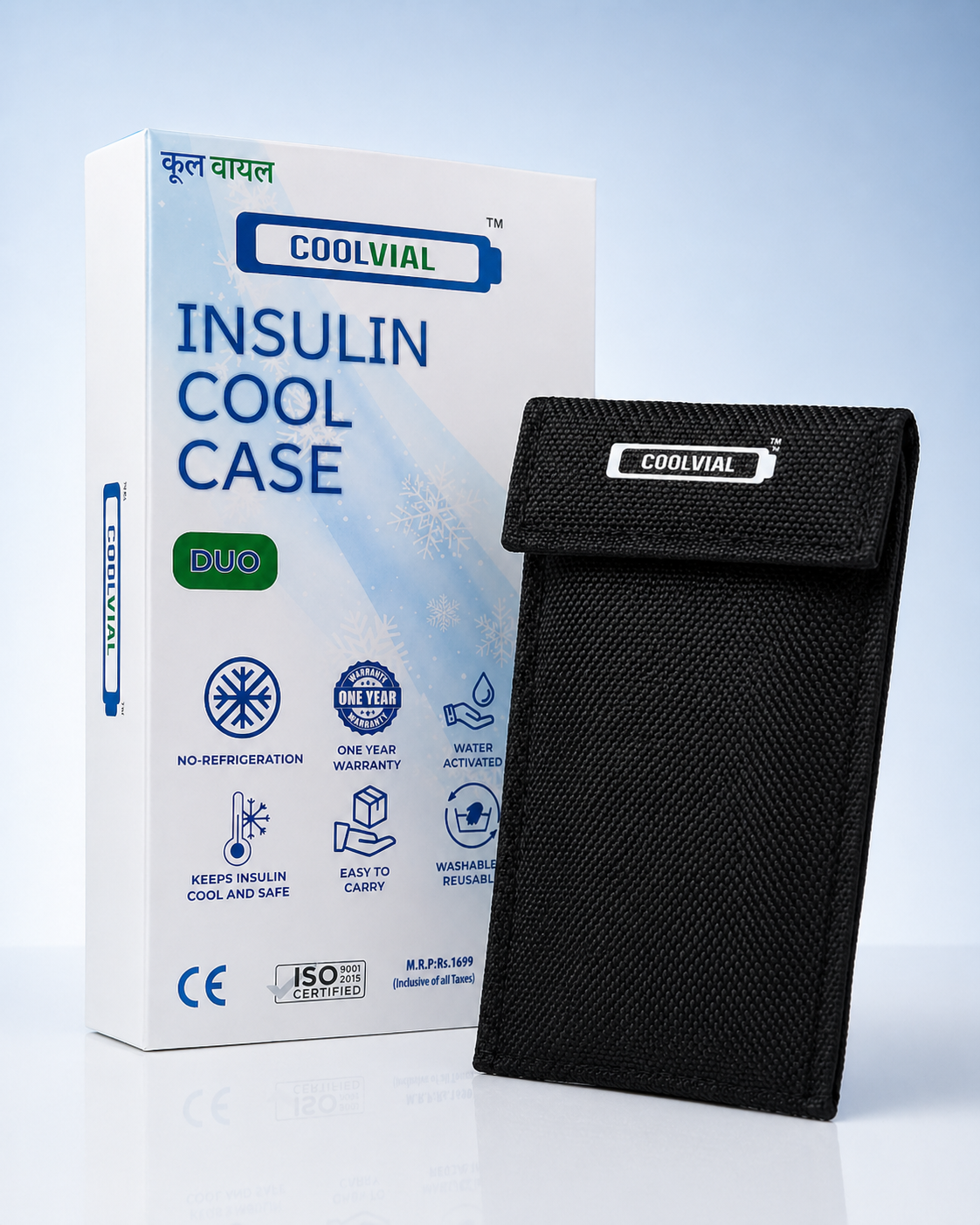
Keep your insulin safe in India's extreme heat. COOLVIAL works for 48+ hours without electricity.
Knowing when insulin has gone bad is critical. Using compromised insulin can lead to dangerously high blood sugar levels.
5 Essential Steps: Your Insulin Survival Guide for Load Shedding in India
Insulin at 2-8°C for 48+ hours. Trusted by 10,000+ Indian diabetics.
- Appearance Changes:
- Clear Insulin (e.g., Humalog, Novolog, Lantus): Should remain clear and colorless. If it appears cloudy, discolored, or has particles, clumps, or crystals floating in it, it is likely spoiled.
- Cloudy Insulin (e.g., Humulin N, Novolin N): These insulins are naturally cloudy. However, if you notice clumping, granulation, or a “frosted” appearance, it may be spoiled.
- Loss of Efficacy: The most dangerous sign of spoiled insulin is when it simply doesn’t work. If your blood sugar levels remain high despite injecting your usual dose, and you’ve ruled out other factors like illness or diet, your insulin might be compromised.
- Smell: While not always a reliable indicator, some people report a slightly off or unusual smell from spoiled insulin.
The Science Behind Temperature Sensitivity
Insulin’s efficacy stems from its precise three-dimensional protein structure. Heat, light, and physical agitation can disrupt this structure, a process called denaturation. When denatured, the insulin molecules can aggregate or break down, losing their ability to bind to receptors and lower blood sugar effectively. This is why maintaining a stable temperature, particularly avoiding temperatures above 30°C, is paramount for insulin’s integrity. High humidity, prevalent in many Indian cities, can also indirectly affect storage by impacting packaging or cooling methods.
Understanding these core concepts allows you to take proactive steps. For instance, knowing that unopened insulin needs refrigeration means you must have a plan for extended power outages that affect your refrigerator. For opened insulin, while less strict, protection from direct heat is still vital. This foundational knowledge is crucial for any effective insulin survival guide for load shedding in India. For more comprehensive general insulin storage tips, you can refer to our detailed guide.
| Insulin Type | Storage Condition (Unopened) | Storage Condition (Opened) | Critical Threshold |
|---|---|---|---|
| Vials/Pens | 2-8°C (Refrigerator) | 15-25°C (Room Temperature) | Above 30°C (Degrades Rapidly) |
| Shelf Life | Until Expiry Date | 28 Days (Commonly, check leaflet) | Avoid Freezing |
Your Practical Insulin Survival Guide for Load Shedding in India
Preparing for and managing insulin during power cuts requires a proactive approach. This practical insulin survival guide for load shedding in India offers actionable steps to protect your medication and maintain your health.
Before the Power Cut Strikes: Preparation is Key
Prevention and preparedness are your best defenses against insulin spoilage during load shedding.
- Understand Your Local Load Shedding Schedule: Many states and local electricity boards in India publish daily or weekly load shedding schedules. Keep yourself informed to anticipate outages. Apps and local news channels often provide updates for cities like Bengaluru, Hyderabad, and Pune.
- Invest in Backup Power for Your Refrigerator: For critical medication storage, consider investing in a small inverter or UPS (Uninterruptible Power Supply) specifically for your refrigerator. Even a few hours of backup can make a significant difference in maintaining the 2-8°C range for unopened insulin.
- Prepare an Emergency Insulin Kit:
- Insulated Bag or Cooler: A good quality insulated bag or a small hard-shell cooler can keep temperatures stable for several hours.
- Gel Packs/Ice Packs: Always have several reusable gel packs or ice packs frozen and ready in your freezer. Crucially, do not let insulin come into direct contact with ice packs, as this can freeze the insulin. Wrap the insulin in a cloth or paper towel, or use a cool case designed for insulin.
- Thermometer: A small, inexpensive refrigerator thermometer or a digital thermometer can help you monitor the temperature inside your cooler or during an outage.
- Keep a Small Reserve of Insulin: If possible, store a small emergency supply of insulin that is already at room temperature (if it’s opened insulin) or can be quickly accessed. This ensures you have a buffer if your main supply is compromised.
- Charge Portable Cooling Devices: If you use a portable insulin cool case, ensure its cooling elements (e.g., gel packs) are always frozen and ready, or its battery is charged if it’s an electronic device.
During the Outage: Immediate Actions
When the power goes out, quick and decisive action is crucial.
- Keep Refrigerator Doors Closed: If your unopened insulin is in the refrigerator, avoid opening the door unless absolutely necessary. A closed refrigerator can maintain its internal temperature for several hours (up to 4 hours for a full fridge, less for a half-full one).
- Transfer to Your Emergency Cool Kit: For longer outages or in very hot weather, transfer your unopened insulin from the refrigerator to your pre-prepared insulated bag or cool case with frozen gel packs.
- Placement: Place the insulin in the center of the bag, surrounded by the gel packs, but ensure a buffer (e.g., a cloth) to prevent direct contact and freezing.
- Monitor: If you have a thermometer, place it inside the insulated bag to ensure the temperature remains within the safe 2-8°C range for unopened insulin or 15-25°C for opened insulin.
- Find the Coolest Spot: Move your insulated bag or cool case to the coolest part of your home. This might be a shaded corner, a room with thicker walls, or away from windows that receive direct sunlight. Avoid storing it in a car, even a shaded one, as internal temperatures can rise rapidly.
- Limit Handling: The less you handle your insulin, the less it’s exposed to external temperature fluctuations.
Post-Outage: Checking and Replenishing
Once power is restored, take these steps to ensure safety and preparedness for the next time.
- Inspect Insulin: Carefully check all insulin vials and pens for any signs of spoilage (cloudiness, clumps, discoloration). If there’s any doubt about its integrity due to prolonged heat exposure, it’s safer to discard it.
- Replenish Supplies: Replace any used or compromised gel packs in your freezer. If you had to discard insulin, make arrangements to replenish your supply promptly.
- Review Your Plan: After each incident, assess what worked well and what could be improved in your insulin survival guide for load shedding in India.
By following these practical steps, you can significantly reduce the risk of insulin spoilage and maintain better control over your diabetes, even in the face of India’s unpredictable power supply.
Navigating India’s Diverse Climates: Regional Insulin Storage Strategies
India’s vast geography presents a myriad of climatic conditions, each posing unique challenges for insulin storage during load shedding. A truly effective insulin survival guide for load shedding in India must account for these regional differences, from the scorching plains to the humid coasts.
| Region | Climate Challenges | Specific Storage Tips |
|---|---|---|
| North (Delhi, UP, Rajasthan) | Extreme summers (45°C+), dry heat, frequent long power cuts. | Prioritize efficient cool cases. Keep insulin away from windows. Use wet cloth evaporative cooling (for non-refrigerated items, not direct insulin). Ensure cool packs are thoroughly frozen. |
| West (Mumbai, Gujarat) | High humidity, moderate to high heat, coastal air. | Combat humidity with airtight containers for cool cases. Keep cool cases inside air-conditioned rooms if available. Be wary of condensation on insulin packaging. |
| South (Chennai, Bengaluru, Hyderabad) | Warm year-round, occasional intense heatwaves, longer rural power cuts. | Consistent use of cool cases is essential. Plan for longer travel times during festivals like Diwali or Pongal. Rural areas may need more robust backup solutions. |
| East (Kolkata, Odisha) | High humidity, monsoon season, moderate to high heat. | Protect from moisture and humidity, which can affect cool pack efficiency. Ensure cool cases are sealed properly. Be prepared for longer outages during storms and monsoon downpours. |
| Central (Madhya Pradesh) | Extreme heat in summers, significant temperature swings. | Need for reliable cool cases that can handle large temperature differentials. Always have a backup plan for travel, especially during train journeys which can be hot and have long stops. |
5 Essential Steps: Your Insulin Survival Guide for Load Shedding in India
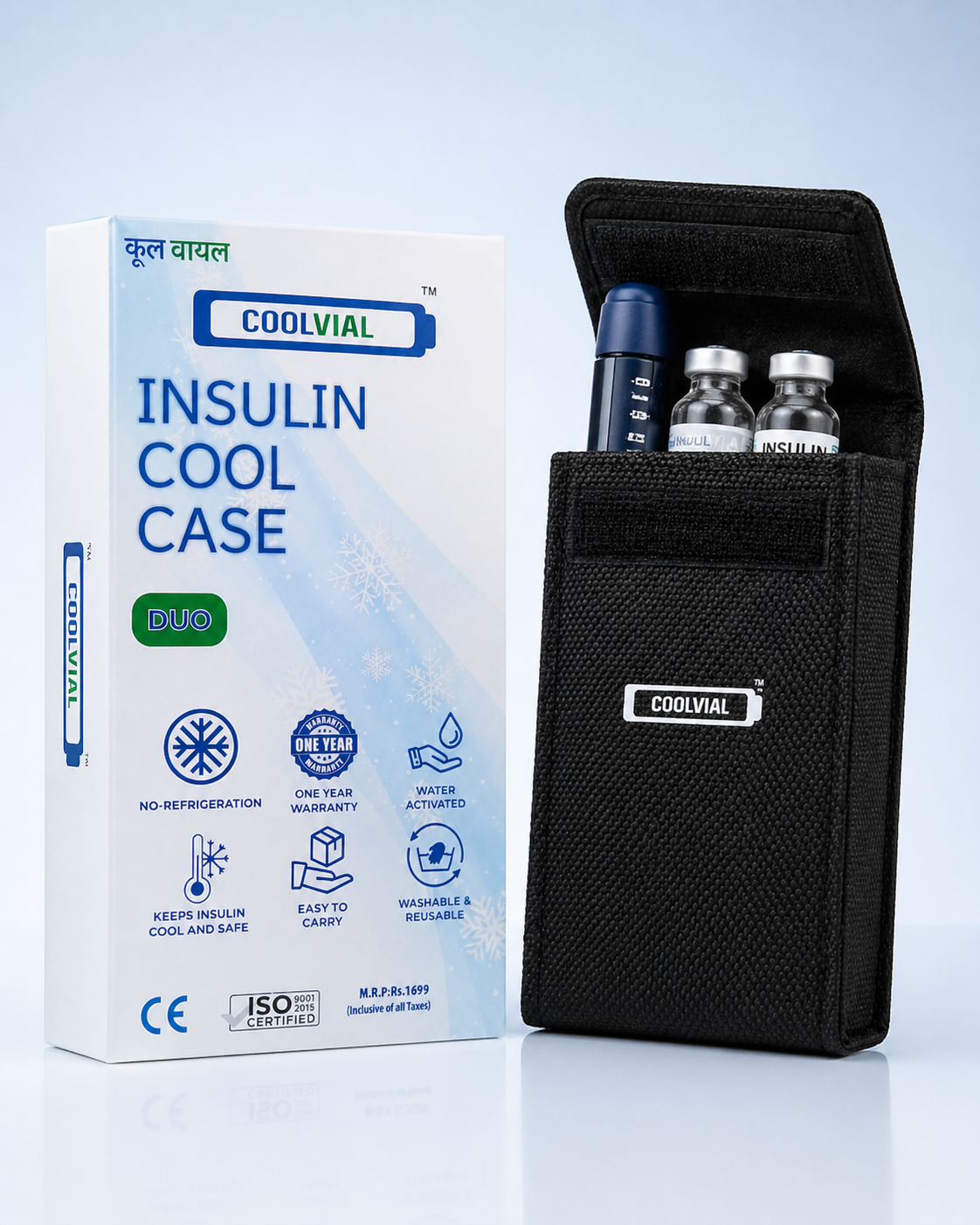
Don't let Indian heat spoil your insulin. COOLVIAL protects it for 48+ hours.
Northern India: Battling the Blazing Sun
5 Essential Steps: Your Insulin Survival Guide for Load Shedding in India
States like Uttar Pradesh, Rajasthan, and the National Capital Region (Delhi) experience blistering summers, with temperatures frequently soaring above 40°C, and often reaching 45-48°C. Load shedding here can be prolonged, sometimes lasting 6-8 hours daily in peak summer. For residents in these regions, a robust insulin survival guide for load shedding in India means:
- Prioritize Cooling: Invest in high-performance cool cases that can maintain temperature for extended periods.
- Strategic Placement: During an outage, store your insulated cool case in the coolest, most shaded part of your home, away from direct sunlight or heat-radiating walls.
- Hydration: Keep yourself well-hydrated, as high temperatures can also affect your blood sugar levels.
Coastal Regions: Humidity and Heat
Cities like Mumbai, Chennai, and Kolkata, along with other coastal areas in Gujarat and Kerala, face high humidity levels in addition to warm temperatures. Humidity doesn’t directly spoil insulin, but it can make cooling methods less efficient and contribute to a feeling of oppressive heat, increasing the risk of insulin exposure to high temperatures.
- Airtight Protection: Ensure your insulin cool case is well-sealed to prevent moisture from affecting the insulin or cooling elements.
- Ventilation: While protecting insulin, ensure your living space is as ventilated as possible to reduce overall ambient temperature.
Southern India: Year-Round Warmth
While not always reaching the extremes of the North, cities like Bengaluru, Hyderabad, and parts of Tamil Nadu experience warm temperatures year-round. Load shedding, especially in semi-urban and rural areas of Karnataka and Andhra Pradesh, can be frequent and less predictable.
- Constant Vigilance: Even outside peak summer, maintain vigilance with insulin storage.
- Travel Preparedness: With many families traveling by bus or train for festivals like Pongal or Ugadi, a reliable portable cool case is indispensable.
Travel Considerations in India
Whether it’s a long train journey from Delhi to Kerala, a bus ride to a family wedding in rural Maharashtra, or a flight for business, travel in India presents its own set of challenges for insulin storage.
- Public Transport: Buses and non-AC train coaches can reach very high temperatures. Always carry your insulin in a dedicated cool case, never in your regular luggage.
- Festivals: During major festivals like Diwali, Eid, or Holi, public transport is often crowded, and power grids can be strained, leading to more outages. Plan your insulin needs accordingly, carrying extra supplies and ensuring your cool case is ready.
- Rural Visits: When visiting relatives in rural areas, anticipate less reliable power and fewer options for refrigeration. Your portable cool case becomes your primary defense.
Considering these regional nuances allows for a more tailored and effective insulin survival guide for load shedding in India, ensuring that your insulin remains safe and potent, no matter where you are in the country.
COOLVIAL: Empowering Your Insulin Survival Guide During India’s Power Cuts
In the face of India’s diverse climate and unpredictable power supply, having a dependable solution for insulin storage is not a luxury, but a necessity. This is where COOLVIAL steps in, offering a practical, affordable, and highly effective tool to empower your insulin survival guide for load shedding in India. COOLVIAL insulin cool cases are specifically designed to address the challenges faced by Indian diabetics.
The core function of a COOLVIAL insulin cool case is simple yet vital: to maintain the critical temperature range for insulin (typically 2-8°C for unopened, or below 25°C for opened) for extended periods, without needing electricity. This is achieved through advanced insulation technology combined with specialized gel packs that slowly release their cold energy, keeping your insulin safe from the damaging effects of heat.
How COOLVIAL Enhances Your Insulin Safety:
- Reliable Temperature Control: Our cool cases are engineered to keep insulin within its optimal temperature range for several hours, often up to 12-24 hours depending on ambient conditions. This provides a crucial buffer during prolonged power cuts, travel, or even daily commutes in warm weather.
- No Electricity Needed: Unlike mini-refrigerators or other active cooling devices, COOLVIAL operates completely without electricity. This makes it ideal for areas with frequent load shedding, rural regions, and during travel on buses, trains, or even flights where power sources are unavailable or unreliable.
- Portability and Convenience: Lightweight and compact, a COOLVIAL insulin cool case is easy to carry in a handbag, backpack, or even a vehicle. Its discreet design allows you to manage your diabetes without drawing unnecessary attention.
- Durability for Indian Conditions: Built to withstand daily use, COOLVIAL cases are robust, reusable, and designed to perform consistently in India’s varied climatic conditions, from the dry heat of Rajasthan to the humid coasts of Kerala.
- Affordable Solution: We understand the financial considerations of managing diabetes. COOLVIAL offers an accessible solution at just ₹1,099, making essential insulin safety affordable for a wider population.
Integrating a COOLVIAL insulin cool case into your daily routine and emergency preparedness plan provides unparalleled peace of mind. You no longer have to worry about your insulin losing potency during an unexpected power outage in Kolkata, a long-distance train journey to Bengaluru, or a family visit to a village in Uttar Pradesh. It’s a proactive step that ensures your medication is always ready to work when you need it, upholding your health and well-being. This tool is an indispensable part of any comprehensive insulin survival guide for load shedding in India.
Essential Quick Reference: Your Insulin Load Shedding Checklist & FAQs
Staying prepared and informed is crucial for managing insulin during power cuts. Use this quick reference guide and FAQ section to reinforce your knowledge and actions.
Insulin Load Shedding Checklist
- Pre-Outage Preparation:
- Know your local load shedding schedule.
- Keep refrigerator doors closed if power goes out briefly.
- Have a COOLVIAL insulin cool case ready with frozen gel packs.
- Ensure gel packs are never in direct contact with insulin.
- Keep a small thermometer handy to monitor temperatures.
- During Outage Action:
- Transfer unopened insulin to a cool case with gel packs for extended outages.
- Move opened insulin (if above 25°C ambient) to a cool case.
- Store the cool case in the coolest, most shaded part of your home.
- Avoid frequent opening of your cool case or refrigerator.
- Post-Outage Review:
- Inspect insulin for any signs of spoilage (cloudiness, discoloration, particles).
- Discard any suspicious insulin.
- Refreeze gel packs immediately.
- Replenish any used or discarded insulin supplies.
Frequently Asked Questions
Q: What is the ideal temperature range for storing insulin? A: Unopened insulin should be kept refrigerated between 2-8°C. Once opened, most insulin vials and pens can be stored at room temperature, typically between 15-25°C, for up to 28 days. It is critical to consult your specific insulin’s packaging for precise instructions.
Q: How can I tell if my insulin has spoiled due to heat? A: Spoiled insulin may appear cloudy, discolored, or have clumps or particles floating in it, even if it was previously clear. For naturally cloudy insulin, look for clumping or a “frosted” appearance. It may also lose its effectiveness, leading to unexplained high blood sugar levels despite regular dosing.
Q: Is it safe to use ice directly on insulin during a power cut? A: No, direct contact with ice can freeze insulin, rendering it ineffective. Freezing damages insulin’s protein structure, making it unusable. Always place a cloth or barrier between insulin and ice packs, or use a proper cool case like COOLVIAL designed to maintain a stable, non-freezing temperature.
Q: How long can insulin survive without refrigeration during a power cut? A: While unopened insulin needs refrigeration, opened insulin can be stored at room temperature (15-25°C) for up to 28 days. However, exposure to temperatures above 30°C for even a few hours can degrade insulin quickly. A reliable cool case can significantly extend safe storage time during outages by buffering against high ambient temperatures.
Q: Where can I buy a reliable insulin cool case in India? A: You can easily purchase a high-quality COOLVIAL insulin cool case designed for India’s climate via WhatsApp at wa.me/918766952300, priced at just ₹1,099. It’s an affordable and effective solution for ensuring your insulin safety.
Conclusion
Navigating life with diabetes in India, especially amidst the common occurrence of load shedding, demands preparedness and reliable solutions. This 5 Essential Steps: Your insulin survival guide for load shedding in India has provided you with the foundational knowledge and practical strategies to protect your vital medication. By understanding insulin’s temperature sensitivities, proactively preparing for power outages, and employing smart storage solutions, you can significantly mitigate the risks of spoilage and ensure your health remains a priority.
Remember, every degree matters when it comes to insulin. The difference between 25°C and 35°C can be the difference between effective medication and a compromised dose. Empower yourself with the right tools and knowledge to face any power disruption with confidence. Don’t let power cuts dictate your health. Ensure your insulin is always safe and effective, no matter the circumstances. Take control of your insulin storage today. For more detailed insulin storage tips, explore our resources. Ready to secure your insulin? You can buy COOLVIAL at ₹1,099 today via WhatsApp at wa.me/918766952300.
5 Essential Steps: Your Insulin Survival Guide for Load Shedding in India
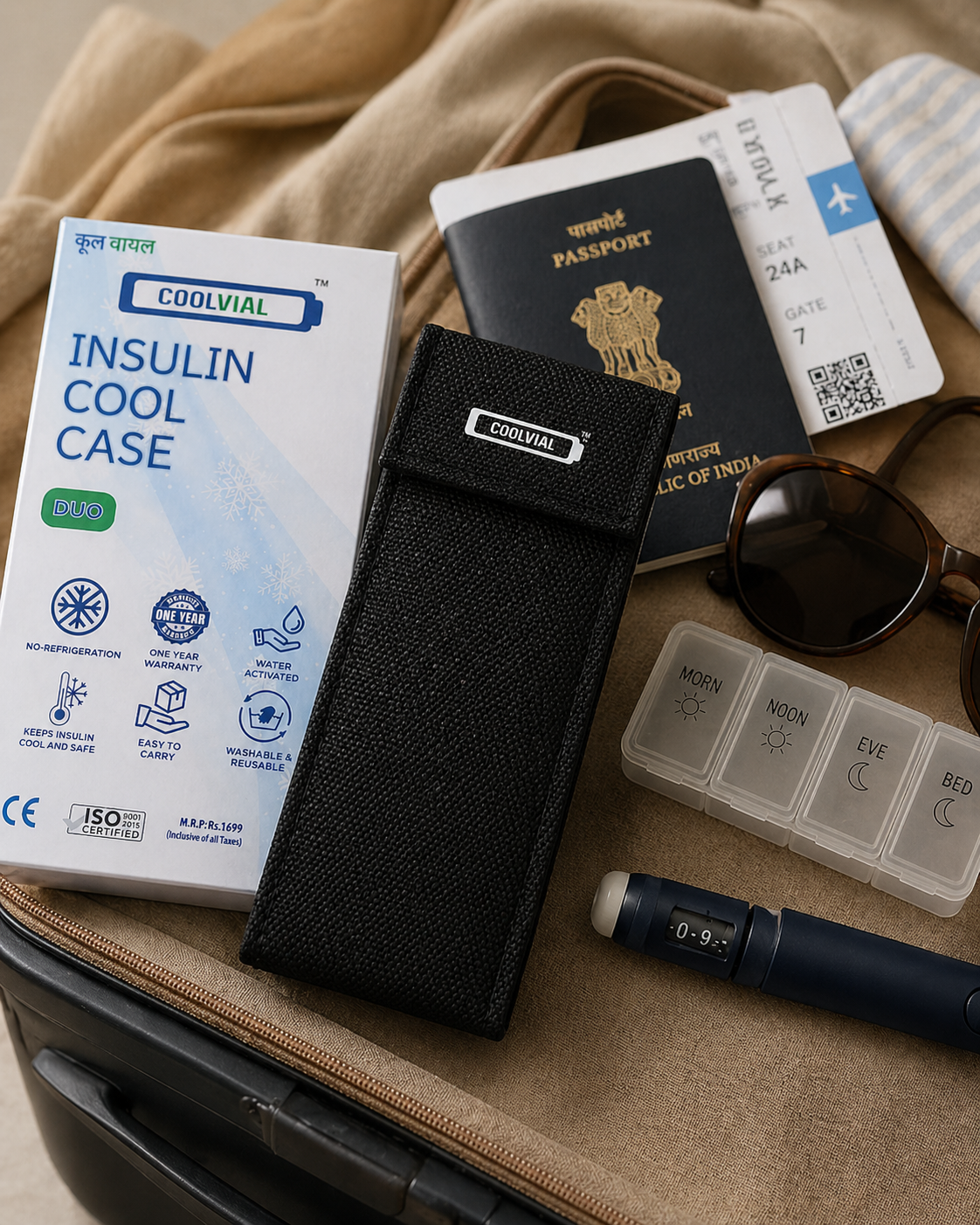
48+ hours at 2-8°C. No electricity. CE certified. Free delivery across India.
Order on WhatsApp — ₹1,099🛒 Buy Now — ₹1,099