Reviewed by the COOLVIAL Editorial Team — specialists in insulin storage for Indian climate conditions.
For students managing type 1 diabetes in Indian boarding schools, safely storing insulin between 2-8°C is crucial to maintain its potency. Proper storage protects against India’s varied climate and ensures effective diabetes management, even during power cuts. Over 101 million Indians live with diabetes, and ensuring correct insulin storage, especially when temperatures can rapidly exceed 30°C, is vital to prevent degradation and maintain treatment efficacy (Source: IDF Diabetes Atlas 2023). This comprehensive guide provides 7 essential type 1 diabetes in Indian boarding schools insulin storage tips to empower students, parents, and school staff to manage this critical aspect of care, ensuring health and academic success away from home.
Going away to a boarding school is a significant step towards independence for any child. For a student with type 1 diabetes, this transition comes with an added layer of responsibility: diligently managing their condition, including the critical task of insulin storage. Indian boarding schools, often located in diverse climatic zones from the scorching plains of Rajasthan to the humid coasts of Kerala, present unique challenges. Understanding how to navigate these environments while ensuring insulin remains effective is paramount. This article will equip you with the knowledge and practical strategies to confidently manage type 1 diabetes in Indian boarding schools insulin storage tips.
Table of Contents
- Why Insulin Storage Matters Critically in Indian Boarding Schools
- Understanding Insulin: Its Sensitivity and Shelf Life
- Practical Type 1 Diabetes in Indian Boarding Schools Insulin Storage Tips
- Navigating India’s Diverse Climates and Power Challenges
- COOLVIAL: Your Trusted Partner for Type 1 Diabetes in Indian Boarding Schools Insulin Storage
- Quick Reference Checklist and Frequently Asked Questions
- Empowering Students for a Healthy Boarding School Life
Why Insulin Storage Matters Critically in Indian Boarding Schools
The journey of managing type 1 diabetes is a constant balancing act, and nowhere is this more apparent than in the dynamic environment of an Indian boarding school. Students are often away from direct parental supervision, relying on themselves and school staff for daily care. Insulin, the life-saving medication for type 1 diabetes, is highly sensitive to temperature fluctuations, making its proper storage a non-negotiable aspect of management. If insulin is not stored correctly, it can lose its potency, leading to elevated blood sugar levels, potential complications, and a compromised quality of life for the student.
India’s vast geographical landscape means that boarding schools can experience extreme weather conditions. From the blistering summers of Delhi and Lucknow, where temperatures can soar above 45°C, to the monsoon humidity of Mumbai and Kolkata, or the chilly winters of the Himalayas, maintaining a stable temperature for insulin is a formidable task. Conventional refrigeration might be available, but it’s often shared, prone to power cuts, and not always temperature-monitored. This makes specific type 1 diabetes in Indian boarding schools insulin storage tips not just helpful, but absolutely critical.
Moreover, awareness about type 1 diabetes and insulin storage can vary significantly among school staff, including hostel wardens, nurses, and teachers. A lack of understanding can inadvertently lead to improper storage, risking the student’s health. Parents must proactively engage with school authorities to establish clear protocols and ensure that their child’s insulin is handled with the utmost care. This collaborative approach is fundamental to safeguarding the student’s well-being and ensuring their diabetes management remains effective throughout their academic year.
The emotional and psychological impact on a child discovering their insulin has spoiled can be profound. It can lead to anxiety, fear, and a sense of helplessness, disrupting their academic focus and social integration. Therefore, equipping students, parents, and schools with robust type 1 diabetes in Indian boarding schools insulin storage tips is an investment in their overall health, academic performance, and emotional resilience. This article aims to address these challenges head-on, providing actionable advice for a seamless boarding school experience.
Common Challenges in Boarding School Insulin Storage
- Shared Refrigeration: Hostel refrigerators are often communal, leading to overcrowding, inconsistent temperatures, and potential mishandling of medication.
- Power Fluctuations: Frequent power cuts, especially in many parts of India, can disrupt refrigeration, causing insulin to reach unsafe temperatures.
- Lack of Awareness: School staff may not fully understand the specific temperature requirements and fragility of insulin.
- Travel and Outings: Students often travel for holidays, school trips, or sports events, requiring portable and reliable storage solutions.
- Privacy and Security: Ensuring insulin is stored securely and privately, away from curious peers or accidental damage, can be a concern.
Understanding Insulin: Its Sensitivity and Shelf Life
Insulin is a protein hormone, and like many proteins, its structure is highly sensitive to temperature extremes. Both freezing and excessive heat can irreversibly damage insulin, rendering it ineffective. When insulin loses its potency, it cannot adequately lower blood glucose levels, leading to hyperglycemia and its associated short-term and long-term complications. This fundamental understanding is the cornerstone of all type 1 diabetes in Indian boarding schools insulin storage tips.
Unopened insulin vials, cartridges, or pens should always be stored in a refrigerator, ideally between 2°C and 8°C. This temperature range is crucial for maintaining its integrity and ensuring it remains potent until its expiry date. Once an insulin vial or pen is opened and in use, it can generally be kept at room temperature (typically below 25°C to 30°C, depending on the specific insulin type and manufacturer guidelines) for a period, usually 28 days. However, this “room temperature” tolerance is where challenges arise in India.
The World Health Organization (WHO) emphasizes the critical importance of proper insulin storage to maintain its efficacy (Source: WHO Fact Sheet on Diabetes). Insulin that has been exposed to temperatures above 30°C for extended periods can degrade rapidly. This degradation is often invisible; the insulin may look normal, but its ability to lower blood sugar is significantly reduced. This silent spoilage is particularly dangerous as it can lead to unexplained high blood sugars, confusion about dosing, and a feeling of lost control over diabetes management.
It is vital for students, parents, and school staff to be familiar with the specific storage instructions for the type of insulin being used. Always refer to the manufacturer’s leaflet that comes with the insulin. Some newer insulin formulations might have slightly different temperature tolerances or in-use durations. Regular checks of insulin appearance for cloudiness, discoloration, or particles (unless it’s a naturally cloudy insulin like NPH) are also important indicators of potential spoilage, though lack of visible changes doesn’t guarantee potency.
Key Insulin Temperature Guidelines
Understanding these temperature ranges is fundamental for effective type 1 diabetes in Indian boarding schools insulin storage tips.
7 Essential Insulin Storage Tips for Type 1 Diabetes in Indian Boarding Schools
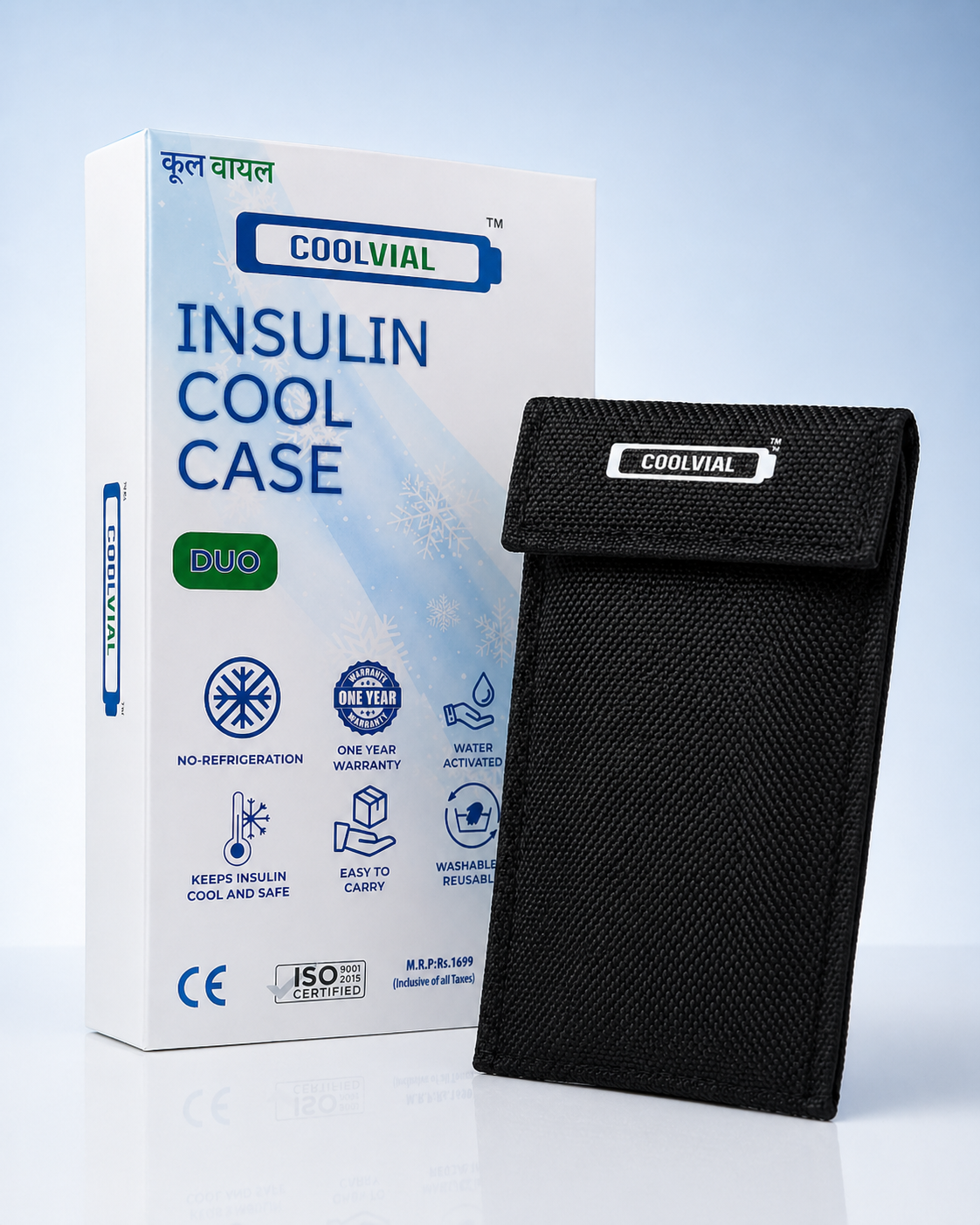
COOLVIAL keeps insulin at 2-8°C for 48+ hours. No electricity needed.
| Insulin State | Recommended Temperature Range | Duration | Risk of Improper Storage |
|---|---|---|---|
| Unopened | 2°C to 8°C (Refrigerated) | Until expiry date | Loss of potency if frozen or heated |
| Opened/In Use | Below 25°C - 30°C (Room Temp) | Typically 28 days (check manufacturer) | Rapid degradation above 30°C |
| Freezing Point | Below 0°C | Irreversible damage, protein structure breaks | Complete loss of efficacy |
| Heat Exposure | Above 30°C | Rapid degradation, reduced potency | Ineffective treatment, high blood sugar |
7 Essential Insulin Storage Tips for Type 1 Diabetes in Indian Boarding Schools
COOLVIAL keeps insulin safe in India's heat. 48+ hours, no electricity needed.
The Dangers of Temperature Excursions
Temperature excursions, even brief ones, can impact insulin’s effectiveness. Freezing can cause insulin to clump and separate, making it unusable. Heat, on the other hand, accelerates the breakdown of the insulin molecule. Imagine a student in a boarding school in Chennai during summer. If their insulin pen is left in a backpack in a non-air-conditioned room, or if the hostel refrigerator experiences a prolonged power cut, the insulin could quickly become compromised. This highlights the urgent need for reliable type 1 diabetes in Indian boarding schools insulin storage tips that account for real-world conditions.
Practical Type 1 Diabetes in Indian Boarding Schools Insulin Storage Tips
Implementing effective insulin storage strategies requires a multi-faceted approach involving students, parents, and school administration. These 7 essential tips are designed to provide a robust framework for safe type 1 diabetes in Indian boarding schools insulin storage tips.
-
Communicate Proactively with School Authorities: Before your child leaves for boarding school, schedule a detailed meeting with the school nurse, hostel warden, and relevant teachers. Discuss your child’s type 1 diabetes management plan, including specific insulin storage requirements. Ensure they understand the critical nature of keeping insulin within its safe temperature range. Provide written instructions and emergency contact details. This initial communication sets the foundation for successful management.
- Action Point: Create a detailed care plan document to share.
-
Designate a Dedicated & Monitored Storage Space: Request a dedicated and secure space in the school’s medical room or hostel common area for insulin storage. This should ideally be a small, locked, temperature-monitored mini-fridge if possible. If a shared refrigerator is the only option, ensure the insulin is placed in a clearly labelled, sturdy, waterproof container at the back of the fridge, away from the door to minimize temperature fluctuations. Regular temperature checks with a refrigerator thermometer are crucial.
- Action Point: Insist on a thermometer in the designated fridge.
-
Invest in a High-Quality Insulin Cool Case: For insulin in use, or for travel within India, a specialized insulin cool case is indispensable. These cases are designed to maintain insulin at safe temperatures (typically below 25°C) for extended periods without electricity, using gel packs or evaporative cooling technology. This is especially vital for students traveling by train or bus, or during school excursions. A reliable cool case is a game-changer for type 1 diabetes in Indian boarding schools insulin storage tips.
- Action Point: Research and purchase a reliable cool case like the COOLVIAL insulin cool case.
-
Educate the Student Thoroughly: Empower your child with comprehensive knowledge about their insulin and its storage needs. They should know:
- The correct temperature ranges for unopened and opened insulin.
- How to identify spoiled insulin (e.g., cloudiness, change in color, crystals).
- The importance of not leaving insulin in direct sunlight or in a hot room.
- How to use their cool case effectively and refresh its cooling elements.
- Whom to contact immediately at school if they suspect insulin spoilage or have storage concerns.
- Action Point: Conduct mock scenarios for insulin storage and handling.
-
Develop a Power Outage Protocol: Given India’s frequent power cuts, a clear plan for these situations is essential. The school and student should know:
- How long insulin can remain safe in a refrigerator during a power cut (usually a few hours, depending on insulation).
- Availability of backup power (generator) for the medical room fridge.
- Access to ice packs or a secondary cool case to transfer insulin temporarily.
- The importance of minimizing door openings during power cuts.
- Action Point: Establish a clear, written power outage plan with the school.
-
Carry a Backup Supply and Emergency Kit: Always ensure the student has a backup supply of insulin (both unopened and opened vials/pens) stored safely. This emergency kit should also include syringes/pen needles, blood glucose testing supplies, glucagon, and contact information. This is particularly important for school trips or when returning home for holidays. Having an emergency kit ensures continuity of care even if primary insulin becomes compromised.
- Action Point: Assemble a comprehensive emergency kit, refreshed regularly.
-
Regular Review and Checks: Parents should regularly communicate with their child and the school to review the insulin storage practices. During visits, physically check the storage area, ensure thermometers are working, and inspect the child’s cool case. This ongoing vigilance ensures that best practices are consistently followed and any issues are promptly addressed. These consistent checks are vital for the long-term success of type 1 diabetes in Indian boarding schools insulin storage tips.
- Action Point: Schedule quarterly check-ins with the school nurse/warden.
Navigating India’s Diverse Climates and Power Challenges
India’s climate is famously diverse, presenting unique environmental challenges for insulin storage. A one-size-fits-all approach simply won’t work. Understanding regional variations is key to effective type 1 diabetes in Indian boarding schools insulin storage tips.
In the Northern plains (e.g., Uttar Pradesh, Punjab, Haryana, Delhi), summer temperatures frequently exceed 40°C, often reaching 45°C or higher. During these months, even indoor temperatures can climb rapidly. Power cuts are also common, especially during peak summer demand. Here, robust cool cases and backup power for refrigeration are not luxuries but necessities.
The Western regions (e.g., Gujarat, Rajasthan) experience similarly extreme heat with arid conditions. The dry heat can be deceptively damaging to insulin. Schools in cities like Jaipur or Ahmedabad must prioritize reliable cooling solutions that can withstand prolonged exposure to high ambient temperatures.
Coastal areas (e.g., Mumbai, Chennai, Kolkata, Kochi) face high humidity alongside warm temperatures. While humidity itself doesn’t directly damage insulin, it can make evaporative cooling less efficient and contribute to overall discomfort, leading to higher room temperatures. Here, active cooling solutions or well-sealed cool cases are preferred.
In the Southern plateau (e.g., Karnataka, Telangana), temperatures are generally warm year-round, with specific periods of higher heat. Power infrastructure can vary, and localized outages are common. Students travelling between cities like Bengaluru and Hyderabad often face long journeys where portable storage is essential.
7 Essential Insulin Storage Tips for Type 1 Diabetes in Indian Boarding Schools
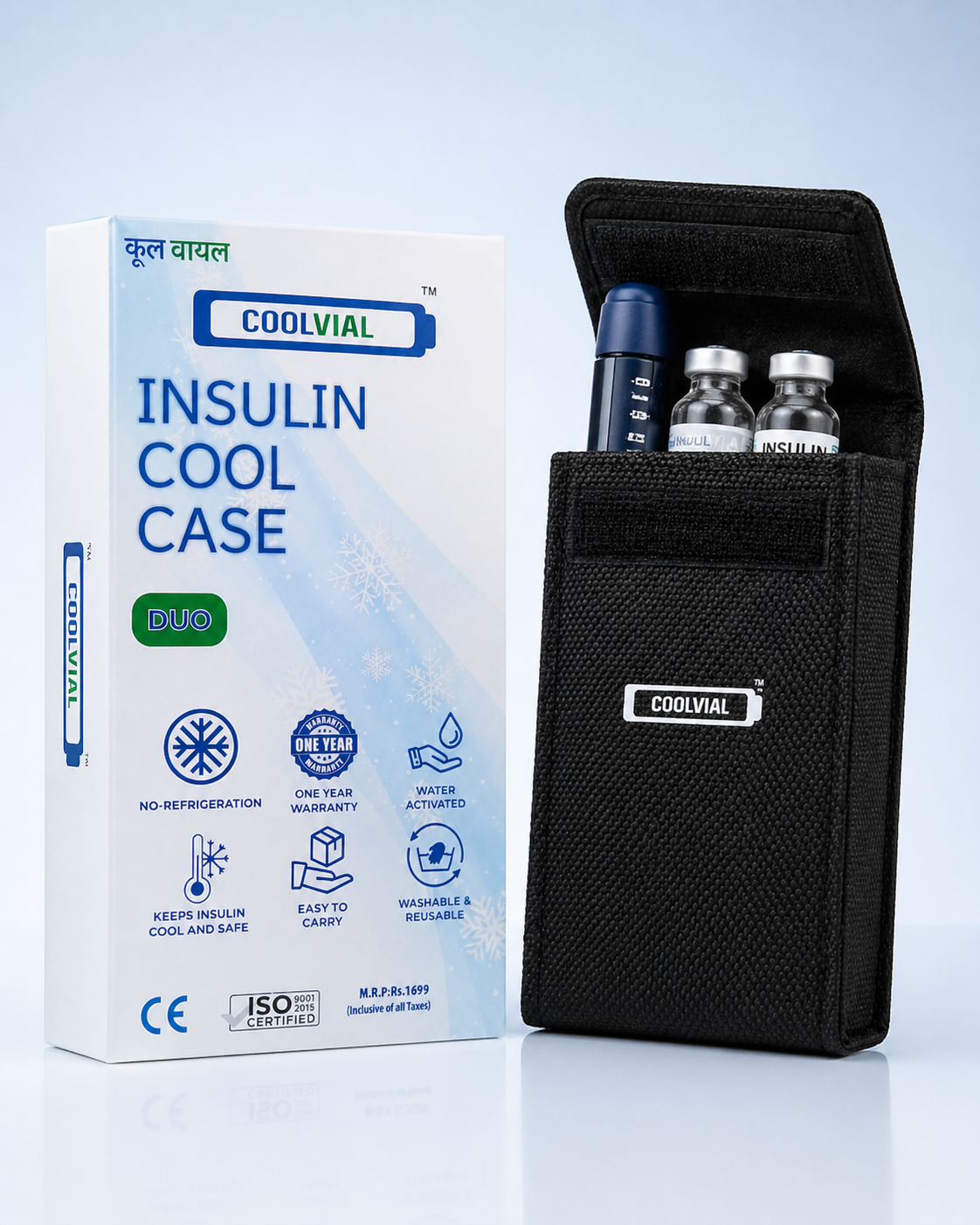
Keep your insulin safe in India's extreme heat. COOLVIAL works for 48+ hours without electricity.
The Northeastern states and Himalayan regions (e.g., Himachal Pradesh, Uttarakhand, Sikkim) can experience colder temperatures, especially in winter. While freezing is a concern here, summers can still be warm. The challenge lies in protecting insulin from both ends of the temperature spectrum during different seasons and ensuring it doesn’t freeze in unheated rooms.
7 Essential Insulin Storage Tips for Type 1 Diabetes in Indian Boarding Schools
Insulin at 2-8°C for 48+ hours. Trusted by 10,000+ Indian diabetics.
According to a study by the Council on Energy, Environment and Water (CEEW), 78% of Indian households faced daily power cuts in summer 2022, highlighting the pervasive nature of this challenge. This statistic underscores why relying solely on standard refrigeration in boarding schools is risky. Parents must consider solutions that offer independence from the grid. This makes specialized insulin storage tips even more crucial for students managing type 1 diabetes.
Regional Climate Considerations for Insulin Storage
| Region | Climate Characteristics | Key Storage Challenge | Recommended Approach |
|---|---|---|---|
| Northern Plains (Delhi) | Extreme hot summers (45°C+), cold winters, frequent power cuts | Protecting from heat, ensuring cold chain during outages | Active cool cases, generator backup for fridges |
| Coastal Areas (Mumbai) | Hot, humid year-round, moderate power cuts | Preventing heat damage, managing humidity effects | Well-sealed cool cases, moisture protection |
| Arid West (Rajasthan) | Very hot, dry summers (45°C+), cool winters | Sustained cooling in extreme heat | Robust cool cases with long cooling duration |
| Southern Plateau (Bengaluru) | Warm year-round, localized power cuts | Consistent cooling during travel and daily use | Portable, reliable cool cases, school medical room fridge |
| Himalayan Foothills | Variable, cold winters, mild to warm summers | Protecting from both freezing and heat, seasonal adjustments | Temperature-controlled storage, careful monitoring in winter |
COOLVIAL: Your Trusted Partner for Type 1 Diabetes in Indian Boarding Schools Insulin Storage
Ensuring optimal insulin storage in the challenging and diverse environments of Indian boarding schools doesn’t have to be a constant worry. This is where COOLVIAL steps in as a reliable and practical solution, specifically designed for the Indian context. Our insulin cool cases provide peace of mind by maintaining the vital temperature range for insulin, protecting it from both the scorching heat and the unexpected power cuts that are part of life in India.
The COOLVIAL insulin cool case is engineered with advanced cooling technology that keeps insulin at safe temperatures (typically below 25°C) for extended periods without requiring electricity. This is crucial for students in boarding schools who might not have constant access to a refrigerator or who experience frequent power outages in their hostels. It’s also invaluable for travel, whether it’s a weekend trip home, a school excursion to a different city like Agra or Mysore, or even daily movement between hostel, classroom, and sports fields.
Our cool cases are compact, durable, and easy to use, making them ideal for students. They are designed to be discreet and fit easily into a backpack, offering the independence and flexibility that boarding school students need. With a COOLVIAL cool case, students can carry their insulin confidently, knowing it’s protected from temperature fluctuations, allowing them to focus on their studies, sports, and social life without the constant anxiety over their medication’s integrity.
For parents, choosing COOLVIAL means investing in their child’s health and well-being. It’s a proactive step to mitigate the risks associated with improper insulin storage in a boarding school setting. Our product is specifically tailored to address the unique challenges faced by students with type 1 diabetes in Indian boarding schools insulin storage tips, providing a reliable solution that works across India’s varied climates.
To make this essential solution accessible, the COOLVIAL insulin cool case is available at an affordable price of ₹1,099. We understand the importance of easy access to critical diabetes management tools, which is why we offer a convenient buying process. You can easily buy COOLVIAL at ₹1,099 directly via WhatsApp. Simply reach out to us at wa.me/918766952300, and our team will guide you through the purchase, ensuring your child receives the best care possible.
Quick Reference Checklist and Frequently Asked Questions
To simplify the complexities of managing type 1 diabetes in Indian boarding schools insulin storage tips, here’s a quick checklist and answers to common questions.
Insulin Storage Checklist for Boarding School Students
- Pre-departure:
- Communicate insulin care plan with school nurse/warden.
- Ensure school has a designated, temperature-monitored fridge.
- Pack a COOLVIAL insulin cool case with charged gel packs.
- Prepare a backup insulin supply and emergency kit.
- Daily Routine:
- Store unopened insulin in the designated fridge (2-8°C).
- Keep opened/in-use insulin in a personal cool case or at room temp (below 25-30°C) as per manufacturer guidelines.
- Check insulin for visual signs of spoilage daily.
- Monitor refrigerator temperature regularly.
- During Travel/Outings:
- Always use the COOLVIAL cool case.
- Ensure gel packs are properly conditioned.
- Keep the cool case out of direct sunlight and hot vehicles.
- Emergency:
- Know the power outage protocol.
- Have school emergency contacts readily available.
- Inform school staff immediately if insulin is suspected to be spoiled.
Frequently Asked Questions
Q: How can I tell if my insulin has gone bad without a thermometer? A: While a thermometer is best, visual cues can help. Look for cloudiness, discoloration, or small particles in clear insulin. If it’s a cloudy insulin, check for clumping or a “frosted” appearance. Any significant change in appearance suggests potential spoilage, and the insulin should be discarded.
Q: What happens if insulin freezes? Is it still safe to use once thawed? A: No, insulin should never be used if it has frozen. Freezing irrevocably damages the insulin protein structure, making it ineffective even after thawing. It’s crucial to discard any insulin that has been frozen and use a fresh vial or pen.
Q: Can I store my insulin in a regular water bottle with ice? A: While a water bottle with ice might provide temporary cooling, it’s not recommended for reliable insulin storage. It’s difficult to maintain a consistent temperature, and there’s a risk of the insulin freezing if it comes into direct contact with ice. A dedicated insulin cool case provides much better temperature control.
Q: How long can insulin be kept at room temperature in India during summer? A: Unopened insulin should always be refrigerated. Once opened, most insulin types can be kept at room temperature (below 25-30°C) for up to 28 days. However, in Indian summers where ambient temperatures often exceed 30°C, insulin can degrade much faster. Using an insulin cool case is essential to keep it safe in such conditions.
Q: What should I do if there’s a long power cut at the boarding school? A: During a long power cut, transfer your refrigerated insulin immediately to your personal insulin cool case with pre-cooled gel packs. Inform the school nurse or warden so they are aware and can assist. Minimize opening the cool case to maintain its internal temperature for as long as possible.
Empowering Students for a Healthy Boarding School Life
Sending a child with type 1 diabetes to a boarding school in India is a decision that comes with careful consideration and planning. However, with the right strategies and tools, it can be a profoundly empowering experience for the student, fostering independence and self-management skills. The cornerstone of this success lies in mastering type 1 diabetes in Indian boarding schools insulin storage tips.
By proactively communicating with school authorities, ensuring dedicated and monitored storage, educating the student, and equipping them with reliable solutions like the COOLVIAL insulin cool case, parents can significantly mitigate the risks associated with insulin degradation. Remember, a well-stored insulin supply is not just about medication management; it’s about ensuring consistent blood sugar control, preventing complications, and allowing the student to thrive academically and socially.
COOLVIAL is committed to supporting Indian families in managing type 1 diabetes effectively. Our goal is to provide practical, affordable, and robust solutions that fit the unique challenges of the Indian climate and lifestyle. By following these essential insulin storage guidelines, you’re not just storing insulin; you’re safeguarding your child’s health and future.
For complete guidance on insulin storage tips and to explore our range of products, including the COOLVIAL insulin cool case, please visit our website. To purchase your COOLVIAL insulin cool case at just ₹1,099, simply send a message to us on WhatsApp at wa.me/918766952300. Empower your child with the best tools for their diabetes management journey in boarding school.
"Finally a cooler that works in Indian summers. Insulin stayed perfect during a 3-day power cut." — Ramesh, Chennai
7 Essential Insulin Storage Tips for Type 1 Diabetes in Indian Boarding Schools
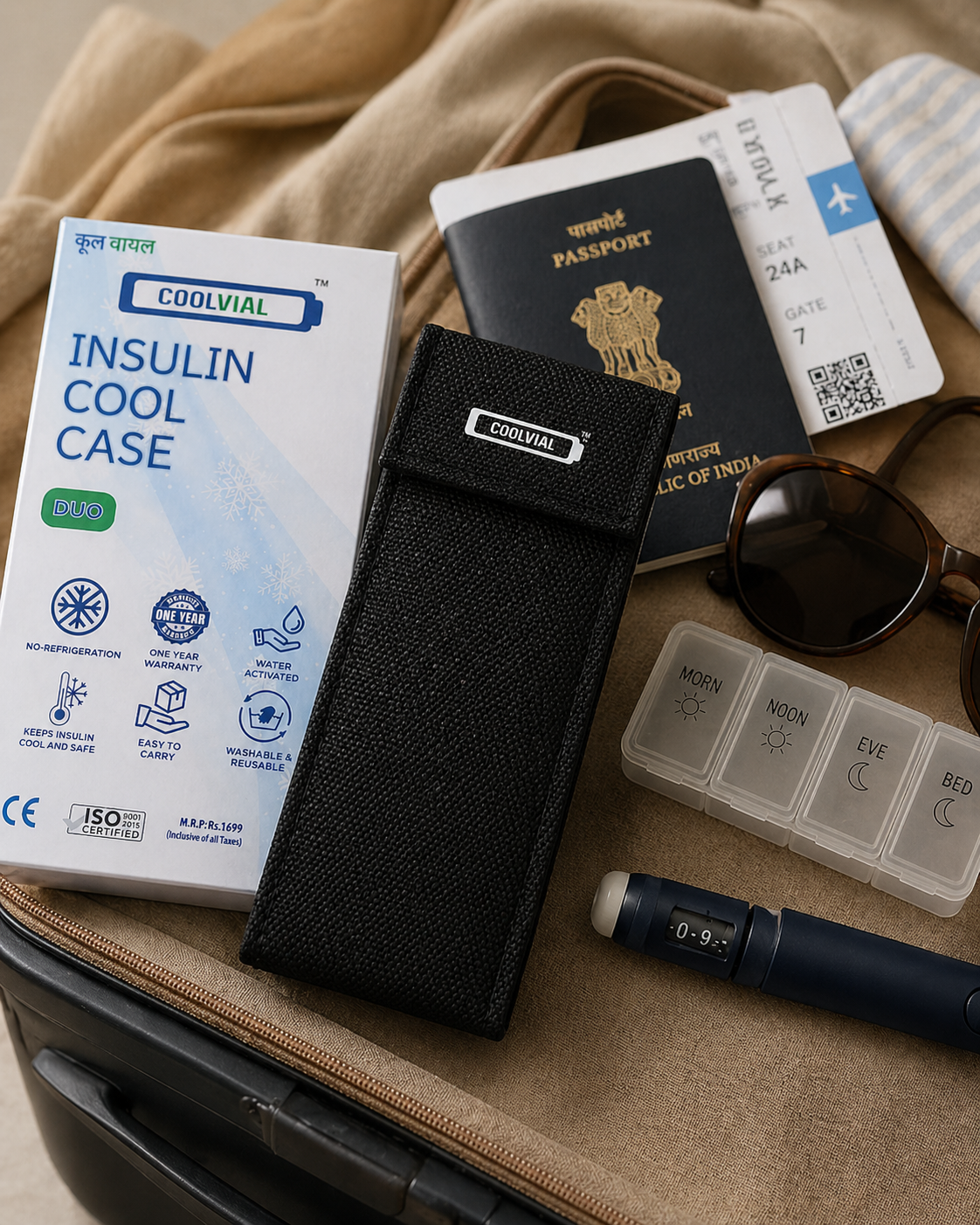
CE Certified · Free Delivery · 1-Year Warranty
📲 Buy on WhatsApp — ₹1,099