Reviewed by the COOLVIAL Editorial Team — specialists in insulin storage for Indian climate conditions.
Living with diabetes in India means carefully managing many aspects of your health, and paramount among them is ensuring the proper storage of your insulin, such as Wosulin. To maintain its potency and ensure effective blood sugar control, Wosulin (and all insulin) must be stored precisely: unopened vials or pens require refrigeration at 2-8°C, while opened insulin can be kept at room temperature (15-25°C) for up to 28 days. This critical guideline is often challenged by India’s diverse and often extreme climate, where temperatures can soar above 30°C, leading to rapid degradation of insulin. This comprehensive guide will equip you with 7 essential Wosulin storage strategies for India, offering made-in-India insulin care tips tailored to our unique environmental conditions. We’ll delve into the science behind insulin storage, explore practical solutions for home and travel, and introduce you to innovative Indian solutions designed to keep your Wosulin safe and effective.
Table of Contents
- Why Optimal Wosulin Storage Matters in India: The Critical Challenge
- Core Concepts of Insulin Storage: Understanding Wosulin’s Needs
- Practical Wosulin Storage in India: Made-in-India Insulin Care Tips
- Navigating India’s Climate: Regional Wosulin Storage Challenges
- COOLVIAL: Your Made-in-India Solution for Optimal Wosulin Storage
- Quick Reference: Wosulin Storage Checklist & FAQs
- Conclusion
Why Optimal Wosulin Storage Matters in India: The Critical Challenge
Maintaining the effectiveness of your Wosulin is non-negotiable for managing diabetes. Insulin is a protein, and like many proteins, it is highly sensitive to temperature fluctuations. When exposed to extreme heat or cold, its molecular structure can change, leading to a significant loss of potency. This means that even if you inject the correct dose, degraded insulin may not lower your blood sugar as expected, putting your health at risk. The implications of compromised insulin are severe, ranging from uncontrolled hyperglycemia and its associated short-term complications to long-term issues affecting vital organs.
India presents a unique and formidable challenge for Wosulin storage. Our vast country experiences a wide spectrum of climates, from the scorching deserts of Rajasthan to the humid coasts of Kerala, and the freezing altitudes of the Himalayas. Summer temperatures in many parts of India, such as Delhi, Chennai, and Hyderabad, routinely exceed 40°C, far surpassing the safe limit of 30°C for insulin. Moreover, frequent and often unpredictable power cuts are a reality for many Indian households, particularly in rural areas and during peak summer months. Studies indicate that up to 78% of Indian households experience daily power cuts in summer, which can render refrigerators ineffective for hours. This directly impacts the ability to maintain the crucial 2-8°C range required for unopened Wosulin.
The sheer number of people affected underscores the urgency of this issue. According to the International Diabetes Federation (IDF), India had 101 million people living with diabetes in 2023, making it a global hotspot for the condition. Ensuring that this large population has access to and can properly store their life-saving medication is a public health imperative. Improper Wosulin storage in India can lead to wasted medication, increased healthcare costs, and, most importantly, poor health outcomes for millions. Understanding and implementing robust insulin storage tips is therefore not just a recommendation, but a critical component of diabetes management in India. For more general guidance on insulin care, explore our comprehensive insulin storage tips.
Core Concepts of Insulin Storage: Understanding Wosulin’s Needs
Understanding the fundamental principles of insulin storage is the first step towards ensuring your Wosulin remains effective. Wosulin, like other insulin brands, is a delicate medication that requires specific temperature conditions to maintain its molecular integrity and therapeutic action. Deviations from these guidelines can render it ineffective, leading to suboptimal blood sugar control.
7 Essential Wosulin Storage Strategies in India: Made-in-India Insulin Care Tips
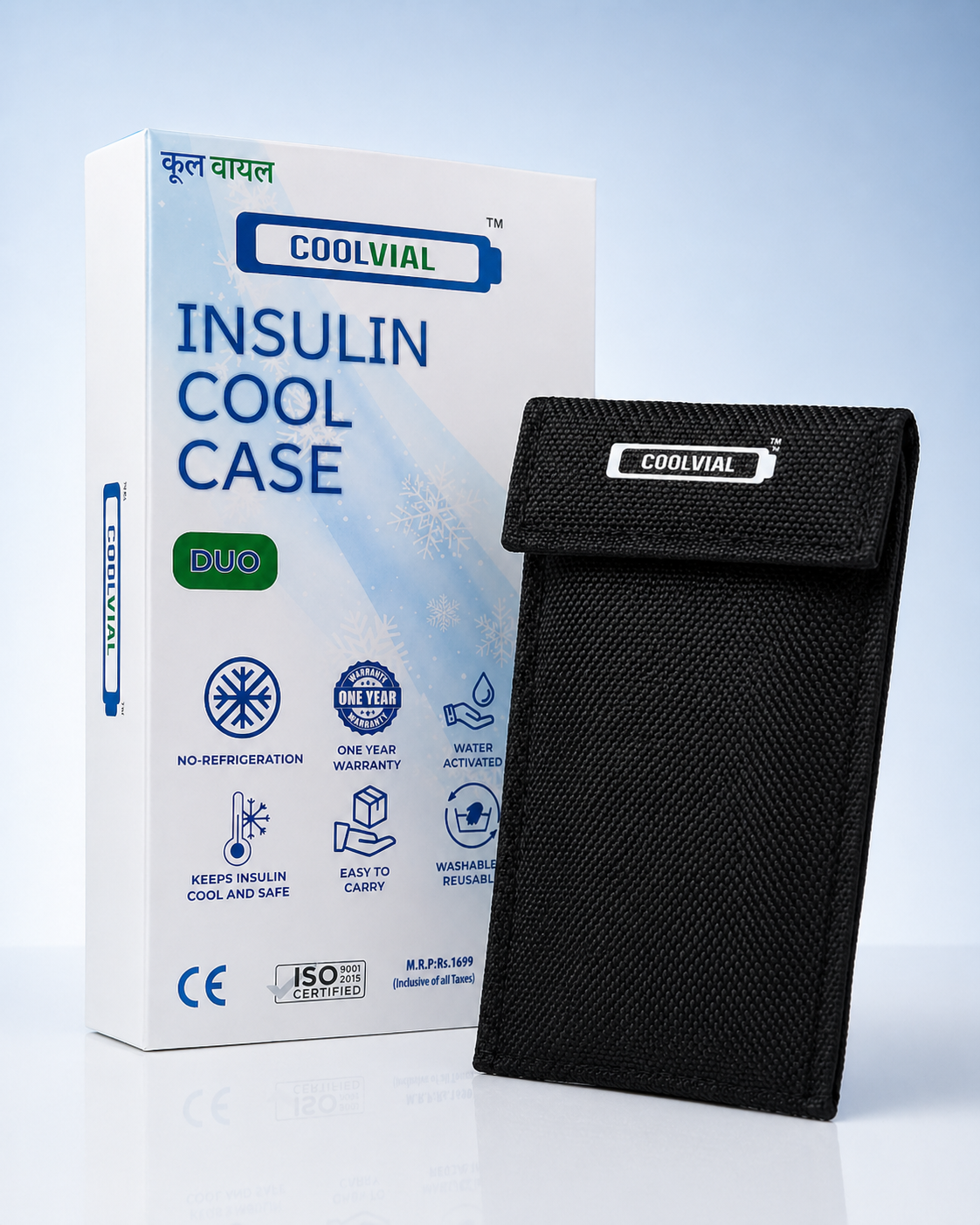
Keep your insulin safe in India's extreme heat. COOLVIAL works for 48+ hours without electricity.
Unopened Wosulin: Refrigeration is Key
7 Essential Wosulin Storage Strategies in India: Made-in-India Insulin Care Tips
Unopened Wosulin vials or pens must always be stored in a refrigerator at a temperature between 2°C and 8°C. This temperature range is crucial because it slows down the degradation process of the insulin molecule, extending its shelf life until the expiry date printed on the packaging. It is vital never to freeze insulin. Freezing can damage the insulin molecule, causing it to lose its potency, even if it thaws afterward. If Wosulin accidentally freezes, it must be discarded immediately, even if it looks normal. A consistent temperature within this 2-8°C range is ideal for optimal preservation.
Opened Wosulin: Room Temperature Guidelines
Once you start using a Wosulin vial or pen, the storage rules change. It should be stored at room temperature, ideally between 15°C and 25°C, and away from direct sunlight or heat. The general rule is to discard opened insulin after 28 days, regardless of how much medication is left. This 28-day period is a guideline for maintaining sterility and potency once the seal is broken. Some specific insulin pens or cartridges might have slightly different durations (e.g., 42 days or 6 weeks for some types, though 28 days is most common for Wosulin-R, Wosulin-N, and Wosulin 30/70), so always check the manufacturer’s specific instructions. After this period, even if the insulin appears normal, its effectiveness may be compromised.
Visual Inspection for Spoilage: Always inspect your insulin before each use.
- Clear insulin (like Wosulin-R): Should be clear and colorless. If it looks cloudy, clumpy, or has particles, discard it.
- Cloudy insulin (like Wosulin-N or Wosulin 30/70): Should be uniformly cloudy after gentle rolling. If it separates, appears granular, or has solid particles, discard it.
The Danger Zone: Temperatures Above 30°C
Insulin begins to degrade rapidly when exposed to temperatures above 30°C. Prolonged exposure to heat, especially above 30°C, can irreversibly damage the insulin, rendering it ineffective. This is particularly relevant in India’s hot climate. Conversely, temperatures below 2°C can also damage insulin by freezing it. Therefore, avoiding extreme temperatures is paramount.
| Insulin State | Recommended Temperature | Duration | Key Notes |
|---|---|---|---|
| Unopened (Wosulin) | 2°C to 8°C (Refrigerator) | Until expiry date | Never freeze. Store away from the freezer compartment. |
| Opened (Wosulin) | 15°C to 25°C (Room Temperature) | Up to 28 days | Discard after 28 days. Avoid direct sunlight and heat sources. |
| Danger Zone | Below 2°C or Above 30°C | Any duration | Insulin may lose potency or be damaged. Discard if exposed. |
The consistency of these temperatures is vital. For travelers, especially those venturing to different climates, careful planning is necessary. The Diabetes UK provides excellent general advice on managing diabetes while traveling, which includes important considerations for insulin storage (Source: Diabetes UK). Always carry a doctor’s prescription and a letter explaining your need for insulin and needles when traveling, especially across state lines or internationally.
Practical Wosulin Storage in India: Made-in-India Insulin Care Tips
7 Essential Wosulin Storage Strategies in India: Made-in-India Insulin Care Tips
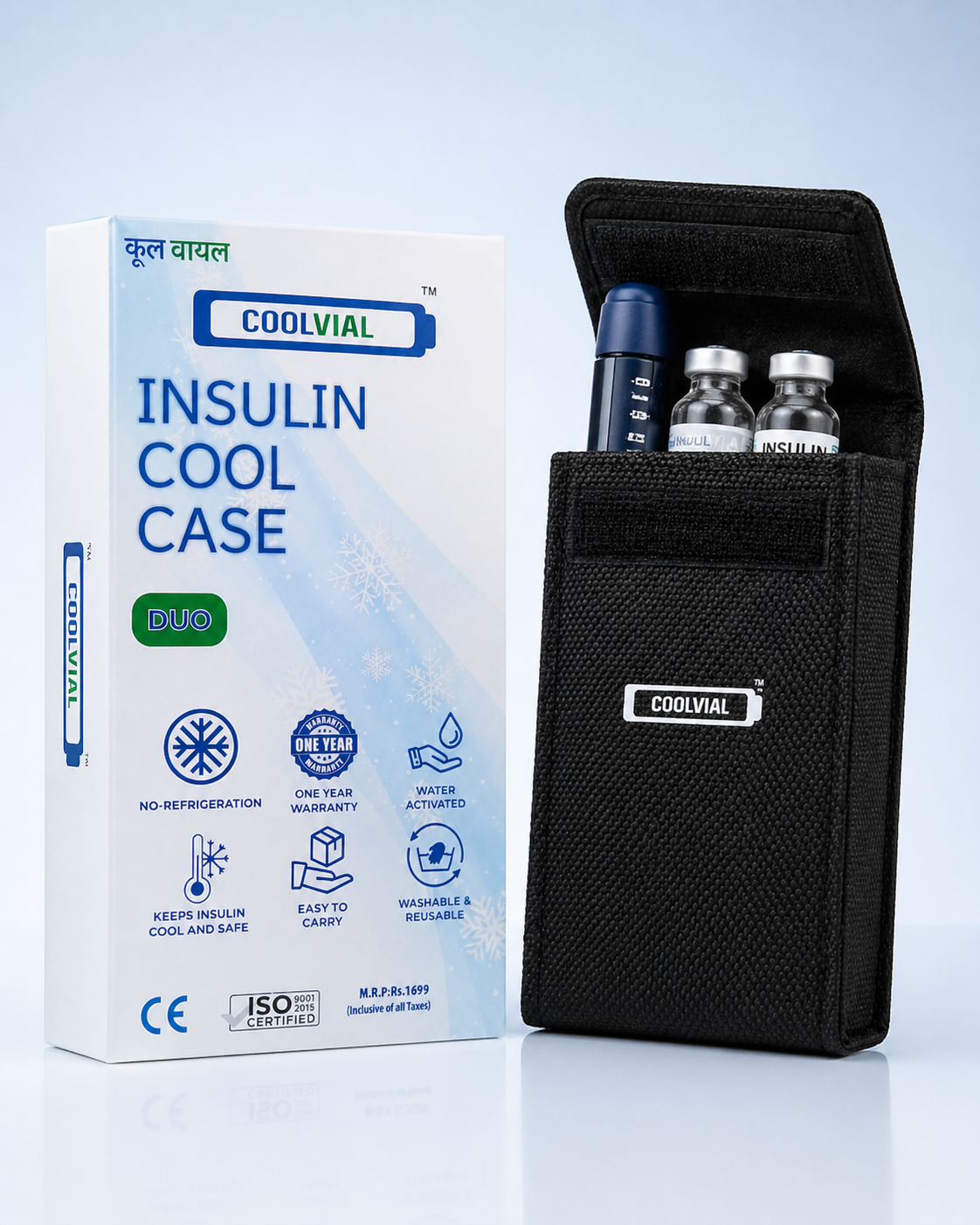
Keep your insulin safe in India's extreme heat. COOLVIAL works for 48+ hours without electricity.
Managing Wosulin storage in India requires practical, adaptable strategies that account for our unique environmental conditions. Here are 7 essential made-in-India insulin care tips to ensure your Wosulin remains potent and safe, whether you’re at home or on the go:
7 Essential Wosulin Storage Strategies in India: Made-in-India Insulin Care Tips
48+ hours at 2-8°C. No electricity. CE certified. Free delivery across India.
Order on WhatsApp — ₹1,099🛒 Buy Now — ₹1,099- Dedicated Refrigerator Space for Unopened Wosulin: At home, designate a specific shelf in your refrigerator for unopened Wosulin. Avoid storing it in the door, as temperatures there fluctuate more frequently with opening and closing. Place it towards the back, but not against the freezing element. A small, inexpensive refrigerator thermometer can help you monitor the 2-8°C range accurately.
- Strategic Room Temperature Storage for Opened Wosulin: For opened Wosulin, find the coolest, darkest spot in your home. This might be a cupboard away from windows, stoves, or direct sunlight. In cities like Mumbai or Chennai, where ambient temperatures often exceed 25°C even indoors, consider using an insulated bag without ice packs to provide a slight buffer against heat, or keep it in an air-conditioned room if available.
- Power Cut Preparedness: Given India’s frequent power outages, especially in states like Uttar Pradesh or Bihar during summer, have a backup plan.
- Insulated Lunch Bags: A good quality insulated lunch bag can keep insulin cool for a few hours if packed with a small, well-wrapped ice pack (ensure ice pack doesn’t directly touch insulin to prevent freezing).
- Thermos Flasks: A wide-mouthed thermos flask, pre-chilled with cold water, can also serve as a temporary cool storage solution.
- Battery-Operated Cooler: For longer outages or travel, consider a small battery-operated medical cooler if feasible.
- Smart Travel Strategies (Trains, Buses, Flights): Indian travel can be challenging.
- Train/Bus Travel: Always carry your Wosulin in a high-quality insulin cool case. Avoid keeping it in luggage that might be exposed to extreme temperatures in the cargo hold or under seats. Keep it with you, in your carry-on. For long journeys, swap ice packs at refreshment stalls or ask for ice from vendors.
- Flights: Always carry insulin in your hand luggage. The cargo hold can get extremely cold, risking freezing. Inform airport security about your medical supplies.
- Avoid Direct Heat: Never leave Wosulin in a parked car, on a sunny windowsill, or near a hot engine. Even a few minutes in direct sun can be detrimental.
- Stay Hydrated and Keep Insulin Dry: High humidity, common in coastal regions like Goa or Kolkata, doesn’t directly harm insulin but can promote bacterial growth if moisture gets into vials. Ensure your storage solutions are dry. Also, remember to stay hydrated yourself, as dehydration can affect blood sugar levels.
- Regular Inventory and Expiry Checks: Keep track of your Wosulin supply. Note down the date you open each vial or pen and discard it after 28 days. Avoid stocking up excessively, especially if you cannot guarantee proper storage conditions for large quantities.
- Emergency Kit: Always have a small emergency kit with extra Wosulin, syringes/pens, alcohol swabs, and blood glucose monitoring supplies. This is crucial for unexpected delays during travel or unforeseen circumstances.
By diligently following these wosulin storage in india madeinindia insulin care tips, you can significantly reduce the risk of insulin degradation and ensure your diabetes management remains on track.
Navigating India’s Climate: Regional Wosulin Storage Challenges
India’s vast geographical and climatic diversity poses unique challenges for Wosulin storage. A “one-size-fits-all” approach simply doesn’t work. Understanding regional climate impacts is crucial for effective wosulin storage in india madeinindia insulin care tips.
North India:
- Summer Heat: States like Delhi, Punjab, and Rajasthan experience extreme summers, with temperatures frequently soaring above 45°C. This makes maintaining room temperature (15-25°C) for opened insulin nearly impossible without air conditioning or specialized cooling solutions. Unopened insulin in refrigerators is also at risk during prolonged power cuts.
- Winter Cold: While less of a concern for heat, some northern regions, especially hilly areas of Himachal Pradesh and Uttarakhand, can experience freezing temperatures. This brings the risk of accidental freezing for insulin stored too close to the freezer compartment or in unheated homes.
South India:
- Consistent Warmth and Humidity: States like Kerala, Tamil Nadu, and Karnataka, particularly coastal cities like Kochi and Chennai, experience high temperatures (often 30-35°C) and oppressive humidity for much of the year. This constant warmth means that even “room temperature” can be too high for opened insulin, and the humidity can make insulated storage less effective if not properly sealed.
East and Northeast India:
- Monsoon Season: Regions including West Bengal, Assam, and Odisha face heavy monsoons, leading to high humidity, moderate-to-high temperatures, and increased chances of power outages and flooding. These conditions create a challenging environment for maintaining stable insulin temperatures.
West India:
- Varied Climate: Gujarat and Maharashtra have diverse climates. While Mumbai is humid and hot, parts of Gujarat can be extremely arid and hot. The challenge here lies in adapting strategies for both high heat and high humidity.
Rural vs. Urban Divide:
- Electricity Access: Rural areas across India often have less reliable electricity access compared to urban centers. This directly impacts the ability to use refrigerators for unopened Wosulin and makes reliance on passive cooling solutions (like cool cases) even more critical.
- Travel Infrastructure: Travel in rural areas or between smaller towns can involve longer journeys on less comfortable transport, often without air conditioning, increasing the risk of temperature exposure.
Festival Travel Considerations: India’s vibrant festival calendar, such as Diwali, Eid, Christmas, or Durga Puja, often involves extensive travel to ancestral homes, crowded public spaces, and longer stays away from routine. During these times, people might be more exposed to fluctuating temperatures and less stable storage environments. Planning ahead with robust wosulin storage in india madeinindia insulin care tips is essential. This is where a reliable, portable cooling solution becomes invaluable. The COOLVIAL insulin cool case is specifically designed to address these very Indian challenges, offering peace of mind even in the most demanding conditions.
COOLVIAL: Your Made-in-India Solution for Optimal Wosulin Storage
In a country as diverse and climatically challenging as India, a reliable and accessible solution for insulin storage is not just a convenience, but a necessity. This is precisely where COOLVIAL steps in, offering a purpose-built, made-in-India insulin cool case designed to safeguard your Wosulin and other insulin medications.
COOLVIAL understands the unique struggles faced by Indian diabetics: the intense summer heat that can
"Finally a cooler that works in Indian summers. Insulin stayed perfect during a 3-day power cut." — Ramesh, Chennai
7 Essential Wosulin Storage Strategies in India: Made-in-India Insulin Care Tips
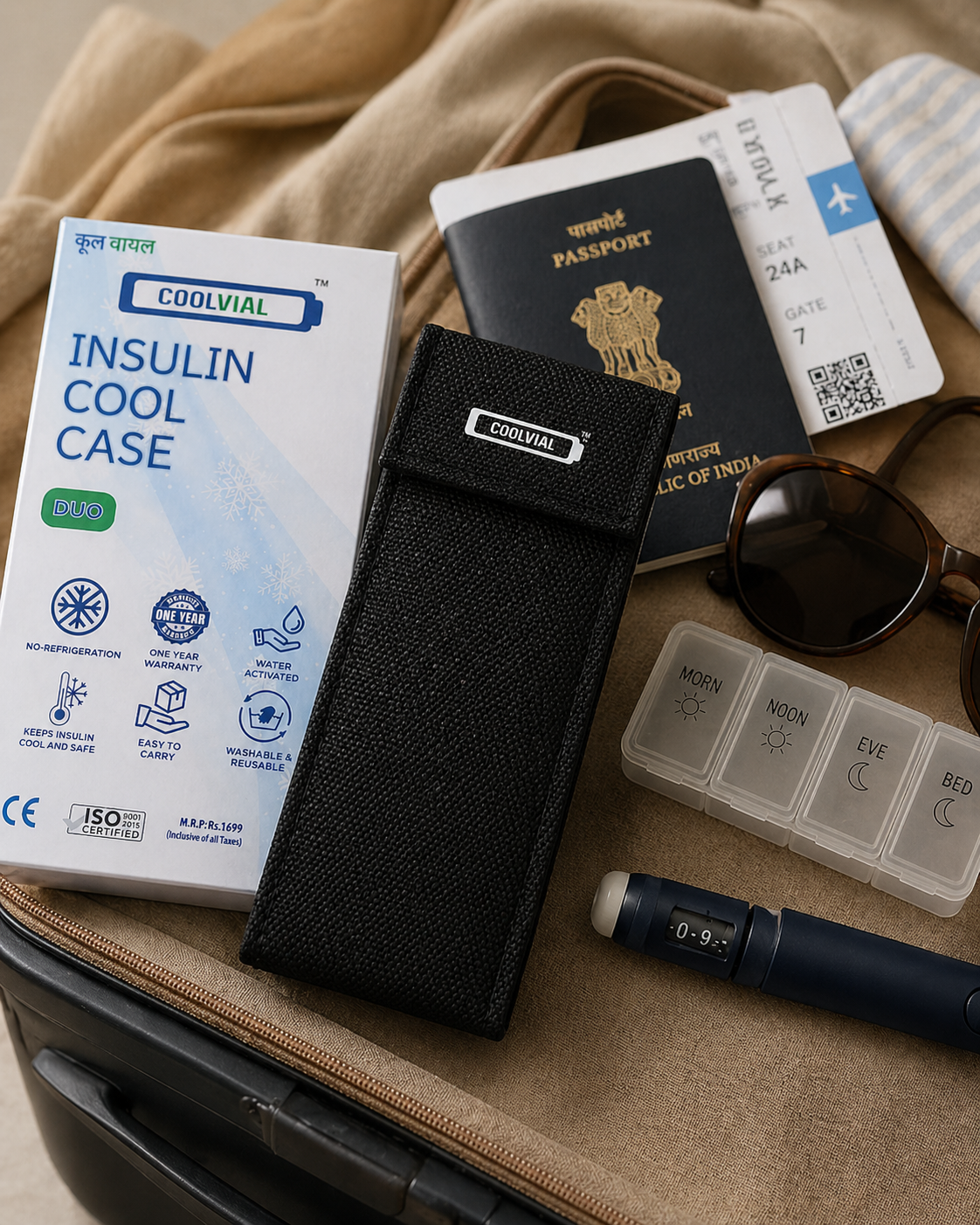
CE Certified · Free Delivery · 1-Year Warranty
📲 Buy on WhatsApp — ₹1,099