
Reviewed by the COOLVIAL Editorial Team — specialists in insulin storage for Indian climate conditions.
Keeping insulin safe when your generator is down and inverter dead is a critical concern for millions of diabetics across India. The direct answer is to maintain insulin between 2-8°C using alternative cooling methods like gel-based cool cases or carefully managed ice packs. Insulin begins to lose its potency significantly above 30°C, making proper storage during power cuts, especially in India’s hot climate, absolutely essential to prevent spoilage and ensure effective diabetes management. This article will provide comprehensive generator down inverter dead insulin backup tips for Indian homes, equipping you with the knowledge and practical strategies to protect your vital medication, regardless of power disruptions.
Living with diabetes in India often means navigating unpredictable power outages, especially during scorching summers or heavy monsoons. These disruptions can turn routine insulin storage into a major challenge, leaving many wondering how to keep their life-saving medication effective. This guide will walk you through understanding insulin’s fragility, explore practical solutions, and highlight India-specific considerations to ensure your insulin remains potent, even when your electricity supply falters.
Table of Contents
- Why Insulin Backup Matters Critically in India: The Power Cut Predicament
- Understanding Insulin’s Core Storage Concepts and Fragility
- 10 Practical Insulin Backup Tips for Indian Homes
- Navigating India’s Diverse Climate: Regional Insulin Storage Challenges
- Your Reliable Partner: COOLVIAL Insulin Cool Cases for Generator Down Inverter Dead Scenarios
- Frequently Asked Questions (FAQ) on Insulin Storage During Emergencies
- Conclusion: Empowering You Against Power Outage Worries
Why Insulin Backup Matters Critically in India: The Power Cut Predicament
India’s vast and diverse landscape, coupled with its rapidly growing infrastructure, still faces significant challenges when it comes to consistent power supply. From bustling metropolitan areas like Delhi and Mumbai to remote villages in Uttar Pradesh and Bihar, power cuts are an unfortunate reality for many households. During peak seasons, especially the scorching summer months when temperatures in cities like Delhi and Jaipur can exceed 45°C, or during the monsoon when storms frequently disrupt electricity grids, the problem intensifies. According to a 2023 study, approximately 78% of Indian households face daily power cuts in summer, with durations ranging from a few minutes to several hours, sometimes even days in rural areas.
For individuals managing diabetes, these power outages pose a direct threat to their health. Insulin, a protein-based hormone, is highly sensitive to temperature fluctuations. Its efficacy can be severely compromised if exposed to temperatures outside its recommended range of 2-8°C for unopened vials or above 25-30°C for extended periods for opened ones. Spoiled insulin can lead to ineffective blood sugar control, resulting in serious health complications. The financial burden of replacing spoiled insulin, which can be expensive, adds another layer of stress for many Indian families.
The sheer number of diabetics in India further underscores the importance of reliable insulin backup solutions. The International Diabetes Federation (IDF) reported that India had 101 million diabetics in 2023, making it a global hotspot for the condition. This significant population highlights the urgent need for practical, accessible, and culturally relevant solutions for insulin storage during emergencies. When your generator is down and inverter dead, the immediate concern shifts from convenience to a critical health matter. Having a robust plan for these generator down inverter dead insulin backup tips for Indian homes is not just about comfort, but about ensuring continuous, effective diabetes management and preventing potentially life-threatening situations.
The challenge isn’t just about extended outages, but also frequent, shorter disruptions that can gradually degrade insulin quality over time. Many Indian households rely on inverters for short power breaks, but what happens when the inverter battery drains, and the main power supply remains elusive? This scenario, where both primary and secondary backup systems fail, demands a proactive approach to insulin preservation. Understanding these unique Indian circumstances is the first step toward building resilience in your diabetes management plan.
Understanding Insulin’s Core Storage Concepts and Fragility
Insulin is a delicate medication, and its effectiveness hinges entirely on proper storage. It’s not just about keeping it cool; it’s about maintaining a stable temperature within a specific range. Deviations from this range can lead to molecular changes that reduce its potency, making it less effective in lowering blood sugar.
Understanding Insulin’s Fragility
Insulin is a protein, and like many proteins, its three-dimensional structure is crucial for its function. High temperatures cause this structure to break down or “denature,” while freezing can lead to aggregation, where insulin molecules clump together. In both scenarios, the insulin loses its ability to effectively regulate blood glucose. The World Health Organization (WHO) recommends storing unopened insulin vials and pens in a refrigerator at temperatures between 2°C and 8°C. Once opened, or if stored at room temperature, most insulin preparations remain stable for about 28 days (four weeks) at temperatures typically between 15°C and 25°C, but never exceeding 30°C.
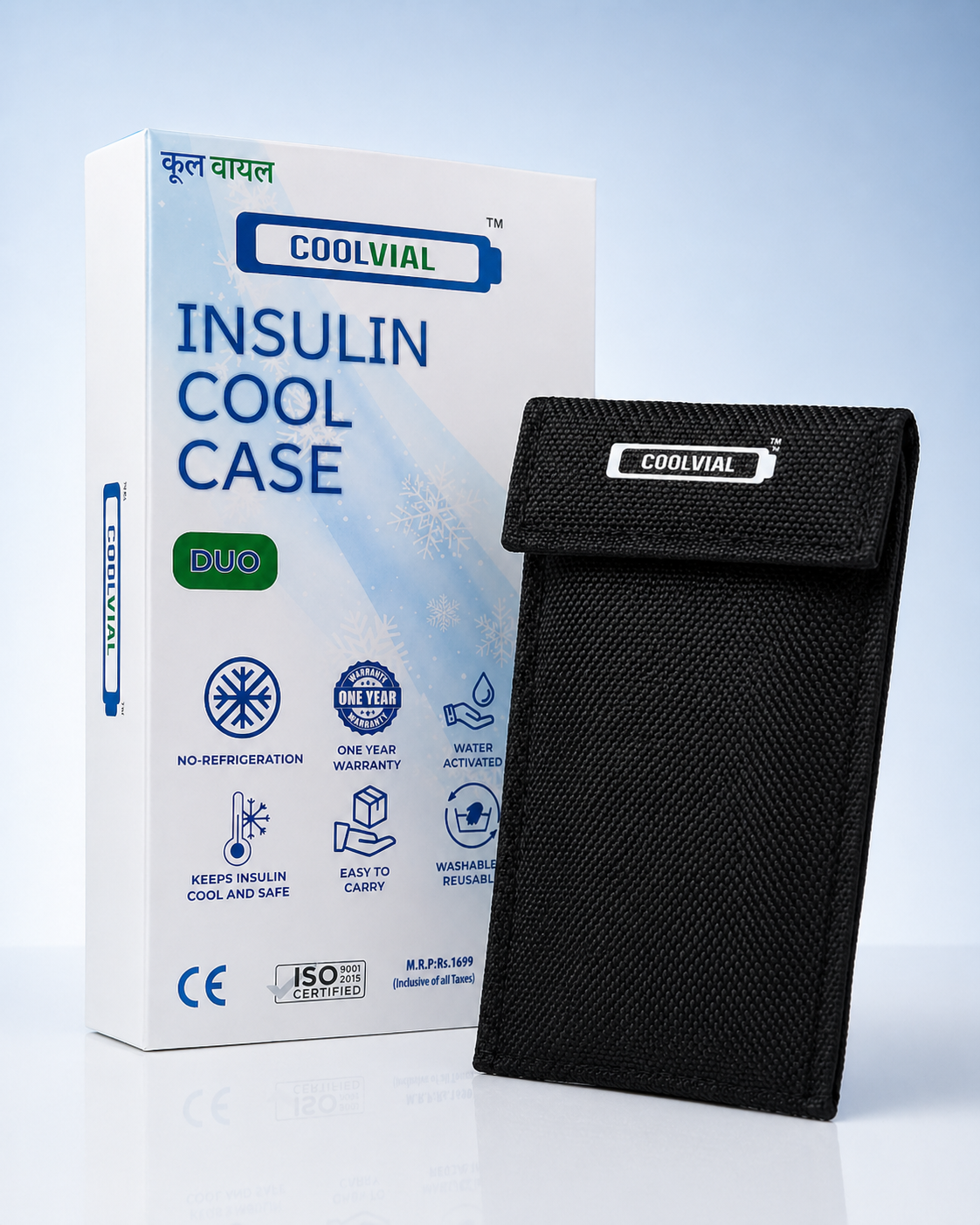
10 Essential Insulin Backup Tips for Indian Homes: Navigating Generator Down, Inverter Dead Scenarios
Keep your insulin safe in India's extreme heat. COOLVIAL works for 48+ hours without electricity.
10 Essential Insulin Backup Tips for Indian Homes: Navigating Generator Down, Inverter Dead Scenarios
Insulin at 2-8°C for 48+ hours. Trusted by 10,000+ Indian diabetics.
The ‘Golden Rules’ of Insulin Storage
- Unopened Insulin: Always store in the refrigerator (2-8°C). Do not freeze. Check the expiration date printed on the packaging.
- Opened Insulin: Once punctured or opened, insulin pens and vials can generally be kept at room temperature (15-25°C) for up to 28 days (some specific types may vary, always check the manufacturer’s leaflet). Crucially, it must be protected from direct sunlight and extreme heat. Avoid storing it in a car’s glove compartment or near a window.
- Temperature Extremes: Never allow insulin to freeze. If it freezes, even partially, it should be discarded. Similarly, exposure to temperatures above 30°C can quickly degrade insulin. Visible signs of spoilage include cloudiness, discoloration, or the presence of particles, though insulin can lose potency without any visible changes.
What Happens When Insulin Gets Too Hot or Freezes?
When insulin gets too hot, its protein structure unravels, making it ineffective. This can happen rapidly in India’s summer heat. Imagine leaving your insulin pen in a car parked under the sun in Chennai or Hyderabad – the internal temperature can quickly soar, rendering the insulin useless within hours. Using compromised insulin means your body isn’t getting the glucose-lowering effect it needs, potentially leading to dangerously high blood sugar levels (hyperglycemia).
Conversely, if insulin freezes, ice crystals can damage the protein structure. Even after thawing, the insulin will not be as effective and should be discarded. This can be a concern in some colder regions of North India during winter or if stored incorrectly in a freezer compartment.
Understanding these fundamental principles is the cornerstone of effective diabetes management, especially when navigating unexpected situations like a generator down inverter dead insulin backup tips for Indian homes scenario. Being vigilant about temperature is paramount.
To further illustrate the critical temperature ranges, consider this table:
| Insulin State | Recommended Temperature Range | Maximum Duration | Key Considerations |
|---|---|---|---|
| Unopened | 2°C - 8°C (Refrigerator) | Until Expiration | Do not freeze. Protect from light. |
| Opened (Vial/Pen) | 15°C - 25°C (Room Temp) | 28 Days | Do not exceed 30°C. Protect from direct sunlight. Check specific manufacturer info. |
| Critical Limit | Above 30°C | Immediate Risk | Insulin starts to degrade rapidly. |
| Critical Limit | Below 0°C (Freezing) | Immediate Risk | Insulin structure damaged, becomes ineffective. |
(Source: Based on WHO guidelines and manufacturer recommendations)
10 Practical Insulin Backup Tips for Indian Homes
When the power grid goes silent and your usual backups fail, having a clear plan for your insulin is non-negotiable. These practical generator down inverter dead insulin backup tips for Indian homes are designed to help you maintain insulin efficacy during unexpected outages.
- Invest in a Quality Insulin Cool Case: This is perhaps the most reliable solution. Products like the COOLVIAL insulin cool case are specifically designed to maintain the optimal temperature (2-8°C) for extended periods without electricity. They use gel packs that, once frozen, keep insulin cool for many hours, sometimes even days, making them ideal for long power cuts or travel.
- Utilize Insulated Bags with Reusable Ice Packs: A good quality insulated lunch bag or a medical cooler bag can be a temporary solution. Fill it with properly frozen gel ice packs. Ensure the insulin vial or pen is wrapped in a cloth or placed in a small container to prevent direct contact with the ice pack, which could cause freezing.
- The “Pot-in-Pot” or Evaporative Cooling Method: A traditional Indian method, this involves placing your insulin (in a sealed, waterproof bag) inside a smaller pot, which is then placed inside a larger pot. Fill the space between the pots with wet sand or water. As the water evaporates, it draws heat away, providing a cooling effect. Keep the sand/cloth consistently wet. This can keep the temperature significantly lower than ambient.
- Pre-Cooling and Minimal Fridge Opening: Before an anticipated power cut (e.g., during summer afternoons), ensure your refrigerator is set to its coldest safe setting. During the outage, open the refrigerator door as infrequently as possible. Each opening allows warm air to rush in, quickly raising the internal temperature.
- Group Items Together: A full refrigerator stays colder longer than an empty one. If your fridge is partially empty, fill empty spaces with water bottles or crumpled newspaper to help maintain cold temperatures.
- Portable Power Banks for Mini-Fridges (If Applicable): For those who own small, portable medical mini-fridges, a high-capacity power bank or a car battery with an inverter can provide temporary power. Ensure the power bank’s output matches the mini-fridge’s requirements. This is a more advanced option but can be very effective.
- Emergency Pharmacy Contacts: Identify local pharmacies that might have backup power or cold storage facilities and note down their emergency contact numbers. In a prolonged outage, they might be able to temporarily store your insulin or provide fresh supplies if yours spoils.
- Know Your Insulin’s ‘Out-of-Fridge’ Life: Be aware of how long your specific insulin type can safely stay at room temperature (typically 28 days for opened vials/pens, but check your leaflet). This knowledge helps you assess the urgency of finding a cooling solution. For example, the Diabetes UK also offers guidance on managing insulin in various conditions here.
- Prepare an Emergency Kit: Keep all your diabetes supplies (insulin, syringes/pens, test strips, lancets, glucometer, alcohol swabs) together in a designated emergency kit. Include a thermometer to monitor the temperature inside your cool case or makeshift storage.
- Communicate with Your Doctor: If you suspect your insulin has been compromised due to temperature exposure, contact your endocrinologist or general physician immediately. They can advise on whether it’s safe to use or if a new prescription is needed. Never assume compromised insulin is still effective.
Implementing these tips can significantly reduce the risk of insulin spoilage during a generator down inverter dead insulin backup tips for Indian homes situation, offering peace of mind and ensuring continuity in your diabetes care.
"Finally a cooler that works in Indian summers. Insulin stayed perfect during a 3-day power cut." — Ramesh, Chennai
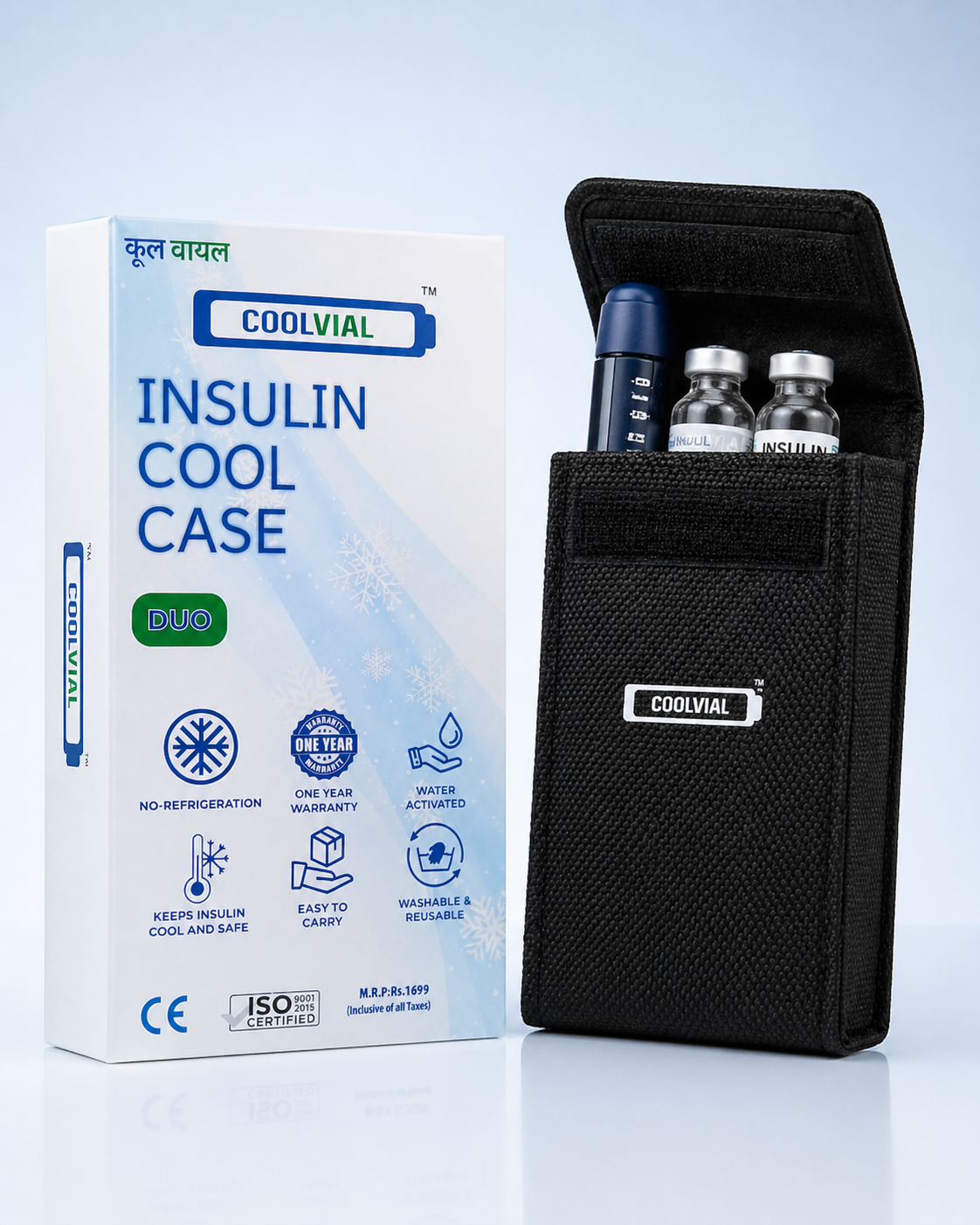
10 Essential Insulin Backup Tips for Indian Homes: Navigating Generator Down, Inverter Dead Scenarios
CE Certified · Free Delivery · 1-Year Warranty
📲 Buy on WhatsApp — ₹1,09910 Essential Insulin Backup Tips for Indian Homes: Navigating Generator Down, Inverter Dead Scenarios
Navigating India’s Diverse Climate: Regional Insulin Storage Challenges
India’s geographical diversity presents a wide range of climatic conditions, each posing unique challenges for insulin storage. What works in the dry heat of Rajasthan might not be sufficient for the humid coasts of Kerala or the severe monsoons of Bengal. Understanding these regional nuances is key to effective insulin management.
North India: Extreme Heat and Cold
Regions like Delhi, Uttar Pradesh, Rajasthan, and Punjab experience extreme temperatures. Summers are notoriously hot, with temperatures regularly soaring above 40°C, sometimes touching 48°C in places like Churu, Rajasthan. During these months, even indoor temperatures can exceed safe limits for insulin. The challenge here is not just cooling but maintaining consistent low temperatures. The dry heat can also cause quick evaporation from water-based cooling methods if not managed properly. Winters, especially in the Himalayan foothills and plains, can bring freezing temperatures, making accidental freezing of insulin a risk if left unattended in unheated rooms or during travel.
Coastal Regions: Humidity and Heat
Cities like Mumbai, Chennai, Kolkata, and Kochi, situated along India’s vast coastline, face high humidity coupled with significant heat. Humidity can make evaporative cooling less effective, as the air is already saturated with moisture. The constant warm, moist air can also contribute to faster degradation of any insulation material not designed for such conditions. During power cuts, the sticky heat can make maintaining a cool environment particularly challenging, necessitating robust, sealed cooling solutions.
Deccan Plateau and Central India: Varied Conditions
States like Maharashtra (excluding coastal), Karnataka (excluding coastal), Telangana, and Madhya Pradesh experience a mix of dry and humid conditions, often with high daytime temperatures. The duration and frequency of power cuts can vary significantly, from short, planned outages in urban centers like Bengaluru to longer, unpredictable disruptions in rural areas. This calls for adaptable solutions that can handle both moderate and extreme conditions.
Monsoon Season: The Unpredictable Threat
Across much of India, the monsoon season brings not only heavy rainfall but also increased humidity and frequent power outages due to storms, falling trees, and grid overloads. During these times, the ambient temperature might drop slightly, but the high humidity combined with power cuts still creates a challenging environment for insulin storage. Travel during monsoons, especially by bus or train, requires insulated carriers that can withstand moisture and maintain temperature for extended periods. This makes a reliable solution crucial for managing insulin while travelling between cities like Pune and Hyderabad, or within states like Assam during heavy rains.
Given these varied conditions, a universal approach to insulin storage during power cuts is insufficient. Instead, diabetics and their caregivers must consider their local climate and potential power grid vulnerabilities when planning their generator down inverter dead insulin backup tips for Indian homes. For instance, a diabetic in Himachal Pradesh might worry about freezing in winter, while someone in Goa is battling heat and humidity year-round. This regional understanding informs the choice of backup solutions, making products designed for India’s diverse environment, like the COOLVIAL cool case, particularly valuable.
Your Reliable Partner: COOLVIAL Insulin Cool Cases for Generator Down Inverter Dead Scenarios
In the face of India’s unpredictable power supply and diverse climate challenges, a dedicated solution for insulin storage becomes indispensable. This is where the COOLVIAL insulin cool case steps in as a practical and affordable answer to the common “generator down inverter dead” predicament. Priced at just ₹1,099, it offers peace of mind and reliable temperature control without relying on electricity.
COOLVIAL cool cases are engineered specifically for the Indian environment. They utilize advanced cooling gel technology within a robust, insulated design. The principle is simple yet effective: the gel packs are frozen in a conventional refrigerator for a few hours. Once frozen, they are placed inside the cool case alongside your insulin vials or pens. The high-quality insulation then ensures that the internal temperature remains consistently between 2-8°C, the ideal range for insulin, for several hours. This duration can comfortably cover most short to medium-length power cuts, and even extended travel.
Key Benefits of COOLVIAL for Indian Diabetics:
- Reliable Temperature Maintenance: Designed to keep insulin within the critical 2-8°C range, protecting its potency even when ambient temperatures soar in cities like Ahmedabad or Bengaluru.
- No Electricity Needed: This is the core advantage when your generator is down and inverter dead. The cool case operates purely on pre-frozen gel packs, making it an independent and reliable backup solution.
- Affordable and Accessible: At ₹1,099, COOLVIAL offers an accessible solution for a wide range of Indian households, removing the barrier of high costs for essential medical equipment.
- Durable and Portable: Constructed with materials that withstand daily use and travel, it’s perfect for
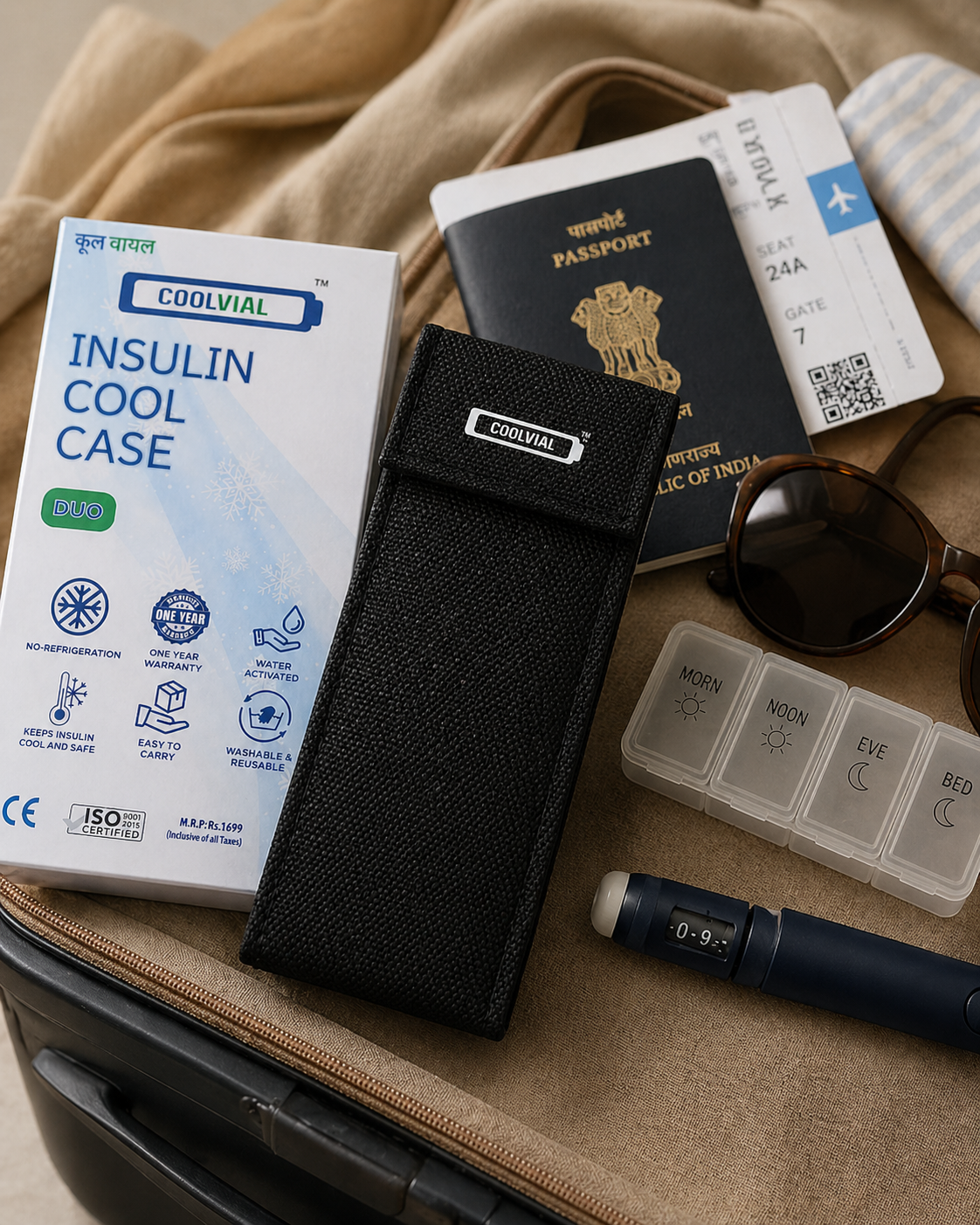
10 Essential Insulin Backup Tips for Indian Homes: Navigating Generator Down, Inverter Dead Scenarios
Don't let Indian heat spoil your insulin. COOLVIAL protects it for 48+ hours.
10 Essential Insulin Backup Tips for Indian Homes: Navigating Generator Down, Inverter Dead Scenarios
48+ hours at 2-8°C. No electricity. CE certified. Free delivery across India.
Order on WhatsApp — ₹1,099🛒 Buy Now — ₹1,099